 YardMate


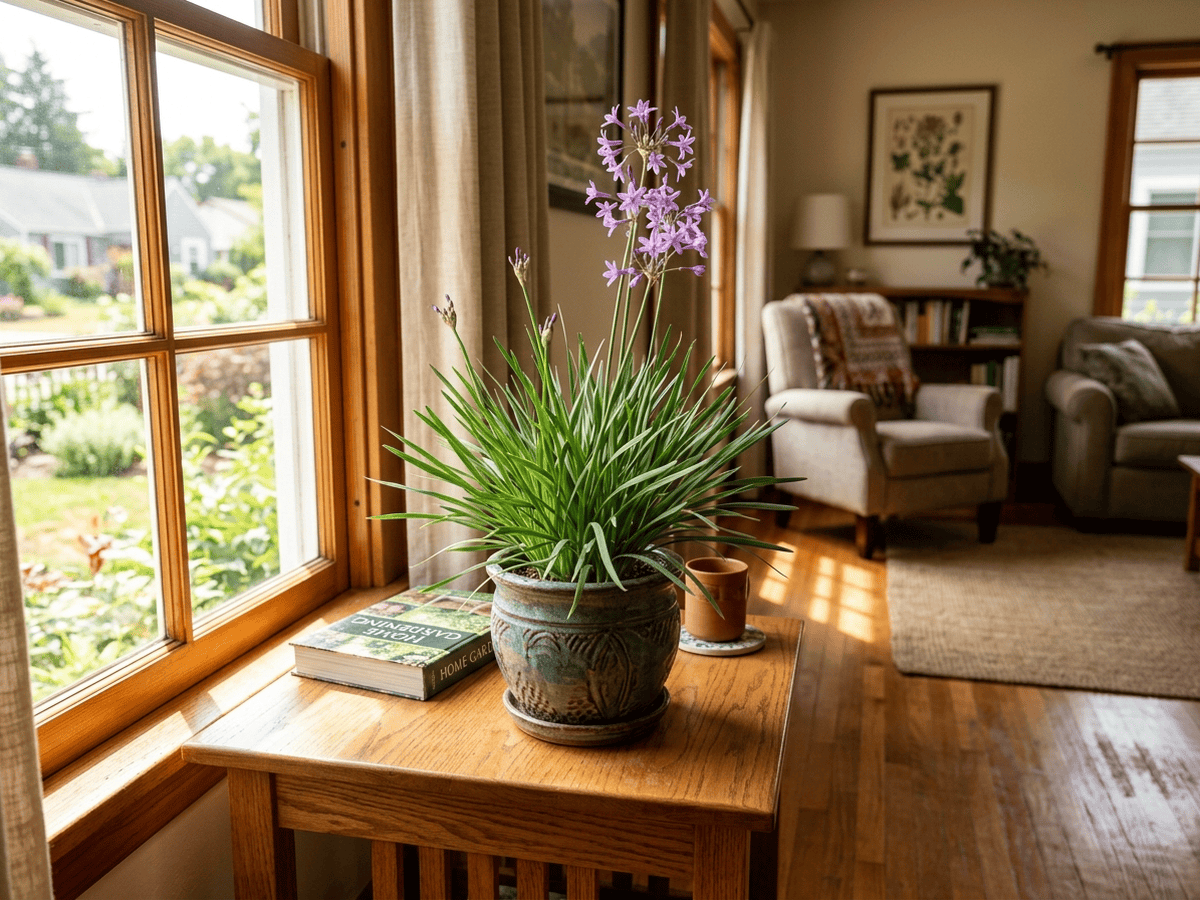
Society Garlic
Tulbaghia violacea
Medium · Some experienceAbout Society Garlic
Tulbaghia violacea, known as Society Garlic, is an evergreen perennial from the rocky grasslands of South Africa's Eastern Cape and KwaZulu-Natal. It forms tidy clumps of narrow, strap-like green leaves that give off a mild garlic scent when bruised. From late winter through summer, slender stems carry rounded umbels of small tubular flowers in soft lilac to violet, sweetly honey-scented and loved by bees and butterflies. Tough and drought-tolerant in sun and well-drained soil, it resists deer and stays attractive year-round. The leaves lend a gentle garlic note to cooking, and the plant has a long medicinal history in southern Africa.
- Fragrant
- Drought-tolerant
- Evergreen
- Pollinator-friendly
How to care for Society Garlic
Watering
- Springevery 7 days
- Summerevery 5 days
- Fallevery 15 days
- Winterevery 30 days
Soil · Rich & well-draining
- Top dressingCompost10%
- Main mixPotting soil + compost 3:180%
- DrainageGravel10%
Top up the compost layer each season.
FERTILIZER
Balanced Feed 14-14-14
An even feed covers all three needs at once, keeping leaves, roots and blooms moving together with nothing pushed out of balance.
- Nitrogen · Leaves
- Phosphorus · Roots + Blooms
- Potassium · Strength
- Springevery 30 days
- Summerevery 30 days
At a Glance
- NativeSouth Africa
- Height0.6–1.2 ft (0.2–0.4 m)
- Spread1–1.5 ft (0.3–0.5 m)
- Flower colorPurple
- Foliage colorGreen
- SoilWell-drained, Loamy
- LocationsYard · Balcony · Indoor
Bloom time
BLOOM CYCLE
Peak bloom
Feb–Aug
The flowers of this plant typically bloom from spring to summer and emit a charming fragrance.
Fragrance
MODERATE FRAGRANCE
Sweet, honey-floral scent from the purple umbels; crushed leaves release a sharp, distinctive garlic-like aroma entirely different from the floral scent.
Toxicity
No toxicity has been reported for this plant. Still, it is wise to keep pets from chewing on any houseplant.
Educational information, not medical or veterinary advice. If exposure is suspected, contact a doctor or veterinarian.
DISTRIBUTION


- Native
- Introduced
- South Africa
History
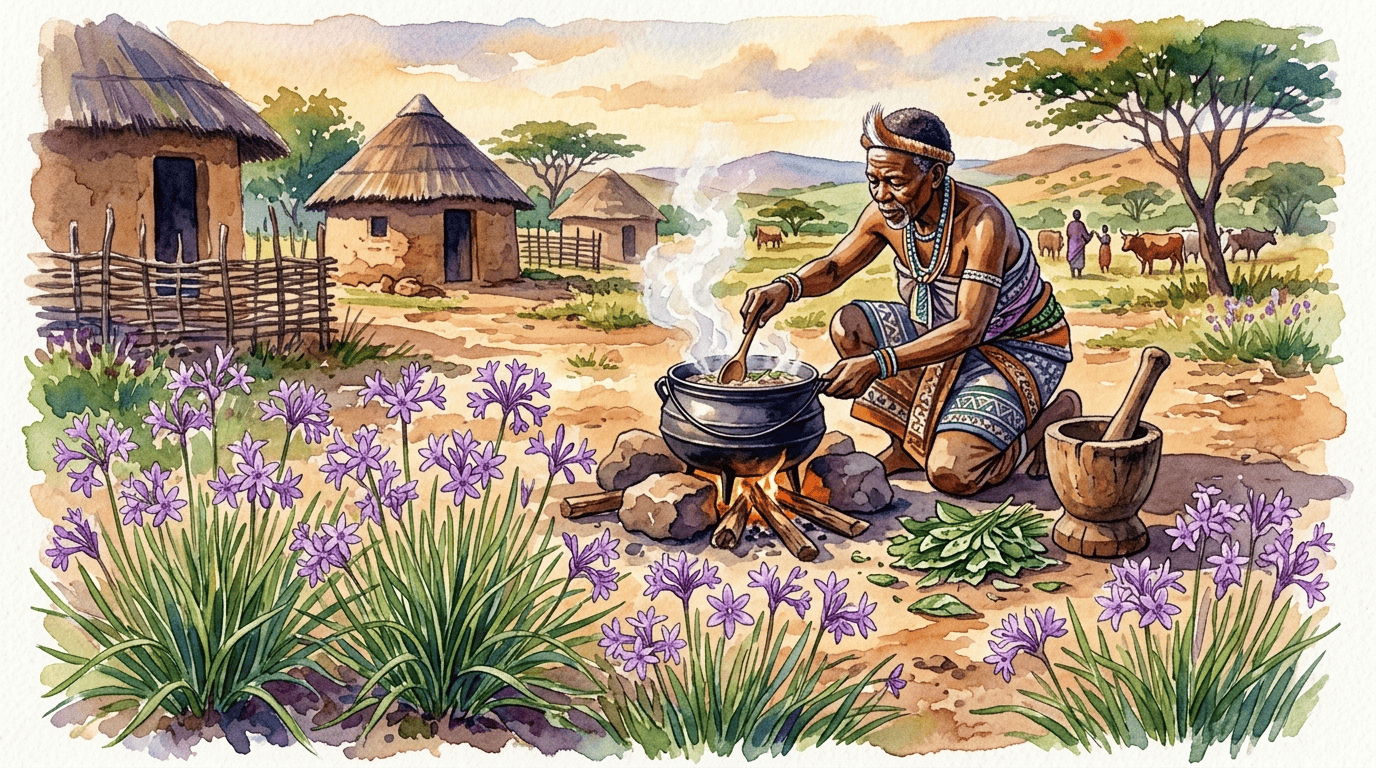
Tulbaghia violacea began as a medicinal plant of South Africa's Eastern Cape and KwaZulu-Natal, where Zulu and Sotho communities knew it long before European botanists. Traditional healers boiled its rhizomes for fevers, respiratory infections, and intestinal parasites and applied crushed leaves for headaches — an empirical pharmacopoeia later echoed by phytochemists who identified the organosulfur compounds behind its activity. The genus honors Ryk Tulbagh (1699-1771), the Dutch-born governor of the Cape Colony under the VOC, who corresponded with leading botanists and helped send Cape specimens to European herbaria; the epithet violacea, for the violet flowers, was added by William Henry Harvey. The common name "Society Garlic" comes from colonial folklore that eating the leaves gave a milder, more socially acceptable garlic breath than true garlic. Carried into European gardens through the 18th and 19th centuries, it spread on the strength of its evergreen habit, long bloom, and easy care, naturalizing across the Mediterranean, California, and southern Australia, where breeders selected variegated forms such as 'Silver Lace.' Today it is prized as a low-water, pollinator-friendly, deer-resistant garden plant, its traditional uses now backed by research confirming activity against Candida and Staphylococcus.
Symbolism & meaning
What It Symbolizes
In the Victorian language of flowers, plants with concealed strength were associated with the idea that the most admirable qualities — courage, perseverance, genuine usefulness — are often hidden behind an unpretentious face. Society Garlic embodies this paradox perfectly: from a distance, a tidy clump of narrow green leaves crowned with dainty purple stars; up close, a sharp medicinal scent, a long history of healing, and flowers sweet enough to draw butterflies from across the garden. Gardeners who have grown it for many seasons describe it as a quiet companion — one that protects its surroundings by repelling deer and pests, feeds pollinators through months of bloom, and returns dependably every year without demanding attention. There is a certain gentle wisdom in that constancy, a reminder that the most lasting gifts are the ones that sustain themselves.
- Resilience — Thriving through drought, poor soils, and neglect with quiet determination, Society Garlic has come to symbolize steady endurance and the power of inner strength over outward difficulty.
- Hidden Virtue — Beneath an unassuming exterior lie genuine medicinal power and culinary usefulness — a reminder that true value is not always visible at first glance and that worth reveals itself with time.
- Social Grace — The colonial legend that settlers ate Society Garlic before social occasions to ensure pleasant breath lends this plant an enduring association with courtesy, civility, and the art of good company.
Where the Name Comes From
The genus name Tulbaghia honors Ryk Tulbagh (1699–1771), the Dutch-born Governor of the Cape Colony under the Dutch East India Company, who was a passionate supporter of natural history and actively facilitated the documentation of Cape flora for European science. The species epithet violacea is the Latin adjective meaning "violet-colored," referring to the distinctive soft purple-lilac hue of the tubular florets that crown each flowering stem from late winter through summer.
Uses & Fun Facts
- Purple umbels carry a sweet, honey-like fragrance, while the leaves release a sharp garlic scent when bruised — a standout in sensory and scented garden designs.
- Leaves and flowers can be used as a mild garlic substitute in salads, soups, stir-fries, and cooked dishes, adding gentle allium flavor without harsh aftertaste.
- In traditional southern African medicine, rhizome decoctions and leaf preparations have been used for generations to treat fevers, colds, intestinal parasites, and skin infections.
- Sweet-scented purple umbels attract bees, butterflies, and other pollinators throughout the long blooming season from late winter through summer.
- Compact evergreen clumps with airy flower stems make Society Garlic an ideal border edging, container specimen, deer-resistant groundcover, or feature plant in low-maintenance gardens.
Related plants
Plants with similar care
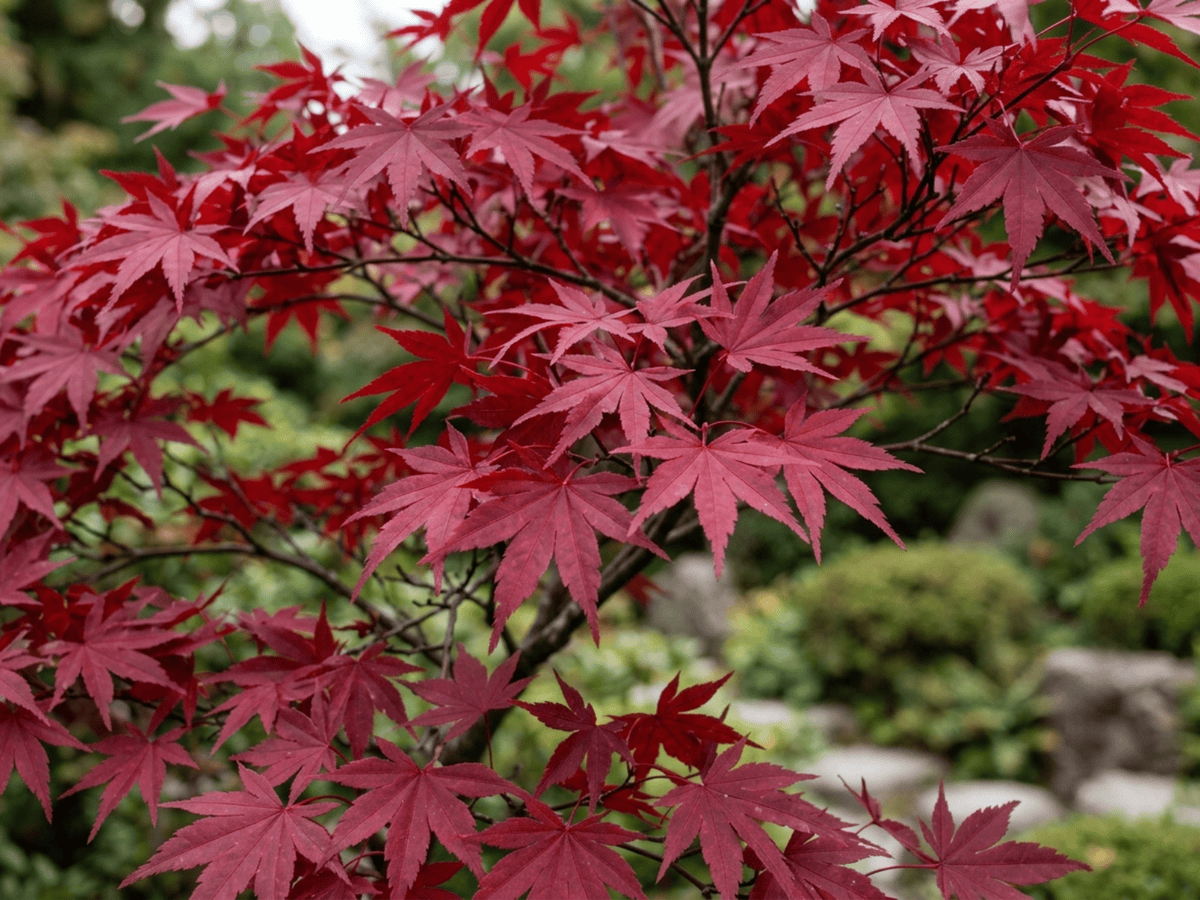 Japanese MapleAcer palmatum
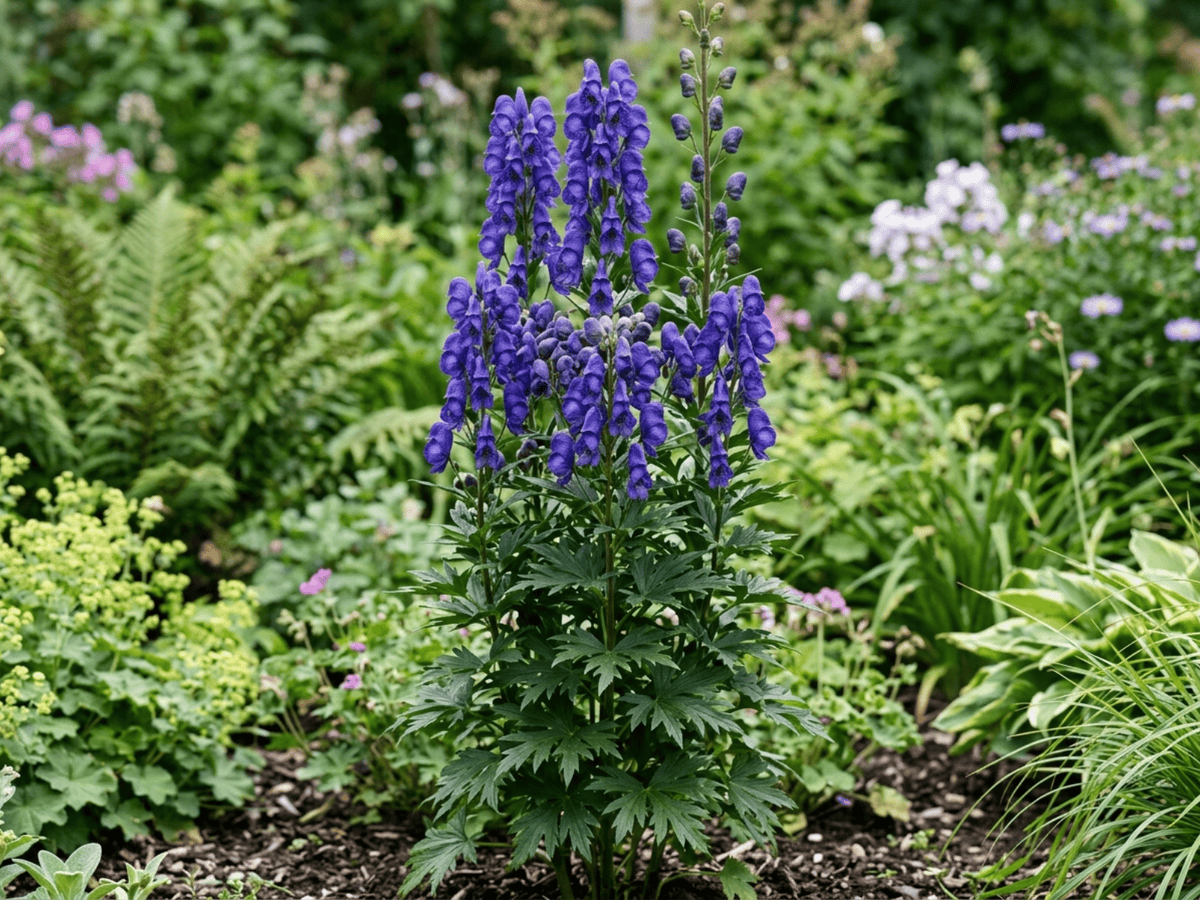 Azure MonkshoodAconitum carmichaelii
 Florida HobblebushAgarista populifolia
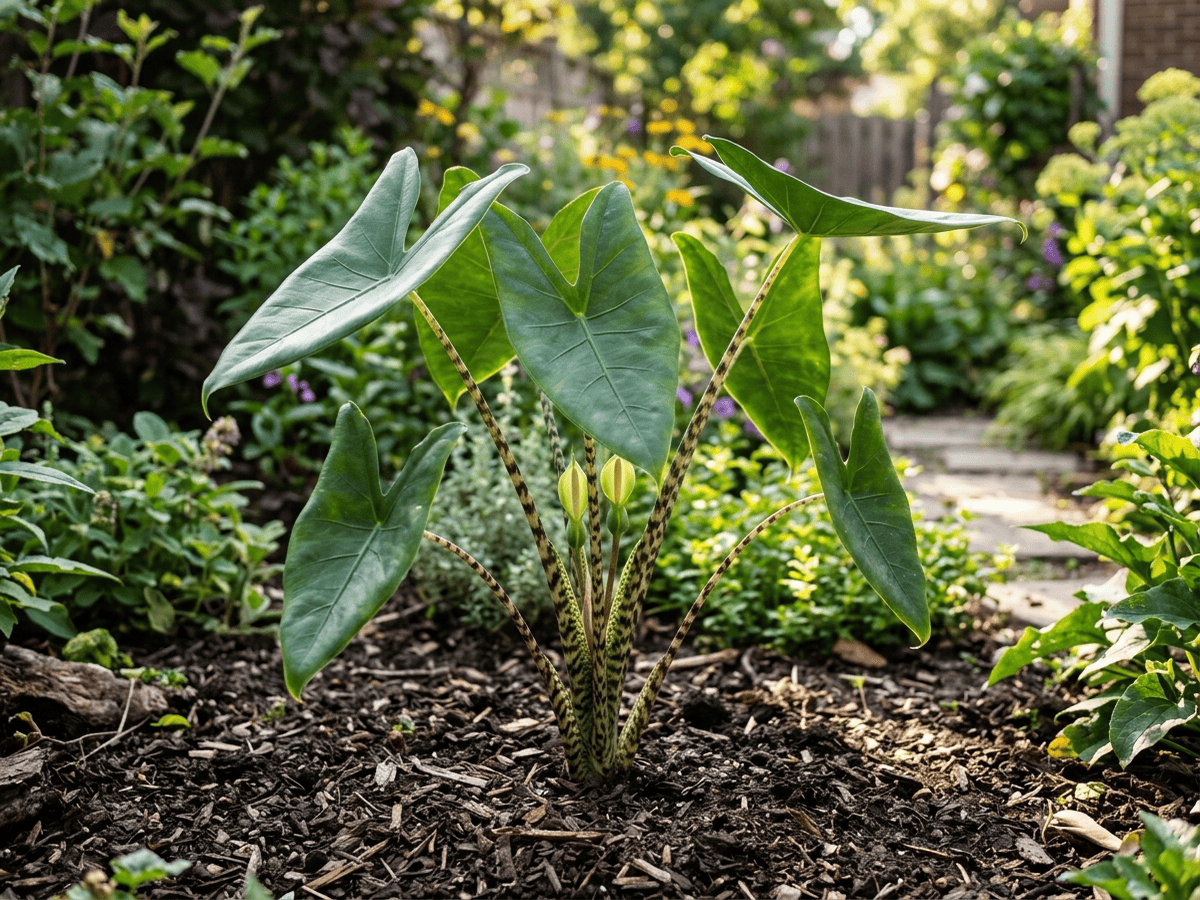 Alocasia zebrinaAlocasia zebrina
Frequently asked questions
How often should I water Society Garlic?
In summer, water about every 5 days; in winter, about every 30 days. Adjust for heat, pot size and drainage.
How much light does Society Garlic need?
Part shade: 2–4 hrs direct. Watch the leaves — scorching or stretching means the light needs adjusting.
Is Society Garlic toxic to cats or dogs?
No toxicity has been reported for this plant. Still, it is wise to keep pets from chewing on any houseplant. Educational information, not medical or veterinary advice. If exposure is suspected, contact a doctor or veterinarian.
Is Society Garlic easy to grow?
It is moderately demanding: a good choice once you have a little experience.
Can Society Garlic be grown indoors?
Yes, it adapts well to indoor growing given the right light.
When does Society Garlic bloom?
It typically blooms Feb–Aug in the Northern Hemisphere.
YardMate
Identify any plant in seconds
Snap a photo — YardMate names the plant, diagnoses problems, and reminds you when to water.
Download on the App Store