 YardMate


Colt's-Foot
Tussilago farfara
Easy · Beginner friendlyAbout Colt's-Foot
Tussilago farfara, coltsfoot, is a European perennial with creeping rhizomes and a split personality in spring. Bright yellow dandelion-like flowers rise first on scaly stems, often before the leaves appear; the hoof-shaped leaves follow later and can build dense colonies in moist disturbed soil. The plant has a long history in cough syrups and old herbals, reflected in its Latin name, but modern knowledge of pyrrolizidine alkaloids makes that history a cautionary one. It is listed as invasive in parts of northern North America and can be difficult to remove once established. Botanically interesting, yes; a casual garden plant, usually no.
- Medicinal
- Groundcover
- Fast-growing
How to care for Colt's-Foot
Watering
- Springevery 14 days
- Summerevery 10 days
- Fallevery 14 days
- Winterevery 30 days
Soil · Well-draining
- Top dressingPine bark mulch10%
- Main mixPotting soil + perlite 2:170%
- DrainageLECA / gravel20%
Never skip the drainage layer — standing water is the top cause of root rot.
FERTILIZER
This plant needs little to no feeding.
At a Glance
- NativeEurope, Africa, Western Asia
- Height0.5–1 ft (0.2–0.3 m)
- Spread1–2 ft (0.3–0.6 m)
- Flower colorYellow
- Foliage colorGreen
- SoilMoisture-retentive, Loamy, Clay
- LocationsYard
Bloom time
BLOOM CYCLE
Peak bloom
Mar–May
Yellow flowers emerge before leaves in early spring
Fragrance
LIGHT FRAGRANCE
The flowers have a light honey scent.
Toxicity
Humans Moderate · Pets Moderate
senkirkine, senecionine, and pyrrolizidine alkaloids
Moderate
- Leaf
- Flower
- Root
- Ingestion
EXPOSURE Eating leaves, flowers, and roots.
EFFECT Liver damage with chronic use and veno-occlusive disease.
NOTE Contains hepatotoxic pyrrolizidine alkaloids; many countries restrict internal use.
Moderate
- Leaf
- Flower
- Root
- Ingestion
EXPOSURE Eating leaves, flowers, and roots.
EFFECT Liver damage.
NOTE Contains hepatotoxic pyrrolizidine alkaloids; many countries restrict internal use.
Moderate
- Leaf
- Flower
- Root
- Ingestion
EXPOSURE Eating leaves, flowers, and roots.
EFFECT Liver damage.
NOTE Contains hepatotoxic pyrrolizidine alkaloids; many countries restrict internal use.
Educational information, not medical or veterinary advice. If exposure is suspected, contact a doctor or veterinarian.
DISTRIBUTION


- Native
- Introduced
- Europe
- Africa
- Western Asia
History

Tussilago farfara, coltsfoot, is a small rhizomatous perennial composite native to Europe, North Africa, and western Asia, now widely naturalized in North America. It is one of the earliest spring bloomers in temperate climates, sending up golden yellow flowerheads on scaly scapes through bare ground or melting snow long before the large hoof-shaped leaves emerge. Its Latin name comes from tussis, Latin for cough, and the plant has been a staple of European and Chinese herbal medicine for respiratory complaints since antiquity; apothecaries in medieval Europe sometimes hung painted coltsfoot flowers outside shops as a symbol.
Modern analysis has identified small amounts of hepatotoxic pyrrolizidine alkaloids, and Germany, the UK, and other countries now restrict internal use of the unprocessed plant. Native to Europe and Asia, Coltsfoot was brought to colonial America as a cough medicine and has since naturalized across the northern US.
Listed as invasive in several northern states, it is no longer recommended internally due to liver-damaging alkaloids discovered in the 1980s.
Symbolism & meaning
What It Symbolizes
Colt's-Foot is spring's strange reversal: yellow flowers first, hoof-shaped leaves later. That backward sequence made it memorable in old herbals, but modern knowledge gives the plant a cautionary shadow. Its symbolism is early hope with a warning attached, a bright flower that arrives before the full story is visible.
- Cough dispeller — ancient Latin name means cough-dispeller
- Spring herald — flowers before winter ends
Where the Name Comes From
'Tussilago' comes from Latin 'tussis' (cough) and 'agere' (to drive away), an old name for the plant; 'farfara' is an old Latin plant name.
Uses & Fun Facts
- Coltsfoot historically used in herbal cough remedies
- Earliest yellow flowers feed bees on warm late-winter days
Related plants
Plants with similar care
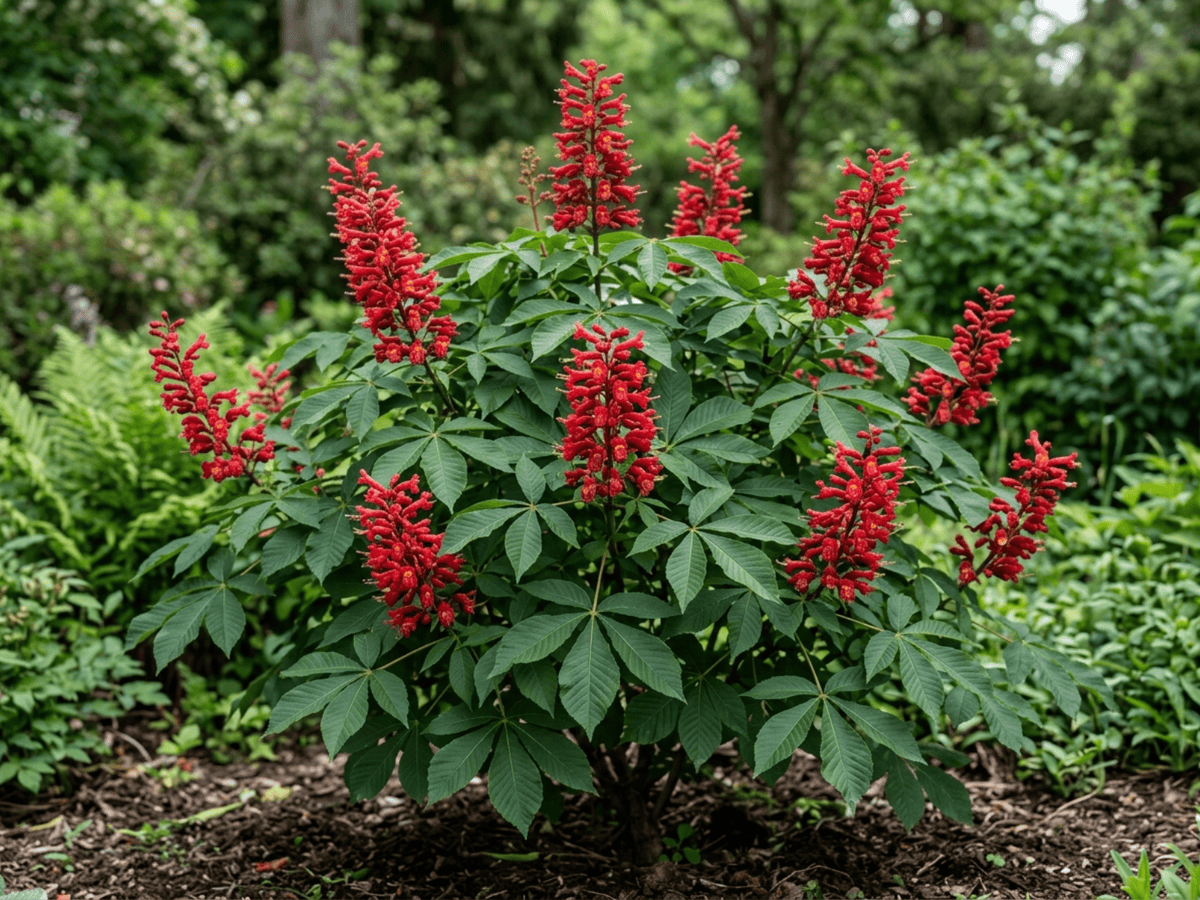 Red BuckeyeAesculus pavia
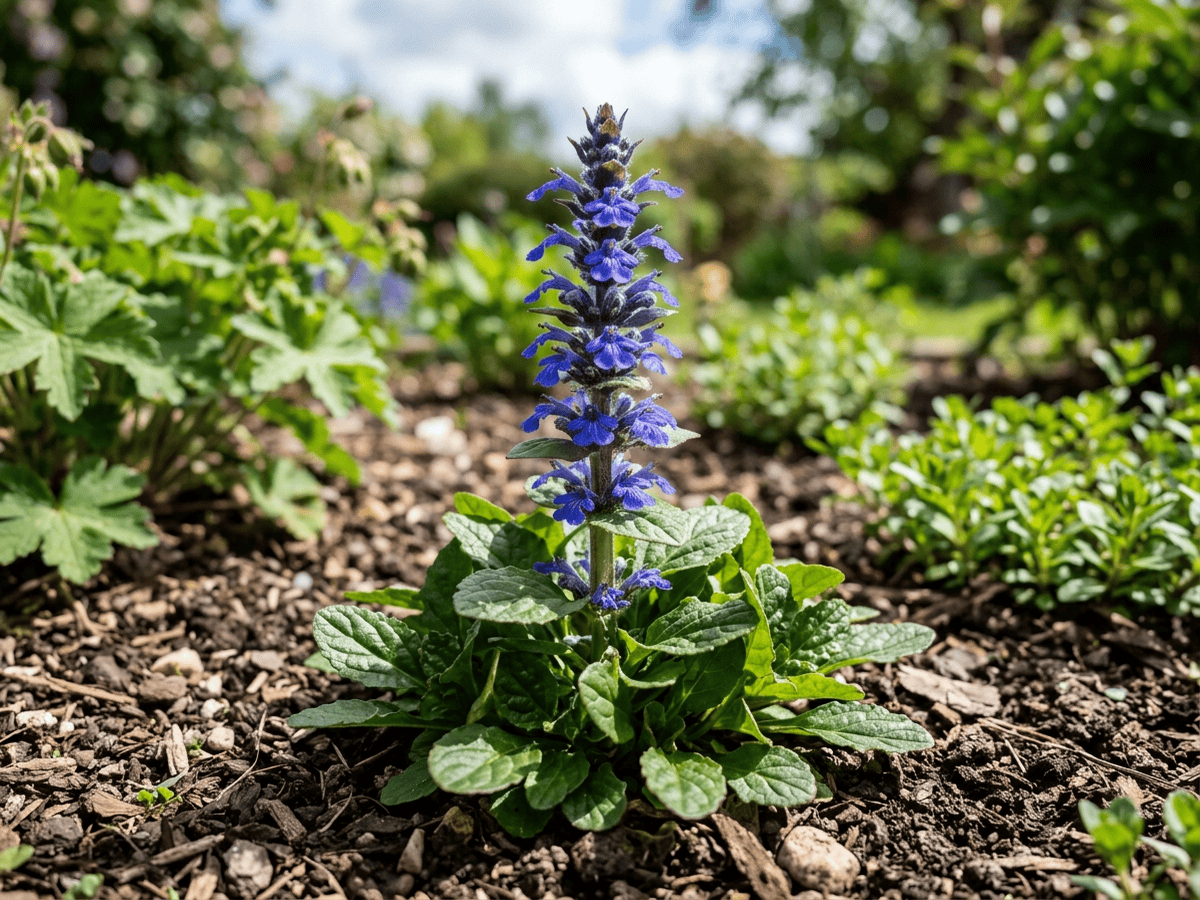 Blue BugleAjuga genevensis
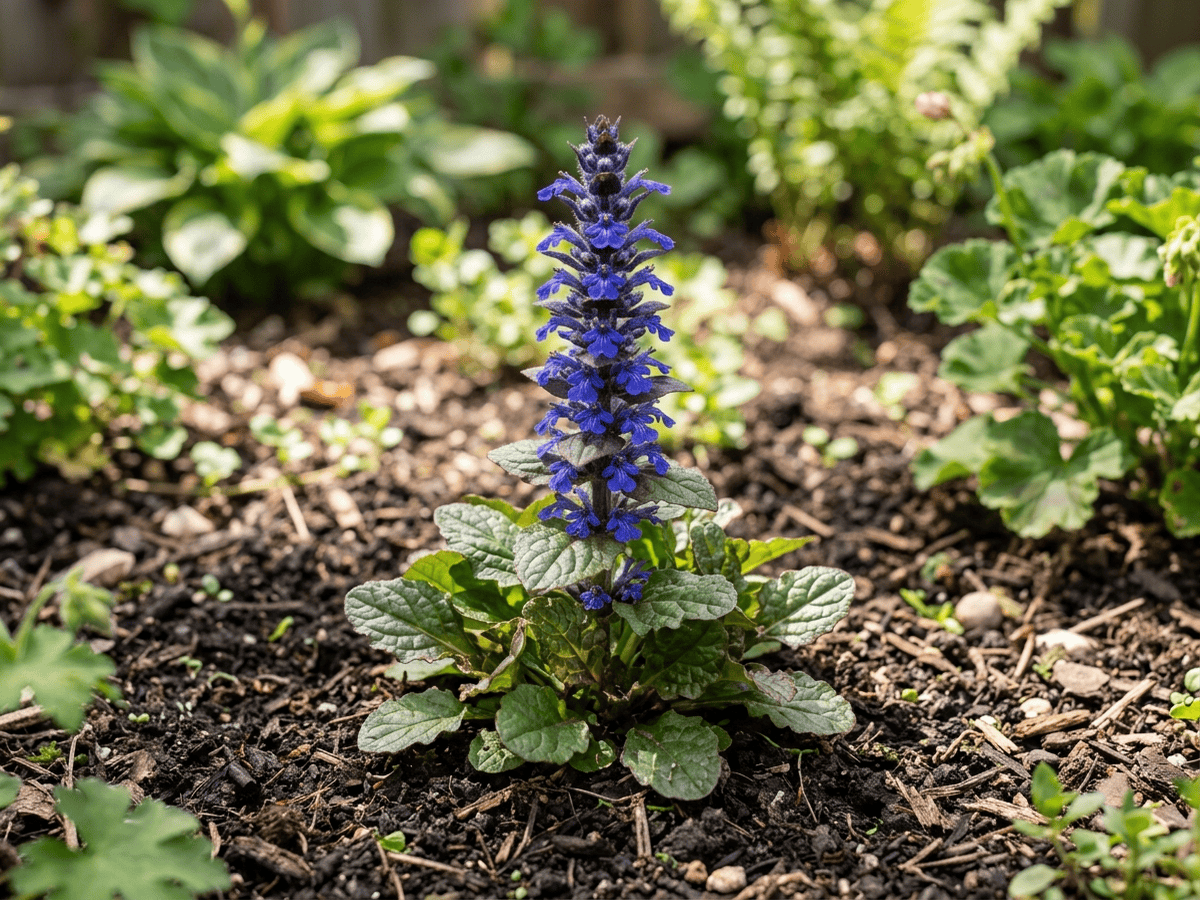 Pyramidal BugleAjuga pyramidalis
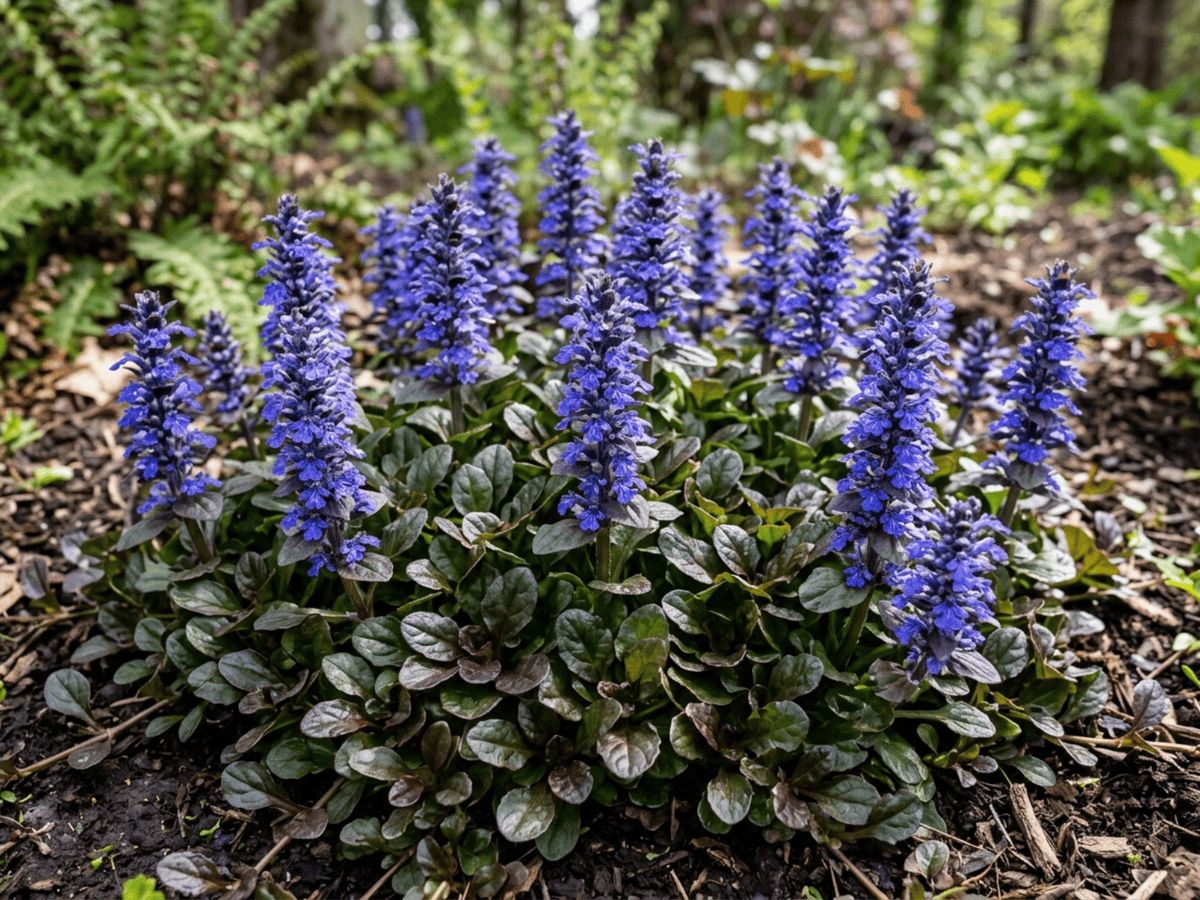 Carpet BugleAjuga reptans
Frequently asked questions
How often should I water Colt's-Foot?
In summer, water about every 10 days; in winter, about every 30 days. Adjust for heat, pot size and drainage.
How much light does Colt's-Foot need?
Part shade: 2–4 hrs direct. Watch the leaves — scorching or stretching means the light needs adjusting.
Is Colt's-Foot toxic to cats or dogs?
Pets Moderate (Dogs Moderate · Cats Moderate) Educational information, not medical or veterinary advice. If exposure is suspected, contact a doctor or veterinarian.
Is Colt's-Foot easy to grow?
Yes — it is considered an easy, beginner-friendly plant.
When does Colt's-Foot bloom?
It typically blooms Mar–May in the Northern Hemisphere.
YardMate
Identify any plant in seconds
Snap a photo — YardMate names the plant, diagnoses problems, and reminds you when to water.
Download on the App Store