 YardMate


White Inside-Out Flower
Vancouveria hexandra
Easy · Beginner friendlyAbout White Inside-Out Flower
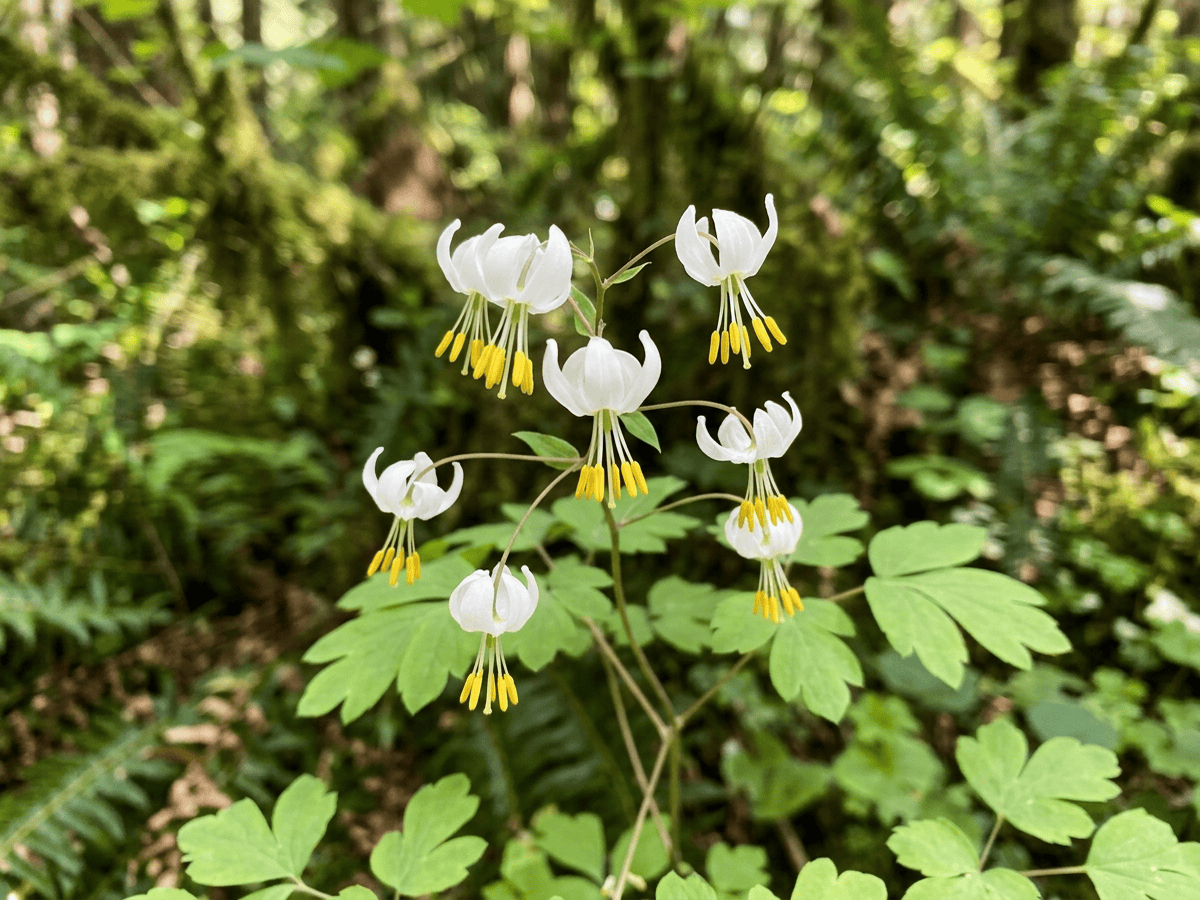
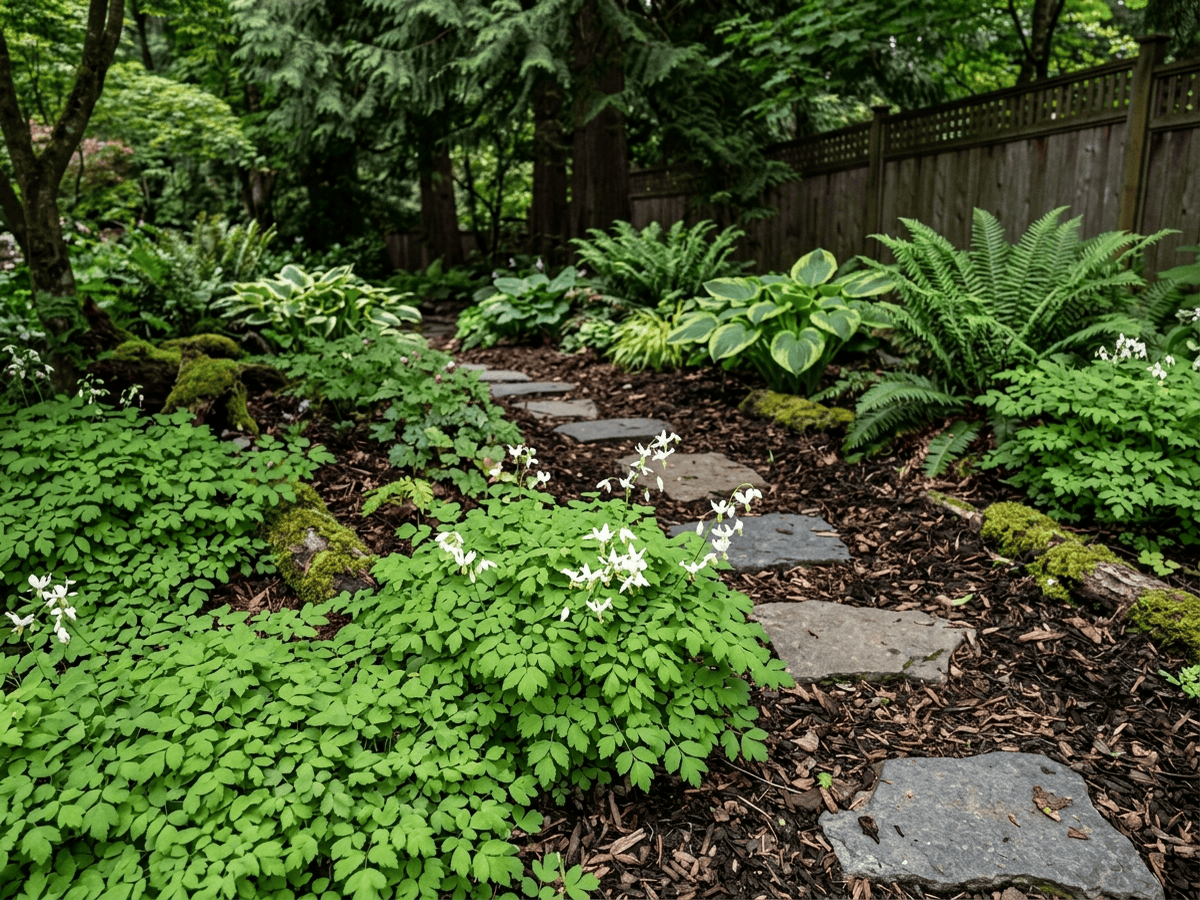
Inside-Out Flower is a graceful native perennial of moist Pacific Northwest forests, ranging from Washington south through Oregon to northern California. Its delicate compound leaves resemble those of maidenhair fern, and slender wiry stalks bear dainty white flowers whose petals reflex backward, creating the appearance that the flower has turned inside out. Growing from creeping rhizomes, it forms attractive groundcover colonies in shaded woodland gardens.
- Shade-tolerant
- Deer-resistant
- Groundcover
- Native
How to care for White Inside-Out Flower
Watering
- Springevery 5 days
- Summerevery 4 days
- Fallevery 10 days
- Winterevery 14 days
Soil · Well-draining
- Top dressingPine bark mulch10%
- Main mixPotting soil + perlite 2:170%
- DrainageLECA / gravel20%
Never skip the drainage layer — standing water is the top cause of root rot.
FERTILIZER
This plant needs little to no feeding.
At a Glance
- NativeNorth America
- Height0.5–1.5 ft (0.2–0.5 m)
- Spread1–2 ft (0.3–0.6 m)
- Flower colorWhite
- Foliage colorGreen
- SoilLoamy, Moisture-retentive, Acidic
- LocationsYard
Bloom time
BLOOM CYCLE
Peak bloom
May
Dainty white inside-out flowers in late spring
Toxicity
Toxicity unknown
None reported
Unknown
EXPOSURE Unspecified plant material.
EFFECT Toxic effects are not specified.
NOTE Toxicity for humans is not well documented; use caution until verified.
Unknown
EXPOSURE Unspecified plant material.
EFFECT Toxic effects are not specified.
NOTE Toxicity for dogs is not well documented; use caution until verified.
Unknown
EXPOSURE Unspecified plant material.
EFFECT Toxic effects are not specified.
NOTE Toxicity for cats is not well documented; use caution until verified.
Educational information, not medical or veterinary advice. If exposure is suspected, contact a doctor or veterinarian.
DISTRIBUTION


- Native
- North America
History

Vancouveria hexandra, the northern inside-out flower or American barrenwort, is a shade-loving rhizomatous perennial native to moist coniferous forests of the Pacific Northwest from southwest Washington to northwest California. French botanist Joseph Decaisne named the genus Vancouveria in 1839 to honor British explorer Captain George Vancouver, whose 1792 expedition charted much of the Pacific Northwest coast. The common name inside-out flower describes the tiny white blooms whose six petals and sepals reflex sharply backward, making the pistil and stamens appear to jut outward.
The delicate glossy leaflets resemble those of Old World Epimedium, its close relative, and like Epimedium the plant forms excellent shade groundcover. It is cultivated in Pacific Northwest gardens, though it sulks in hot climates. The plant was first scientifically described from specimens collected during these expeditions of Pacific exploration.
Symbolism & meaning
What It Symbolizes
White Inside-Out Flower turns whimsy into form, its tiny white petals folded back as if the bloom had been turned inside out and decided to stay that way. Named for the Pacific Northwest's namesake explorer, it carries a small story of regional heritage in every dancing flower. To meet it in the cool shade of a Northwest forest is to share a private joke with the woods.
- Whimsy — playful inside-out flower form
- Pacific exploration — named for Northwest's namesake explorer
Where the Name Comes From
The common name highlights its white coloring. 'Vancouveria' honors Captain George Vancouver (1757–1798); 'hexandra' means six-stamened.
Uses & Fun Facts
- Native Pacific Northwest shade carpet for woodland gardens
- Maidenhair-like foliage and reflexed white flowers add delicate texture
- Provides cover and habitat in moist coastal forest plantings
Related plants
Plants with similar care
 Vanilla LeafAchlys triphylla
 Cast-Iron PlantAspidistra elatior
 Chinese AucubaAucuba chinensis
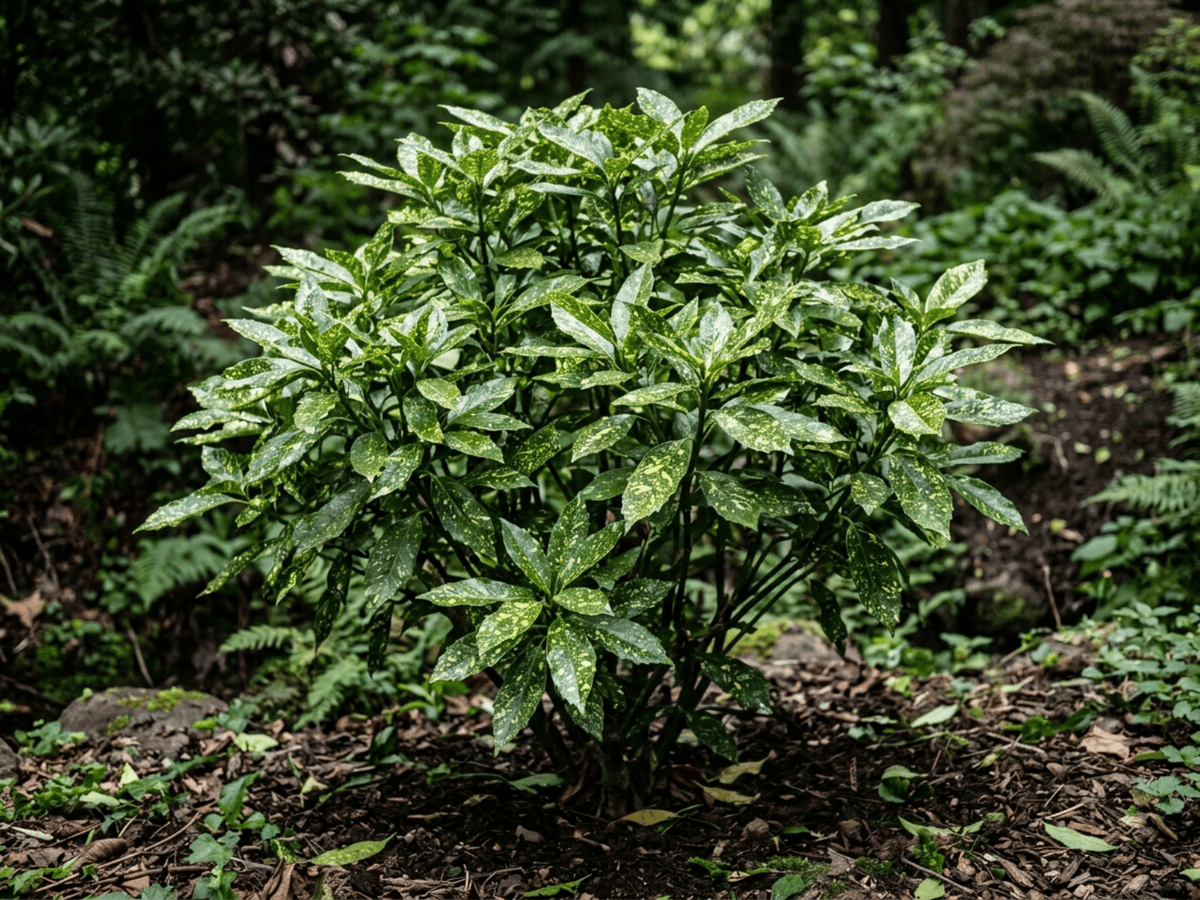 Japanese AucubaAucuba japonica
Frequently asked questions
How often should I water White Inside-Out Flower?
In summer, water about every 4 days; in winter, about every 14 days. Adjust for heat, pot size and drainage.
How much light does White Inside-Out Flower need?
Full shade: <2 hrs direct. Watch the leaves — scorching or stretching means the light needs adjusting.
Is White Inside-Out Flower toxic to cats or dogs?
Pets Unknown (Dogs Unknown · Cats Unknown) Educational information, not medical or veterinary advice. If exposure is suspected, contact a doctor or veterinarian.
Is White Inside-Out Flower easy to grow?
Yes — it is considered an easy, beginner-friendly plant.
When does White Inside-Out Flower bloom?
It typically blooms May in the Northern Hemisphere.
YardMate
Identify any plant in seconds
Snap a photo — YardMate names the plant, diagnoses problems, and reminds you when to water.
Download on the App Store