 YardMate


New York Ironweed
Vernonia noveboracensis
Medium · Some experienceAbout New York Ironweed
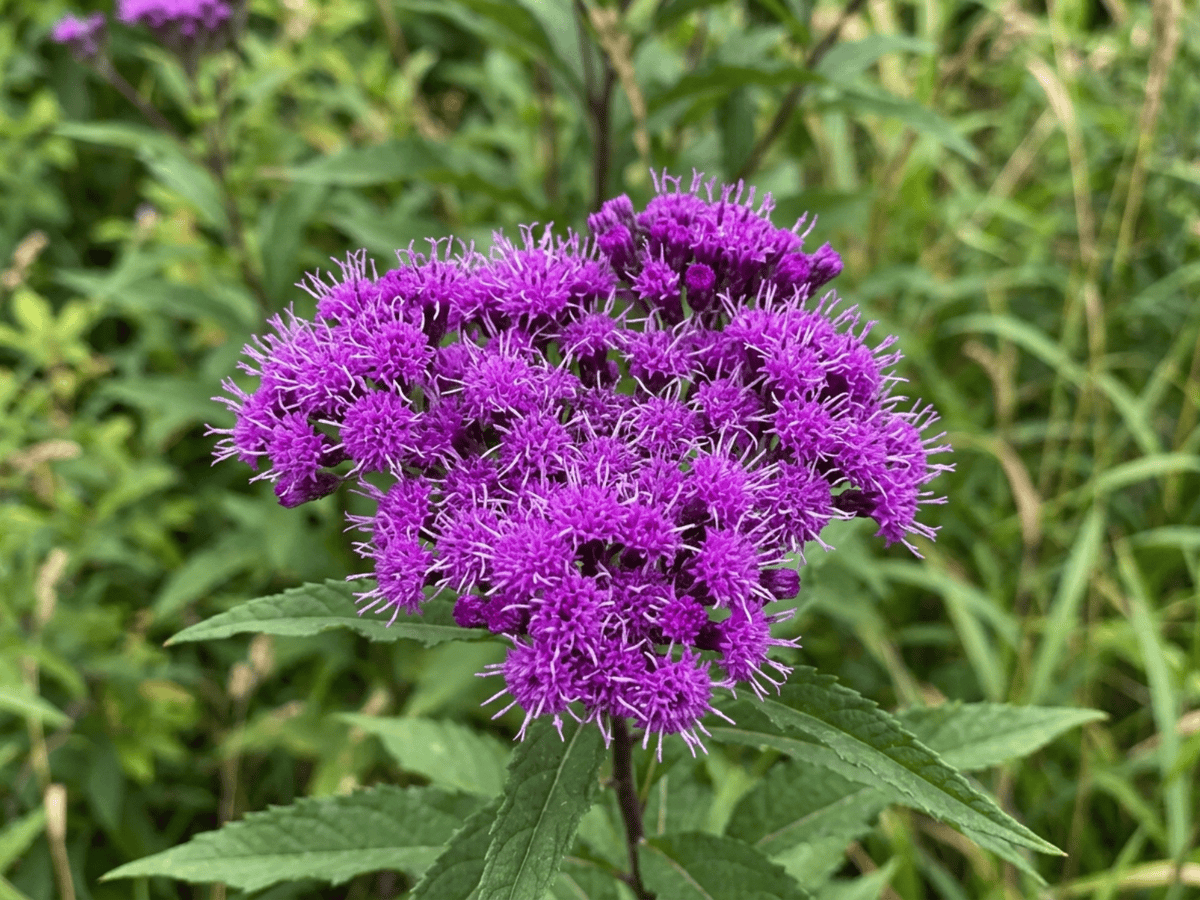
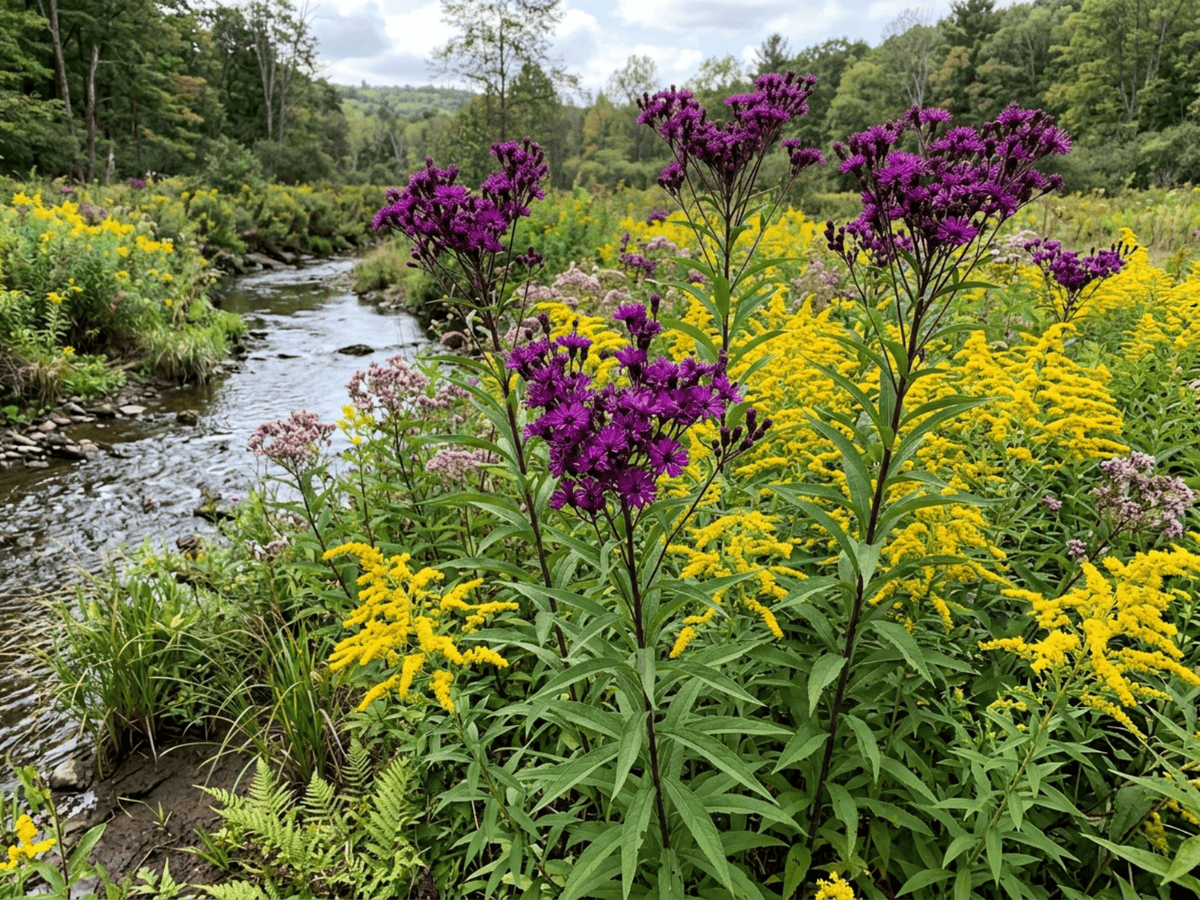
Vernonia noveboracensis, New York ironweed, is a bold native perennial of eastern North America named for its iron-tough stems and the vivid purple of its late-summer flowers. Growing 120 to 210 cm tall, it produces flat-topped clusters of intensely violet-purple flowers that are among the most saturated hues found in any wild plant. The color is so striking that it practically glows against the gold of goldenrod and the pink of Joe Pye weed, its natural companions in moist meadows and along stream banks. Ironweed is a critical nectar source for late-season butterflies and native bees. The plant prefers full sun and moist, fertile soil, though it adapts to average garden conditions. Its robust, upright growth habit makes it a natural choice for the back of borders. While it can self-sow, it does not spread aggressively by rhizome. The stems are indeed remarkably strong — livestock avoided grazing them, which is how the plant earned its ironclad reputation among farmers.
- Native
- Pollinator-friendly
How to care for New York Ironweed
Watering
- Springevery 3 days
- Summerevery 2 days
- Fallevery 7 days
- Winterevery 30 days
Soil · Well-draining
- Top dressingPine bark mulch10%
- Main mixPotting soil + perlite 2:170%
- DrainageLECA / gravel20%
Never skip the drainage layer — standing water is the top cause of root rot.
FERTILIZER
- Springevery 60 days
At a Glance
- NativeNorth America
- Height4–7 ft (1.2–2.1 m)
- Spread3–4 ft (0.9–1.2 m)
- Flower colorPurple, White
- Foliage colorGreen
- SoilLoamy, Moisture-retentive, Rich
- LocationsYard
Bloom time
BLOOM CYCLE
Peak bloom
Aug–Sep
Pinch in early summer to reduce height and promote bushier form; pairs dramatically with goldenrod
Fragrance
NO FRAGRANCE
No notable fragrance.
Toxicity
No toxicity has been reported for this plant. Still, it is wise to keep pets from chewing on any houseplant.
Educational information, not medical or veterinary advice. If exposure is suspected, contact a doctor or veterinarian.
DISTRIBUTION


- Native
- Introduced
- North America
History
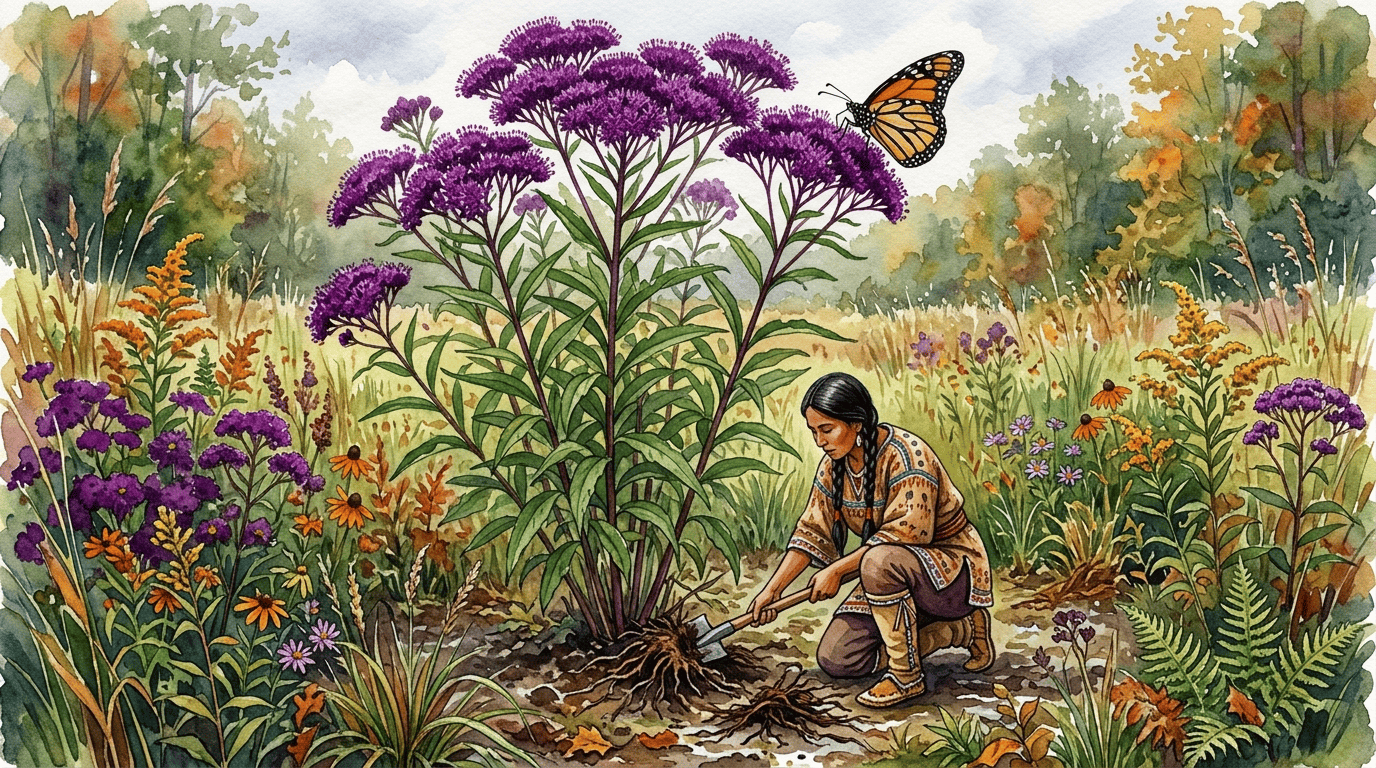
Vernonia noveboracensis is native to moist meadows, open wetland edges, and riparian habitats throughout the eastern and central United States, from Massachusetts to Alabama. It is one of the tallest native perennial wildflowers of eastern North America, with robust upright stems reaching 1.5-2.5 meters tall, topped by flat or dome-shaped clusters of small tubular deep-royal-purple flowers in late summer and early autumn. The common name "ironweed" reflects the exceptional toughness of the stems: mature stems are so dense and fibrous that they resist mowing, are difficult to cut with shears, and persist as rigid dried forms through winter and into the following spring. The species epithet "noveboracensis" is Latin for "of New York" — commemorating the original species description from New York state, though the species is widespread across much of the eastern US.
It is a critical late-summer nectar source for monarch butterflies (during fall migration), swallowtail butterflies, and native bumblebees, and pairs particularly beautifully in prairie-style plantings with late-summer yellow-flowered natives including Rudbeckia, Helianthus, and Solidago for high-impact color contrast. Modern horticultural selections include "White Lightning" (rare white-flowered form) and compact forms for smaller gardens. The common name 'ironweed' comes from the plant's incredibly tough, wiry stems that resist bending and cutting — farmers cursed it as a tenacious weed in overgrazed pastures, since cattle refused to eat it.
Cherokee and other indigenous peoples used root preparations to treat blood disorders and as a bitter tonic. The species was first described by Carl Linnaeus in 1753 from specimens collected near New York, hence 'noveboracensis' (New York). Today it is celebrated by native plant enthusiasts as one of the most intensely colored wildflowers in the North American flora.
Symbolism & meaning
What It Symbolizes
New York Ironweed is strength in iron-tough stems — tall, defiant, holding its ground in wet meadows when summer storms knock lesser perennials flat. Its individuality shows in those uniquely intense purple flower heads that stand boldly out among the late-season yellows of goldenrod and sunflower. It is the wildflower that refuses to blend in, late summer's most uncompromising shade of violet.
- Strength — Its iron-tough stems and defiant persistence embody unyielding fortitude
- Individuality — Its uniquely intense purple stands out boldly among autumn wildflowers
Where the Name Comes From
Vernonia honors William Vernon, a 17th-century English botanist who collected plants in Maryland. Noveboracensis is Latin for 'of New York,' where the type specimen was collected.
Uses & Fun Facts
- Saturated purple late-summer flowers feed butterflies and bees
- Tall iron-stemmed native for rain gardens and naturalistic borders
Related plants
Plants with similar care
 Mexican AbeliaAbelia floribunda
 Fraser FirAbies fraseri
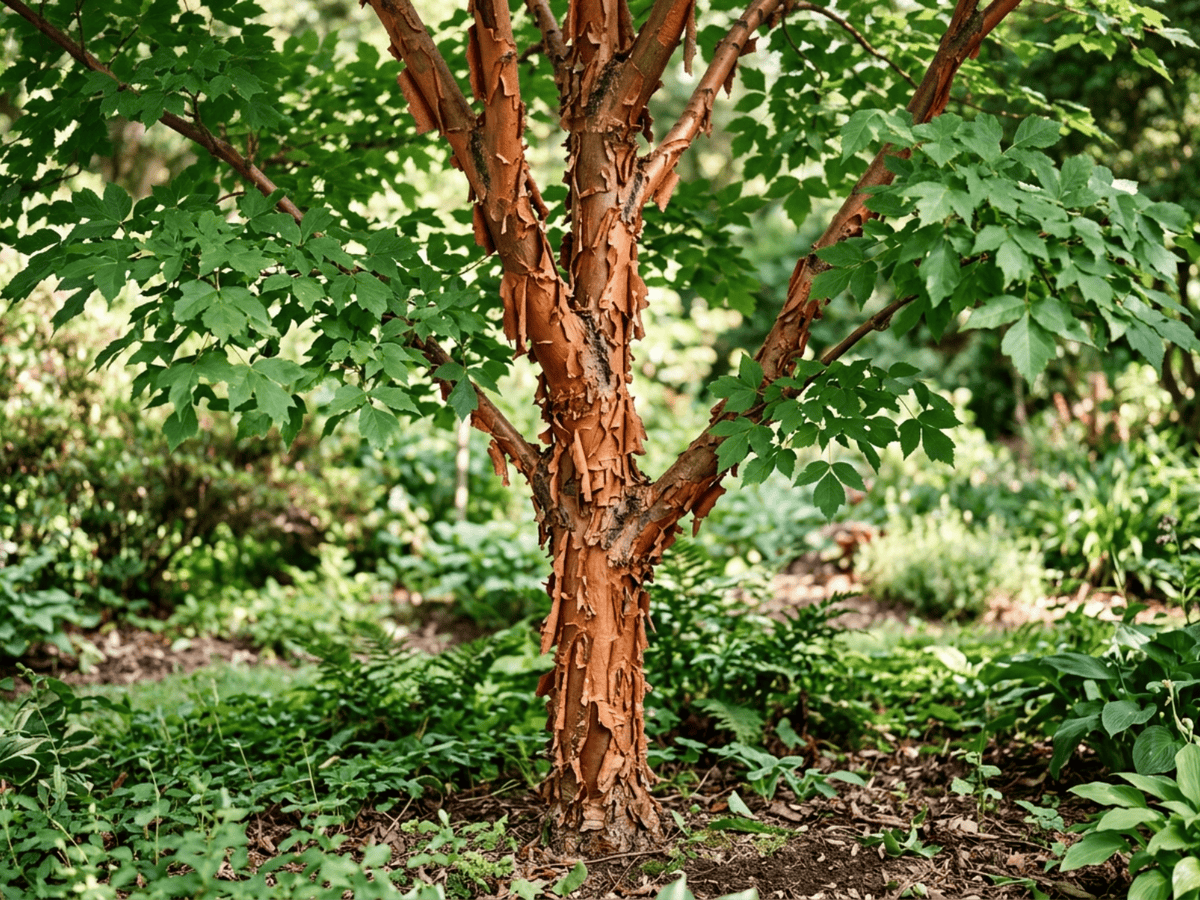 Paperbark MapleAcer griseum
 Sugar MapleAcer saccharum
Frequently asked questions
How often should I water New York Ironweed?
In summer, water about every 2 days; in winter, about every 30 days. Adjust for heat, pot size and drainage.
How much light does New York Ironweed need?
Full sun: 6+ hrs direct. Watch the leaves — scorching or stretching means the light needs adjusting.
Is New York Ironweed toxic to cats or dogs?
No toxicity has been reported for this plant. Still, it is wise to keep pets from chewing on any houseplant. Educational information, not medical or veterinary advice. If exposure is suspected, contact a doctor or veterinarian.
Is New York Ironweed easy to grow?
It is moderately demanding: a good choice once you have a little experience.
When does New York Ironweed bloom?
It typically blooms Aug–Sep in the Northern Hemisphere.
YardMate
Identify any plant in seconds
Snap a photo — YardMate names the plant, diagnoses problems, and reminds you when to water.
Download on the App Store