 YardMate

Greater Periwinkle
Vinca major
Easy · Beginner friendlyAbout Greater Periwinkle
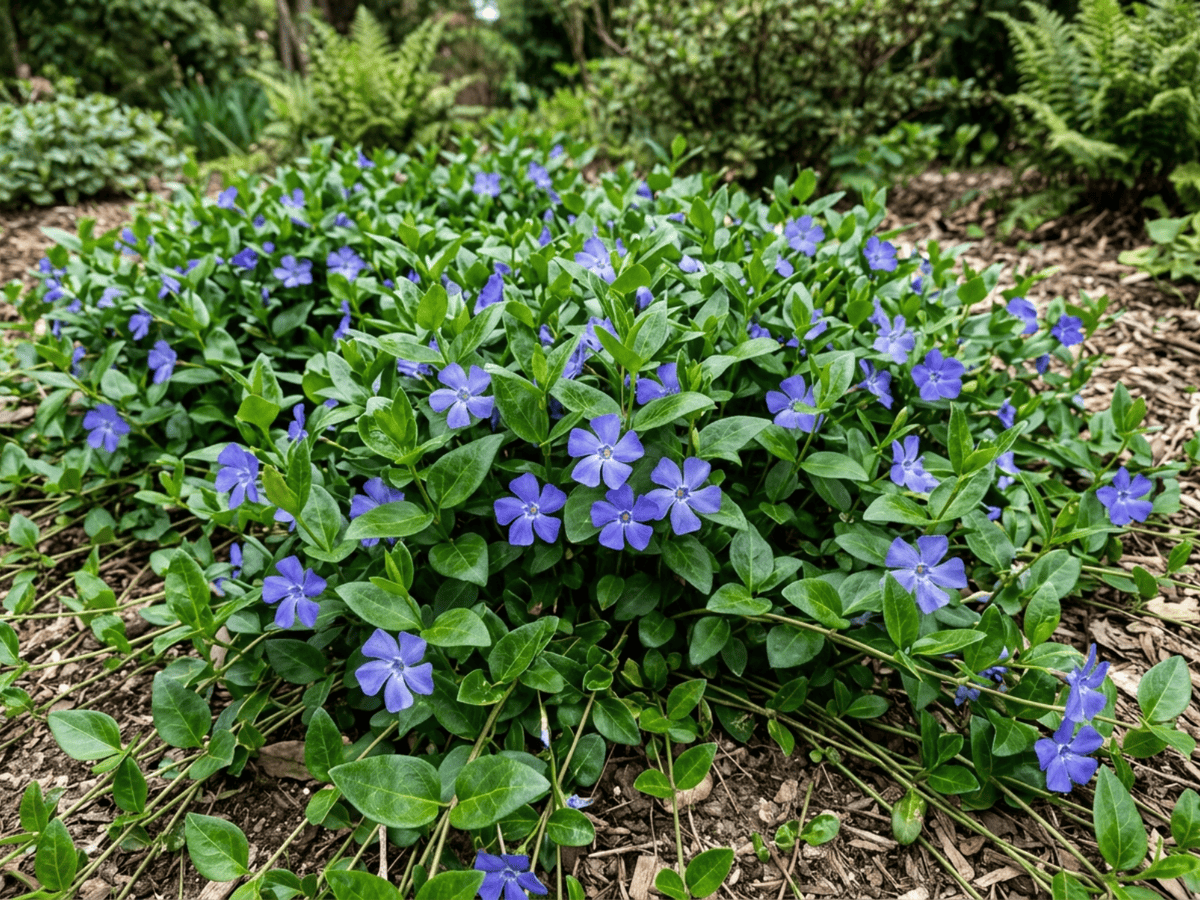
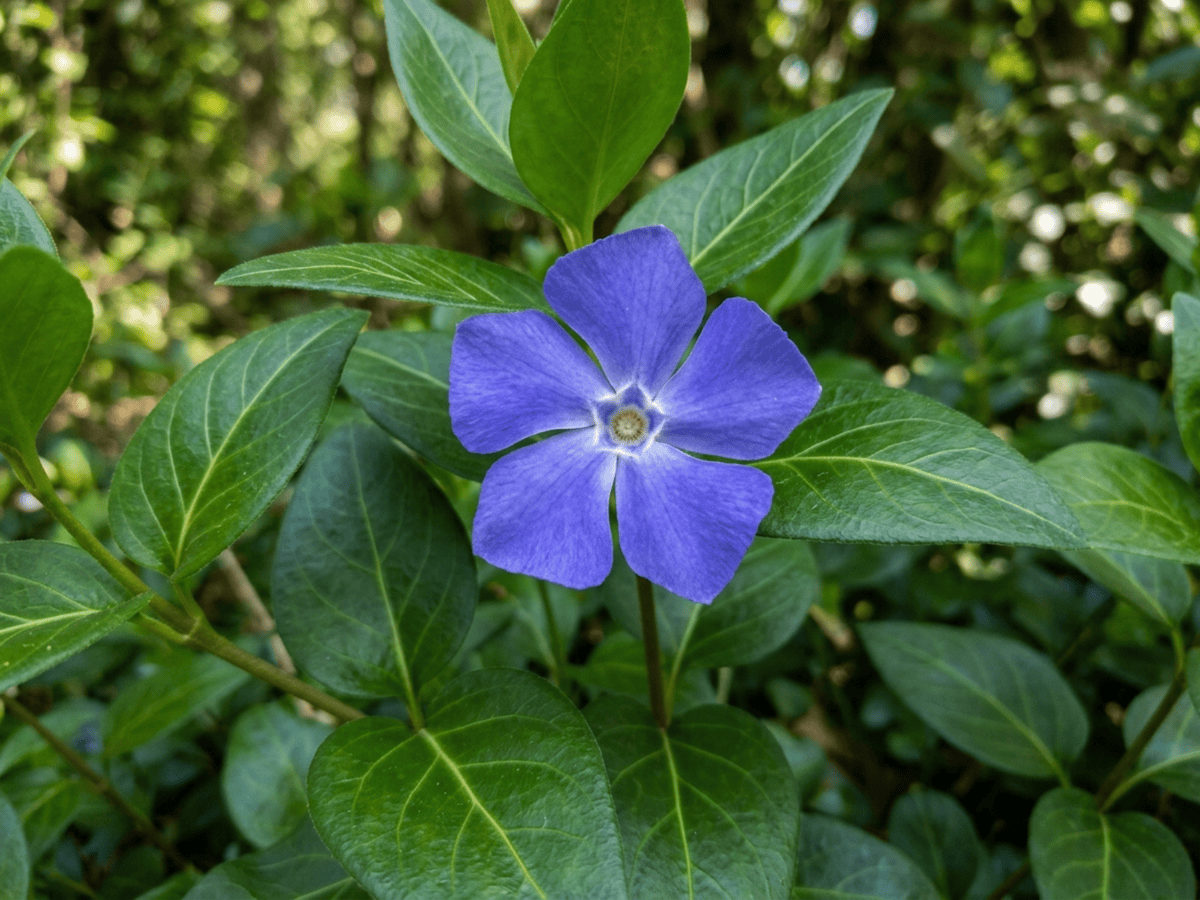
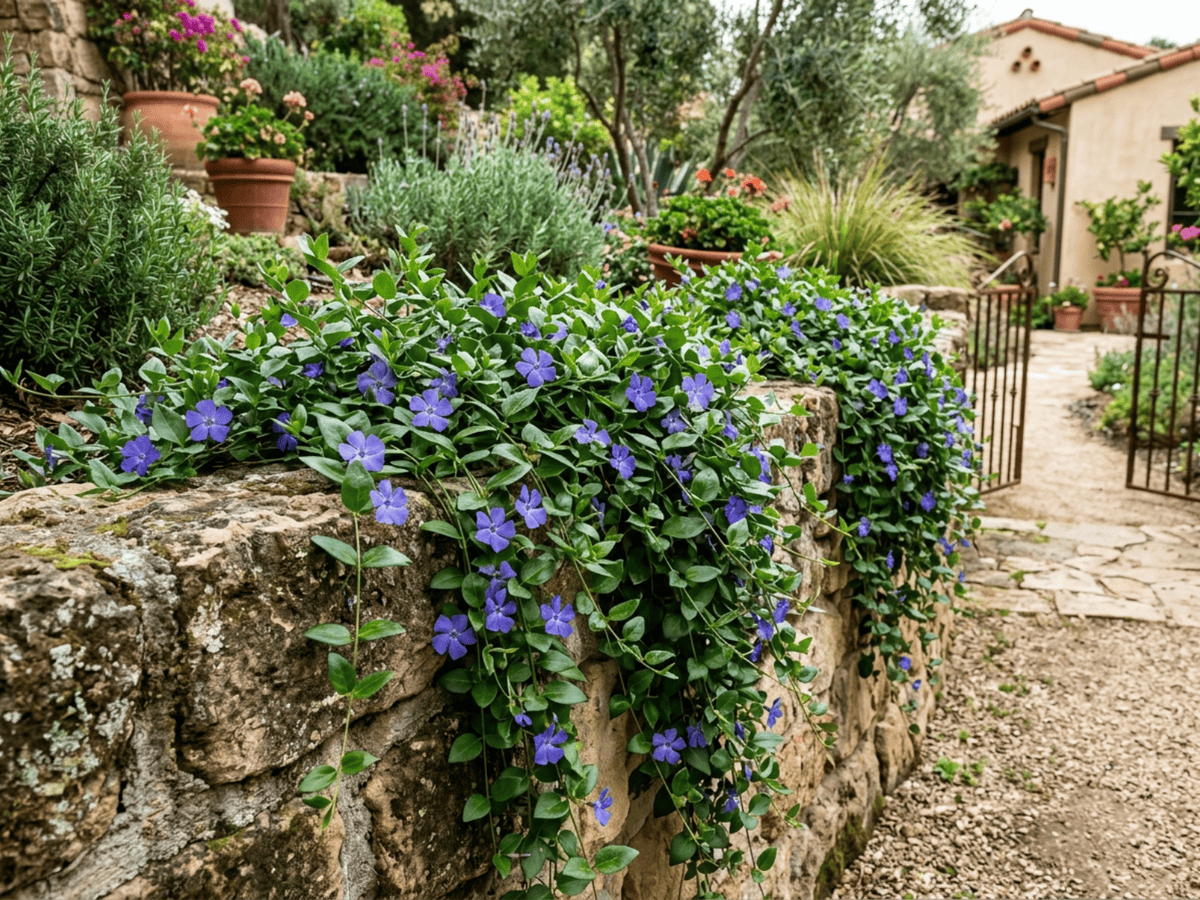
Vinca major, greater periwinkle, is a vigorous evergreen groundcover native to the western Mediterranean. It is larger and more aggressive than its cousin Vinca minor, with broader glossy leaves and larger blue-violet flowers reaching 5 centimeters across. The arching stems can extend over a meter, rooting where they touch the ground and forming substantial colonies. It excels on steep banks, under mature trees, and in difficult dry shade where few other plants survive. The variegated form with creamy-white leaf margins is widely used in container plantings and hanging baskets as a trailing element. Greater periwinkle is notably more invasive than lesser periwinkle and has become a serious weed in parts of Australia, New Zealand, and the Pacific coast of North America, smothering native ground flora in riparian areas. Despite its aggressive spread, it remains popular in managed garden settings for its reliability and bold foliage.
- Evergreen
- Groundcover
- Trailing
How to care for Greater Periwinkle
Watering
- Springevery 7 days
- Summerevery 5 days
- Fallevery 14 days
- Winterevery 30 days
Soil · Well-draining
- Top dressingPine bark mulch10%
- Main mixPotting soil + perlite 2:170%
- DrainageLECA / gravel20%
Never skip the drainage layer — standing water is the top cause of root rot.
FERTILIZER
- Springevery 60 days
At a Glance
- NativeMediterranean, North America, Africa
- Height0.5–1.5 ft (0.2–0.5 m)
- Spread2–4 ft (0.6–1.2 m)
- Flower colorBlue, Purple, White
- Foliage colorGreen, Variegated
- SoilWell-drained, Loamy
- LocationsYard · Indoor · Balcony
Bloom time
BLOOM CYCLE
Peak bloom
Mar–May
Large blue-violet flowers in spring; deadhead to limit self-seeding
Fragrance
NO FRAGRANCE
No notable fragrance.
Toxicity
Humans Moderate · Pets Moderate
vincamine, vincine, and indole alkaloids
Moderate
- All
- Ingestion
EXPOSURE Eating any part of the plant.
EFFECT Vinca alkaloids cause GI and cardiovascular effects in quantity.
NOTE Documented concern for humans: Vinca alkaloids cause GI and cardiovascular effects in quantity.
Moderate
- All
- Ingestion
EXPOSURE Eating any part of the plant.
EFFECT Vomiting, low blood pressure, tremors, seizures.
NOTE ASPCA lists Vinca as toxic to dogs, cats, and horses.
Moderate
- All
- Ingestion
EXPOSURE Eating any part of the plant.
EFFECT Same as dogs.
NOTE ASPCA lists Vinca as toxic to dogs, cats, and horses.
Educational information, not medical or veterinary advice. If exposure is suspected, contact a doctor or veterinarian.
DISTRIBUTION

- Native
- Introduced
- Mediterranean
- North America
- Africa
History

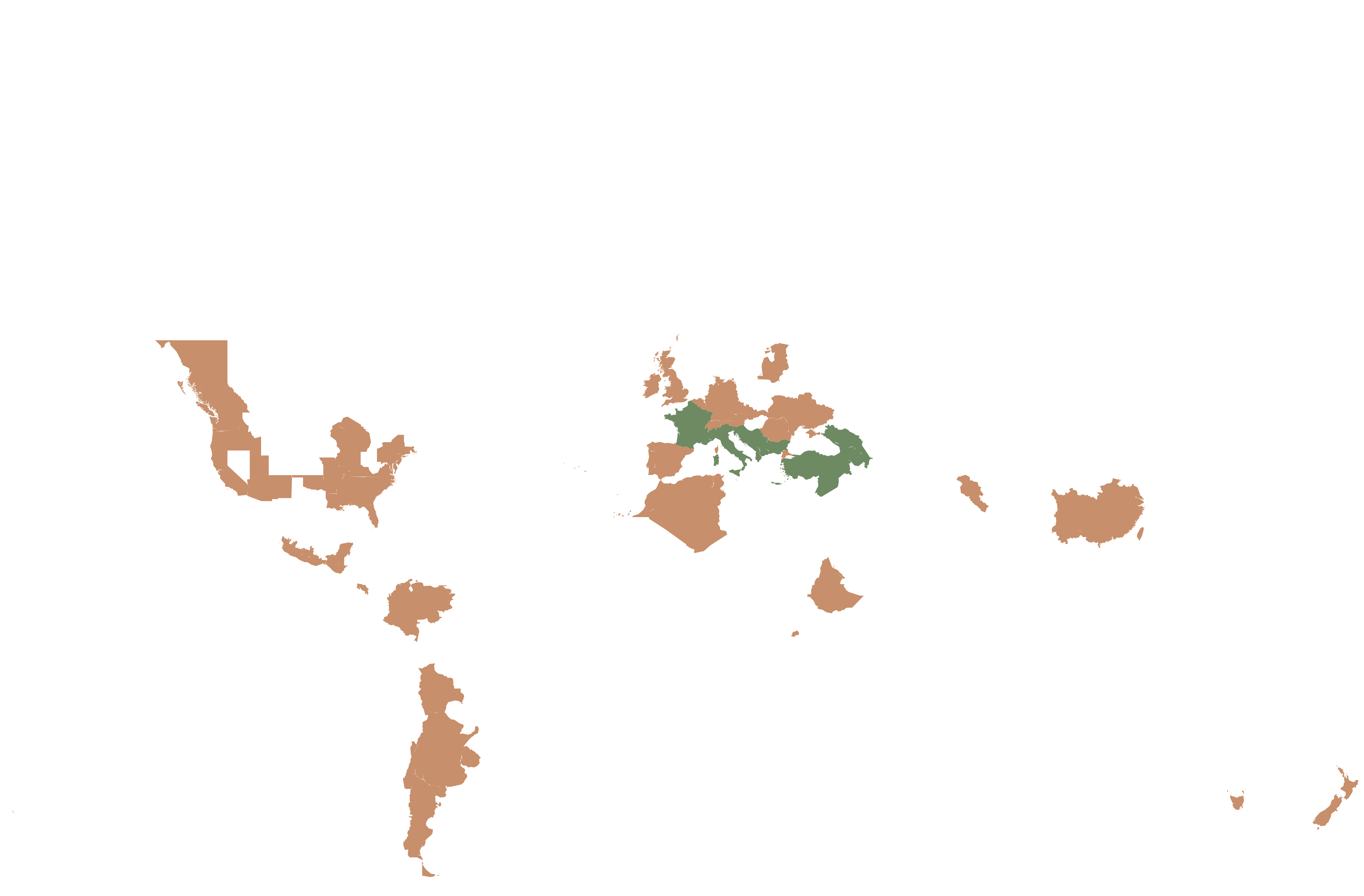
Vinca major is native to the central and western Mediterranean, from Portugal and Spain through France, Italy, and into the Balkans and North Africa. It is larger, more vigorous, and less cold-hardy than its cousin V. minor, with much larger leaves and flowers. European cultivation dates to at least the medieval period, and the variegated form ("Variegata") with cream-edged leaves became a standard 19th- and 20th-century ornamental in milder climates. Spanish Franciscan missionaries spread it through the California mission chain in the 18th-19th centuries, where it escaped cultivation and is now one of the most common invasive understory plants of California riparian forests, displacing native woodland ephemerals.
California, Oregon, Washington, and Australia all classify it as a noxious invasive. Its flowers are larger (3-5 cm) than V. minor and usually purple-blue. Like V. minor it contains indole alkaloids and is toxic to dogs, cats, and horses.
Greater periwinkle was cultivated in European monastery gardens from the Middle Ages as both an ornamental and a medicinal herb. Herbalists used it to treat bleeding and sore throats. The plant's aggressive nature was valued in an era when ground was cleared by hand — it kept weeds at bay around orchard trees. Introduced to the Americas and Australasia by colonists, it quickly escaped gardens and is now classified as an invasive species in multiple countries. Its variegated form became a Victorian bedding plant staple.
Symbolism & meaning
What It Symbolizes
Greater Periwinkle carries friendship through its connecting, spreading stems, weaving a network of green that links one shaded spot to another. Protection is its older meaning — medieval Europeans planted it around homes as a ward against evil spirits and ill luck. Its message is the quiet companionship of a groundcover that both binds neighbors together and stands guard at the doorway, simple and historically watchful.
- Friendship — its connecting, spreading stems symbolize bonds that link people together
- Protection — medieval Europeans planted it around homes as a ward against evil spirits
Where the Name Comes From
Vinca from Latin 'vincire' (to bind), for its binding trailing stems. Major means 'greater', distinguishing it from the smaller Vinca minor.
Uses & Fun Facts
- Trailing evergreen mat covers shaded banks and slopes
- Variegated cultivars spill from window boxes and large pots
Related plants
More Vinca plants

Plants with similar care
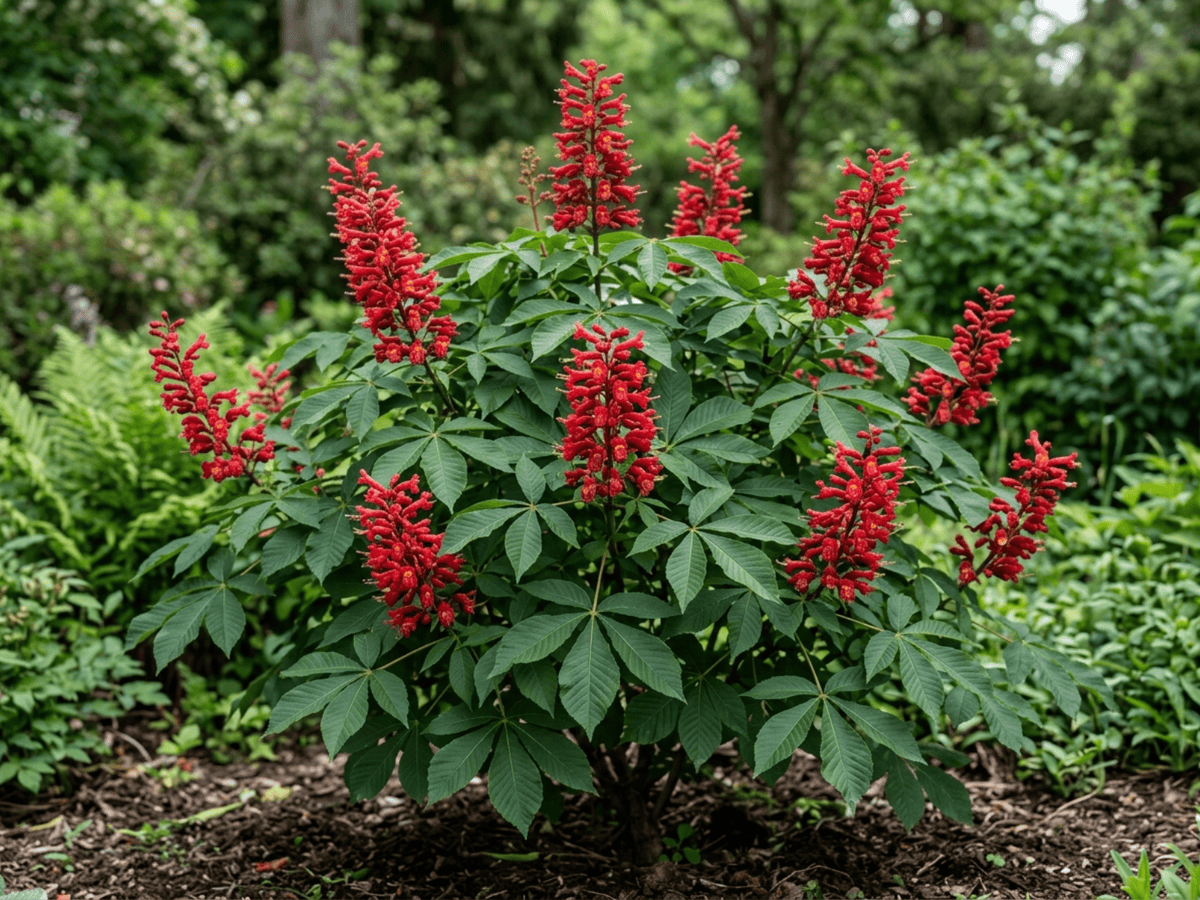 Red BuckeyeAesculus pavia
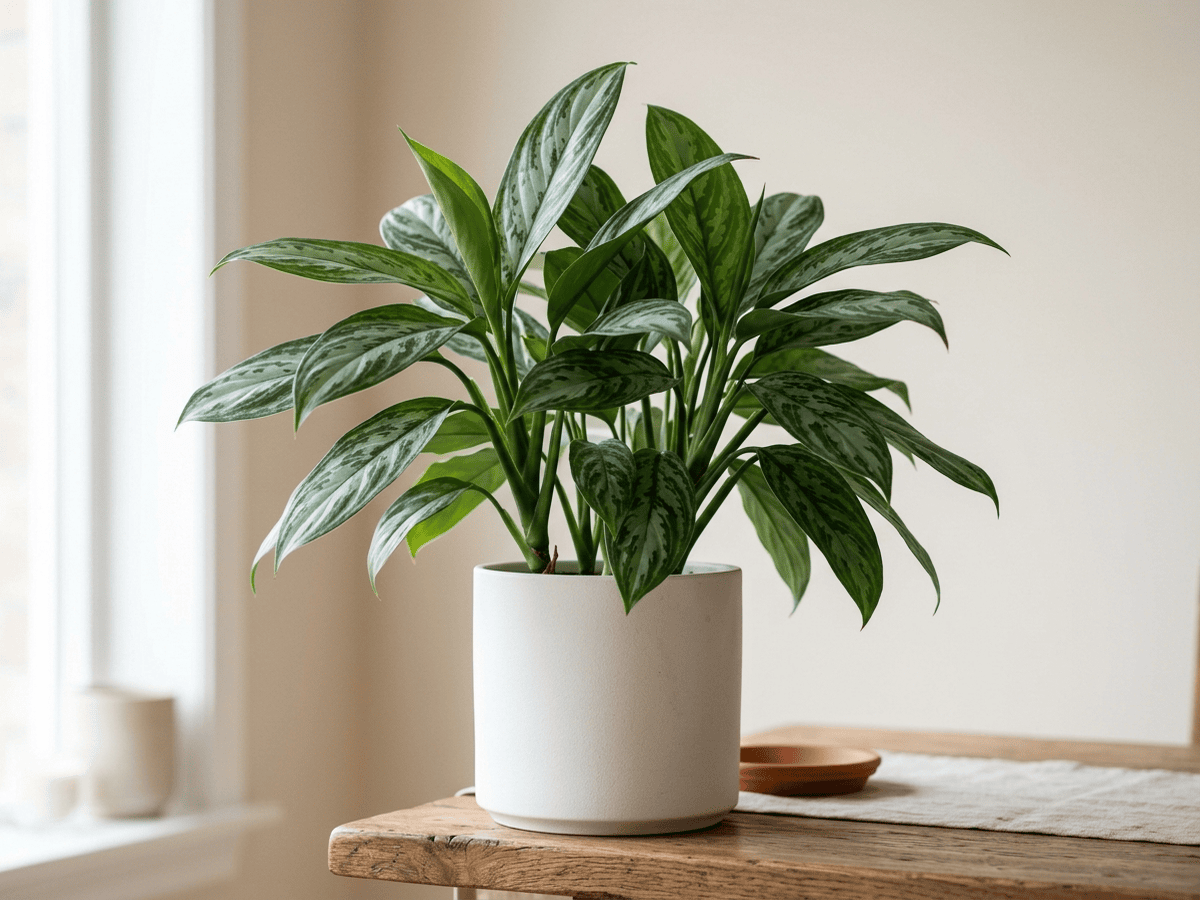 Philippine EvergreenAglaonema commutatum
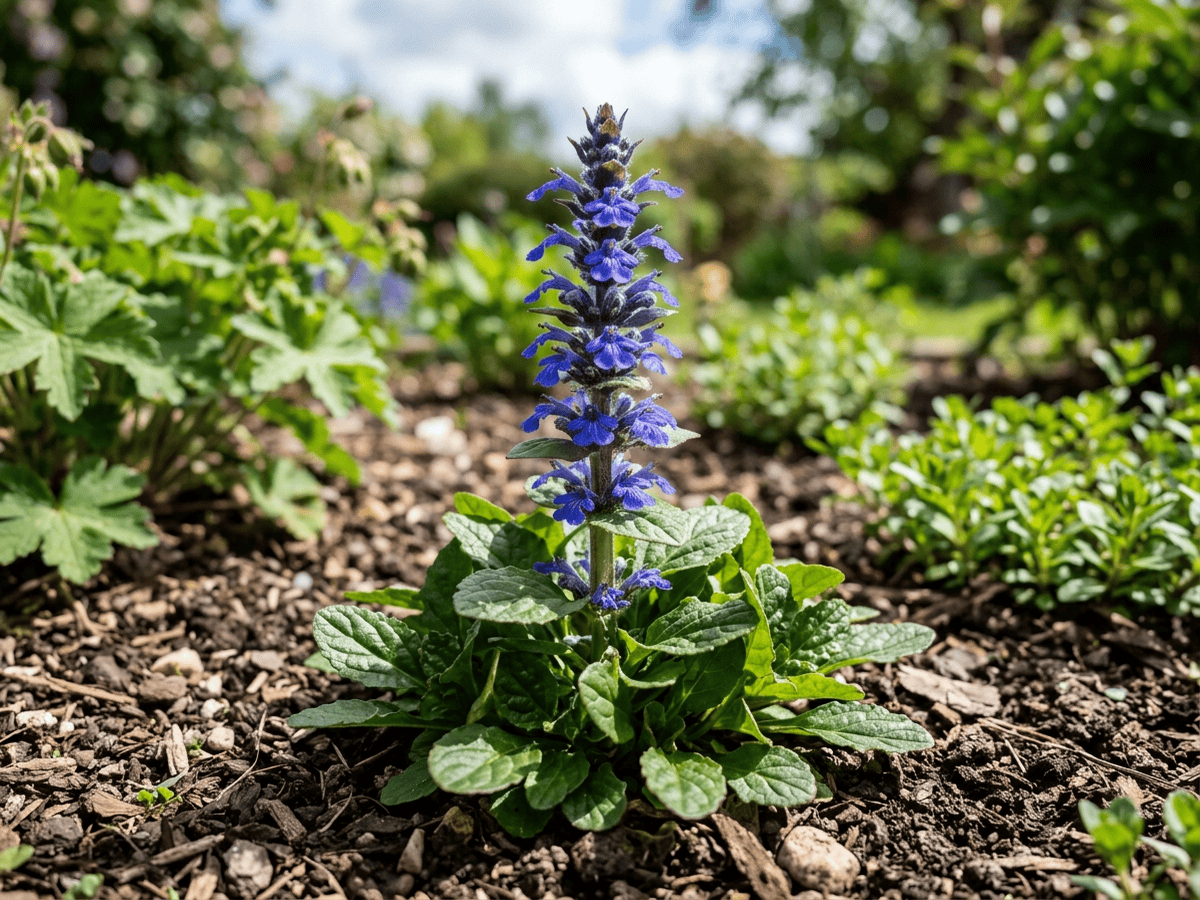 Blue BugleAjuga genevensis
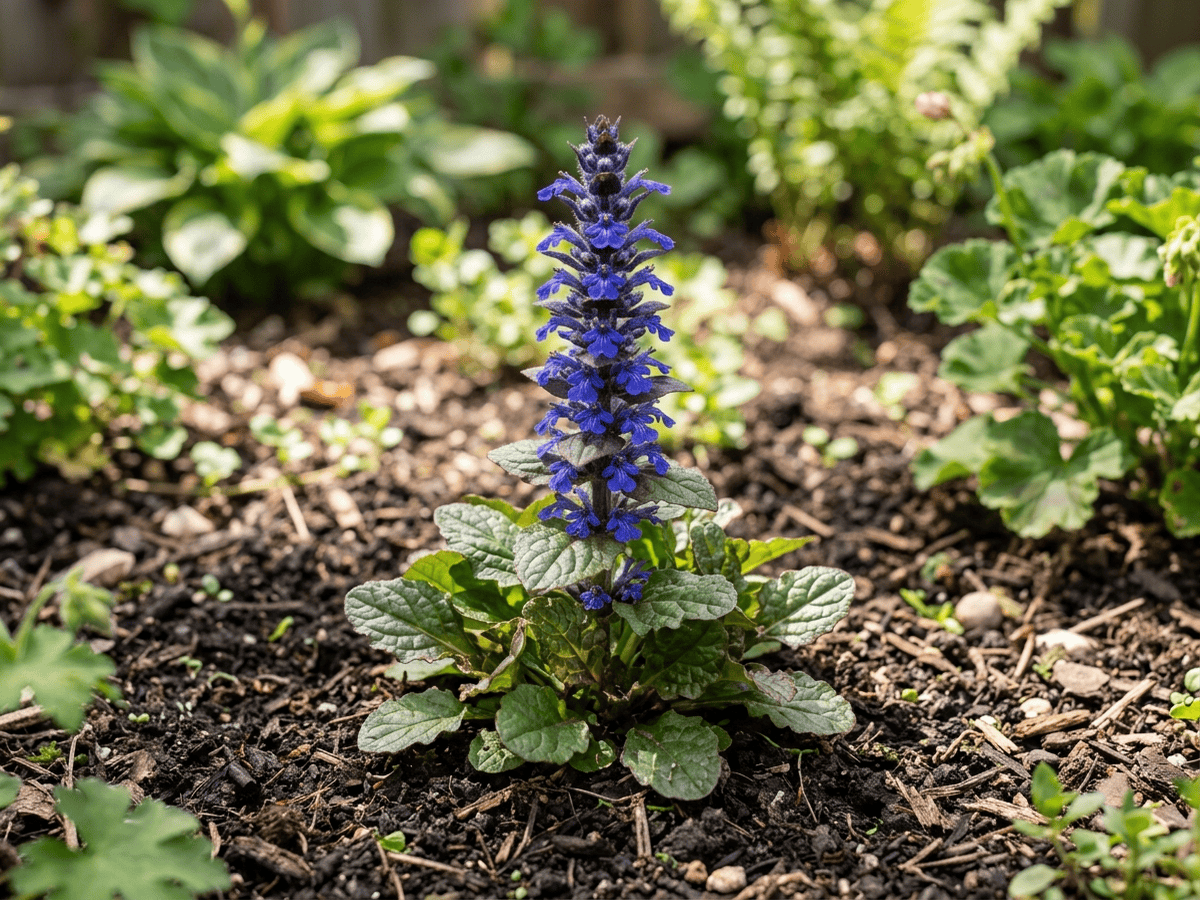 Pyramidal BugleAjuga pyramidalis
Frequently asked questions
How often should I water Greater Periwinkle?
In summer, water about every 5 days; in winter, about every 30 days. Adjust for heat, pot size and drainage.
How much light does Greater Periwinkle need?
Part shade: 2–4 hrs direct. Watch the leaves — scorching or stretching means the light needs adjusting.
Is Greater Periwinkle toxic to cats or dogs?
Pets Moderate (Dogs Moderate · Cats Moderate) Educational information, not medical or veterinary advice. If exposure is suspected, contact a doctor or veterinarian.
Is Greater Periwinkle easy to grow?
Yes — it is considered an easy, beginner-friendly plant.
Can Greater Periwinkle be grown indoors?
Yes, it adapts well to indoor growing given the right light.
When does Greater Periwinkle bloom?
It typically blooms Mar–May in the Northern Hemisphere.
YardMate
Identify any plant in seconds
Snap a photo — YardMate names the plant, diagnoses problems, and reminds you when to water.
Download on the App Store