 YardMate


Lesser Periwinkle
Vinca minor
Easy · Beginner friendlyAbout Lesser Periwinkle
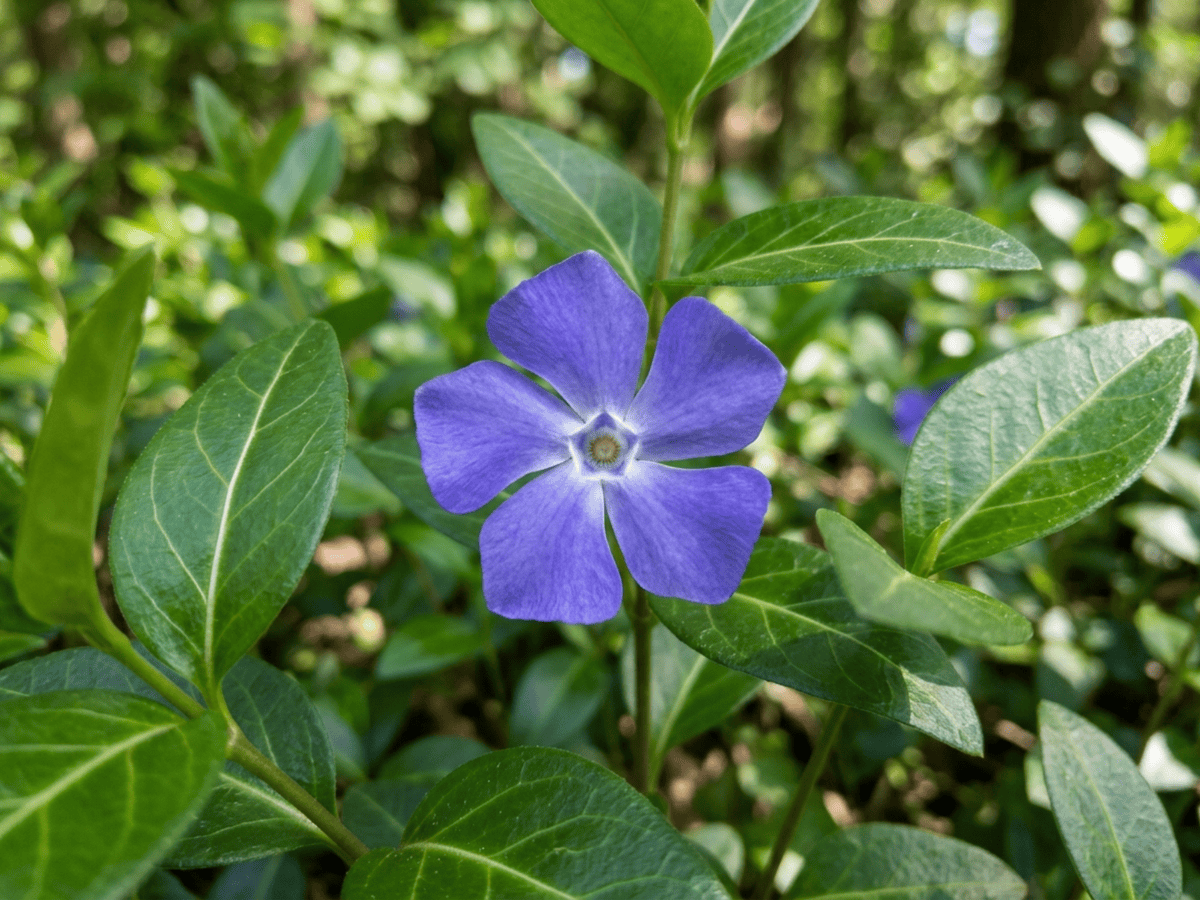
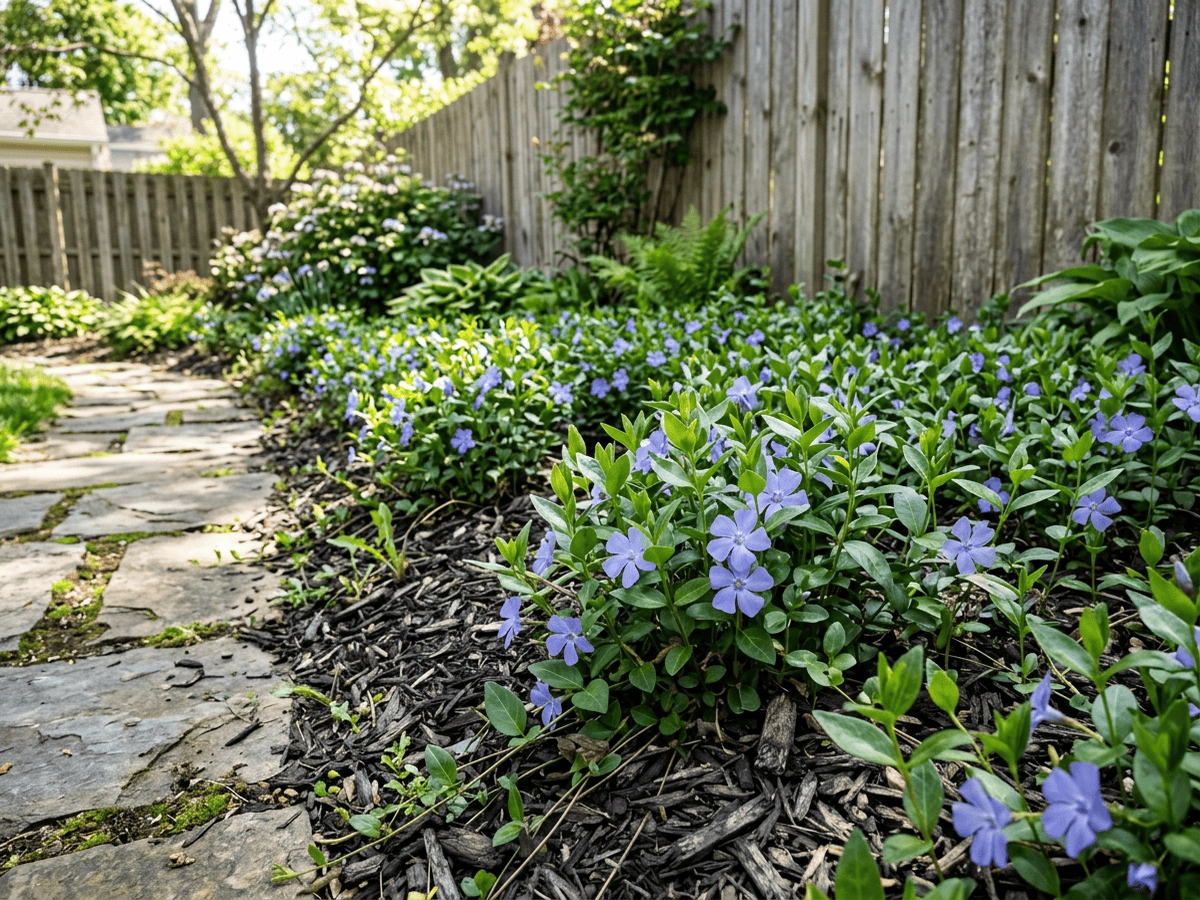
Vinca minor, lesser periwinkle, is a low-growing evergreen groundcover native to Europe, prized for its glossy dark-green leaves and charming five-petalled violet-blue flowers. It spreads by trailing stems that root at the nodes, forming a dense mat 10–20 centimeters tall that suppresses weeds effectively. The plant thrives in partial shade under trees and shrubs where lawn grass struggles. It tolerates dry shade, poor soil, and neglect, making it one of the most reliable groundcovers available. Flowers appear mainly in spring with sporadic repeat blooming through summer. Cultivars offer white, plum, and double-flowered forms. While excellent for erosion control on slopes and banks, it can become invasive in some regions by escaping into native woodlands. The plant contains vincamine, an alkaloid used in pharmaceutical research for cognitive function. Once established, it requires almost no maintenance.
- Shade-tolerant
- Low-maintenance
- Evergreen
- Groundcover
How to care for Lesser Periwinkle
Watering
- Springevery 7 days
- Summerevery 5 days
- Fallevery 14 days
- Winterevery 30 days
Soil · Well-draining
- Top dressingPine bark mulch10%
- Main mixPotting soil + perlite 2:170%
- DrainageLECA / gravel20%
Never skip the drainage layer — standing water is the top cause of root rot.
FERTILIZER
- Springevery 60 days
At a Glance
- NativeMediterranean, Western Asia
- Height0.3–0.5 ft (0.1–0.2 m)
- Spread1.5–3 ft (0.5–0.9 m)
- Flower colorBlue, Purple, White, Pink
- Foliage colorGreen, Variegated
- SoilLoamy, Well-drained, Moisture-retentive
- LocationsYard
Bloom time
BLOOM CYCLE
Peak bloom
Mar–May
Violet-blue flowers peak in spring; shear after blooming to encourage density
Fragrance
NO FRAGRANCE
No notable fragrance.
Toxicity
Humans Moderate · Pets Moderate
vincamine, vincine, and other indole alkaloids
Moderate
- All
- Ingestion
EXPOSURE Eating any part of the plant.
EFFECT Vinca alkaloids in large quantity cause vomiting, low blood pressure, neurological effects.
NOTE Documented concern for humans: Vinca alkaloids in large quantity cause vomiting, low blood pressure, neurological effects.
Moderate
- All
- Ingestion
EXPOSURE Eating any part of the plant.
EFFECT Vomiting, diarrhea, low blood pressure, tremors, seizures.
NOTE ASPCA lists Vinca as toxic to dogs, cats, and horses.
Moderate
- All
- Ingestion
EXPOSURE Eating any part of the plant.
EFFECT Same as dogs.
NOTE ASPCA lists Vinca as toxic to dogs, cats, and horses.
Educational information, not medical or veterinary advice. If exposure is suspected, contact a doctor or veterinarian.
DISTRIBUTION

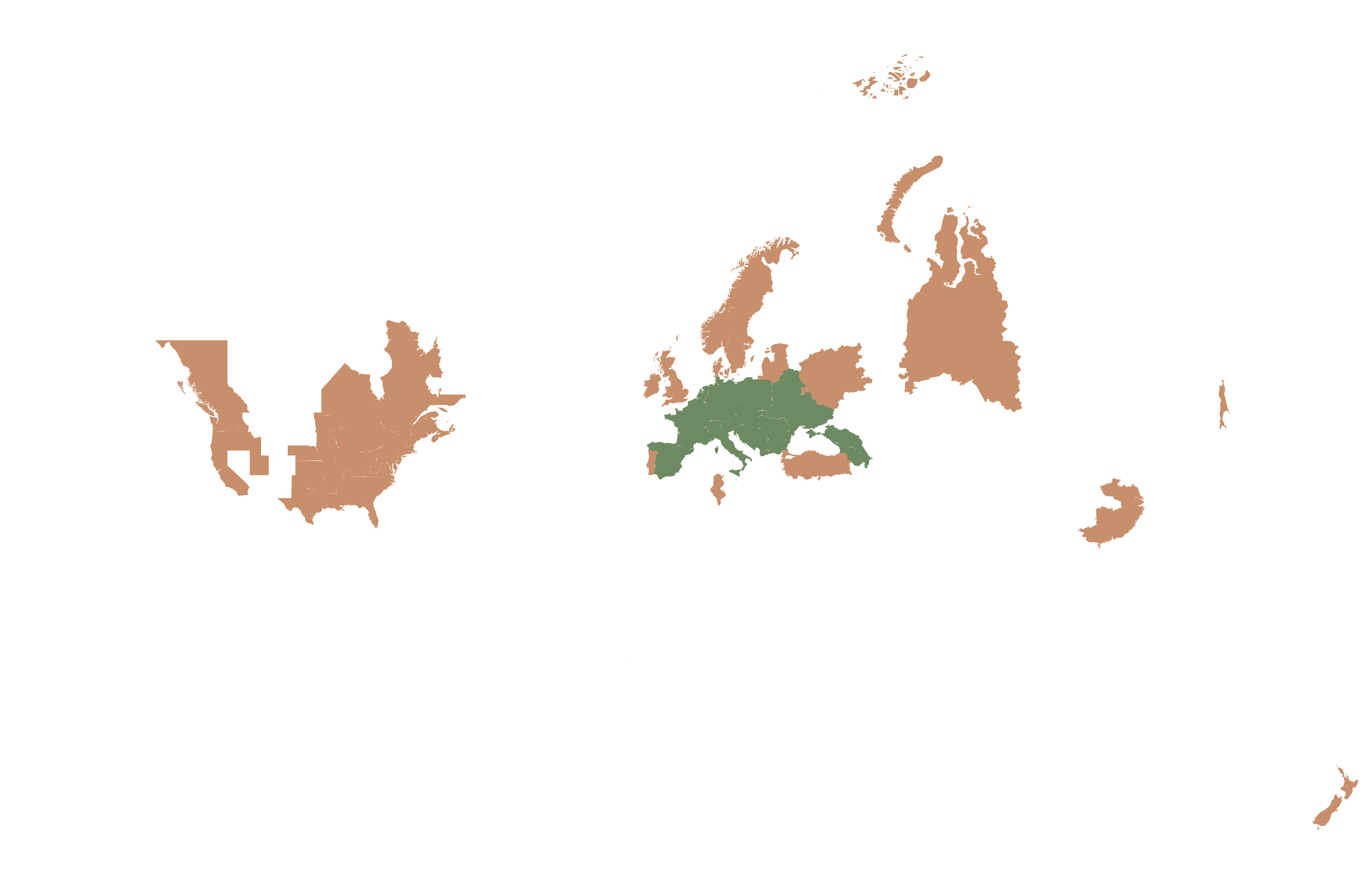
- Native
- Introduced
- Mediterranean
- Western Asia
History
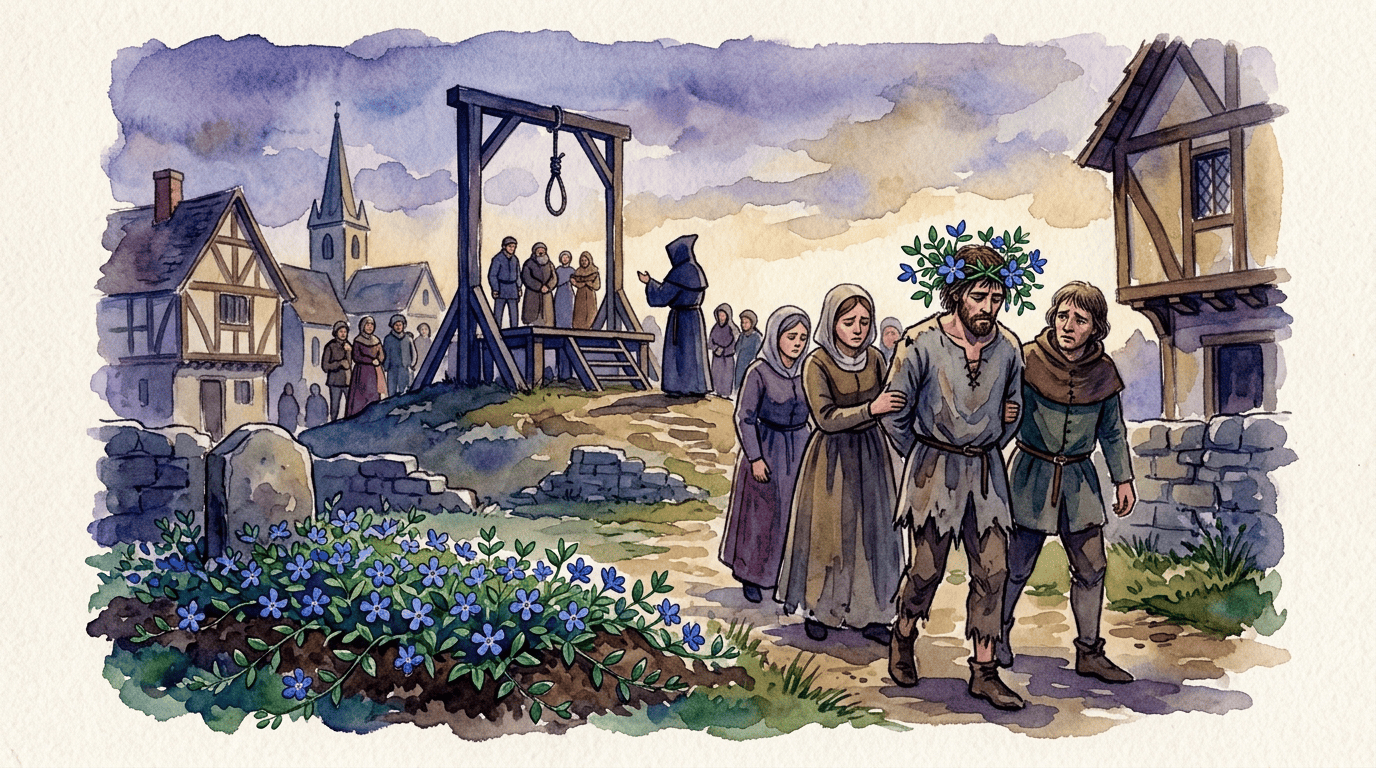
Vinca minor is native to central and southern Europe, from Portugal to Ukraine and south into Turkey and the Caucasus. It was cultivated in Roman villa gardens (Pliny the Elder describes it as "vinca pervinca") and became one of the foundational evergreen groundcovers of medieval European monastery gardens, where it was grown both ornamentally and as a medicinal plant. English folk tradition associated the plant with death — Chaucer's 14th-century "Romaunt of the Rose" describes "pervinke" on graves, and English criminals condemned to hang were sometimes given a wreath of periwinkle. European colonists brought it to North America in the 17th-18th centuries, where its hardiness, shade tolerance, and evergreen blue (occasionally white or pink) flowers made it the default evergreen groundcover of eastern US woodland gardens, cemeteries, and foundation plantings.
It has escaped cultivation widely and is classified as invasive in several eastern US states, where it can carpet forest floors and exclude native ephemerals. Vinca minor contains the alkaloid vincamine, marketed in European pharmaceuticals (as Oxybral, Cavinton) for age-related cognitive and circulatory disorders. (The cancer drugs vincristine and vinblastine come from a different genus, Catharanthus roseus.)
In Italian folk tradition it is called 'fiore di morte' (flower of death). The plant's alkaloids led to significant pharmaceutical discoveries — vincamine extracted from it is used in treatments for cerebral blood flow disorders. Geoffrey Chaucer mentioned it in his 14th-century poetry as a symbol of fidelity.
Symbolism & meaning
What It Symbolizes
Lesser Periwinkle holds memories — traditionally planted on graves across Europe and early America, its evergreen mat persisting long after the headstones have weathered illegible. In Victorian floriography it meant fidelity, its unchanging green a vow of loyalty kept beyond death. It is the groundcover that has covered more cemeteries than any other plant, faithfully remembering.
- Memories — traditionally planted on graves, representing remembrance of the departed
- Fidelity — its evergreen nature symbolizes enduring loyalty and constancy
Where the Name Comes From
Vinca derives from Latin 'vincire' (to bind), referring to the trailing stems used to make garlands. Minor means 'smaller', distinguishing it from the larger Vinca major.
Uses & Fun Facts
- Evergreen mat suppresses weeds on shaded slopes and underplantings
- Glossy leaves and violet-blue spring flowers for shade beds
Related plants
More Vinca plants
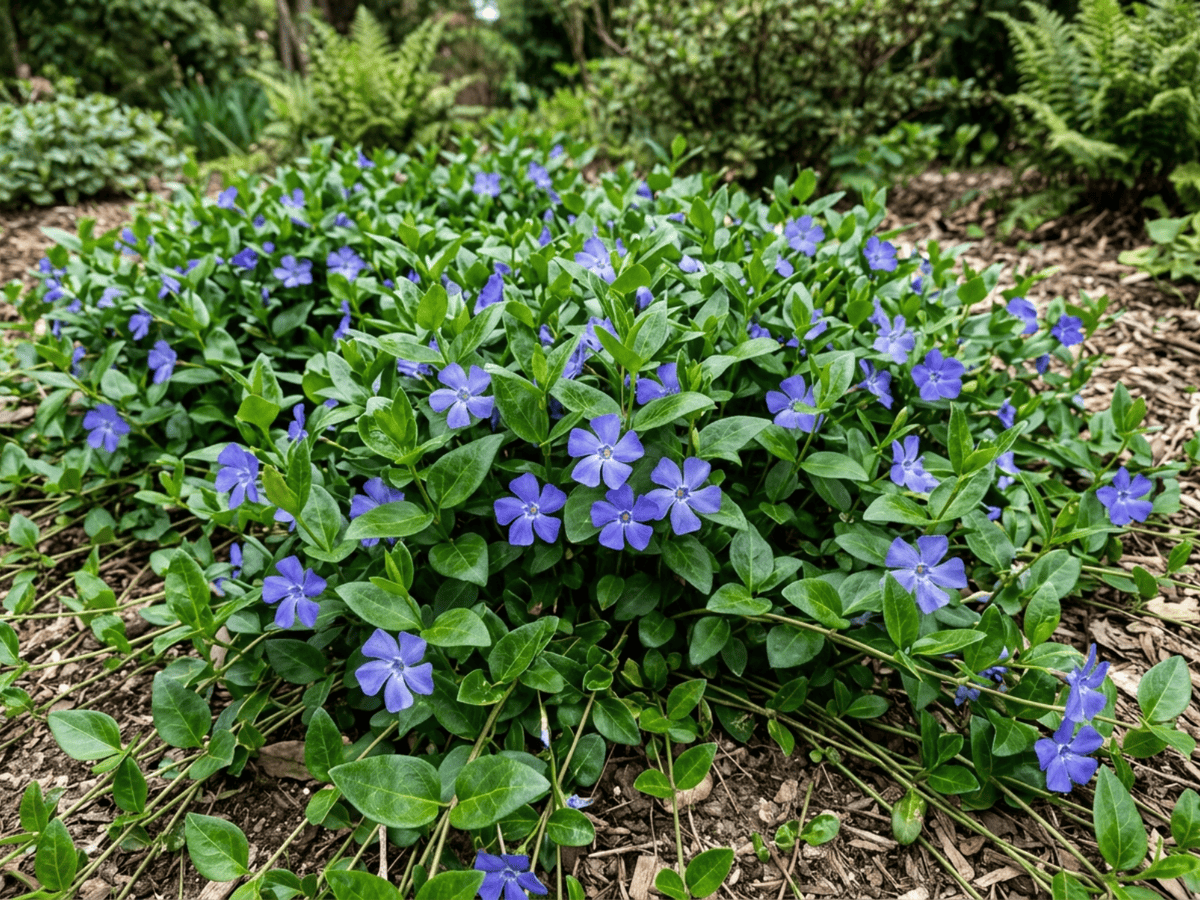
Plants with similar care
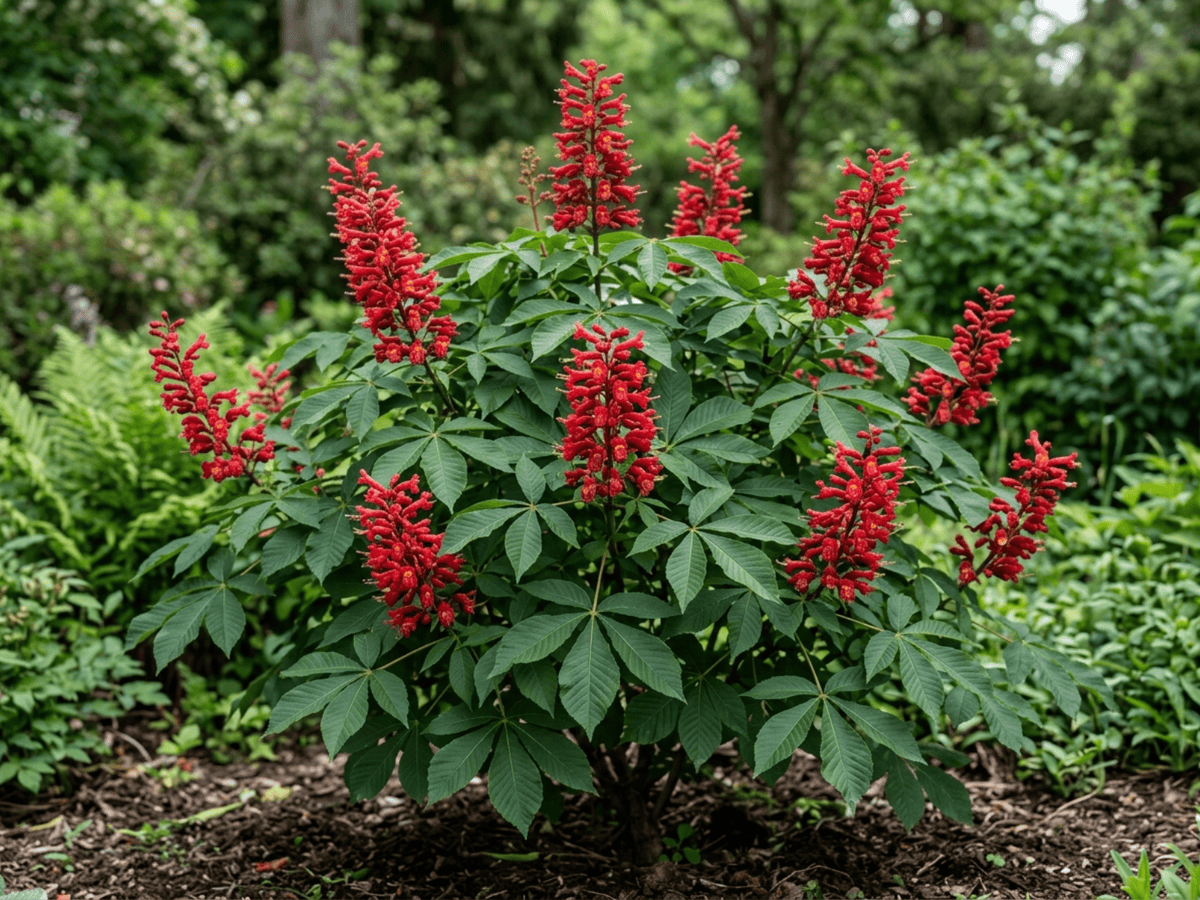 Red BuckeyeAesculus pavia
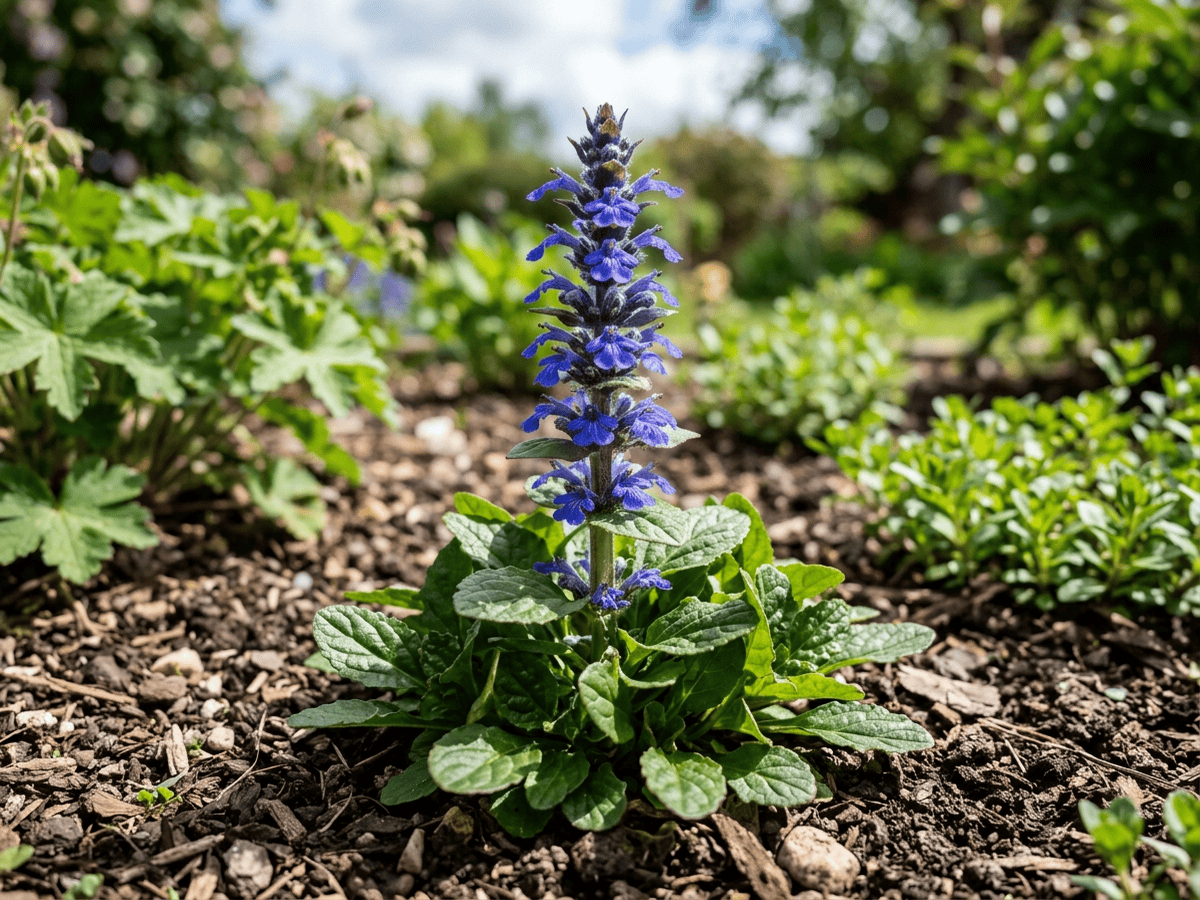 Blue BugleAjuga genevensis
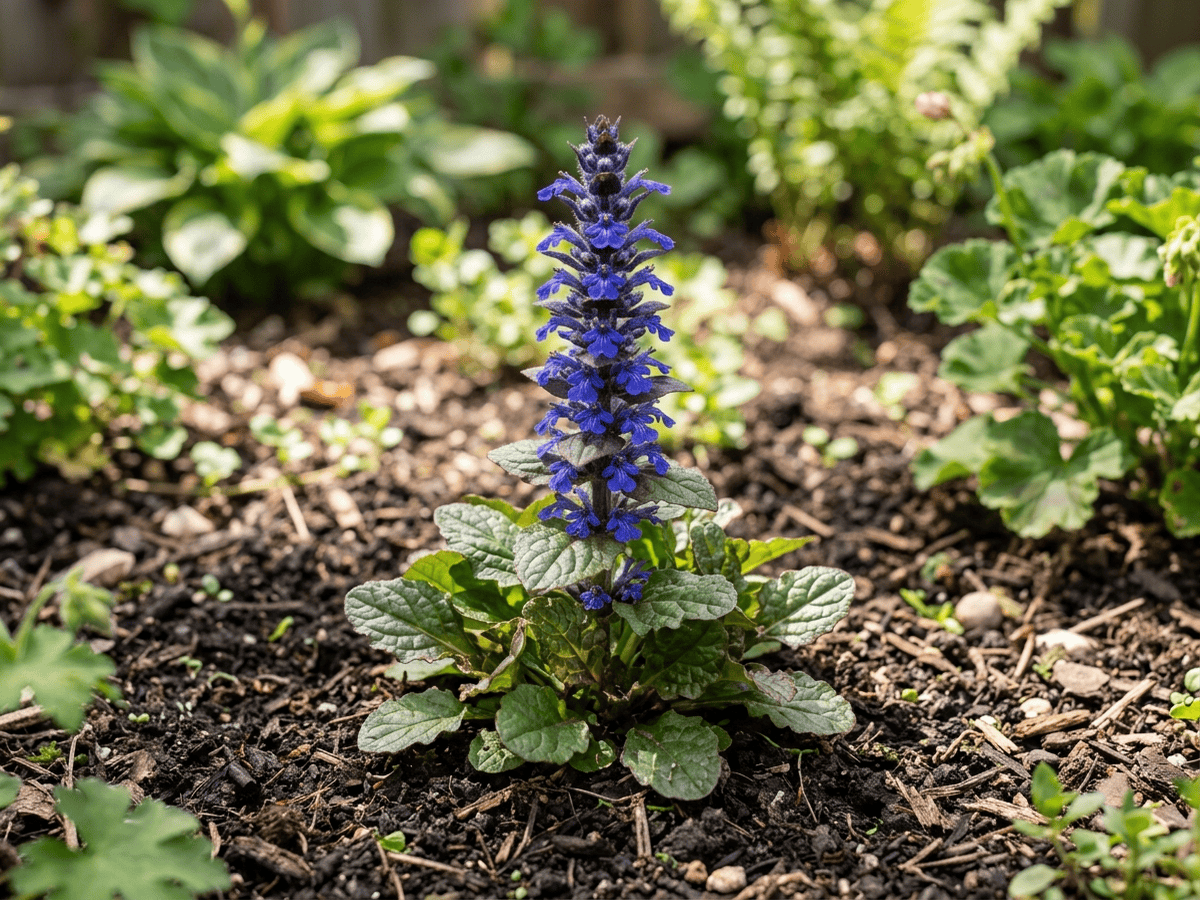 Pyramidal BugleAjuga pyramidalis
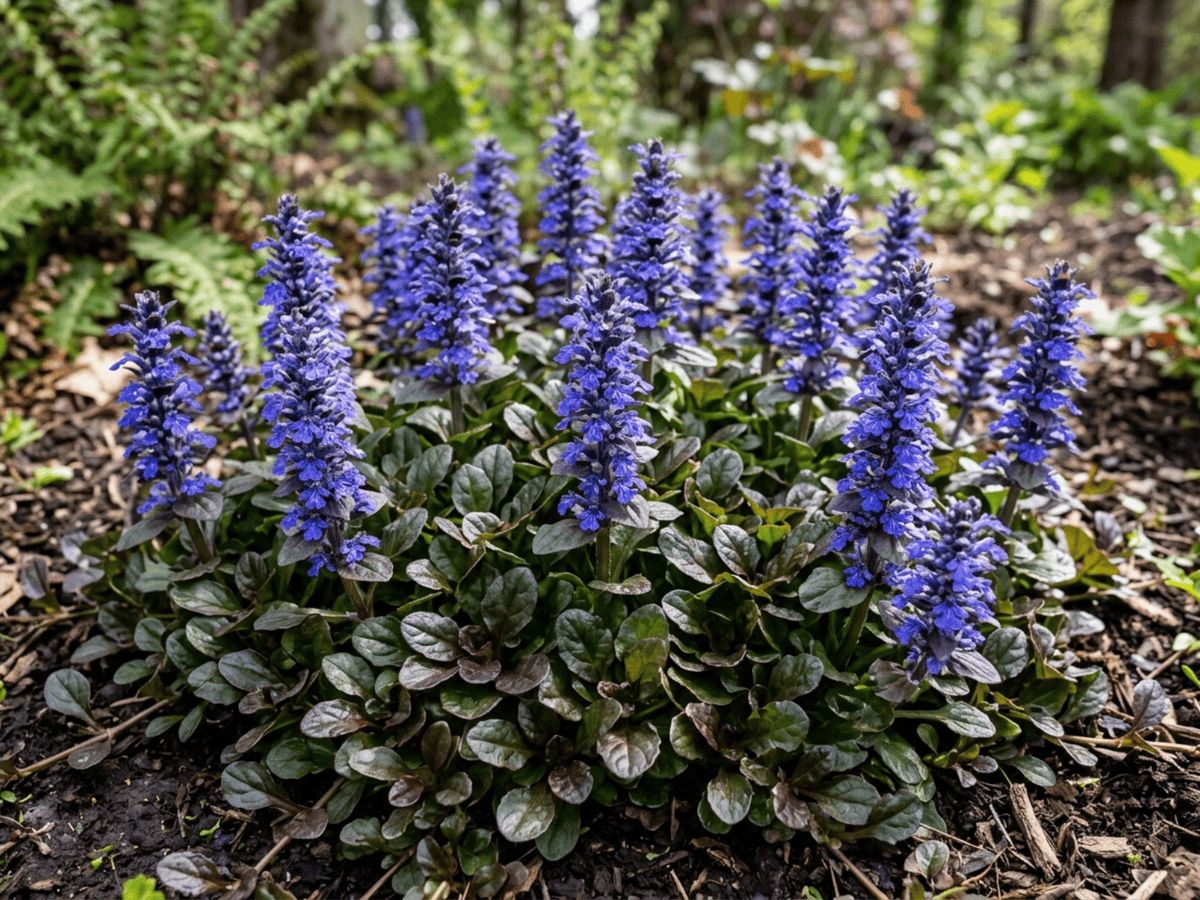 Carpet BugleAjuga reptans
Frequently asked questions
How often should I water Lesser Periwinkle?
In summer, water about every 5 days; in winter, about every 30 days. Adjust for heat, pot size and drainage.
How much light does Lesser Periwinkle need?
Part shade: 2–4 hrs direct. Watch the leaves — scorching or stretching means the light needs adjusting.
Is Lesser Periwinkle toxic to cats or dogs?
Pets Moderate (Dogs Moderate · Cats Moderate) Educational information, not medical or veterinary advice. If exposure is suspected, contact a doctor or veterinarian.
Is Lesser Periwinkle easy to grow?
Yes — it is considered an easy, beginner-friendly plant.
When does Lesser Periwinkle bloom?
It typically blooms Mar–May in the Northern Hemisphere.
YardMate
Identify any plant in seconds
Snap a photo — YardMate names the plant, diagnoses problems, and reminds you when to water.
Download on the App Store