 YardMate


Lilac Chaste Tree
Vitex agnus-castus
Easy · Beginner friendlyAbout Lilac Chaste Tree
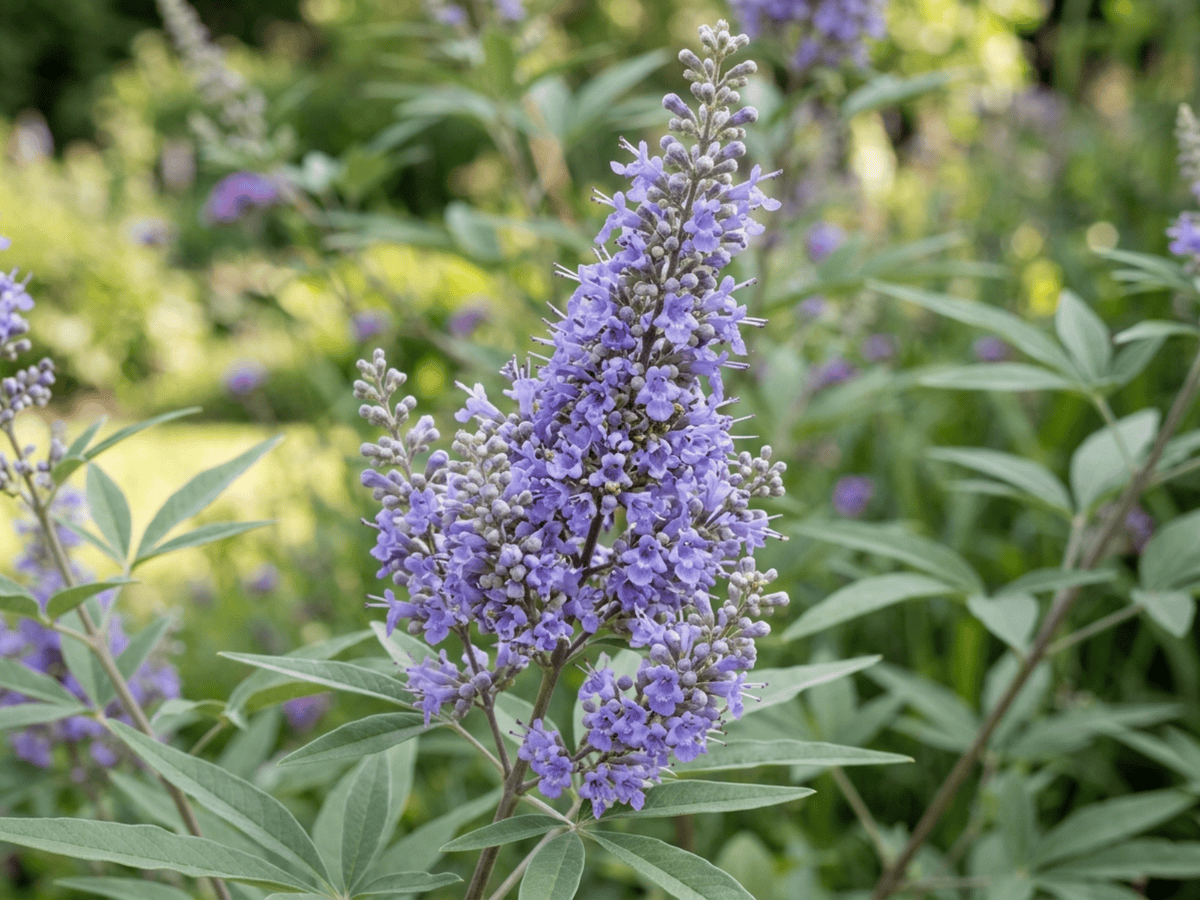
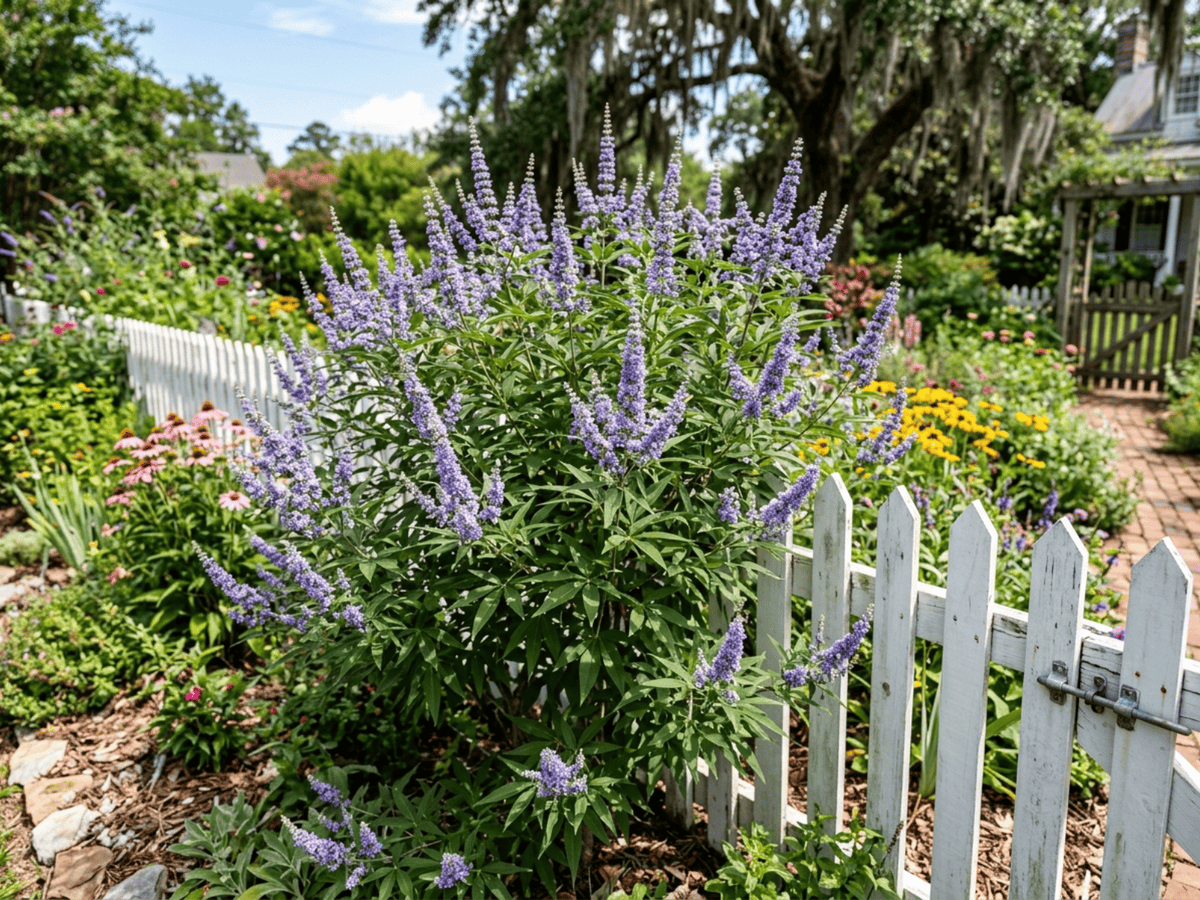
Chaste Tree is a Mediterranean deciduous large shrub or small tree, growing 10-20 feet tall with aromatic palmately compound gray-green leaves and stunning 12-inch spikes of lavender, white, or pink flowers in midsummer. A butterfly and bee magnet, it thrives in heat and drought. Hardy in USDA zones 6-9 (cut back after winter die-back in colder zones), it is one of the finest small flowering trees for Southern and Western American gardens.
- Fragrant
- Drought-tolerant
- Heat-tolerant
- Deer-resistant
How to care for Lilac Chaste Tree
Watering
- Springevery 10 days
- Summerevery 7 days
- Fallevery 14 days
- Winterpause watering
Soil · Well-draining
- Top dressingPine bark mulch10%
- Main mixPotting soil + perlite 2:170%
- DrainageLECA / gravel20%
Never skip the drainage layer — standing water is the top cause of root rot.
FERTILIZER
Balanced Feed 14-14-14
An even feed covers all three needs at once, keeping leaves, roots and blooms moving together with nothing pushed out of balance.
- Nitrogen · Leaves
- Phosphorus · Roots + Blooms
- Potassium · Strength
- Springevery 60 days
- Summerevery 60 days
At a Glance
- NativeMediterranean, Western Asia
- Height10–20 ft (3–6.1 m)
- Spread10–15 ft (3–4.6 m)
- Flower colorPurple, Pink, White
- Foliage colorGreen
- Fruit colorBrown
- SoilLoamy, Well-drained
- LocationsYard
Bloom time
BLOOM CYCLE
Peak bloom
Jun–Sep
Lavender, pink, or white spikes June to September
Fragrance
MODERATE FRAGRANCE
The flowers have a spicy, herbaceous scent.
Toxicity
Humans Slight · Pets Slight
casticin, aucubin, and agnuside
Slight
- Fruit
- Leaf
- Ingestion
EXPOSURE Eating fruit and leaves.
EFFECT Mild GI in large doses.
NOTE Medicinal use well established; low toxicity at normal exposures.
Slight
- All
- Ingestion
EXPOSURE Eating any part of the plant.
EFFECT Mild vomiting.
NOTE Medicinal use well established; low toxicity at normal exposures.
Slight
- All
- Ingestion
EXPOSURE Eating any part of the plant.
EFFECT Mild vomiting.
NOTE Medicinal use well established; low toxicity at normal exposures.
Educational information, not medical or veterinary advice. If exposure is suspected, contact a doctor or veterinarian.
DISTRIBUTION


- Native
- Introduced
- Mediterranean
- Western Asia
History
Vitex agnus-castus grows across the Mediterranean basin, the Middle East, and central Asia. Hippocrates, Dioscorides, and Pliny all documented its medicinal use. The compound Latin name agnus-castus combines Latin agnus (lamb) with castus (chaste)—a redundant construction emphasizing its reputation as an anaphrodisiac.
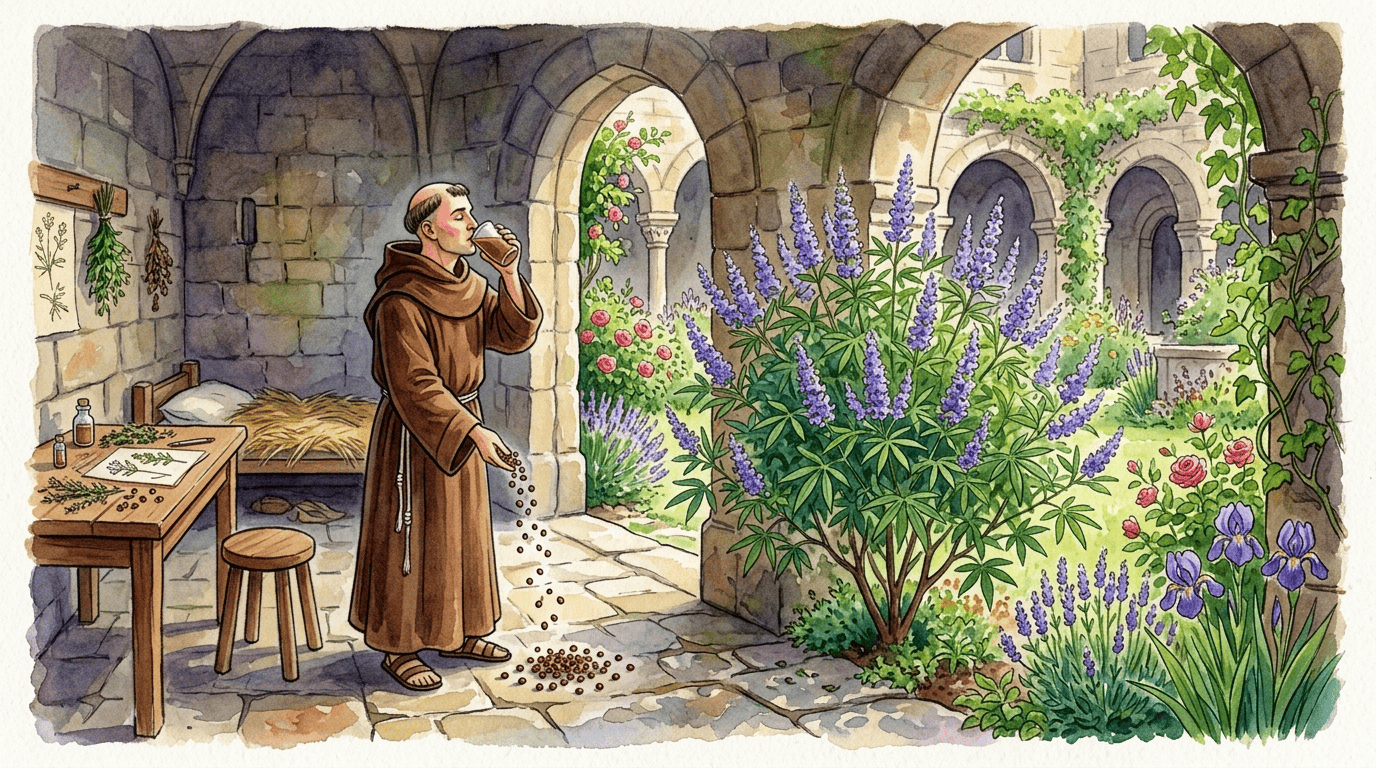
Medieval Benedictine and Cistercian monks scattered dried berries in their cells and drank preparations to maintain celibacy, giving rise to the English common name monk's pepper. Linnaeus included it in his 1753 Species Plantarum. Modern pharmacological research has validated its use for pre-menstrual syndrome and menopausal symptoms through dopaminergic compounds.
Horticulturally, its mid-to-late summer fragrant lavender-blue flower spikes on a 10-15 foot multi-stemmed small tree, drought tolerance, and deer resistance made it popular in US southern and western landscapes from the 1980s onward. Cultivated since ancient Greek and Roman times. Traditionally considered anaphrodisiac—monks used it to suppress desire during Lent—hence 'chaste tree' and 'monk's pepper'. Modern herbal medicine uses fruit extracts for women's hormonal support. Widely planted across the American South and Southwest for its heat tolerance and bloom power.
Symbolism & meaning
What It Symbolizes
Lilac Chaste Tree is late-summer composure. Violet-blue flower spikes rise above aromatic palmate leaves when heat has tired many shrubs, drawing bees and giving dry gardens a cool color note. Its symbolism is restraint with fragrance: a plant that feels disciplined, airy, and Mediterranean even in high summer.
- Chastity — traditional symbol of purity
- Healing — ancient medicinal plant
Where the Name Comes From
'Vitex' is the Latin name; 'agnus-castus' means 'chaste lamb' referencing the plant's reputed anaphrodisiac properties.
Uses & Fun Facts
- Berry extracts used for hormonal balance herbal supplements
- Aromatic foliage and lavender flower spikes scent gardens
- Summer spikes magnet for butterflies and bees
- Heat-loving small tree for Mediterranean-style landscapes
Related plants
Plants with similar care
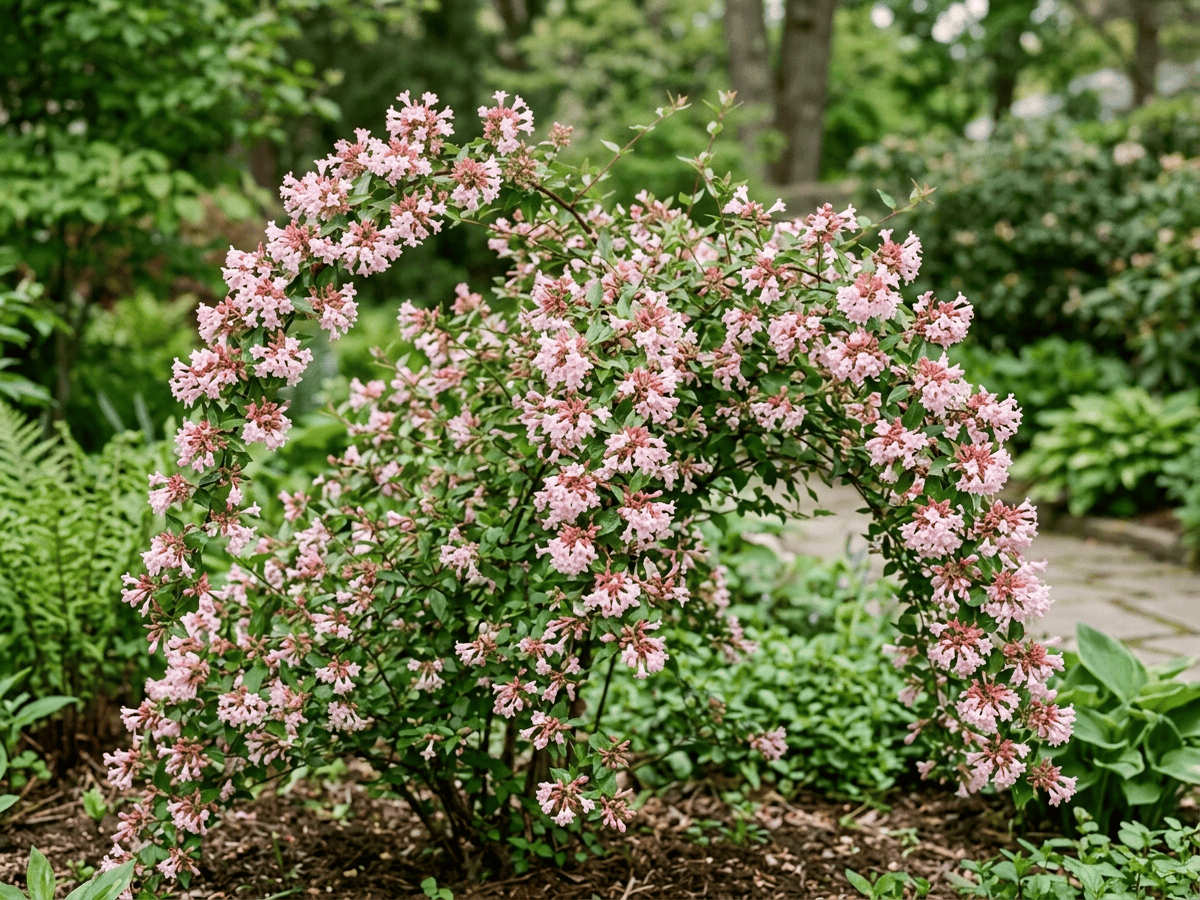
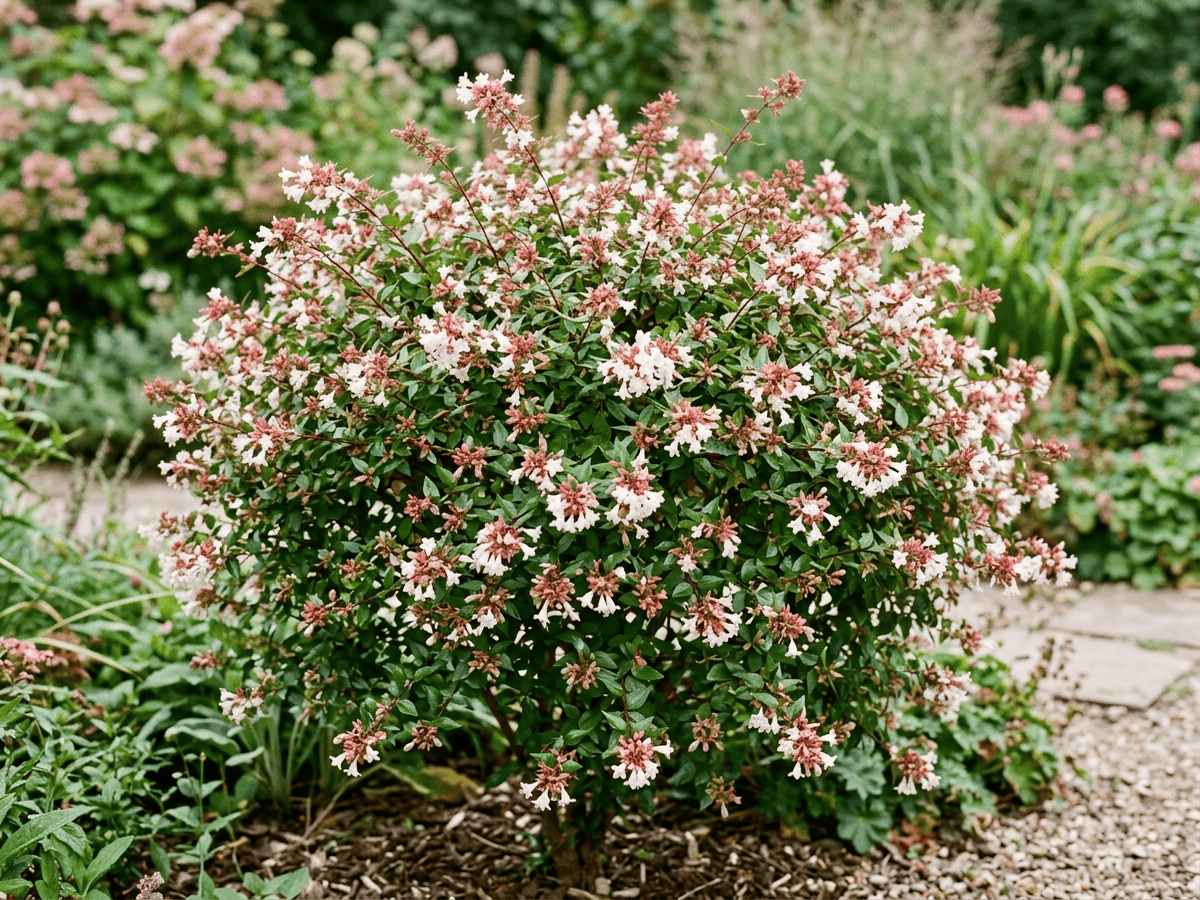 Chinese AbeliaAbelia chinensis
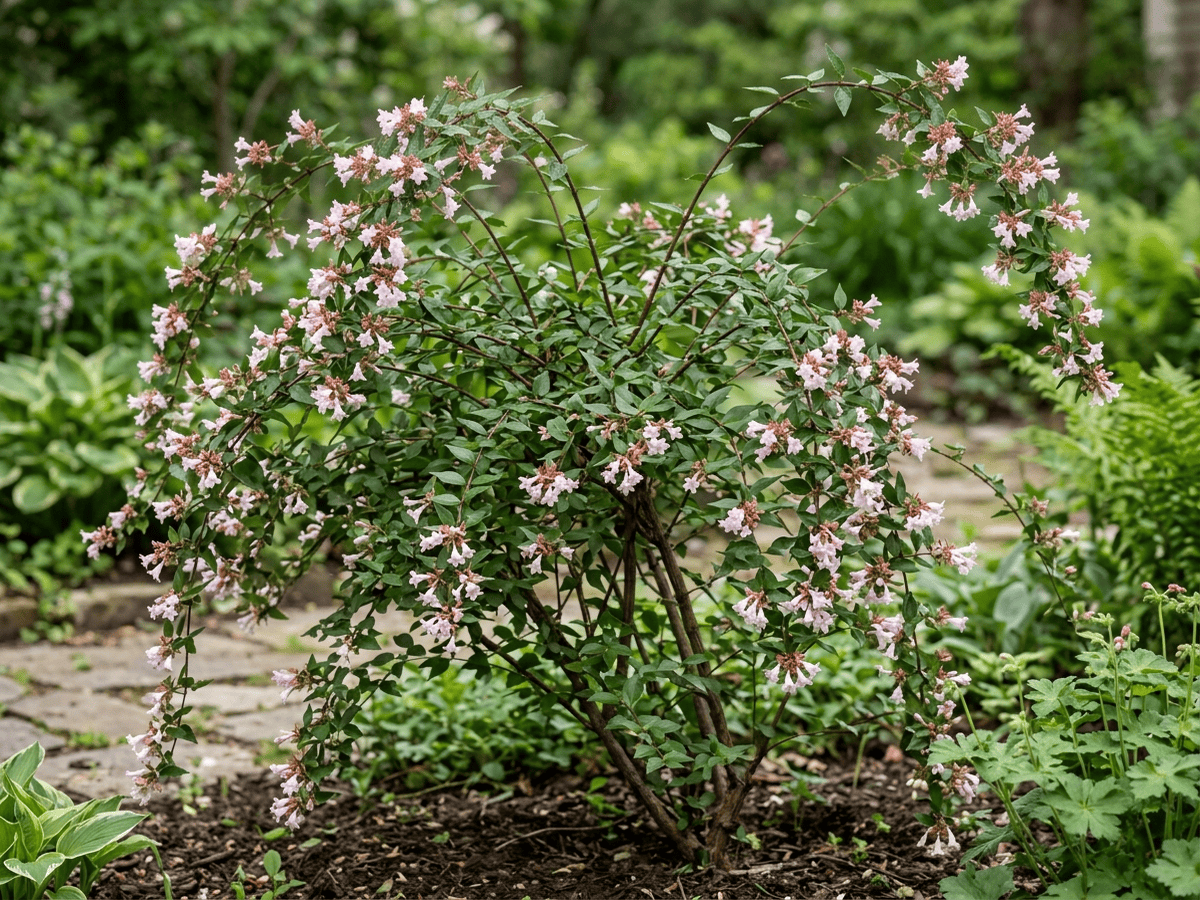
 Fragrant AbeliaAbelia mosanensis
 Large-Flowered AbeliaAbelia uniflora
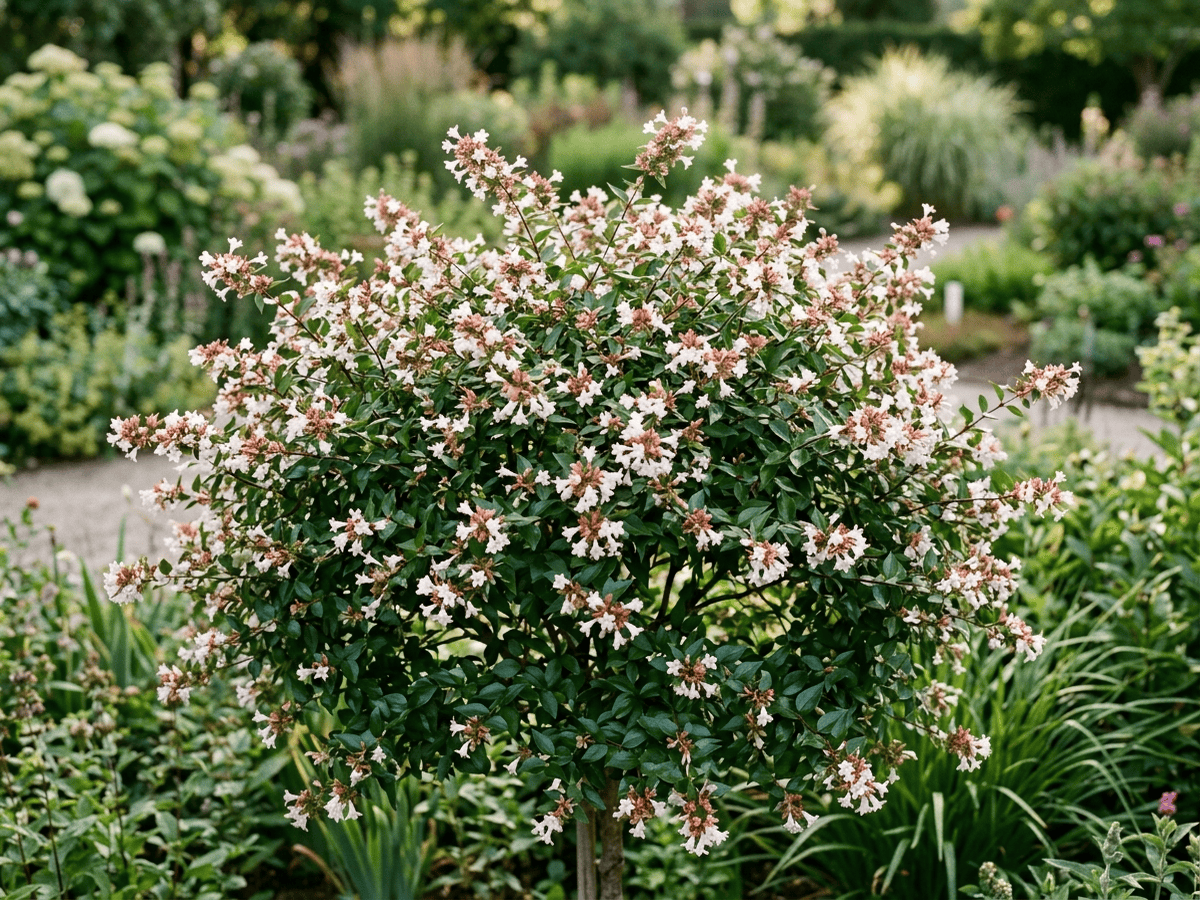 Glossy AbeliaAbelia x grandiflora
Frequently asked questions
How often should I water Lilac Chaste Tree?
Water about every 10 days during the growing season, and always let excess water drain away.
How much light does Lilac Chaste Tree need?
Full sun: 6+ hrs direct. Watch the leaves — scorching or stretching means the light needs adjusting.
Is Lilac Chaste Tree toxic to cats or dogs?
Pets Slight (Dogs Slight · Cats Slight) Educational information, not medical or veterinary advice. If exposure is suspected, contact a doctor or veterinarian.
Is Lilac Chaste Tree easy to grow?
Yes — it is considered an easy, beginner-friendly plant.
When does Lilac Chaste Tree bloom?
It typically blooms Jun–Sep in the Northern Hemisphere.
YardMate
Identify any plant in seconds
Snap a photo — YardMate names the plant, diagnoses problems, and reminds you when to water.
Download on the App Store