 YardMate

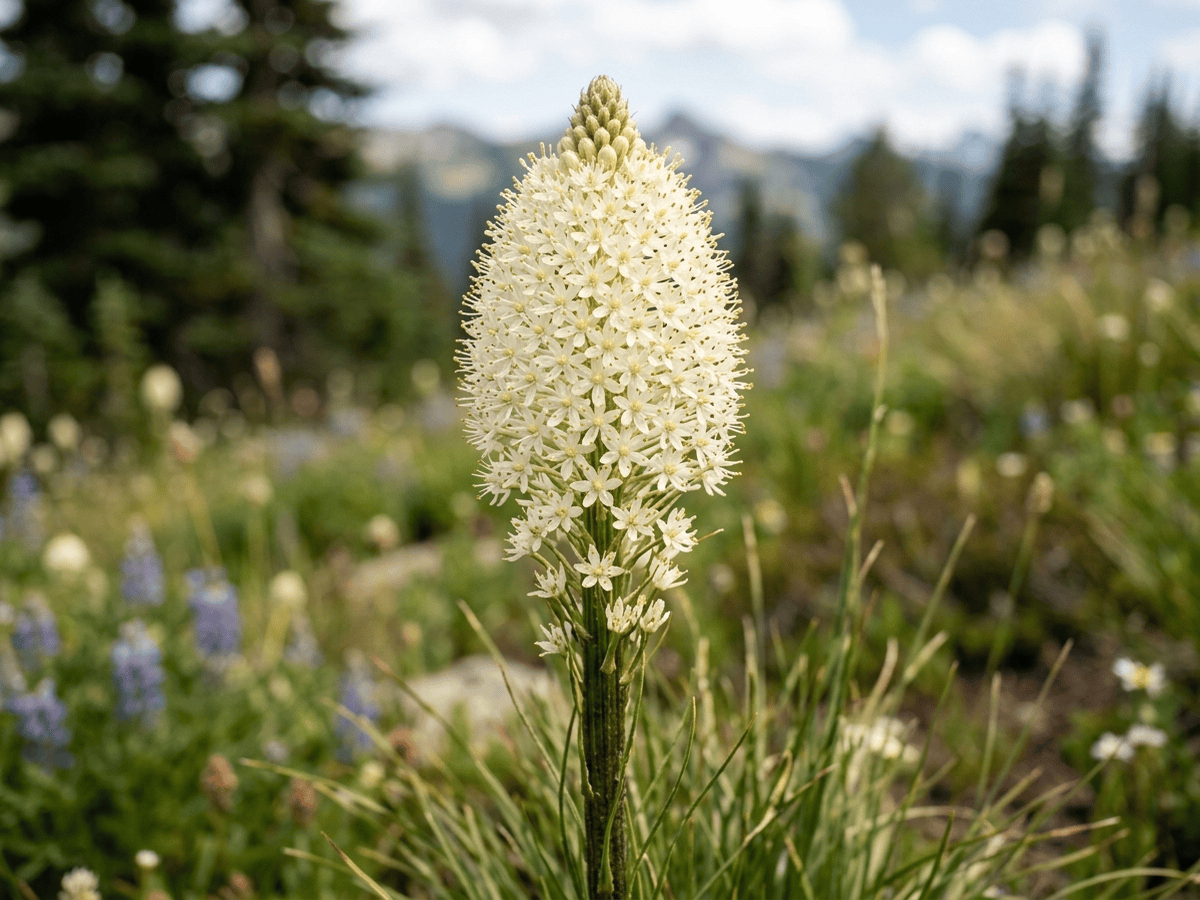


Common Beargrass
Xerophyllum tenax
Hard · Experienced growersAbout Common Beargrass
Bear Grass is a striking perennial native to the Pacific Northwest and northern Rocky Mountains, growing in mountain meadows and open coniferous forests from British Columbia south to California. From a basal clump of tough wiry grass-like leaves rises a dramatic 3 to 5 foot stalk topped with a dense conical plume of small fragrant cream-white flowers in summer. Long leaves were prized by Indigenous peoples for weaving baskets, hats, and ceremonial regalia.
- Drought-tolerant
- Evergreen
- Native
- Wildlife-friendly
How to care for Common Beargrass
Watering
- Springevery 10 days
- Summerevery 7 days
- Fallevery 14 days
- Winterevery 21 days
Soil · Well-draining
- Top dressingPine bark mulch10%
- Main mixPotting soil + perlite 2:170%
- DrainageLECA / gravel20%
Never skip the drainage layer — standing water is the top cause of root rot.
FERTILIZER
This plant needs little to no feeding.
At a Glance
- NativeNorth America
- Height3–5 ft (0.9–1.5 m)
- Spread1.5–2.5 ft (0.5–0.8 m)
- Flower colorWhite, Cream
- Foliage colorGreen
- SoilWell-drained, Sandy, Acidic
- LocationsYard
Bloom time
BLOOM CYCLE
Peak bloom
Jun–Jul
Tall conical plumes of cream-white flowers June to July
Fragrance
LIGHT FRAGRANCE
Flowers have a light, subtle scent.
Toxicity
Toxicity unknown
None reported
Unknown
EXPOSURE Unspecified plant material.
EFFECT Toxic effects are not specified.
NOTE Toxicity for humans is not well documented; use caution until verified.
Unknown
EXPOSURE Unspecified plant material.
EFFECT Toxic effects are not specified.
NOTE Toxicity for dogs is not well documented; use caution until verified.
Unknown
EXPOSURE Unspecified plant material.
EFFECT Toxic effects are not specified.
NOTE Toxicity for cats is not well documented; use caution until verified.
Educational information, not medical or veterinary advice. If exposure is suspected, contact a doctor or veterinarian.
DISTRIBUTION


- Native
- North America
History
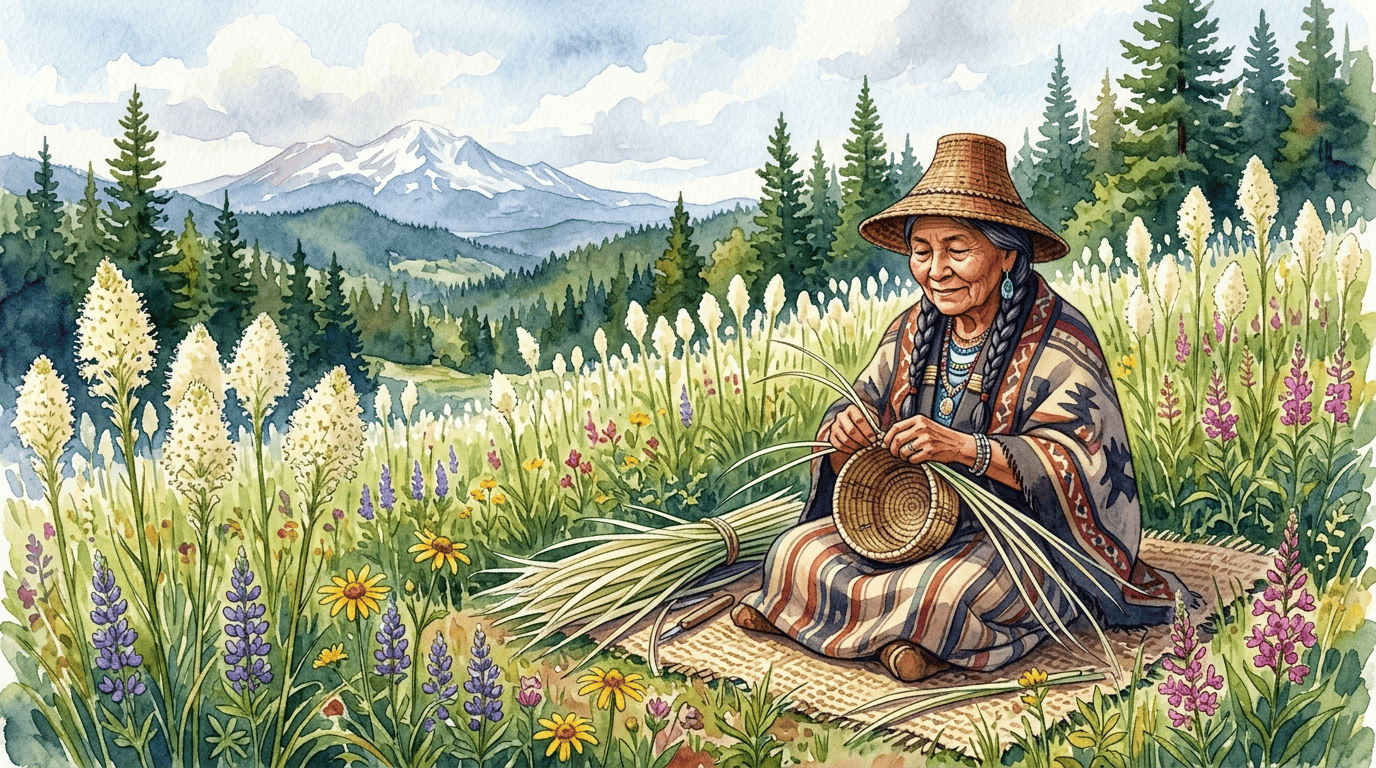
Xerophyllum tenax, called beargrass, Indian basket grass, or soap grass, is a perennial native to mountain meadows and coniferous forests of western North America from British Columbia and Alberta south through the Cascades, Sierra Nevada, and northern Rockies. Lewis and Clark collected specimens in 1806 and observed the Chinook and other Columbia River peoples using the tough fibrous leaves to weave hats and watertight baskets. Basket makers including the Haida, Tlingit, Karuk, and Hupa continue to harvest carefully and legally from National Forest lands, producing heirloom ceremonial and commercial work.
Each plant flowers only once after several years, producing a dramatic meter-tall plume of small cream flowers that adorn alpine meadows in summer. Beargrass is fire-adapted and resprouts vigorously after burns.
Tough strap-like leaves have been used for centuries by Pacific Northwest and northern California Indigenous peoples including the Karuk, Yurok, Hupa, and Klamath for fine basket weaving. The plant blooms most prolifically in the years following wildfire, and its plumes are an iconic sight in subalpine meadows of the Cascades and Olympics.
Symbolism & meaning
What It Symbolizes
Common Beargrass is a flower of Endurance — fire-adapted high-meadow plant whose tough leaves resprout vigorously after burns that destroy gentler vegetation. It is also a material of Sacred craft, central to weaving traditions among many Pacific Northwest peoples, including the Karuk, Hupa, and Yurok. A plant whose blades hold both ecological resilience and cultural memory.
- Endurance — tough fire-adapted plant of high meadows
- Sacred craft — central material in Northwest weaving traditions
Where the Name Comes From
The name Common Beargrass describes its grasslike foliage. 'Xerophyllum' is Greek for 'dry leaf'; 'tenax' means tough, referring to the durable leaves used in weaving.
Uses & Fun Facts
- Tall creamy flower spikes rise above grassy basal tufts
- Tough leaves woven into baskets by Pacific Northwest tribes
- Native meadow plant supports mountain pollinators
Related plants
Plants with similar care
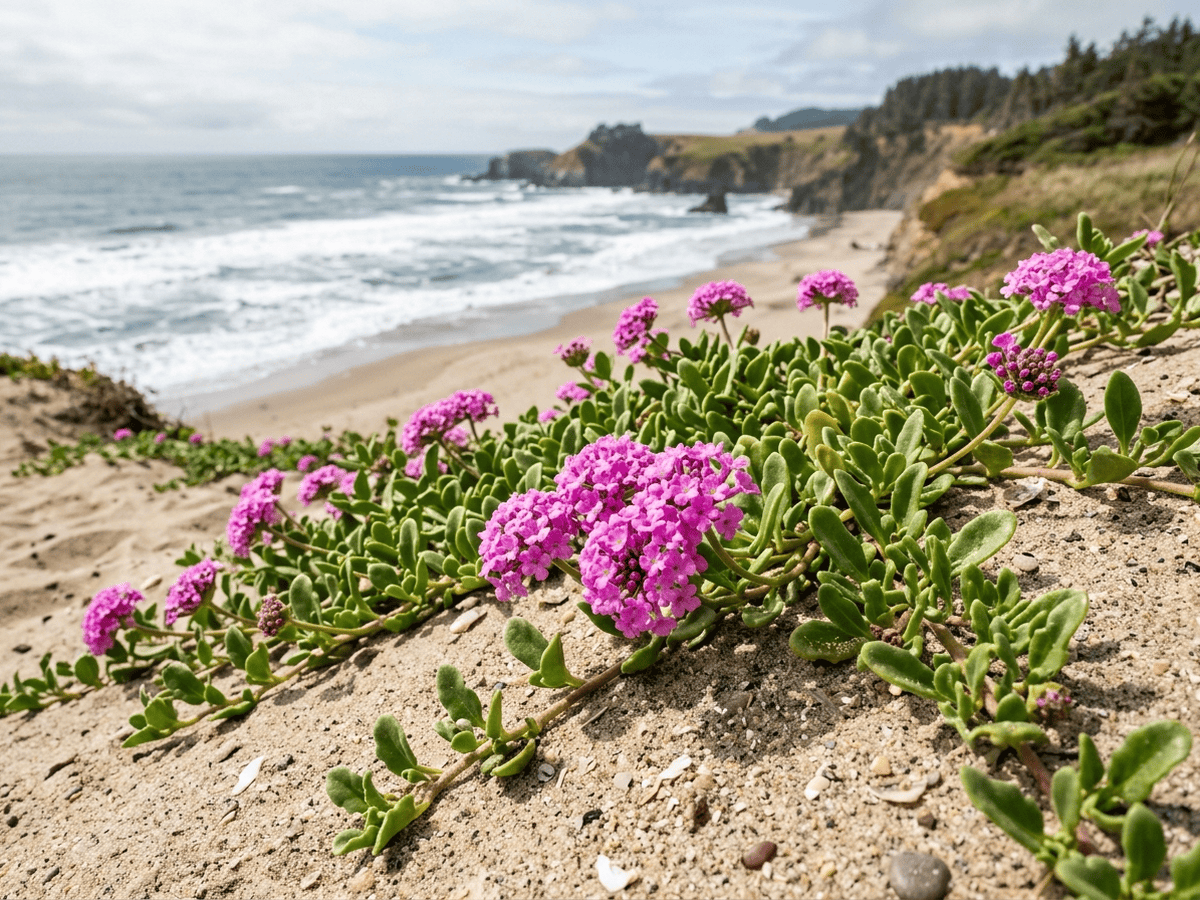 Pink Sand VerbenaAbronia umbellata
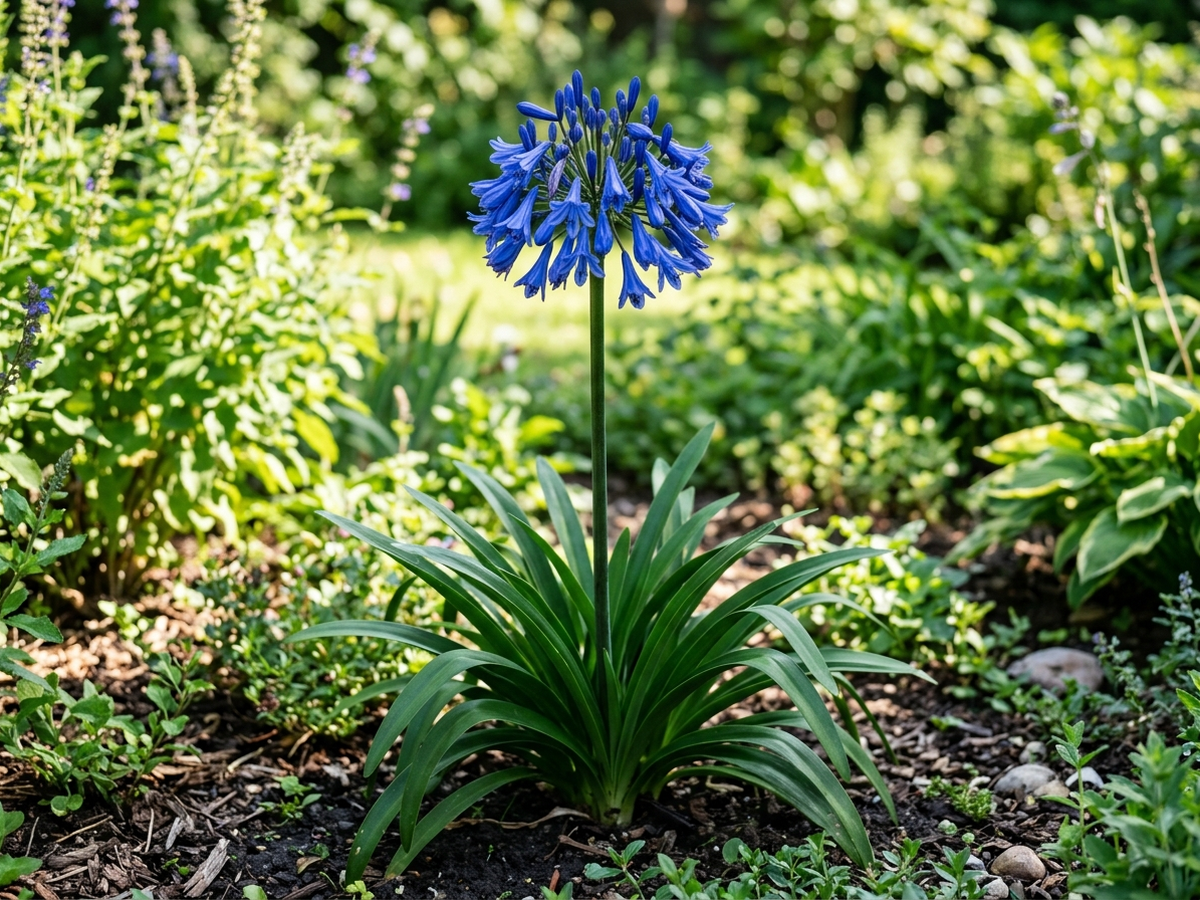 Drooping AgapanthusAgapanthus inapertus
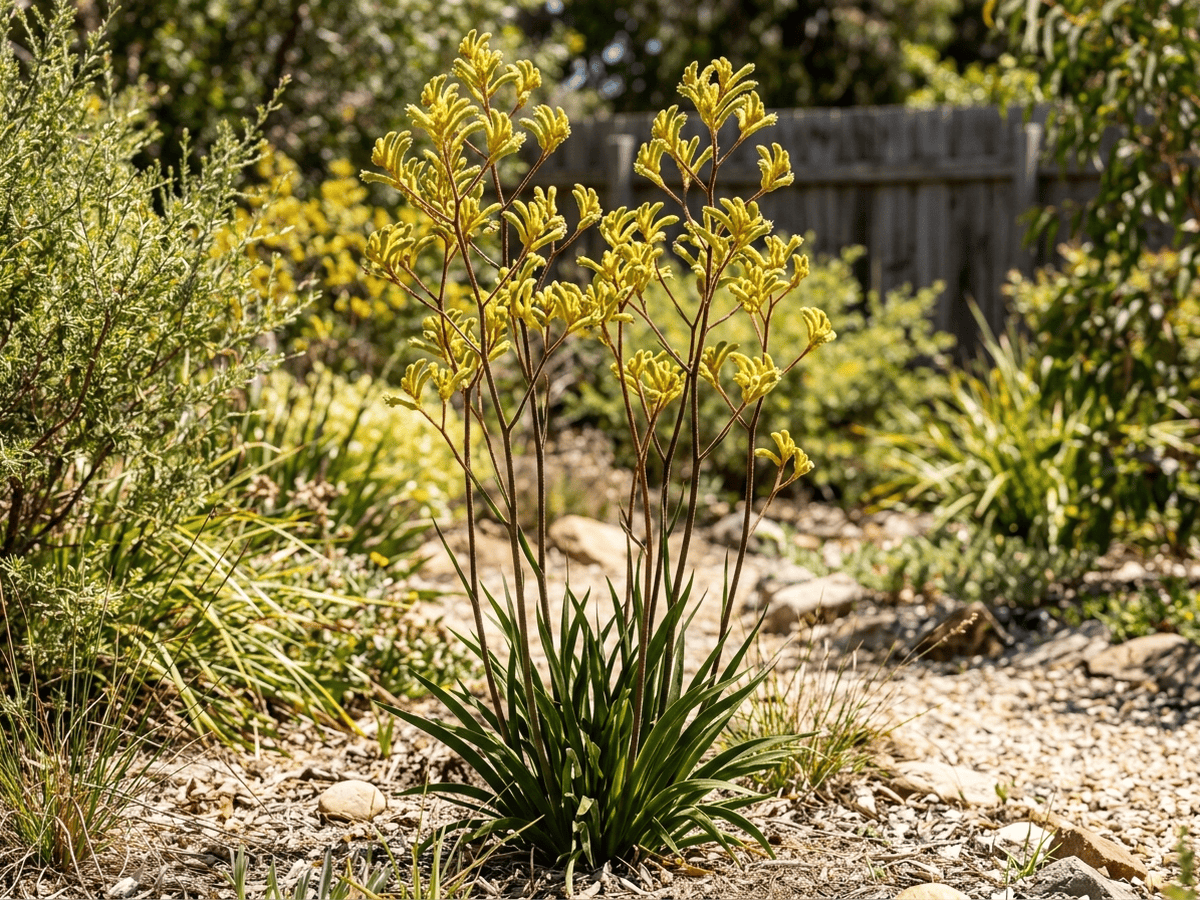 Tall Kangaroo PawAnigozanthos flavidus
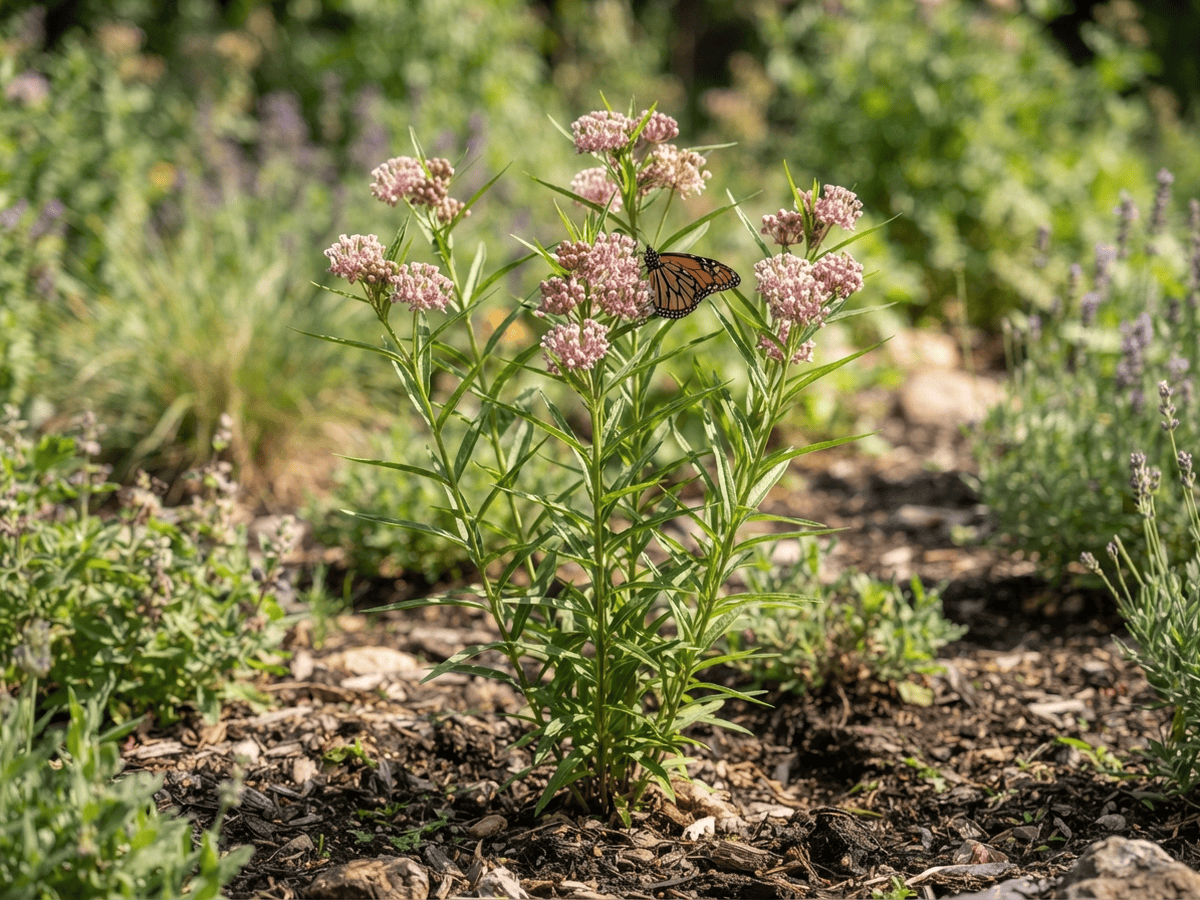 Narrowleaf MilkweedAsclepias fascicularis
Frequently asked questions
How often should I water Common Beargrass?
In summer, water about every 7 days; in winter, about every 21 days. Adjust for heat, pot size and drainage.
How much light does Common Beargrass need?
Full sun: 6+ hrs direct. Watch the leaves — scorching or stretching means the light needs adjusting.
Is Common Beargrass toxic to cats or dogs?
Pets Unknown (Dogs Unknown · Cats Unknown) Educational information, not medical or veterinary advice. If exposure is suspected, contact a doctor or veterinarian.
Is Common Beargrass easy to grow?
It is considered challenging and rewards experienced growers.
When does Common Beargrass bloom?
It typically blooms Jun–Jul in the Northern Hemisphere.
YardMate
Identify any plant in seconds
Snap a photo — YardMate names the plant, diagnoses problems, and reminds you when to water.
Download on the App Store