 YardMate

Chinese Zelkova
Zelkova sinica
Easy · Beginner friendlyAbout Chinese Zelkova
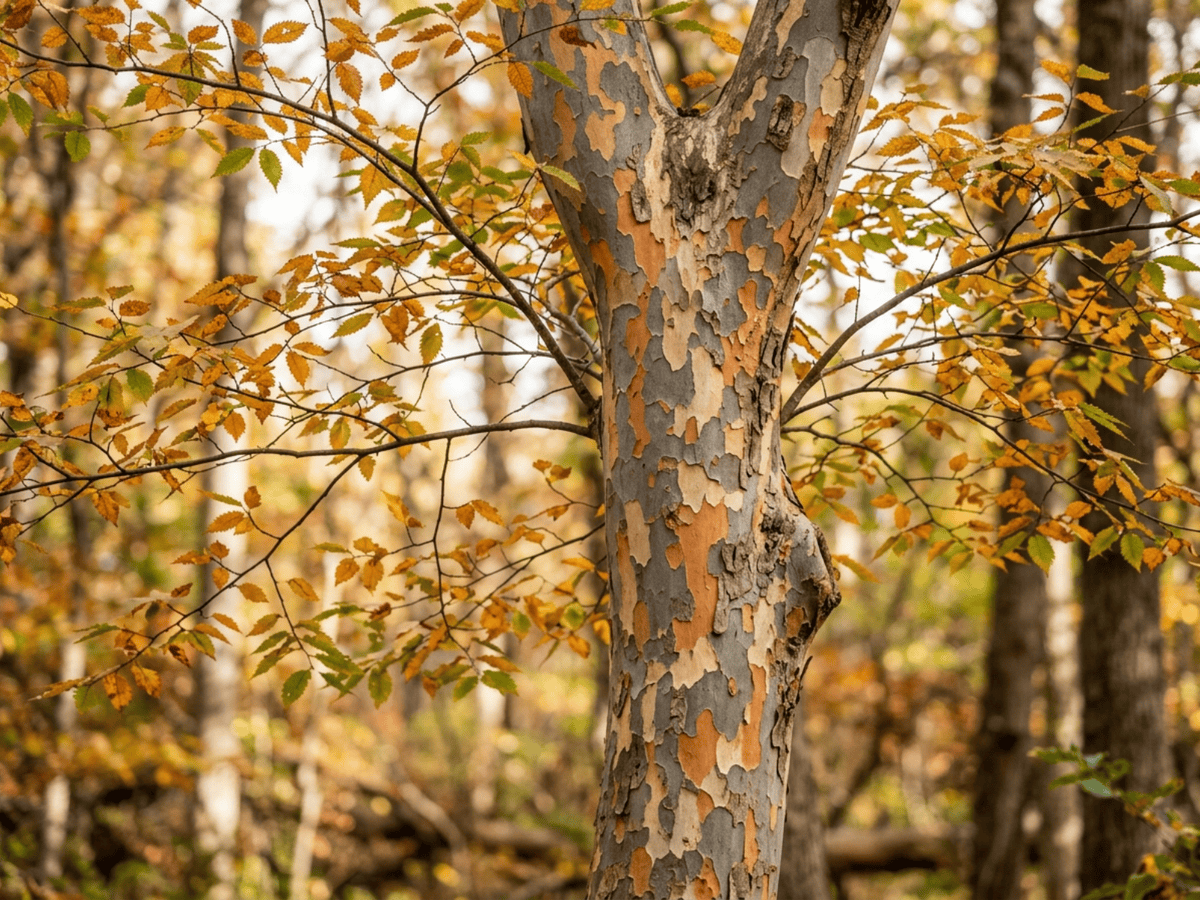
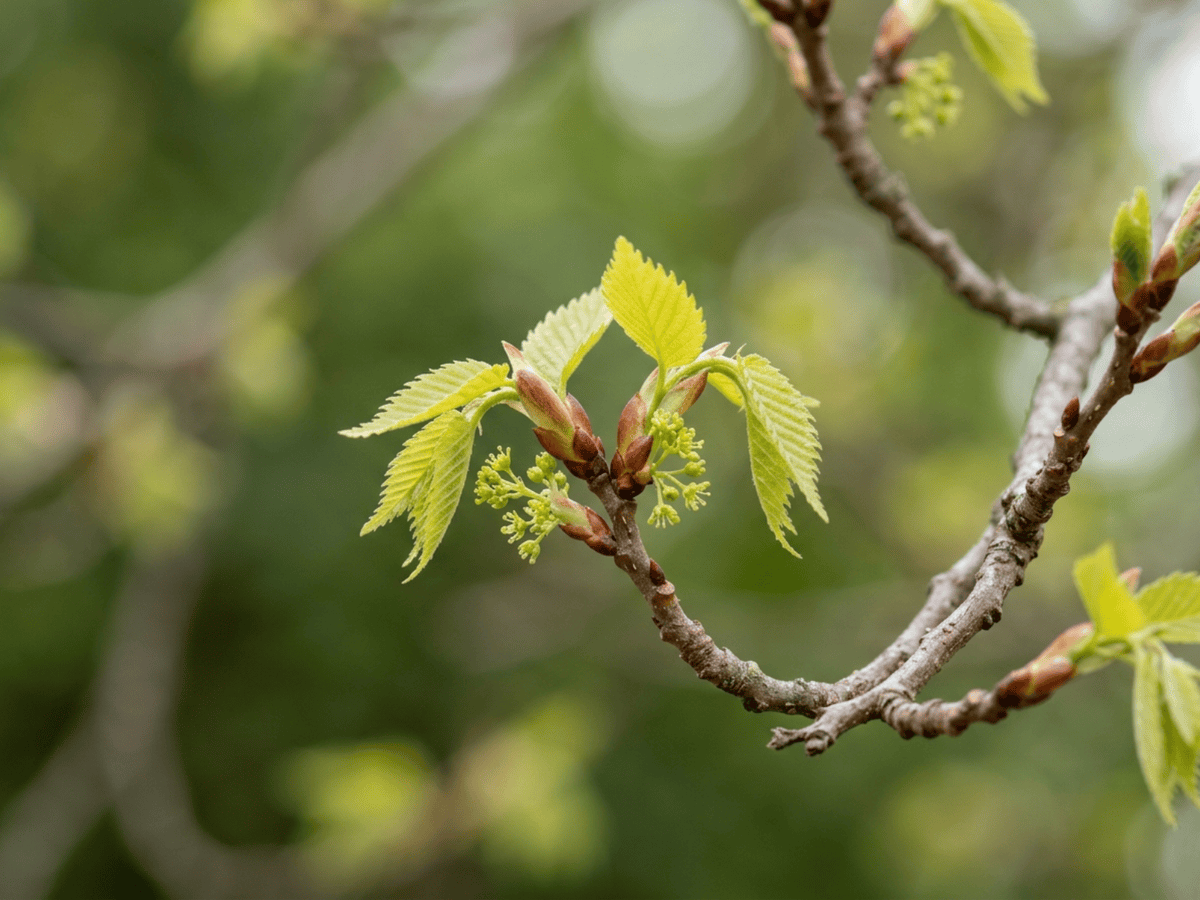
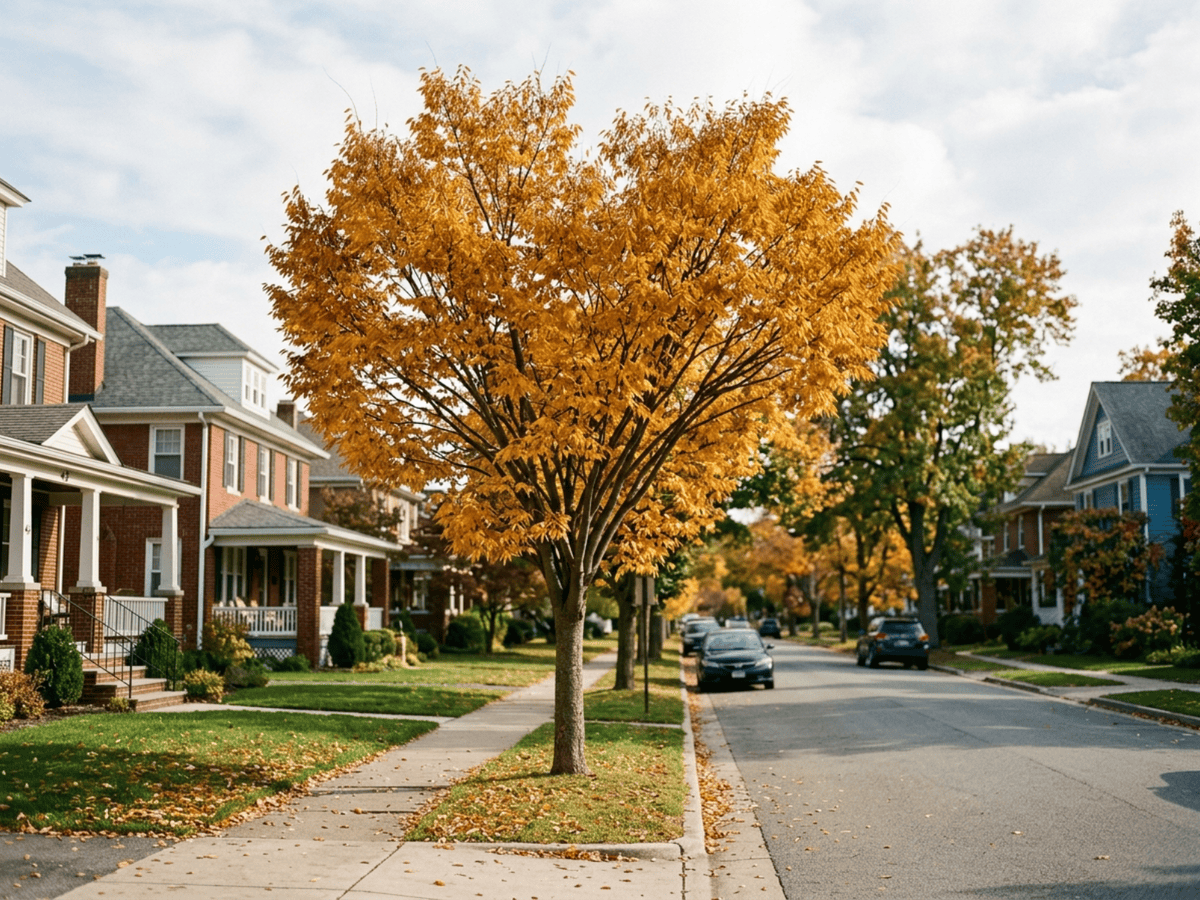
Chinese Zelkova is a graceful medium deciduous tree native to northern and central China, reaching 40-50 feet, forming an elegant vase shape reminiscent of American elm. Finely serrated leaves turn russet and orange in autumn. Smooth gray bark exfoliates with age to reveal attractive orange inner layers. Disease-resistant and increasingly planted as an alternative to the American elm across US cities.
- Disease-resistant
- Fall-color
How to care for Chinese Zelkova
Watering
- Springevery 14 days
- Summerevery 10 days
- Fallevery 14 days
- Winterevery 30 days
Soil · Well-draining
- Top dressingPine bark mulch10%
- Main mixPotting soil + perlite 2:170%
- DrainageLECA / gravel20%
Never skip the drainage layer — standing water is the top cause of root rot.
FERTILIZER
Balanced Feed 14-14-14
An even feed covers all three needs at once, keeping leaves, roots and blooms moving together with nothing pushed out of balance.
- Nitrogen · Leaves
- Phosphorus · Roots + Blooms
- Potassium · Strength
- Springevery 60 days
At a Glance
- NativeEast Asia
- Height40–60 ft (12.2–18.3 m)
- Spread30–50 ft (9.1–15.2 m)
- Flower colorGreen
- Foliage colorGreen, Yellow, Bronze, Red
- Fruit colorGreen
- SoilLoamy, Well-drained
- LocationsYard
Bloom time
BLOOM CYCLE
Peak bloom
Mar–May
Inconspicuous green flowers in spring
Toxicity
No toxicity has been reported for this plant. Still, it is wise to keep pets from chewing on any houseplant.
Educational information, not medical or veterinary advice. If exposure is suspected, contact a doctor or veterinarian.
DISTRIBUTION


- Native
- East Asia
History

Zelkova sinica occurs naturally in mountain forests of central and northern China including Shaanxi, Shanxi, Gansu, Henan, and Hubei provinces, typically between 800 and 2000 meters elevation. English botanist William Botting Hemsley formally described the species in 1894 from specimens collected in China. The genus name Zelkova derives from dzelkva, the Georgian vernacular name for Z. carpinifolia of the Caucasus.
Like its East Asian relative Z. serrata (Japanese zelkova), Z. sinica is resistant to Dutch elm disease that devastated its close relative Ulmus americana, making it a valuable replacement street tree. Mature specimens develop distinctive smooth gray-green bark that exfoliates in irregular flakes revealing bright orange-cinnamon patches—more pronounced than in Z. serrata. The species was collected by Ernest Henry Wilson and William Purdom on their expeditions for the Arnold Arboretum in the early 1900s but remains uncommon in Western gardens.
Fall color is warm yellow to orange-red. Introduced from China in the early 20th century. In its native range, the hard durable wood has long been used for fine furniture and temple construction.
Symbolism & meaning
What It Symbolizes
Chinese Zelkova is resilient urban grace, an elm-like tree that recalls the generous shade and vase-shaped arches once common on American main streets. Its refined crown lifts like a fountain over sidewalks, giving cities a softer canopy without fragility. Symbolically it is civic memory renewed: old shade reimagined for modern streets.
- Resilience — disease-resistant elm alternative
- Elegance — refined vase-shaped crown
Where the Name Comes From
'Zelkova' from the Georgian name 'dzelkva'; 'sinica' means of China.
Uses & Fun Facts
- Vase-shaped canopy casts dappled shade on streets and lawns
- Smooth-barked Chinese zelkova as long-lived courtyard tree
- Disease-resistant elm-substitute with russet-red autumn foliage
Related plants
Plants with similar care
 Chinese AbeliaAbelia chinensis
 Fragrant AbeliaAbelia mosanensis
 Large-Flowered AbeliaAbelia uniflora
 Glossy AbeliaAbelia x grandiflora
Frequently asked questions
How often should I water Chinese Zelkova?
In summer, water about every 10 days; in winter, about every 30 days. Adjust for heat, pot size and drainage.
How much light does Chinese Zelkova need?
Full sun: 6+ hrs direct. Watch the leaves — scorching or stretching means the light needs adjusting.
Is Chinese Zelkova toxic to cats or dogs?
No toxicity has been reported for this plant. Still, it is wise to keep pets from chewing on any houseplant. Educational information, not medical or veterinary advice. If exposure is suspected, contact a doctor or veterinarian.
Is Chinese Zelkova easy to grow?
Yes — it is considered an easy, beginner-friendly plant.
When does Chinese Zelkova bloom?
It typically blooms Mar–May in the Northern Hemisphere.
YardMate
Identify any plant in seconds
Snap a photo — YardMate names the plant, diagnoses problems, and reminds you when to water.
Download on the App Store