 YardMate

Muskseed
Abelmoschus moschatus
Easy · Beginner friendlyAbout Muskseed
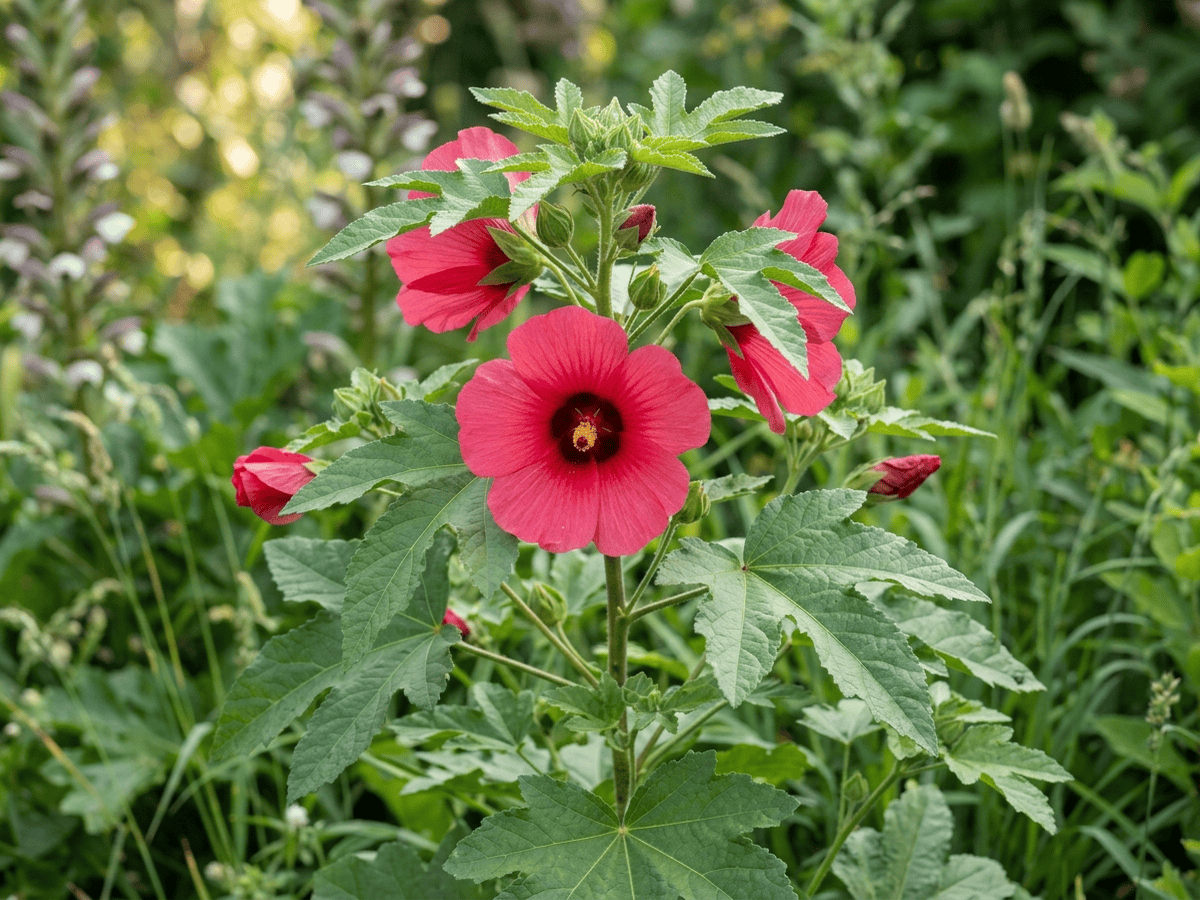
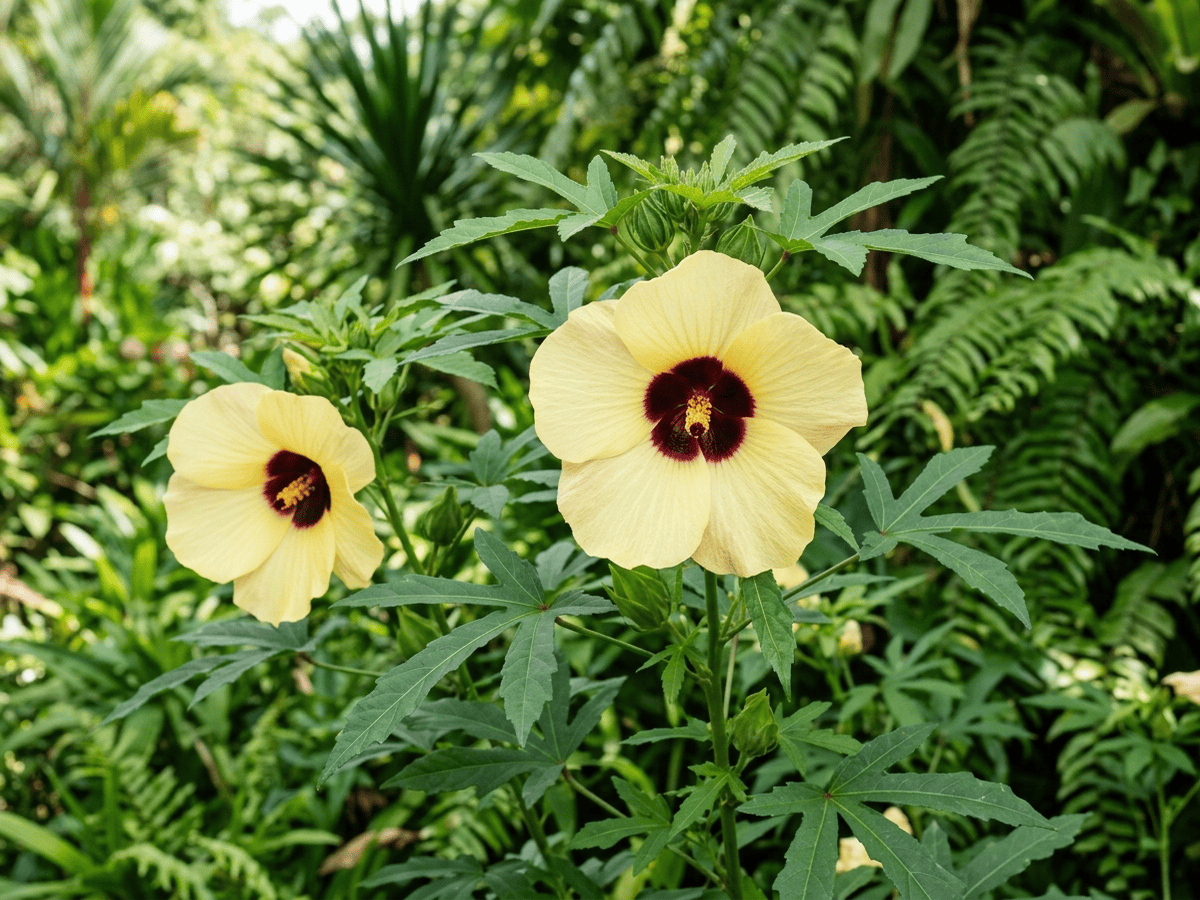
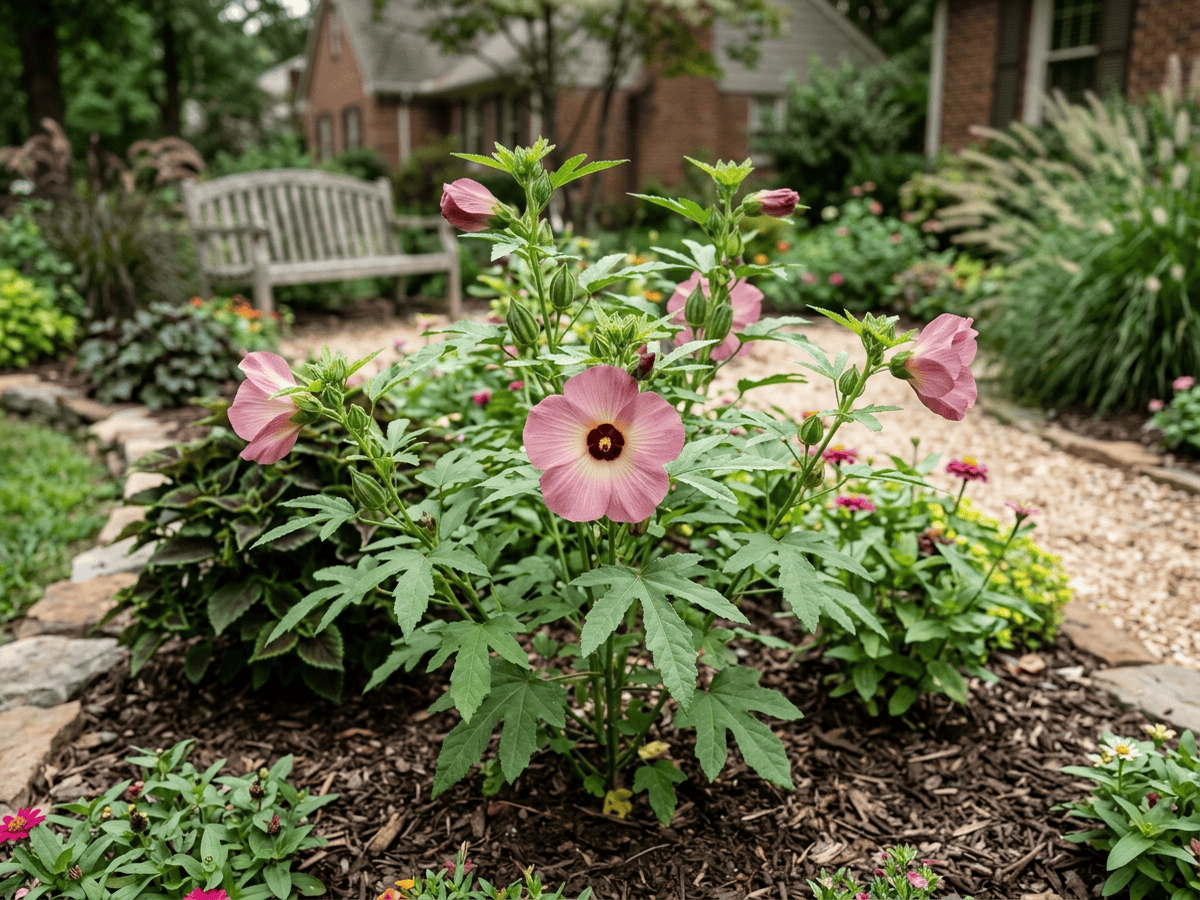
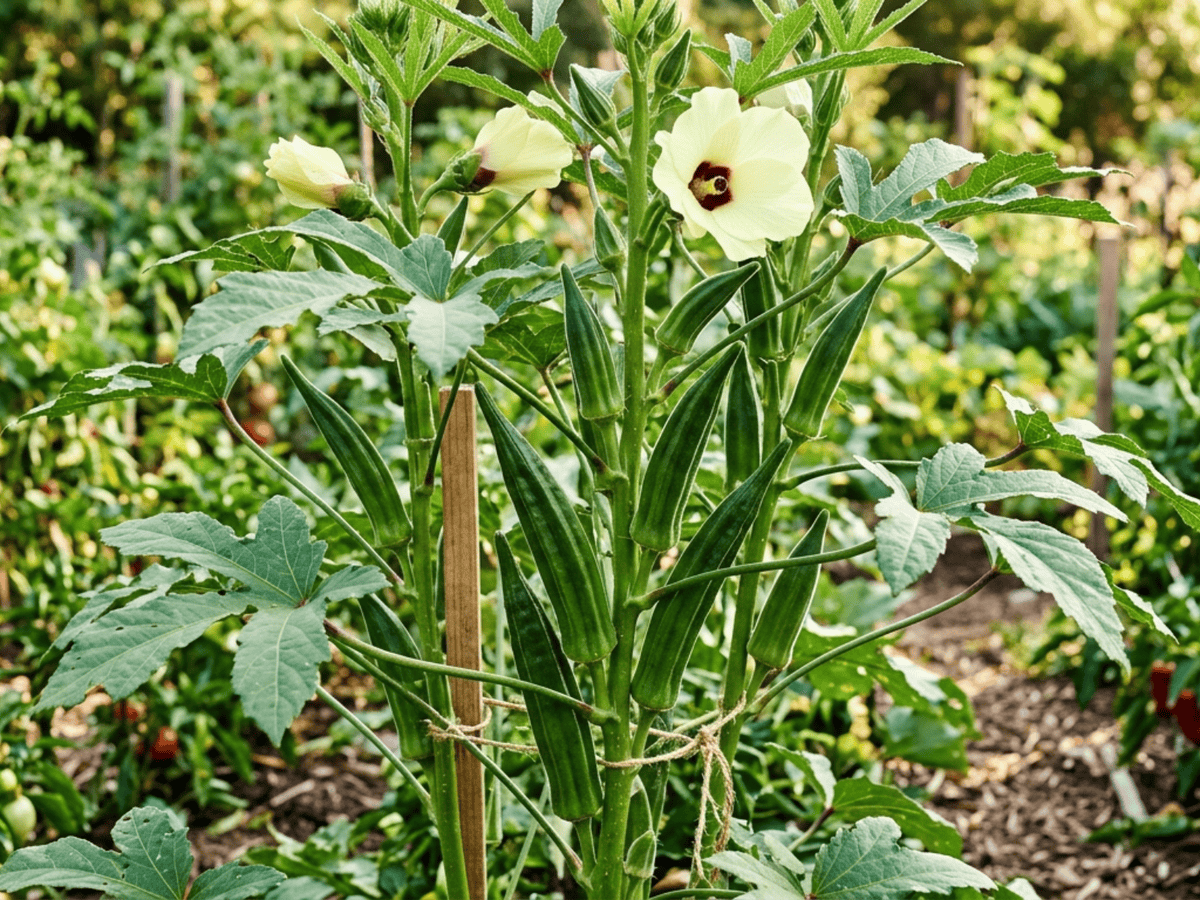
Musk Mallow or Silk Flower is a tropical Asian and African tender perennial grown as an annual across the US for its silky 3 to 4-inch hibiscus-like flowers in scarlet, pink, or white with striking dark throats. Growing 1 to 3 feet tall with maple-like leaves, it blooms from midsummer through frost. Also cultivated for aromatic musk-scented seeds once prized in perfumery.
- Edible
- Fragrant
- Heat-tolerant
- Long-blooming
How to care for Muskseed
Watering
- Springevery 5 days
- Summerevery 3 days
- Fallevery 7 days
- Winterpause watering
Soil · Well-draining
- Top dressingPine bark mulch10%
- Main mixPotting soil + perlite 2:170%
- DrainageLECA / gravel20%
Never skip the drainage layer — standing water is the top cause of root rot.
FERTILIZER
Balanced Feed 14-14-14
An even feed covers all three needs at once, keeping leaves, roots and blooms moving together with nothing pushed out of balance.
- Nitrogen · Leaves
- Phosphorus · Roots + Blooms
- Potassium · Strength
- Springevery 30 days
- Summerevery 30 days
At a Glance
- NativeSouth Asia, East Asia, Australasia
- Height1–3 ft (0.3–0.9 m)
- Spread1–2 ft (0.3–0.6 m)
- Flower colorPink, Red, Yellow, White
- Foliage colorGreen
- Fruit colorBrown
- SoilLoamy, Well-drained, Rich
- LocationsYard · Balcony
Bloom time
BLOOM CYCLE
Peak bloom
Jul–Nov
Hibiscus-like silky flowers July to frost
Fragrance
MODERATE FRAGRANCE
Seeds have a rich musky fragrance used in perfumery.
Toxicity
No toxicity has been reported for this plant. Still, it is wise to keep pets from chewing on any houseplant.
Educational information, not medical or veterinary advice. If exposure is suspected, contact a doctor or veterinarian.
DISTRIBUTION

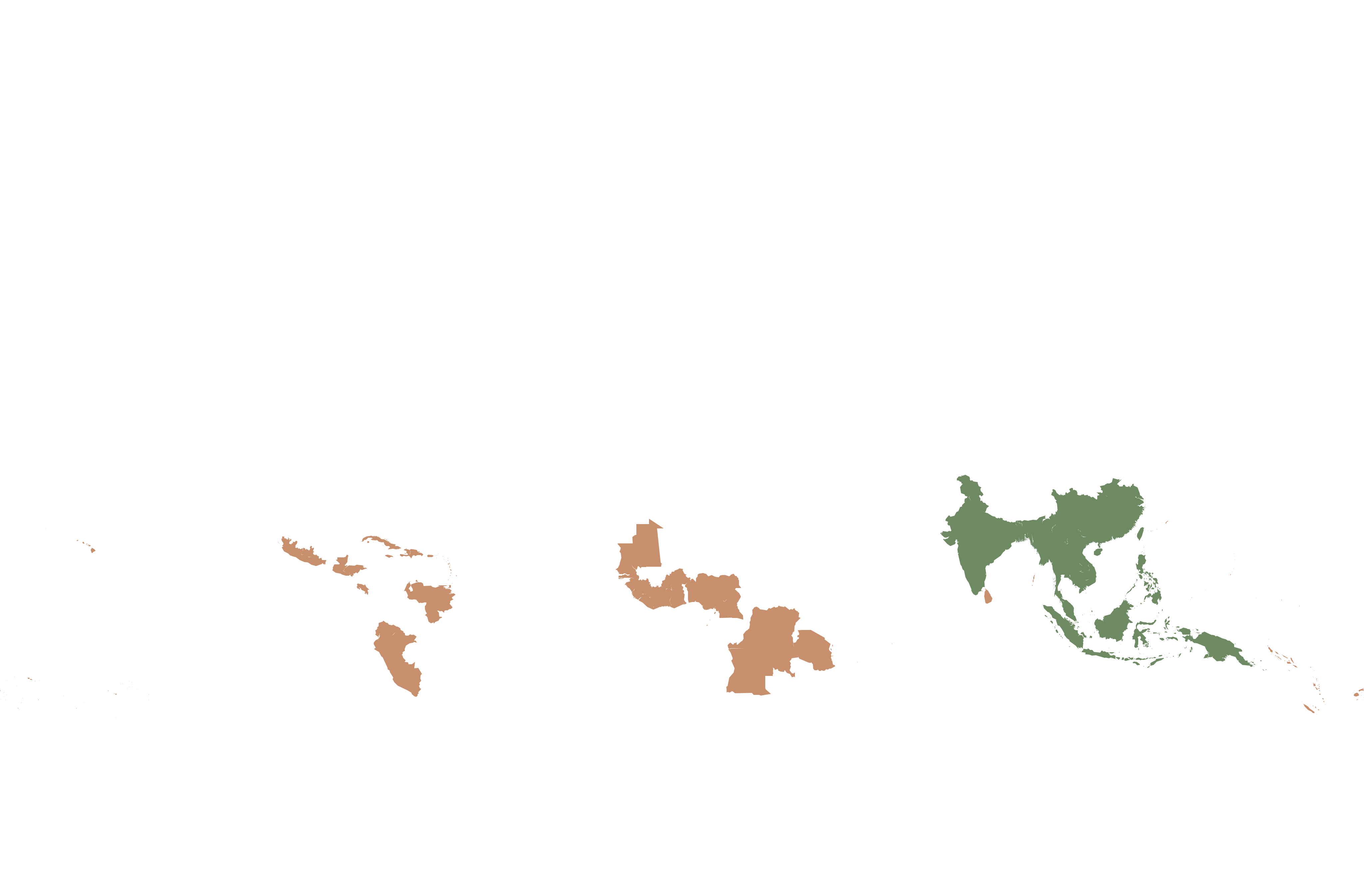
- Native
- Introduced
- South Asia
- East Asia
- Australasia
History

Abelmoschus moschatus, the musk mallow, ambrette, or Annual hibiscus, is a tender perennial or annual native to India, Southeast Asia, and northern Australia. The scientific name traces back to Arabic abu al-misk, father of musk, reflecting the long use of the seeds as a plant-based substitute for animal-derived musk in Islamic and later European perfumery. The seeds produce ambrette oil, still used in luxury perfumes.
Linnaeus described the species in 1763. The plant bears hibiscus-like five-petaled flowers in shades of pink, red, yellow, or white with darker throats.
Compact seed strains such as the Mischief Mixed series make effective summer bedding in hot climates, and the plant is grown commercially in India, Madagascar, and Egypt for essential oil production. Cultivated across tropical Asia and Africa for thousands of years for its musk-scented seeds used in perfumery, traditional medicine, and as a food flavoring. Introduced to American gardens in the 1800s, the Mischief series revived it as a modern compact bedding flower.
Symbolism & meaning
What It Symbolizes
Muskseed whispers of sweet mystery, its tiny seeds carrying a legendary musk fragrance once prized by perfumers from Java to the Arabian courts. The hibiscus-like blooms unfurl in satin petals that feel almost too fine to touch, an embodiment of silken beauty. To grow its is to keep a secret in the garden — a quiet promise of perfume hidden inside something as humble as a seed.
- Sweet mystery — seeds carry a legendary musk scent
- Silken beauty — petals feel like satin
Where the Name Comes From
'Abelmoschus' from Arabic 'abu-l-misk' meaning father of musk, for the musk-scented seeds; 'moschatus' from Latin means musky.
Uses & Fun Facts
- Musk-scented seeds harvested for perfumery and aromatic sachets
- Hibiscus-like scarlet blooms anchor heat-tolerant summer borders
- Long-blooming flowers draw butterflies through midsummer to frost
Related plants
More Abelmoschus plants
Plants with similar care
 Chinese AbeliaAbelia chinensis
 Fragrant AbeliaAbelia mosanensis
 Large-Flowered AbeliaAbelia uniflora
 Glossy AbeliaAbelia x grandiflora
Frequently asked questions
How often should I water Muskseed?
Water about every 5 days during the growing season, and always let excess water drain away.
How much light does Muskseed need?
Full sun: 6+ hrs direct. Watch the leaves — scorching or stretching means the light needs adjusting.
Is Muskseed toxic to cats or dogs?
No toxicity has been reported for this plant. Still, it is wise to keep pets from chewing on any houseplant. Educational information, not medical or veterinary advice. If exposure is suspected, contact a doctor or veterinarian.
Is Muskseed easy to grow?
Yes — it is considered an easy, beginner-friendly plant.
When does Muskseed bloom?
It typically blooms Jul–Nov in the Northern Hemisphere.
YardMate
Identify any plant in seconds
Snap a photo — YardMate names the plant, diagnoses problems, and reminds you when to water.
Download on the App Store