 YardMate


Kolomicta
Actinidia kolomikta
Medium · Some experienceAbout Kolomicta
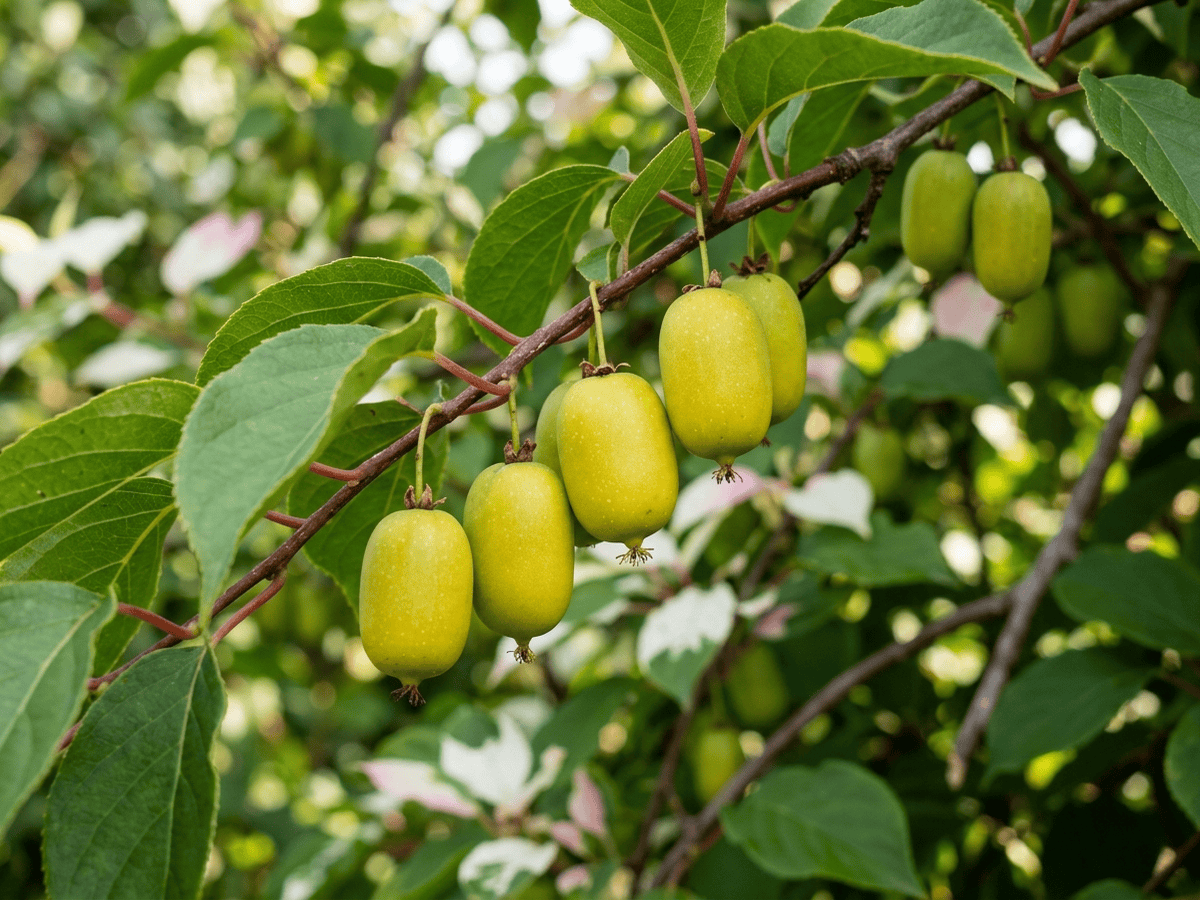
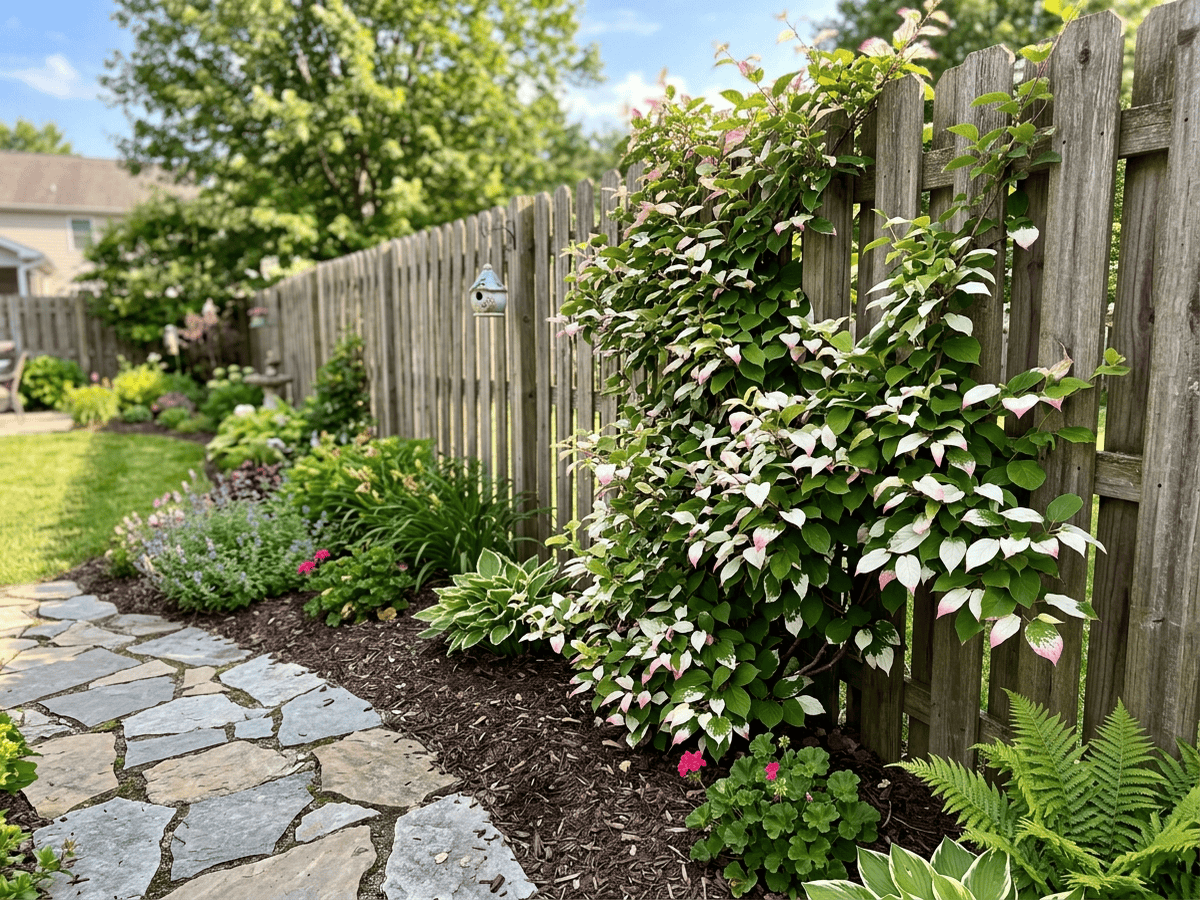
Variegated Kiwi Vine is an ornamental deciduous climber reaching 15-20 feet with extraordinary heart-shaped leaves splashed with pink and white variegation, especially vivid on male plants in full sun. Small fragrant white flowers in spring may be followed by small edible kiwi-like fruits if male and female plants grow together. A showstopping foliage vine for Northeast and Pacific Northwest US gardens where cool summers intensify leaf color.
- Edible
- Fragrant
- Climbing
How to care for Kolomicta
Watering
- Springevery 7 days
- Summerevery 5 days
- Fallevery 10 days
- Winterevery 21 days
Soil · Well-draining
- Top dressingPine bark mulch10%
- Main mixPotting soil + perlite 2:170%
- DrainageLECA / gravel20%
Never skip the drainage layer — standing water is the top cause of root rot.
FERTILIZER
Balanced Feed 14-14-14
An even feed covers all three needs at once, keeping leaves, roots and blooms moving together with nothing pushed out of balance.
- Nitrogen · Leaves
- Phosphorus · Roots + Blooms
- Potassium · Strength
- Springevery 30 days
- Summerevery 45 days
At a Glance
- NativeEast Asia
- Height15–20 ft (4.6–6.1 m)
- Spread6–10 ft (1.8–3 m)
- Flower colorWhite
- Foliage colorGreen, Red, Variegated
- Fruit colorGreen
- SoilLoamy, Well-drained
- LocationsYard
Bloom time
BLOOM CYCLE
Peak bloom
May–Jun
Small fragrant white flowers May to June
Fragrance
MODERATE FRAGRANCE
Sweet lily-of-the-valley fragrance from small flowers.
Toxicity
Cats Slight
actinidine and actinidiolide
Not reported
EXPOSURE No exposure route is reported.
EFFECT No toxic effect is reported.
NOTE No toxicity is reported for humans in this catalog; this is not evidence that the plant is edible or harmless.
Not reported
EXPOSURE No exposure route is reported.
EFFECT No toxic effect is reported.
NOTE No toxicity is reported for dogs in this catalog; this is not evidence that the plant is edible or harmless.
Slight
- Leaf
- Stem
- Ingestion
- Contact
EXPOSURE Eating leaves and stems. Touching leaves and stems.
EFFECT Euphoric/intoxicated behavior similar to catnip.
NOTE Fruit is edible. Cats find Actinidia vines attractive (a catnip-like response)—plants may be damaged by cat attention. Not known to be toxic.
Educational information, not medical or veterinary advice. If exposure is suspected, contact a doctor or veterinarian.
DISTRIBUTION


- Native
- Introduced
- East Asia
History
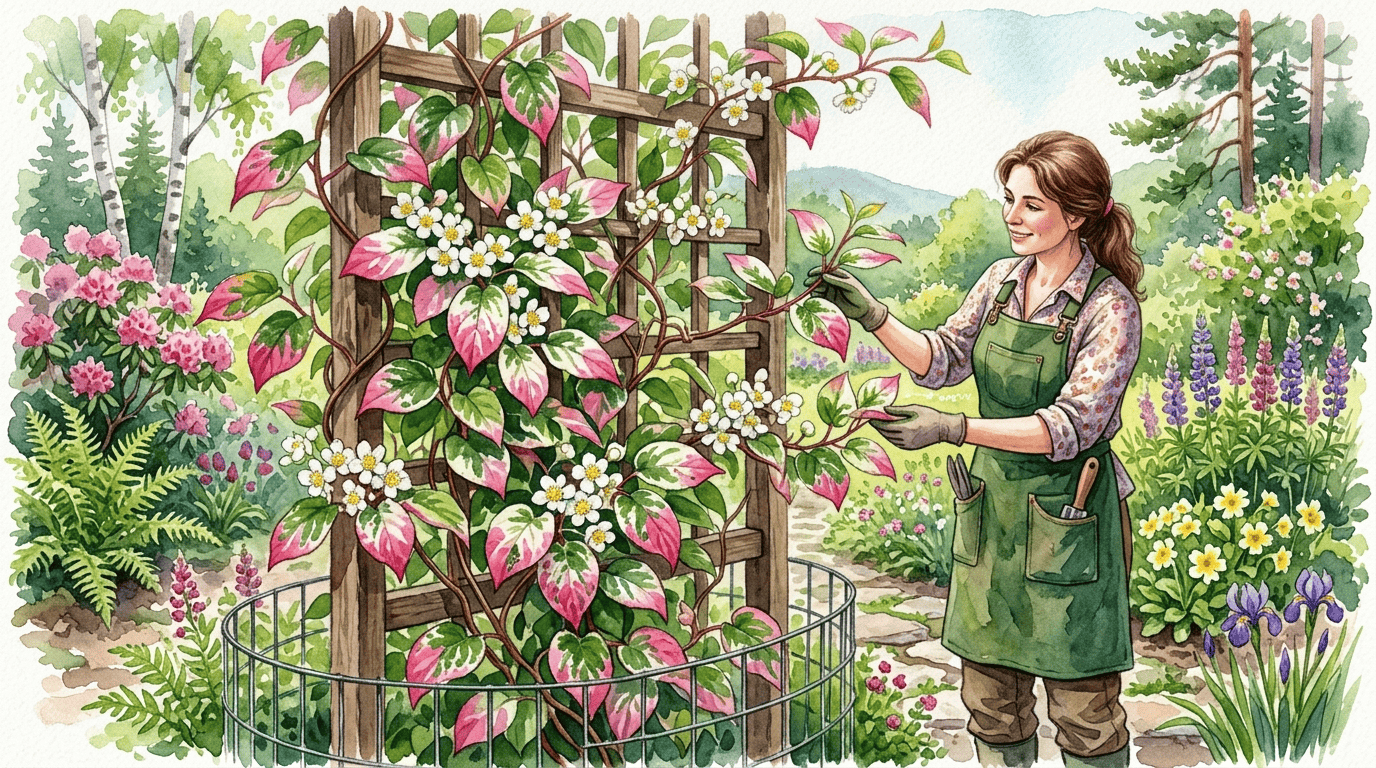
Actinidia kolomikta is native to the Russian Far East (Primorsky Krai, Amur), northeastern China, the Korean Peninsula, and Hokkaido in Japan. Russian botanist Karl Maximowicz formally described the species in 1857. The specific name is derived from a vernacular Ainu/Japanese name.
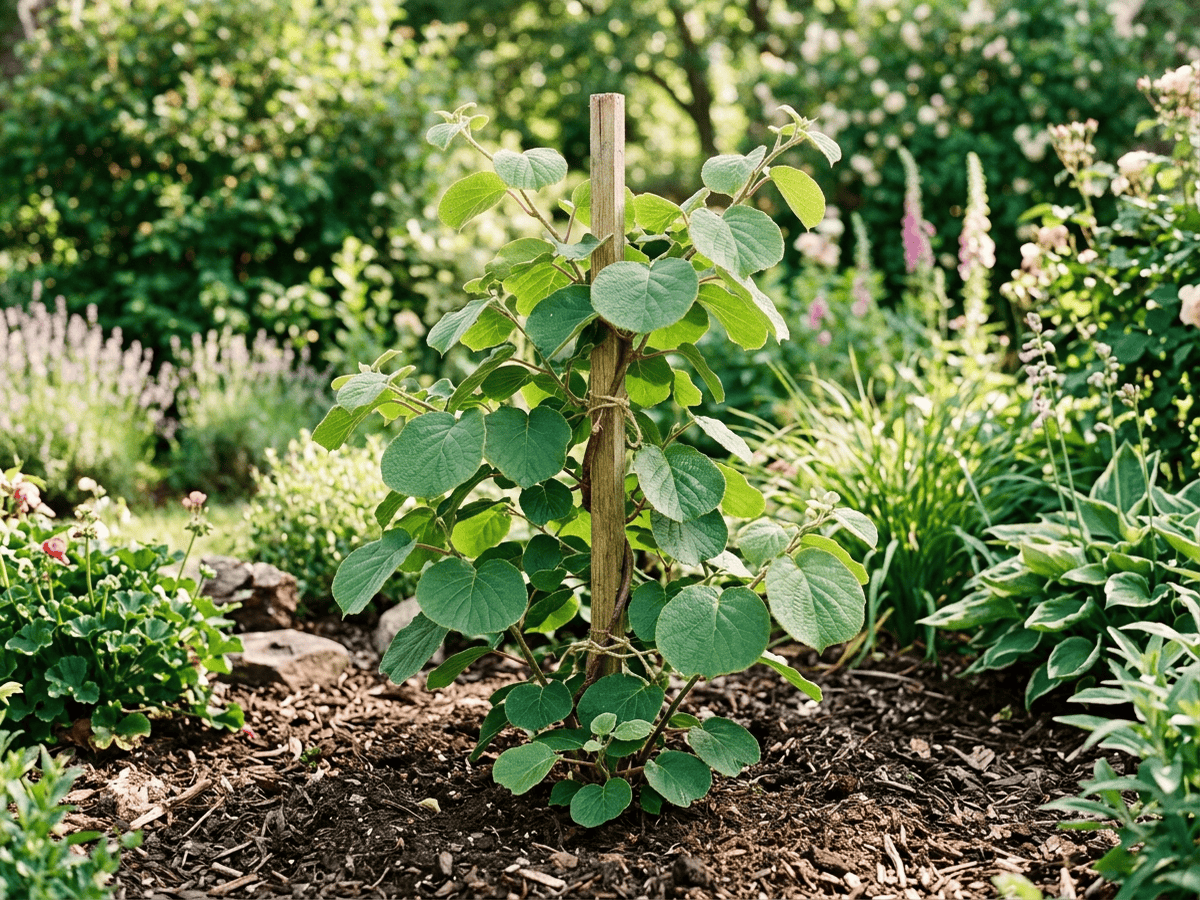
The 4-6 meter deciduous twining woody vine is one of the hardiest of all kiwis (to zone 3-4) and is cultivated both for its unique ornamental foliage and for its small edible fruits (cousins of the commercial kiwifruit A. deliciosa but much smaller and sweeter). The ornamental effect is extraordinary: on mature male plants, new leaves emerge normal green but progressively develop bold patches of pink and white pigmentation during spring and early summer—a marbled, variegated effect that looks almost painted. Female plants show less dramatic variegation.
Small fragrant white flowers in May are followed by pea-sized smooth green fruits on female plants (both sexes are needed for fruit). Cultivars include 'Arctic Beauty' (male, maximum variegation) and 'Adam' (male pollinator paired with female 'Aurora' or 'Sentyabrskaya'). Native to East Asia from Siberia to Japan. Introduced to Western gardens in the late 19th century. Cats are strongly attracted to damaged stems (containing matatabi lactones), sometimes damaging plants — protective cages around young vines are recommended in cat-friendly neighborhoods.
Symbolism & meaning
What It Symbolizes
Kolomicta is the garden's quiet trickster, embodying surprise. For its first year or two it looks like an ordinary green vine — and then, without warning, the leaves splash themselves pink and white, as if dipped in paint. There is a second magnetism too: cats find it irresistible, rolling and purring at its base like devotees at a shrine. Few plants combine visual astonishment and feline sorcery so completely.
- Surprise — leaves suddenly turn pink and white
- Magnetism — irresistibly attracts cats
Where the Name Comes From
'Actinidia' from Greek 'aktis' (ray); 'kolomikta' from the Russian region where it was first described.
Uses & Fun Facts
- Small smooth-skinned hardy kiwi fruits eaten fresh or in preserves
- Variegated pink-and-white leaf tips give striking foliage display
- Twining vine trained on trellises arbors and pergolas
Related plants
More Actinidia plants
Plants with similar care
 Mexican AbeliaAbelia floribunda
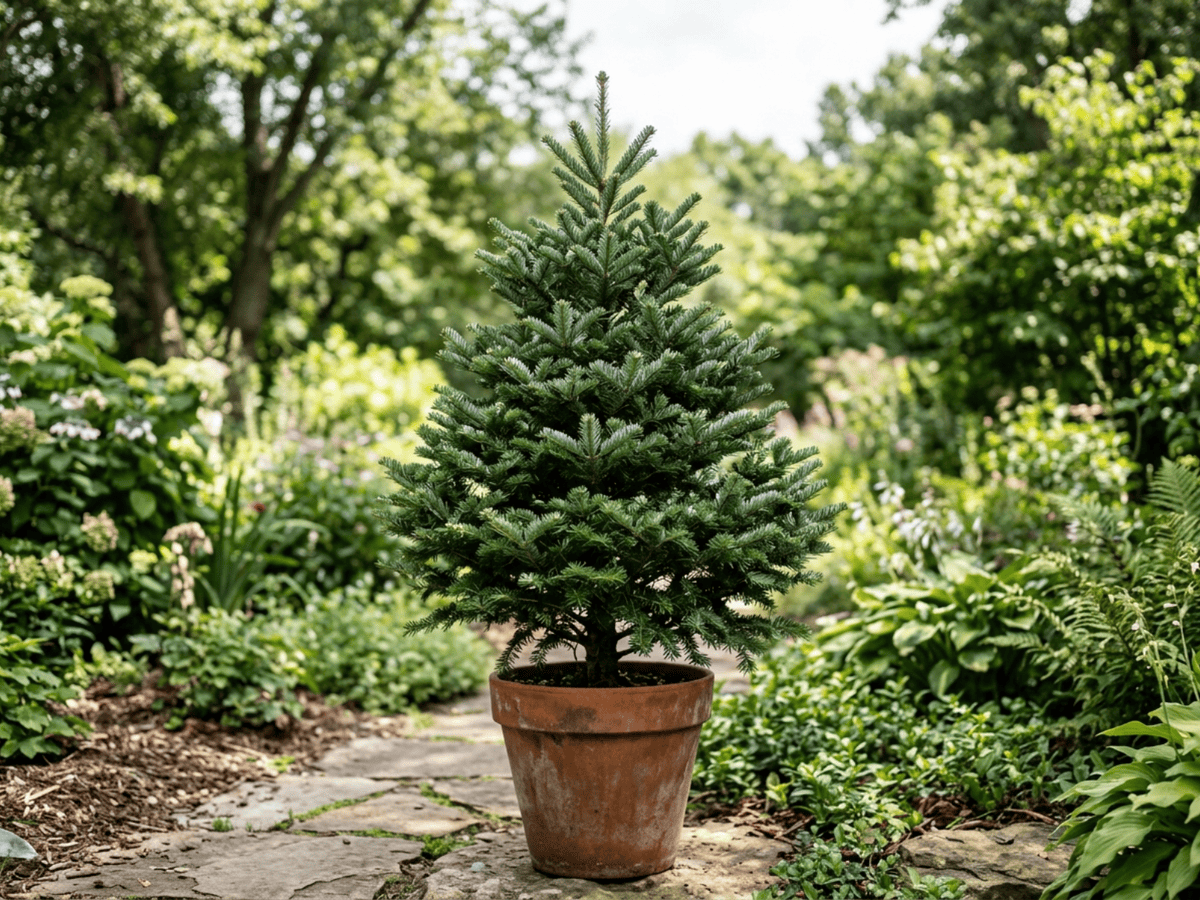 Fraser FirAbies fraseri
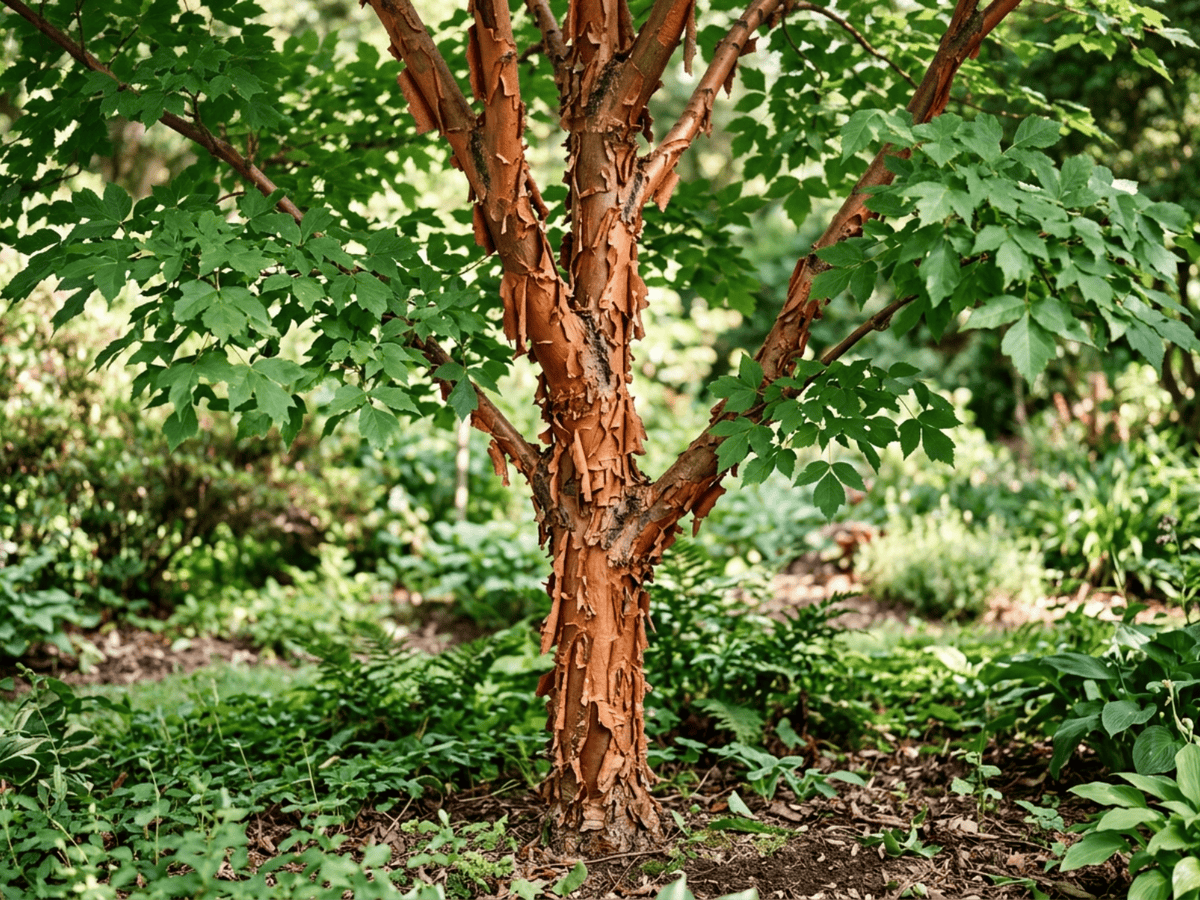 Paperbark MapleAcer griseum
 Sugar MapleAcer saccharum
Frequently asked questions
How often should I water Kolomicta?
In summer, water about every 5 days; in winter, about every 21 days. Adjust for heat, pot size and drainage.
How much light does Kolomicta need?
Full sun: 6+ hrs direct. Watch the leaves — scorching or stretching means the light needs adjusting.
Is Kolomicta toxic to cats or dogs?
Pets Slight (Dogs Not reported · Cats Slight) Educational information, not medical or veterinary advice. If exposure is suspected, contact a doctor or veterinarian.
Is Kolomicta easy to grow?
It is moderately demanding: a good choice once you have a little experience.
When does Kolomicta bloom?
It typically blooms May–Jun in the Northern Hemisphere.
YardMate
Identify any plant in seconds
Snap a photo — YardMate names the plant, diagnoses problems, and reminds you when to water.
Download on the App Store