 YardMate

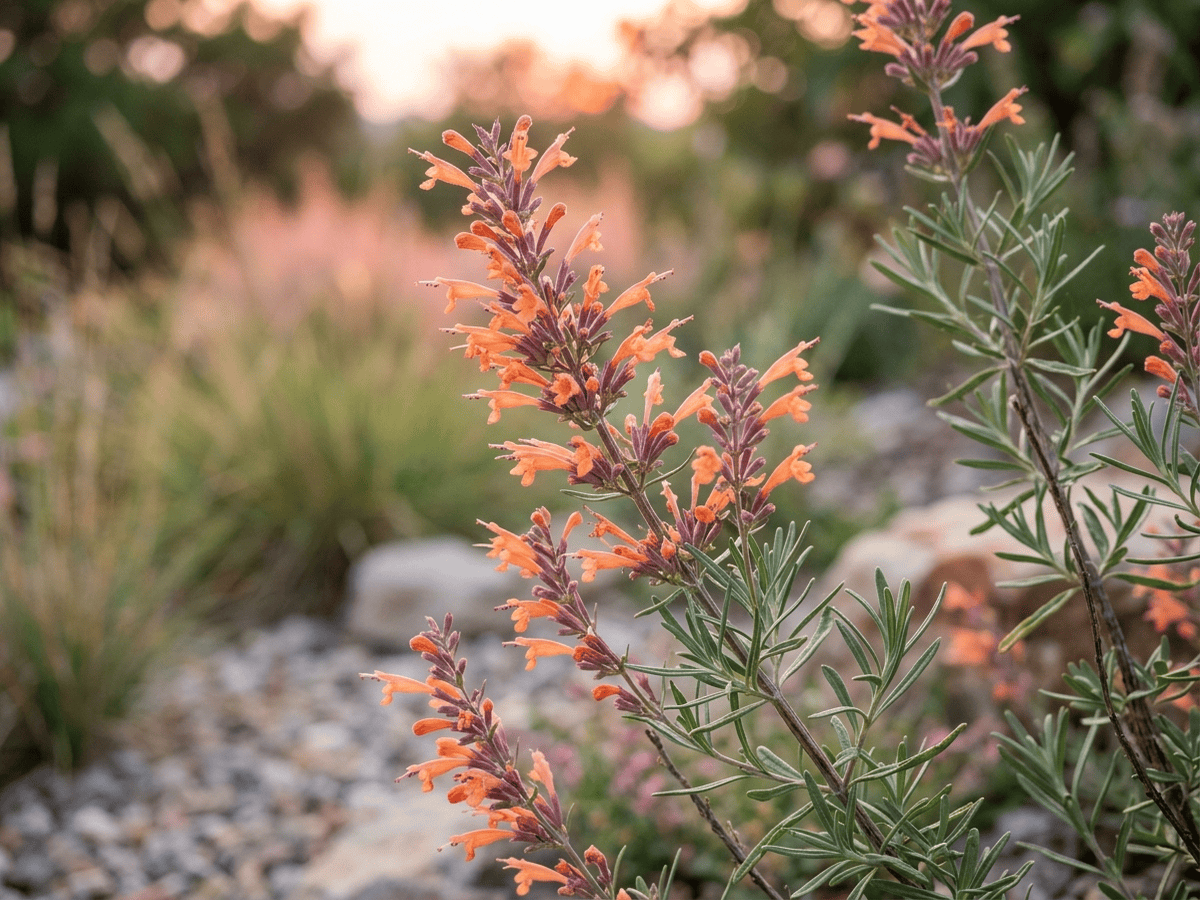


Threadleaf Giant Hyssop
Agastache rupestris
Easy · Beginner friendlyAbout Threadleaf Giant Hyssop
Sunset Hyssop is a Southwest US native perennial producing upright spikes of smoky orange and lavender-pink tubular flowers above finely cut gray-green foliage. Growing 18 to 30 inches tall, it blooms from midsummer through fall in Arizona, New Mexico, and northern Mexico. A signature hummingbird and xeric garden plant for the American Southwest, thriving in heat and drought.
- Fragrant
- Drought-tolerant
- Heat-tolerant
- Native
How to care for Threadleaf Giant Hyssop
Watering
- Springevery 7 days
- Summerevery 5 days
- Fallevery 10 days
- Winterevery 21 days
Soil · Well-draining
- Top dressingPine bark mulch10%
- Main mixPotting soil + perlite 2:170%
- DrainageLECA / gravel20%
Never skip the drainage layer — standing water is the top cause of root rot.
FERTILIZER
- Springevery 45 days
- Summerevery 60 days
At a Glance
- NativeNorth America
- Height1.5–3 ft (0.5–0.9 m)
- Spread1–2 ft (0.3–0.6 m)
- Flower colorOrange, Pink, Coral
- Foliage colorGreen, Silver
- SoilSandy, Well-drained
- LocationsYard
Bloom time
BLOOM CYCLE
Peak bloom
Jul–Oct
Smoky orange spikes July through October
Fragrance
STRONG FRAGRANCE
Spicy root-beer-and-mint scent when foliage is brushed.
Toxicity
No toxicity has been reported for this plant. Still, it is wise to keep pets from chewing on any houseplant.
Educational information, not medical or veterinary advice. If exposure is suspected, contact a doctor or veterinarian.
DISTRIBUTION


- Native
- North America
History
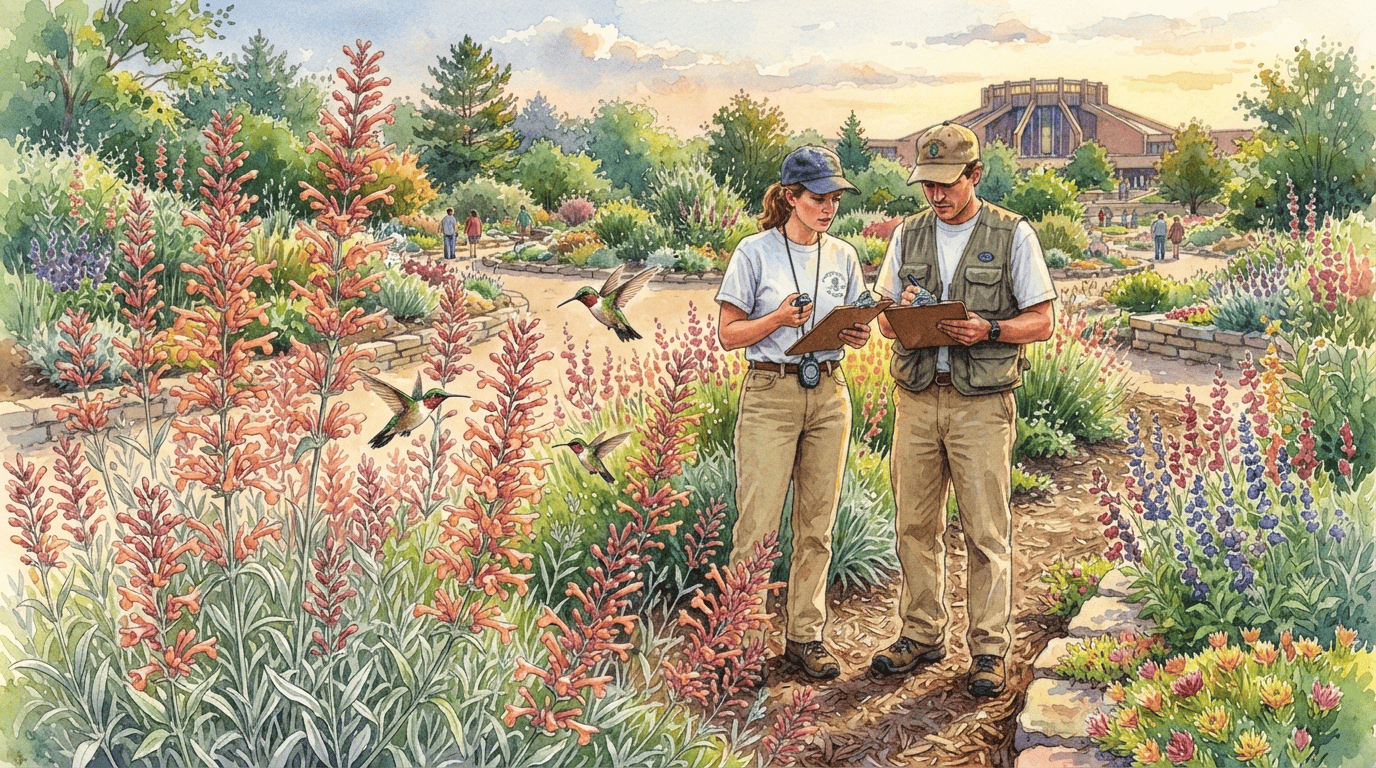
Agastache rupestris grows on dry, rocky slopes of southern Arizona, New Mexico, and northern Mexico. The American botanist Edward Lee Greene described it in 1881. Its narrow, silver-gray leaves blend mint, licorice, and root-beer aromas, and Apache and Tarahumara herbalists historically used related hyssops for stomach and respiratory complaints.
The species entered horticulture mainly through Denver Botanic Gardens' Plant Select program in the 1990s, which promoted it for xeric gardens in the Intermountain West. Its long season of apricot-pink tubular flowers is exceptionally attractive to hummingbirds, ranking it among the most-visited garden plants in pollinator studies.
Cultivars such as 'Apache Sunset' and 'Sunrise Salmon' are widely grown today. Native to the Sonoran and Chihuahuan desert edges of Arizona and New Mexico. Introduced to American horticulture in the 1990s by High Country Gardens and Plant Select programs, becoming a premier xeric perennial for the expanding US waterwise gardening movement.
Symbolism & meaning
What It Symbolizes
Threadleaf giant hyssop captures a desert sunset in tubular form — smoky orange shading into pink, the exact palette of evening over the Sonoran sky. It is a lodestar for hummingbirds, ranked among the Southwest's finest plants for drawing them in at dusk. To plant it is to invite both the colors and the messengers of that brief, golden hour into the garden each summer day.
- Desert sunset — smoky orange-and-pink tubular flowers
- Hummingbird favorite — top Southwest hummingbird plant
Where the Name Comes From
The name Threadleaf Giant Hyssop describes its fine threadlike leaves. 'rupestris' from Latin means rock-dwelling, for its habitat on rocky desert slopes.
Uses & Fun Facts
- Crushed foliage releases root-beer and mint aromatic scent
- Tubular orange flowers attract hummingbirds and long-tongued bees
Related plants
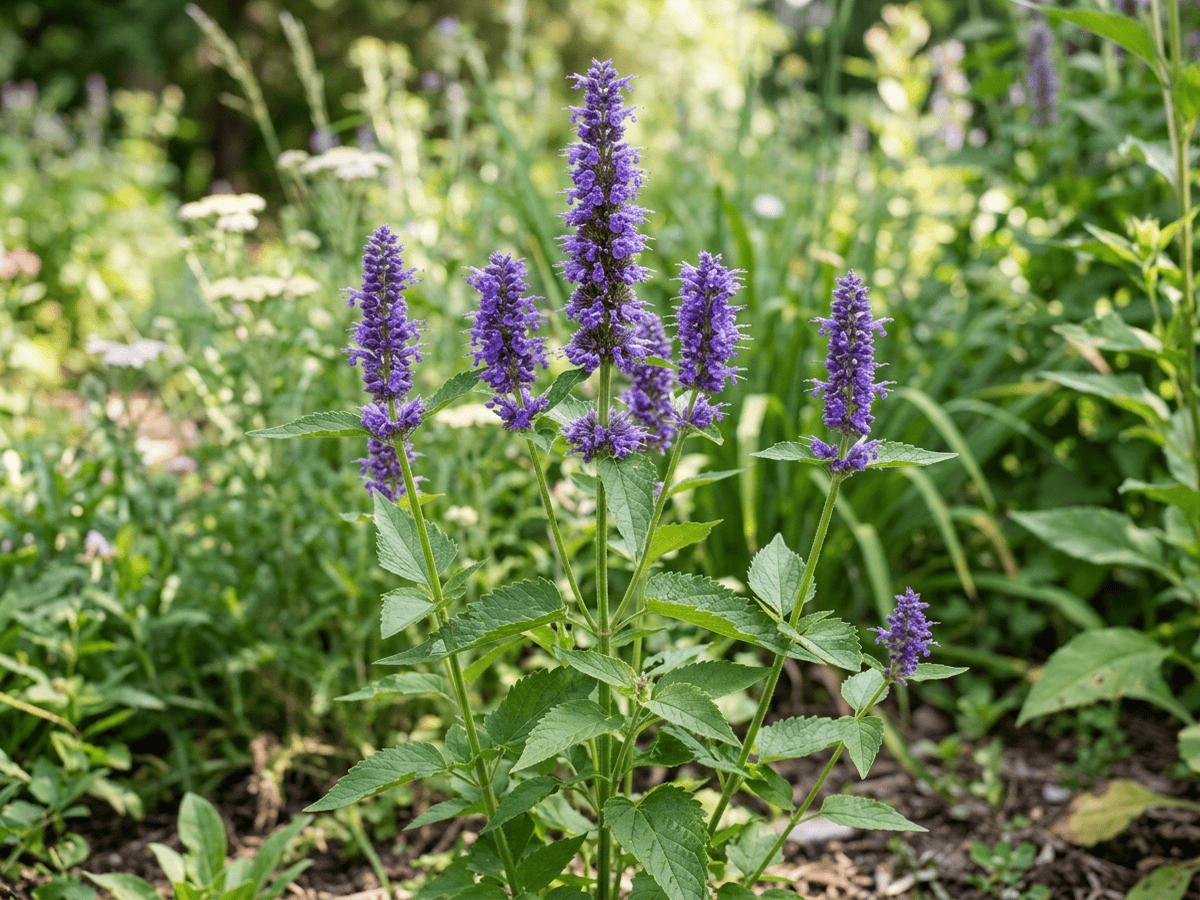
More Agastache plants
Plants with similar care
 Chinese AbeliaAbelia chinensis
 Fragrant AbeliaAbelia mosanensis
 Large-Flowered AbeliaAbelia uniflora
 Glossy AbeliaAbelia x grandiflora
Frequently asked questions
How often should I water Threadleaf Giant Hyssop?
In summer, water about every 5 days; in winter, about every 21 days. Adjust for heat, pot size and drainage.
How much light does Threadleaf Giant Hyssop need?
Full sun: 6+ hrs direct. Watch the leaves — scorching or stretching means the light needs adjusting.
Is Threadleaf Giant Hyssop toxic to cats or dogs?
No toxicity has been reported for this plant. Still, it is wise to keep pets from chewing on any houseplant. Educational information, not medical or veterinary advice. If exposure is suspected, contact a doctor or veterinarian.
Is Threadleaf Giant Hyssop easy to grow?
Yes — it is considered an easy, beginner-friendly plant.
When does Threadleaf Giant Hyssop bloom?
It typically blooms Jul–Oct in the Northern Hemisphere.
YardMate
Identify any plant in seconds
Snap a photo — YardMate names the plant, diagnoses problems, and reminds you when to water.
Download on the App Store