 YardMate


Whitebrush
Aloysia gratissima
Easy · Beginner friendlyAbout Whitebrush
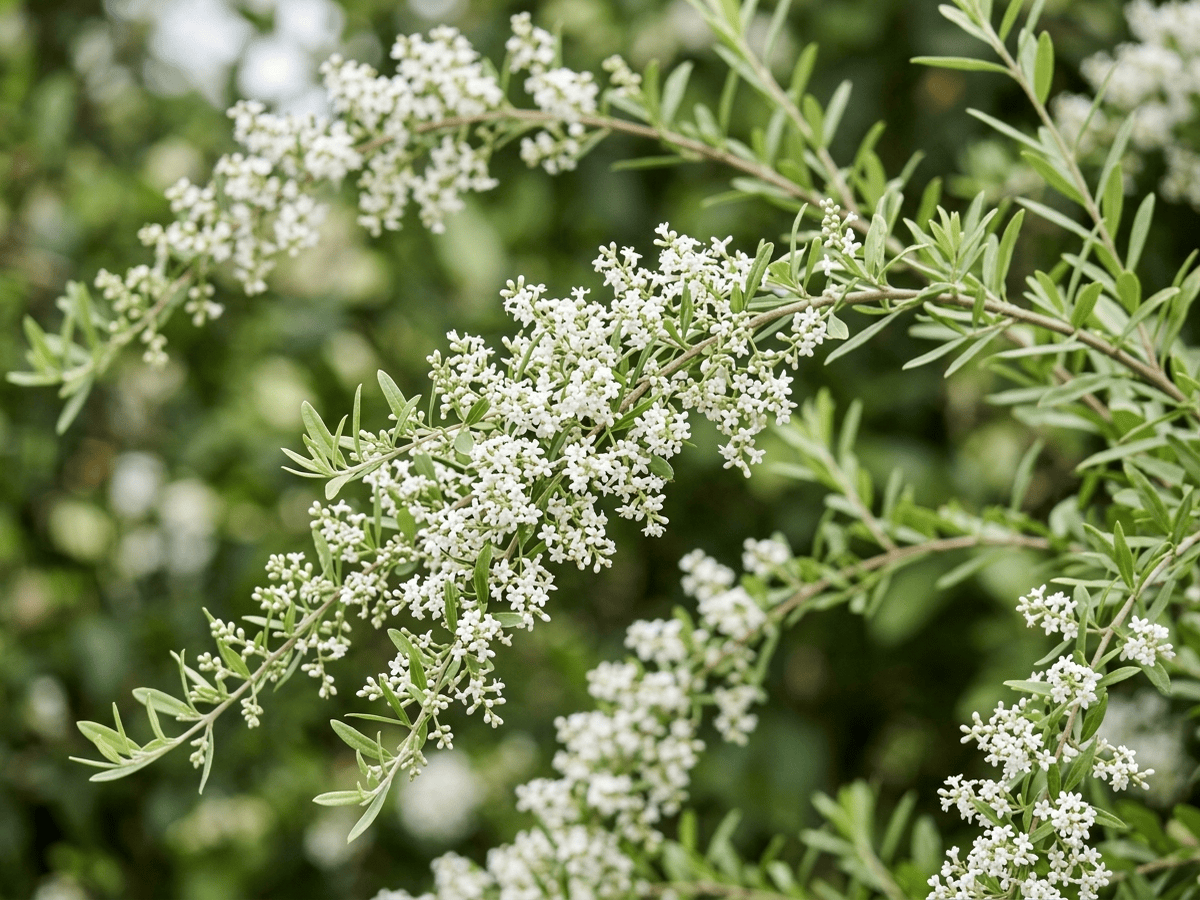
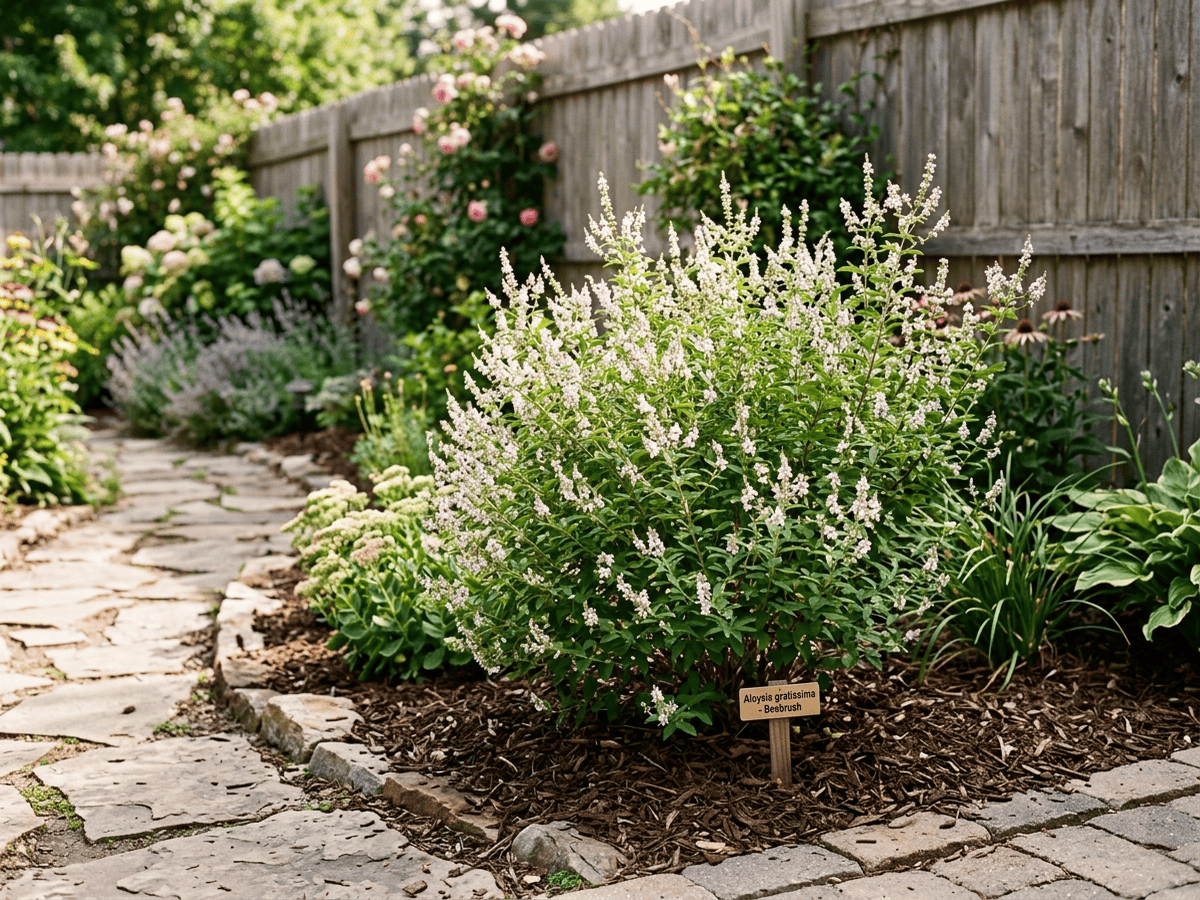
Whitebrush, also called Beebrush or Whitebush, is a slender deciduous shrub native to Texas, the southwestern United States, and Mexico. Reaching 3 to 9 feet tall with willowy branches and small narrow leaves, it bears intensely fragrant clusters of tiny white flowers in flushes after summer rains. The vanilla-honey scent perfumes Texas and Southwest landscapes from late spring through fall, attracting clouds of bees and butterflies.
- Fragrant
- Drought-tolerant
- Native
- Pollinator-friendly
How to care for Whitebrush
Watering
- Springevery 14 days
- Summerevery 10 days
- Fallevery 21 days
- Winterevery 30 days
Soil · Well-draining
- Top dressingPine bark mulch10%
- Main mixPotting soil + perlite 2:170%
- DrainageLECA / gravel20%
Never skip the drainage layer — standing water is the top cause of root rot.
FERTILIZER
This plant needs little to no feeding.
At a Glance
- NativeNorth America, South America
- Height4–9 ft (1.2–2.7 m)
- Spread4–8 ft (1.2–2.4 m)
- Flower colorWhite, Cream
- Foliage colorGreen
- SoilSandy, Well-drained
- LocationsYard
Bloom time
BLOOM CYCLE
Peak bloom
Jun–Aug
Tiny vanilla-fragrant white flower clusters after rains
Fragrance
STRONG FRAGRANCE
Intense sweet vanilla and almond scent.
Toxicity
Pets Slight
Unknown toxic principle
Unknown
EXPOSURE Unspecified plant material.
EFFECT Toxic effects are not specified.
NOTE Toxicity for humans is not well documented; use caution until verified.
Slight
- Leaf
- Ingestion
EXPOSURE Eating leaves.
EFFECT Livestock reported to develop neurological signs with prolonged browsing.
NOTE Whitebrush toxicity reported in cattle and sheep with chronic consumption; honey is safe.
Slight
- Leaf
- Ingestion
EXPOSURE Eating leaves.
EFFECT Livestock reported to develop neurological signs with prolonged browsing.
NOTE Whitebrush toxicity reported in cattle and sheep with chronic consumption; honey is safe.
Educational information, not medical or veterinary advice. If exposure is suspected, contact a doctor or veterinarian.
DISTRIBUTION


- Native
- North America
- South America
History
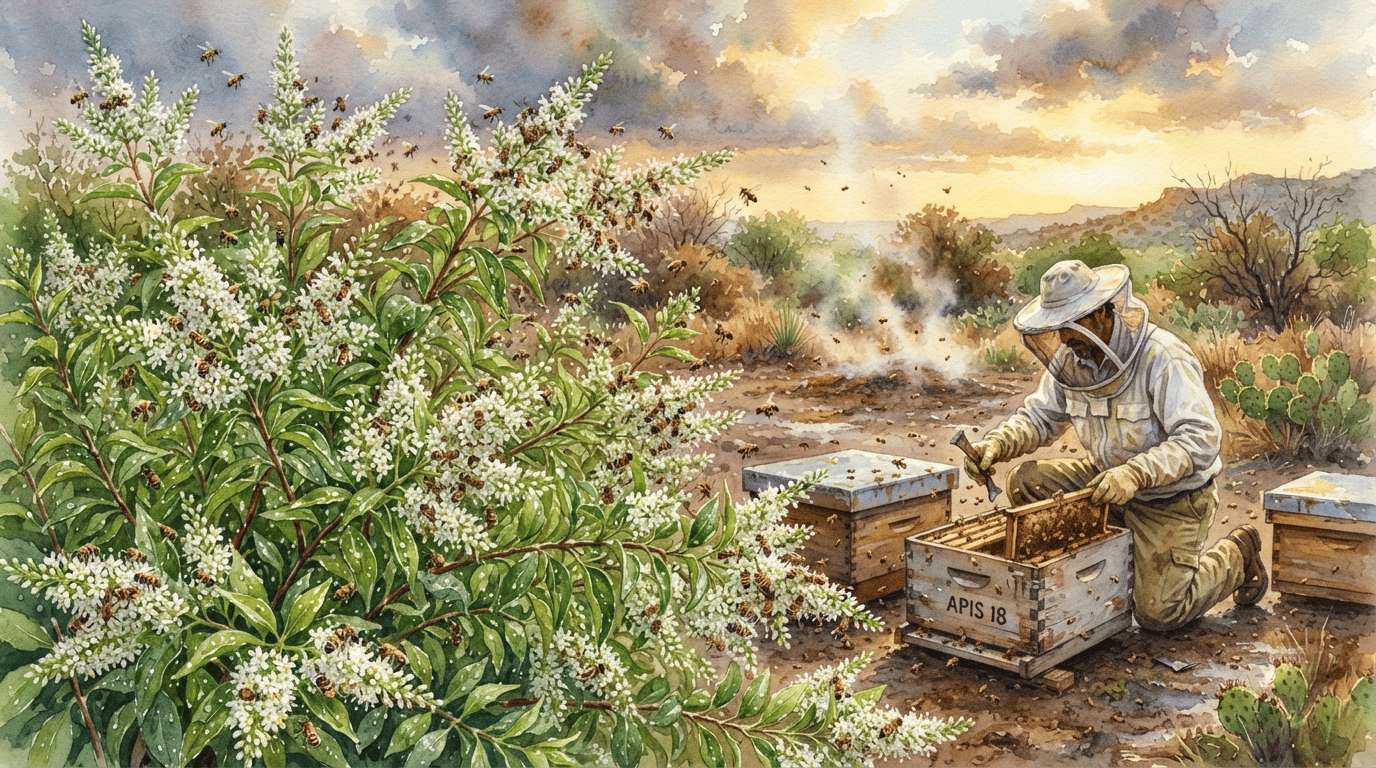
Aloysia gratissima, commonly called whitebrush, beebrush, or fragrant mist flower, is a deciduous aromatic shrub native to dry slopes and brush country of west and south Texas, New Mexico, and widely through Mexico and into South America. French botanists Bonpland and Kunth described it in the early 19th century. The small white flowers, produced in terminal spikes after rains, release an exceptionally sweet vanilla and almond fragrance that perfumes brush country air after thunderstorms.
Texas and Mexican beekeepers prize the plant as a premier nectar source, producing a pale amber honey. Ranchers historically distrusted it because cattle can develop neurological symptoms after prolonged browsing.
Xeriscape gardeners increasingly use whitebrush as a fragrant, drought-tolerant flowering shrub and pollinator magnet in hot dry climates. The intense vanilla fragrance has long been celebrated by Texas naturalists, and the plant is a staple of pollinator-focused native gardens promoted by the Lady Bird Johnson Wildflower Center.
Symbolism & meaning
What It Symbolizes
Whitebrush offers a sweet welcome to the Texas hill country — when its tiny white flowers open, a wave of vanilla fragrance rolls across the landscape, drawing both people and pollinators close. It throws a true banquet for native bees and butterflies, sustaining countless species through the hottest months. Few shrubs greet a place so generously with both perfume and provender, turning a hot afternoon into something close to hospitality.
- Sweet welcome — intense vanilla scent fills Texas air
- Pollinator banquet — supports countless native bees and butterflies
Where the Name Comes From
The name Whitebrush describes its rushlike stems. 'Aloysia' honors Maria Luisa, queen of Spain; 'gratissima' means most pleasing, referring to the fragrance.
Uses & Fun Facts
- Vanilla-scented white flower spikes perfume Texas summer gardens
- Tiny blossoms attract butterflies, bees, and migrating moths
Related plants
More Aloysia plants
Plants with similar care
 Chinese AbeliaAbelia chinensis
 Fragrant AbeliaAbelia mosanensis
 Large-Flowered AbeliaAbelia uniflora
 Glossy AbeliaAbelia x grandiflora
Frequently asked questions
How often should I water Whitebrush?
In summer, water about every 10 days; in winter, about every 30 days. Adjust for heat, pot size and drainage.
How much light does Whitebrush need?
Full sun: 6+ hrs direct. Watch the leaves — scorching or stretching means the light needs adjusting.
Is Whitebrush toxic to cats or dogs?
Pets Slight (Dogs Slight · Cats Slight) Educational information, not medical or veterinary advice. If exposure is suspected, contact a doctor or veterinarian.
Is Whitebrush easy to grow?
Yes — it is considered an easy, beginner-friendly plant.
When does Whitebrush bloom?
It typically blooms Jun–Aug in the Northern Hemisphere.
YardMate
Identify any plant in seconds
Snap a photo — YardMate names the plant, diagnoses problems, and reminds you when to water.
Download on the App Store