 YardMate


Common Ragweed
Ambrosia artemisiifolia
Easy · Beginner friendlyAbout Common Ragweed
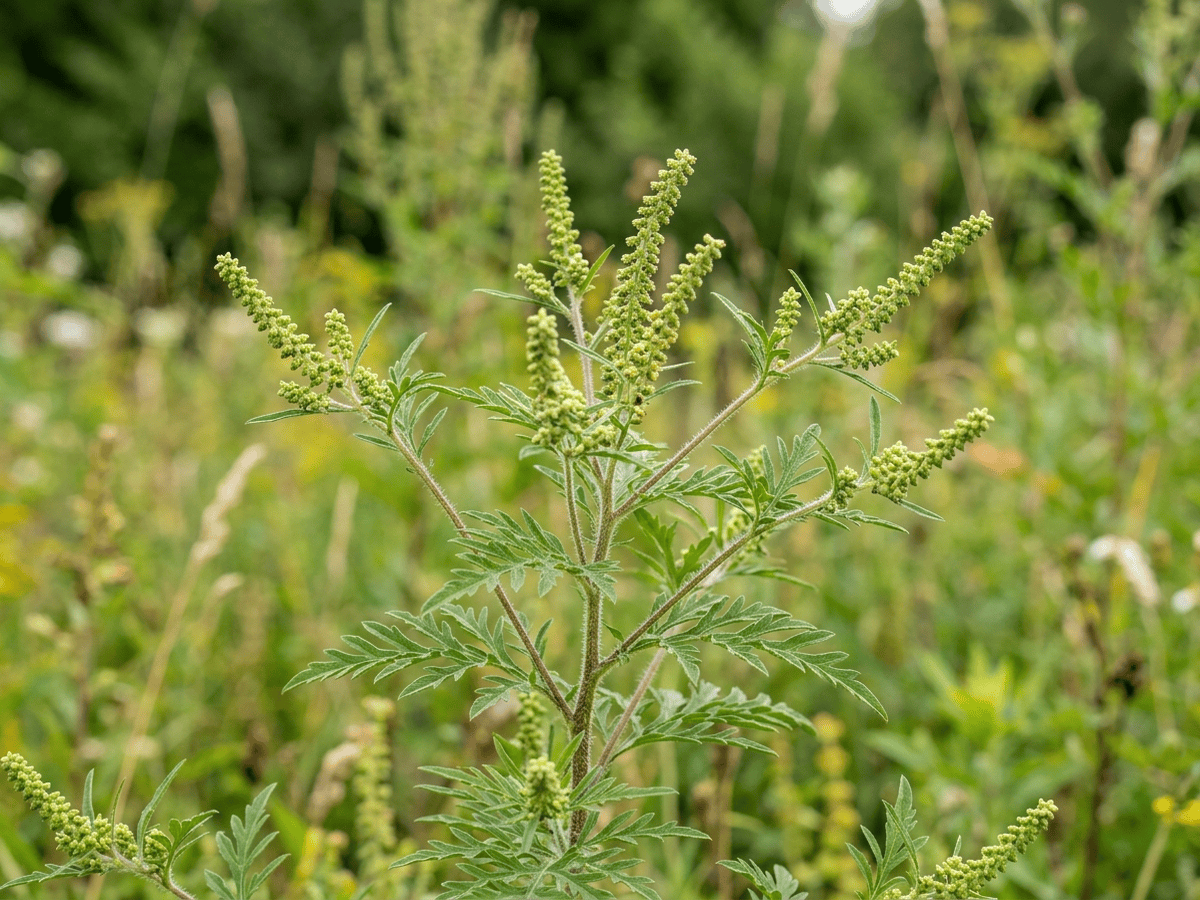
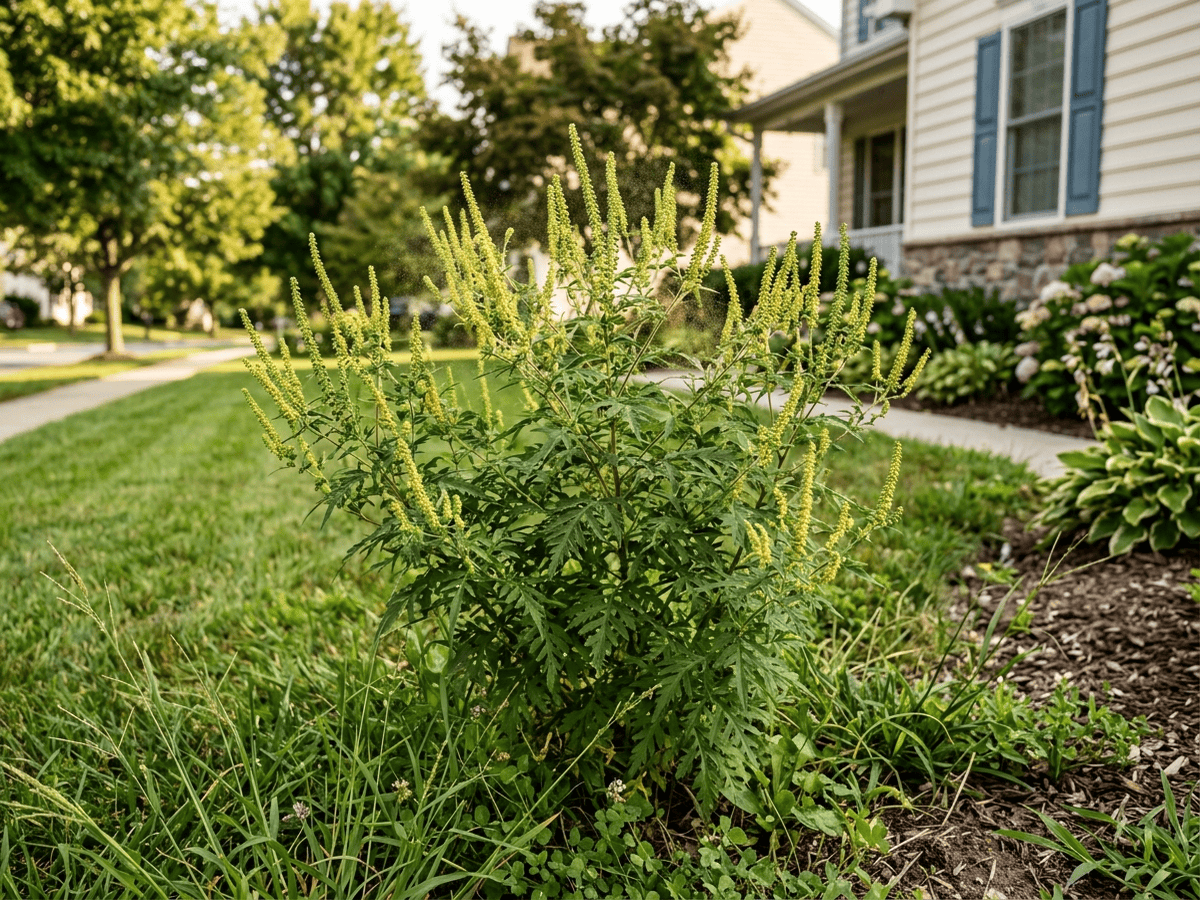
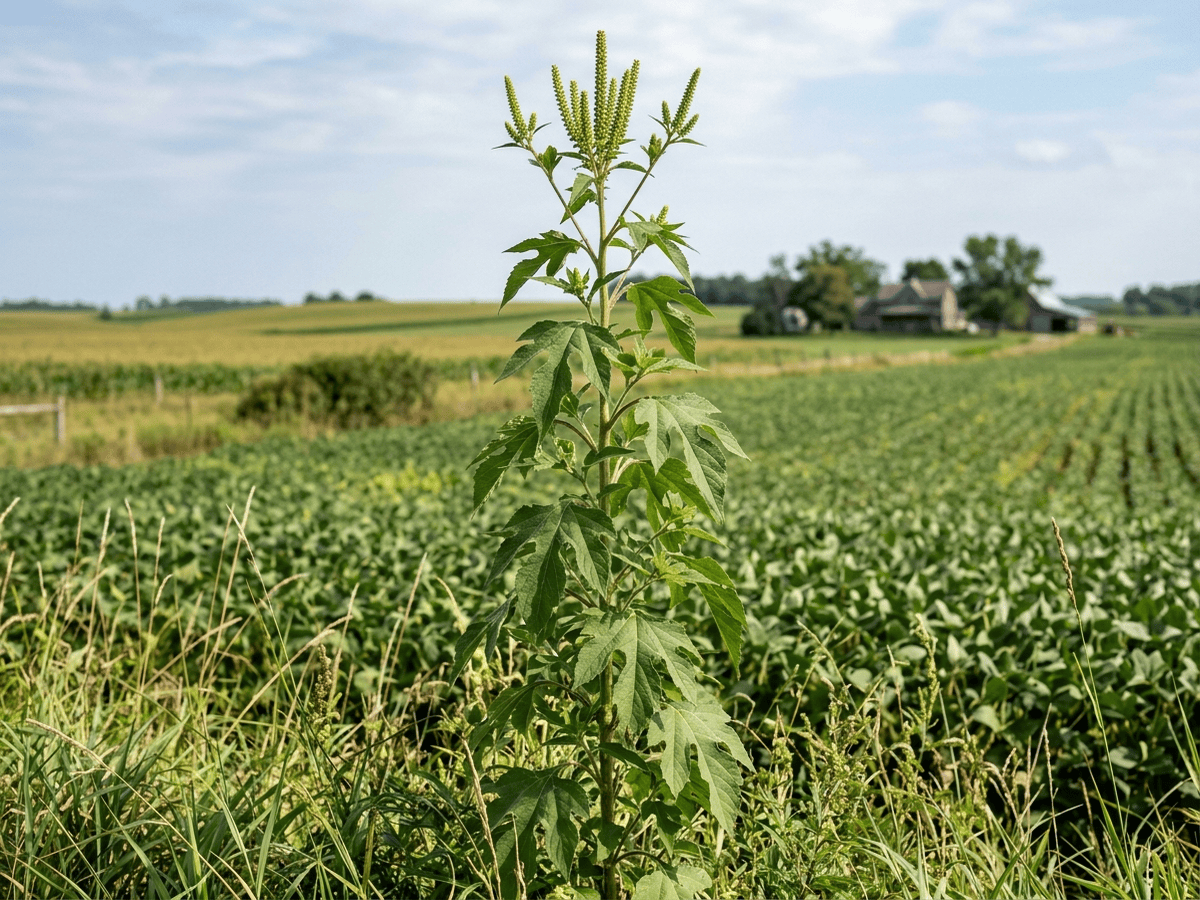
Common Ragweed is a North American native annual now the single most significant cause of fall allergies across the eastern US. Growing 1 to 5 feet tall with finely divided fern-like leaves and greenish-yellow flower spikes, a single plant produces a billion wind-borne pollen grains that travel 400 miles. A disturbed-ground weed of roadsides, construction sites, farm fields, and yard edges from late summer through first frost.
- Fast-growing
- Native
How to care for Common Ragweed
Watering
- Springevery 10 days
- Summerevery 7 days
- Fallevery 14 days
- Winterpause watering
Soil · Well-draining
- Top dressingPine bark mulch10%
- Main mixPotting soil + perlite 2:170%
- DrainageLECA / gravel20%
Never skip the drainage layer — standing water is the top cause of root rot.
FERTILIZER
This plant needs little to no feeding.
At a Glance
- NativeNorth America
- Height1–4 ft (0.3–1.2 m)
- Spread1–2 ft (0.3–0.6 m)
- Flower colorGreen, Yellow
- Foliage colorGreen
- SoilLoamy, Well-drained
- LocationsYard
Bloom time
BLOOM CYCLE
Peak bloom
Aug–Oct
Greenish-yellow flower spikes August to October produce allergenic pollen
Toxicity
Humans Slight
sesquiterpene lactones and allergenic pollen proteins
Slight
- Leaf
- Flower
- Contact
- Inhalation
EXPOSURE Touching leaves and flowers. Inhaling leaves and flowers.
EFFECT Contact dermatitis, allergic rhinitis, and asthma.
NOTE Pollen is a major aeroallergen; skin contact may cause dermatitis.
Unknown
EXPOSURE Unspecified plant material.
EFFECT Toxic effects are not specified.
NOTE Toxicity for dogs is not well documented; use caution until verified.
Unknown
EXPOSURE Unspecified plant material.
EFFECT Toxic effects are not specified.
NOTE Toxicity for cats is not well documented; use caution until verified.
Educational information, not medical or veterinary advice. If exposure is suspected, contact a doctor or veterinarian.
DISTRIBUTION

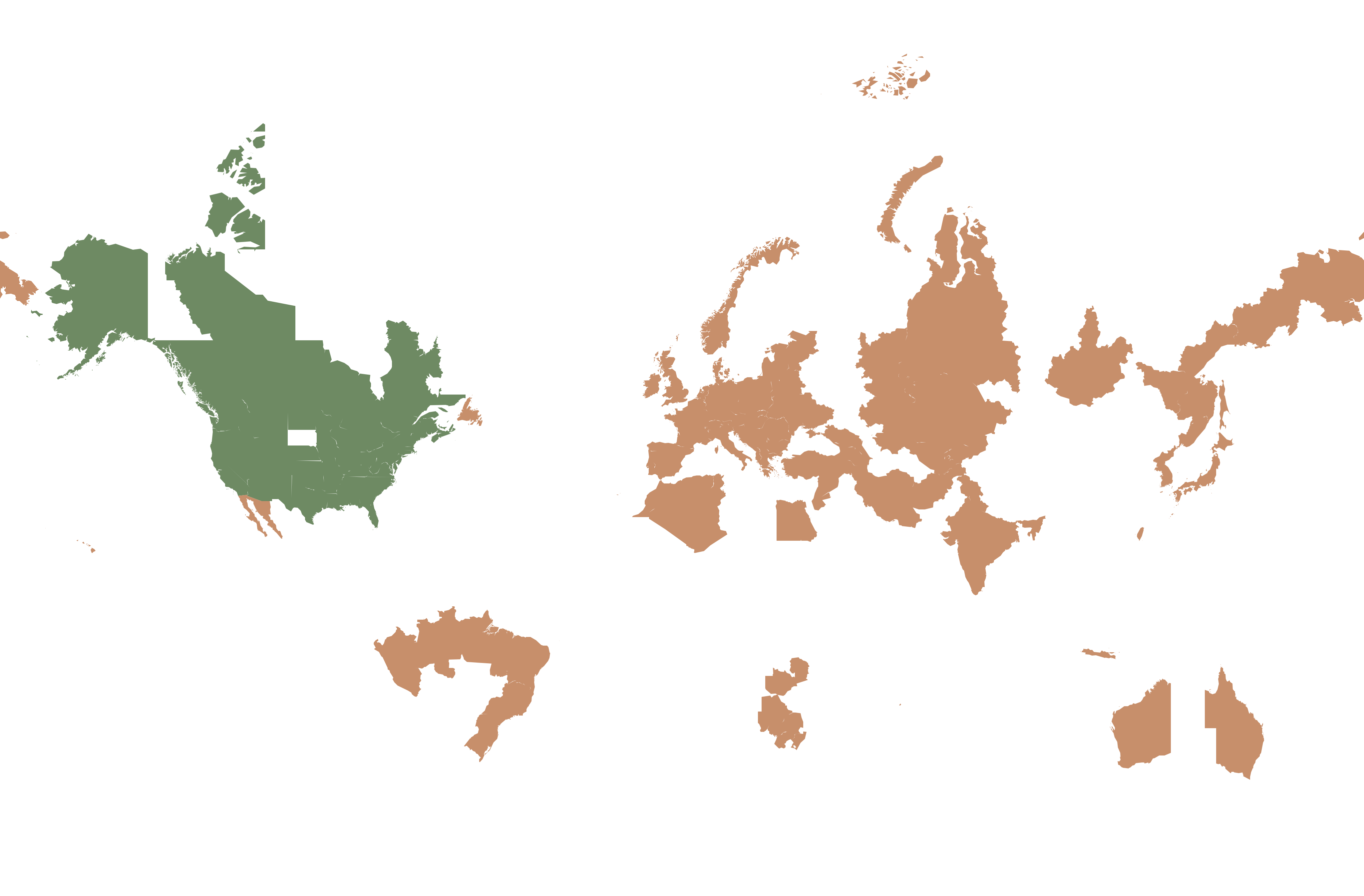
- Native
- Introduced
- North America
History
Ambrosia artemisiifolia, common ragweed, is an annual composite native to North America, where it grew as a minor component of tallgrass prairies and river floodplains. European colonization and plow agriculture created vast expanses of disturbed soil that the species exploited, and by the nineteenth century it dominated fencerows and stubble fields across the continent. Contaminated grain shipments carried it to Europe after the First World War, and it is now a notifiable invasive weed in France, Hungary, and Italy.
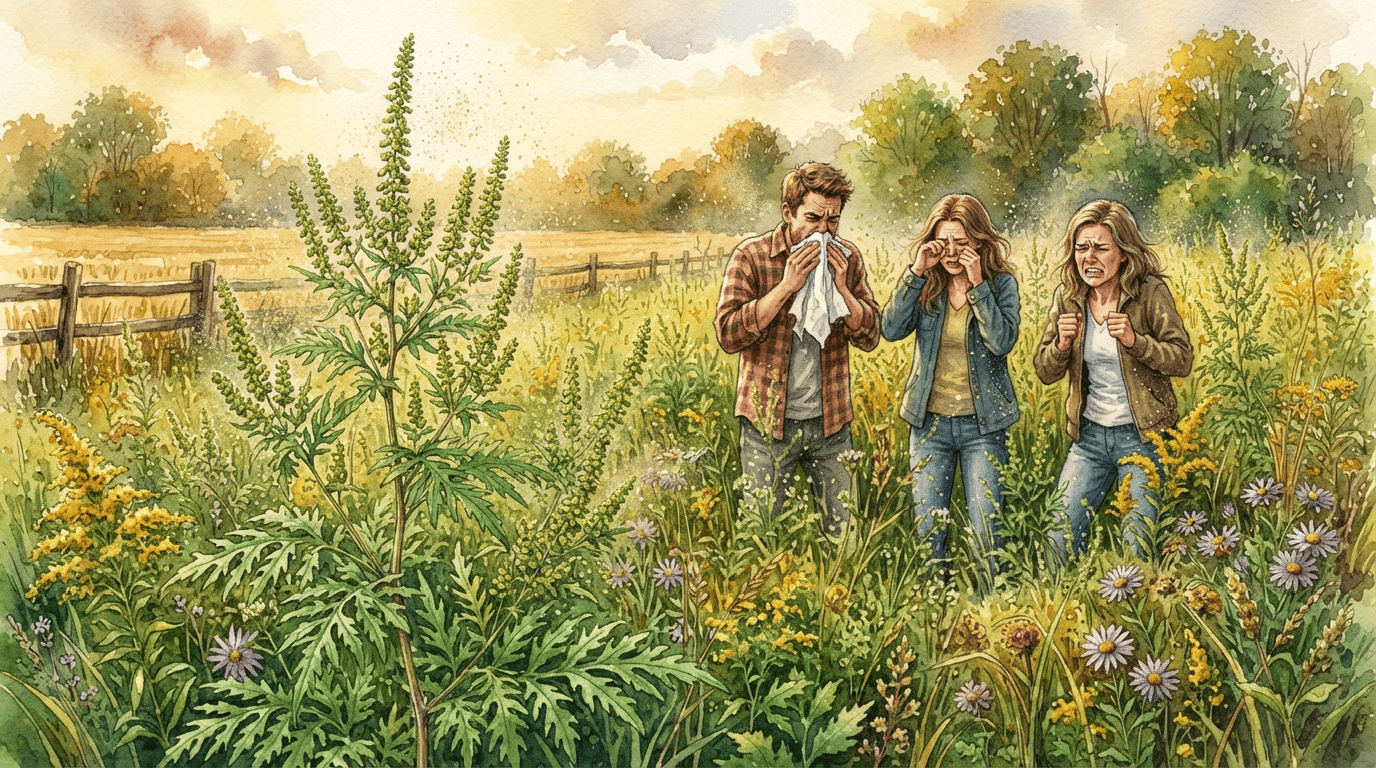
Its wind-pollinated flowers release enormous quantities of allergenic pollen in late summer, making it the single largest cause of autumn hay fever in the Northern Hemisphere. Control programs combine mowing, herbicides, and biological agents such as the leaf beetle Ophraella communa.
Native to central and eastern North America, Common Ragweed exploded across the continent with European-style agriculture and urban development and is now the primary cause of American fall hay fever, affecting 10-30% of the US population.
Symbolism & meaning
What It Symbolizes
Common Ragweed, more pollen-laden burden than blossom, carries the unsentimental meaning of seasonal misery. As the primary cause of American hay fever, it announces autumn through itching eyes and shuttered windows in households across the continent. Its pollen rides the wind for hundreds of miles, a quiet wind rider whose ecological story is one of human discomfort and an opportunistic native that thrives wherever soil is broken and the season is right.
- Fall allergy — primary cause of American hay fever
- Wind rider — pollen travels 400 miles airborne
Where the Name Comes From
'Ambrosia' ironically from Greek meaning food of the gods; 'artemisiifolia' means mugwort-leaved, for finely divided leaves.
Related plants
More Ambrosia plants
Plants with similar care
 Chinese AbeliaAbelia chinensis
 Fragrant AbeliaAbelia mosanensis
 Large-Flowered AbeliaAbelia uniflora
 Glossy AbeliaAbelia x grandiflora
Frequently asked questions
How often should I water Common Ragweed?
Water about every 10 days during the growing season, and always let excess water drain away.
How much light does Common Ragweed need?
Full sun: 6+ hrs direct. Watch the leaves — scorching or stretching means the light needs adjusting.
Is Common Ragweed toxic to cats or dogs?
Pets Unknown (Dogs Unknown · Cats Unknown) Educational information, not medical or veterinary advice. If exposure is suspected, contact a doctor or veterinarian.
Is Common Ragweed easy to grow?
Yes — it is considered an easy, beginner-friendly plant.
When does Common Ragweed bloom?
It typically blooms Aug–Oct in the Northern Hemisphere.
YardMate
Identify any plant in seconds
Snap a photo — YardMate names the plant, diagnoses problems, and reminds you when to water.
Download on the App Store