 YardMate

Hubricht's Bluestar
Amsonia hubrichtii
Easy · Beginner friendlyAbout Hubricht's Bluestar
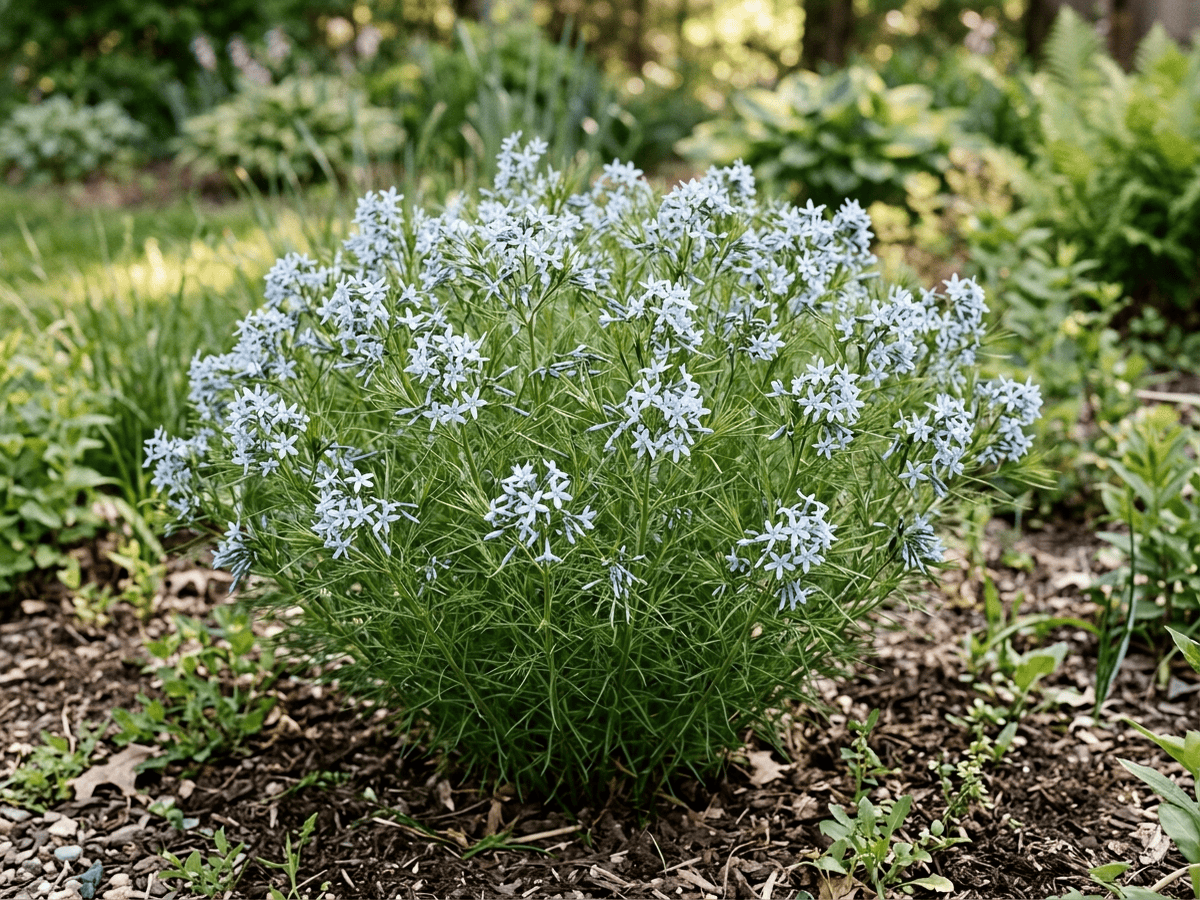
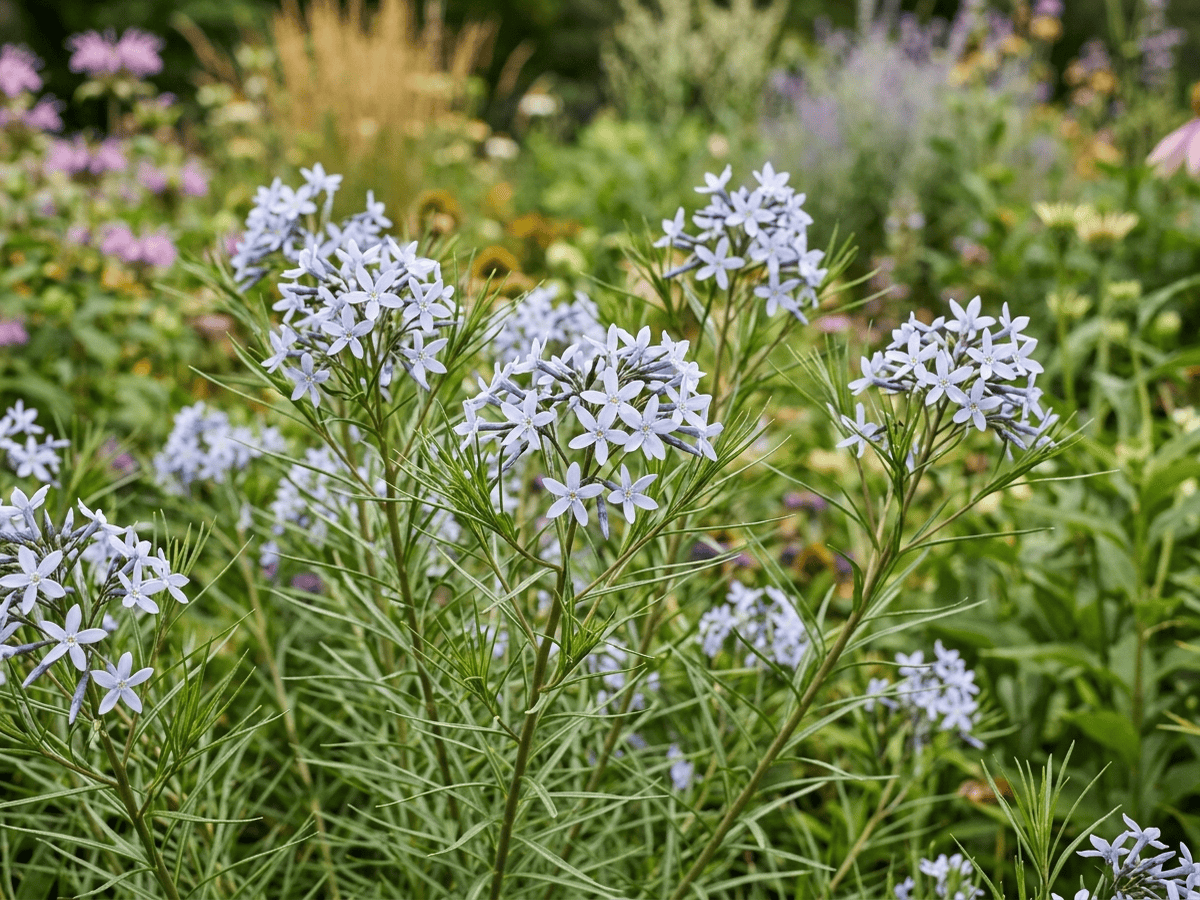
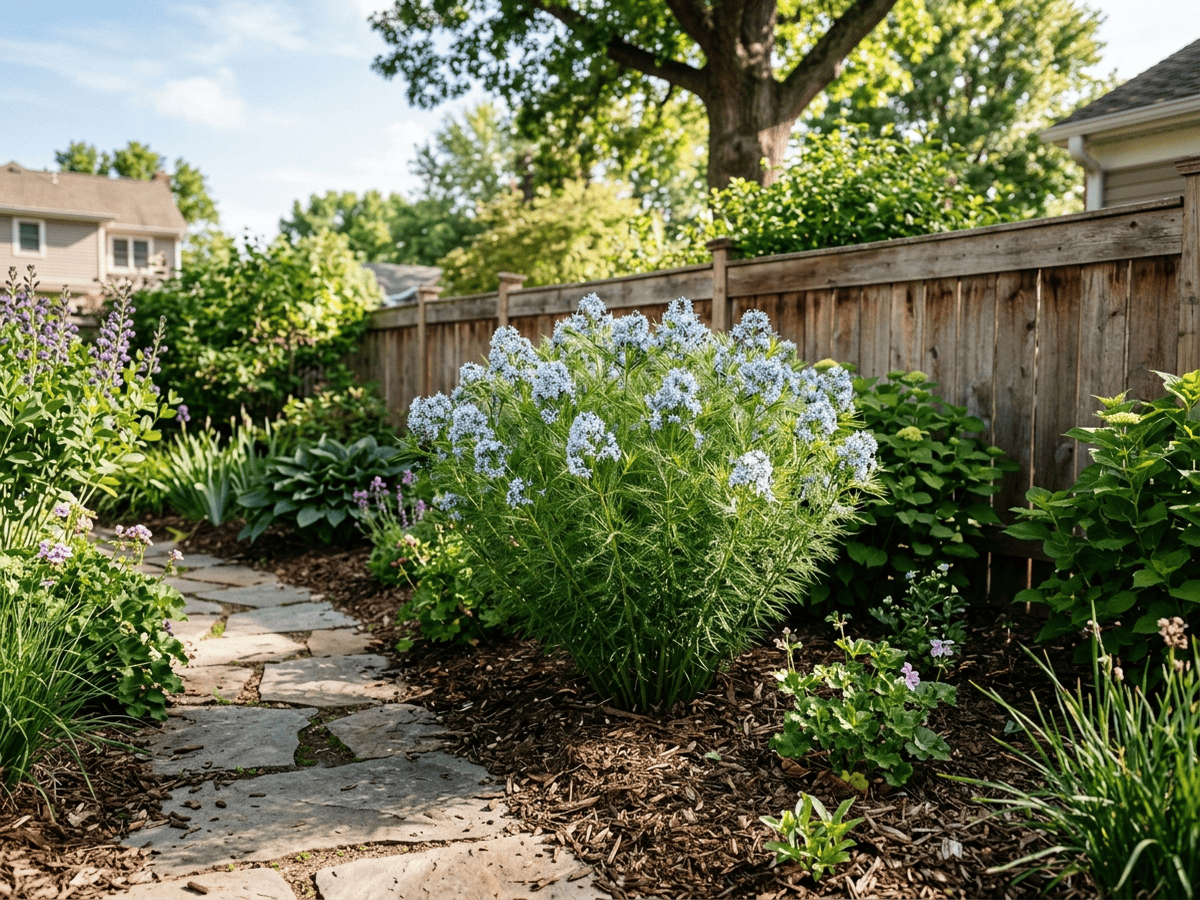
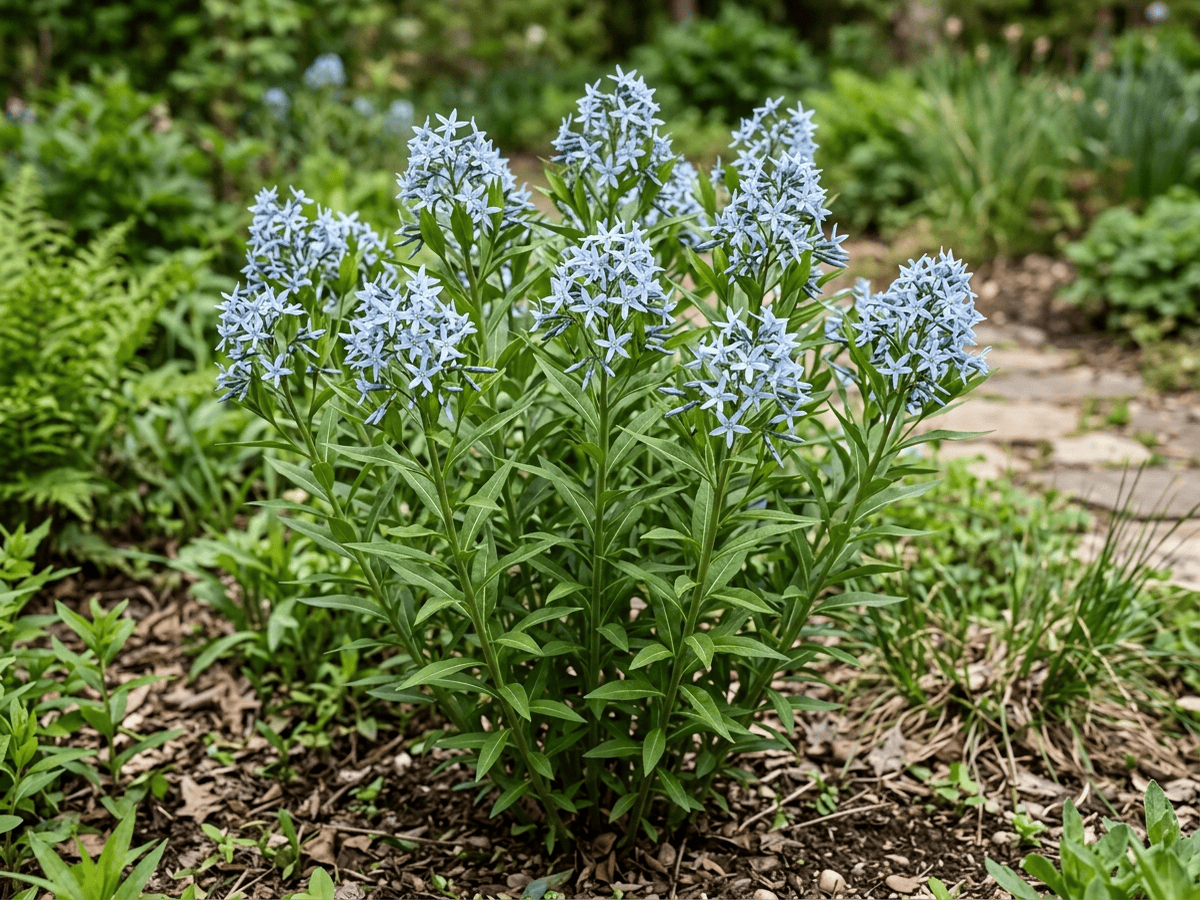
Arkansas Bluestar is a rare Arkansas native perennial producing terminal clusters of pale blue star-shaped flowers in late spring above extremely fine needle-like green foliage. Growing 2 to 3 feet tall and wide, it forms a soft feathery mound that turns brilliant gold in fall, rivaling any shrub for autumn display. Named 2011 Perennial Plant of the Year and a signature fine-textured American native perennial.
- Deer-resistant
- Fall-color
- Native
- Pollinator-friendly
How to care for Hubricht's Bluestar
Watering
- Springevery 5 days
- Summerevery 3 days
- Fallevery 7 days
- Winterevery 14 days
Soil · Well-draining
- Top dressingPine bark mulch10%
- Main mixPotting soil + perlite 2:170%
- DrainageLECA / gravel20%
Never skip the drainage layer — standing water is the top cause of root rot.
FERTILIZER
Balanced Feed 14-14-14
An even feed covers all three needs at once, keeping leaves, roots and blooms moving together with nothing pushed out of balance.
- Nitrogen · Leaves
- Phosphorus · Roots + Blooms
- Potassium · Strength
- Springevery 45 days
- Summerevery 60 days
At a Glance
- NativeNorth America
- Height2.5–3.5 ft (0.8–1.1 m)
- Spread2.5–3.5 ft (0.8–1.1 m)
- Flower colorBlue
- Foliage colorGreen, Yellow, Bronze
- SoilWell-drained, Loamy
- LocationsYard
Bloom time
BLOOM CYCLE
Peak bloom
May
Pale blue stars late spring, spectacular gold foliage in fall
Toxicity
Humans Slight · Pets Slight
indole alkaloids
Slight
- Stem
- Contact
EXPOSURE Touching stems.
EFFECT Skin irritation from milky sap in sensitive people.
NOTE Milky sap may irritate; rarely grazed by deer.
Slight
- All
- Ingestion
EXPOSURE Eating any part of the plant.
EFFECT Vomiting and drooling.
NOTE Milky sap may irritate; rarely grazed by deer.
Slight
- All
- Ingestion
EXPOSURE Eating any part of the plant.
EFFECT Vomiting and drooling.
NOTE Milky sap may irritate; rarely grazed by deer.
Educational information, not medical or veterinary advice. If exposure is suspected, contact a doctor or veterinarian.
DISTRIBUTION


- Native
- North America
History
Amsonia hubrichtii is native only to rocky streambeds in the Ouachita Mountains of central Arkansas and eastern Oklahoma. The self-taught naturalist Leslie Hubricht collected the first specimens in 1942, and Robert E. Woodson formally described the species the following year. For decades it remained a regional curiosity, admired mainly by native-plant specialists.
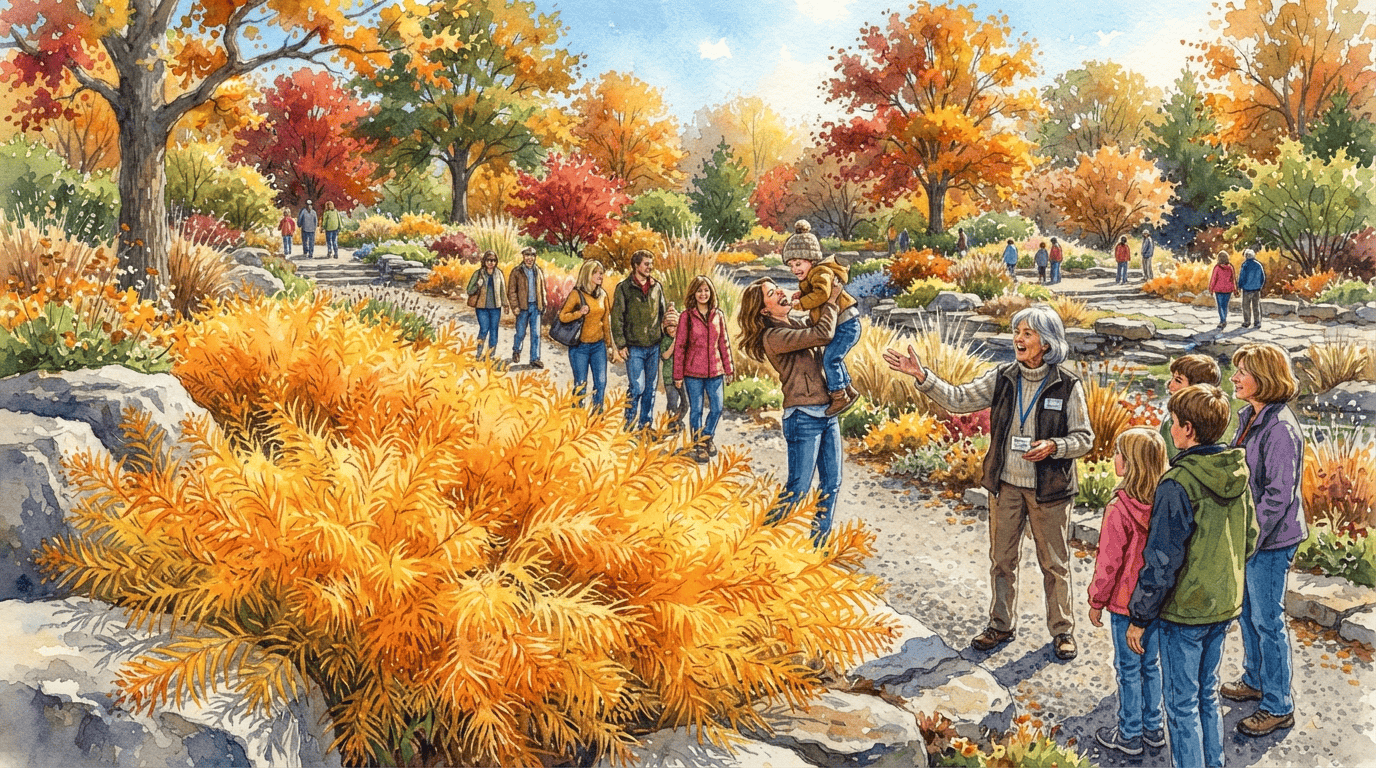
Its breakthrough came when American public gardens and perennial nurseries began trialing native Amsonia species in the late 20th century and noticed its extraordinary thread-fine foliage and golden-orange fall color. The Perennial Plant Association named it 2011 Perennial Plant of the Year, after which production surged. Unlike broader-leaved bluestars, it forms a soft, feathery mound that fits naturalistic planting beautifully, offering blue spring flowers, fine summer texture, and autumn color strong enough to rival small shrubs.
Symbolism & meaning
What It Symbolizes
Hubricht's Bluestar is a story of quiet triumph: discovered as a rarity along Arkansas streambanks, it has risen to become a celebrated garden star. Pale starry blue flowers in spring give way to autumn gold so brilliant it rivals any shrub, lighting the border in low slanting light. Its narrative is the patient rise of an overlooked native into deserved acclaim.
- Quiet triumph — from Arkansas rarity to garden star
- Autumn gold — brilliant gold fall foliage rivals shrubs
Where the Name Comes From
The common name highlights its blue coloring. 'hubrichtii' honors Leslie Hubricht (1908-2005), American naturalist who first collected the species.
Uses & Fun Facts
- Sky-blue spring flowers attract bees and butterflies
- Threadleaf foliage turns brilliant gold in autumn
Related plants
More Amsonia plants
Plants with similar care
 Chinese AbeliaAbelia chinensis
 Fragrant AbeliaAbelia mosanensis
 Large-Flowered AbeliaAbelia uniflora
 Glossy AbeliaAbelia x grandiflora
Frequently asked questions
How often should I water Hubricht's Bluestar?
In summer, water about every 3 days; in winter, about every 14 days. Adjust for heat, pot size and drainage.
How much light does Hubricht's Bluestar need?
Full sun: 6+ hrs direct. Watch the leaves — scorching or stretching means the light needs adjusting.
Is Hubricht's Bluestar toxic to cats or dogs?
Pets Slight (Dogs Slight · Cats Slight) Educational information, not medical or veterinary advice. If exposure is suspected, contact a doctor or veterinarian.
Is Hubricht's Bluestar easy to grow?
Yes — it is considered an easy, beginner-friendly plant.
When does Hubricht's Bluestar bloom?
It typically blooms May in the Northern Hemisphere.
YardMate
Identify any plant in seconds
Snap a photo — YardMate names the plant, diagnoses problems, and reminds you when to water.
Download on the App Store