 YardMate
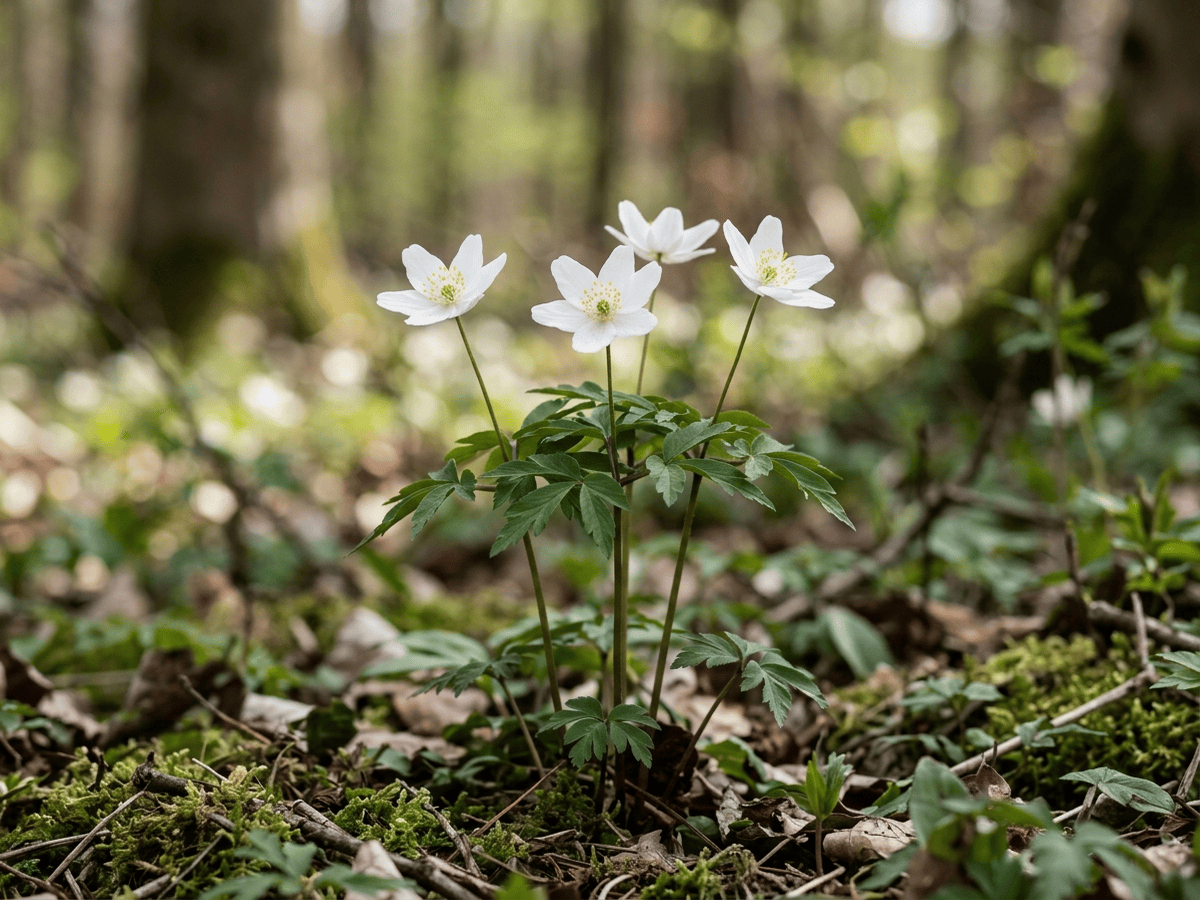


Wood Anemone
Anemone nemorosa
Easy · Beginner friendlyAbout Wood Anemone
Wood Anemone is a European woodland perennial hardy in USDA zones 3-8, producing delicate white, pink, or blue star-shaped flowers on 4 to 6 inch stems above ferny divided leaves in early spring. Spreading slowly by rhizomes into carpets of bloom, it goes dormant by mid-summer after the tree canopy closes. A classic shade-garden ephemeral across northern US woodland gardens, with many named cultivars.
- Shade-tolerant
- Deer-resistant
How to care for Wood Anemone
Watering
- Springevery 3 days
- Summerpause watering
- Fallevery 10 days
- Winterevery 14 days
Soil · Well-draining
- Main mixLoam + coarse sand 3:175%
- DrainageGravel25%
Sharp drainage matters most — bulbs rot in wet soil while dormant.
FERTILIZER
Balanced Feed 14-14-14
An even feed covers all three needs at once, keeping leaves, roots and blooms moving together with nothing pushed out of balance.
- Nitrogen · Leaves
- Phosphorus · Roots + Blooms
- Potassium · Strength
- Fallevery 60 days
At a Glance
- NativeEurope
- Height0.5 ft (0.2 m)
- Spread0.5–1 ft (0.2–0.3 m)
- Flower colorWhite, Pink, Blue
- Foliage colorGreen
- SoilLoamy, Moisture-retentive, Rich
- LocationsYard
Bloom time
BLOOM CYCLE
Peak bloom
Mar–May
Star-shaped flowers carpet woodland floor in early spring
Toxicity
Humans Moderate · Pets Moderate
protoanemonin and ranunculin
Moderate
- All
- Contact
- Ingestion
EXPOSURE Touching any part of the plant. Eating any part of the plant.
EFFECT Skin irritation and gI upset.
NOTE Fresh sap contains protoanemonin, irritating to skin and mucous membranes.
Moderate
- All
- Ingestion
EXPOSURE Eating any part of the plant.
EFFECT Vomiting, drooling, and tremors.
NOTE Fresh sap contains protoanemonin, irritating to skin and mucous membranes.
Moderate
- All
- Ingestion
EXPOSURE Eating any part of the plant.
EFFECT Vomiting, drooling, and tremors.
NOTE Fresh sap contains protoanemonin, irritating to skin and mucous membranes.
Educational information, not medical or veterinary advice. If exposure is suspected, contact a doctor or veterinarian.
DISTRIBUTION


- Native
- Introduced
- Europe
History

Anemone nemorosa grows across much of Europe, from the British Isles and Scandinavia south to Spain and east to the Caucasus, on moist forest floors. Linnaeus described it in Species Plantarum (1753). Its white (sometimes blue or pink) flowers and lacy foliage make it a classic ancient-woodland indicator species in the UK — its presence helps ecologists identify forests continuously wooded since before 1600.
Medieval European herbalists associated it with Easter resurrection symbolism. It has been cultivated since the 16th century and has produced many collectible garden forms: 'Robinsoniana' (pale blue, c.1888), 'Vestal' (double white, pre-1865), 'Allenii' (large blue), and 'Bracteata' (white with green overlay). Specialist British nurseries such as Avon Bulbs maintain dozens of cultivars.
It naturalizes well in humus-rich shade. Native across Europe from Britain to Siberia, cultivated in English woodland gardens since the Middle Ages. Introduced to American gardens in the 1800s and adopted as a premier shade-garden carpeting plant. The blue-flowered cultivar Robinsoniana, named for William Robinson, is a long-standing US favorite.
Symbolism & meaning
What It Symbolizes
The Wood Anemone makes visible anticipation, scattering its pale stars across the forest floor before the canopy closes overhead. For centuries woodland walkers have welcomed it as a harbinger of true spring, a sign that the warm weeks lie just ahead. Slow to spread, it forms ancient drifts over decades — a flower that rewards patience and quietly promises that what is awaited will indeed arrive.
- Anticipation — harbinger of spring beneath bare trees
- Forest carpet — slowly forms drifts over many years
Where the Name Comes From
'Anemone' from Greek 'anemos' meaning wind, for the flowers that tremble in breezes; 'nemorosa' from Latin means of the woods.
Uses & Fun Facts
- Wood Anemone perennial used in cottage and naturalistic borders
- Wood Anemone canopy casts dappled summer shade over patios
Related plants
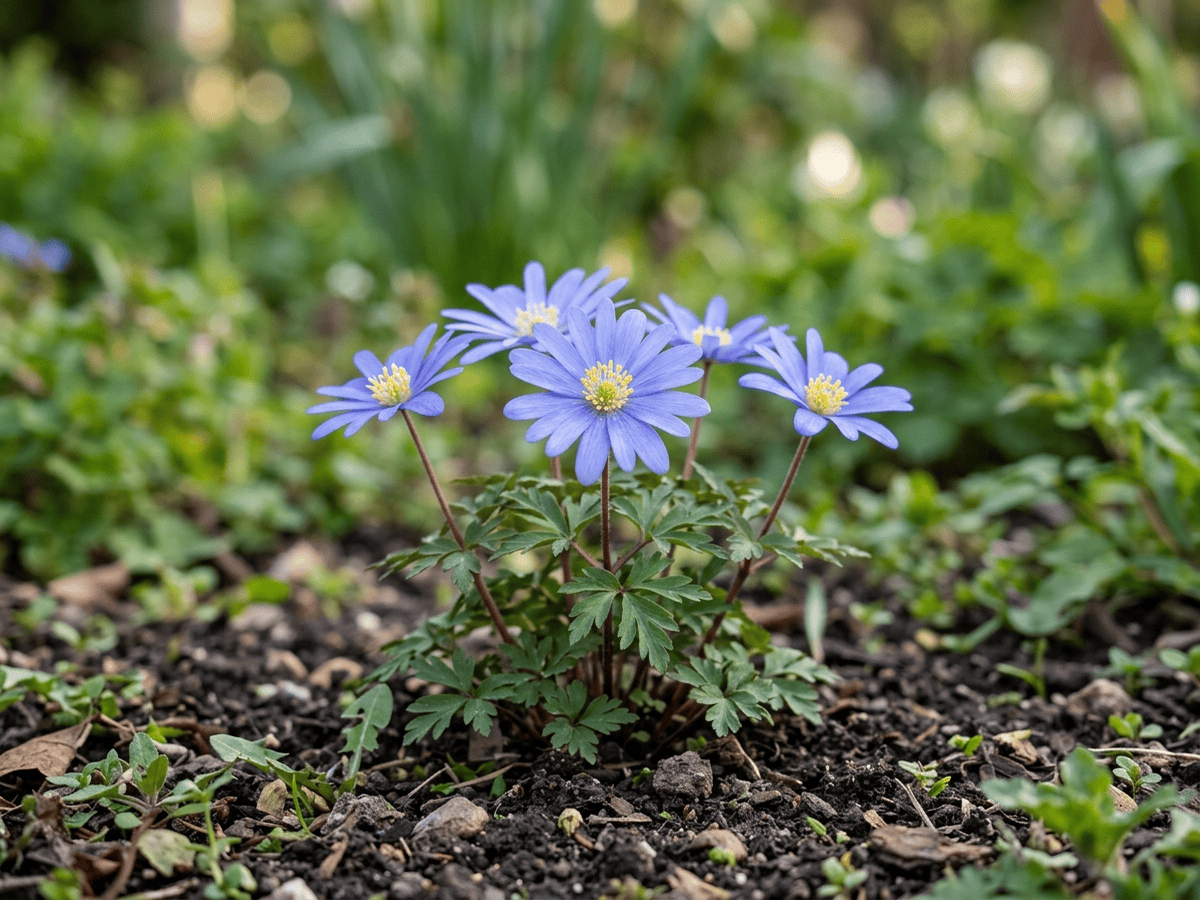
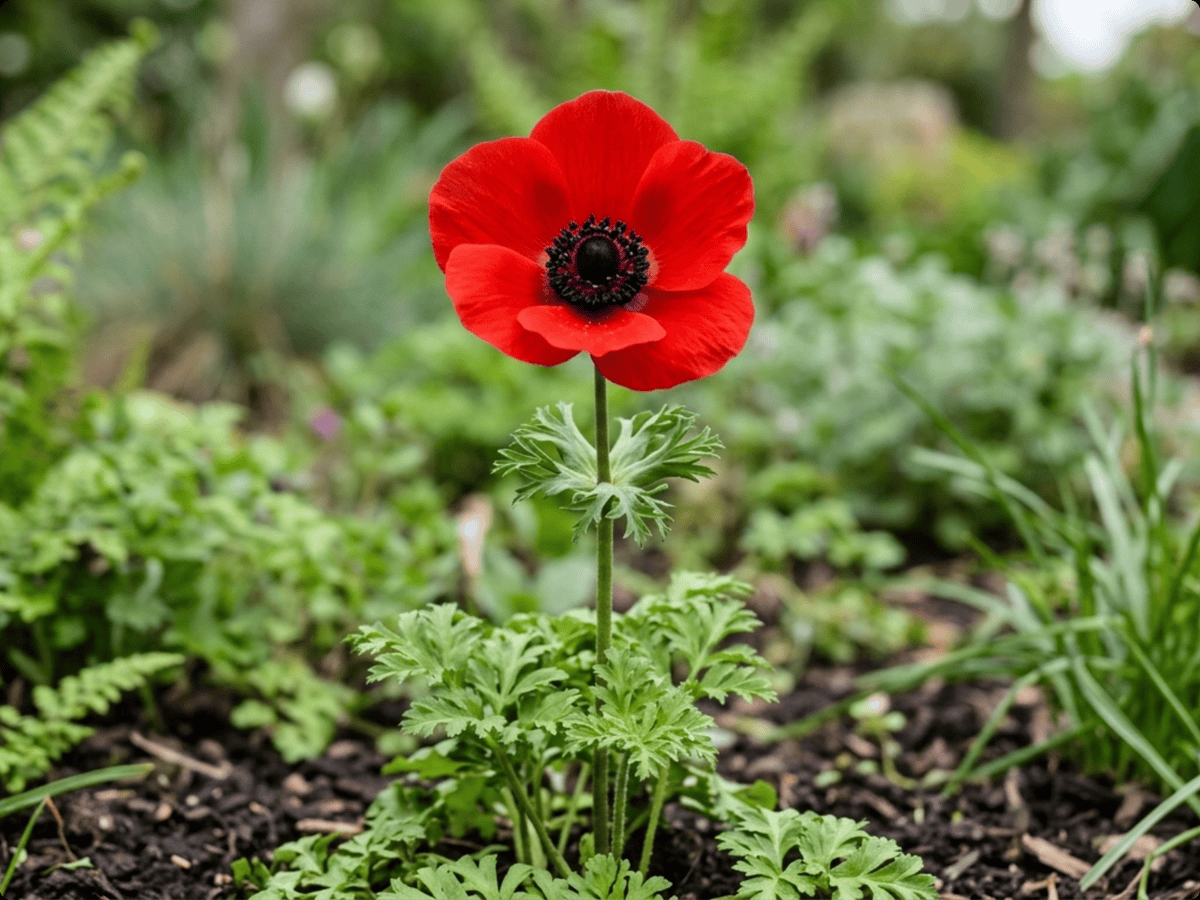
More Anemone plants
Plants with similar care
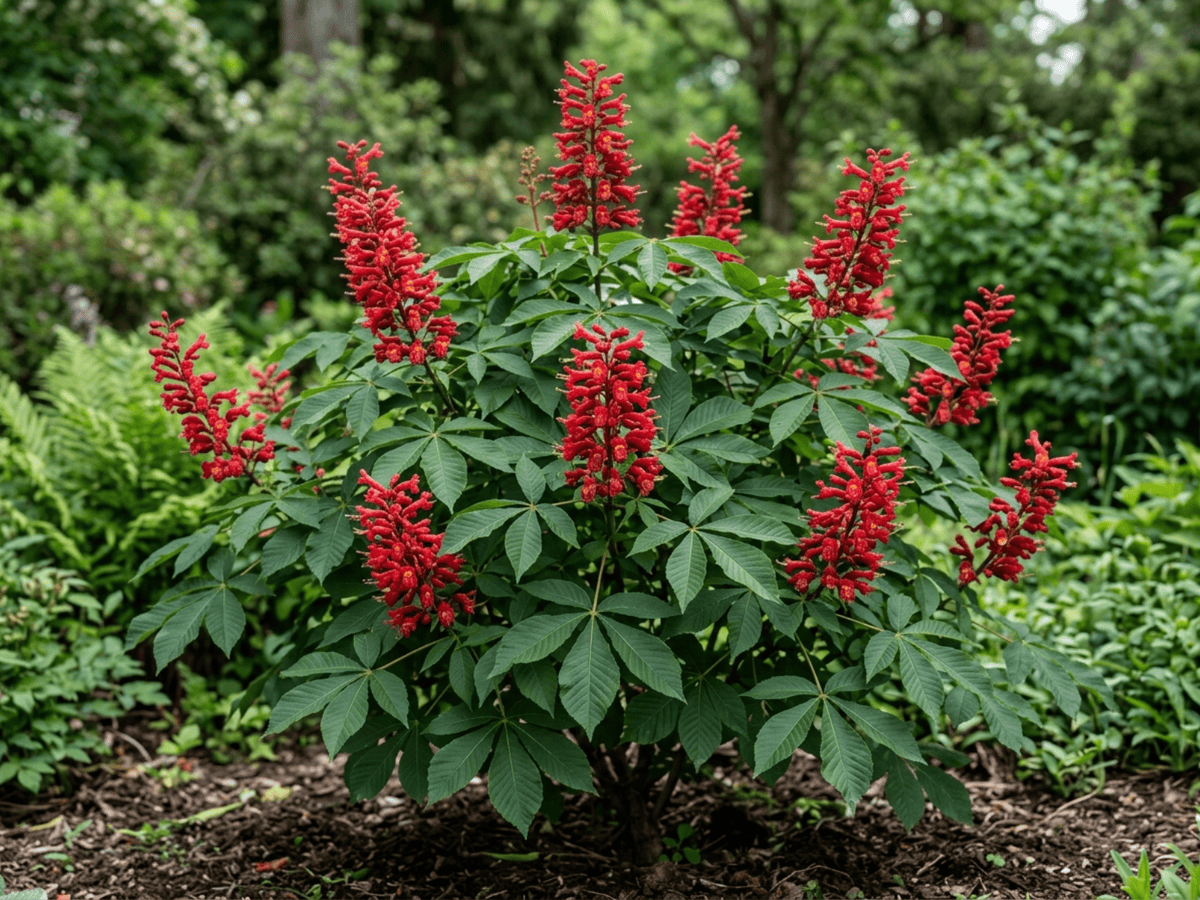 Red BuckeyeAesculus pavia
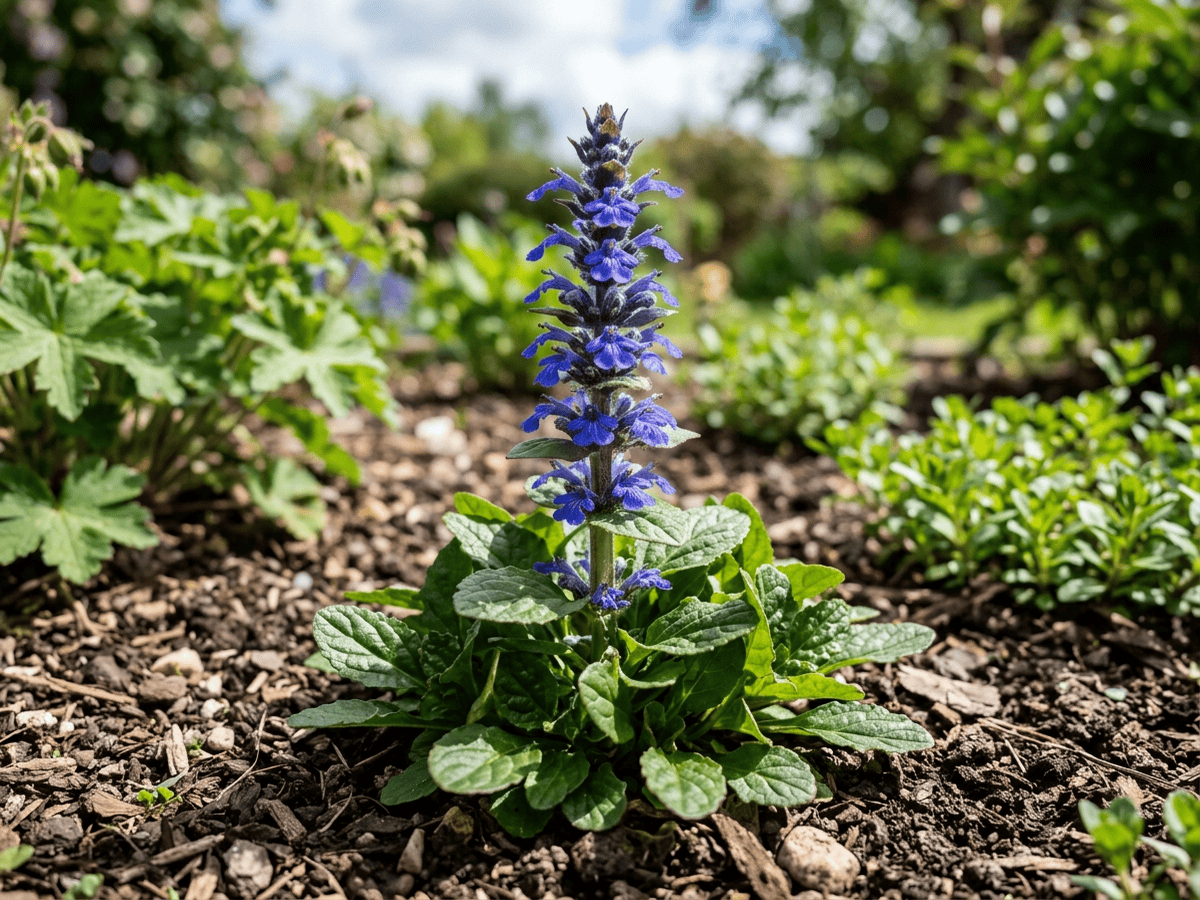 Blue BugleAjuga genevensis
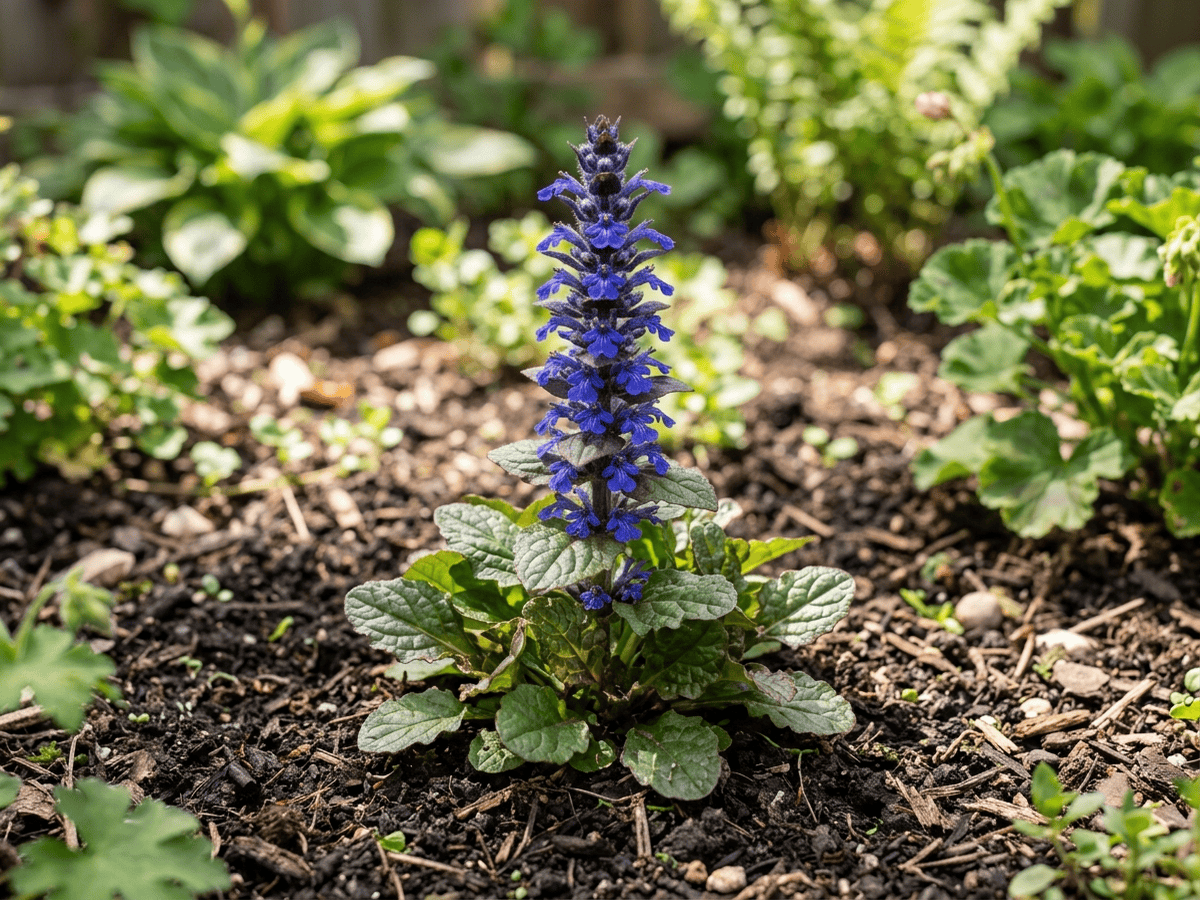 Pyramidal BugleAjuga pyramidalis
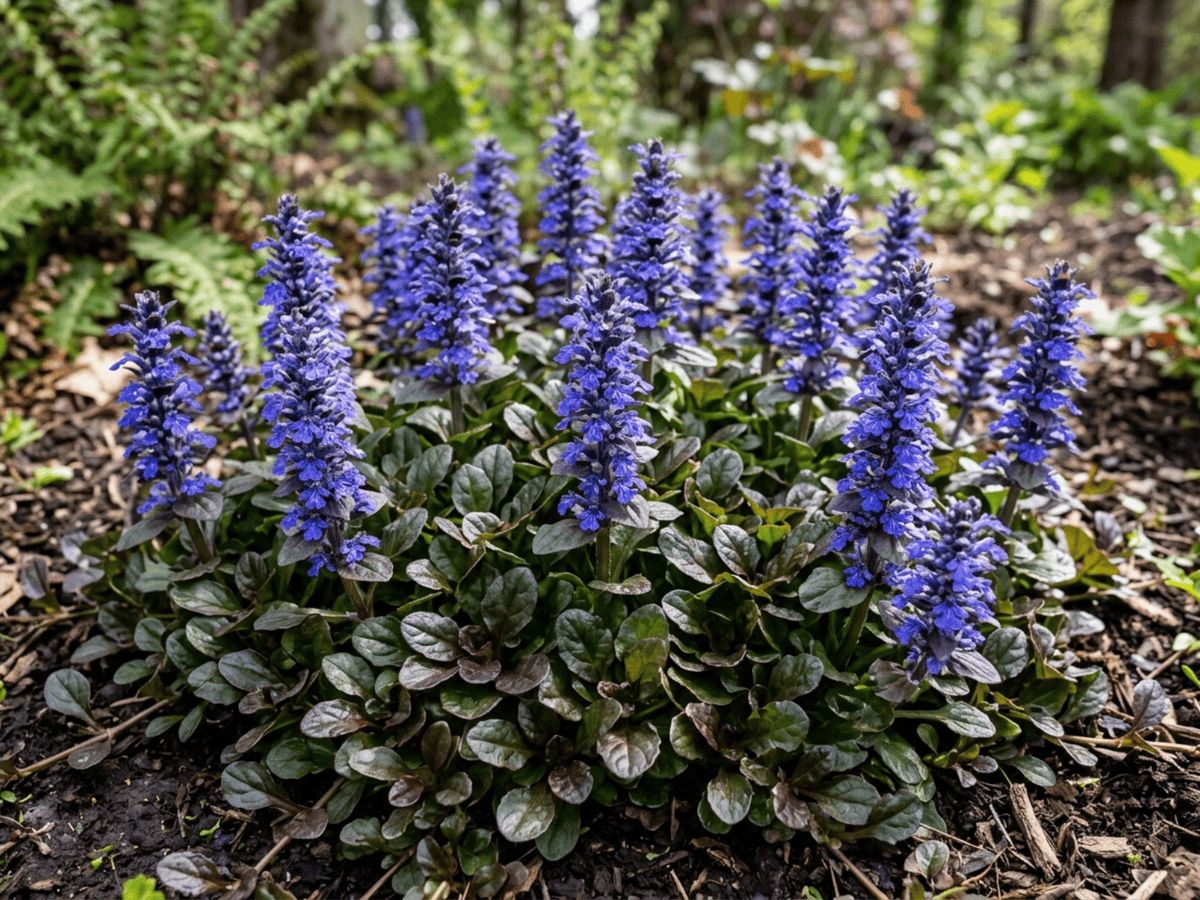 Carpet BugleAjuga reptans
Frequently asked questions
How often should I water Wood Anemone?
Water about every 3 days during the growing season, and always let excess water drain away.
How much light does Wood Anemone need?
Part shade: 2–4 hrs direct. Watch the leaves — scorching or stretching means the light needs adjusting.
Is Wood Anemone toxic to cats or dogs?
Pets Moderate (Dogs Moderate · Cats Moderate) Educational information, not medical or veterinary advice. If exposure is suspected, contact a doctor or veterinarian.
Is Wood Anemone easy to grow?
Yes — it is considered an easy, beginner-friendly plant.
When does Wood Anemone bloom?
It typically blooms Mar–May in the Northern Hemisphere.
YardMate
Identify any plant in seconds
Snap a photo — YardMate names the plant, diagnoses problems, and reminds you when to water.
Download on the App Store