 YardMate

Poppy Anemone
Anemone coronaria
Medium · Some experienceAbout Poppy Anemone
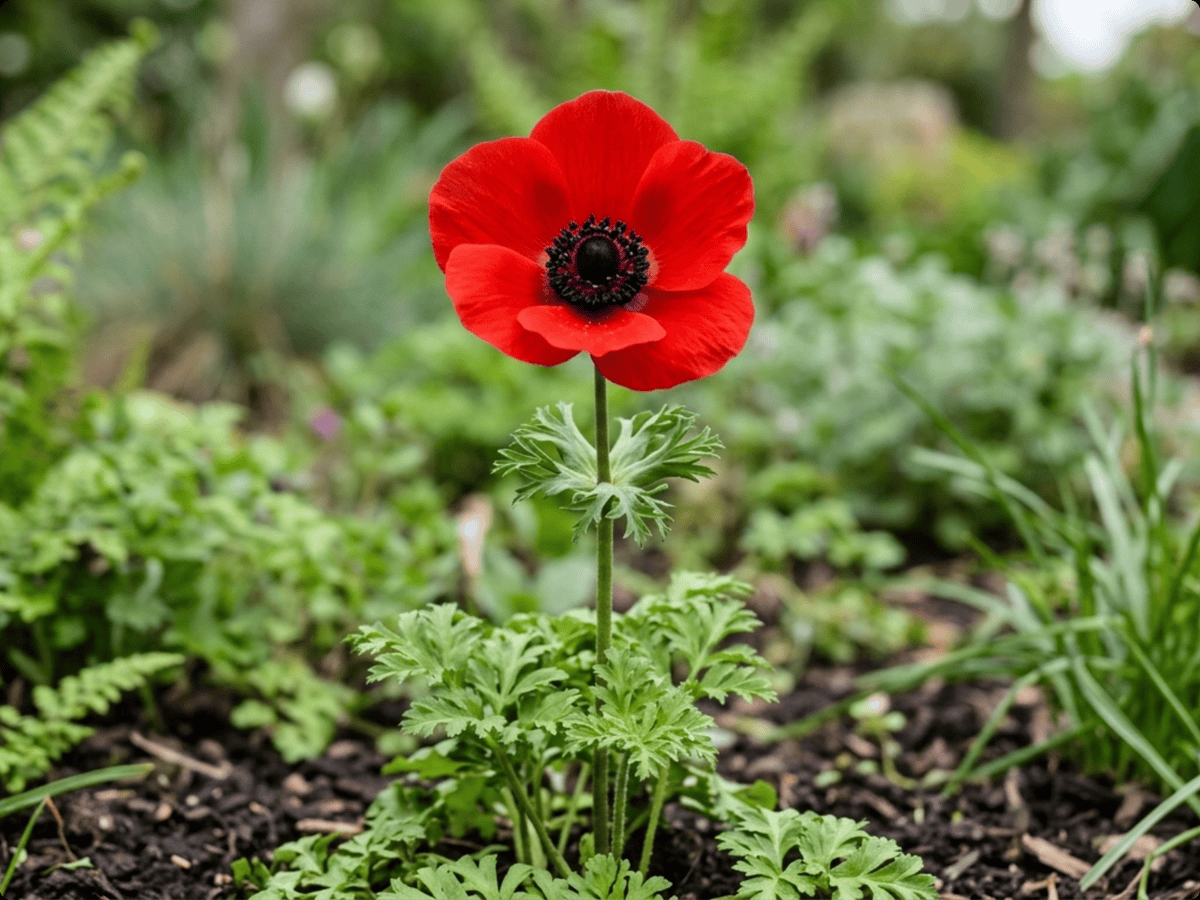
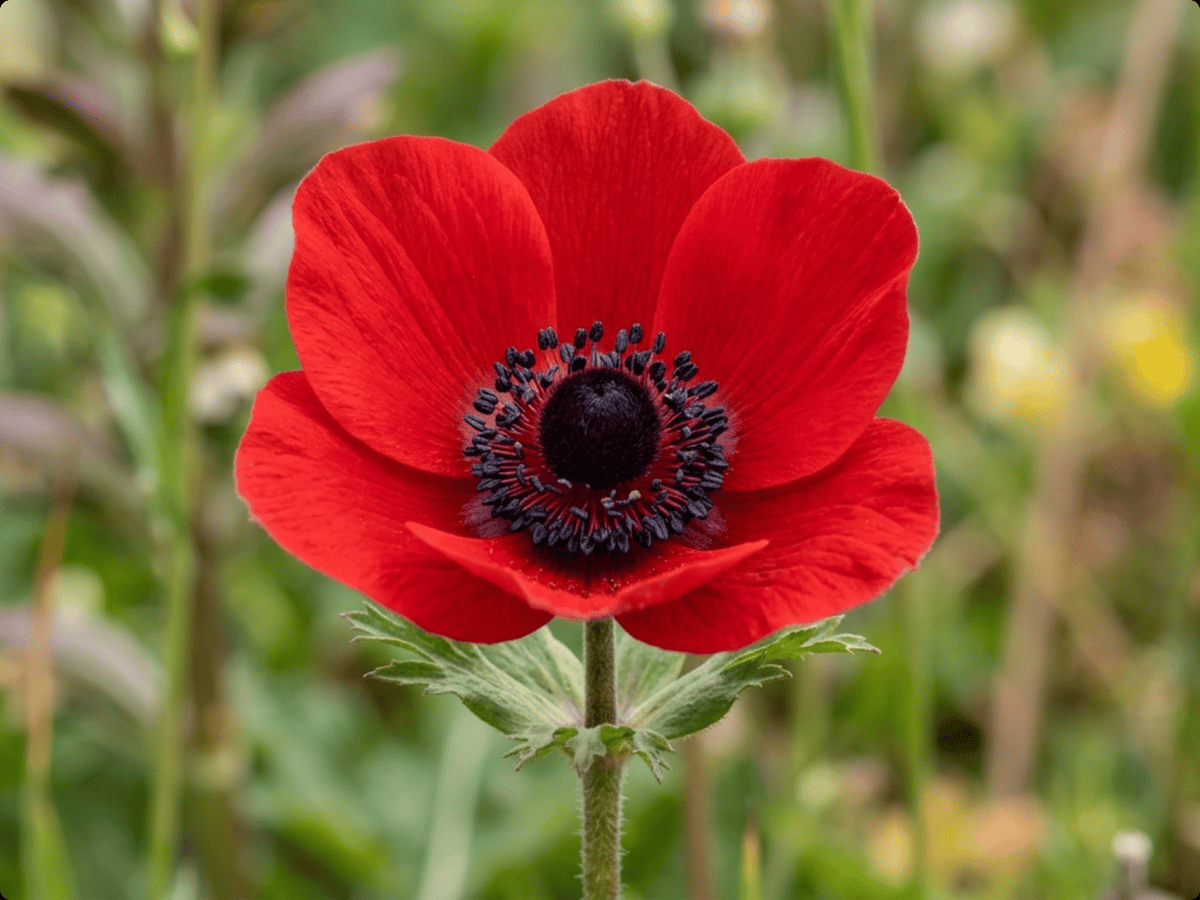
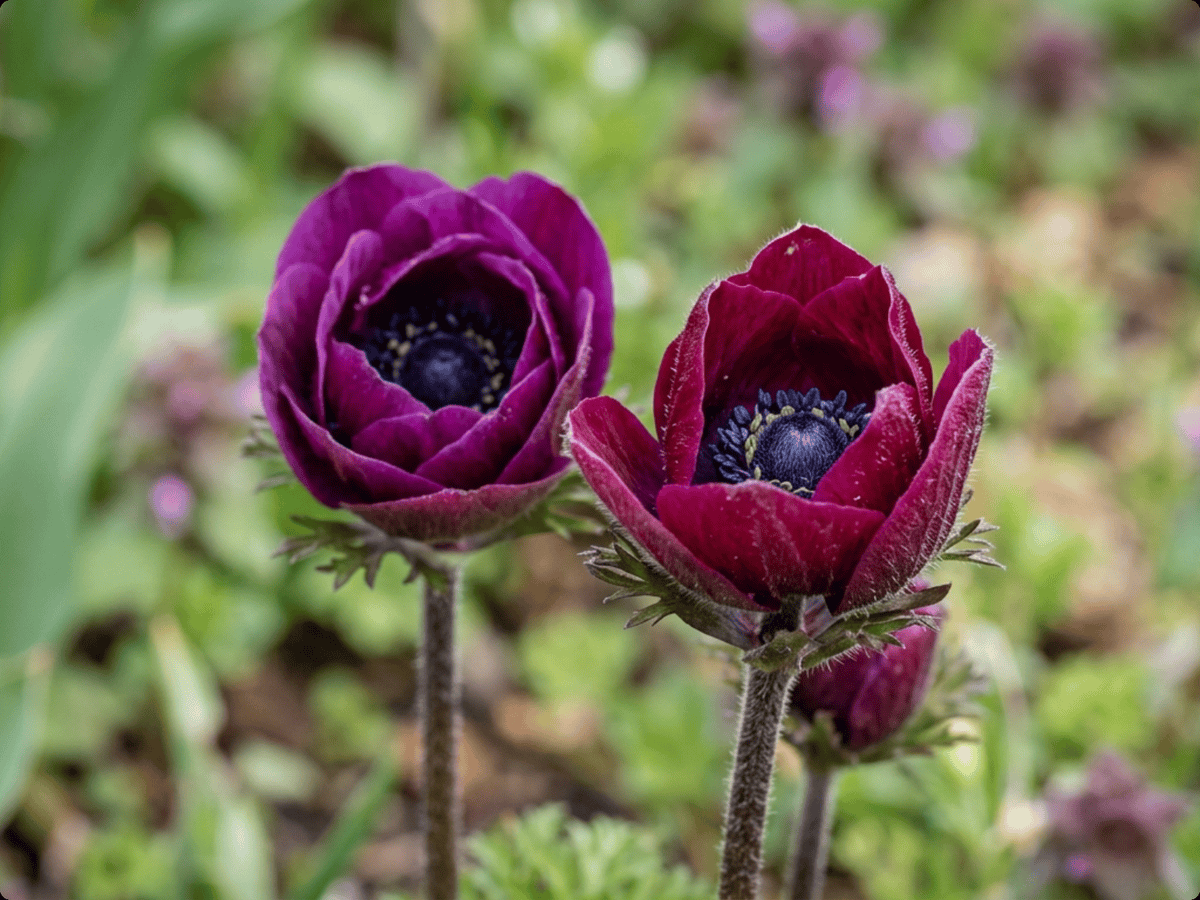
Anemone coronaria, the poppy anemone or windflower, produces vivid, poppy-like flowers with a dark center surrounded by delicate, satiny petals in brilliant red, blue, purple, pink, and white. Native to the Mediterranean, it grows from small knobbly tubers and blooms in spring. The 'De Caen' (single) and 'St. Brigid' (double) series are the most widely grown. As cut flowers, they have an artful, slightly wild quality beloved by florists. Each flower lasts about a week. They prefer cool conditions and struggle in hot, humid climates.
- Cut-flower
How to care for Poppy Anemone
Watering
- Springevery 5 days
- Summerpause watering
- Fallevery 7 days
- Winterevery 10 days
Soil · Well-draining
- Main mixLoam + coarse sand 3:175%
- DrainageGravel25%
Sharp drainage matters most — bulbs rot in wet soil while dormant.
FERTILIZER
Balanced Feed 14-14-14
An even feed covers all three needs at once, keeping leaves, roots and blooms moving together with nothing pushed out of balance.
- Nitrogen · Leaves
- Phosphorus · Roots + Blooms
- Potassium · Strength
- Springevery 30 days
- Fallevery 30 days
At a Glance
- NativeMediterranean
- Height1–1.5 ft (0.3–0.5 m)
- Spread0.5–1 ft (0.2–0.3 m)
- Flower colorRed, Blue, Purple, Pink
- Foliage colorGreen
- SoilLoamy, Well-drained
- LocationsYard · Balcony
Bloom time
BLOOM CYCLE
Peak bloom
Mar–May
Soak tubers before planting; cool-season bloomer; flowers close at night
Fragrance
NO FRAGRANCE
Not fragrant.
Toxicity
Humans Slight · Pets Moderate
protoanemonin (from ranunculin)
Slight
- Leaf
- Stem
- Sap
- Flower
- Contact
- Ingestion
EXPOSURE Touching leaves, stems, sap, and flowers. Eating leaves, stems, sap, and flowers.
EFFECT Contact dermatitis, oral burning and GI upset, and drying neutralizes toxicity.
NOTE Same toxin family as Ranunculus; neutralized by drying.
Moderate
- Leaf
- Stem
- Flower
- Ingestion
EXPOSURE Eating leaves, stems, and flowers.
EFFECT Oral irritation, drooling, vomiting, diarrhea and per Ranunculaceae family toxicity.
NOTE Same toxin family as Ranunculus; neutralized by drying.
Moderate
- Leaf
- Stem
- Flower
- Ingestion
EXPOSURE Eating leaves, stems, and flowers.
EFFECT Oral irritation, drooling, vomiting, diarrhea and per Ranunculaceae family toxicity.
NOTE Same toxin family as Ranunculus; neutralized by drying.
Educational information, not medical or veterinary advice. If exposure is suspected, contact a doctor or veterinarian.
DISTRIBUTION


- Native
- Introduced
- Mediterranean
History

Anemone coronaria is native across the Mediterranean basin, where it carpets hillsides in spring bloom from Italy to the Levant. It is deeply embedded in regional myth and religion: in Greek myth it grew from the blood of Adonis, the beautiful hunter killed by a boar; in Christian tradition its red form grew from Christ's blood at the crucifixion and is associated with Easter week. The species holds particular importance in Israel, where the red-flowered form (kalanit) blooms in vast spreads across the Negev and Galilee each February; in a 2013 national poll Israelis voted it the country's official national flower.
Cultivated since antiquity, the commercial De Caen (single-flowered) and St. Brigid (double-flowered) strains date to late 19th-century French and Irish breeding respectively. Moderately toxic to pets. In Greek mythology, Anemone sprang from the tears of Aphrodite and the blood of her lover Adonis after he was killed by a boar.
In the Middle East, the red anemone is associated with the blood of fallen soldiers and blooms across Israeli and Palestinian hillsides in spring — it is Israel's national flower (כלנית). During World War I, red anemones were among the 'flowers of the battlefields' alongside poppies in Flanders. The common name 'windflower' comes from the Greek 'anemos' (wind), as the flowers tremble in the breeze.
Symbolism & meaning
What It Symbolizes
The poppy anemone is often read as a flower of anticipation — its very name comes from the Greek word for wind, and it opens in step with the first warm gusts of spring. In Mediterranean fields it carpets the hillsides almost overnight, a sudden announcement that winter is finished. To watch its tissue-thin petals tremble is to feel the season's own held breath, the bright excitement of what is coming next.
- Anticipation — Opening with spring winds, it represents expectation and the excitement of what's coming
Where the Name Comes From
Anemone from Greek 'anemos' (wind) — the windflower. Coronaria means 'used for garlands,' as ancients wove them into crowns.
Uses & Fun Facts
- Vivid jewel-toned poppy-like blooms on long stems for florists
- Spring corm display in vibrant red, blue, and white shades
- Compact tubers naturalize well in cool-season patio pots
Related plants
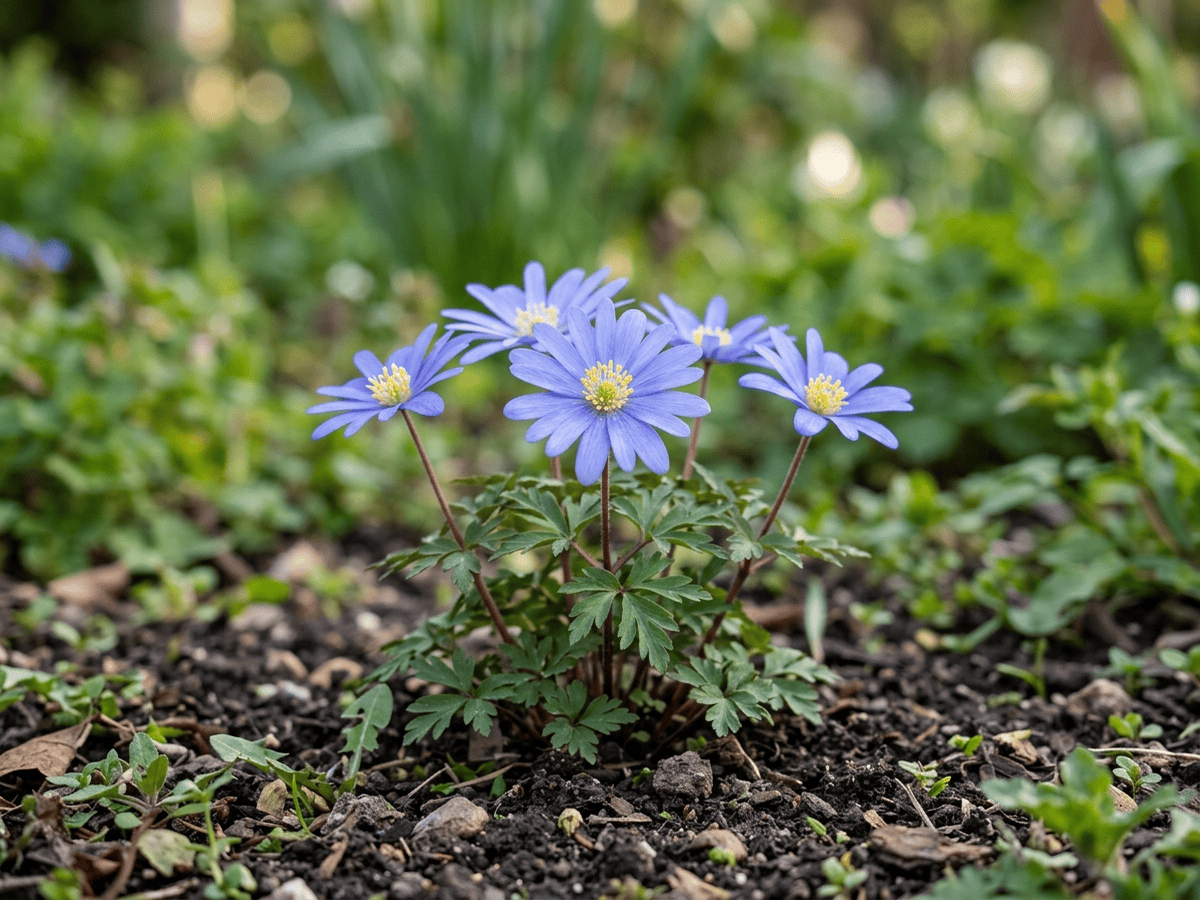
More Anemone plants
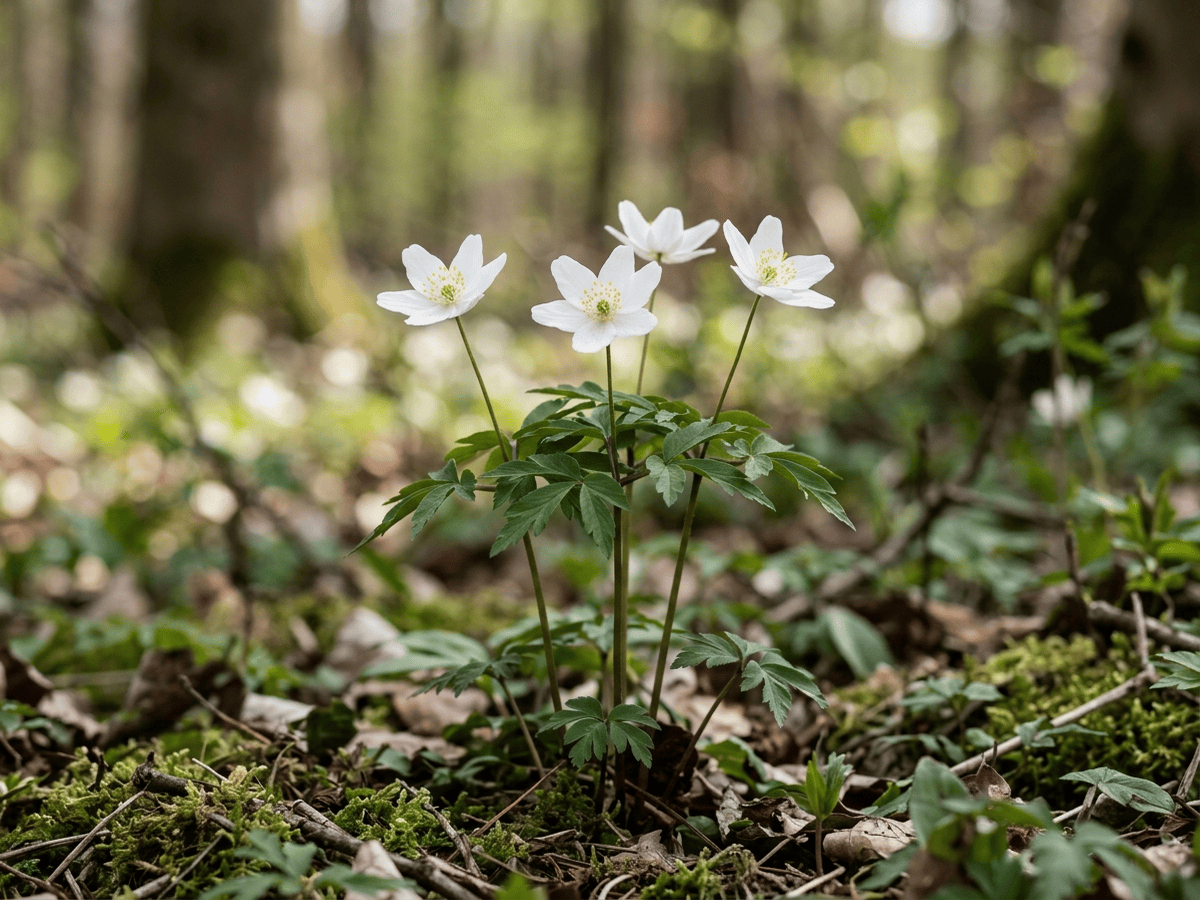
Plants with similar care
 Mexican AbeliaAbelia floribunda
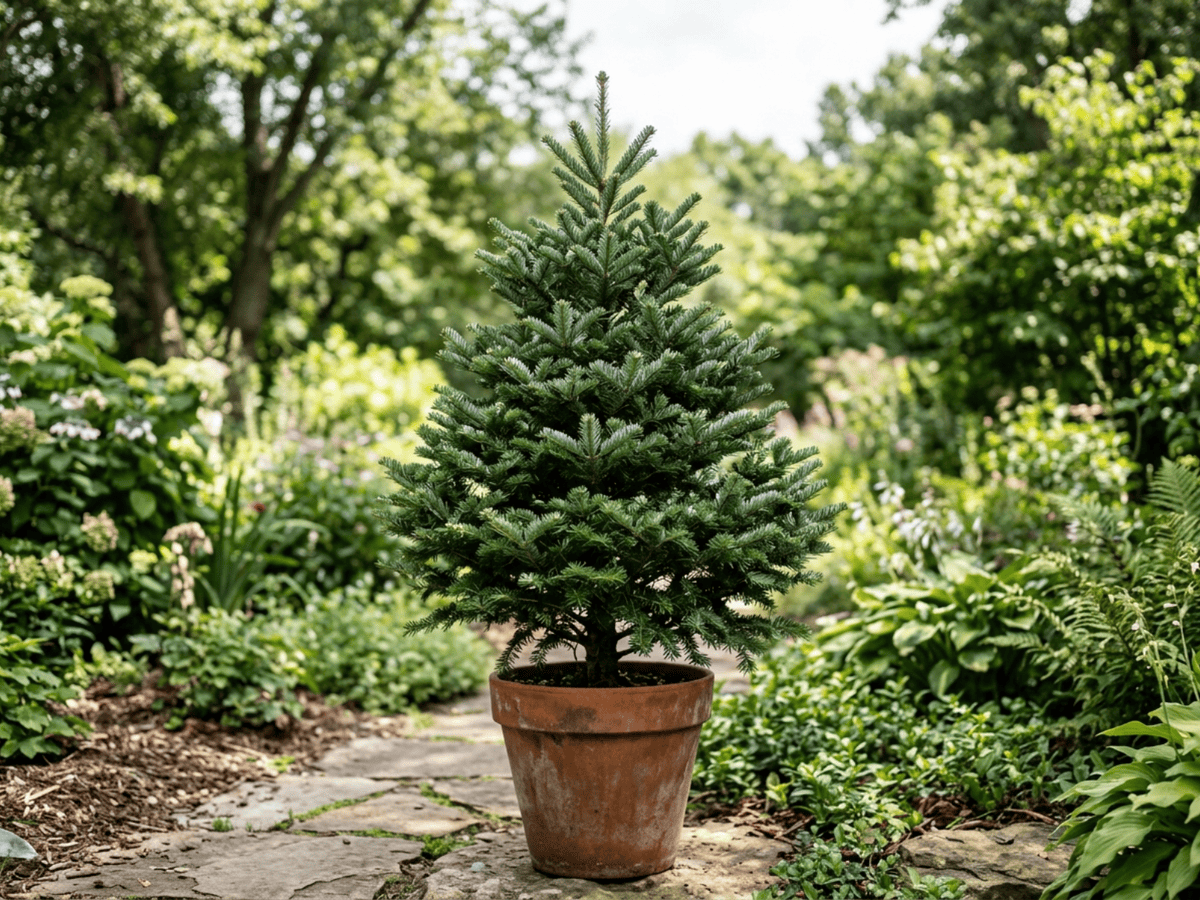 Fraser FirAbies fraseri
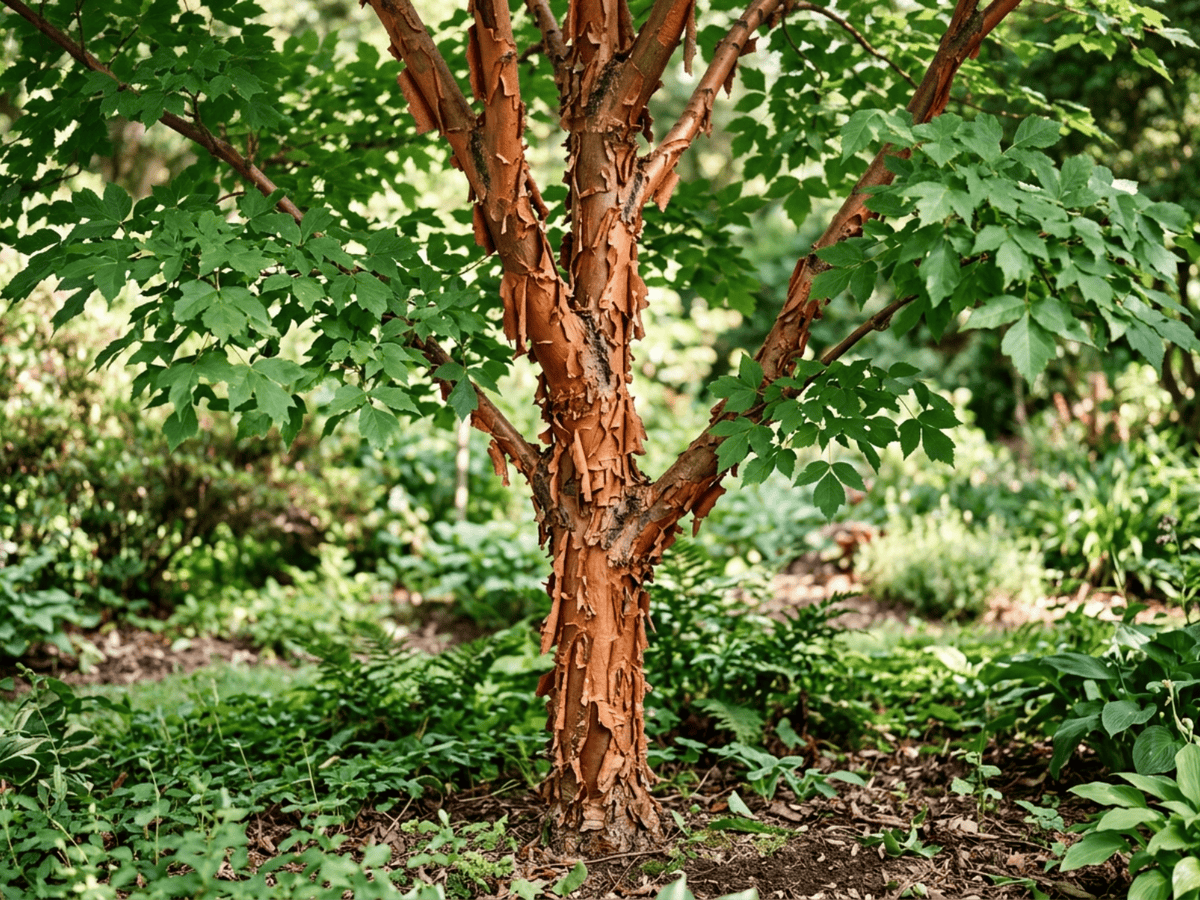 Paperbark MapleAcer griseum
 Sugar MapleAcer saccharum
Frequently asked questions
How often should I water Poppy Anemone?
Water about every 5 days during the growing season, and always let excess water drain away.
How much light does Poppy Anemone need?
Full sun: 6+ hrs direct. Watch the leaves — scorching or stretching means the light needs adjusting.
Is Poppy Anemone toxic to cats or dogs?
Pets Moderate (Dogs Moderate · Cats Moderate) Educational information, not medical or veterinary advice. If exposure is suspected, contact a doctor or veterinarian.
Is Poppy Anemone easy to grow?
It is moderately demanding: a good choice once you have a little experience.
When does Poppy Anemone bloom?
It typically blooms Mar–May in the Northern Hemisphere.
YardMate
Identify any plant in seconds
Snap a photo — YardMate names the plant, diagnoses problems, and reminds you when to water.
Download on the App Store