 YardMate


Swamp Milkweed
Asclepias incarnata
Easy · Beginner friendlyAbout Swamp Milkweed
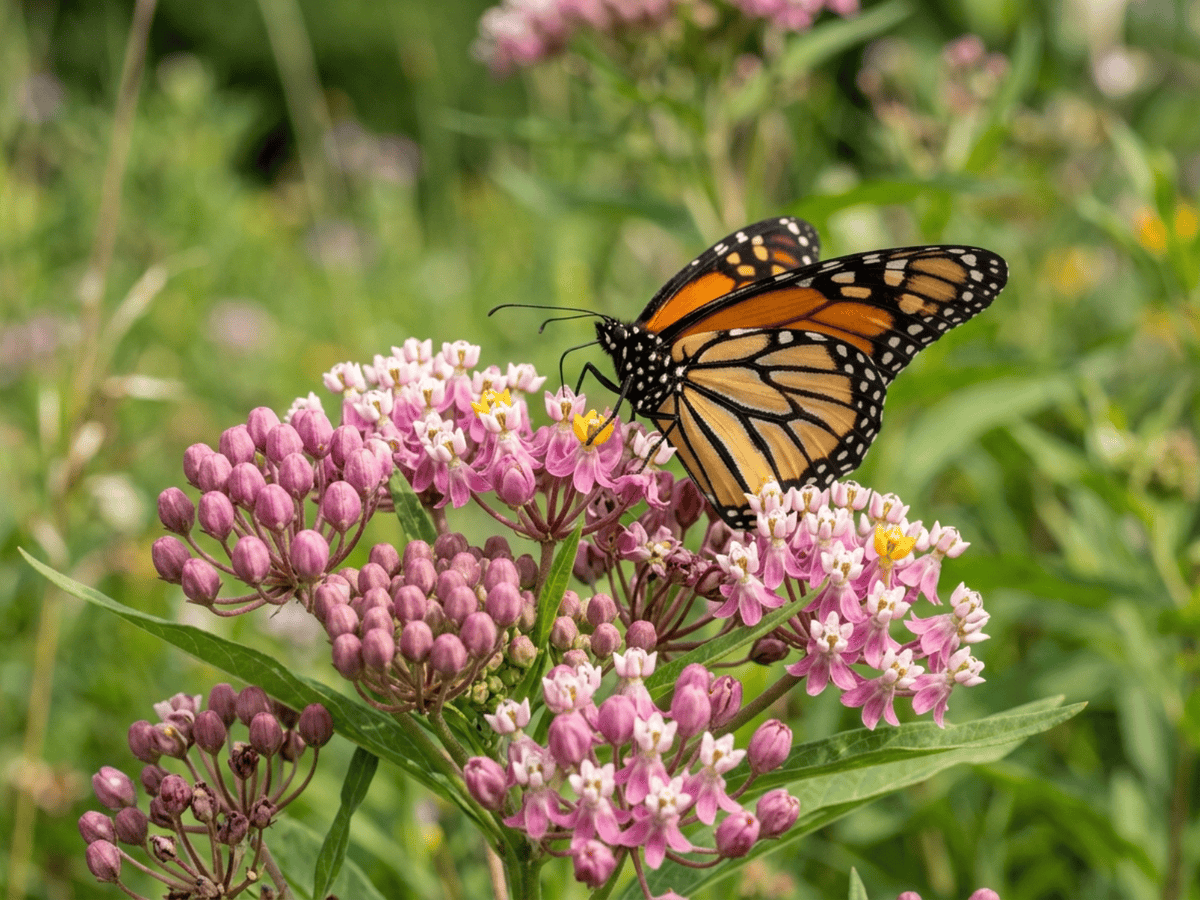
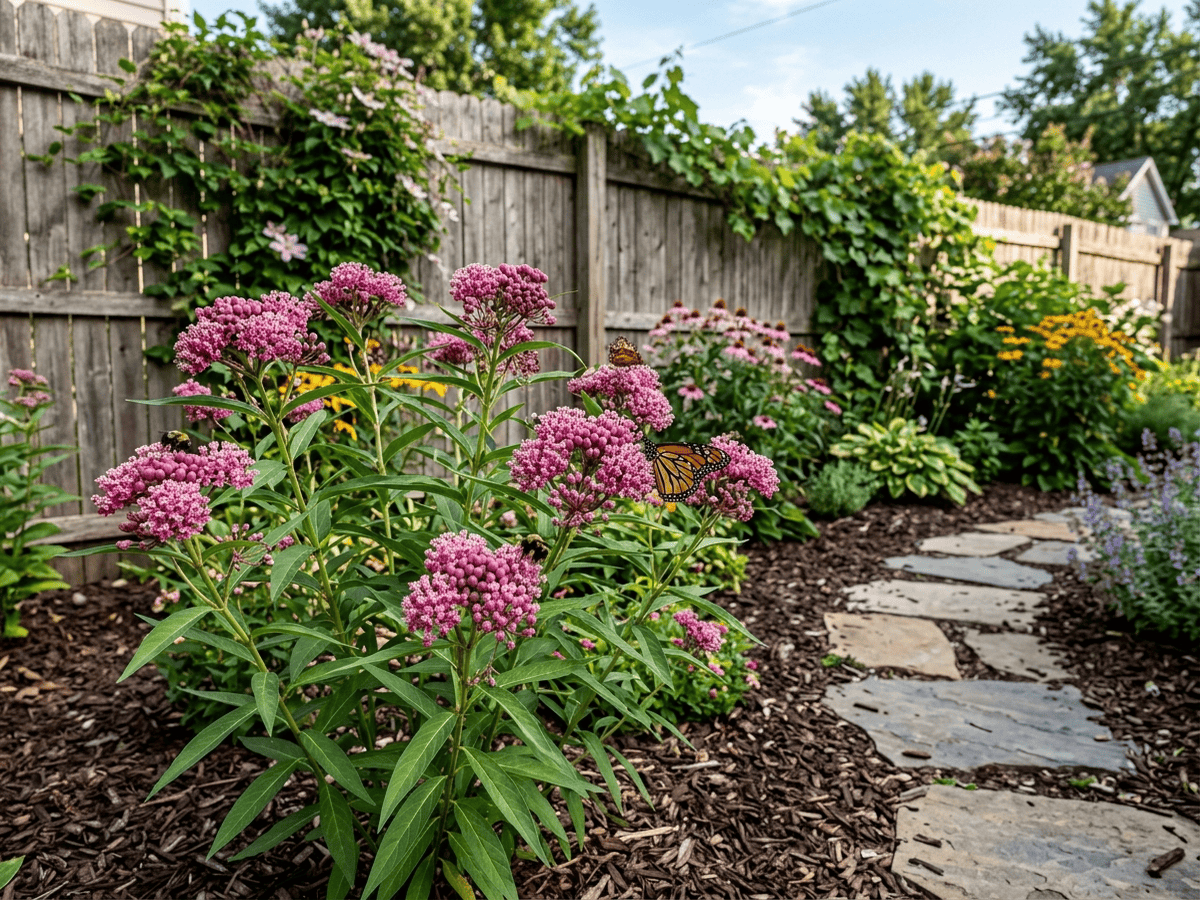
Asclepias incarnata, swamp milkweed, is a graceful moisture-loving native perennial that serves as a vital host plant for monarch butterflies. Unlike its dryland cousin butterfly weed, swamp milkweed thrives in wet soils along streams, pond edges, and rain gardens, growing 90–150 cm tall with willowy, lance-shaped leaves and clusters of dusty-pink to mauve flowers that attract an extraordinary diversity of pollinators. Each flower is a miniature marvel of engineering — its complex structure traps insect feet momentarily, attaching pollen packets (pollinia) that are carried to the next flower. As a monarch host plant, female monarchs readily lay eggs on its leaves, and the caterpillars feed voraciously before pupating. It produces the characteristic milkweed pods that split in autumn to release seeds on silky filaments. More garden-friendly than common milkweed, it forms well-behaved clumps rather than spreading aggressively by rhizomes, making it ideal for cultivated settings.
- Native
- Pollinator-friendly
How to care for Swamp Milkweed
Watering
- Springevery 3 days
- Summerevery 2 days
- Fallevery 7 days
- Winterevery 30 days
Soil · Moisture-retentive
- Top dressingSphagnum moss10%
- Main mixPeat + coco coir 1:180%
- DrainagePerlite / gravel10%
Keep it evenly moist — but the drainage layer still matters.
FERTILIZER
Balanced Feed 14-14-14
An even feed covers all three needs at once, keeping leaves, roots and blooms moving together with nothing pushed out of balance.
- Nitrogen · Leaves
- Phosphorus · Roots + Blooms
- Potassium · Strength
- Springevery 60 days
At a Glance
- NativeNorth America
- Height3–5 ft (0.9–1.5 m)
- Spread2–3 ft (0.6–0.9 m)
- Flower colorPink, White
- Foliage colorGreen
- SoilMoisture-retentive, Loamy
- LocationsYard
Bloom time
BLOOM CYCLE
Peak bloom
Jun–Aug
Dusty-pink flower clusters in mid summer; thrives in wet soils and rain gardens
Fragrance
MODERATE FRAGRANCE
Sweet vanilla-cinnamon fragrance attractive to butterflies.
Toxicity
Humans Moderate · Pets Moderate
cardiac glycosides (cardenolides)
Moderate
- All
- Sap
- Ingestion
EXPOSURE Eating any part of the plant and sap.
EFFECT Milky latex contains cardiac glycosides and ingestion causes nausea, vomiting, cardiac effects.
NOTE Documented concern for humans: Milky latex contains cardiac glycosides and ingestion causes nausea, vomiting, cardiac effects.
Moderate
- All
- Sap
- Ingestion
EXPOSURE Eating any part of the plant and sap.
EFFECT Vomiting, diarrhea, weakness, cardiac arrhythmia possible.
NOTE ASPCA lists milkweeds as toxic to dogs, cats, and horses.
Moderate
- All
- Sap
- Ingestion
EXPOSURE Eating any part of the plant and sap.
EFFECT Same as dogs.
NOTE ASPCA lists milkweeds as toxic to dogs, cats, and horses.
Educational information, not medical or veterinary advice. If exposure is suspected, contact a doctor or veterinarian.
DISTRIBUTION


- Native
- Introduced
- North America
History

Asclepias incarnata is native to wet meadows, streamside margins, pond edges, and wetland habitats throughout most of North America, from southeastern Canada south to Florida and west to the Rocky Mountains. Unlike the more familiar common milkweed (A. syriaca), which spreads aggressively by rhizomes and is often considered too invasive for formal gardens, A. incarnata forms tidy non-spreading clumps that expand only gradually, making it one of the most horticulturally useful native milkweeds for designed garden and landscape installations. It produces flat-topped clusters of small pink (occasionally white, in "Ice Ballet") five-pointed flowers on 90-150 cm stems through summer. Its central ecological role is as a monarch butterfly host plant — monarch females preferentially lay eggs on A. incarnata and several other Asclepias species, and the resulting caterpillars feed exclusively on milkweed leaves.
A. incarnata is a major nectar source not only for monarchs but for a wide range of butterflies, native bees, and bumblebees. Popular cultivars include "Ice Ballet" (white flowers), "Cinderella" (vibrant pink), and "Soulmate." The common name "swamp milkweed" reflects its native wetland habitat preference — it thrives in rain gardens, detention basins, and pondside plantings where drier-adapted milkweeds struggle.
Asclepias incarnata grows naturally in wet meadows and stream banks across eastern North America. Indigenous peoples used the tough stem fibers to make cordage and the milky sap medicinally, though with great caution due to its cardiac glycoside content. Swamp milkweed is particularly valuable because it provides monarch habitat in wetter landscapes where butterfly weed cannot grow, extending the breeding range across diverse ecosystems. Conservation organizations now distribute millions of swamp milkweed plants for rain gardens, bioswales, and wetland restoration projects. The cultivar 'Ice Ballet' with pure white flowers and 'Cinderella' in deep rose-pink have expanded its appeal in ornamental gardens.
Symbolism & meaning
What It Symbolizes
Swamp Milkweed embodies devotion as the dedicated nursery plant of the monarch butterfly, its leaves feeding caterpillars that will travel a continent. Rooted in wetlands where water perpetually renews the earth, it speaks too of regeneration and hope. Its dusty pink umbels are at once selfless and luxuriant — a pollinator's banquet served from a marsh, sustaining the fragile journey of generations.
- Devotion — A dedicated monarch host plant symbolizing selfless nurturing and commitment
- Renewal — Thriving in wetlands where water renews the earth, representing regeneration and hope
Where the Name Comes From
The name Swamp Milkweed points to wetland habitats. Asclepias honors Asklepios, Greek god of physicians. Incarnata means 'flesh-colored' in Latin, describing the pink flowers.
Uses & Fun Facts
- Pink umbels feed monarch butterflies and native bees
- Host plant for monarch butterfly caterpillars
Related plants
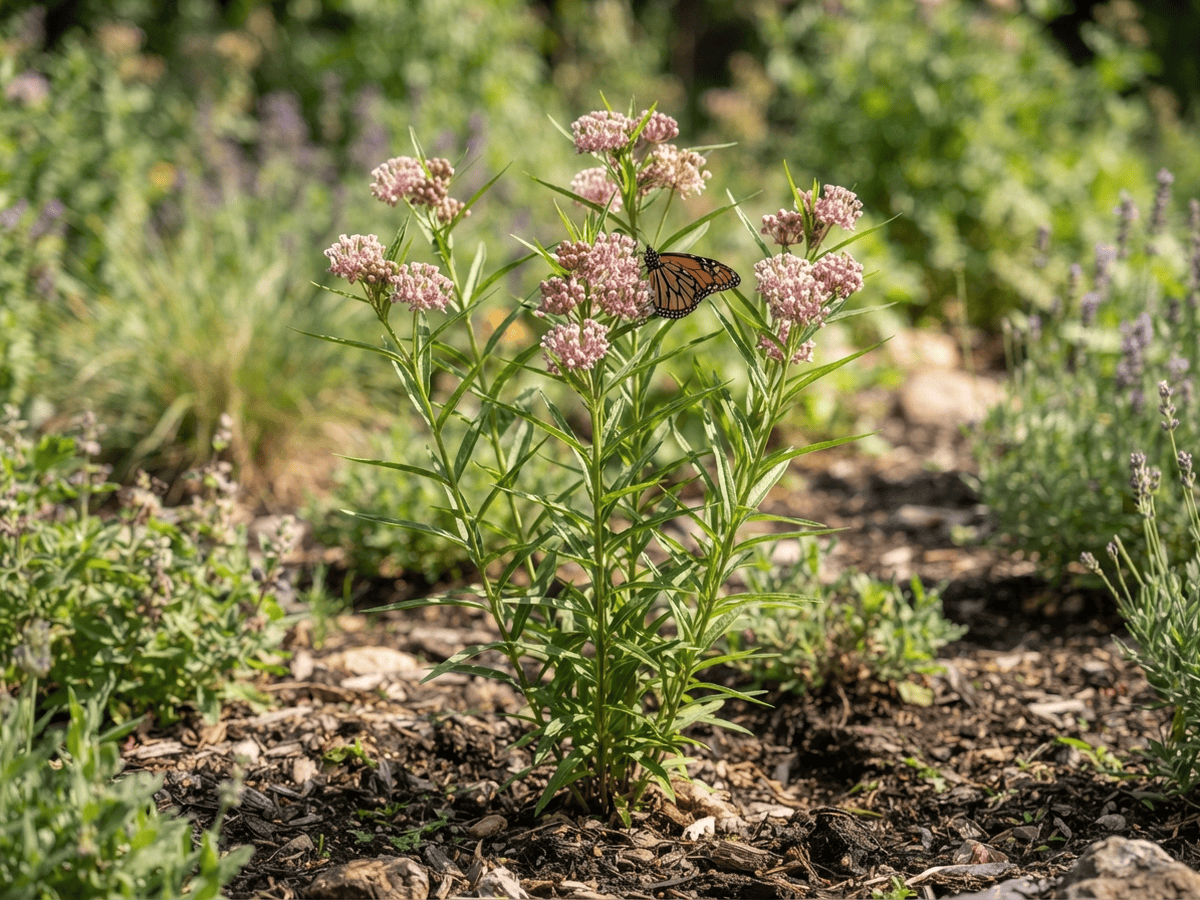
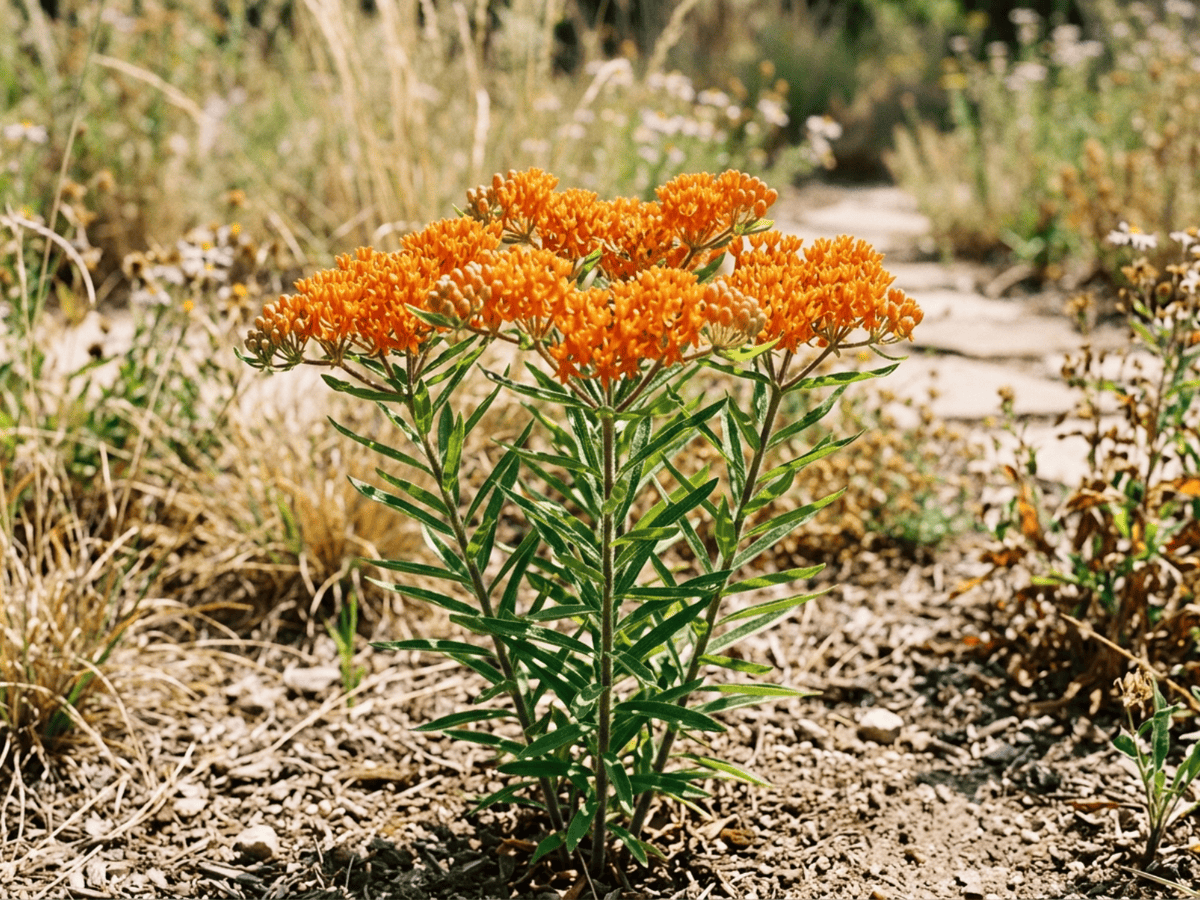
More Asclepias plants
Plants with similar care
 Chinese AbeliaAbelia chinensis
 Fragrant AbeliaAbelia mosanensis
 Large-Flowered AbeliaAbelia uniflora
 Glossy AbeliaAbelia x grandiflora
Frequently asked questions
How often should I water Swamp Milkweed?
In summer, water about every 2 days; in winter, about every 30 days. Adjust for heat, pot size and drainage.
How much light does Swamp Milkweed need?
Full sun: 6+ hrs direct. Watch the leaves — scorching or stretching means the light needs adjusting.
Is Swamp Milkweed toxic to cats or dogs?
Pets Moderate (Dogs Moderate · Cats Moderate) Educational information, not medical or veterinary advice. If exposure is suspected, contact a doctor or veterinarian.
Is Swamp Milkweed easy to grow?
Yes — it is considered an easy, beginner-friendly plant.
When does Swamp Milkweed bloom?
It typically blooms Jun–Aug in the Northern Hemisphere.
YardMate
Identify any plant in seconds
Snap a photo — YardMate names the plant, diagnoses problems, and reminds you when to water.
Download on the App Store