 YardMate


Deadly Nightshade
Atropa belladonna
Medium · Some experienceAbout Deadly Nightshade
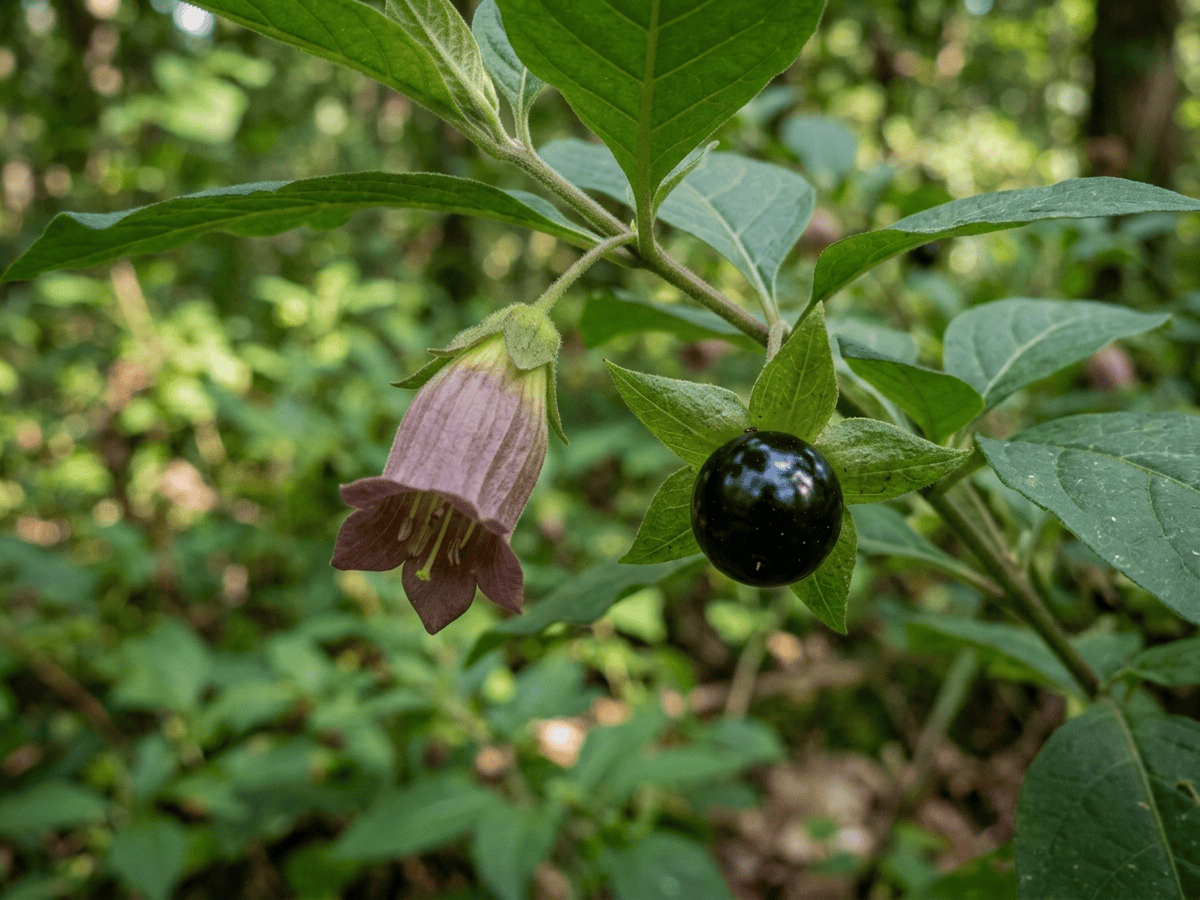
Atropa belladonna, deadly nightshade, is a perennial herbaceous plant native to Europe, North Africa, and western Asia. Plants reach 1.5 meters with dull green ovate leaves, small dull purple-green bell-shaped flowers in summer, and shiny black cherry-sized berries in autumn. Every part is extremely toxic — the species name 'belladonna' ('beautiful lady') refers to the Renaissance practice of women dilating their pupils with berry juice to appear more alluring.
The plant is one of Europe's most notorious poisons. Roman empress Livia allegedly poisoned her husband Augustus with belladonna berries; medieval witches reportedly used it in flying ointments. It was the poison of choice in ancient Rome; queen Agrippina used it to eliminate the emperor Claudius.
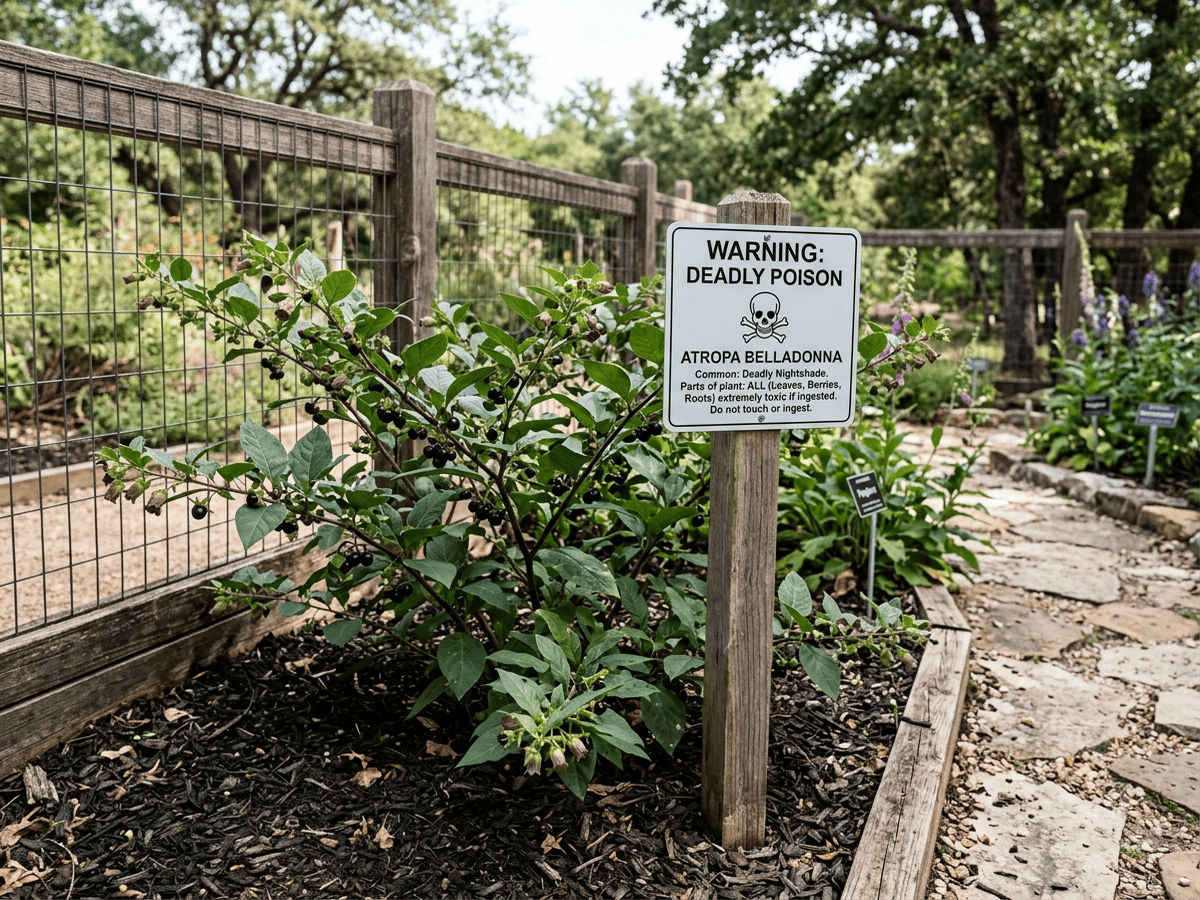
In modern pharmacology, Atropa remains critical: atropine (extracted from the plant) is used in cardiac arrest, as an antidote to nerve agent poisoning, and in ophthalmology to dilate pupils. Included in gardens only in botanical collections or secured poison gardens — never where children or pets can access.
- Medicinal
How to care for Deadly Nightshade
Watering
- Springevery 5 days
- Summerevery 4 days
- Fallevery 7 days
- Winterevery 21 days
Soil · Well-draining
- Top dressingPine bark mulch10%
- Main mixPotting soil + perlite 2:170%
- DrainageLECA / gravel20%
Never skip the drainage layer — standing water is the top cause of root rot.
FERTILIZER
Balanced Feed 14-14-14
An even feed covers all three needs at once, keeping leaves, roots and blooms moving together with nothing pushed out of balance.
- Nitrogen · Leaves
- Phosphorus · Roots + Blooms
- Potassium · Strength
- Springevery 30 days
At a Glance
- NativeEurope, Africa, Western Asia
- Height3–5 ft (0.9–1.5 m)
- Spread2–3 ft (0.6–0.9 m)
- Flower colorPurple
- Foliage colorGreen
- Fruit colorBlack
- SoilLoamy, Well-drained, Alkaline
- LocationsYard
Bloom time
BLOOM CYCLE
Peak bloom
Jun–Sep
Dull purple bells appear June-August; berries follow in late summer.
Fragrance
LIGHT FRAGRANCE
The flowers have a slightly unpleasant, musty scent.
Toxicity
Humans Severe · Pets Severe
atropine, scopolamine, and hyoscyamine
Severe
- All
- Ingestion
- Contact
EXPOSURE Eating any part of the plant. Touching any part of the plant.
EFFECT Dilated pupils, hallucinations, tachycardia, seizures, coma, death. 2-3 berries fatal to a child.
NOTE Extremely dangerous. Every part deadly. Keep away from all children and pets.
Severe
- All
- Ingestion
EXPOSURE Eating any part of the plant.
EFFECT Tropane alkaloid poisoning: dilated pupils, tachycardia, seizures, death.
NOTE Extremely dangerous. Every part deadly. Keep away from all children and pets.
Severe
- All
- Ingestion
EXPOSURE Eating any part of the plant.
EFFECT Tropane alkaloid poisoning and fatal in small amounts.
NOTE Extremely dangerous. Every part deadly. Keep away from all children and pets.
Educational information, not medical or veterinary advice. If exposure is suspected, contact a doctor or veterinarian.
DISTRIBUTION


- Native
- Europe
- Africa
- Western Asia
History
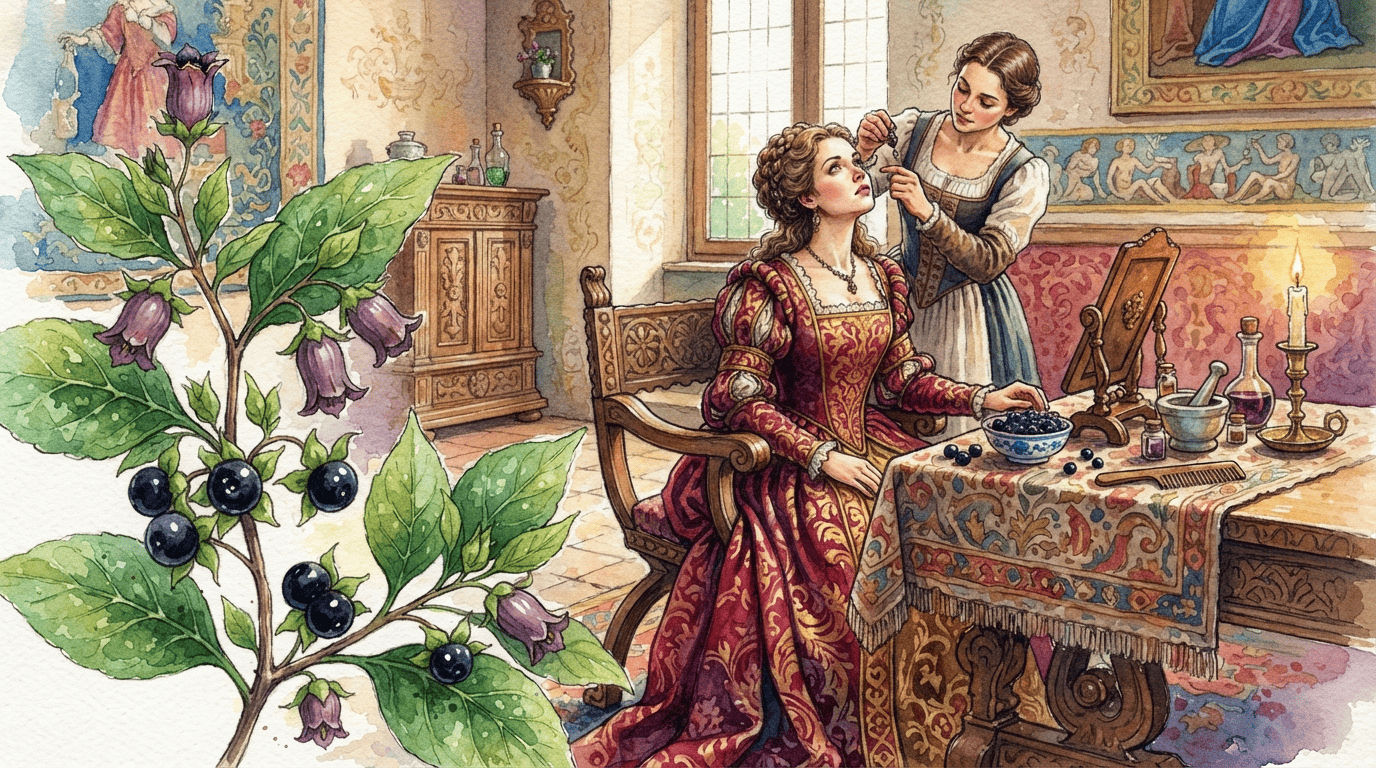
Atropa belladonna, deadly nightshade, is native to Europe, North Africa, and western Asia. The genus name honors Atropos, one of the three Fates in Greek mythology — the one who cut the thread of human life. The species name 'belladonna' (beautiful lady) refers to the Renaissance Italian practice of women putting drops of berry juice in their eyes to dilate the pupils, which was considered alluring.
The plant's notoriety in antiquity and medieval Europe made it the archetypal poison: Roman empress Livia was rumored to have killed Augustus with belladonna berries; Agrippina reportedly poisoned Claudius with it. Medieval witch trials associated it with flying ointments containing scopolamine (a related alkaloid). Modern pharmacology extracts atropine from the plant — a life-critical drug used for bradycardia, cardiac arrest, organophosphate pesticide poisoning, nerve agent exposure (sarin, VX), and in ophthalmology to dilate pupils for eye exams.
Despite its medical value, the plant itself is grown only in botanical collections, research gardens, or secured poison gardens (notably Alnwick Poison Garden in Northumberland). Every part is extremely toxic; 2-3 berries can kill a child. One of antiquity's most famous poisons.
Symbolism & meaning
What It Symbolizes
Deadly Nightshade is beauty with a locked door. The glossy black berries, purple bells, and long history of fear make the plant feel almost theatrical, as if folklore had taken botanical form. Its symbolism is forbidden knowledge: alluring, powerful, and never innocent.
- Danger — One of history's most feared plant poisons
- Paradox — Deadly poison and life-saving medicine in one plant
Where the Name Comes From
Atropa from Atropos, the Greek Fate who cut the thread of life; 'belladonna' ('beautiful lady') refers to cosmetic use for pupil dilation.
Uses & Fun Facts
- Source of pharmaceutical atropine and scopolamine alkaloids
- Historic European herb associated with witchcraft and renaissance cosmetics
Related plants
Plants with similar care
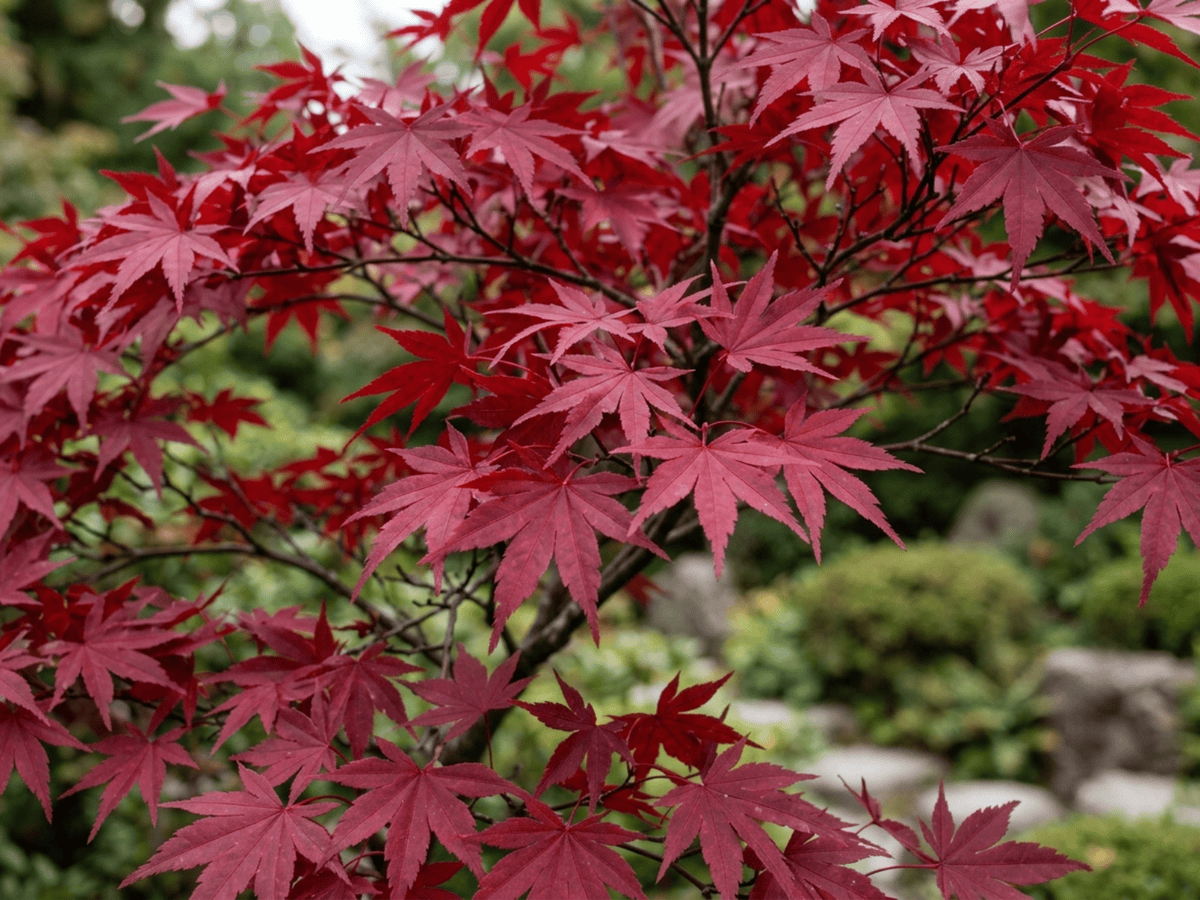 Japanese MapleAcer palmatum
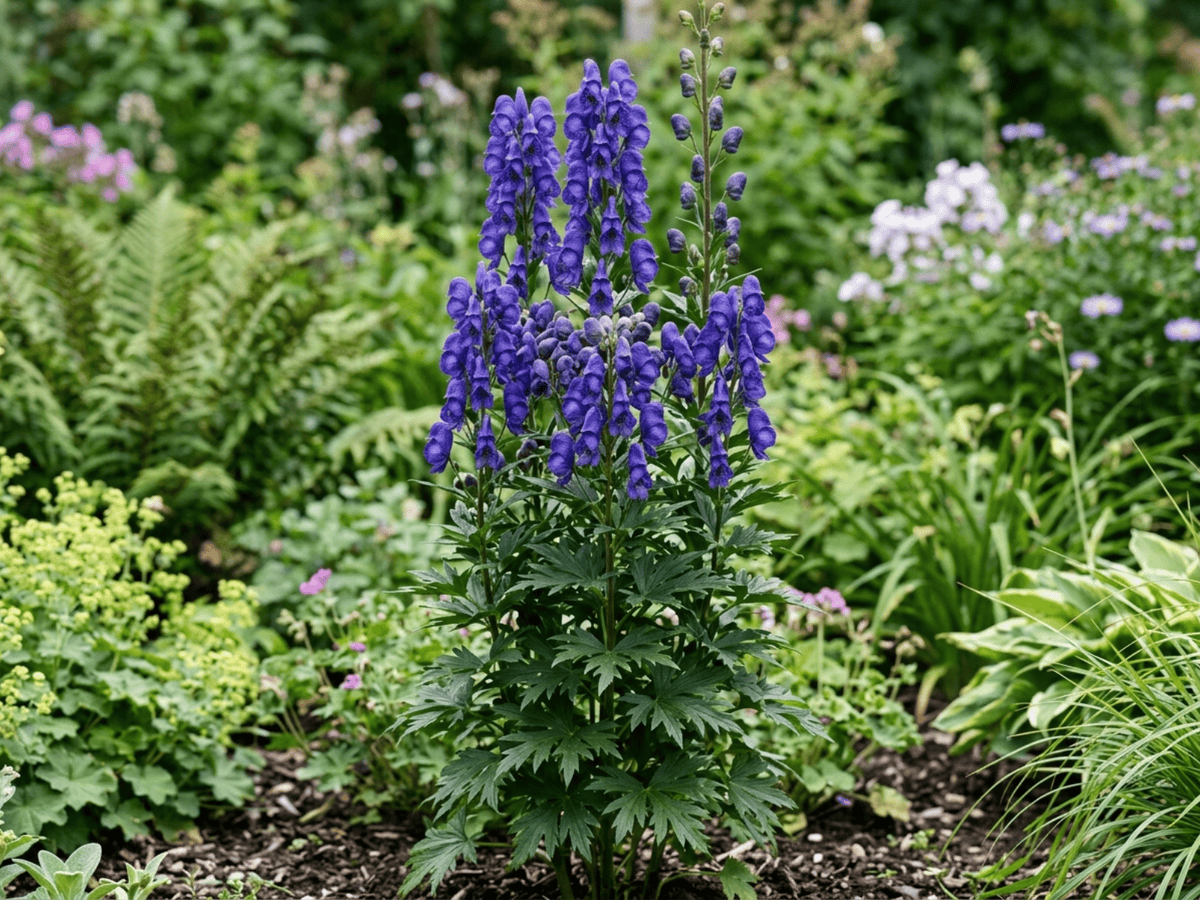 Azure MonkshoodAconitum carmichaelii
 Florida HobblebushAgarista populifolia
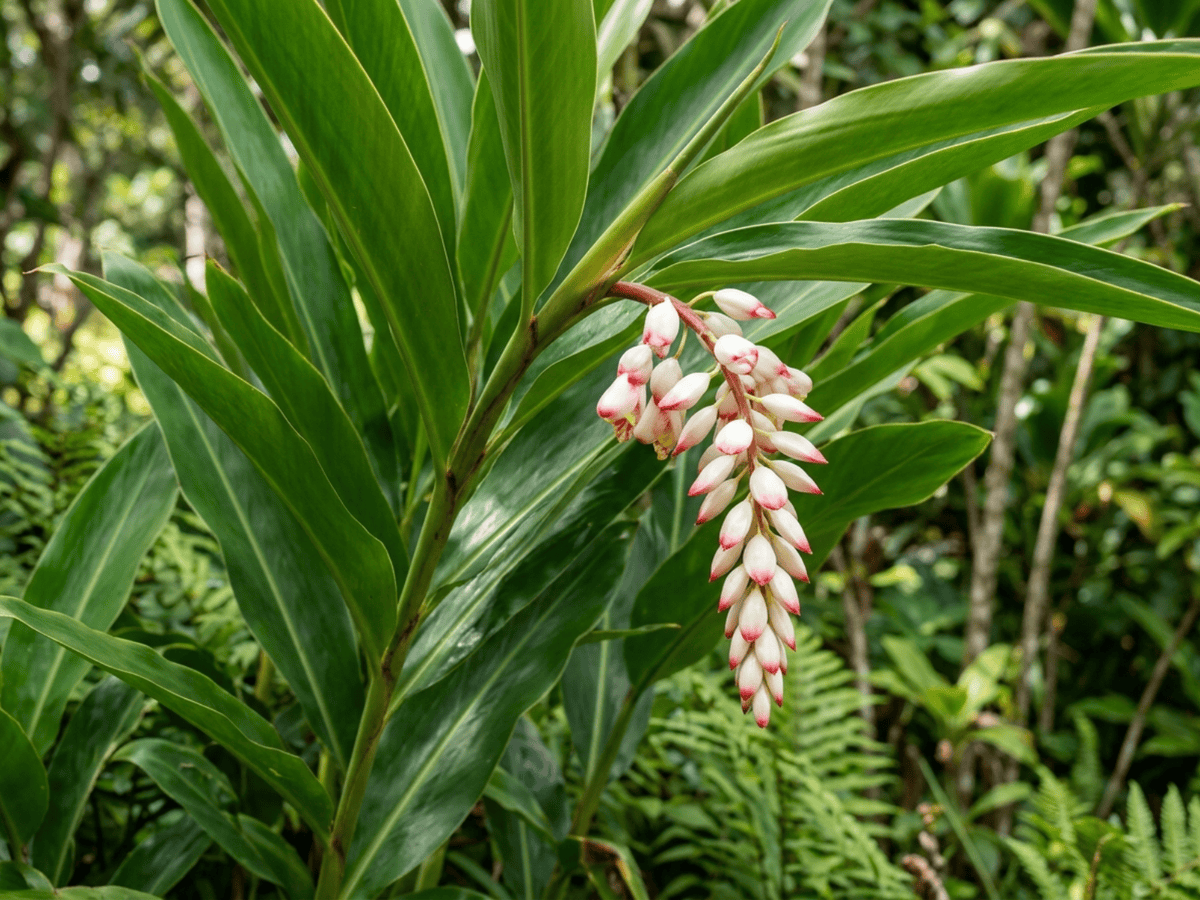 Shell GingerAlpinia zerumbet
Frequently asked questions
How often should I water Deadly Nightshade?
In summer, water about every 4 days; in winter, about every 21 days. Adjust for heat, pot size and drainage.
How much light does Deadly Nightshade need?
Part shade: 2–4 hrs direct. Watch the leaves — scorching or stretching means the light needs adjusting.
Is Deadly Nightshade toxic to cats or dogs?
Pets Severe (Dogs Severe · Cats Severe) Educational information, not medical or veterinary advice. If exposure is suspected, contact a doctor or veterinarian.
Is Deadly Nightshade easy to grow?
It is moderately demanding: a good choice once you have a little experience.
When does Deadly Nightshade bloom?
It typically blooms Jun–Sep in the Northern Hemisphere.
YardMate
Identify any plant in seconds
Snap a photo — YardMate names the plant, diagnoses problems, and reminds you when to water.
Download on the App Store