 YardMate
Rhododendron Viscosum
Azalea viscosa
Easy · Beginner friendlyAbout Rhododendron Viscosum
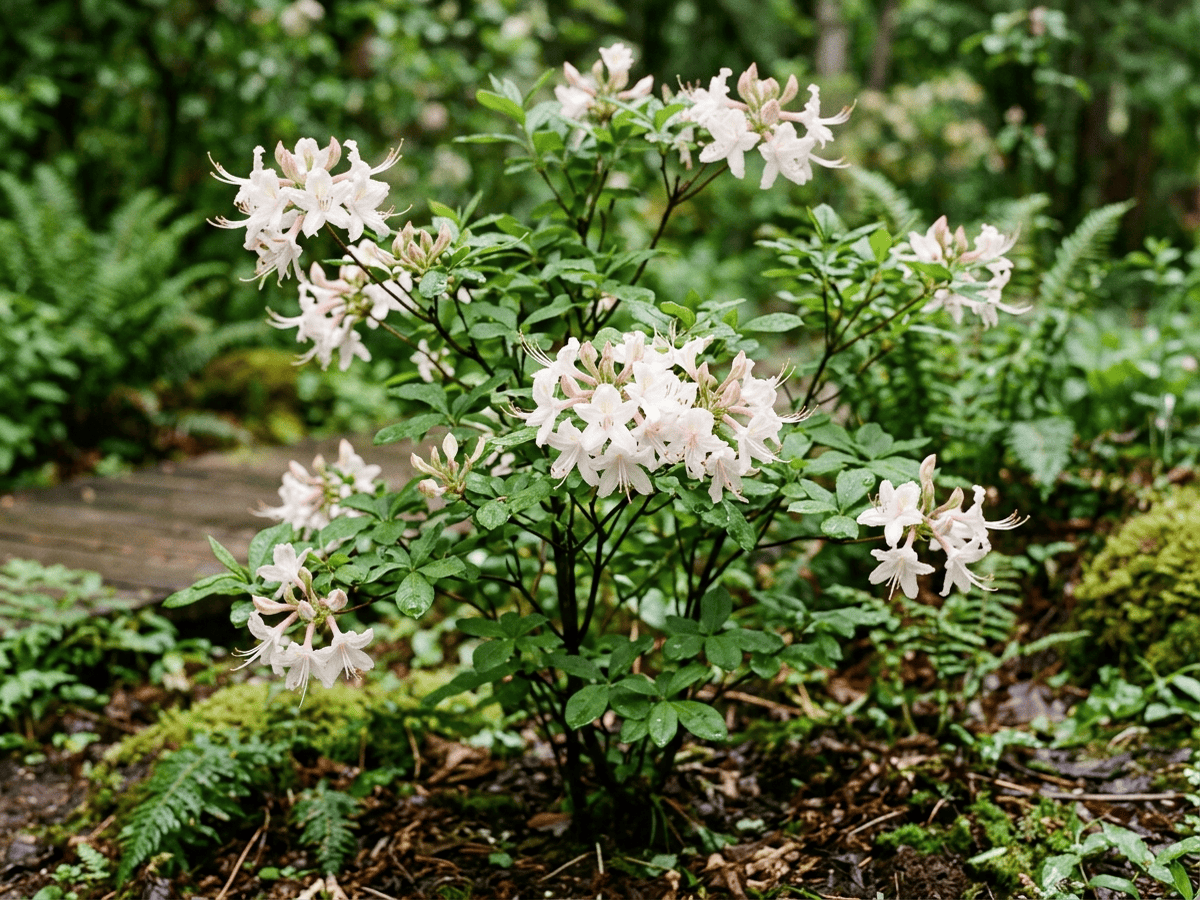
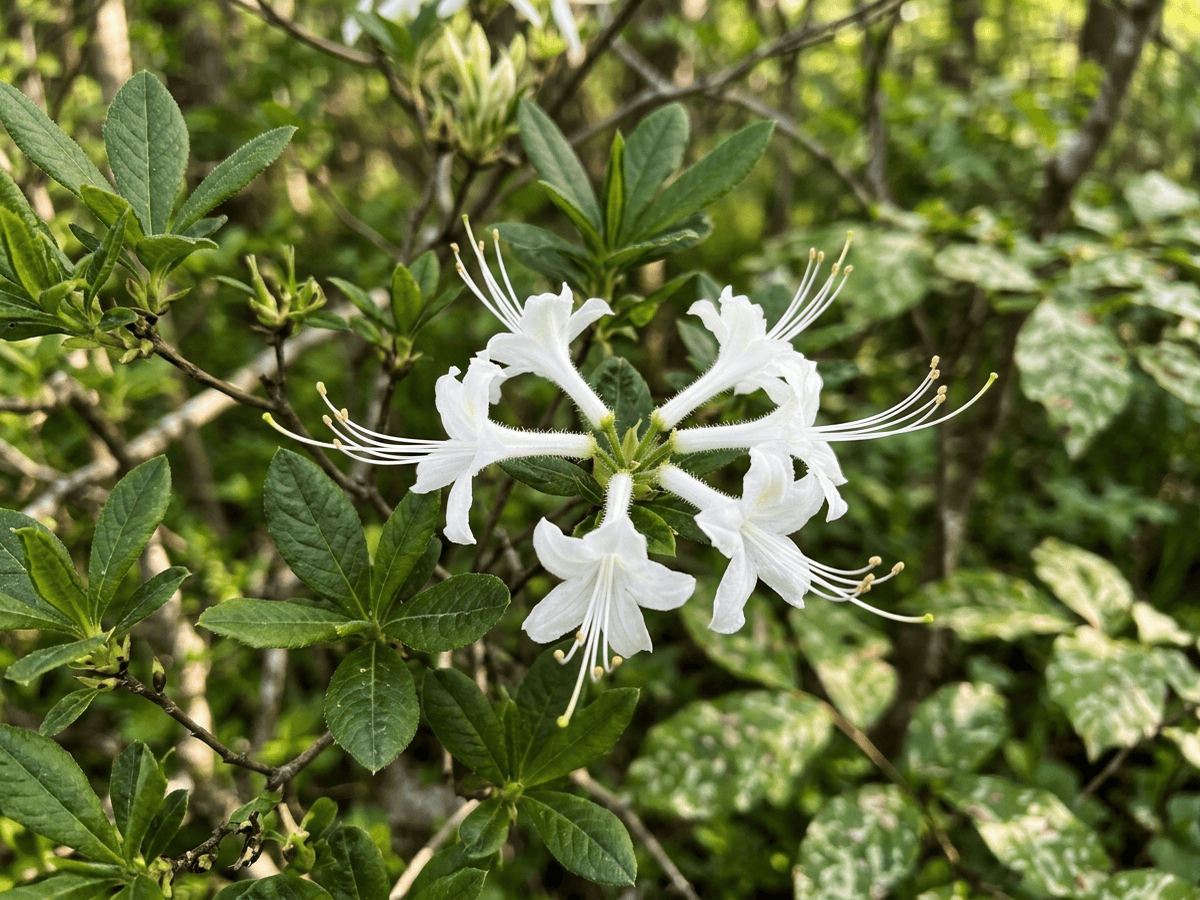
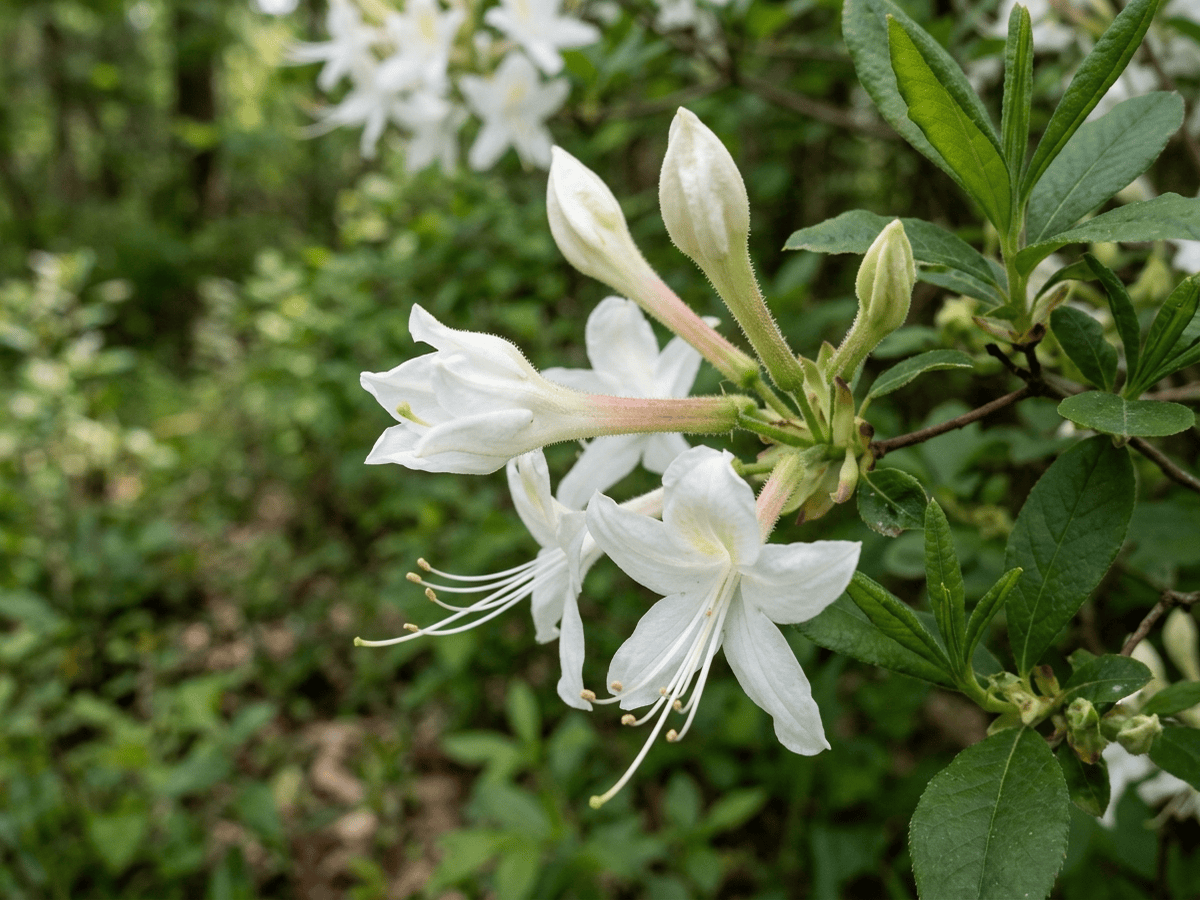
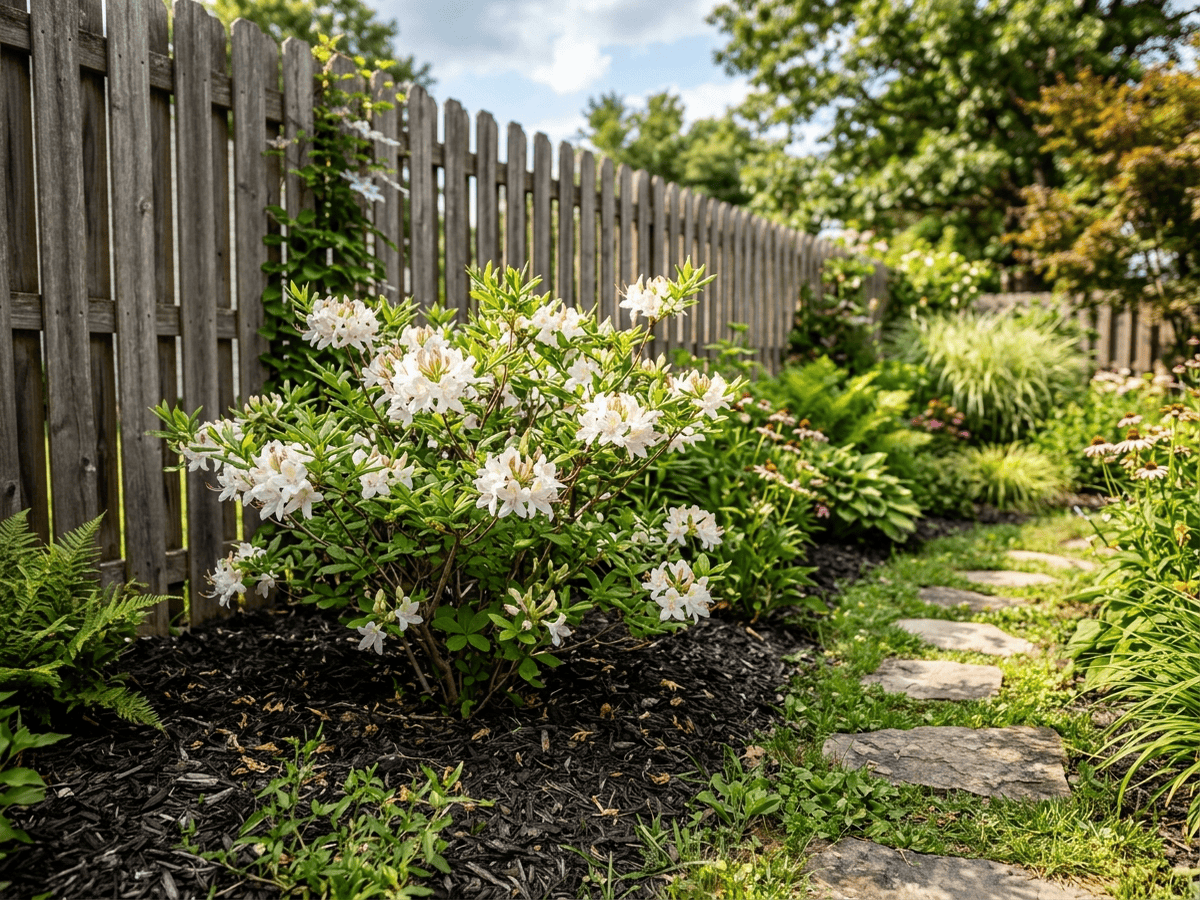
Swamp Azalea is a deciduous native azalea of the eastern United States, growing 3-8 feet tall in moist woodlands and wetland edges from Maine to Florida. Its white to pale pink tubular flowers, often blushed with pink, are intensely fragrant with a spicy-sweet scent that perfumes the surrounding area. Blooming in late June through July, it is one of the last native azaleas to flower. The species name 'viscosa' refers to the sticky, glandular flower tubes.
- Fragrant
- Native
- Pollinator-friendly
How to care for Rhododendron Viscosum
Watering
- Springevery 3 days
- Summerevery 3 days
- Fallevery 5 days
- Winterevery 10 days
Soil · Acidic · pH 4.5–6
- Top dressingPine needle mulch10%
- Main mixAcid-lover mix + peat 3:175%
- DrainageGravel15%
Never add lime or wood ash — it cancels out the acidity.
FERTILIZER
Acid-Loving Feed 4-3-4
One bag does both jobs. An acid feed carries the usual nitrogen, phosphorus and potassium, plus the sulfur and iron that keep the soil sour enough for the roots to take them up at all.
- Nitrogen · Leaves
- Phosphorus · Roots + Blooms
- Potassium · Strength
- Springevery 30 days
At a Glance
- NativeNorth America
- Height5–8 ft (1.5–2.4 m)
- Spread5–8 ft (1.5–2.4 m)
- Flower colorWhite, Pink
- Foliage colorGreen, Yellow, Bronze, Red
- SoilAcidic, Moisture-retentive, Loamy
- LocationsYard
Bloom time
BLOOM CYCLE
Peak bloom
Jun–Jul
Fragrant white-pink flowers June to July
Fragrance
STRONG FRAGRANCE
Intense clove-spice fragrance, especially strong on humid summer evenings.
Toxicity
Humans Toxic · Pets Toxic
grayanotoxins
Toxic
- Leaf
- Flower
- Ingestion
EXPOSURE Eating leaves and flowers.
EFFECT Nausea, vomiting, cardiac effects from grayanotoxins.
NOTE Documented concern for humans: Nausea, vomiting, cardiac effects from grayanotoxins.
Toxic
- Leaf
- Flower
- Ingestion
EXPOSURE Eating leaves and flowers.
EFFECT Vomiting, diarrhea, weakness, cardiac arrhythmia.
NOTE ASPCA toxic. All Rhododendron/Azalea severely toxic. Honey from flowers can cause 'mad honey' intoxication.
Toxic
- Leaf
- Flower
- Ingestion
EXPOSURE Eating leaves and flowers.
EFFECT Vomiting, diarrhea, weakness, cardiac arrhythmia.
NOTE ASPCA toxic. All Rhododendron/Azalea severely toxic. Honey from flowers can cause 'mad honey' intoxication.
Educational information, not medical or veterinary advice. If exposure is suspected, contact a doctor or veterinarian.
DISTRIBUTION


- Native
- North America
History
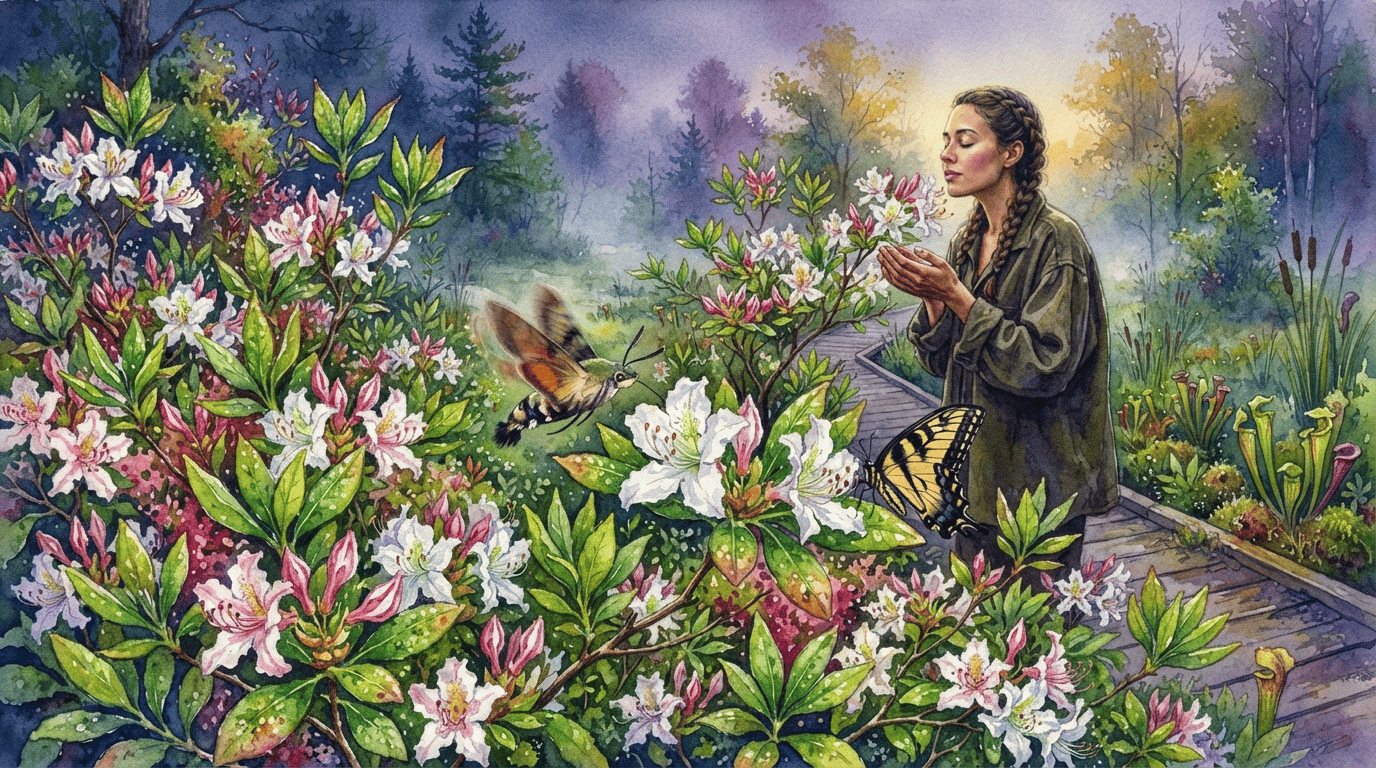
Rhododendron viscosum (published by Linnaeus as Azalea viscosa in 1753, later transferred when the genus Azalea was merged into Rhododendron) occurs naturally from Maine and Quebec south through the Atlantic and Gulf states to Florida and Texas, typically in acidic swamps, bogs, pond margins, and moist pine flatwoods. The epithet viscosa means sticky, referring to the glandular-sticky flower tubes and twigs. It is one of the last native azaleas to bloom (late June through August depending on latitude), opening white to pink tubular flowers after the leaves have expanded.
The fragrance is arguably the strongest of any native azalea—a rich spicy clove-honey scent carrying through humid summer air. Indigenous peoples and early herbalists used the species cautiously for medicinal purposes despite its toxicity.
Major breeder Polly Hill and others used R. Its tolerance of wet soils makes it ideal for rain gardens and naturalistic streamside plantings—a growing trend in sustainable American landscaping. Swallowtail butterflies and sphinx moths are its primary pollinators, visiting the fragrant flowers at dusk. viscosum extensively in modern deciduous azalea breeding to contribute late bloom, intense fragrance, and wet-site tolerance.
Symbolism & meaning
What It Symbolizes
Swamp Azalea carries serenity, its fragrant white flowers drifting along quiet wetland streams like small lanterns of stillness. With this comes purity — pristine blooms unmarred by the tangled, mossy world around them. To meet it in a Southern bottomland is to feel the hush of clean water and slow time, a quiet sanctuary held in flower form.
- Serenity — fragrant white flowers in tranquil wetland settings
- Purity — pristine white blooms along quiet streams
Where the Name Comes From
'Viscosa' means 'sticky' in Latin, referring to the glandular-sticky flower tubes that trap small insects.
Uses & Fun Facts
- Sticky white spice-scented blooms perfume midsummer wetland gardens
- Long-tubed flowers feed swallowtail butterflies and hummingbirds
Related plants
More Azalea plants
Plants with similar care
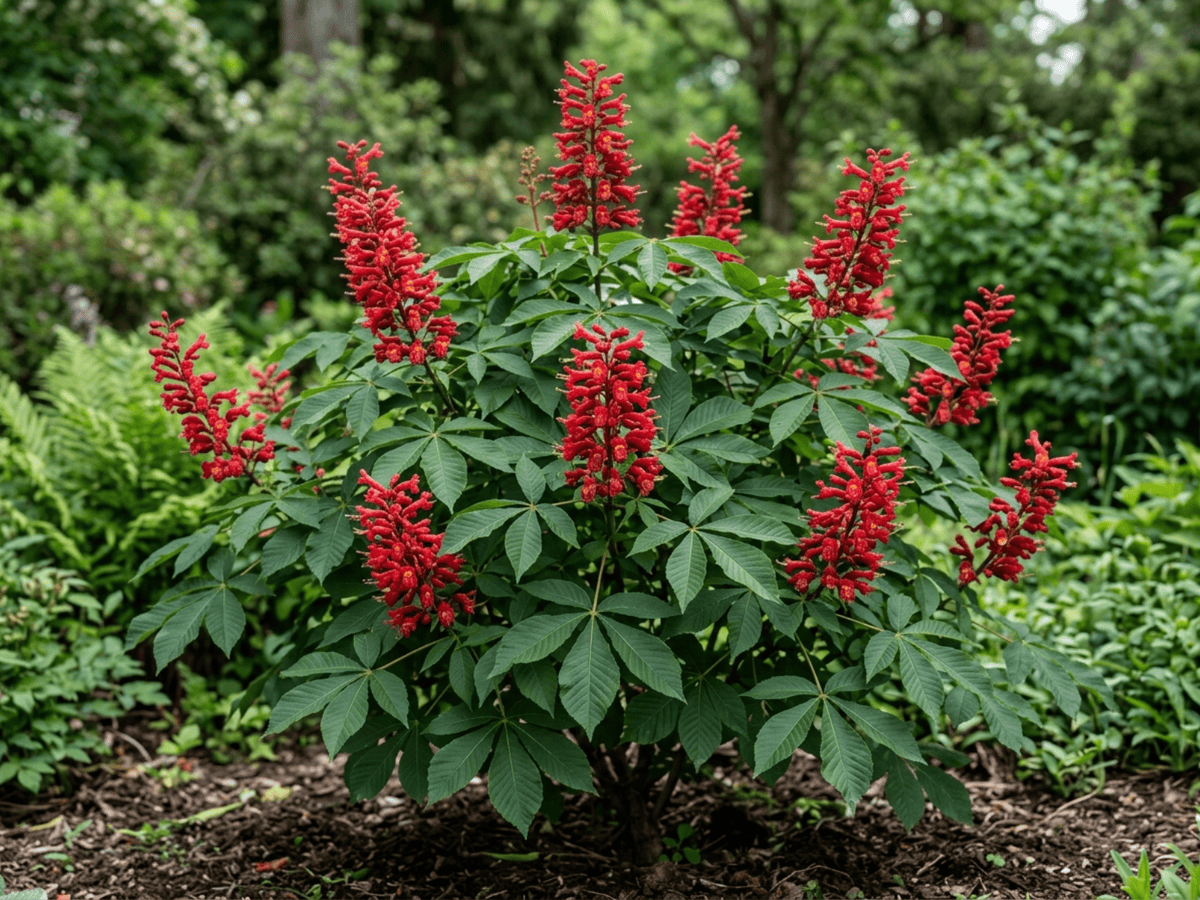 Red BuckeyeAesculus pavia
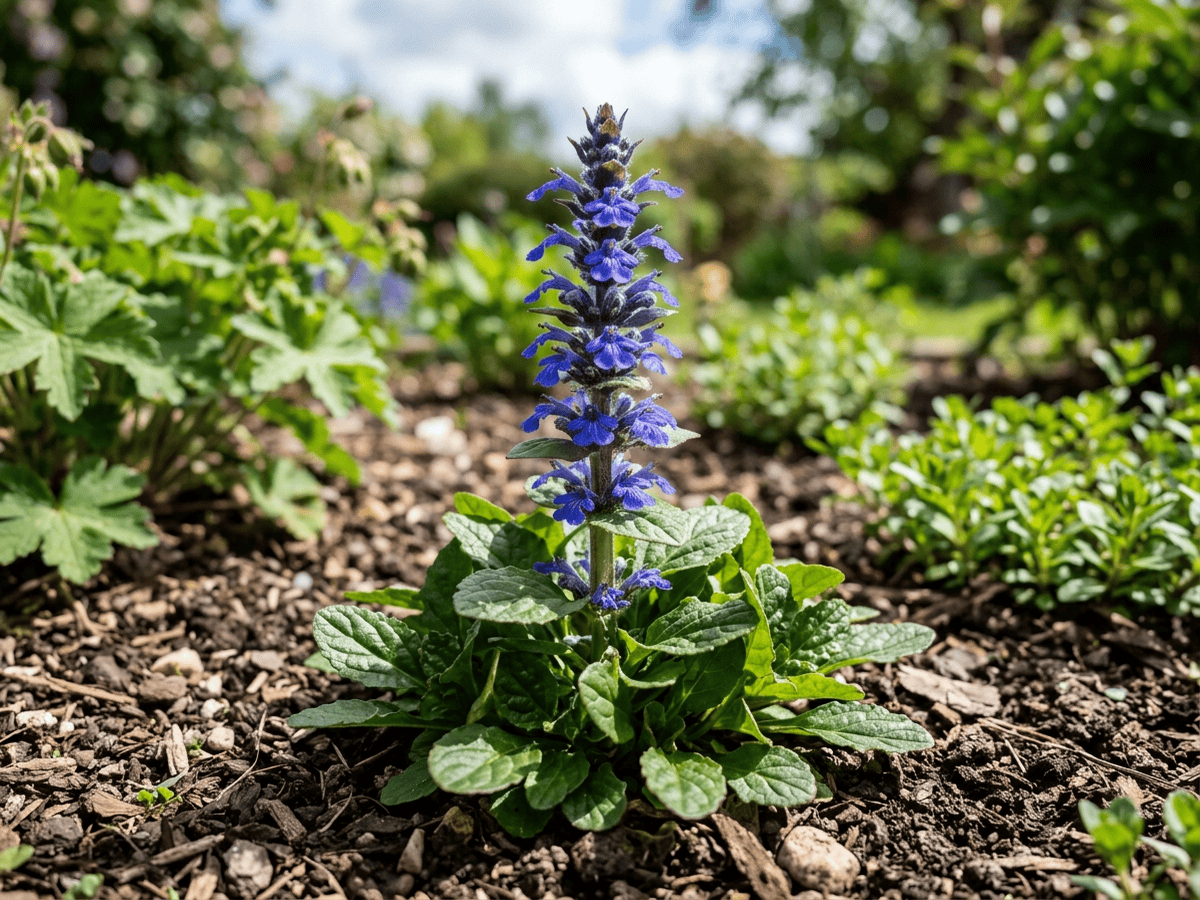 Blue BugleAjuga genevensis
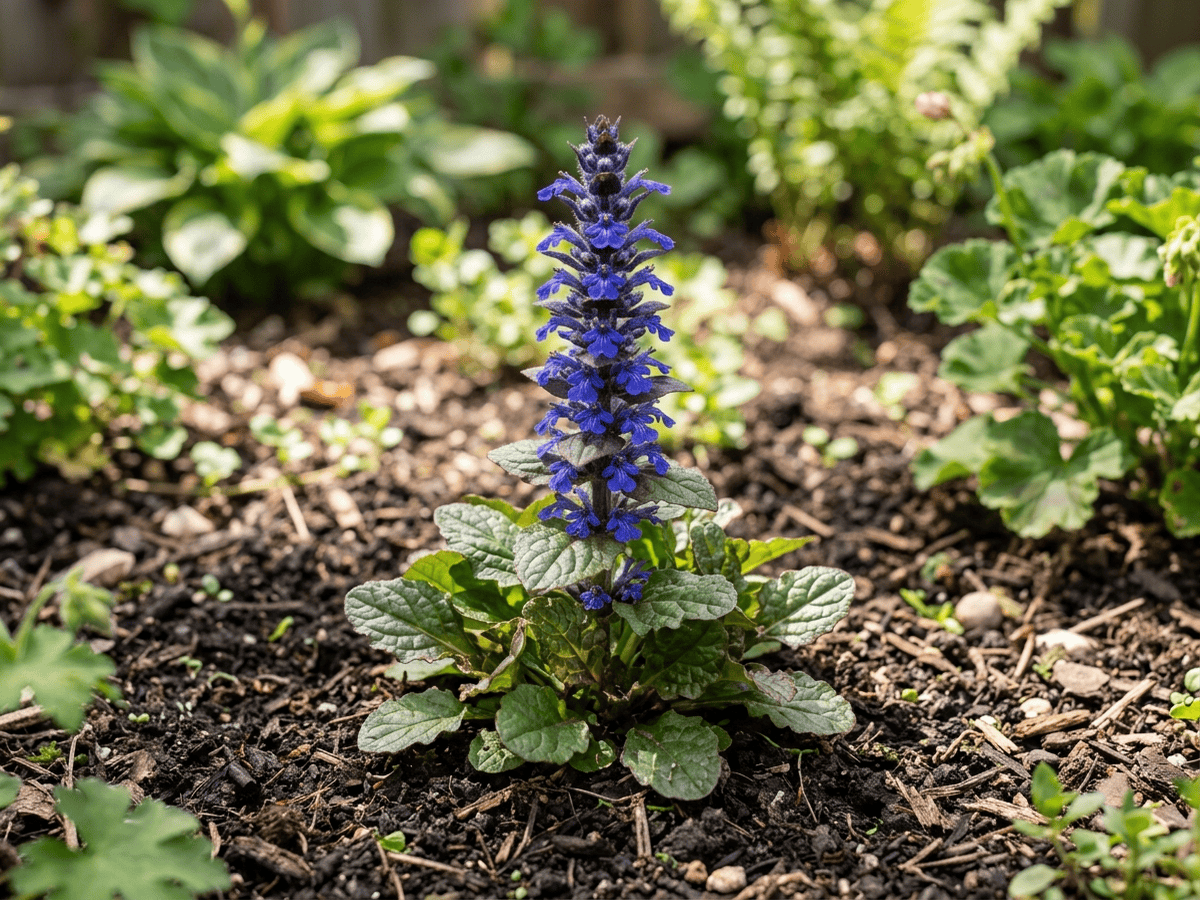 Pyramidal BugleAjuga pyramidalis
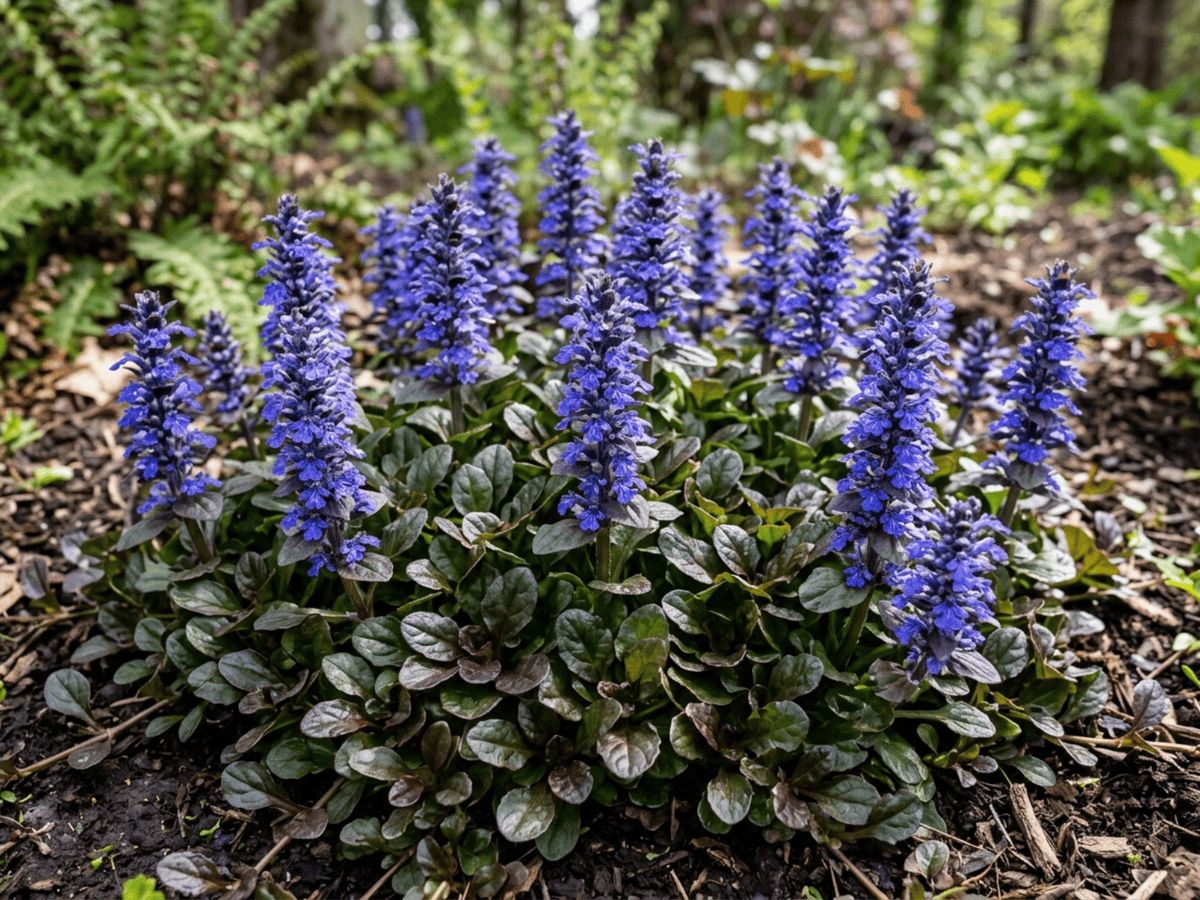 Carpet BugleAjuga reptans
Frequently asked questions
How often should I water Rhododendron Viscosum?
In summer, water about every 3 days; in winter, about every 10 days. Adjust for heat, pot size and drainage.
How much light does Rhododendron Viscosum need?
Part shade: 2–4 hrs direct. Watch the leaves — scorching or stretching means the light needs adjusting.
Is Rhododendron Viscosum toxic to cats or dogs?
Pets Toxic (Dogs Toxic · Cats Toxic) Educational information, not medical or veterinary advice. If exposure is suspected, contact a doctor or veterinarian.
Is Rhododendron Viscosum easy to grow?
Yes — it is considered an easy, beginner-friendly plant.
When does Rhododendron Viscosum bloom?
It typically blooms Jun–Jul in the Northern Hemisphere.
YardMate
Identify any plant in seconds
Snap a photo — YardMate names the plant, diagnoses problems, and reminds you when to water.
Download on the App Store