 YardMate
Japanese Azalea
Azalea japonica
Medium · Some experienceAbout Japanese Azalea
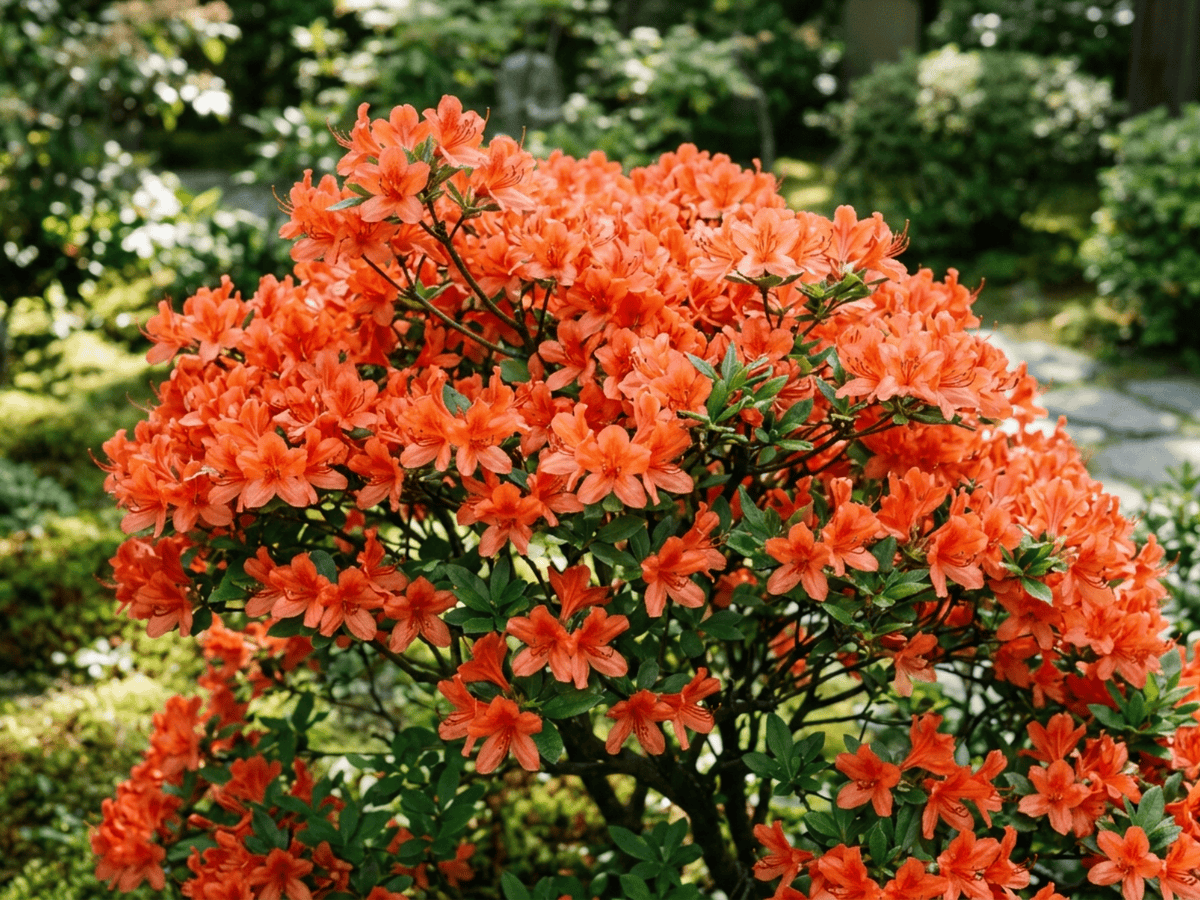
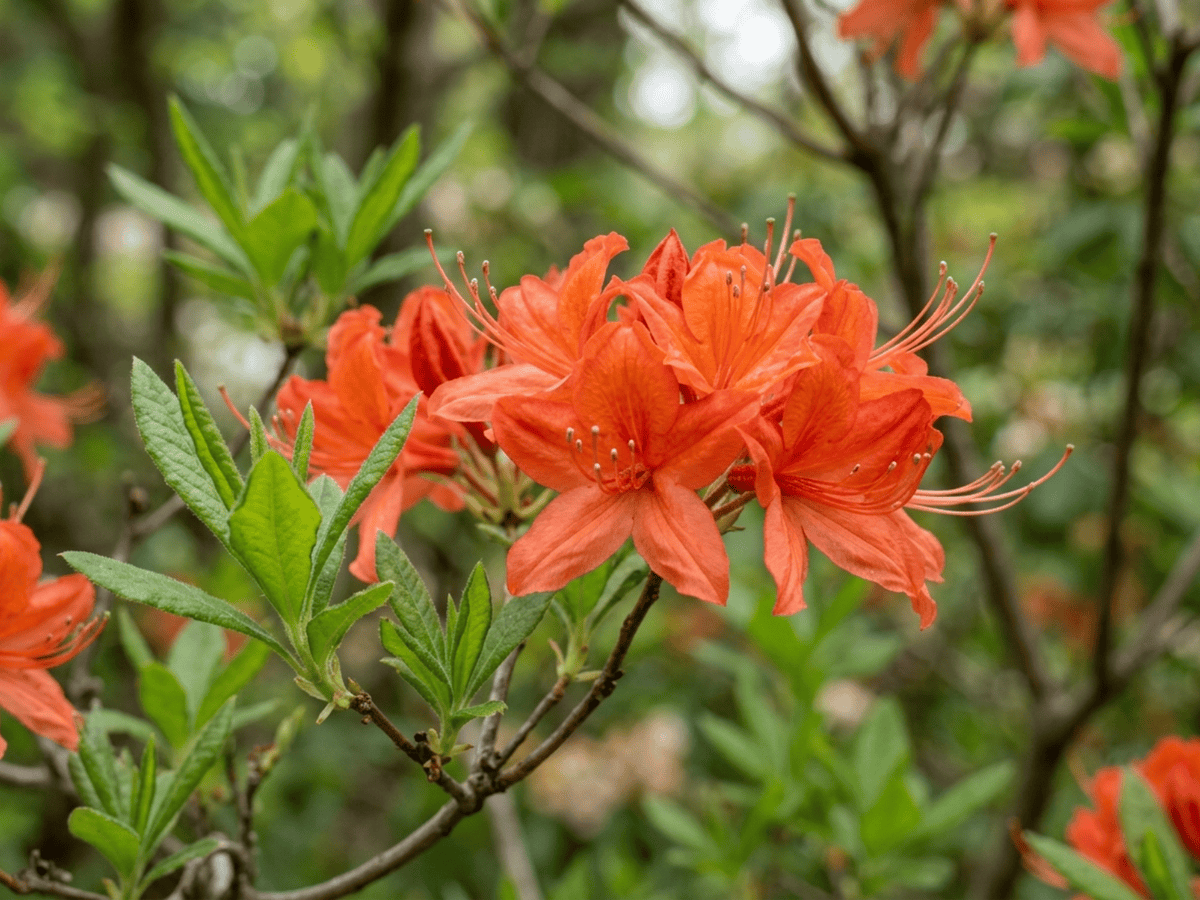
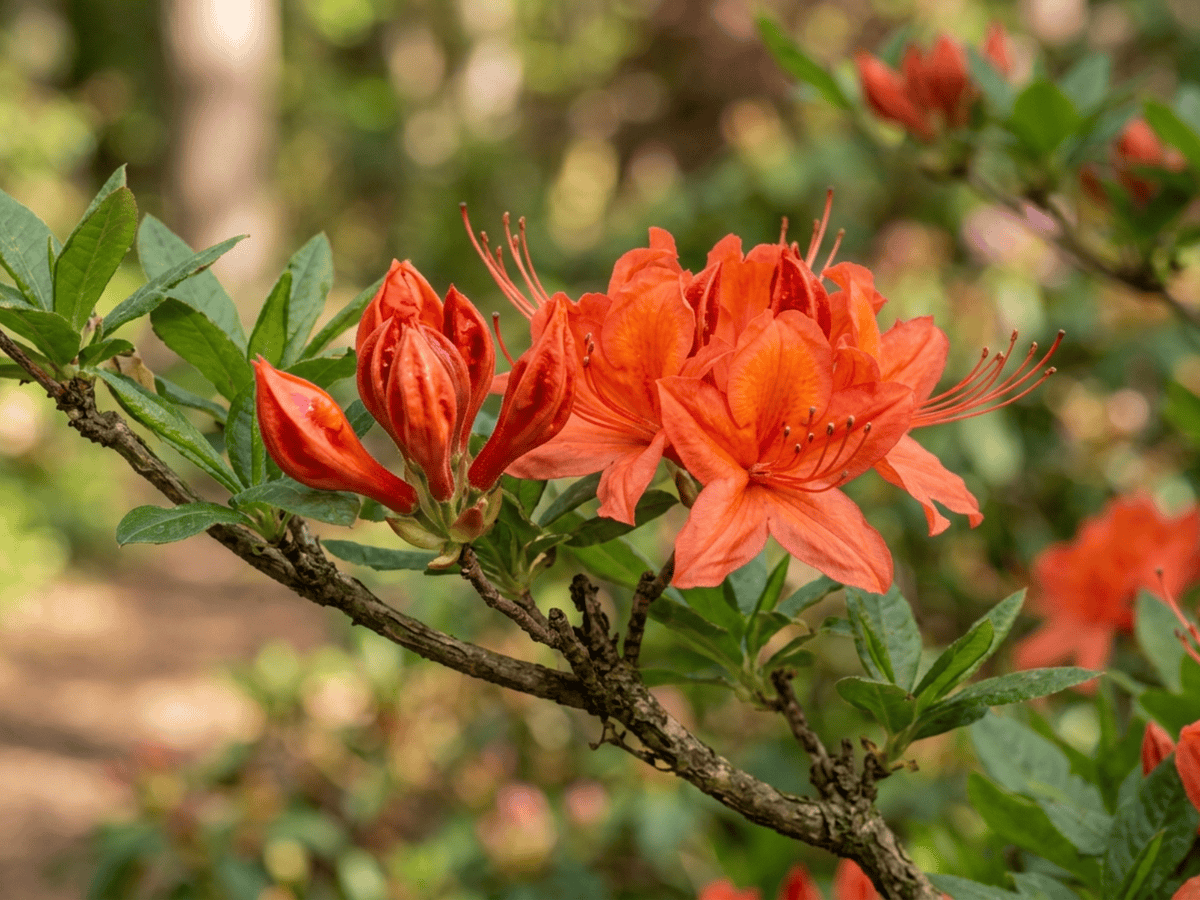
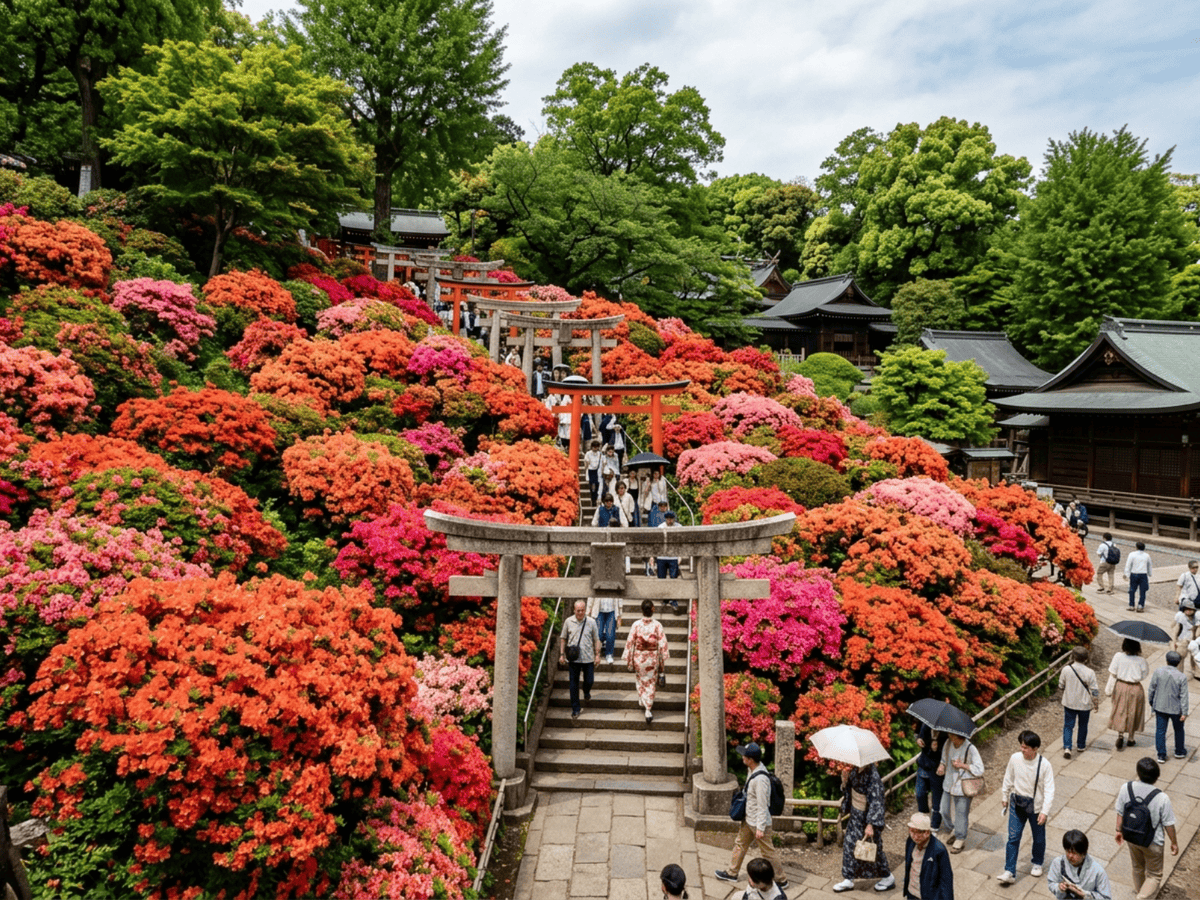
Azalea japonica, commonly known as the Japanese azalea, is a compact evergreen shrub celebrated for its breathtaking spring flower display. Native to Japan, it typically reaches 1 to 1.5 meters in height and spreads into a dense, rounded form covered in glossy small leaves. In spring, the foliage nearly disappears beneath masses of flowers in shades of pink, red, white, and magenta. Japanese azaleas prefer acidic, humus-rich soil with excellent drainage and perform best in dappled shade, though they tolerate morning sun. They have shallow root systems that benefit greatly from a thick organic mulch layer. In Japanese culture, azaleas have been cultivated for centuries and feature prominently in traditional garden design and bonsai art. The Tsutsuji Festival celebrating azalea blooms is a beloved spring tradition across Japan. These shrubs are ideal for foundations, borders, and mass plantings where their spectacular color impact can be fully appreciated.
- Evergreen
- Compact
How to care for Japanese Azalea
Watering
- Springevery 3 days
- Summerevery 2 days
- Fallevery 7 days
- Winterevery 21 days
Soil · Acidic · pH 4.5–6
- Top dressingPine needle mulch10%
- Main mixAcid-lover mix + peat 3:175%
- DrainageGravel15%
Never add lime or wood ash — it cancels out the acidity.
FERTILIZER
Acid-Loving Feed 4-3-4
One bag does both jobs. An acid feed carries the usual nitrogen, phosphorus and potassium, plus the sulfur and iron that keep the soil sour enough for the roots to take them up at all.
- Nitrogen · Leaves
- Phosphorus · Roots + Blooms
- Potassium · Strength
- Springevery 45 days
At a Glance
- NativeEast Asia
- Height3–6 ft (0.9–1.8 m)
- Spread3–6 ft (0.9–1.8 m)
- Flower colorPink, Red, White, Purple
- Foliage colorGreen
- SoilLoamy, Well-drained, Acidic
- LocationsYard · Indoor · Balcony
Bloom time
BLOOM CYCLE
Peak bloom
Mar–May
Masses of pink, red, or white flowers in spring; prune immediately after blooming to preserve next year's buds
Fragrance
NO FRAGRANCE
Most evergreen azaleas have little or no scent.
Toxicity
Humans Toxic · Pets Toxic
grayanotoxins
Toxic
- Leaf
- Flower
- Nectar
- Ingestion
EXPOSURE Eating leaves, flowers, and nectar.
EFFECT Grayanotoxin poisoning.
NOTE Documented concern for humans: Grayanotoxin poisoning.
Toxic
- Leaf
- Flower
- Ingestion
EXPOSURE Eating leaves and flowers.
EFFECT Vomiting, bradycardia, cardiac issues, potentially fatal.
NOTE ASPCA lists azaleas (Rhododendron) as toxic to dogs, cats, and horses.
Toxic
- Leaf
- Flower
- Ingestion
EXPOSURE Eating leaves and flowers.
EFFECT Grayanotoxin toxicity.
NOTE ASPCA lists azaleas (Rhododendron) as toxic to dogs, cats, and horses.
Educational information, not medical or veterinary advice. If exposure is suspected, contact a doctor or veterinarian.
DISTRIBUTION


- Native
- East Asia
History
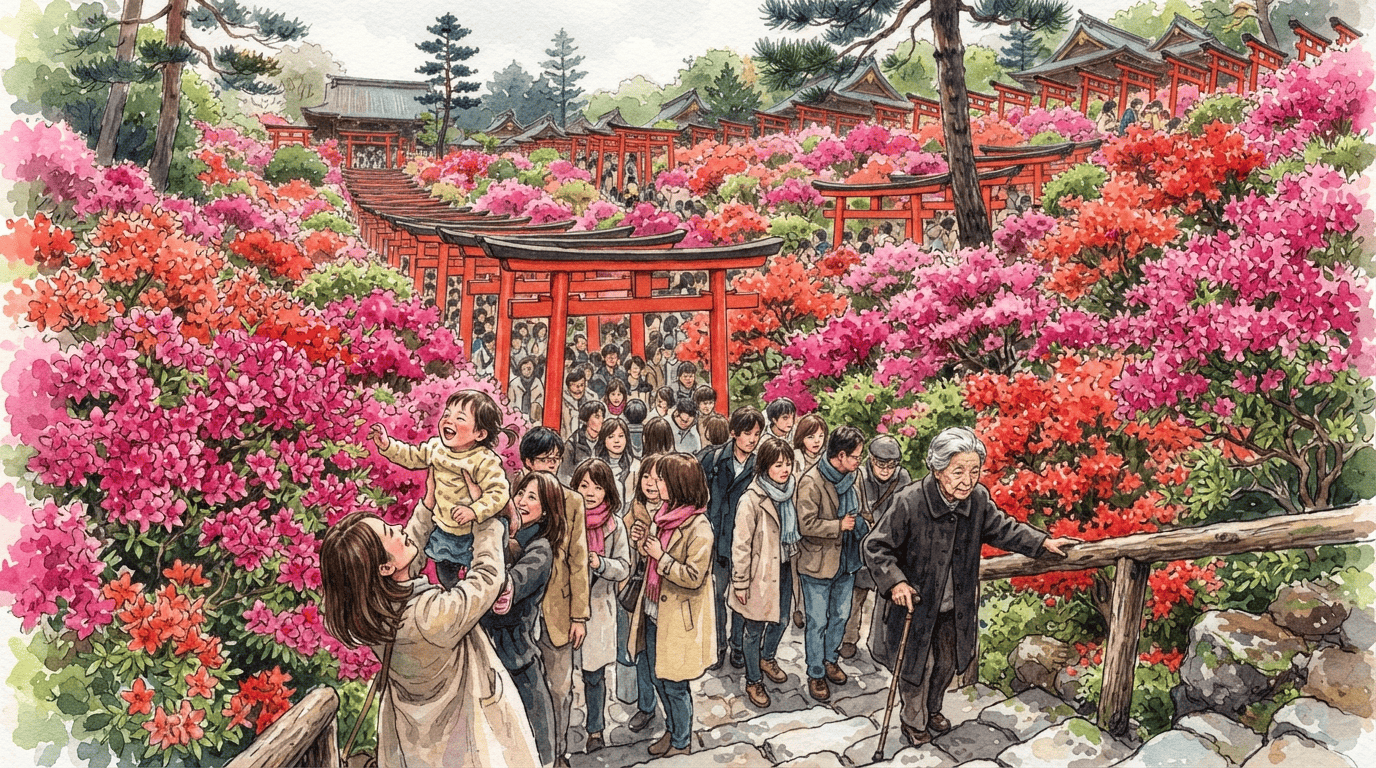
"Azalea japonica" is a traditional horticultural trade name that is not a single modern botanical species — under current taxonomy the evergreen azaleas are all placed in the genus Rhododendron (section Tsutsusi), and the plants sold under this old name are typically Rhododendron indicum, R. kiusianum, or hybrids within these groups. Japanese growers have cultivated evergreen azaleas for centuries, with the earliest published azalea monograph appearing in 1692 (Ito Ihei's "Kinshu Makura"). Two horticulturally transformative Japanese breeding traditions emerged: the Kurume azaleas (small-flowered, massively floriferous; from the Kurume region of Kyushu, first introduced to the West by Ernest Wilson in 1918) and the Satsuki azaleas (larger-flowered, later-blooming, heavily used for bonsai; documented as a distinct tradition from the Edo period onward).
American breeders including Benjamin Y. Morrison of the US National Arboretum created the Glenn Dale azaleas (c.1935-1952) from Kurume and related Japanese parents; they are the backbone of mid-Atlantic azalea plantings. Like all Rhododendron, azaleas contain grayanotoxins and are toxic.
Japanese azaleas have been cultivated in Japan since at least the Edo period (1603–1868), when samurai gardens featured them as symbols of restrained beauty. European plant hunters introduced them to the West in the early 1800s, sparking an azalea craze in Victorian England. The annual Tsutsuji Matsuri at Nezu Shrine in Tokyo draws millions of visitors each spring.
Symbolism & meaning
What It Symbolizes
In Japanese hanakotoba, the Japanese Azalea stands for temperance, its measured spring flowering teaching patience and moderation to those who tend it. Yet beneath the calm surface lies a contradiction: the ephemeral, fragile blossoms also speak of intense passion, all the more poignant for being brief. The azalea is often read as a flower of disciplined feeling, of strong emotion held with composure and released only at the proper moment.
- Temperance — In Japanese flower language, azaleas represent patience and moderation
- Fragile passion — The ephemeral blooms symbolize intense but delicate emotions
Where the Name Comes From
Azalea derives from Greek 'azaleos' meaning dry, referencing the plant's preference for well-drained soil. Japonica indicates its Japanese origin.
Uses & Fun Facts
- Compact evergreen domes brighten spring foundation beds and shaded entries
Related plants
More Azalea plants
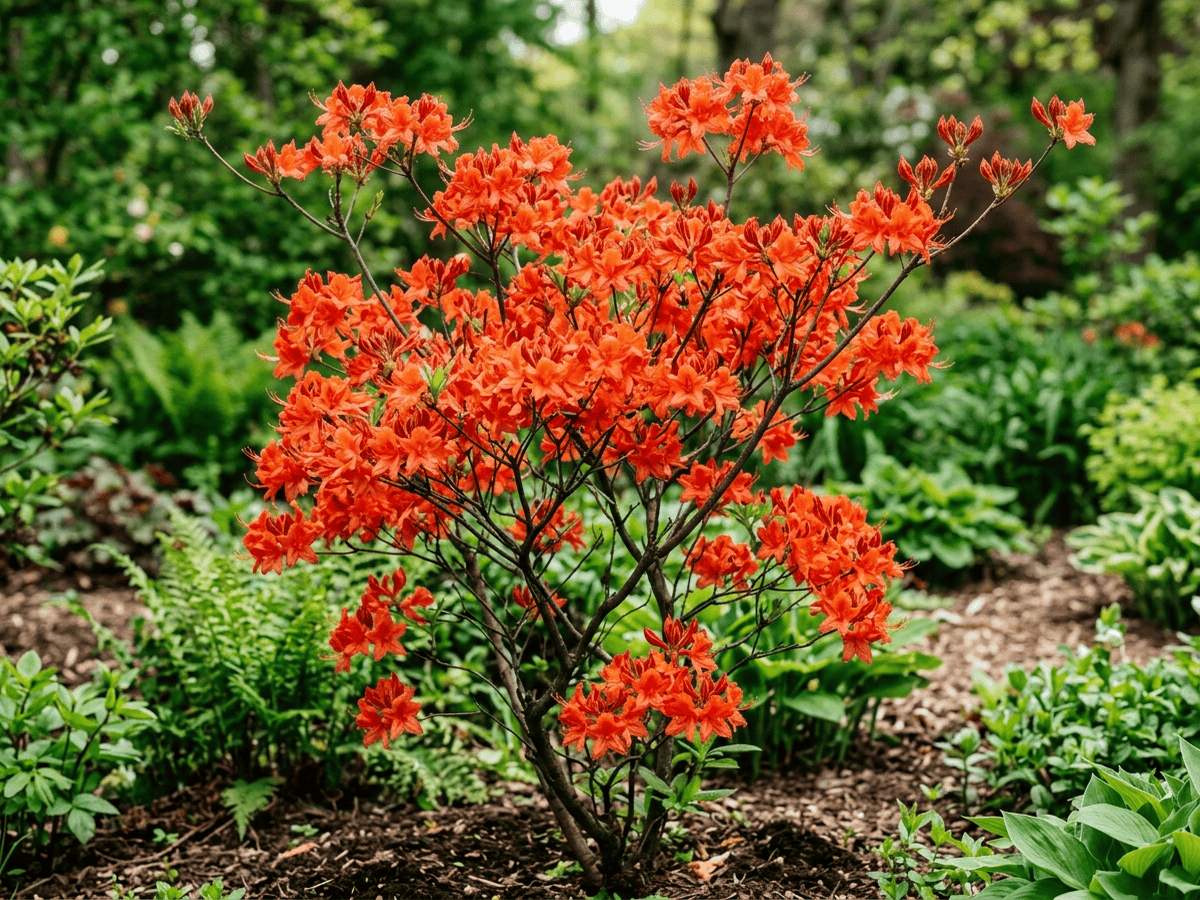
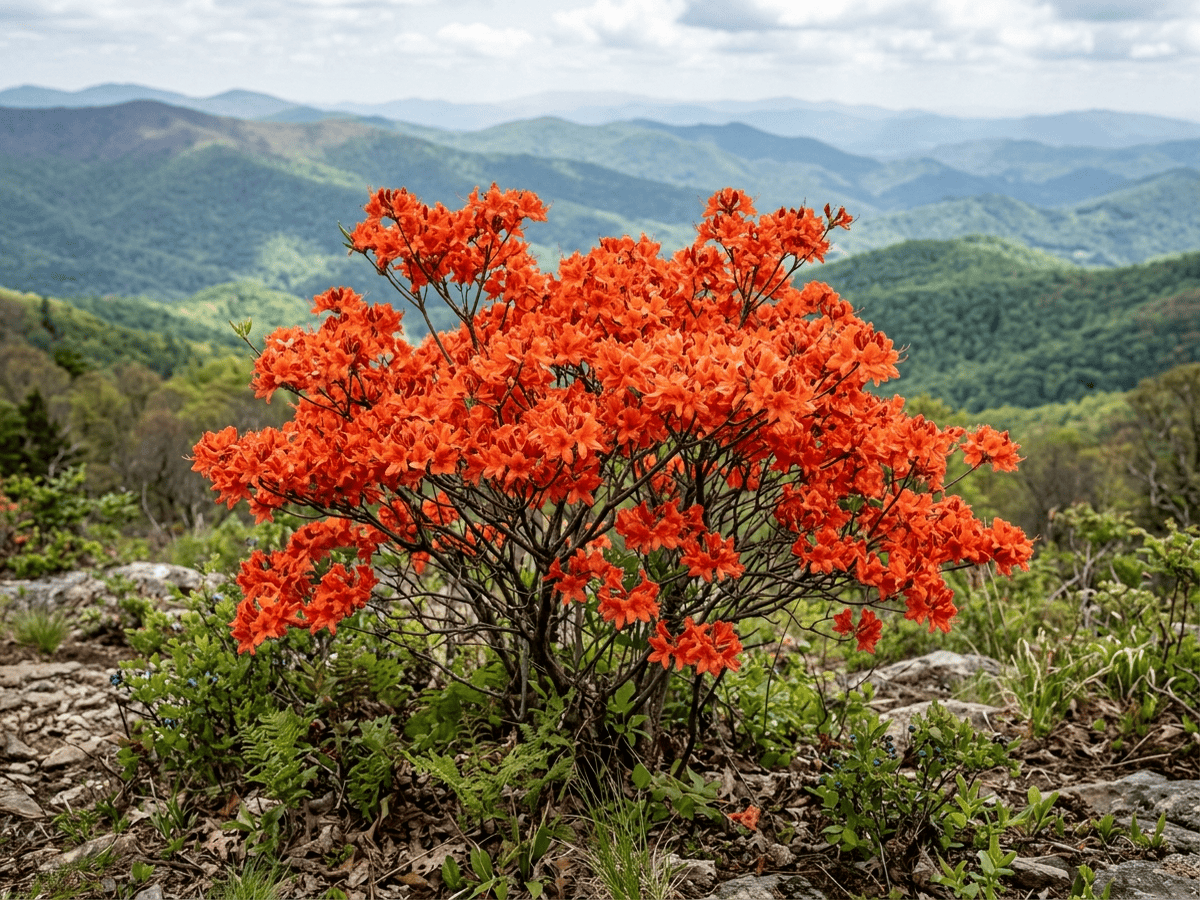
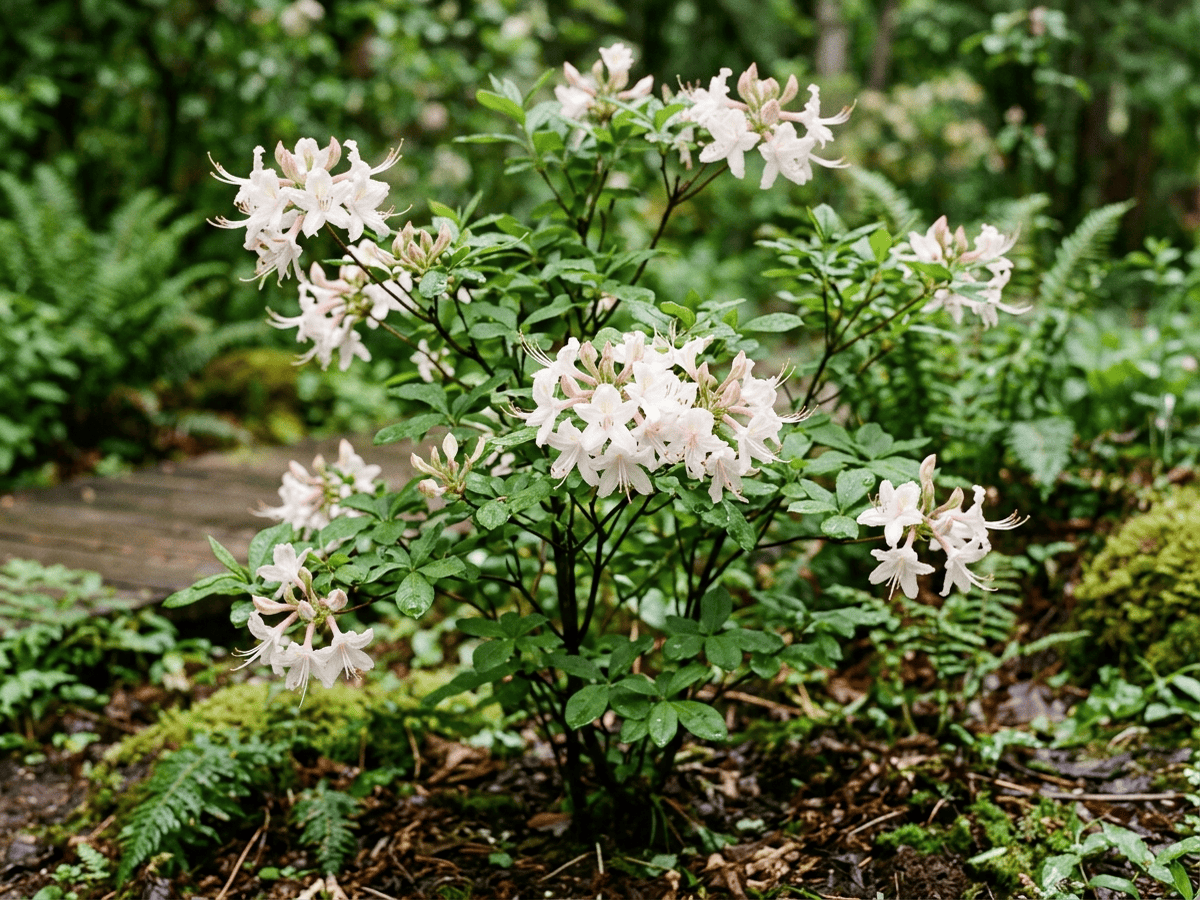
Plants with similar care
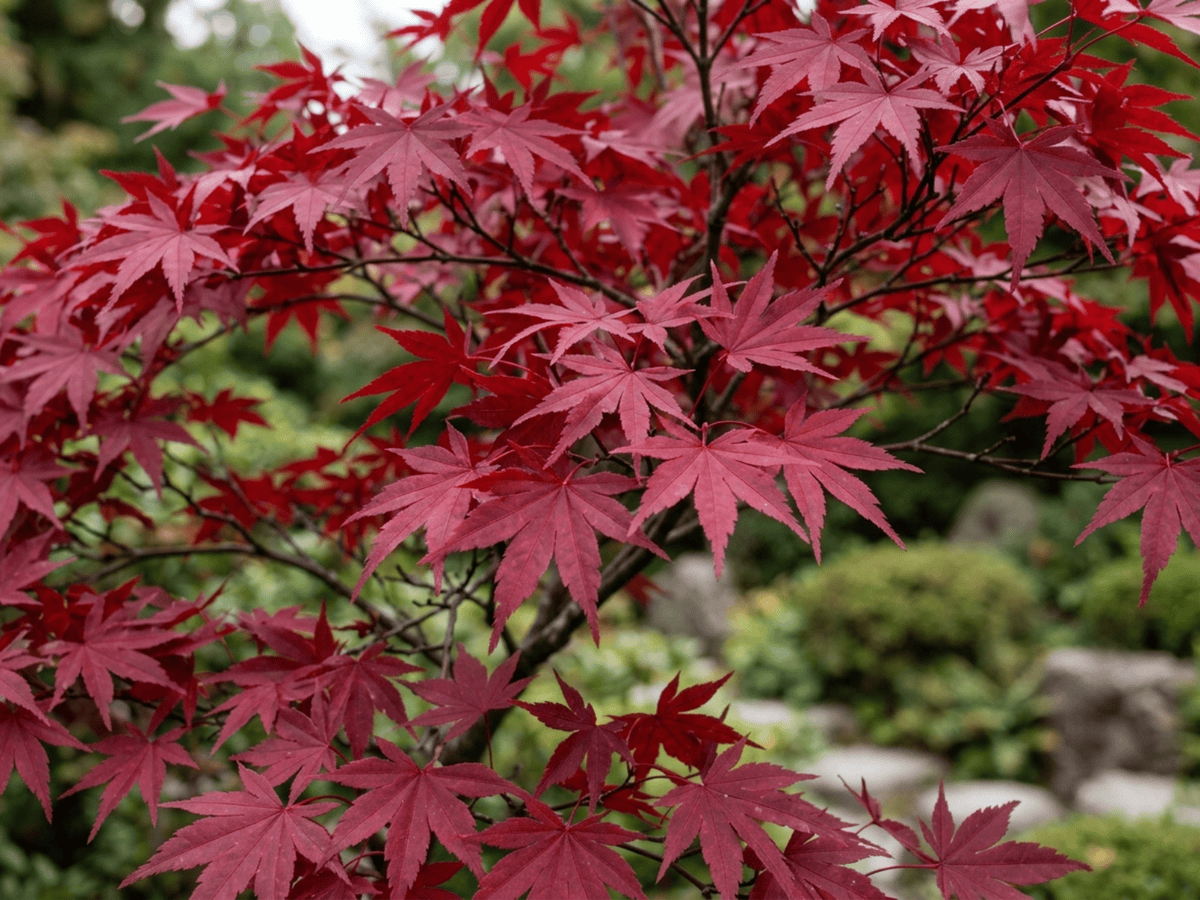 Japanese MapleAcer palmatum
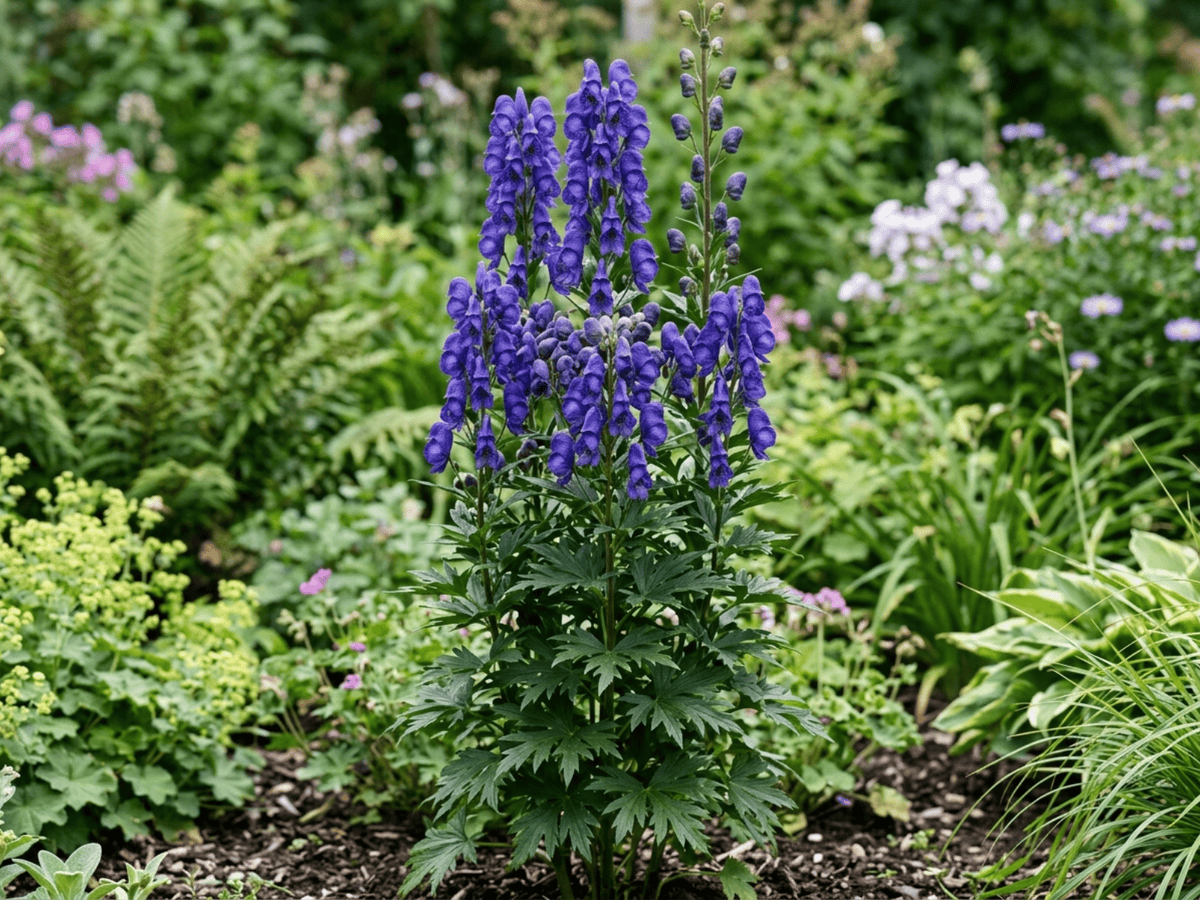 Azure MonkshoodAconitum carmichaelii
 Florida HobblebushAgarista populifolia
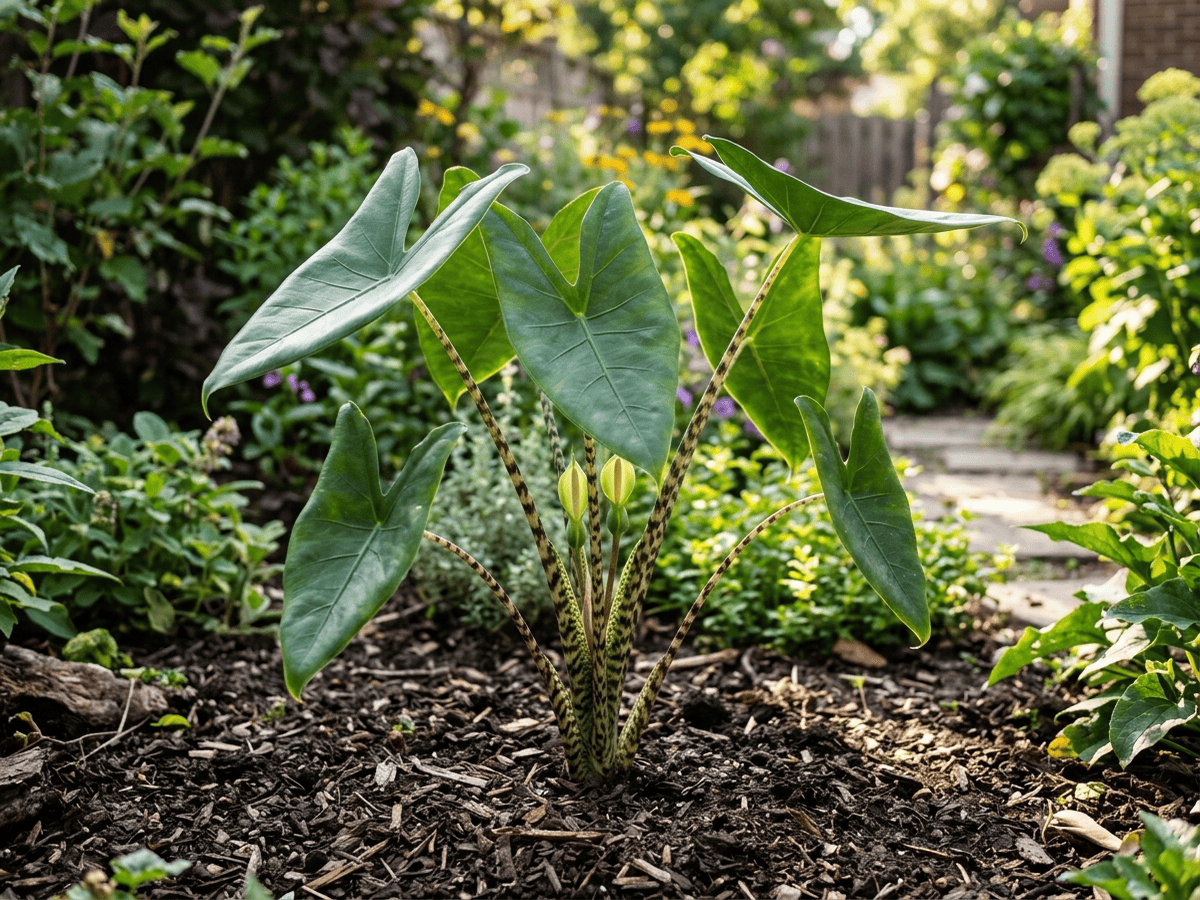 Alocasia zebrinaAlocasia zebrina
Frequently asked questions
How often should I water Japanese Azalea?
In summer, water about every 2 days; in winter, about every 21 days. Adjust for heat, pot size and drainage.
How much light does Japanese Azalea need?
Part shade: 2–4 hrs direct. Watch the leaves — scorching or stretching means the light needs adjusting.
Is Japanese Azalea toxic to cats or dogs?
Pets Toxic (Dogs Toxic · Cats Toxic) Educational information, not medical or veterinary advice. If exposure is suspected, contact a doctor or veterinarian.
Is Japanese Azalea easy to grow?
It is moderately demanding: a good choice once you have a little experience.
Can Japanese Azalea be grown indoors?
Yes, it adapts well to indoor growing given the right light.
When does Japanese Azalea bloom?
It typically blooms Mar–May in the Northern Hemisphere.
YardMate
Identify any plant in seconds
Snap a photo — YardMate names the plant, diagnoses problems, and reminds you when to water.
Download on the App Store