 YardMate


Oconee Azalea
Azalea flammea
Medium · Some experienceAbout Oconee Azalea
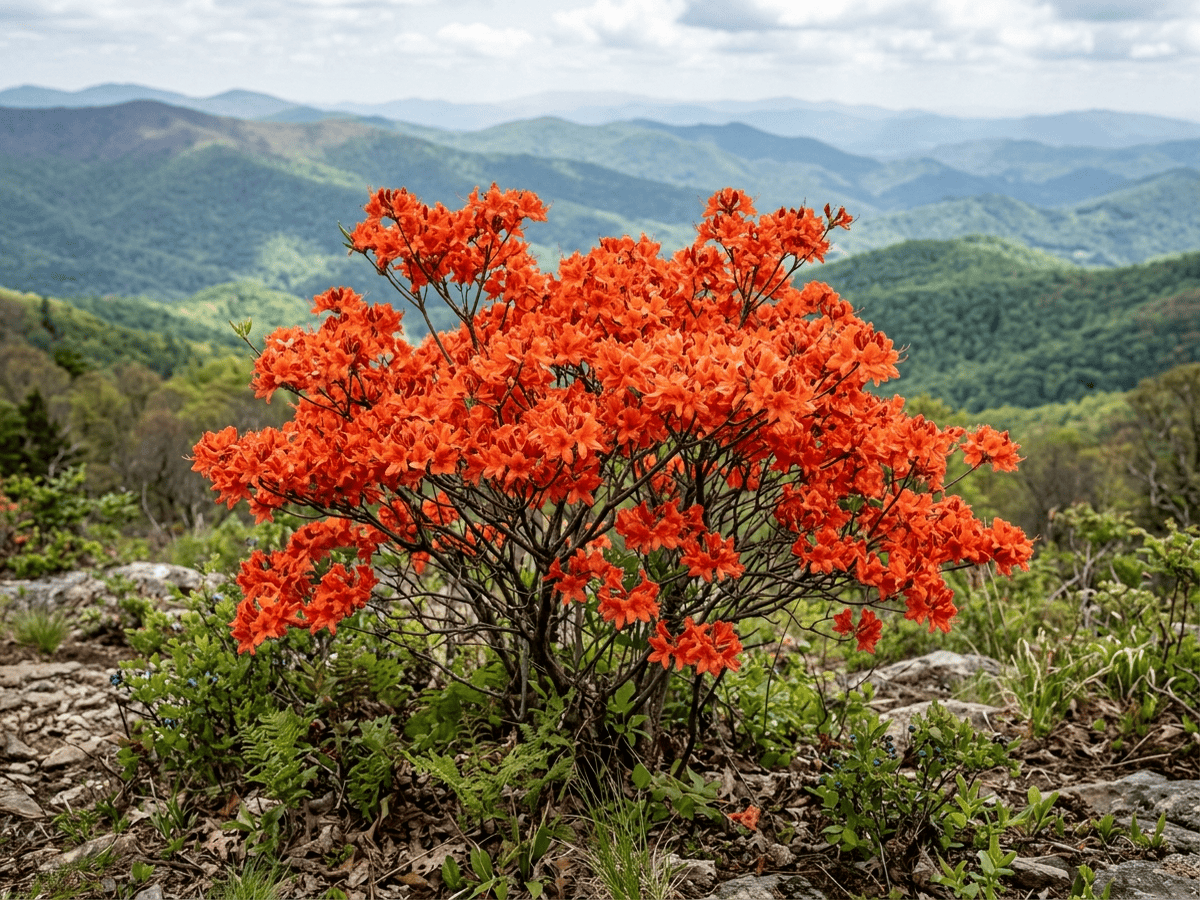
Flame Azalea is one of the most spectacular native azaleas of the southern Appalachian Mountains, with brilliant orange, red, or yellow trumpet flowers that blaze across mountain hillsides in late spring. Growing 4 to 8 feet tall, this deciduous shrub thrives in cool, moist mountain woodlands from West Virginia to northern Georgia. Its dazzling color displays at Roan Mountain and the Great Smoky Mountains draw thousands of visitors each June, making it a beloved icon of southern Appalachian flora.
- Deer-resistant
- Native
- Pollinator-friendly
How to care for Oconee Azalea
Watering
- Springevery 5 days
- Summerevery 4 days
- Fallevery 10 days
- Winterevery 14 days
Soil · Acidic · pH 4.5–6
- Top dressingPine needle mulch10%
- Main mixAcid-lover mix + peat 3:175%
- DrainageGravel15%
Never add lime or wood ash — it cancels out the acidity.
FERTILIZER
Acid-Loving Feed 4-3-4
One bag does both jobs. An acid feed carries the usual nitrogen, phosphorus and potassium, plus the sulfur and iron that keep the soil sour enough for the roots to take them up at all.
- Nitrogen · Leaves
- Phosphorus · Roots + Blooms
- Potassium · Strength
- Springevery 60 days
- Summerevery 90 days
At a Glance
- NativeNorth America
- Height6–10 ft (1.8–3 m)
- Spread6–10 ft (1.8–3 m)
- Flower colorOrange, Red, Yellow
- Foliage colorGreen, Bronze, Red
- SoilAcidic, Well-drained, Moisture-retentive
- LocationsYard
Bloom time
BLOOM CYCLE
Peak bloom
May–Jun
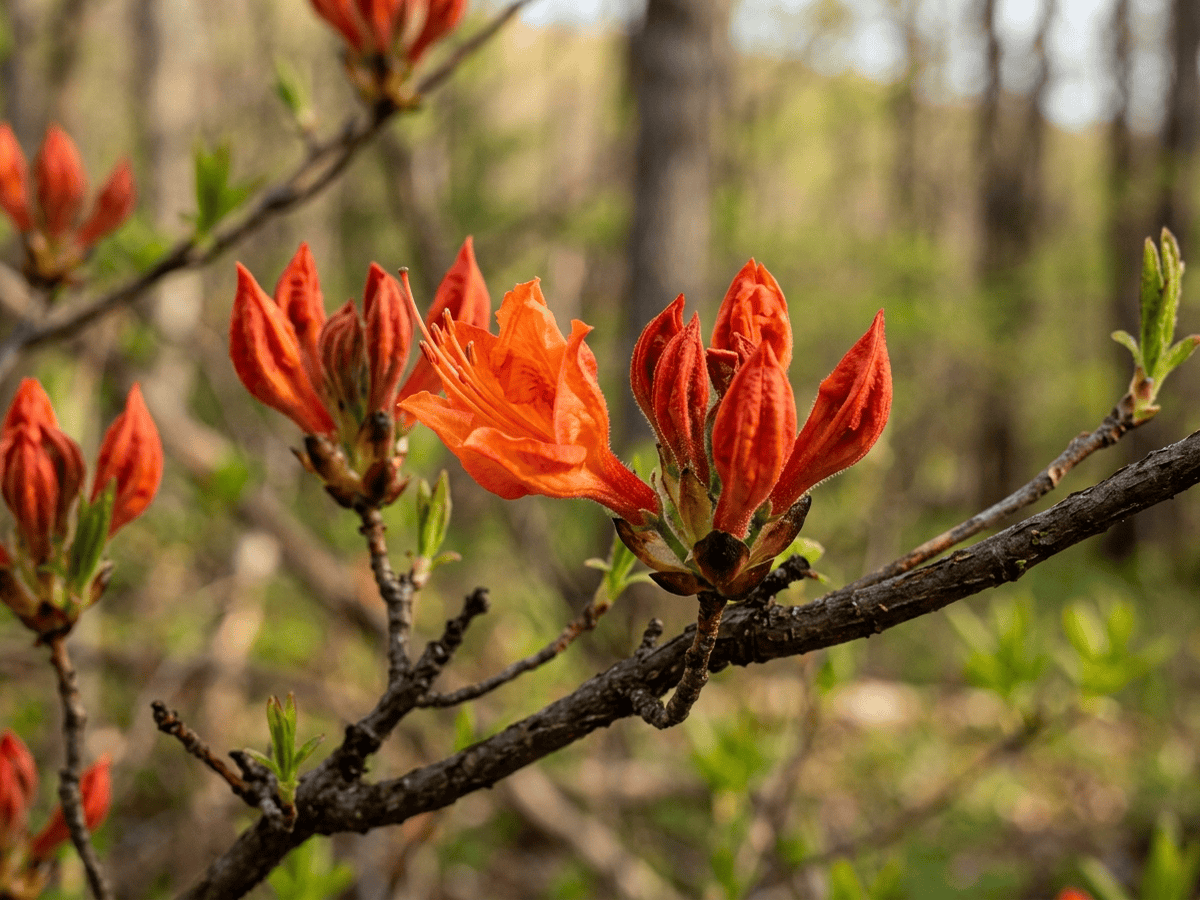
Brilliant orange-red flame-colored flowers May to June
Fragrance
LIGHT FRAGRANCE
Flowers may have a light sweet scent.
Toxicity
Humans Toxic · Pets Toxic
grayanotoxins
Toxic
- Leaf
- Flower
- Seed
- Ingestion
EXPOSURE Eating leaves, flowers, and seeds.
EFFECT Grayanotoxins cause vomiting, hypotension, bradycardia, seizures.
NOTE Documented concern for humans: Grayanotoxins cause vomiting, hypotension, bradycardia, seizures.
Toxic
- Leaf
- Flower
- Seed
- Ingestion
EXPOSURE Eating leaves, flowers, and seeds.
EFFECT ASPCA: vomiting, diarrhea, weakness, cardiac arrhythmia, potentially fatal.
NOTE ASPCA-listed Rhododendron; all parts toxic including nectar and honey.
Toxic
- Leaf
- Flower
- Seed
- Ingestion
EXPOSURE Eating leaves, flowers, and seeds.
EFFECT ASPCA: vomiting, diarrhea, weakness, cardiac arrhythmia, potentially fatal.
NOTE ASPCA-listed Rhododendron; all parts toxic including nectar and honey.
Educational information, not medical or veterinary advice. If exposure is suspected, contact a doctor or veterinarian.
DISTRIBUTION


- Native
- North America
History

Azalea flammea is an older botanical name traditionally treated as a synonym of Rhododendron calendulaceum, the flame azalea, or in some southern floras of Rhododendron austrinum. The name was applied by 18th- and early 19th-century botanists when Azalea was recognized as a separate genus from Rhododendron, a division Linnaeus initially made but which later workers including August Grisebach and modern systematists rejected. André Michaux, William Bartram, and John Lyon all described fiery orange deciduous azaleas in the southern Appalachians, with Bartram famously calling them the most gay and brilliant flowering shrubs yet known.
The plant remains a signature of Appalachian ridgelines from Georgia to Pennsylvania, where spring displays draw botanical pilgrims to sites such as Gregory Bald. Discovered by William Bartram during his 1773 to 1776 travels through the Cherokee Mountains, who described it as 'the most gay and brilliant flowering shrub yet known.'
Long known as Rhododendron calendulaceum in modern taxonomy. Roan Mountain's natural azalea gardens in Tennessee remain a celebrated spring pilgrimage destination.
Symbolism & meaning
What It Symbolizes
The Oconee azalea is passion made botanical, its blooms saturated in flame-orange and crimson that seem to burn rather than open. Native to the southern Appalachian highlands, it is the mountain glory of those misty slopes, a wildflower so vivid that nineteenth-century plantsmen risked steep climbs to collect it. To meet it on a May ridge is to understand why painters and poets have always reserved the word fiery for it.
- Passion — fiery flame colors evoke intense emotion
- Mountain glory — icon of southern Appalachian wild beauty
Where the Name Comes From
'Flammea' is Latin for 'flame-colored,' referring to the fiery orange-red blooms.
Uses & Fun Facts
- Orange-red trumpet flowers draw hummingbirds and swallowtail butterflies
- Native deciduous azalea with flame-colored late-spring blooms
Related plants
More Azalea plants
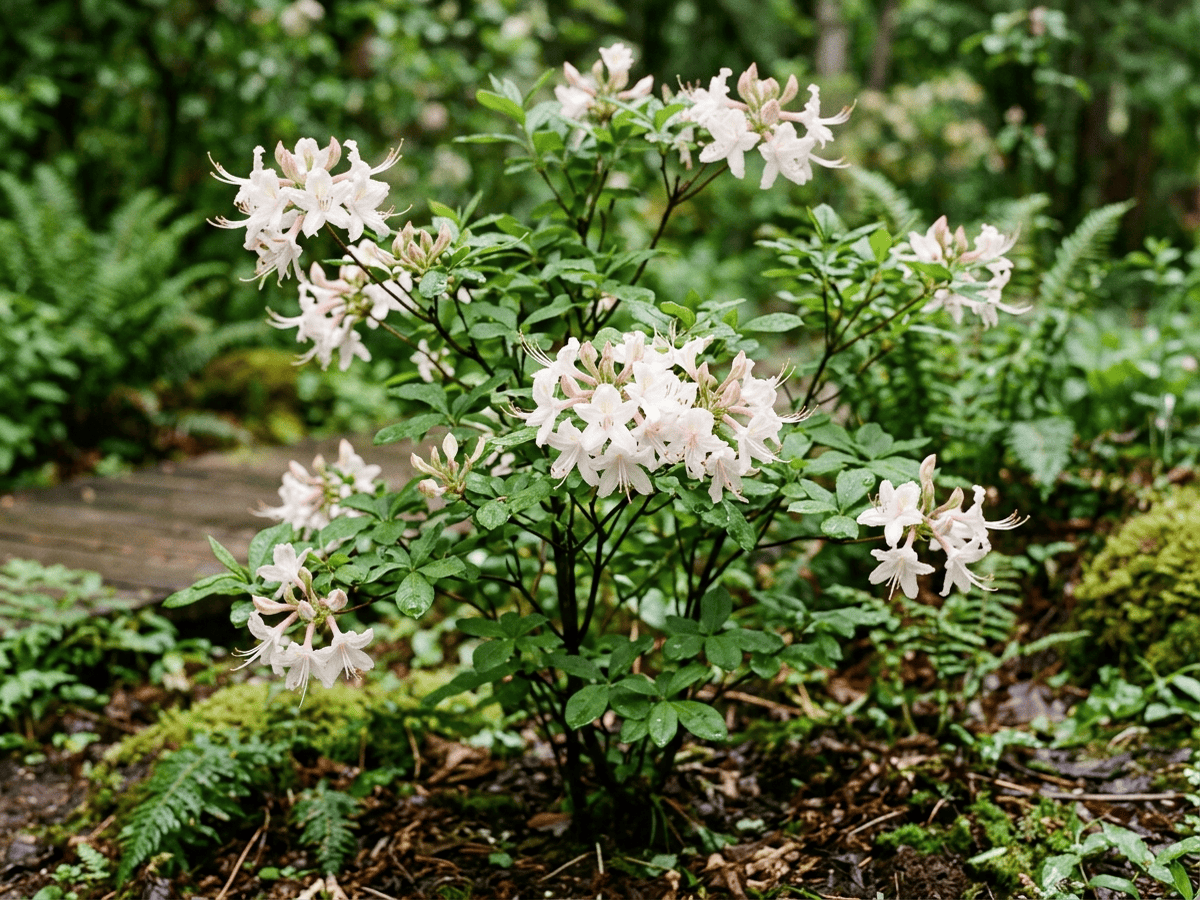
Plants with similar care
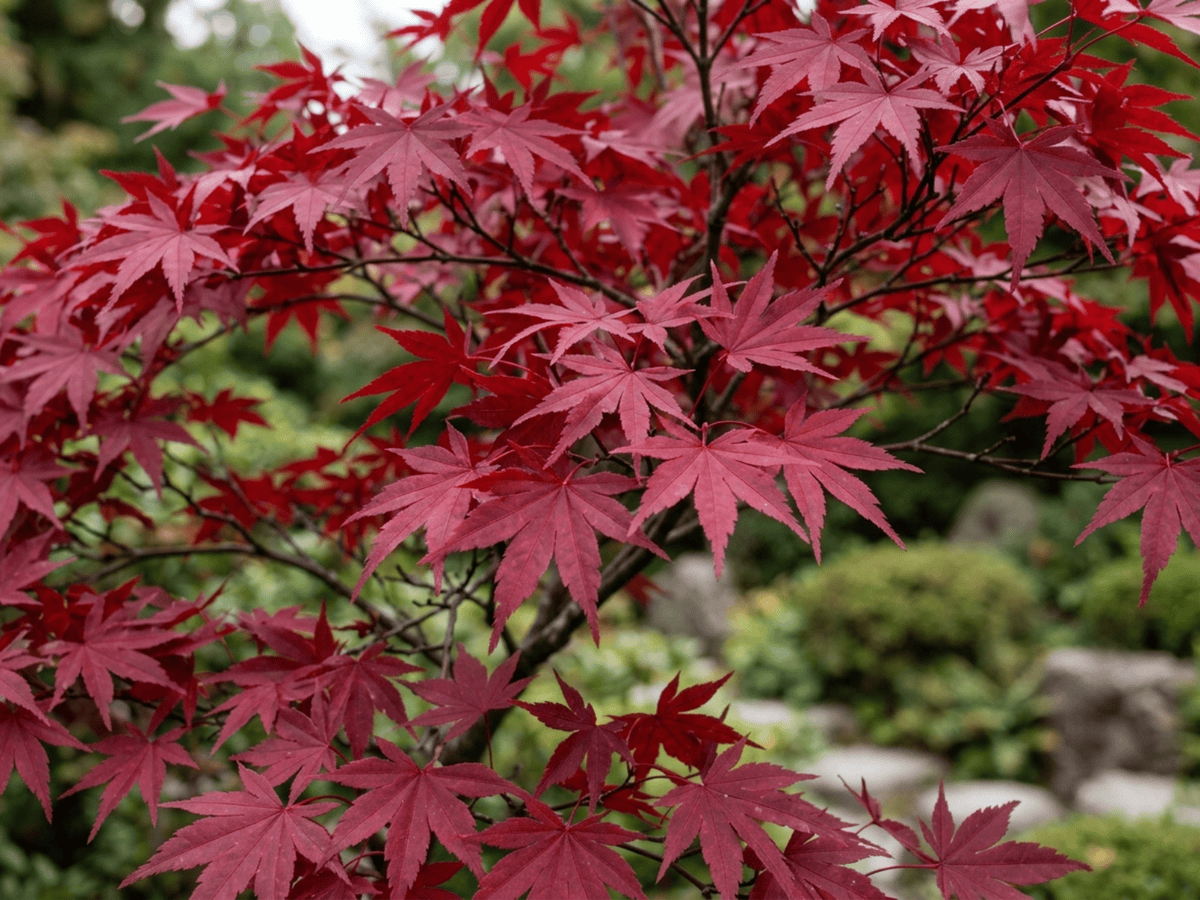 Japanese MapleAcer palmatum
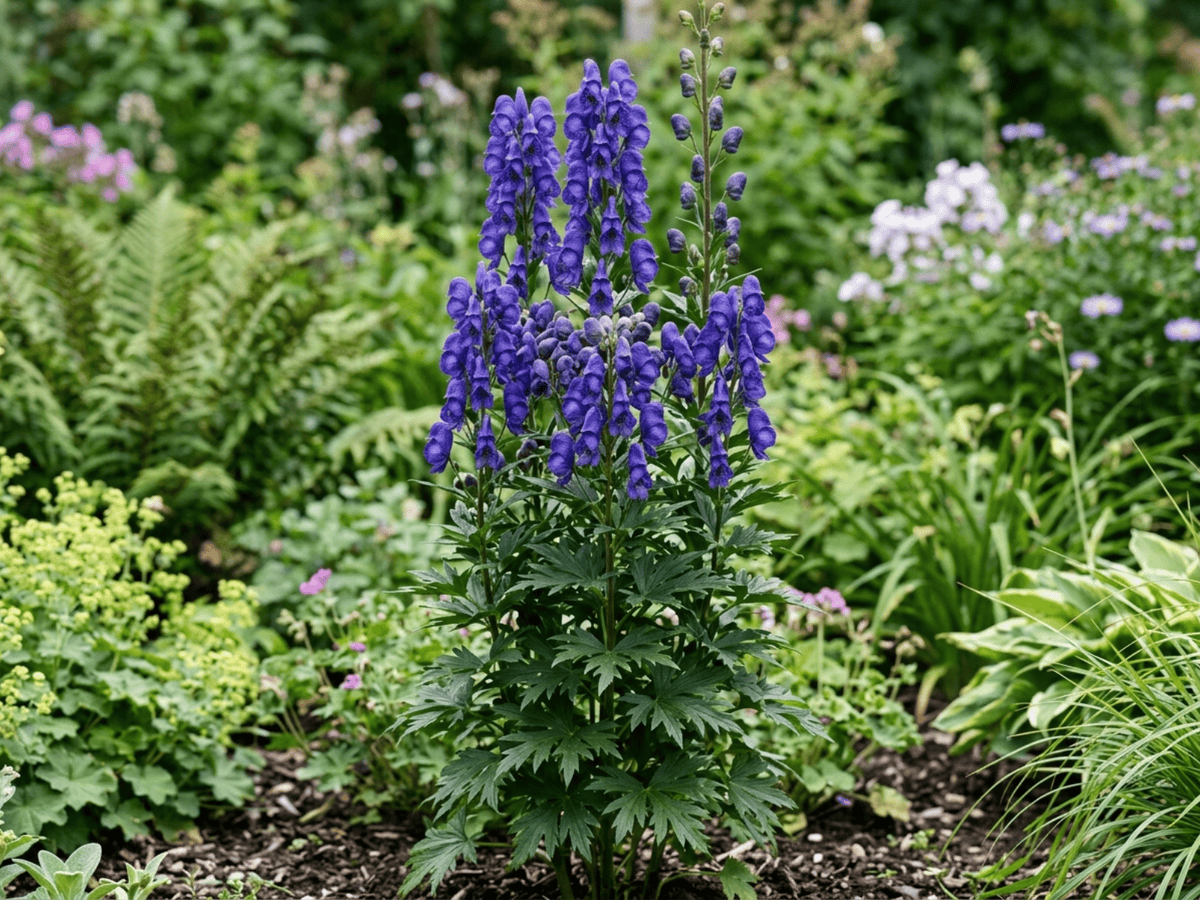 Azure MonkshoodAconitum carmichaelii
 Florida HobblebushAgarista populifolia
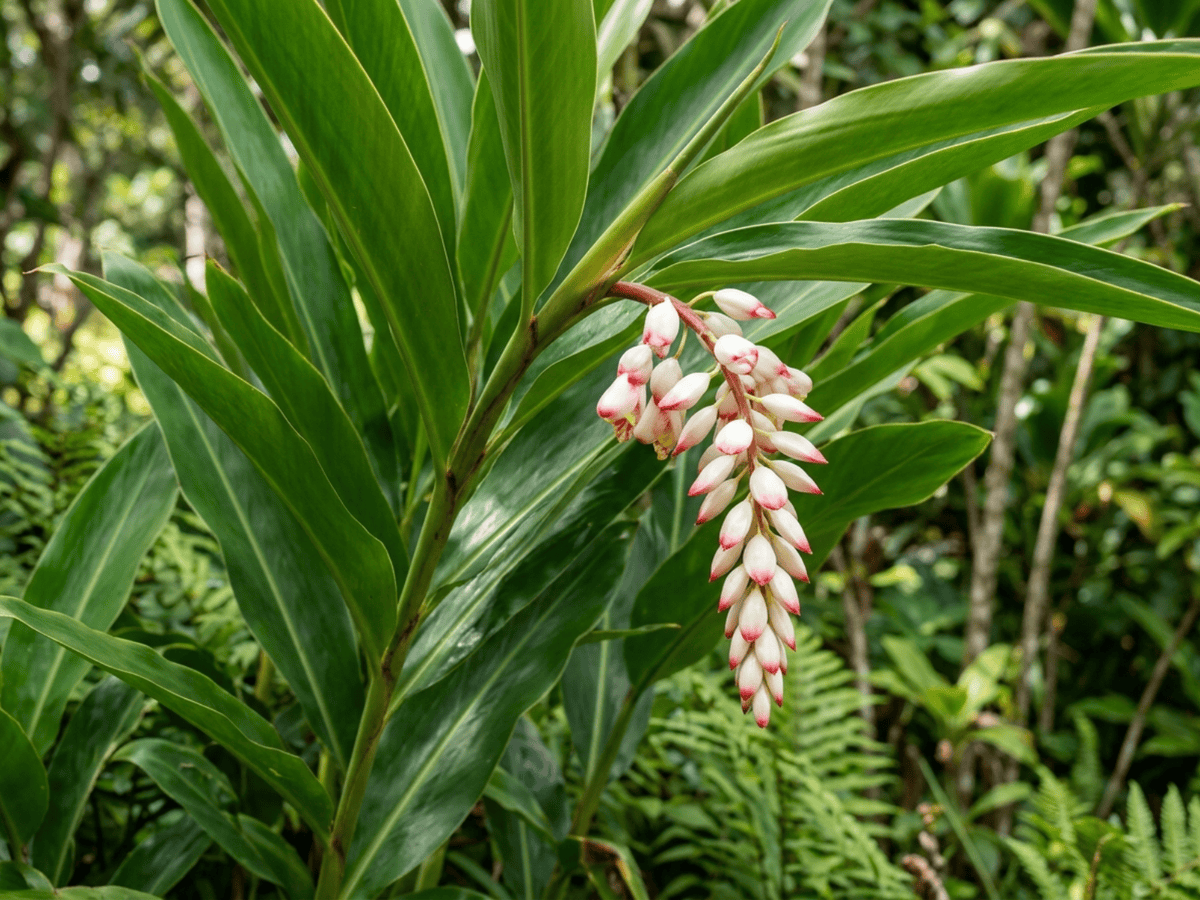 Shell GingerAlpinia zerumbet
Frequently asked questions
How often should I water Oconee Azalea?
In summer, water about every 4 days; in winter, about every 14 days. Adjust for heat, pot size and drainage.
How much light does Oconee Azalea need?
Part shade: 2–4 hrs direct. Watch the leaves — scorching or stretching means the light needs adjusting.
Is Oconee Azalea toxic to cats or dogs?
Pets Toxic (Dogs Toxic · Cats Toxic) Educational information, not medical or veterinary advice. If exposure is suspected, contact a doctor or veterinarian.
Is Oconee Azalea easy to grow?
It is moderately demanding: a good choice once you have a little experience.
When does Oconee Azalea bloom?
It typically blooms May–Jun in the Northern Hemisphere.
YardMate
Identify any plant in seconds
Snap a photo — YardMate names the plant, diagnoses problems, and reminds you when to water.
Download on the App Store