 YardMate


Paper Birch
Betula papyrifera
Medium · Some experienceAbout Paper Birch
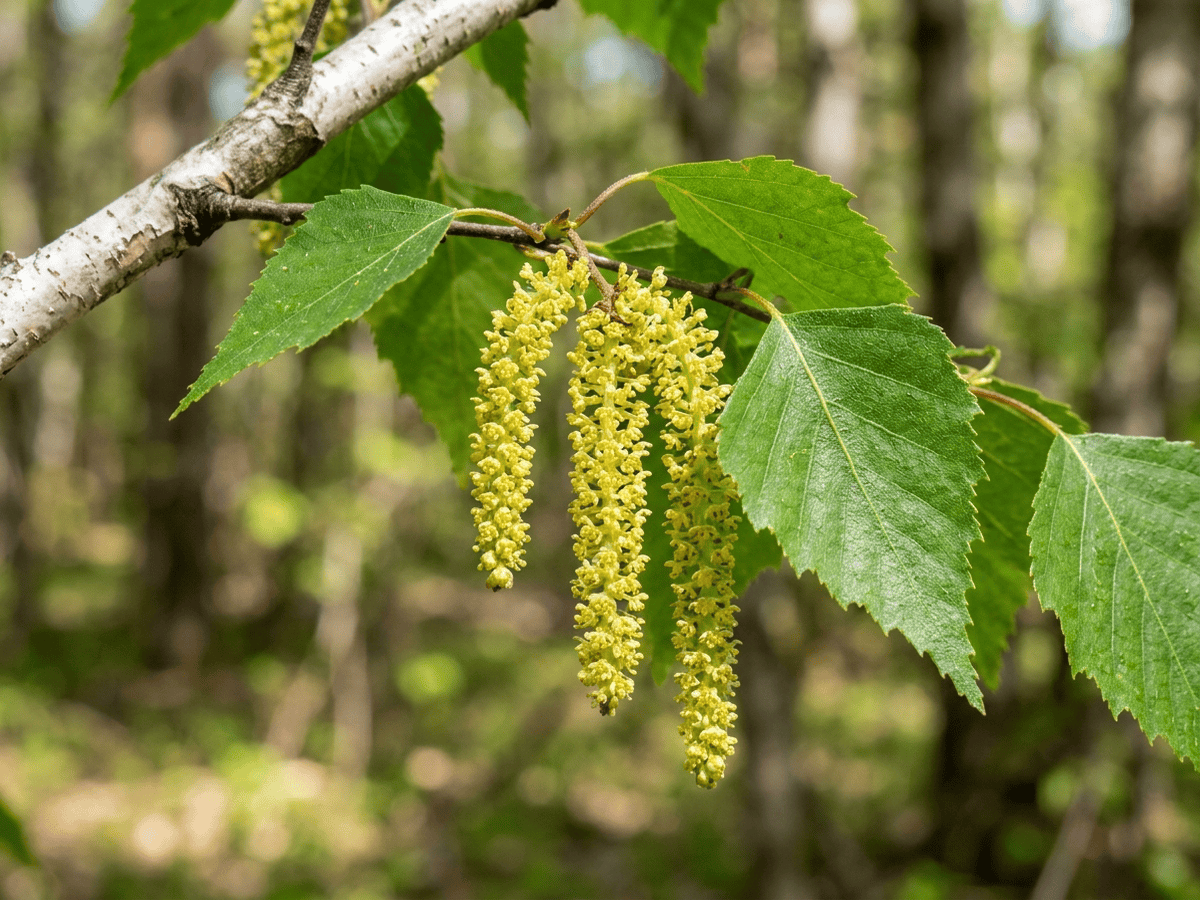
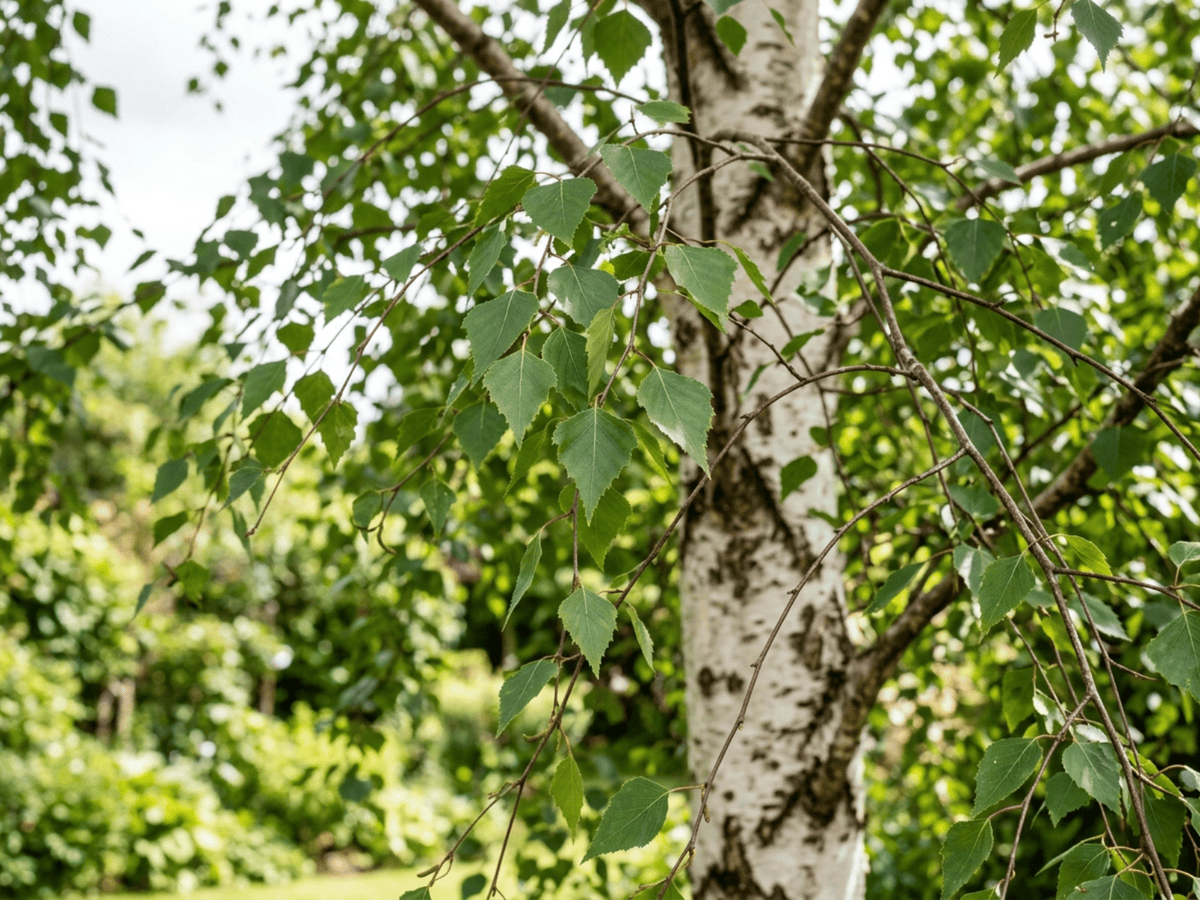
Betula papyrifera, the paper birch or canoe birch, is a deciduous tree in the Betulaceae family native to northern North America. Growing 15–25 m tall, it features brilliant white bark that peels in large, papery sheets—even more dramatically than its European cousin, the silver birch. The bark is waterproof and was the material of choice for indigenous canoe construction.
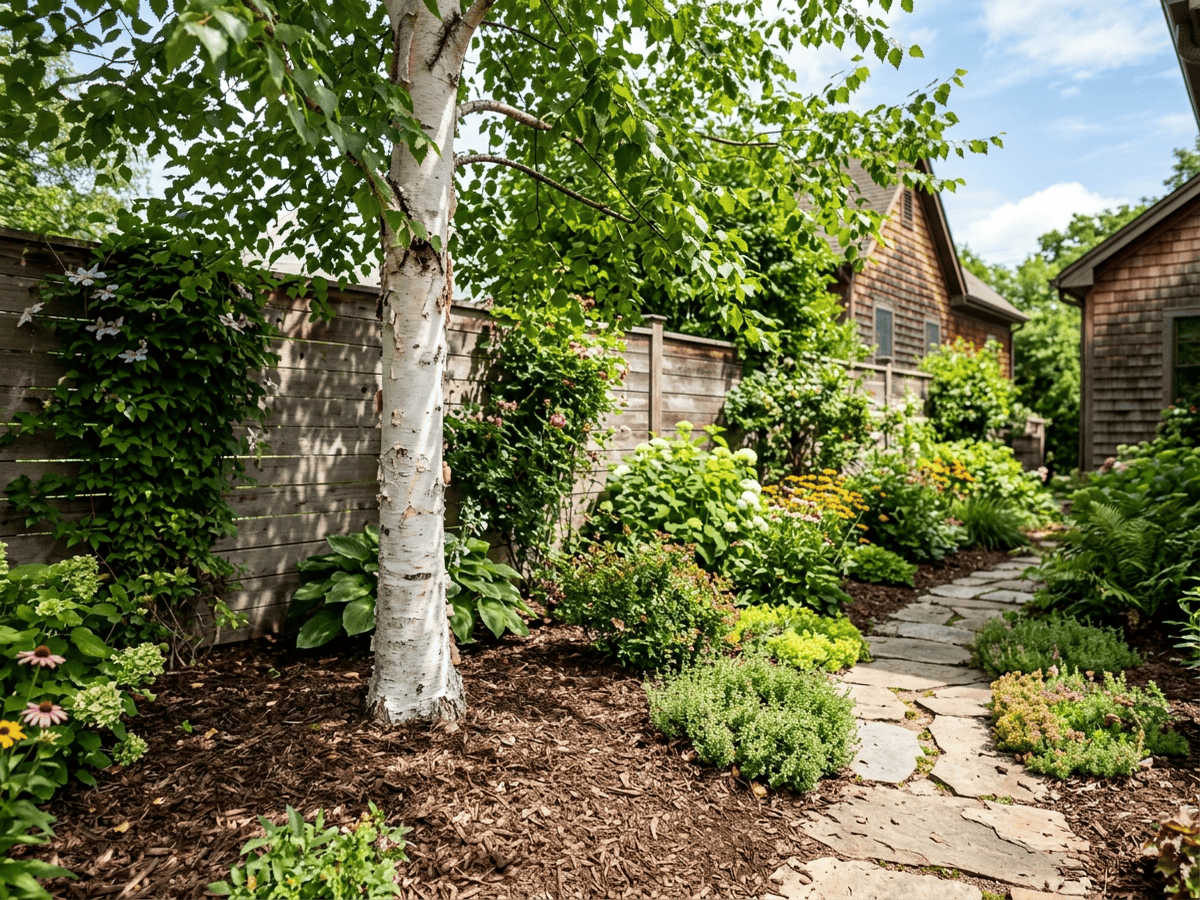
Paper birch thrives in USDA zones 2–6, strongly preferring cool, northern climates. It is extremely cold-hardy but intolerant of heat—in southern zones it declines rapidly, succumbing to bronze birch borer. The tree needs full sun, moist but well-drained soil, and cool root temperatures (mulch heavily). It is often multi-stemmed, creating a clump form that is particularly beautiful in winter.
The paper birch is inseparable from the cultural identity of northern Indigenous peoples. Birch bark canoes—light, waterproof, and repairable—enabled travel across the continent's vast waterways. Bark was also used for shelters, containers, writing, and artwork. The tree provides food for dozens of wildlife species—birch seeds are a critical winter food for redpolls, siskins, and grouse. In the landscape, a multi-stem paper birch against a dark evergreen background in winter snow is one of the most photogenic scenes in the northern garden.
- Cold-hardy
- Native
How to care for Paper Birch
Watering
- Springevery 7 days
- Summerevery 5 days
- Fallevery 10 days
- Winterevery 30 days
Soil · Well-draining
- Top dressingPine bark mulch10%
- Main mixPotting soil + perlite 2:170%
- DrainageLECA / gravel20%
Never skip the drainage layer — standing water is the top cause of root rot.
FERTILIZER
- Springevery 45 days
At a Glance
- NativeNorth America
- Height50–70 ft (15.2–21.3 m)
- Spread25–35 ft (7.6–10.7 m)
- Flower colorYellow
- Foliage colorGreen, Yellow
- SoilLoamy, Well-drained
- LocationsYard
Bloom time
BLOOM CYCLE
Peak bloom
Apr–May
Catkins in spring; tiny winged seeds disperse in autumn and winter, feeding birds.
Fragrance
NO FRAGRANCE
No notable fragrance.
Toxicity
Humans Safe · Pets Safe
betulin
Safe
EXPOSURE No exposure route is reported.
EFFECT Sap and bark safe and pollen allergenic.
NOTE Listed as non-toxic for humans; avoid eating ornamental plants unless confirmed edible.
Safe
EXPOSURE No exposure route is reported.
EFFECT Tree not toxic and note xylitol (often derived from birch) is toxic to dogs.
NOTE Listed as non-toxic for dogs; avoid eating ornamental plants unless confirmed edible.
Safe
EXPOSURE No exposure route is reported.
EFFECT Tree not toxic.
NOTE Listed as non-toxic for cats; avoid eating ornamental plants unless confirmed edible.
Educational information, not medical or veterinary advice. If exposure is suspected, contact a doctor or veterinarian.
DISTRIBUTION

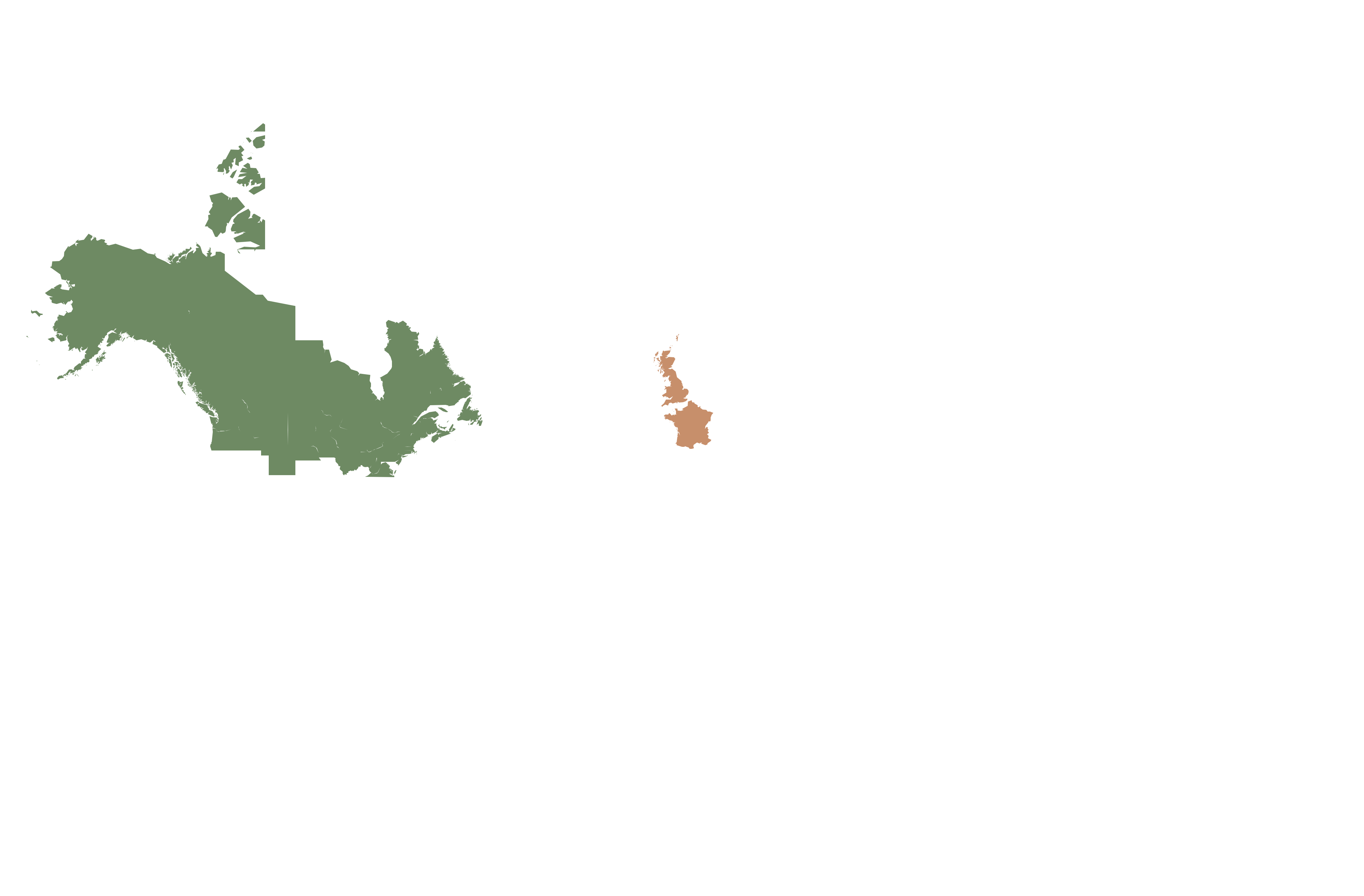
- Native
- Introduced
- North America
History
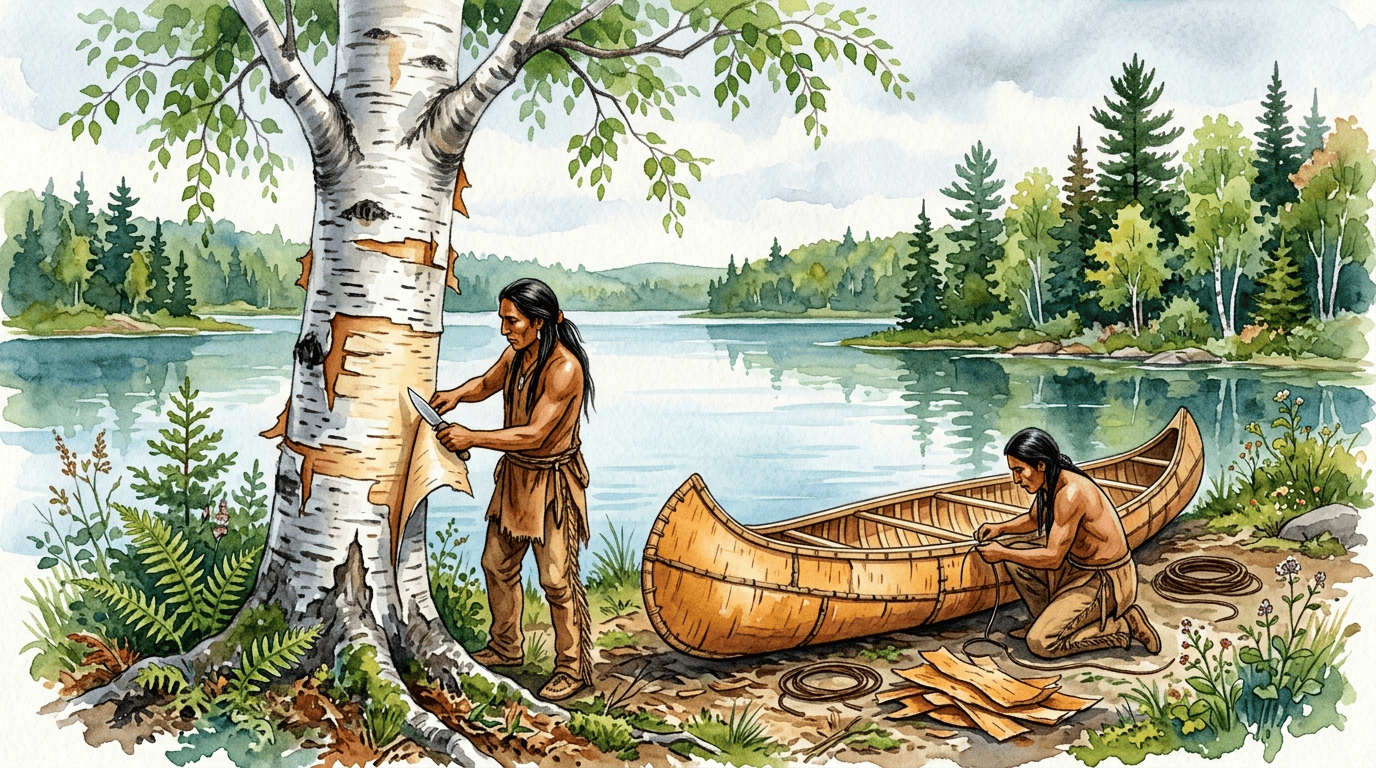
Betula papyrifera is native to the boreal and north-temperate forests of North America, from Newfoundland across to Alaska and south into the northern Rocky Mountains. For Indigenous Algonquian, Ojibwe (Anishinaabe), Cree, Mi'kmaq, and Penobscot peoples, paper birch was among the most important trees. The thin, waterproof, flexible bark was made into birchbark canoes — the dominant transportation technology of the pre-contact Eastern Woodlands, allowing long-distance water travel across the continent's interior rivers and lakes.
Bark also formed wigwam coverings, baskets, cooking containers, and the sacred "wiigwaasabak" birchbark scrolls on which Ojibwe Midewiwin medicine-society teachings were recorded — some of the earliest indigenous North American writing. French voyageurs adopted birchbark canoe technology for the fur trade; the resulting voyageur canoe drove continental commerce from the 17th-19th centuries.
Henry Wadsworth Longfellow's 1855 epic "Song of Hiawatha" famously describes birchbark canoe construction. Today paper birch is threatened at the southern edge of its range by climate warming.
Symbolism & meaning
What It Symbolizes
Paper Birch is a tree of journey — its bark once formed the canoes that carried Indigenous travelers across a continent of rivers and lakes, an emblem of movement and discovery. Paired with resilience, it thrives where harsher climates defeat lesser trees, its white trunks glowing through northern winters. Few trees so literally embody both endurance and exploration in a single peeling, papery skin.
- Journey — The canoe birch enabled Indigenous continental travel — symbolizing exploration, movement, and discovery
- Resilience — Thriving in the harshest northern climates, paper birch represents cold-defying endurance
Where the Name Comes From
Betula from Latin for birch; 'papyrifera' from Latin 'papyrus' + 'ferre' (to bear) — paper-bearing, for the peeling bark sheets.
Uses & Fun Facts
- Catkins and seeds feed redpolls, siskins, and grouse
- Peeling white bark used for traditional Anishinaabe canoes and baskets
- Chalky white trunks make striking winter accent against evergreens
Related plants
More Betula plants
Plants with similar care
 Mexican AbeliaAbelia floribunda
 Fraser FirAbies fraseri
 Paperbark MapleAcer griseum
 Sugar MapleAcer saccharum
Frequently asked questions
How often should I water Paper Birch?
In summer, water about every 5 days; in winter, about every 30 days. Adjust for heat, pot size and drainage.
How much light does Paper Birch need?
Full sun: 6+ hrs direct. Watch the leaves — scorching or stretching means the light needs adjusting.
Is Paper Birch toxic to cats or dogs?
Pets Safe (Dogs Safe · Cats Safe) Educational information, not medical or veterinary advice. If exposure is suspected, contact a doctor or veterinarian.
Is Paper Birch easy to grow?
It is moderately demanding: a good choice once you have a little experience.
When does Paper Birch bloom?
It typically blooms Apr–May in the Northern Hemisphere.
YardMate
Identify any plant in seconds
Snap a photo — YardMate names the plant, diagnoses problems, and reminds you when to water.
Download on the App Store