 YardMate


Silver Birch
Betula pendula
Easy · Beginner friendlyAbout Silver Birch
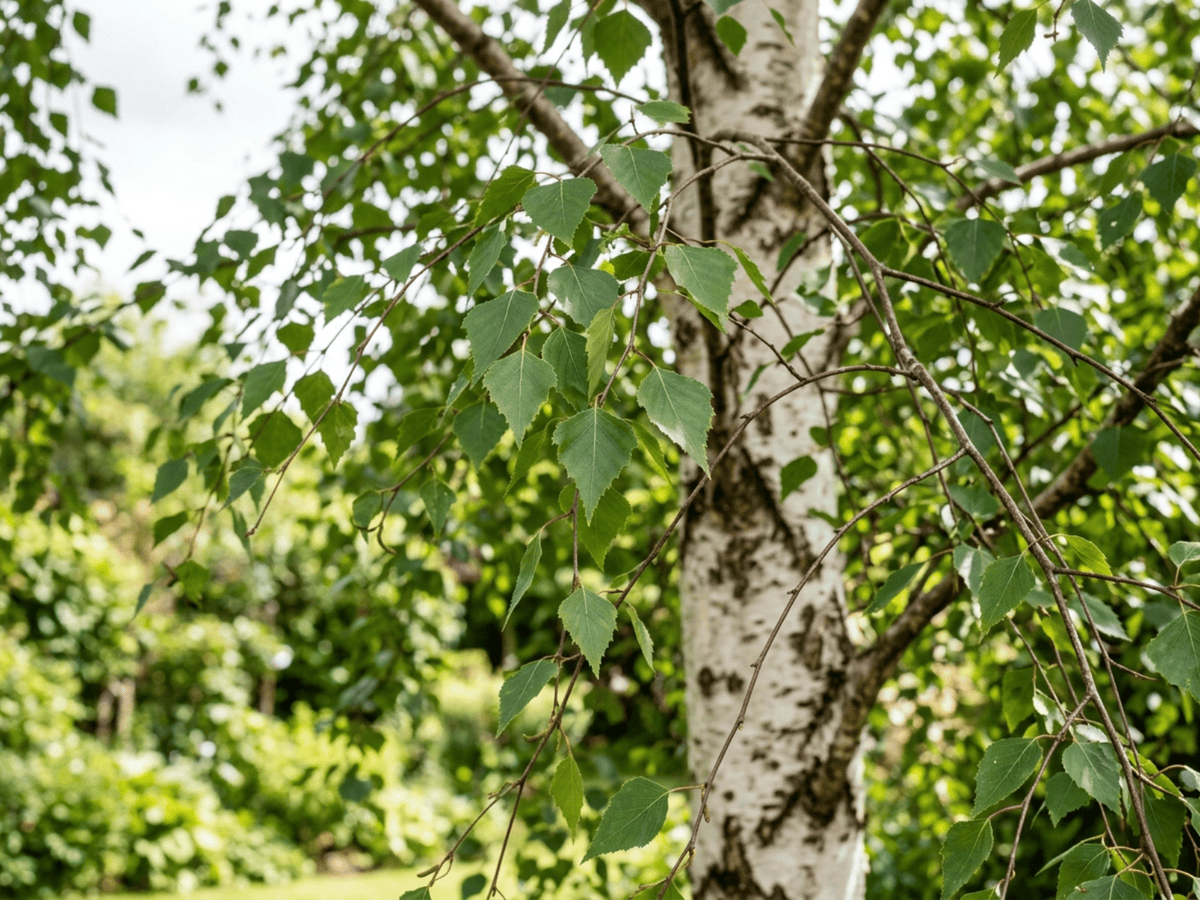
Betula pendula, the silver birch, is an elegant deciduous tree in the Betulaceae family native across Europe and Asia. Growing 15–25 m tall, it is instantly recognisable by its gleaming white bark that peels in papery strips, slender weeping branches, and small triangular-toothed leaves that flutter in the lightest breeze and turn golden yellow in autumn.
Silver birch thrives in USDA zones 2–7, preferring cool climates, full sun, and well-drained (even poor, sandy) soil. It is a pioneer species—one of the first trees to colonise disturbed land—and grows rapidly, though it is relatively short-lived (80–100 years). The tree does not tolerate heat, drought, or heavy clay well. Cultivars like 'Youngii' (weeping) and 'Dalecarlica' (deeply cut leaves) offer refined garden forms.
The silver birch is one of Europe's most culturally significant trees. In Norse mythology, it was sacred to Freya. In Finland and Russia, birch branches are used in sauna rituals (vihta/venik). Birch sap is tapped in spring for a refreshing drink across Scandinavia and Eastern Europe. The bark has been used for canoes, roofing, writing material, and fire-starting since prehistoric times. In the landscape, nothing matches the birch's luminous white trunk glowing in winter light.
- Cold-hardy
- Fast-growing
- Native
How to care for Silver Birch
Watering
- Springevery 7 days
- Summerevery 5 days
- Fallevery 10 days
- Winterevery 30 days
Soil · Well-draining
- Top dressingPine bark mulch10%
- Main mixPotting soil + perlite 2:170%
- DrainageLECA / gravel20%
Never skip the drainage layer — standing water is the top cause of root rot.
FERTILIZER
- Springevery 45 days
At a Glance
- NativeEurope, East Asia
- Height40–50 ft (12.2–15.2 m)
- Spread15–25 ft (4.6–7.6 m)
- Flower colorYellow
- Foliage colorGreen, Yellow
- SoilLoamy, Well-drained, Acidic
- LocationsYard
Bloom time
BLOOM CYCLE
Peak bloom
Mar–May
Catkins appear in spring; male catkins are long and pendulous, female catkins smaller and upright.
Fragrance
NO FRAGRANCE
No notable fragrance.
Toxicity
Humans Safe · Pets Safe
betulin and betulinic acid
Safe
EXPOSURE No exposure route is reported.
EFFECT Sap and bark safe and birch pollen is a major spring allergen.
NOTE Listed as non-toxic for humans; avoid eating ornamental plants unless confirmed edible.
Safe
EXPOSURE No exposure route is reported.
EFFECT Tree not toxic and note xylitol (derived from birch) is highly toxic to dogs.
NOTE Listed as non-toxic for dogs; avoid eating ornamental plants unless confirmed edible.
Safe
EXPOSURE No exposure route is reported.
EFFECT Tree not toxic.
NOTE Listed as non-toxic for cats; avoid eating ornamental plants unless confirmed edible.
Educational information, not medical or veterinary advice. If exposure is suspected, contact a doctor or veterinarian.
DISTRIBUTION

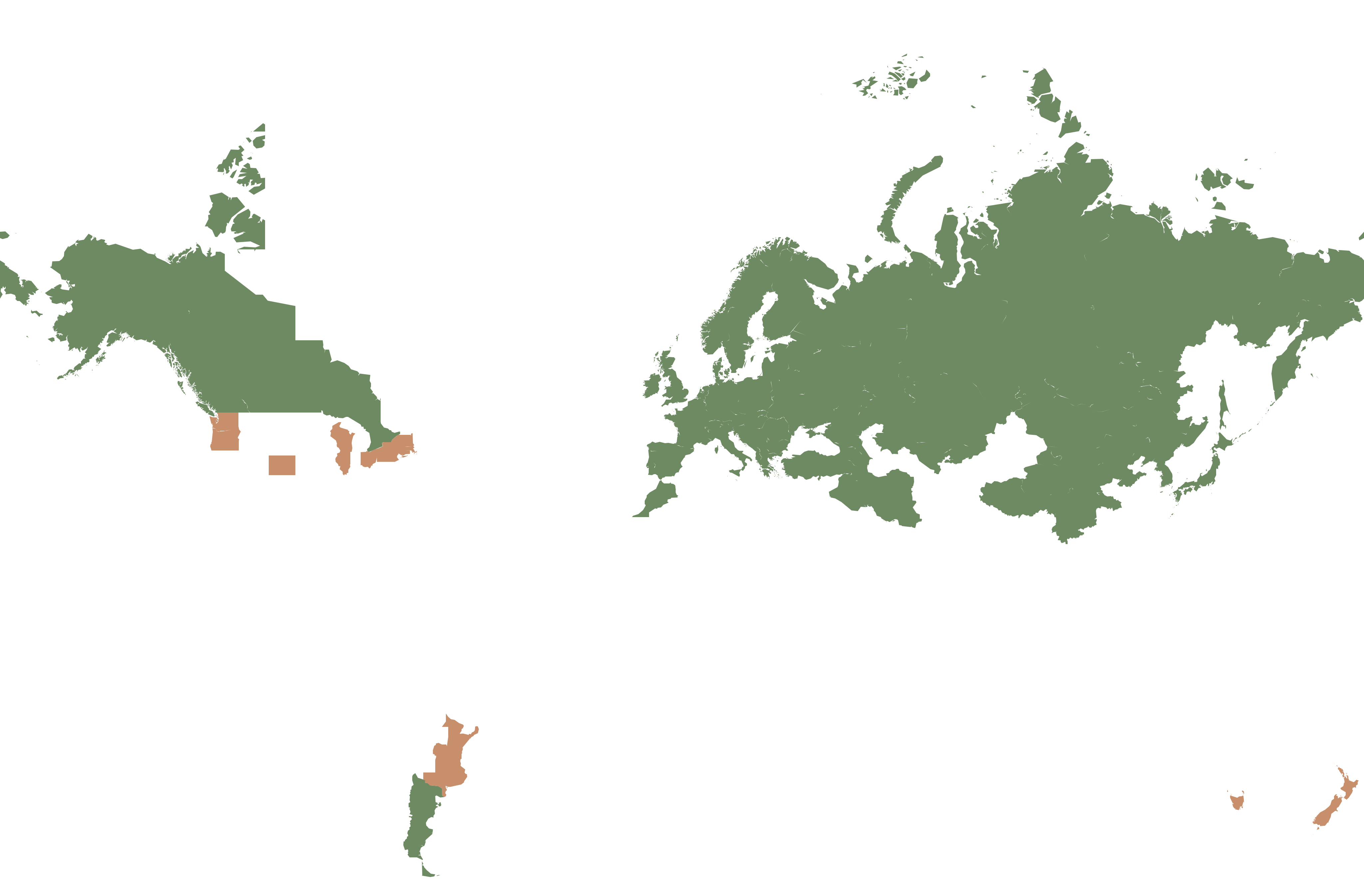
- Native
- Introduced
- Europe
- East Asia
History

Betula pendula is native to most of Europe and northern Asia. It is the national tree of Finland, Sweden, and in Russia it is one of the most culturally prominent trees — featuring in folklore, literature (Yesenin, Chekhov), music, and the painted-birch traditional art of Khokhloma. Birch bark tar was used as one of humanity's earliest chemical adhesives — pitch residues on stone tools from Neanderthal sites in Germany and Italy, dated 200,000+ years ago, demonstrate dry-distillation of birch bark for adhesive, making birch-tar-hafted tools among the oldest composite technologies known.
Medieval Nordic peoples made birch-bark shoes, baskets, and writing surfaces; Russian "beresta" manuscripts preserved medieval literature. Birch sap is traditionally fermented into a mildly alcoholic drink across Finland, the Baltic states, Russia, and eastern Europe, and birch water is now sold commercially as a health drink. Finnish "vihta" or Russian "venik" — bundles of birch branches — are used in saunas for traditional branch-beating.
Birch also yields xylitol, the sugar substitute which is highly toxic to dogs. Sacred to Norse goddess Freya, birch is the first letter of the Ogham alphabet and the first tree in the Celtic tree calendar. The tree's white bark has provided writing material, canoe skin, and fire starter for Northern peoples since the Stone Age.
Symbolism & meaning
What It Symbolizes
The Silver Birch is the great pioneer tree, colonizing bare and burned ground where no other tree will yet venture, and so it became a strong symbol of new beginnings, fresh starts, and hope. Its luminous white bark glows like a candle in the woodland, embodying purity, light, and innocence. Across Celtic and Nordic traditions it remains the flower of beginnings, the first to arrive and the first to forgive the ruined ground.
- New beginnings — As a pioneer tree colonizing bare ground, birch symbolizes renewal, fresh starts, and hope
- Purity — The luminous white bark represents cleanliness, light, and innocence
Where the Name Comes From
Betula from Latin for birch (possibly from Celtic 'betu'); 'pendula' means hanging/weeping, describing the graceful drooping branch tips.
Uses & Fun Facts
- Spring sap tapped as traditional Nordic beverage
- White bark used for crafts, branches for sauna whisks
- Gleaming white-barked tree as landscape focal point
- Weeping branches and fluttering leaves grace large yards
Related plants
More Betula plants

Plants with similar care
 Chinese AbeliaAbelia chinensis
 Fragrant AbeliaAbelia mosanensis
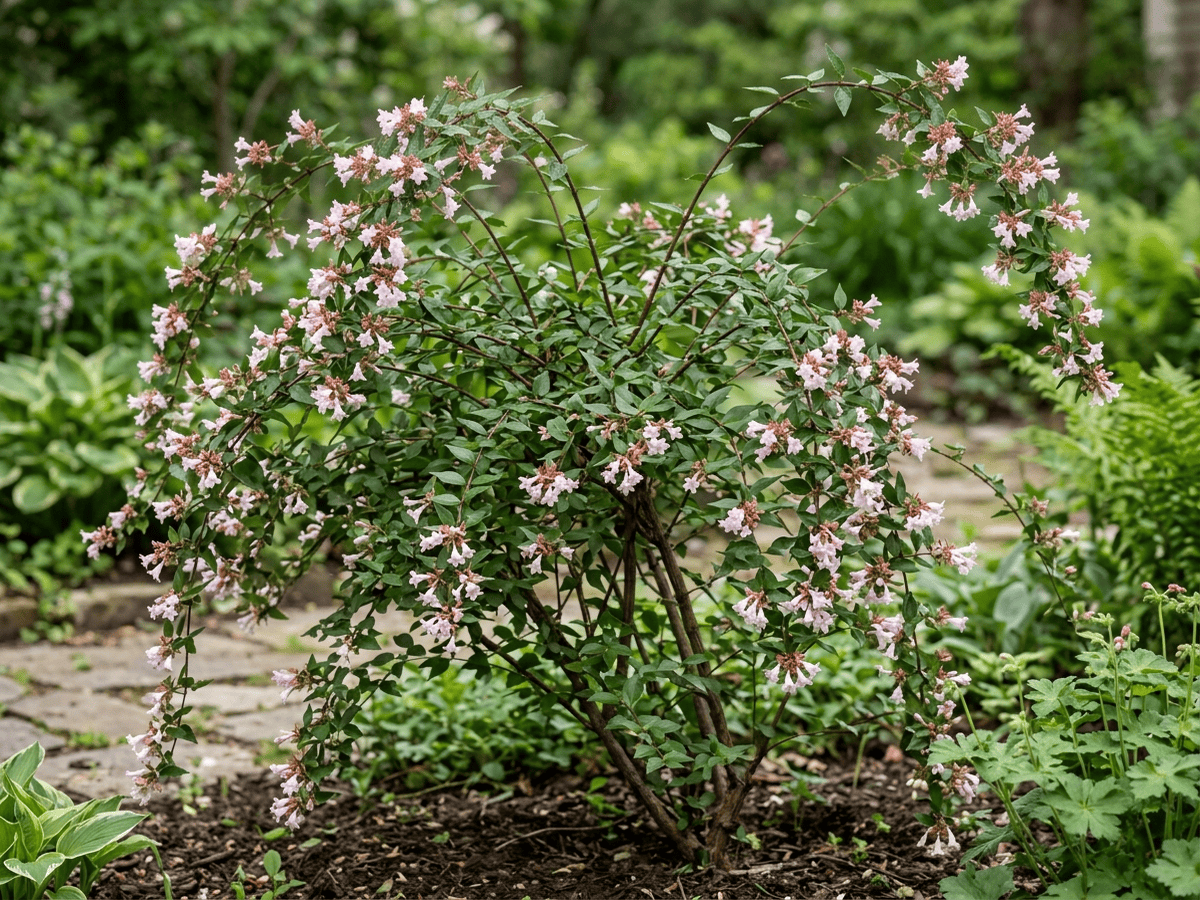 Large-Flowered AbeliaAbelia uniflora
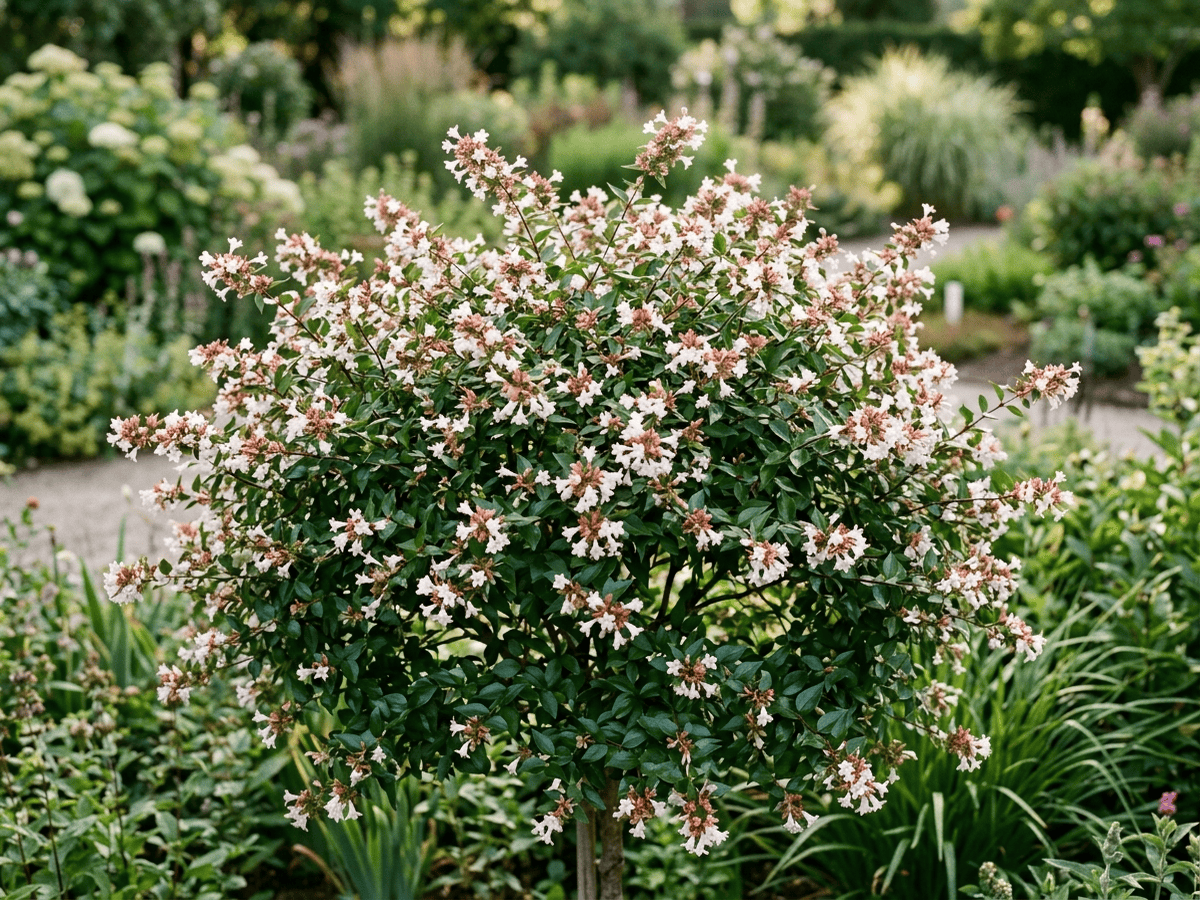 Glossy AbeliaAbelia x grandiflora
Frequently asked questions
How often should I water Silver Birch?
In summer, water about every 5 days; in winter, about every 30 days. Adjust for heat, pot size and drainage.
How much light does Silver Birch need?
Full sun: 6+ hrs direct. Watch the leaves — scorching or stretching means the light needs adjusting.
Is Silver Birch toxic to cats or dogs?
Pets Safe (Dogs Safe · Cats Safe) Educational information, not medical or veterinary advice. If exposure is suspected, contact a doctor or veterinarian.
Is Silver Birch easy to grow?
Yes — it is considered an easy, beginner-friendly plant.
When does Silver Birch bloom?
It typically blooms Mar–May in the Northern Hemisphere.
YardMate
Identify any plant in seconds
Snap a photo — YardMate names the plant, diagnoses problems, and reminds you when to water.
Download on the App Store