 YardMate

Lesser Bougainvillea
Bougainvillea glabra
Medium · Some experienceAbout Lesser Bougainvillea
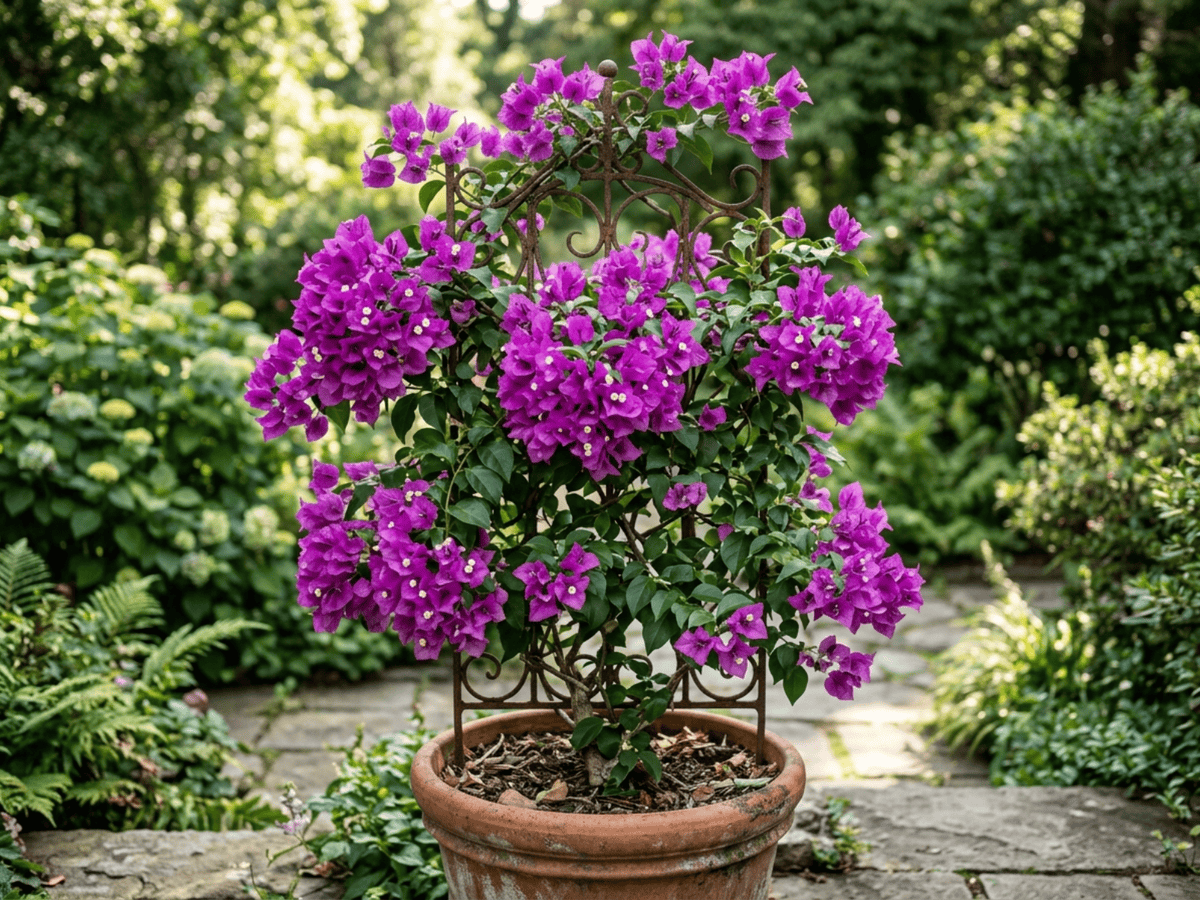
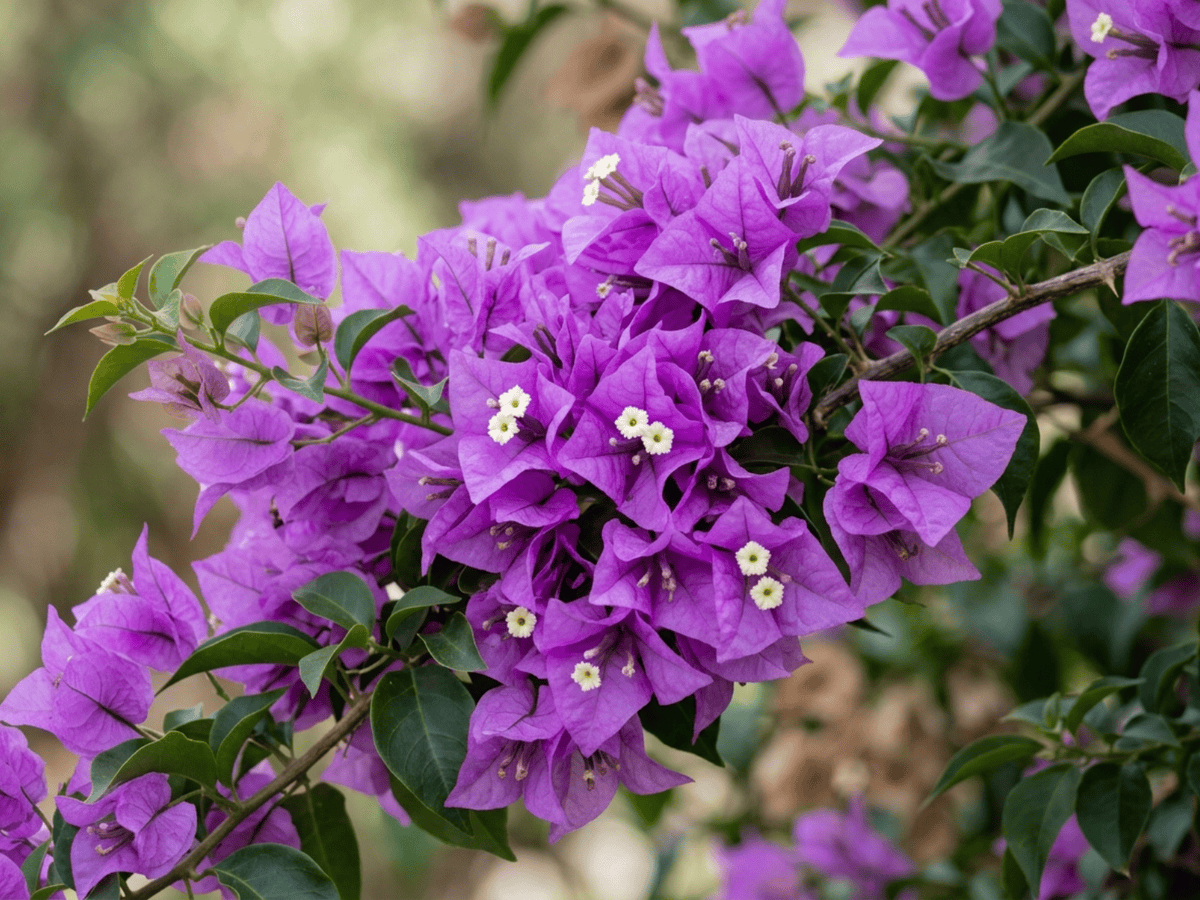
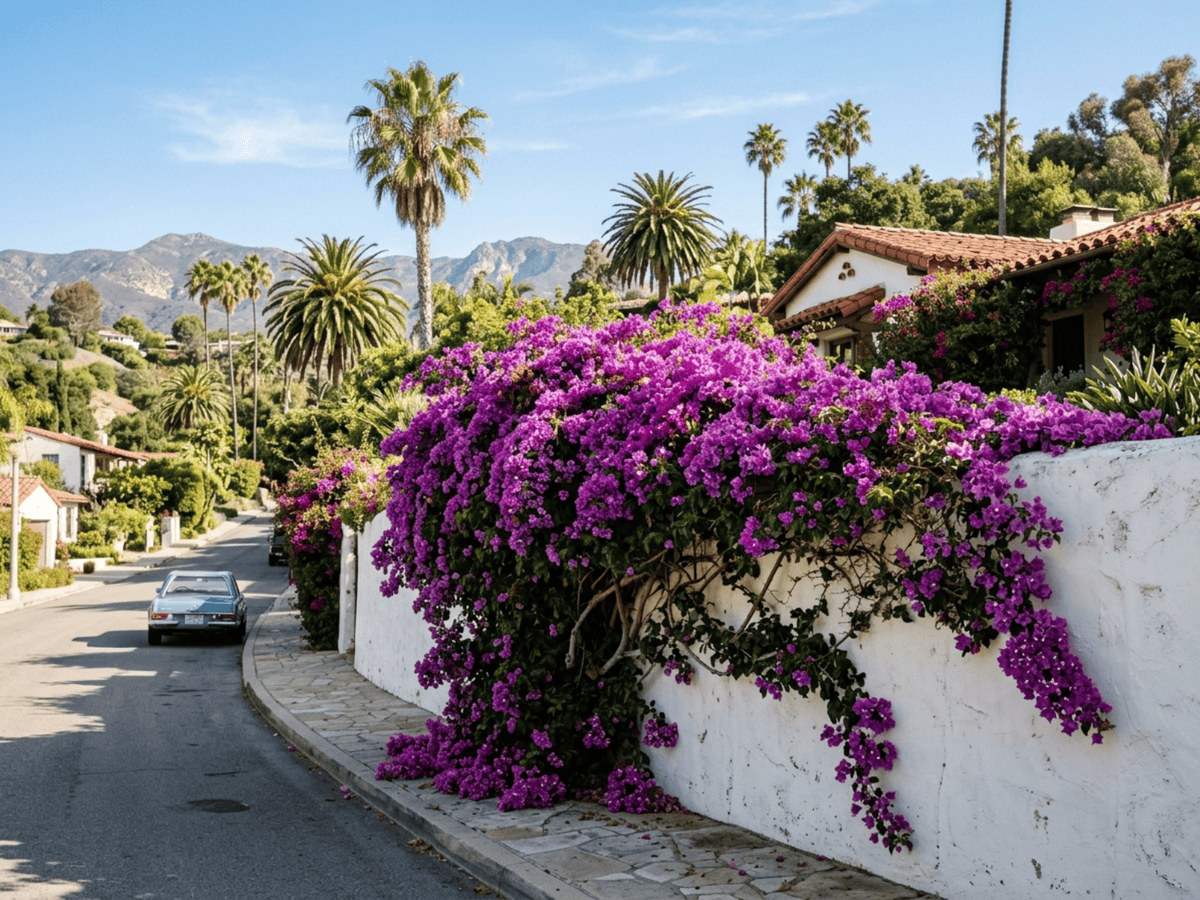
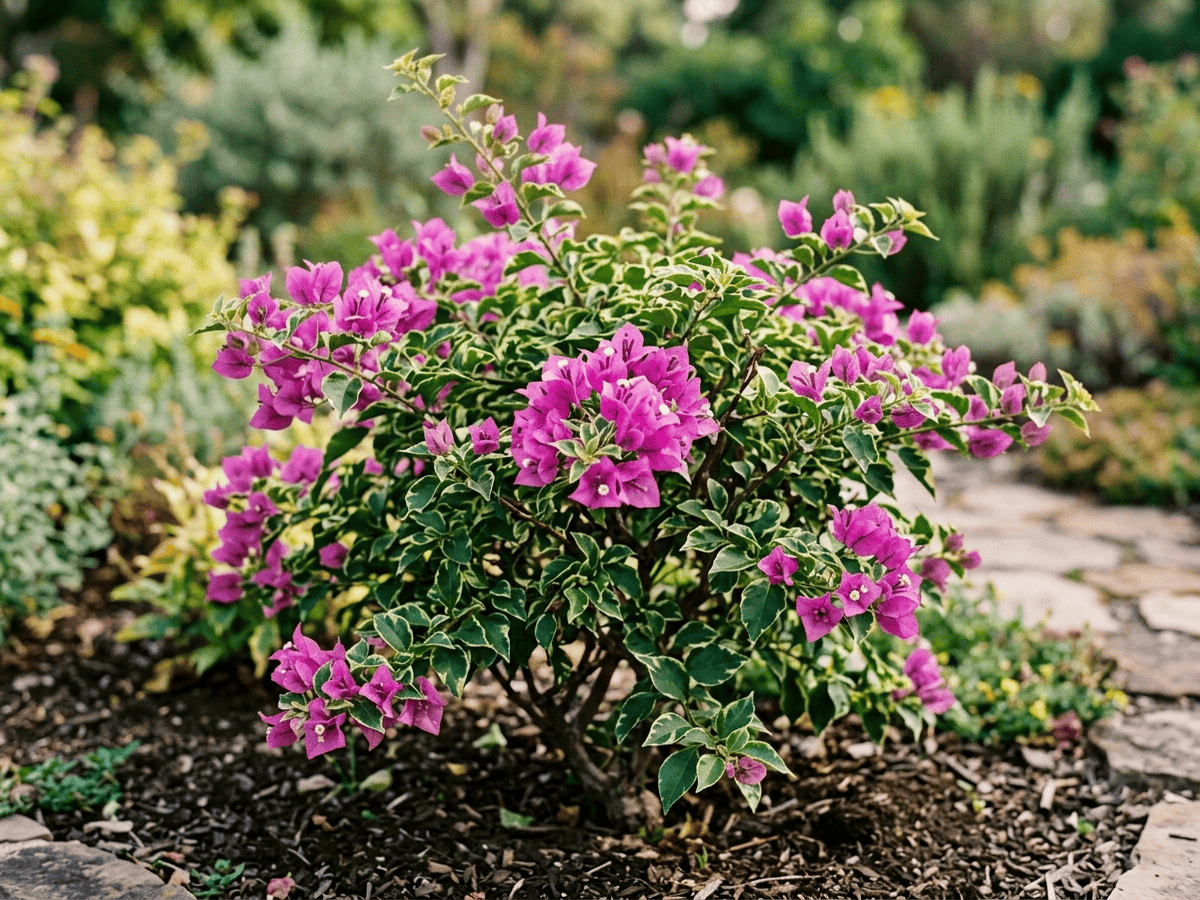
Bougainvillea glabra, the lesser bougainvillea, is more compact and less thorny than B. spectabilis, making it better suited for containers and smaller gardens. It produces profuse papery bracts in magenta, purple, white, and pink. Native to Brazil, it blooms more freely than B. spectabilis, with some varieties flowering almost continuously in warm climates. The 'glabra' (smooth) name refers to its less hairy leaves. Popular cultivars include 'Sanderiana' (deep purple) and 'Snow White.' It can be trained as a standard, hedge, or bonsai. Like all bougainvillea, it demands heat, sun, and good drainage.
- Drought-tolerant
- Compact
How to care for Lesser Bougainvillea
Watering
- Springevery 10 days
- Summerevery 7 days
- Fallevery 14 days
- Winterevery 21 days
Soil · Well-draining
- Top dressingPine bark mulch10%
- Main mixPotting soil + perlite 2:170%
- DrainageLECA / gravel20%
Never skip the drainage layer — standing water is the top cause of root rot.
FERTILIZER
Bloom Booster 10-52-10
A phosphorus-forward feed fuels abundant blooms, with just enough nitrogen and potassium to keep foliage and roots steady.
- Nitrogen · Leaves
- Phosphorus · Roots + Blooms
- Potassium · Strength
- Springevery 30 days
- Summerevery 30 days
At a Glance
- NativeSouth America
- Height15–30 ft (4.6–9.1 m)
- Spread10–20 ft (3–6.1 m)
- Flower colorPink, Purple, White, Red
- Foliage colorGreen, Variegated
- SoilLoamy, Well-drained, Sandy
- LocationsBalcony · Yard
Bloom time
BLOOM CYCLE
Peak bloom
Jan–Dec
More compact than B. spectabilis; excellent for bonsai and containers
Fragrance
NO FRAGRANCE
No notable fragrance.
Toxicity
Humans Slight · Pets Slight
Unknown toxic principle
Slight
- Sap
- Contact
EXPOSURE Touching sap.
EFFECT Minor sap irritation and mechanical injury from any thorns present.
NOTE Documented concern for humans: Minor sap irritation and mechanical injury from any thorns present.
Slight
- All
- Ingestion
EXPOSURE Eating any part of the plant.
EFFECT Mild GI upset.
NOTE ASPCA lists Bougainvillea as non-toxic.
Slight
- All
- Ingestion
EXPOSURE Eating any part of the plant.
EFFECT Mild GI upset.
NOTE ASPCA lists Bougainvillea as non-toxic.
Educational information, not medical or veterinary advice. If exposure is suspected, contact a doctor or veterinarian.
DISTRIBUTION

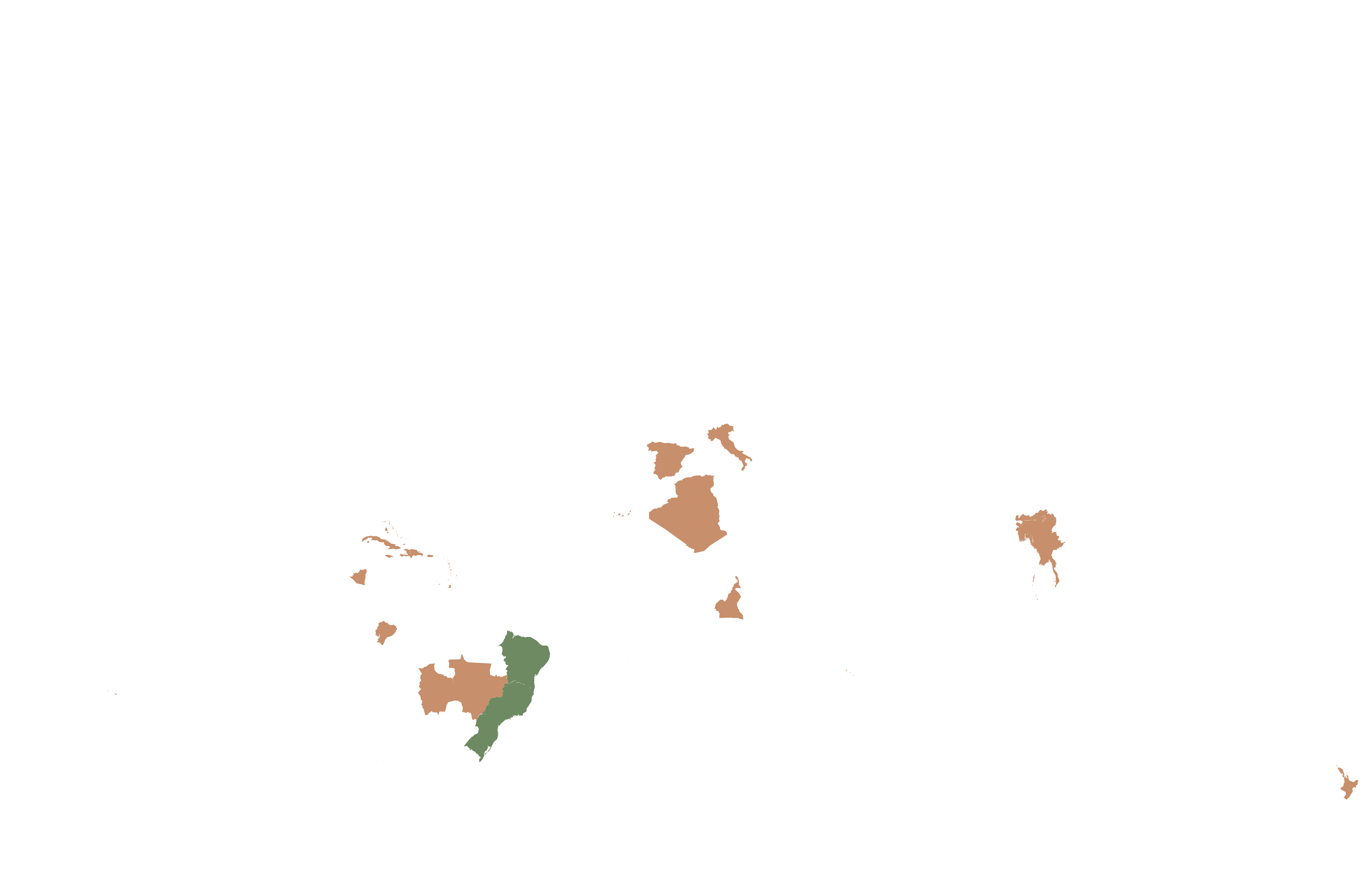
- Native
- Introduced
- South America
History
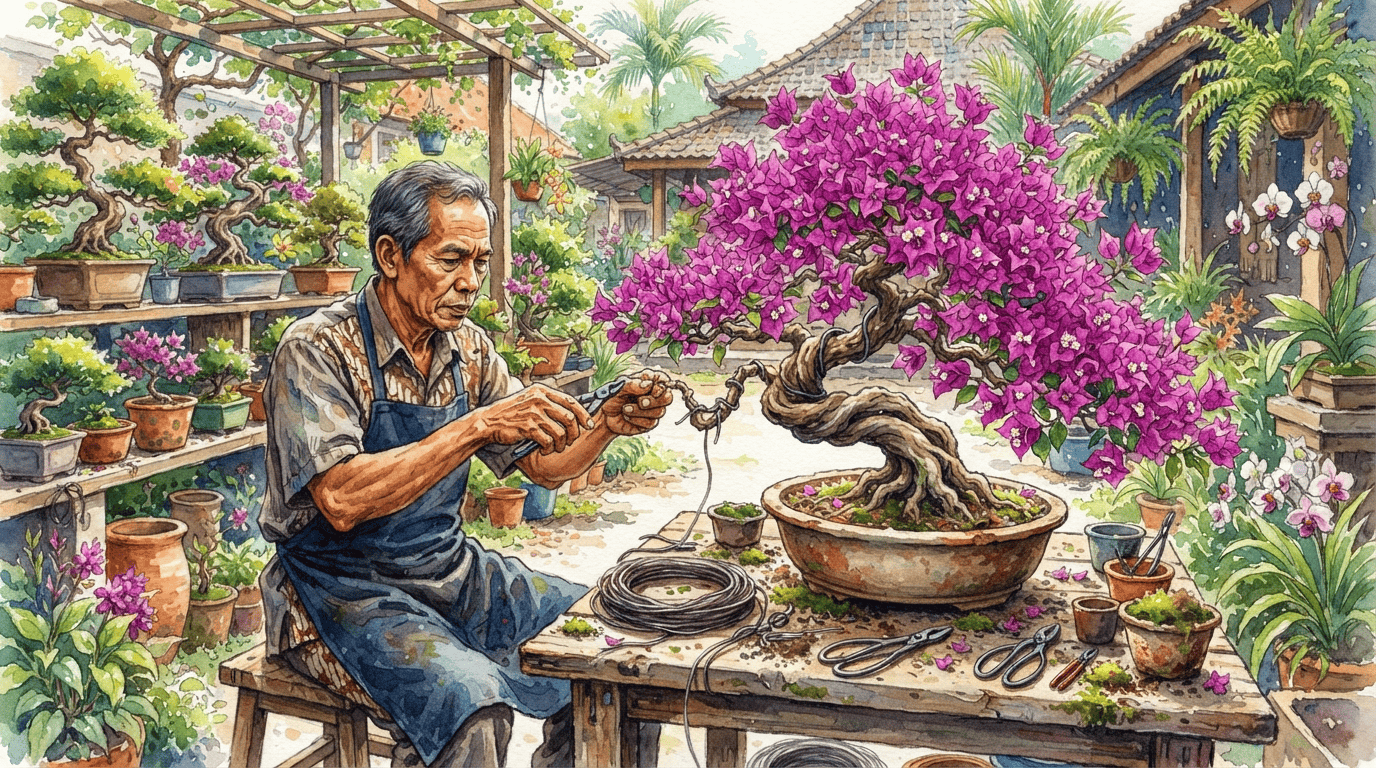
Bougainvillea glabra is native to Brazil and was introduced to European cultivation in the mid-19th century. It differs from B. spectabilis chiefly by its smoother, less hairy leaves and smaller, thornless or nearly thornless habit — making it the preferred parent of most modern garden cultivars. Twentieth-century horticultural development, particularly in India, Australia, and the United States, produced the extensive cultivar range now sold: "Barbara Karst," "Mrs. Butt," "San Diego Red," "Miss Manila," and the double-bracted "Double Pink."
It is the official municipal flower of multiple warm-climate cities: Shenzhen (China, since 1988), Naha (Japan), Tainan and Pingtung (Taiwan), Ipoh (Malaysia), and Guam (USA). Its ability to produce vivid walls of color on walls and pergolas with minimal water made it a signature of modernist tropical architecture. Bougainvillea glabra was instrumental in making bougainvillea one of the most commercially important ornamental plants in the tropics and subtropics.
Its more compact habit and free-flowering nature made it adaptable to smaller gardens and containers. In Southeast Asia, bougainvillea bonsai is a respected art form — specimens with thick, gnarled trunks cascading with purple bracts can sell for thousands of dollars. Thailand and the Philippines produce some of the world's finest bougainvillea bonsai. In Singapore, bougainvillea hedge-trimming into geometric shapes along highways is an iconic part of the city's designed landscape.
Symbolism & meaning
What It Symbolizes
Lesser Bougainvillea is welcome painted in magenta, cascading over arches, courtyard walls, and tropical doorways from Mexico to Mumbai. Its papery bracts say, before any words, that this is a place to come in, sit down, and stay a while. In every sun-drenched climate it has chosen to grow, it has become the universal flag of warm hospitality.
- Welcome — Cascading over doorways across the tropics, it represents warm hospitality and invitation
Where the Name Comes From
Bougainvillea for Louis de Bougainville. Glabra means 'smooth' or 'hairless,' for the smooth leaf surfaces.
Uses & Fun Facts
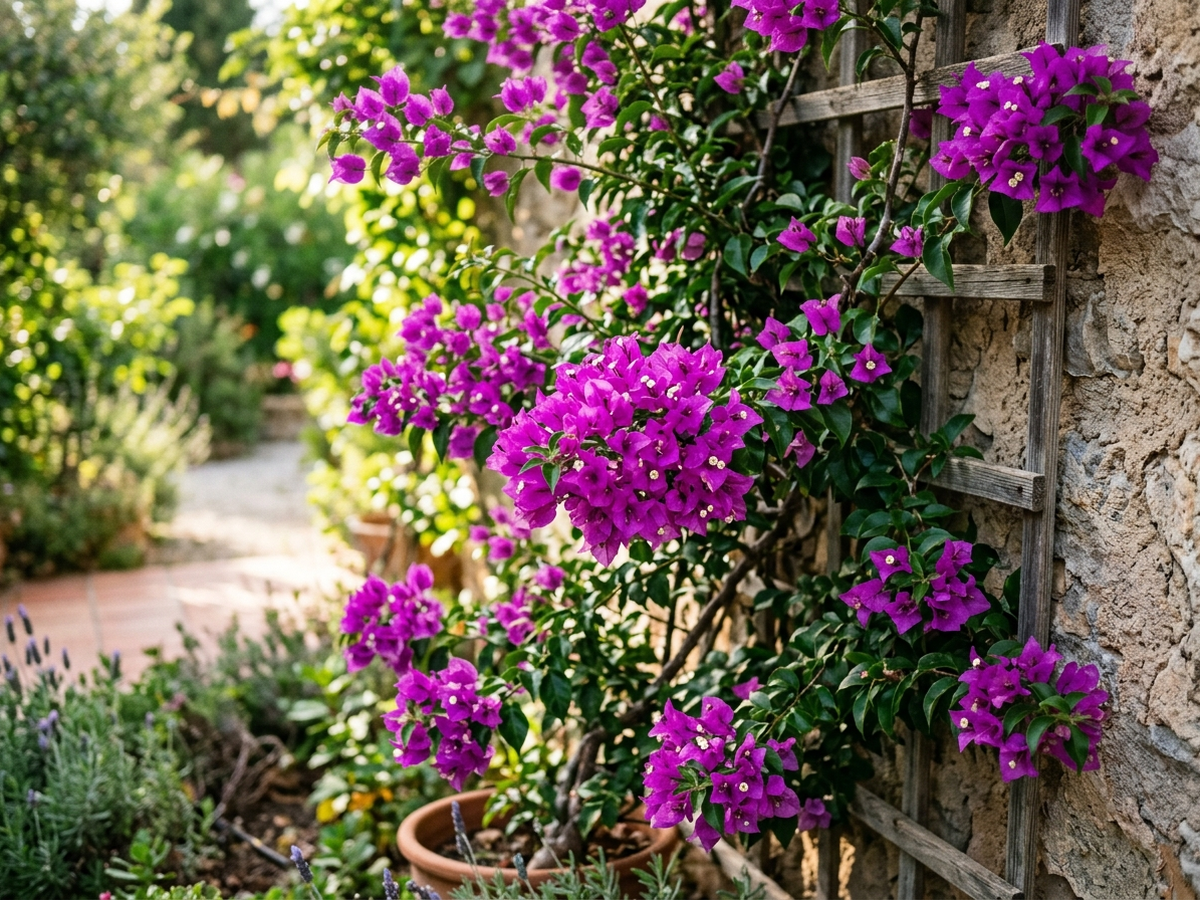
- Trains across pergolas, fences, and warm patio walls
- Compact thornless form thrives in pots and bonsai trays
- Dense magenta flowering screen for frost-free climates
- Papery bracts provide months of vivid summer color
Related plants
More Bougainvillea plants
Plants with similar care
 Mexican AbeliaAbelia floribunda
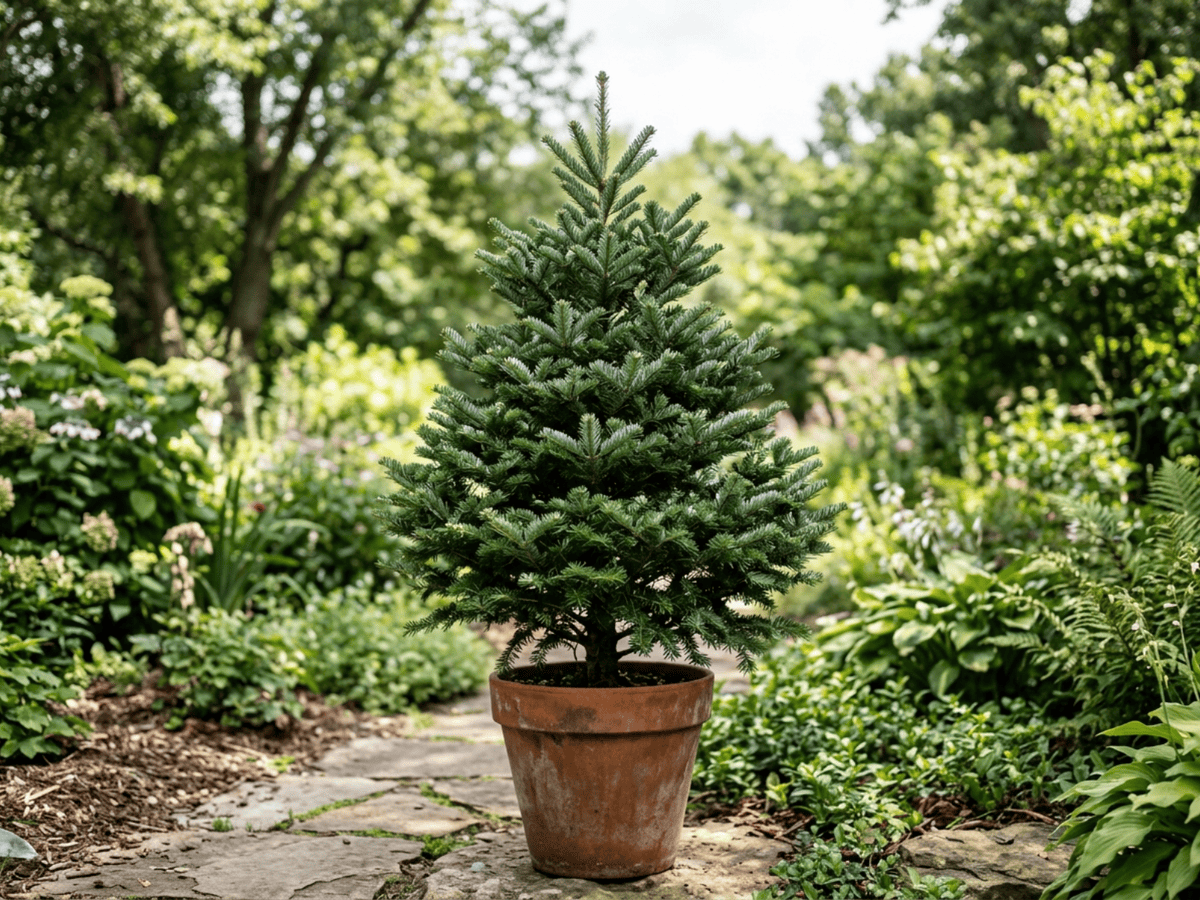 Fraser FirAbies fraseri
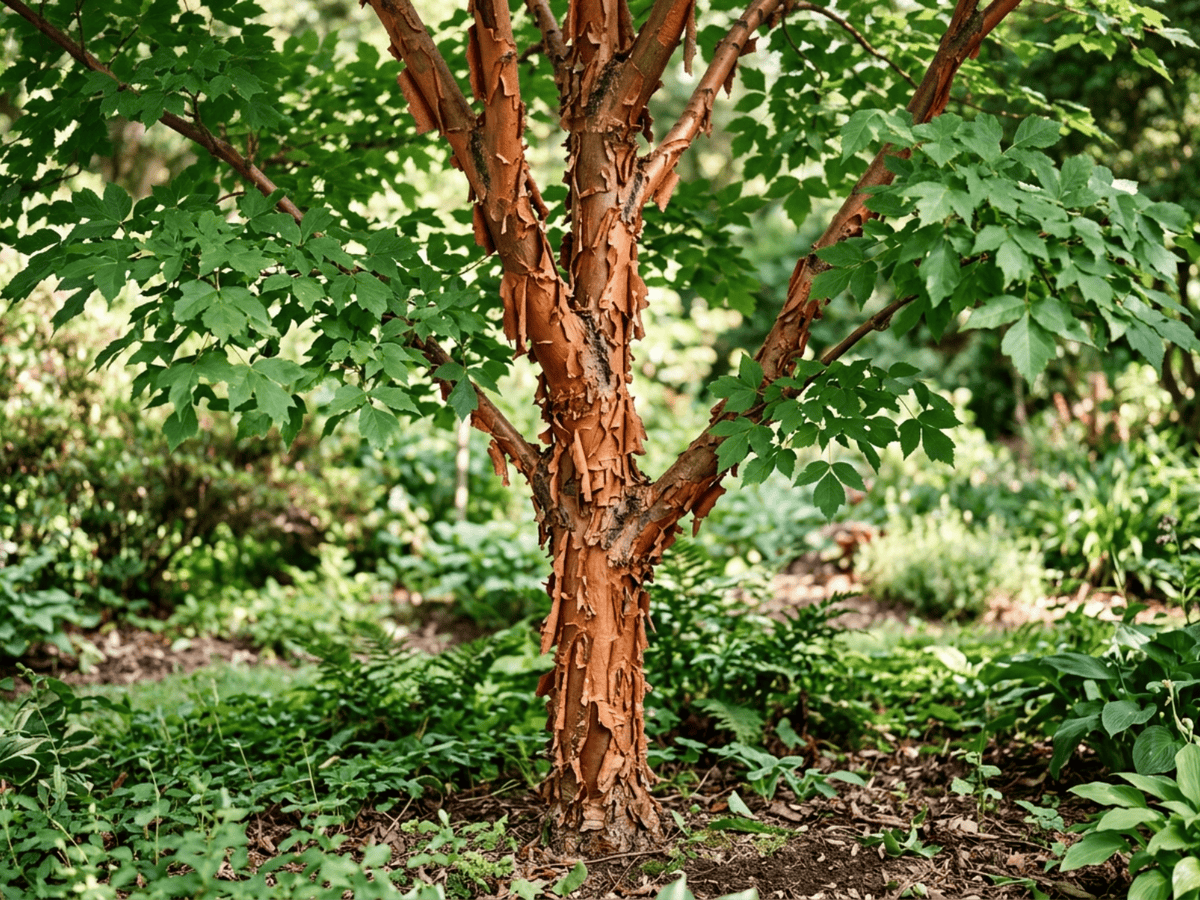 Paperbark MapleAcer griseum
 Sugar MapleAcer saccharum
Frequently asked questions
How often should I water Lesser Bougainvillea?
In summer, water about every 7 days; in winter, about every 21 days. Adjust for heat, pot size and drainage.
How much light does Lesser Bougainvillea need?
Full sun: 6+ hrs direct. Watch the leaves — scorching or stretching means the light needs adjusting.
Is Lesser Bougainvillea toxic to cats or dogs?
Pets Slight (Dogs Slight · Cats Slight) Educational information, not medical or veterinary advice. If exposure is suspected, contact a doctor or veterinarian.
Is Lesser Bougainvillea easy to grow?
It is moderately demanding: a good choice once you have a little experience.
When does Lesser Bougainvillea bloom?
It typically blooms Jan–Dec in the Northern Hemisphere.
YardMate
Identify any plant in seconds
Snap a photo — YardMate names the plant, diagnoses problems, and reminds you when to water.
Download on the App Store