 YardMate

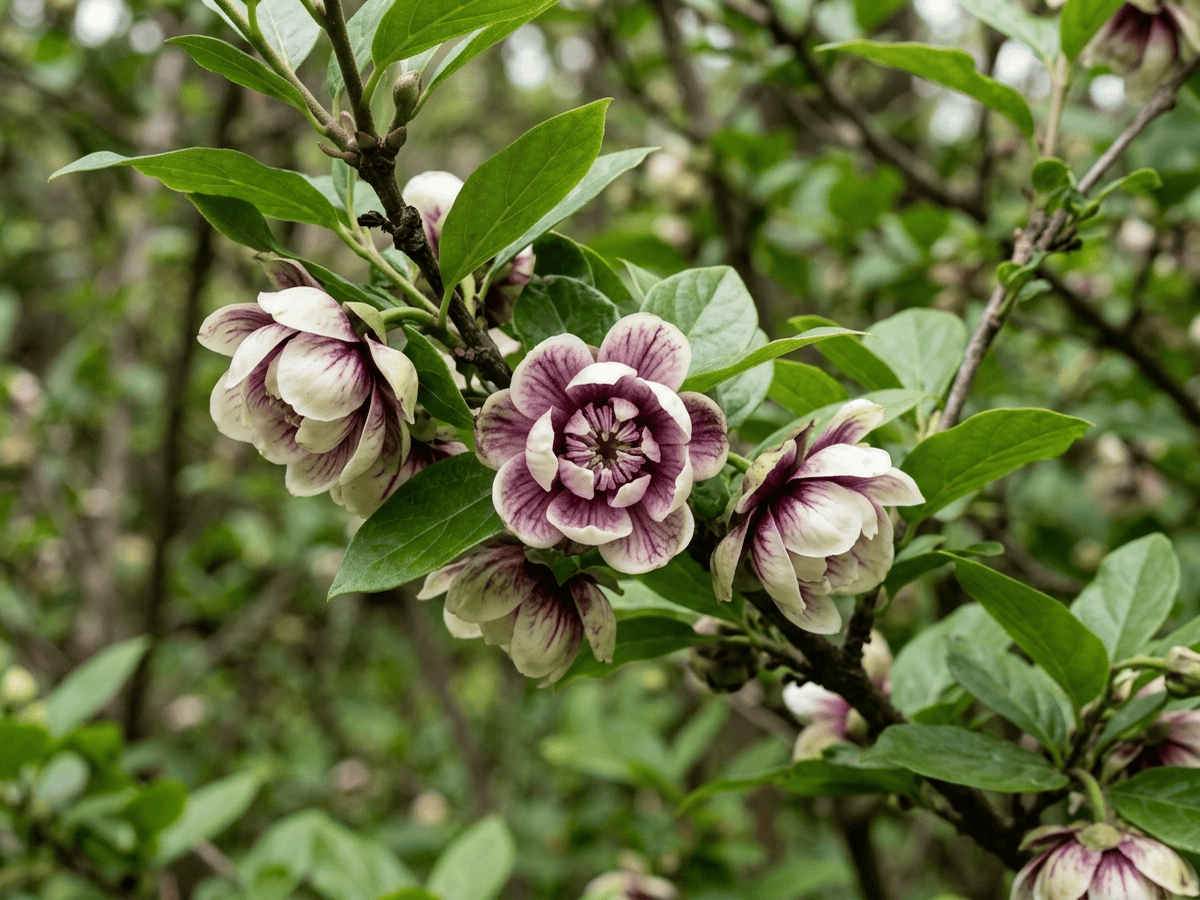


Chinese Sweetshrub
Calycanthus chinensis
Medium · Some experienceAbout Chinese Sweetshrub
Chinese Sweetshrub is a rare deciduous shrub from Zhejiang province in eastern China, growing 6-10 feet tall with large glossy leaves and extraordinary translucent white flowers with a pink center, up to 3 inches across, in late spring. Unlike the familiar American sweetshrub with its small maroon flowers, this Chinese species produces large, showy, almost magnolia-like blooms. Discovered in the wild only in 1963, it remains uncommon in American gardens but is gaining recognition as a specimen plant of exceptional beauty.
- Shade-tolerant
How to care for Chinese Sweetshrub
Watering
- Springevery 7 days
- Summerevery 5 days
- Fallevery 10 days
- Winterevery 21 days
Soil · Rich & loamy
- Top dressingBark mulch15%
- Main mixRich loam + compost 3:170%
- DrainageGravel15%
Use fully finished compost — fresh compost burns roots.
FERTILIZER
Balanced Feed 14-14-14
An even feed covers all three needs at once, keeping leaves, roots and blooms moving together with nothing pushed out of balance.
- Nitrogen · Leaves
- Phosphorus · Roots + Blooms
- Potassium · Strength
- Springevery 30 days
At a Glance
- NativeEast Asia
- Height6–10 ft (1.8–3 m)
- Spread6–10 ft (1.8–3 m)
- Flower colorWhite, Cream, Pink
- Foliage colorGreen, Yellow
- Fruit colorBrown
- SoilRich, Loamy, Well-drained
- LocationsYard
Bloom time
BLOOM CYCLE
Peak bloom
May–Jun
Large translucent white flowers with pink center May to June
Fragrance
NO FRAGRANCE
Flowers unscented—distinct from North American Calycanthus species.
Toxicity
Humans Slight · Pets Slight
calycanthin
Slight
- Seed
- Ingestion
EXPOSURE Eating seeds.
EFFECT Calycanthin alkaloid causes convulsions in very large doses.
NOTE Seeds contain calycanthin, a strychnine-like alkaloid; livestock have been poisoned by American species. Limited data for this species but caution advised.
Slight
- Seed
- Ingestion
EXPOSURE Eating seeds.
EFFECT Possible GI upset.
NOTE Seeds contain calycanthin, a strychnine-like alkaloid; livestock have been poisoned by American species. Limited data for this species but caution advised.
Slight
- Seed
- Ingestion
EXPOSURE Eating seeds.
EFFECT Possible GI upset.
NOTE Seeds contain calycanthin, a strychnine-like alkaloid; livestock have been poisoned by American species. Limited data for this species but caution advised.
Educational information, not medical or veterinary advice. If exposure is suspected, contact a doctor or veterinarian.
DISTRIBUTION


- Native
- East Asia
History

Calycanthus chinensis is endemic to a small area of northwestern Zhejiang Province in eastern China. Chinese botanists W.C. Cheng and S.Y. Chang formally described the species in 1964 in the Acta Phytotaxonomica Sinica. A single herbarium specimen had been collected decades earlier but the plant was not rediscovered in the wild until a 1963 Chinese botanical expedition. Unlike its two North American congeners (C. floridus and C. occidentalis), which have leathery brown-red strap-shaped petal-like tepals and strong fruity fragrance, C. chinensis has 2-3 cm wide wild-rose-like flowers with broad cream-white petals blushed pink at the base and completely lacks fragrance.
Introduced to Western cultivation in the 1980s through the Arnold Arboretum's China expeditions, it has been used most notably as a parent in Tom Ranney's (NCSU) Calycanthus x raulstonii hybrids, especially the dramatic 'Hartlage Wine' (1991, C. chinensis x C. floridus) and 'Venus' (C. chinensis x C. floridus x C. occidentalis)—modern hybrids combining the big showy flowers of C. chinensis with fragrance from the American parents. A botanical sensation when described in 1963—the only member of the Calycanthaceae family known from China. Previously, the family was thought to be restricted to the Americas.
Named Sinocalycanthus chinensis at first, it was later merged into Calycanthus. Hybridized with the American species C. floridus to create 'Venus', a popular cultivar with large white flowers and sweet fragrance. Critically rare in the wild, surviving in only a few mountain valleys.
Symbolism & meaning
What It Symbolizes
Chinese Sweetshrub is a tale of discovery: only in 1963 did botanists find it tucked away in the mountains of eastern China, a quiet revelation among more famous shrubs. Now critically endangered in the wild, it survives largely in cultivation, where its waxy white-and-yellow blooms feel like a privileged secret. Its meaning is rarity preserved — a botanical treasure carried out of obscurity into careful gardens.
- Discovery — a botanical revelation found in Chinese mountains in 1963
- Rarity — critically endangered in the wild, treasured in cultivation
Where the Name Comes From
'Calycanthus' from Greek 'kalyx' (calyx) and 'anthos' (flower), meaning 'calyx-flower'; 'chinensis' refers to its Chinese origin.
Uses & Fun Facts
- Large white flowers with maroon ring in shade gardens
- Rare collector shrub valued for its unusual blooms
Related plants
Plants with similar care
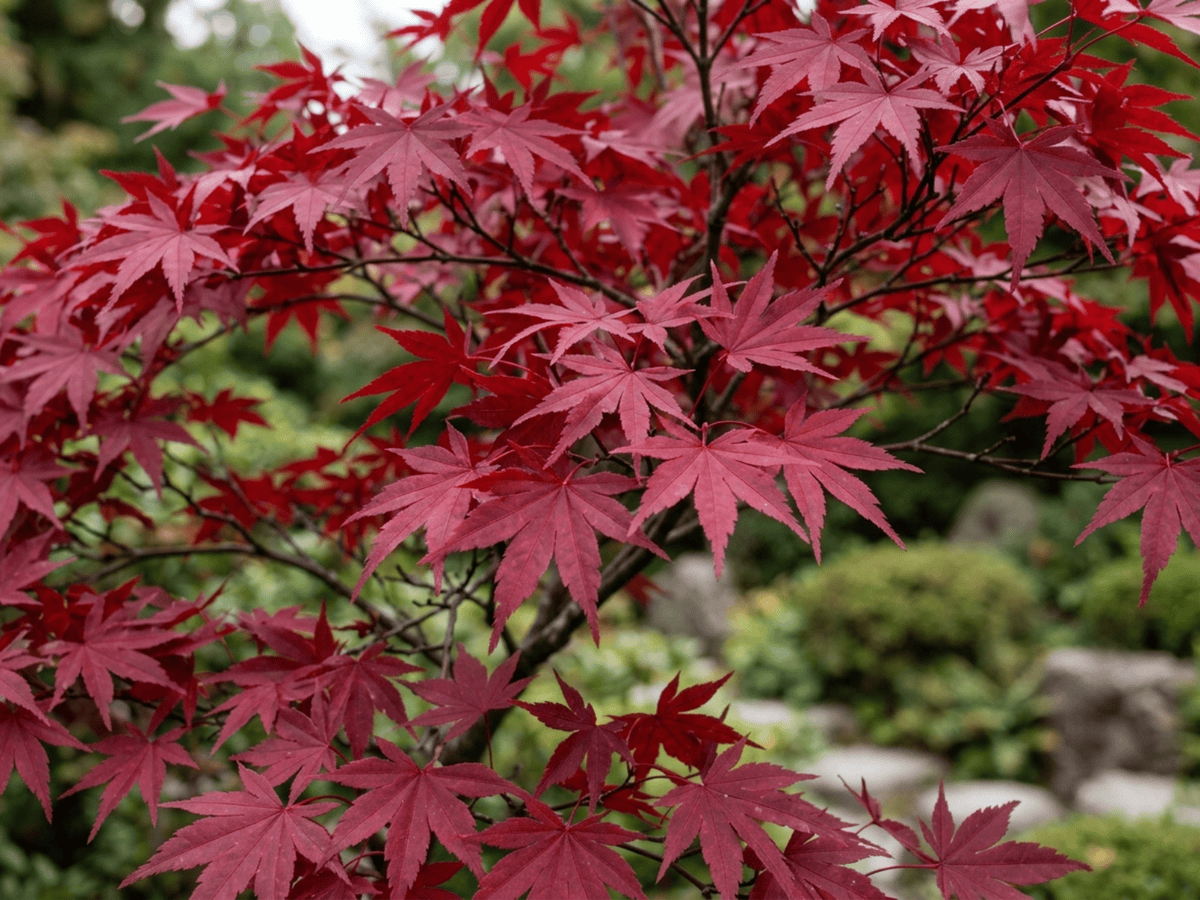 Japanese MapleAcer palmatum
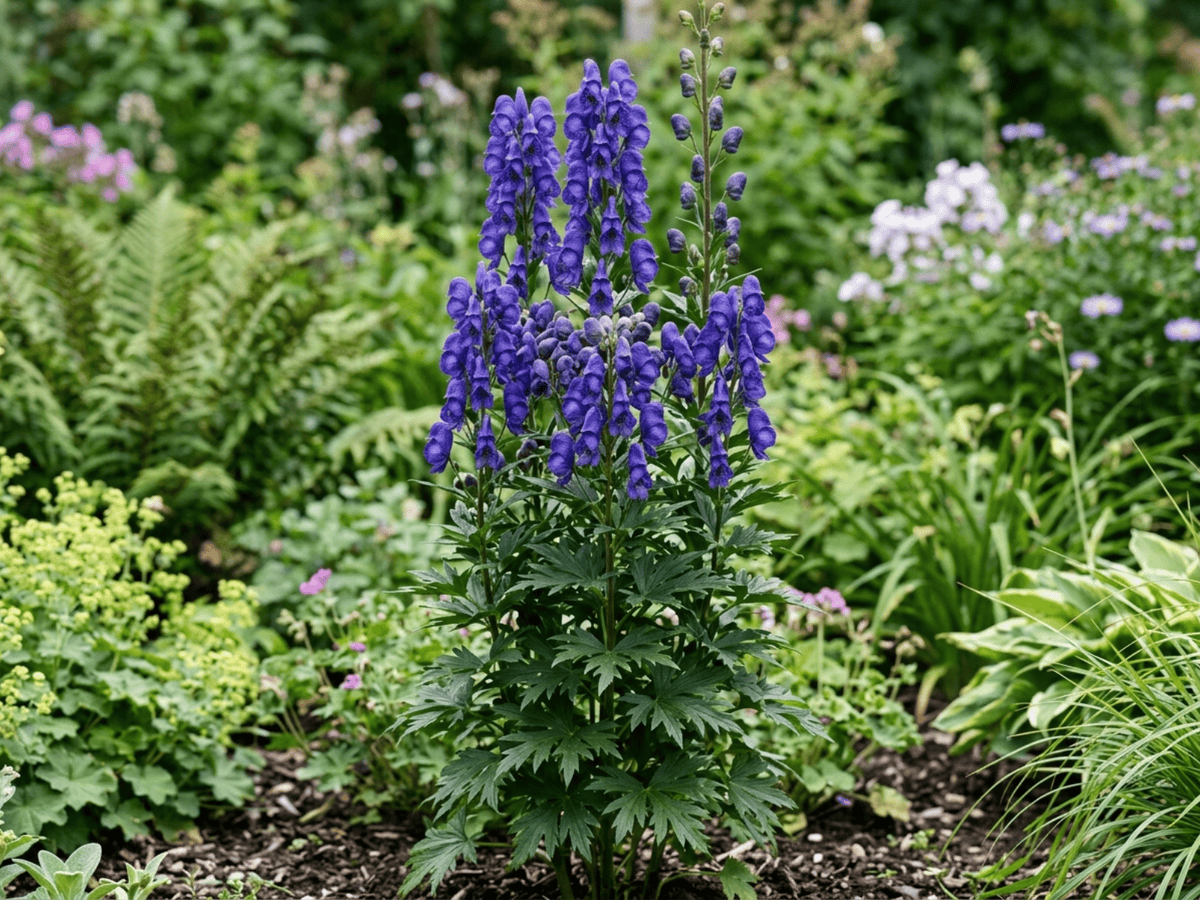 Azure MonkshoodAconitum carmichaelii
 Florida HobblebushAgarista populifolia
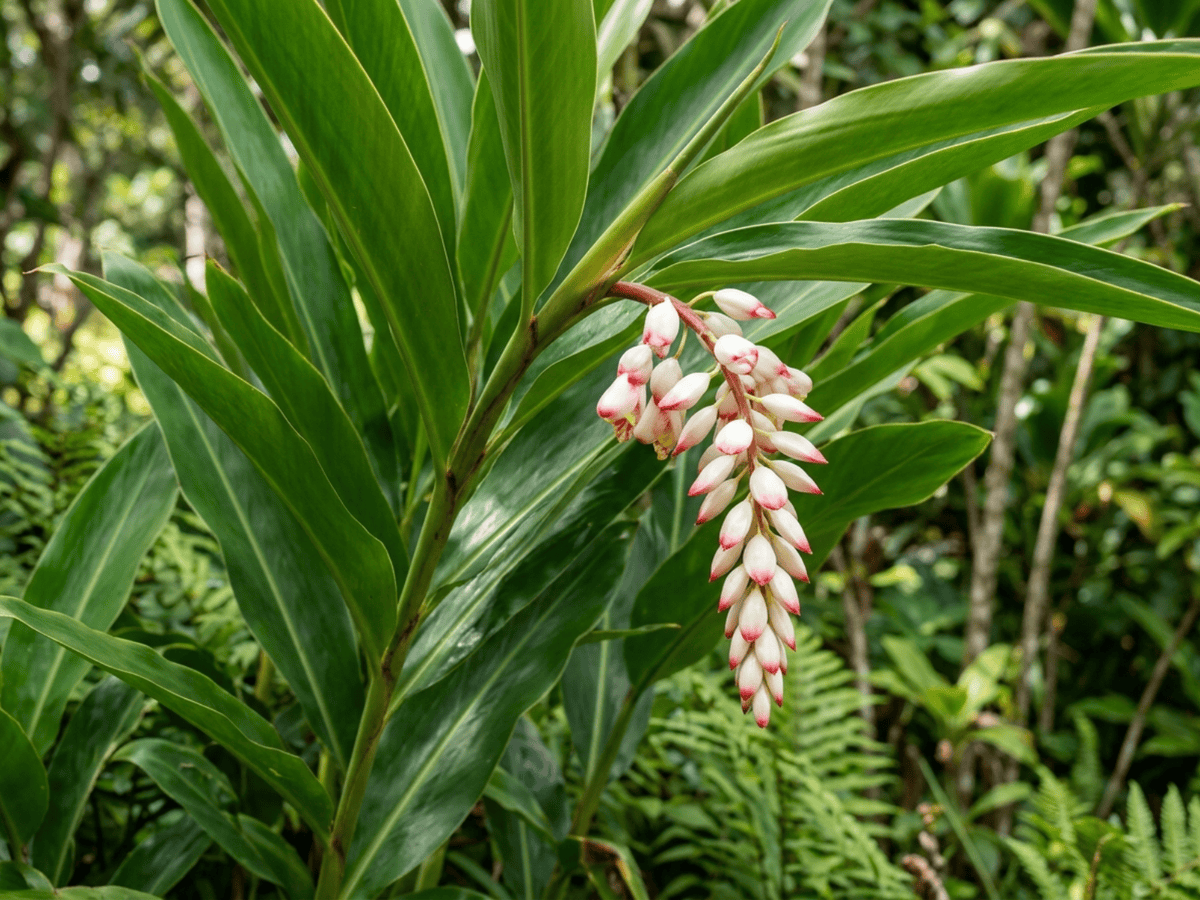 Shell GingerAlpinia zerumbet
Frequently asked questions
How often should I water Chinese Sweetshrub?
In summer, water about every 5 days; in winter, about every 21 days. Adjust for heat, pot size and drainage.
How much light does Chinese Sweetshrub need?
Part shade: 2–4 hrs direct. Watch the leaves — scorching or stretching means the light needs adjusting.
Is Chinese Sweetshrub toxic to cats or dogs?
Pets Slight (Dogs Slight · Cats Slight) Educational information, not medical or veterinary advice. If exposure is suspected, contact a doctor or veterinarian.
Is Chinese Sweetshrub easy to grow?
It is moderately demanding: a good choice once you have a little experience.
When does Chinese Sweetshrub bloom?
It typically blooms May–Jun in the Northern Hemisphere.
YardMate
Identify any plant in seconds
Snap a photo — YardMate names the plant, diagnoses problems, and reminds you when to water.
Download on the App Store