 YardMate


Canna Lily
Canna x generalis
Easy · Beginner friendlyAbout Canna Lily
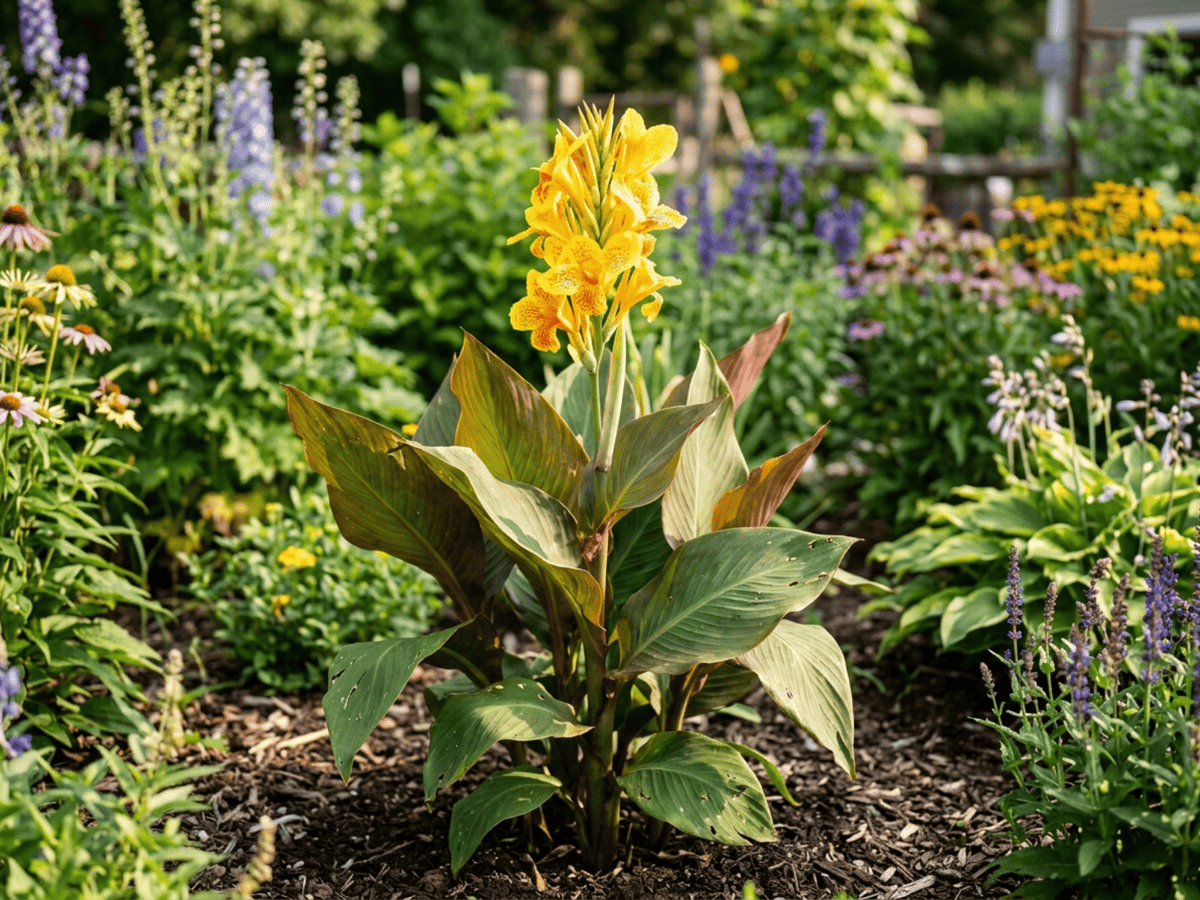
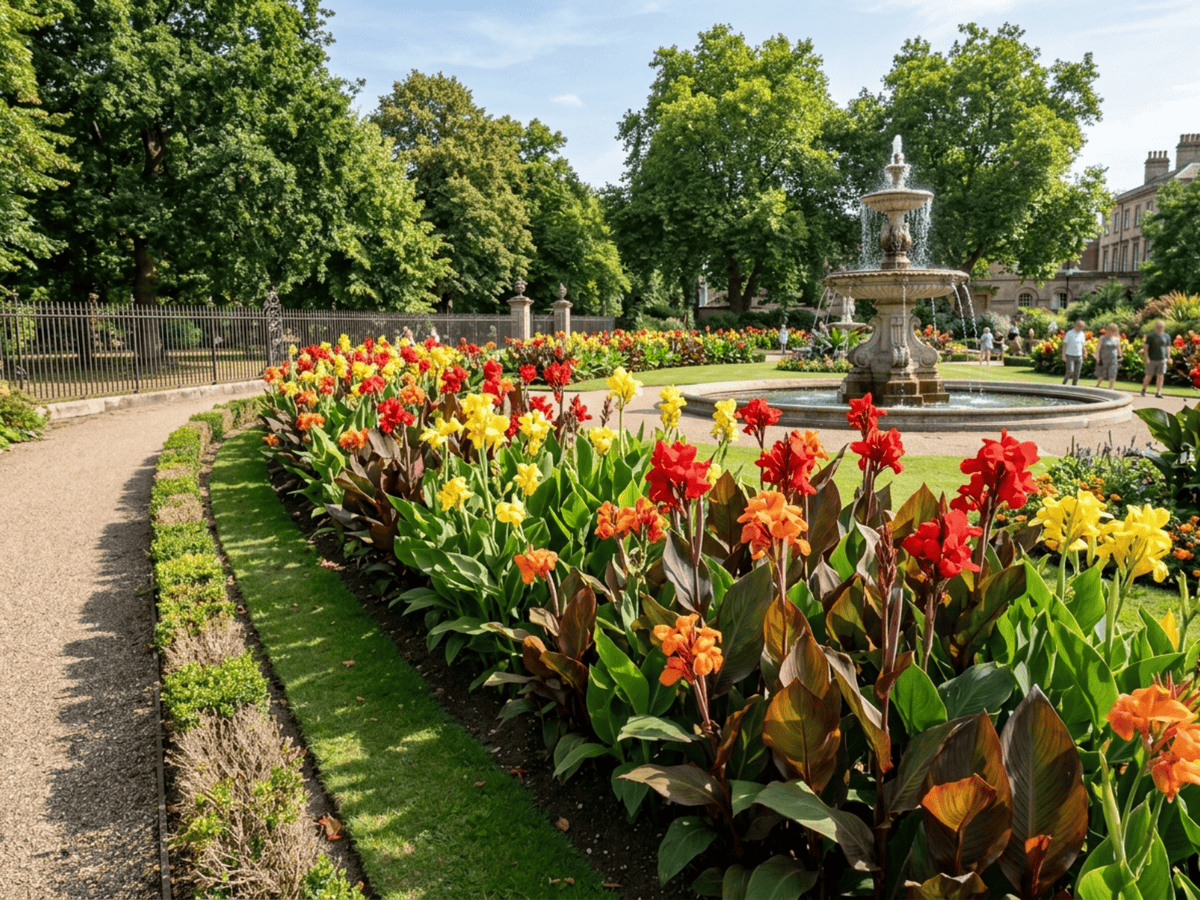
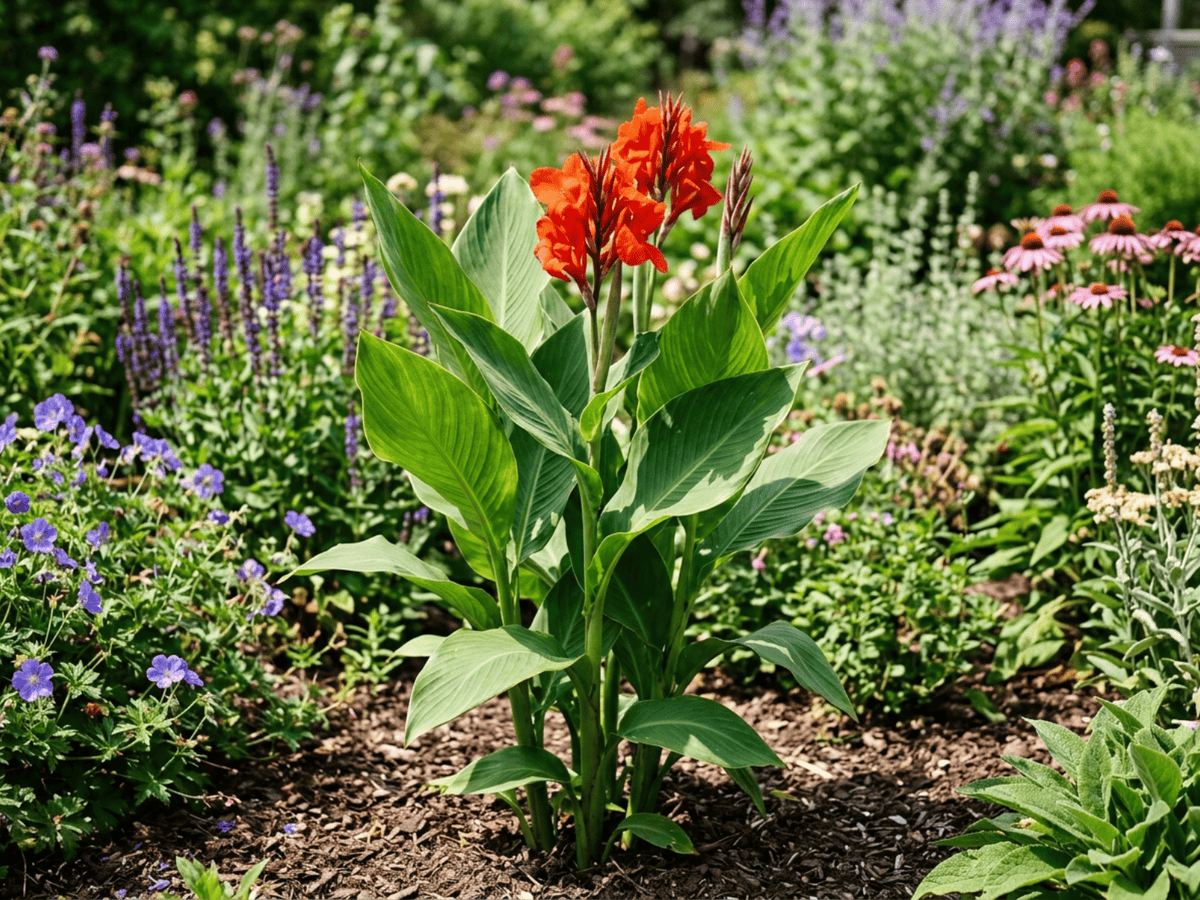
Garden Canna is the hybrid group that encompasses most ornamental cannas grown in gardens today, developed from crosses between Canna indica, Canna glauca, Canna iridiflora, and other species. These showy perennials grow 3 to 8 feet tall and are prized for their spectacular large flowers in brilliant shades of red, orange, yellow, pink, and bicolors, along with dramatic foliage in green, bronze, burgundy, or striped patterns. They bloom continuously from early summer until frost, creating bold tropical displays. Garden cannas grow from thick rhizomes that must be lifted and stored in cold-winter regions or heavily mulched. They are heavy feeders and drinkers, performing best in full sun with rich, moist soil and regular fertilization. Dwarf cultivars like the Tropical series have made cannas suitable for containers and small gardens. Cannas are among the best plants for creating an instant tropical look in temperate gardens, and their ability to bloom the same year from planted rhizomes makes them rewarding for beginning gardeners.
- Fast-growing
- Tropical
How to care for Canna Lily
Watering
- Springevery 2 days
- Summerevery 2 days
- Fallevery 5 days
- Winterevery 30 days
Soil · Well-draining
- Main mixLoam + coarse sand 3:175%
- DrainageGravel25%
Sharp drainage matters most — bulbs rot in wet soil while dormant.
FERTILIZER
Bloom Booster 10-52-10
A phosphorus-forward feed fuels abundant blooms, with just enough nitrogen and potassium to keep foliage and roots steady.
- Nitrogen · Leaves
- Phosphorus · Roots + Blooms
- Potassium · Strength
- Springevery 30 days
- Summerevery 30 days
At a Glance
- NativeNorth America
- Height3–6 ft (0.9–1.8 m)
- Spread1–3 ft (0.3–0.9 m)
- Flower colorRed, Orange, Yellow, Pink
- Foliage colorGreen, Bronze, Purple, Variegated
- SoilLoamy, Moisture-retentive, Rich
- LocationsYard · Indoor · Balcony
Bloom time
BLOOM CYCLE
Peak bloom
Jun–Nov
Large vivid flowers in red, orange, yellow, and pink all summer until frost
Fragrance
NO FRAGRANCE
No notable fragrance.
Toxicity
Pets Safe
None reported
Not reported
EXPOSURE No exposure route is reported.
EFFECT No significant toxicity.
NOTE No human toxicity is reported in this catalog; avoid eating ornamental plants unless confirmed edible.
Safe
EXPOSURE No exposure route is reported.
EFFECT Not listed as toxic.
NOTE Listed as non-toxic for dogs; avoid eating ornamental plants unless confirmed edible.
Safe
EXPOSURE No exposure route is reported.
EFFECT Not listed as toxic.
NOTE Listed as non-toxic for cats; avoid eating ornamental plants unless confirmed edible.
Educational information, not medical or veterinary advice. If exposure is suspected, contact a doctor or veterinarian.
DISTRIBUTION


- Native
- North America
History
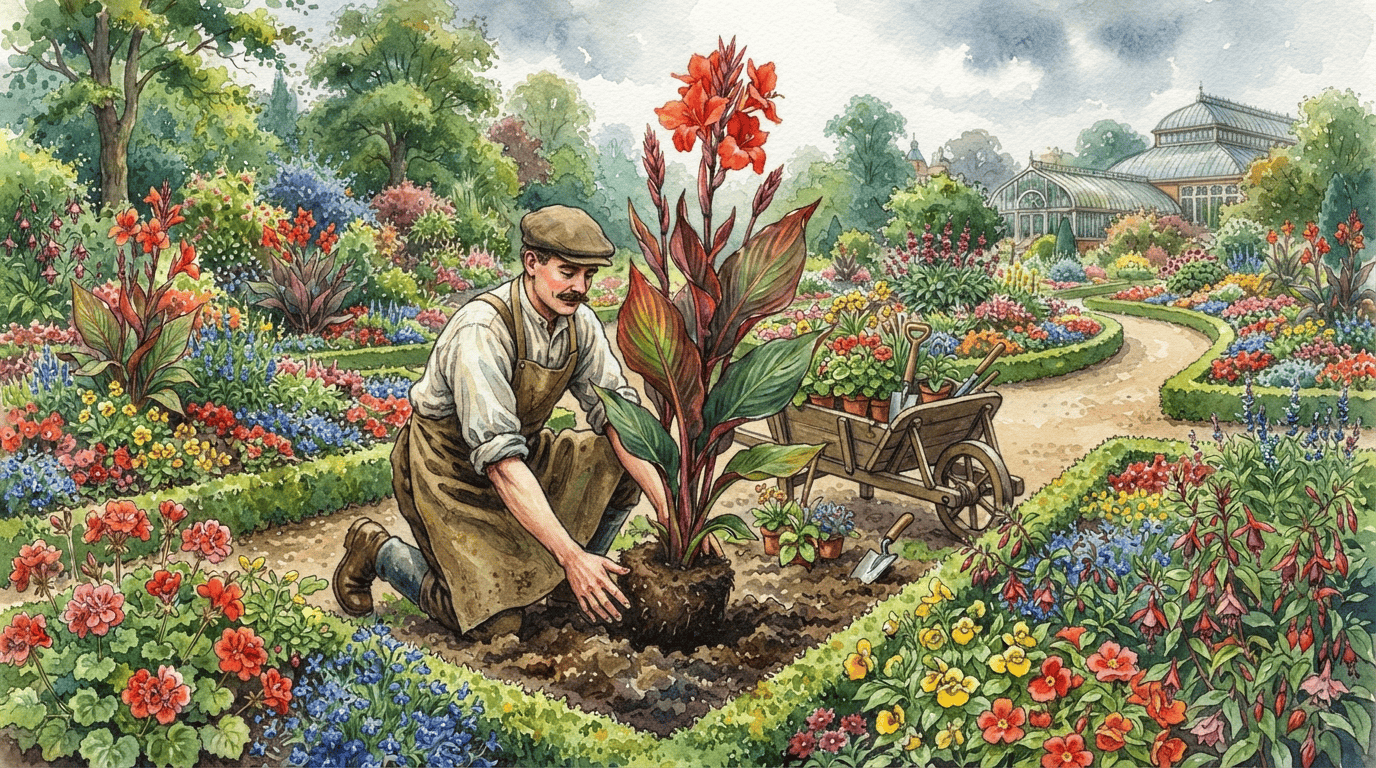
Canna x generalis is the horticultural name for the enormous group of ornamental canna hybrids grown in modern gardens, derived from complex crosses among Canna indica, C. iridiflora, C. warscewiczii, C. flaccida, and several other Canna species. The foundation of modern ornamental canna breeding was the work of French nurseryman Jean Sisley and his son, and of Lyon-based Monsieur Crozy, whose 1860s-1880s crosses produced the first vigorous, floriferous, large-flowered garden cannas — the "Crozy hybrids" launched what became a Victorian and Edwardian garden obsession with tropical-looking summer bedding. Italian breeder Sprenger and, in early-20th-century America, Luther Burbank continued the development of cultivars with darker foliage, larger flowers, and a wider color range.
The classical Victorian/Edwardian "Italian cannas" (large-flowered, with dark-green or bronze leaves) remain beloved in formal planting. Modern breeding, particularly in the US by the Wintzer and Longwood Gardens programs and the Dutch bulb industry, has produced thousands of cultivars including the popular "Tropicana" (striped yellow-orange leaves), "Pretoria" ("Bengal Tiger" — yellow-green striped leaves), and dwarf series.
Cannas are heavy feeders and heavy drinkers — a plant profile that made them the signature "tropical accent" of mid-to-late 20th-century American public-park bedding. The Italian diplomat and horticulturist Annibale Ricciardi and the French breeder Théodore Année produced the first large-flowered hybrids in the 1850s-1860s.
Symbolism & meaning
What It Symbolizes
Canna x generalis stands for beauty in its boldest, most unapologetic register, lifting spectacular flowers above broad tropical leaves like a parade in full color. Another layer is celebration, for the vivid reds, oranges and yellows of canna evoke festivity, summer parties, and joyful occasions held outdoors. In the language of warm-climate gardens, canna is the plant that does not whisper but cheers, insisting that a garden, like a good gathering, is allowed to be loud with delight.
- Beauty — the spectacular flowers represent bold, unapologetic beauty
- Celebration — vibrant colors evoke festivity and joyful occasions
Where the Name Comes From
'Canna' from the Celtic 'cana' meaning reed. 'x generalis' indicates this is a hybrid group of mixed parentage rather than a single wild species.
Uses & Fun Facts
- Bold tropical foliage and brilliant flowers for summer borders
- Statement patio planters around pools and courtyards
- Tubular blooms attract hummingbirds through hot summer months
Related plants
More Canna plants
Plants with similar care
 Chinese AbeliaAbelia chinensis
 Fragrant AbeliaAbelia mosanensis
 Large-Flowered AbeliaAbelia uniflora
 Glossy AbeliaAbelia x grandiflora
Frequently asked questions
How often should I water Canna Lily?
In summer, water about every 2 days; in winter, about every 30 days. Adjust for heat, pot size and drainage.
How much light does Canna Lily need?
Full sun: 6+ hrs direct. Watch the leaves — scorching or stretching means the light needs adjusting.
Is Canna Lily toxic to cats or dogs?
Pets Safe (Dogs Safe · Cats Safe) Educational information, not medical or veterinary advice. If exposure is suspected, contact a doctor or veterinarian.
Is Canna Lily easy to grow?
Yes — it is considered an easy, beginner-friendly plant.
Can Canna Lily be grown indoors?
Yes, it adapts well to indoor growing given the right light.
When does Canna Lily bloom?
It typically blooms Jun–Nov in the Northern Hemisphere.
YardMate
Identify any plant in seconds
Snap a photo — YardMate names the plant, diagnoses problems, and reminds you when to water.
Download on the App Store