 YardMate
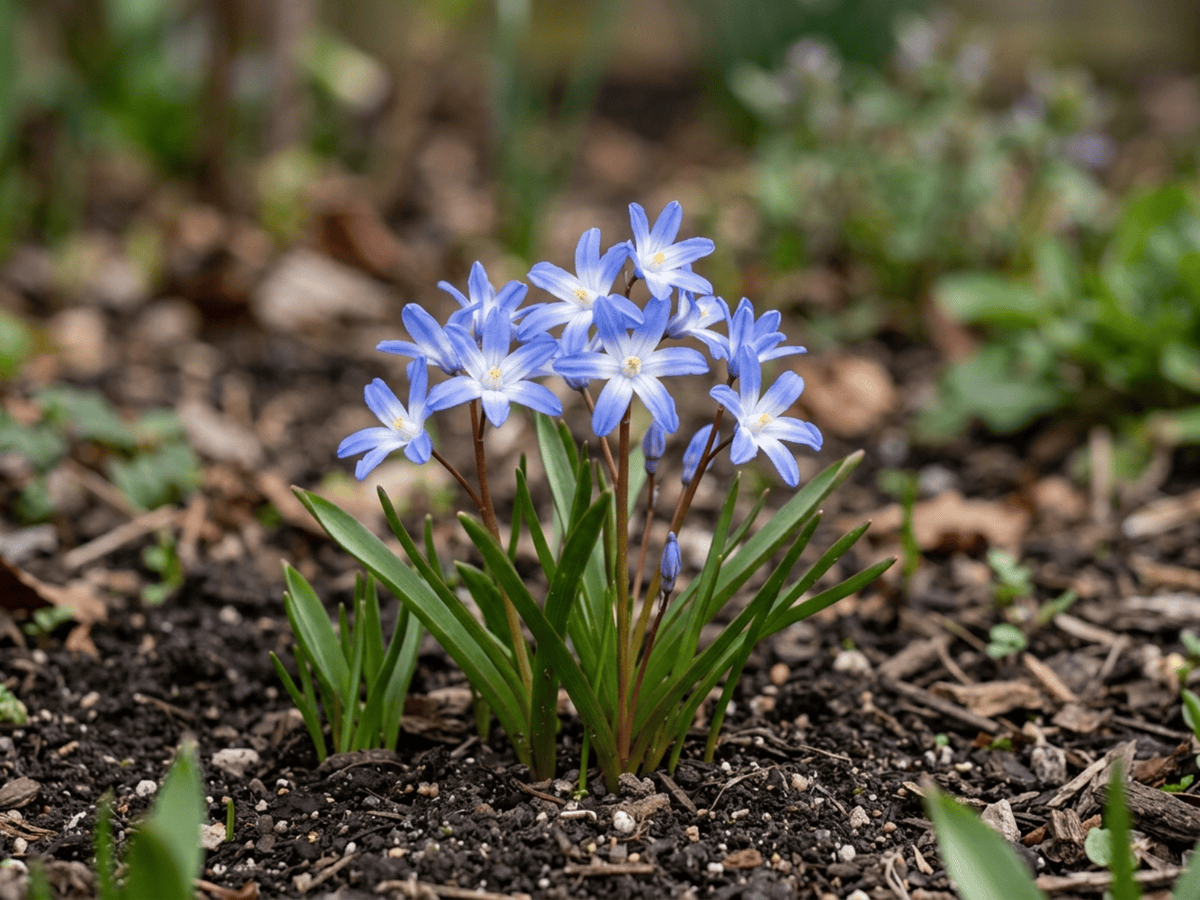
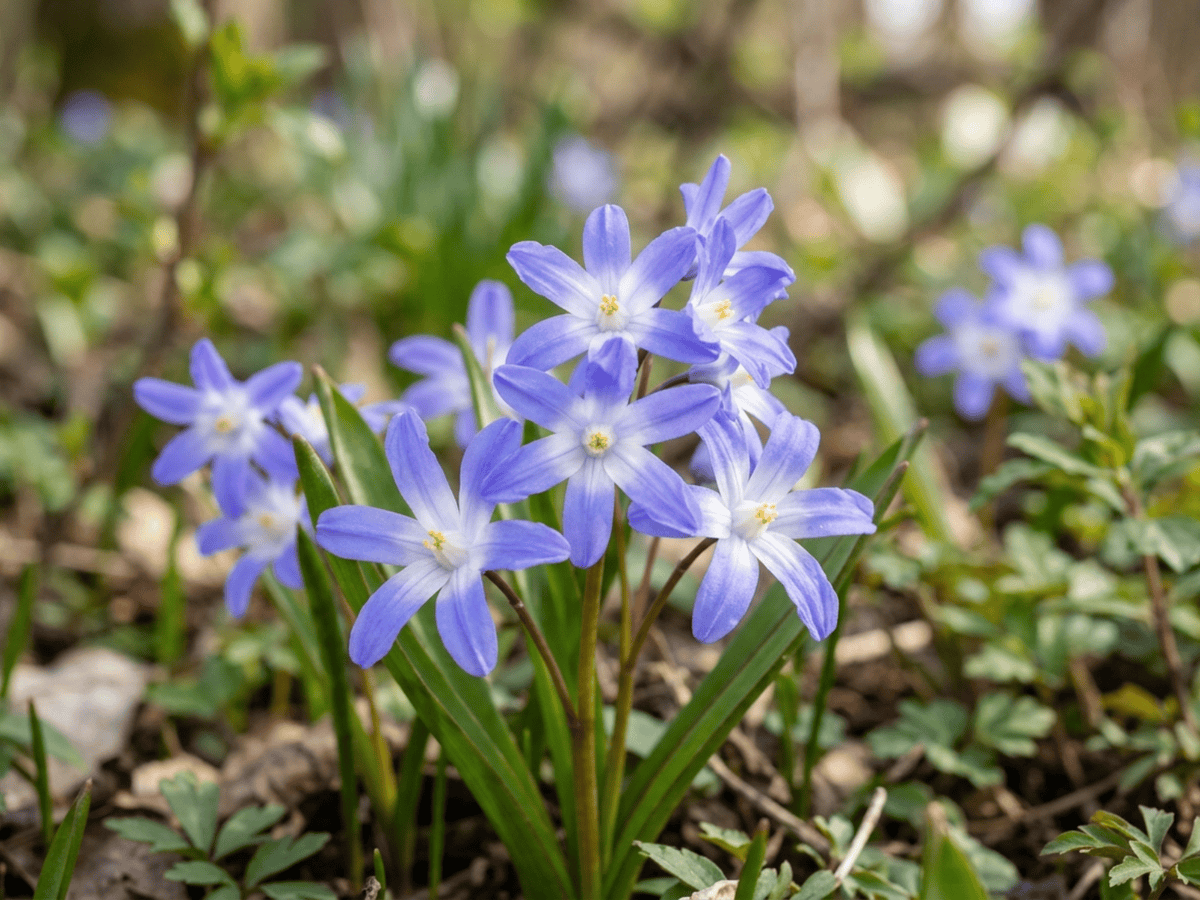


Boissier's Glory-Of-The-Snow
Chionodoxa luciliae
Easy · Beginner friendlyAbout Boissier's Glory-Of-The-Snow
Glory-of-the-Snow is a tiny but dazzling early-spring bulb from the mountains of western Turkey, bearing upward-facing star-shaped blue flowers with white centers. Often blooming as snow melts, it reaches just 4-6 inches tall and naturalizes rapidly to form sparkling azure carpets in American gardens. Cold-hardy to USDA zone 3, it is one of the most reliable and inexpensive harbingers of spring.
- Cold-hardy
- Deer-resistant
- Compact
How to care for Boissier's Glory-Of-The-Snow
Watering
- Springevery 5 days
- Summerpause watering
- Fallevery 10 days
- Winterpause watering
Soil · Well-draining
- Main mixLoam + coarse sand 3:175%
- DrainageGravel25%
Sharp drainage matters most — bulbs rot in wet soil while dormant.
FERTILIZER
- Springevery 30 days
- Fallevery 60 days
At a Glance
- NativeWestern Asia
- Height0.3–0.5 ft (0.1–0.2 m)
- Spread0.2–0.3 ft (0.1–0.1 m)
- Flower colorBlue, White, Pink
- Foliage colorGreen
- SoilWell-drained, Loamy, Neutral
- LocationsYard
Bloom time
BLOOM CYCLE
Peak bloom
Feb–Apr
Blue-and-white star flowers February to April
Toxicity
Humans Slight · Pets Moderate
scillaren glycosides
Slight
- Bulb
- Ingestion
EXPOSURE Eating bulbs.
EFFECT GI upset.
NOTE Bulbs contain cardiac glycosides; toxic to pets if eaten.
Moderate
- Bulb
- Ingestion
EXPOSURE Eating bulbs.
EFFECT Vomiting and diarrhea.
NOTE Bulbs contain cardiac glycosides; toxic to pets if eaten.
Moderate
- Bulb
- Ingestion
EXPOSURE Eating bulbs.
EFFECT Vomiting and diarrhea.
NOTE Bulbs contain cardiac glycosides; toxic to pets if eaten.
Educational information, not medical or veterinary advice. If exposure is suspected, contact a doctor or veterinarian.
DISTRIBUTION


- Native
- Introduced
- Western Asia
History
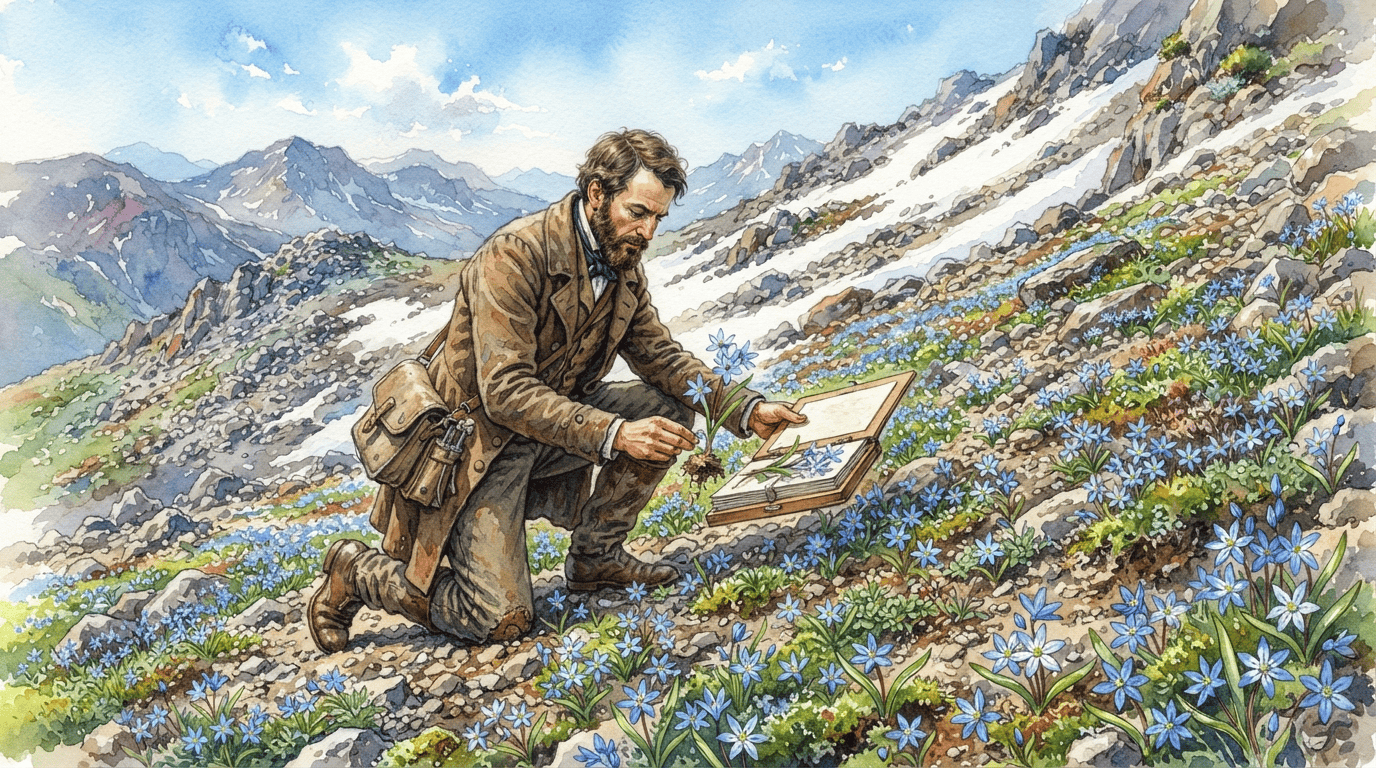
Chionodoxa luciliae grows at 2000-2500m on stony slopes of the Boz Dağları mountains in western Turkey. Swiss botanist Pierre Edmond Boissier collected specimens during his 1842 Anatolian expedition and named the genus from Greek chion (snow) and doxa (glory), with the specific epithet honoring his wife Lucile Butini. The species reached European horticulture through Kew and became widely planted for dense mats of sky-blue star-shaped flowers opening as snow recedes.
Modern molecular taxonomy has absorbed Chionodoxa into Scilla—the species is now technically Scilla luciliae—though the horticultural trade retains the old name. It naturalizes readily in lawns and under deciduous trees, creating spectacular early-spring displays. Boissier also described related species C. forbesii, sardensis, and gigantea sometimes confused with luciliae.
Native to just a small area of western Turkey near Izmir. Sometimes split into Scilla forbesii or classified under Scilla. One of the most reliable naturalizing bulbs in America, multiplying freely to create breathtaking drifts under deciduous trees.
Symbolism & meaning
What It Symbolizes
Boissier's Glory-Of-The-Snow is pure Joy at winter's edge — blue stars opening even as the last frost holds the soil. It carries the Hope of returning light, blooming when bees can scarcely fly and gardens still look bare. Each tiny constellation underfoot says the same thing: the cold is breaking, the year is turning.
- Joy — heralds the end of winter
- Hope — blooms when ground is still frozen
Where the Name Comes From
'Chionodoxa' from Greek 'chion' (snow) and 'doxa' (glory); 'luciliae' honors Lucile Boissier.
Uses & Fun Facts
- Sky-blue star flowers carpet woodlands in early spring
- Naturalizes into dense bulb drifts under deciduous trees
- Provides essential early nectar for emerging bees
Related plants
More Chionodoxa plants


Plants with similar care
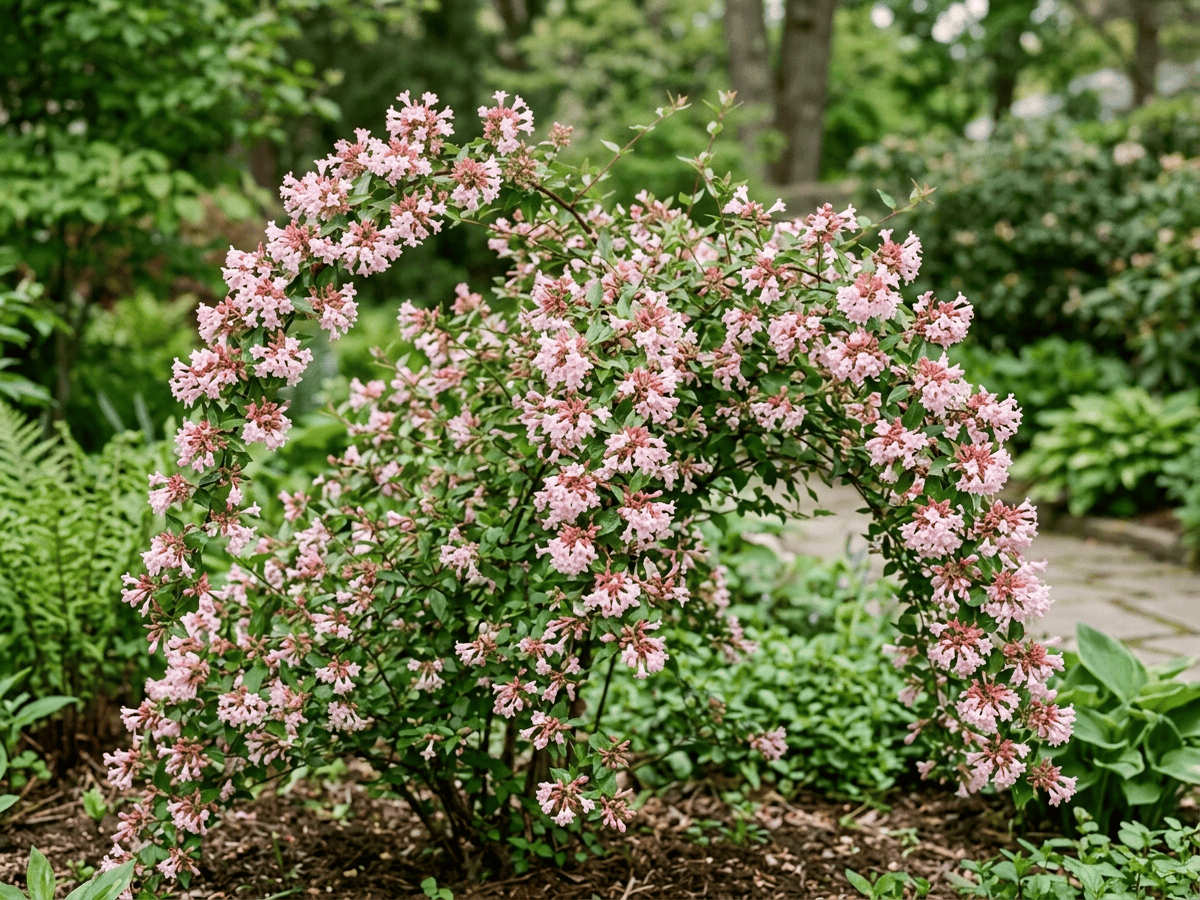
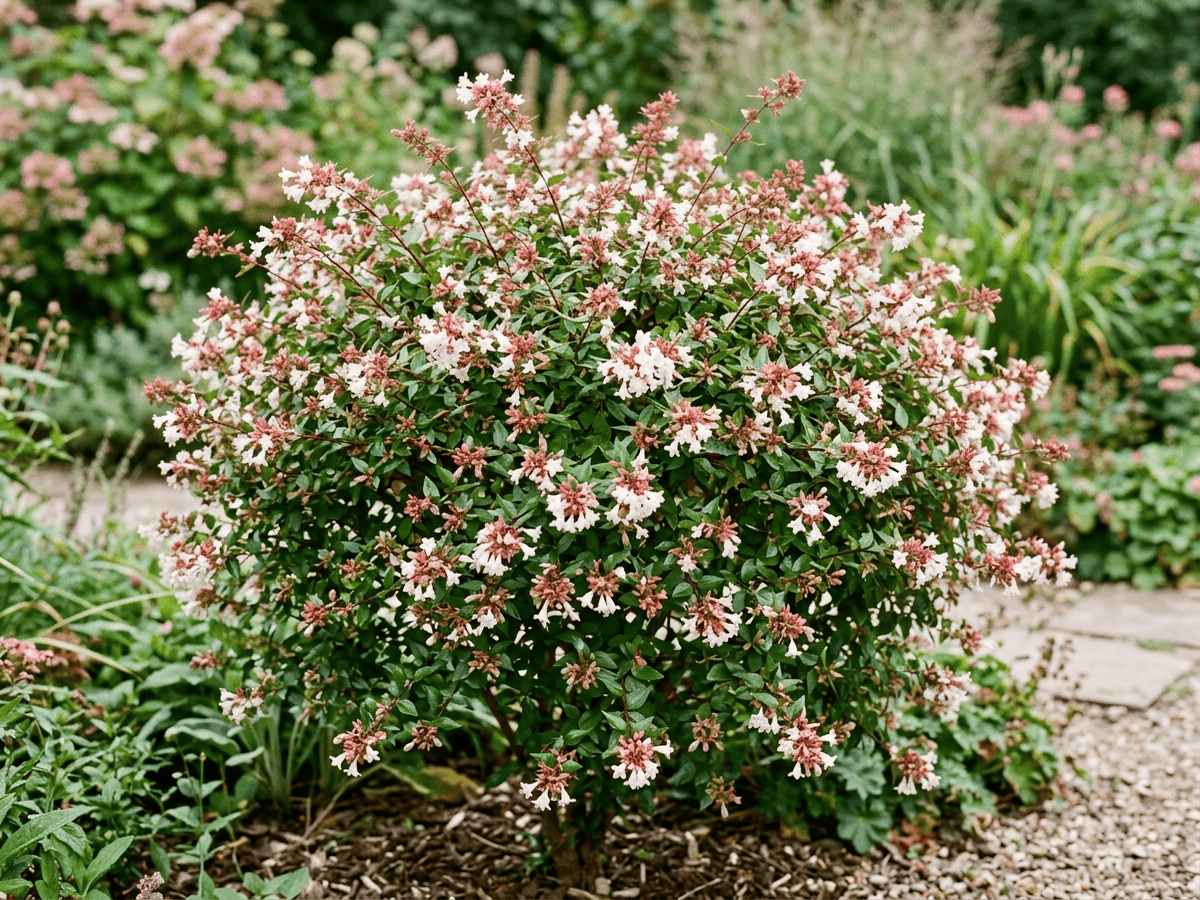 Chinese AbeliaAbelia chinensis
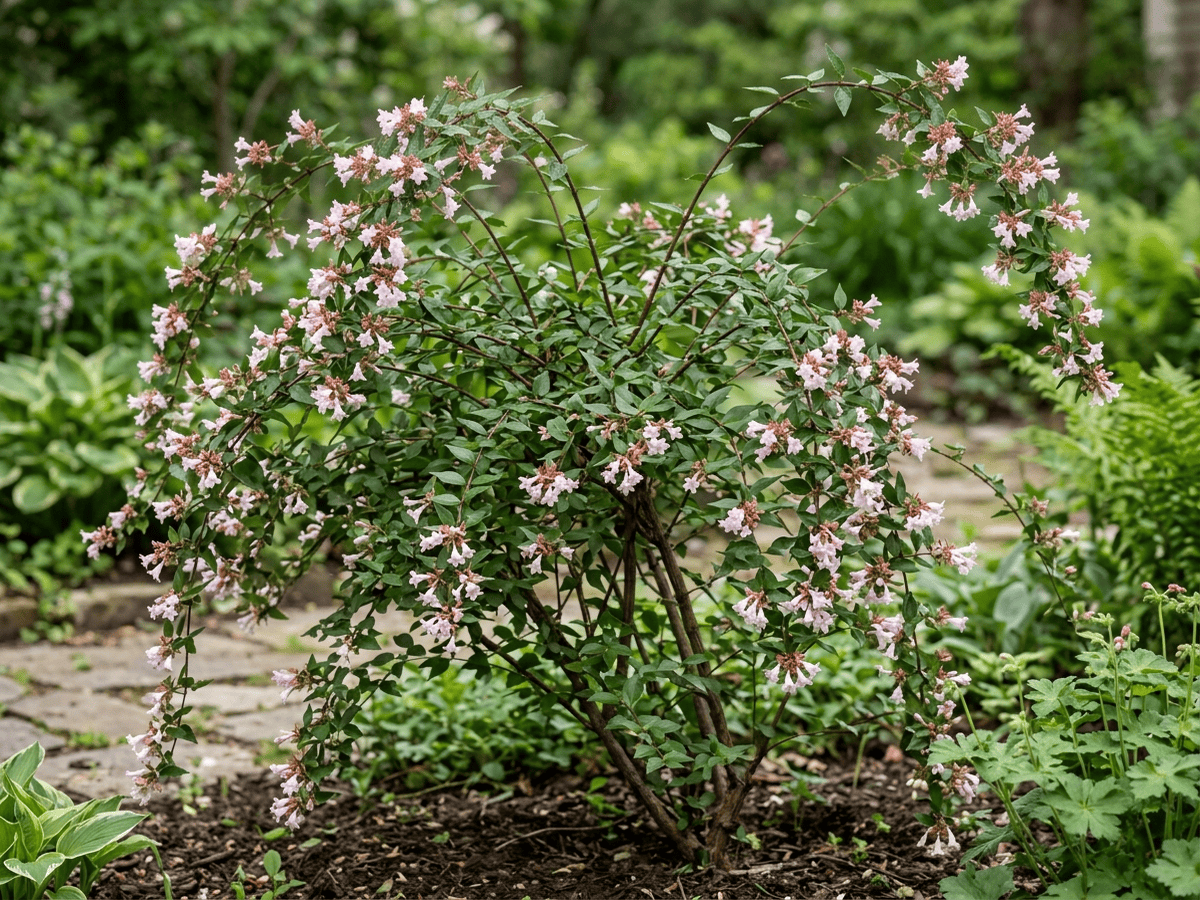
 Fragrant AbeliaAbelia mosanensis
 Large-Flowered AbeliaAbelia uniflora
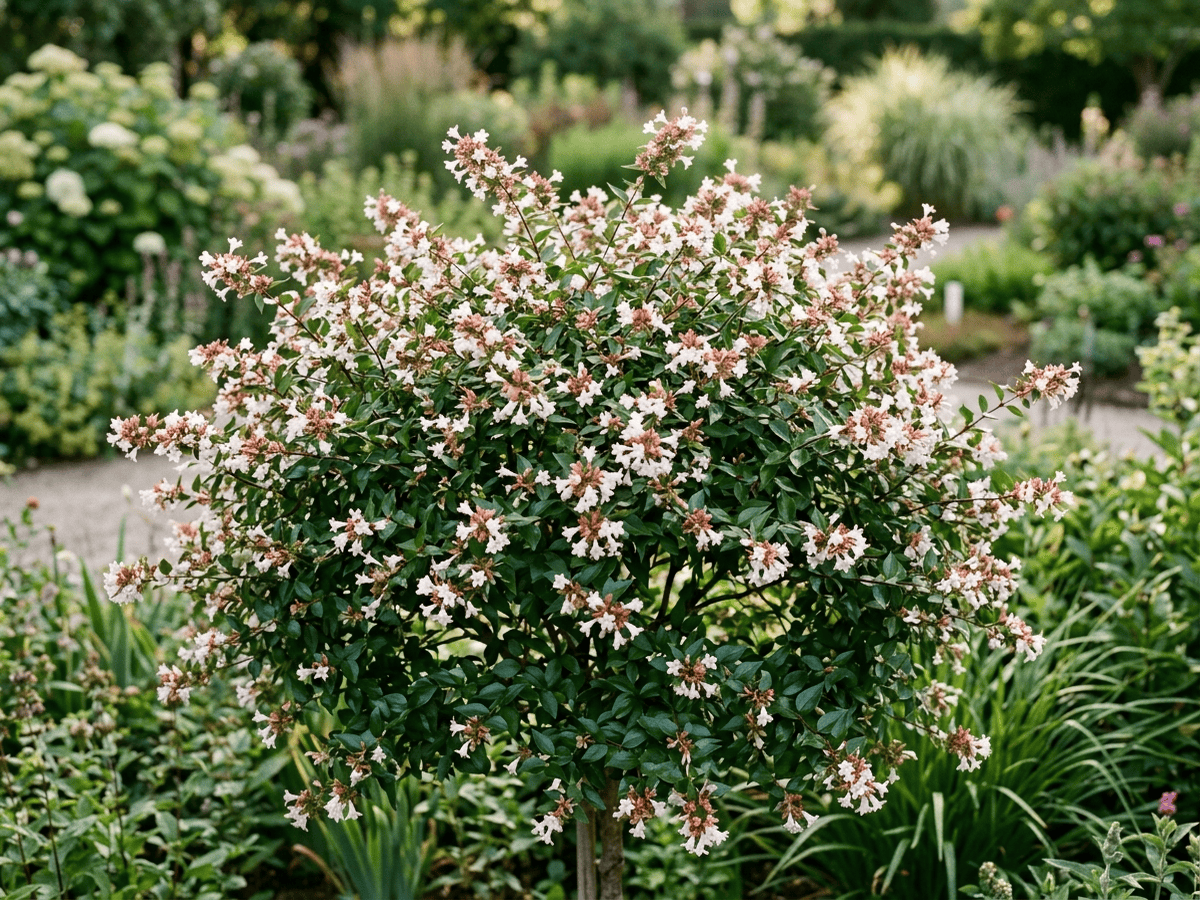 Glossy AbeliaAbelia x grandiflora
Frequently asked questions
How often should I water Boissier's Glory-Of-The-Snow?
Water about every 5 days during the growing season, and always let excess water drain away.
How much light does Boissier's Glory-Of-The-Snow need?
Full sun: 6+ hrs direct. Watch the leaves — scorching or stretching means the light needs adjusting.
Is Boissier's Glory-Of-The-Snow toxic to cats or dogs?
Pets Moderate (Dogs Moderate · Cats Moderate) Educational information, not medical or veterinary advice. If exposure is suspected, contact a doctor or veterinarian.
Is Boissier's Glory-Of-The-Snow easy to grow?
Yes — it is considered an easy, beginner-friendly plant.
When does Boissier's Glory-Of-The-Snow bloom?
It typically blooms Feb–Apr in the Northern Hemisphere.
YardMate
Identify any plant in seconds
Snap a photo — YardMate names the plant, diagnoses problems, and reminds you when to water.
Download on the App Store