 YardMate


Lesser Glory-Of-The-Snow
Chionodoxa sardensis
Easy · Beginner friendlyAbout Lesser Glory-Of-The-Snow
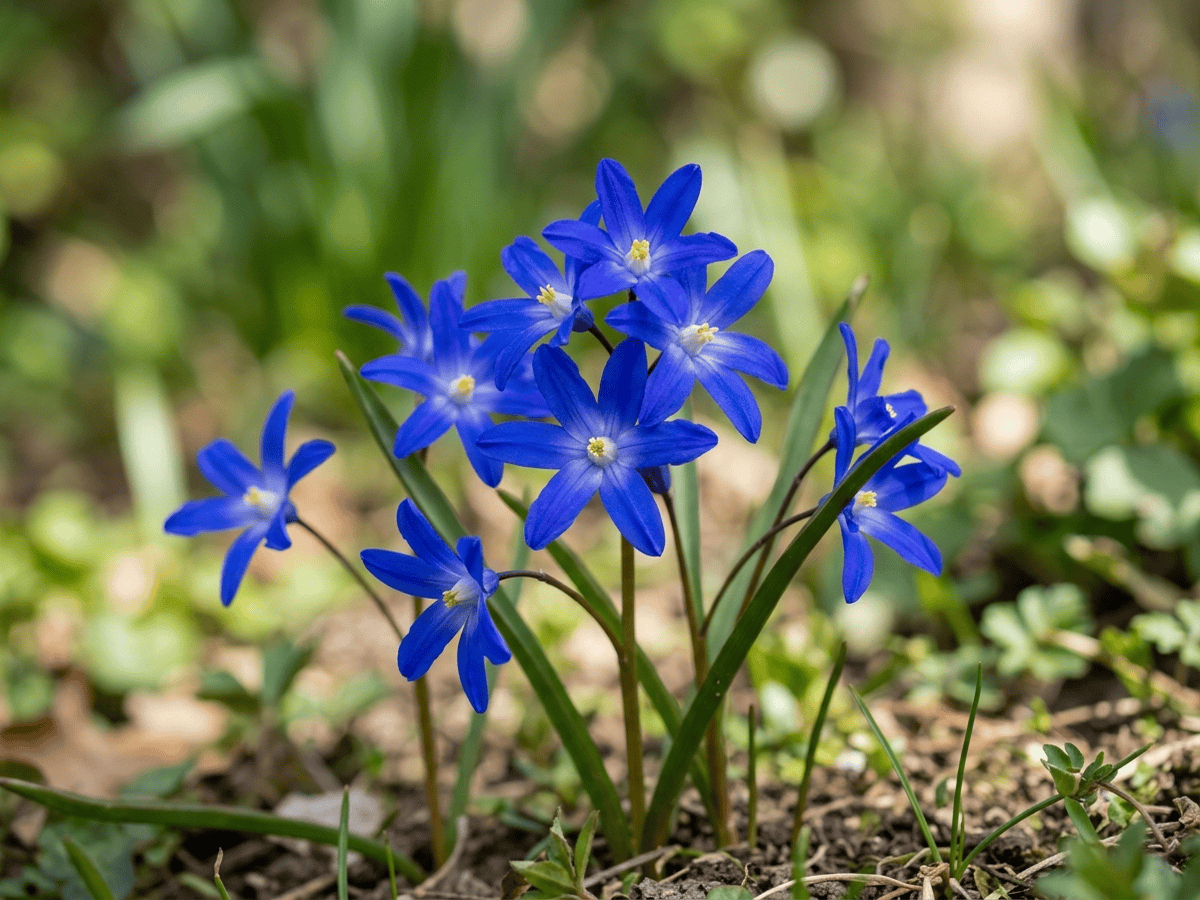
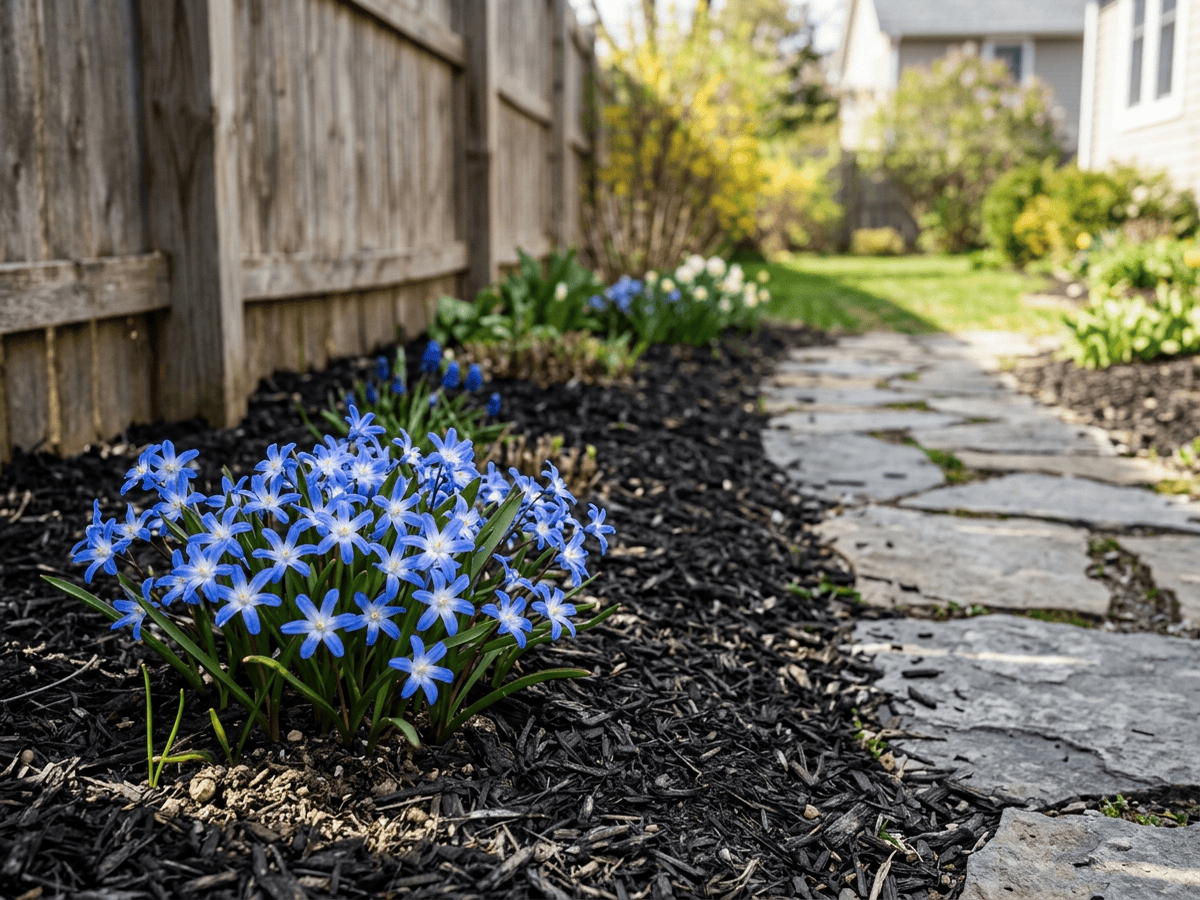
Sardes Glory-of-the-Snow is a small Turkish bulb hardy in USDA zones 3-8, producing loose sprays of 6 to 10 deep-blue star flowers with tiny white centers on 4 to 6 inch stems in early spring. The bulbs naturalize readily under deciduous trees and in rock gardens, forming sheets of vibrant pure blue. Less common than its pink-eyed cousin but prized for the purer, more saturated blue color unique to this species.
- Deer-resistant
How to care for Lesser Glory-Of-The-Snow
Watering
- Springevery 5 days
- Summerpause watering
- Fallevery 10 days
- Winterevery 14 days
Soil · Well-draining
- Main mixLoam + coarse sand 3:175%
- DrainageGravel25%
Sharp drainage matters most — bulbs rot in wet soil while dormant.
FERTILIZER
Balanced Feed 14-14-14
An even feed covers all three needs at once, keeping leaves, roots and blooms moving together with nothing pushed out of balance.
- Nitrogen · Leaves
- Phosphorus · Roots + Blooms
- Potassium · Strength
- Fallevery 60 days
At a Glance
- NativeWestern Asia
- Height0.5–1 ft (0.2–0.3 m)
- Spread0.5–1 ft (0.2–0.3 m)
- Flower colorBlue
- Foliage colorGreen
- SoilLoamy, Well-drained
- LocationsYard
Bloom time
BLOOM CYCLE
Peak bloom
Mar–Apr
Deep-blue stars with small white eye in early spring
Fragrance
LIGHT FRAGRANCE
The flowers have a very lightly sweet-scented scent.
Toxicity
Humans Moderate · Pets Moderate
scillaren and cardiac glycosides
Moderate
- Bulb
- Ingestion
EXPOSURE Eating bulbs.
EFFECT Nausea and vomiting.
NOTE Bulbs contain cardiac glycosides.
Moderate
- Bulb
- Ingestion
EXPOSURE Eating bulbs.
EFFECT Vomiting and drooling.
NOTE Bulbs contain cardiac glycosides.
Moderate
- Bulb
- Ingestion
EXPOSURE Eating bulbs.
EFFECT Vomiting and drooling.
NOTE Bulbs contain cardiac glycosides.
Educational information, not medical or veterinary advice. If exposure is suspected, contact a doctor or veterinarian.
DISTRIBUTION


- Native
- Introduced
- Western Asia
History
Chionodoxa sardensis grows on rocky meadows and oak-woodland edges of western Anatolia in Turkey, particularly around the ancient city of Sardis (modern Sart) which gives the epithet. It was introduced to Kew in 1877 and formally described by William Barr and Joseph Dalton Hooker in 1878. Modern taxonomy now places the genus within Scilla, making the accepted name Scilla sardensis, though nurseries retain Chionodoxa commercially.
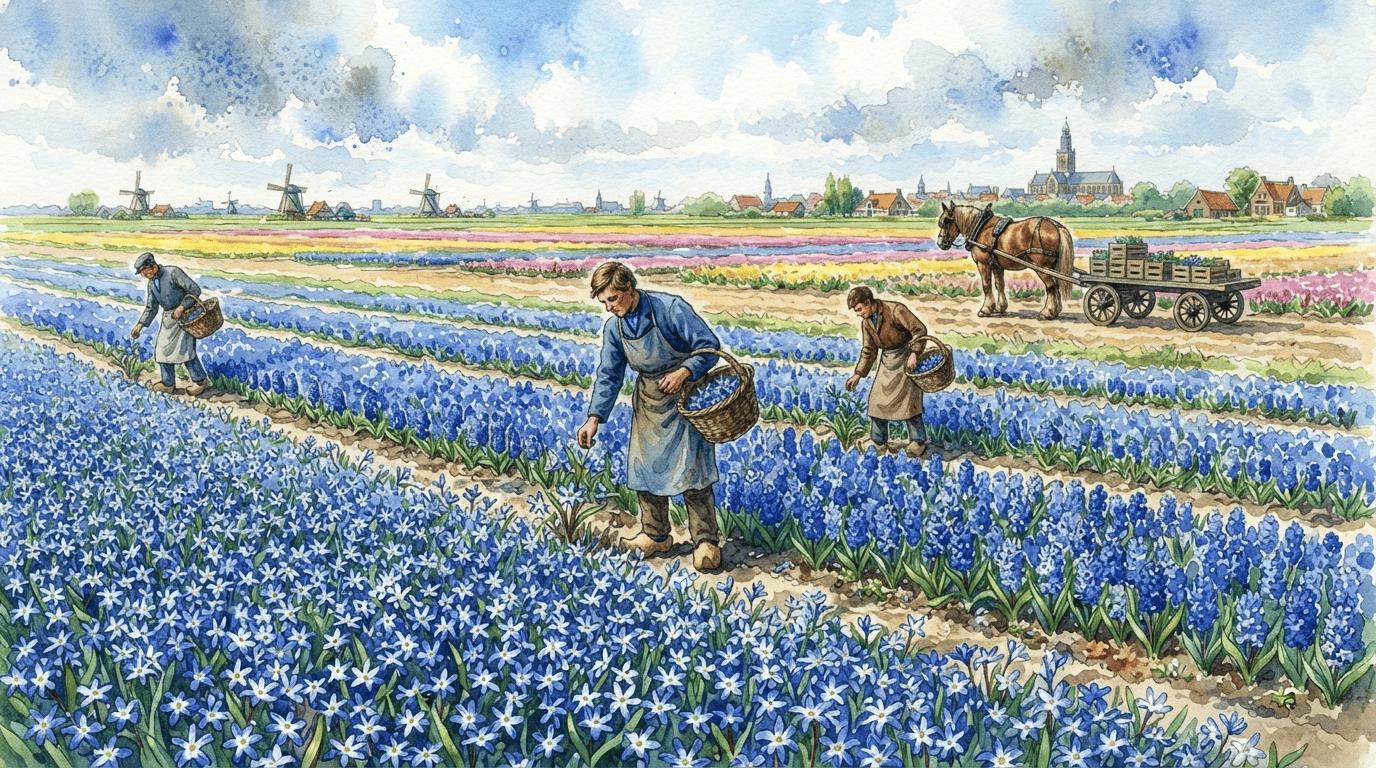
It is distinguished from the more common C. forbesii (also from Turkey) by deeper gentian-blue flowers with only a tiny white eye. Dutch bulb houses popularized it from the 1890s onward. Its reliable naturalizing habit and vivid color made it a staple of woodland-edge and rock-garden plantings.
It pairs classically with early yellow daffodils. Native to western Turkey around the ancient city of Sardes, discovered by European botanists in the 1800s. Introduced to American horticulture in the early 1900s as a specialty naturalizing bulb and remains a specialty offering in US fall bulb catalogs.
Symbolism & meaning
What It Symbolizes
Lesser Glory-Of-The-Snow is clear hope in flower form, its pure blue stars opening as the last snow retreats from the garden's edges. Each spring, its tiny constellations spill across waking lawns in a quiet, naturalized snow-glory. In its arrival, winter is officially given permission to leave.
- Clear hope — pure blue blooms at winter's end
- Snow glory — blooms as snow retreats
Where the Name Comes From
'Chionodoxa' from Greek 'chion-doxa' meaning glory of the snow; 'sardensis' refers to ancient Sardes in western Turkey.
Uses & Fun Facts
- Sheets of deep-blue stars carpet ground in early spring
- First blooms support emerging bees beneath deciduous trees
- Naturalizes readily in lawns, rock gardens, and tree drifts
Related plants
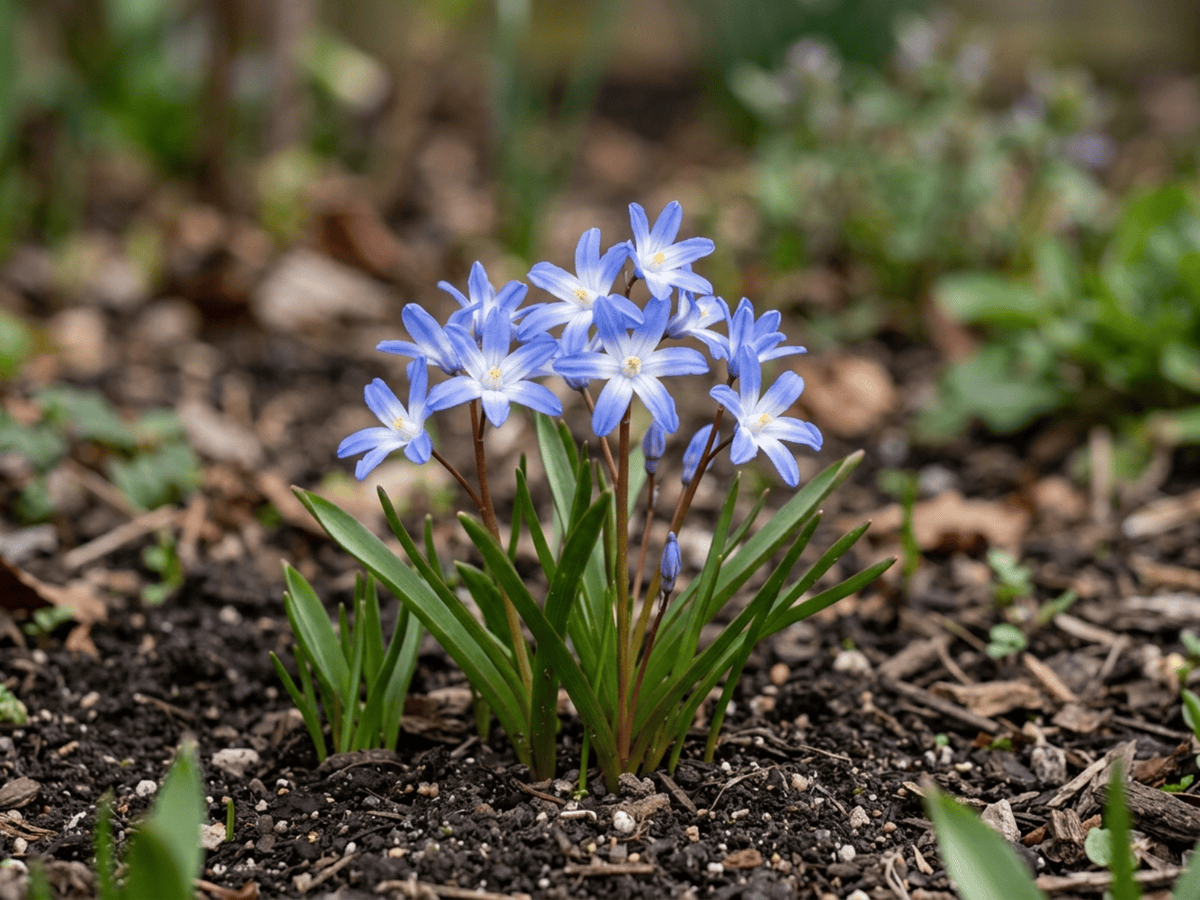
More Chionodoxa plants

Plants with similar care
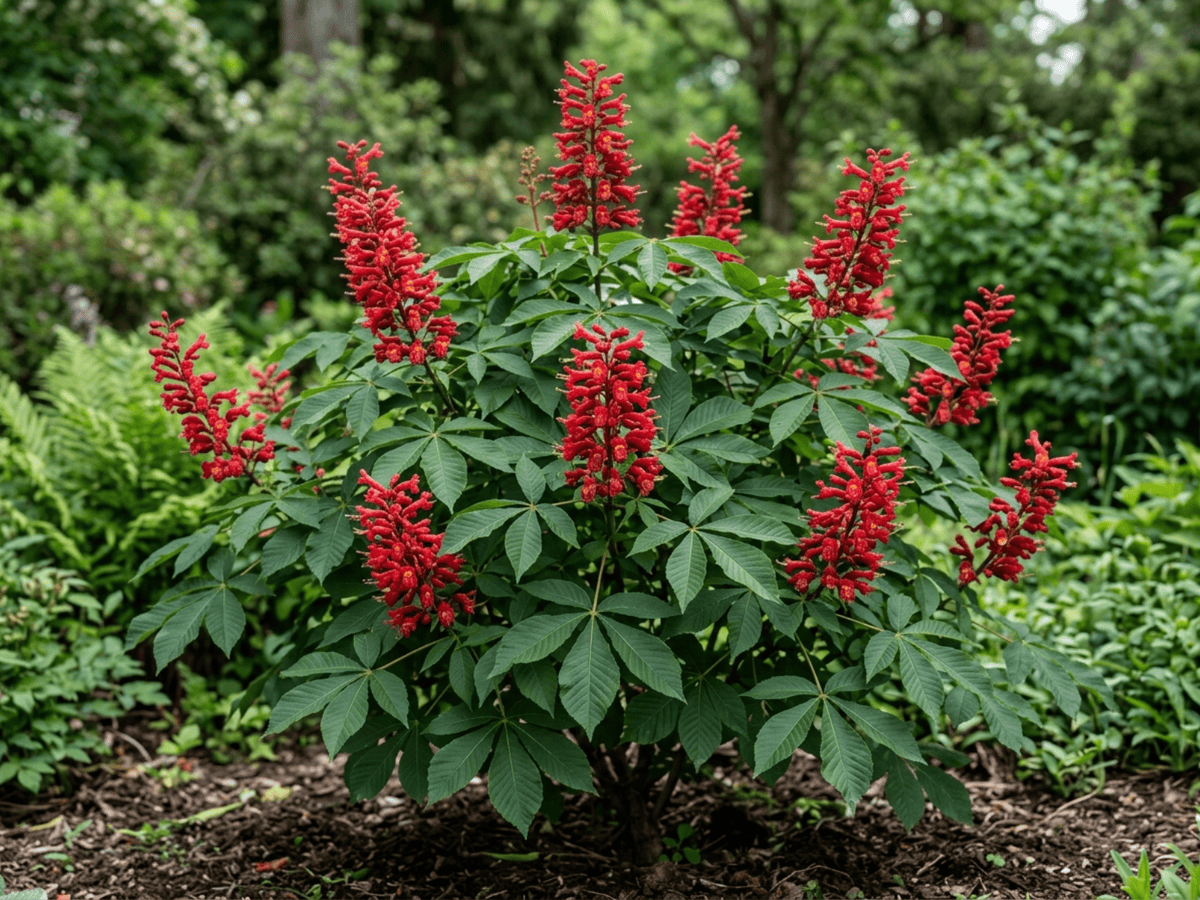 Red BuckeyeAesculus pavia
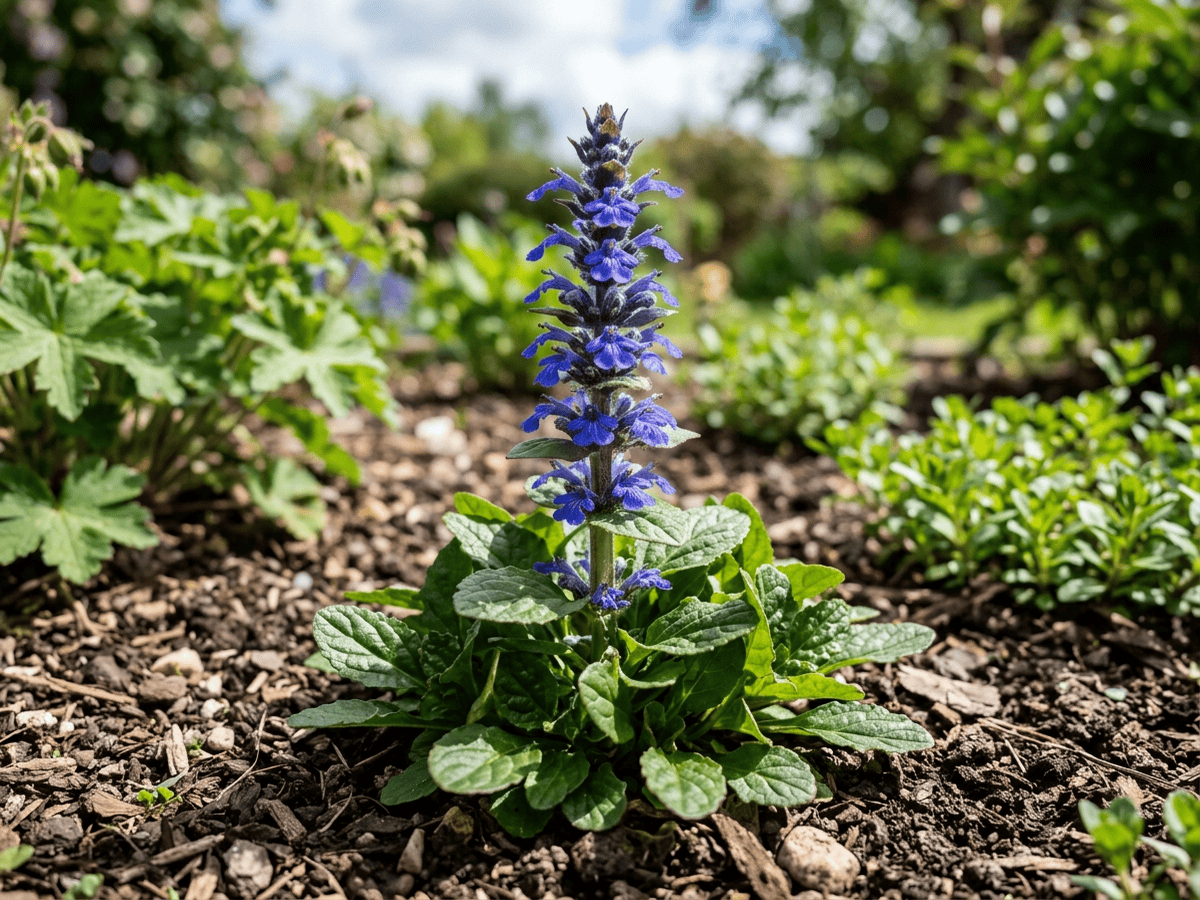 Blue BugleAjuga genevensis
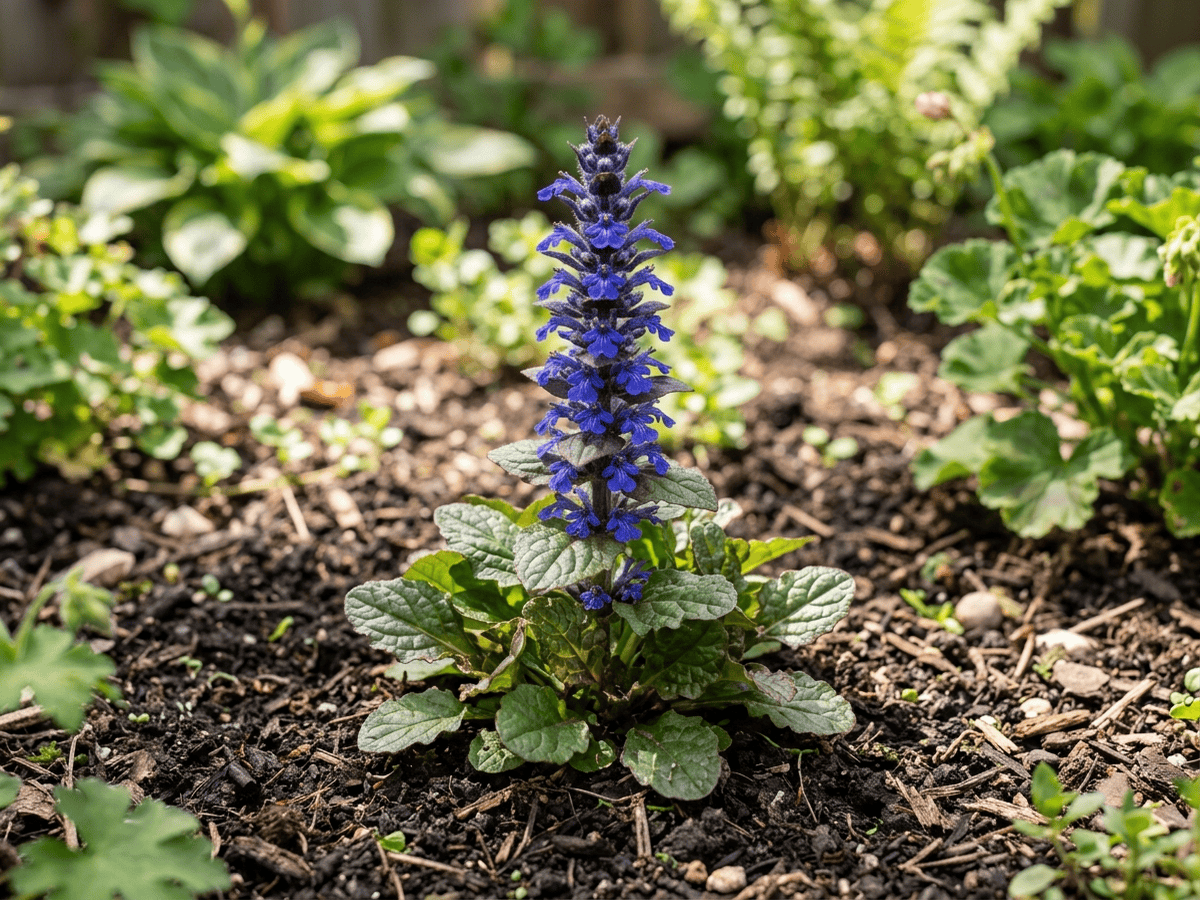 Pyramidal BugleAjuga pyramidalis
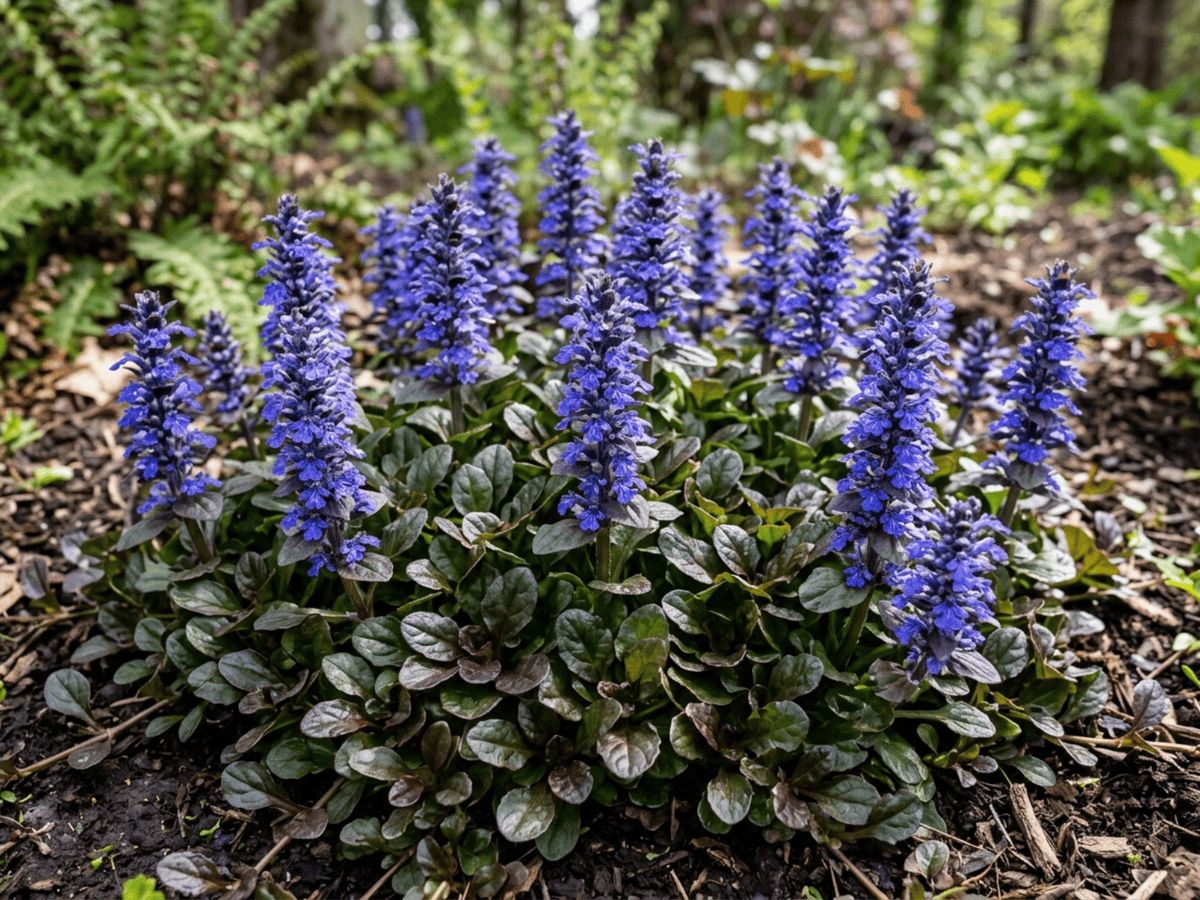 Carpet BugleAjuga reptans
Frequently asked questions
How often should I water Lesser Glory-Of-The-Snow?
Water about every 5 days during the growing season, and always let excess water drain away.
How much light does Lesser Glory-Of-The-Snow need?
Part shade: 2–4 hrs direct. Watch the leaves — scorching or stretching means the light needs adjusting.
Is Lesser Glory-Of-The-Snow toxic to cats or dogs?
Pets Moderate (Dogs Moderate · Cats Moderate) Educational information, not medical or veterinary advice. If exposure is suspected, contact a doctor or veterinarian.
Is Lesser Glory-Of-The-Snow easy to grow?
Yes — it is considered an easy, beginner-friendly plant.
When does Lesser Glory-Of-The-Snow bloom?
It typically blooms Mar–Apr in the Northern Hemisphere.
YardMate
Identify any plant in seconds
Snap a photo — YardMate names the plant, diagnoses problems, and reminds you when to water.
Download on the App Store