 YardMate


Indian Chrysanthemum
Chrysanthemum indicum
Easy · Beginner friendlyAbout Indian Chrysanthemum
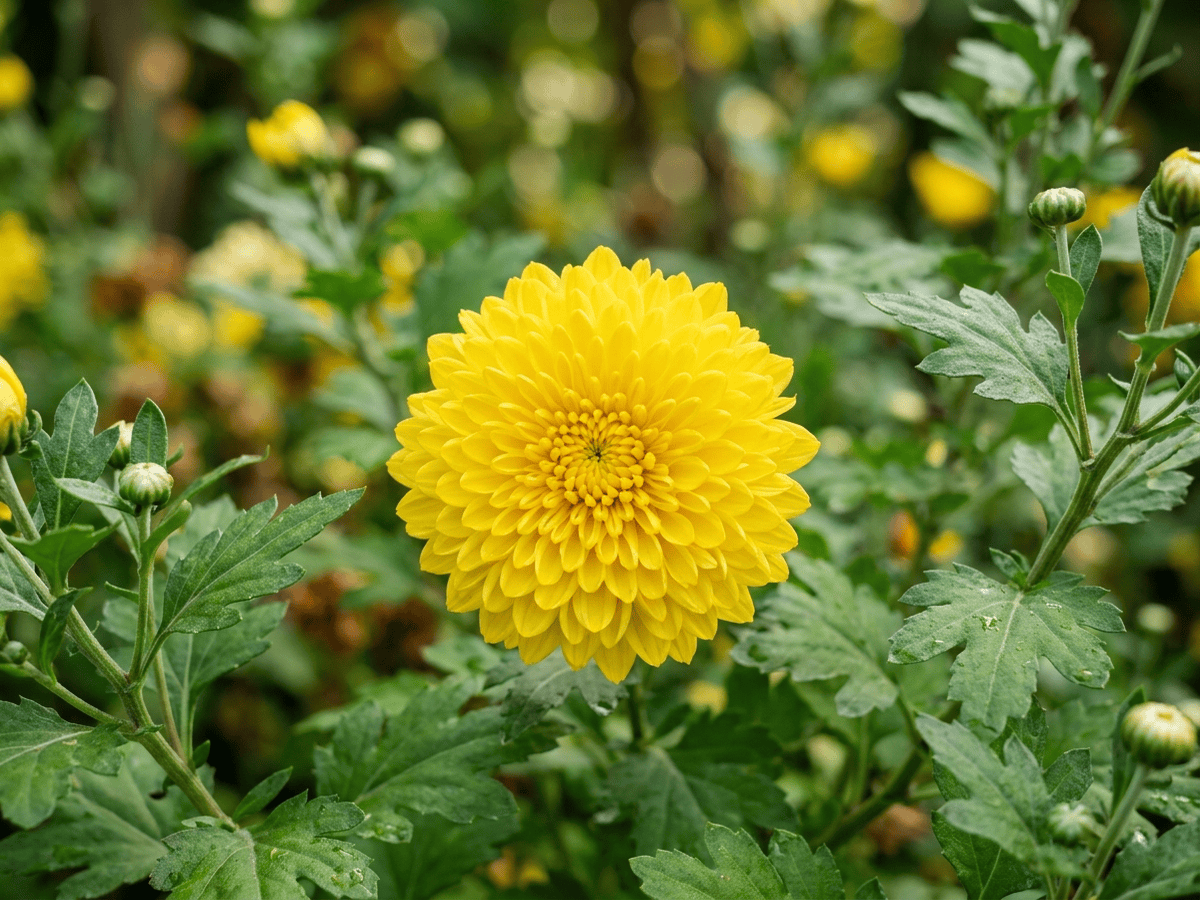
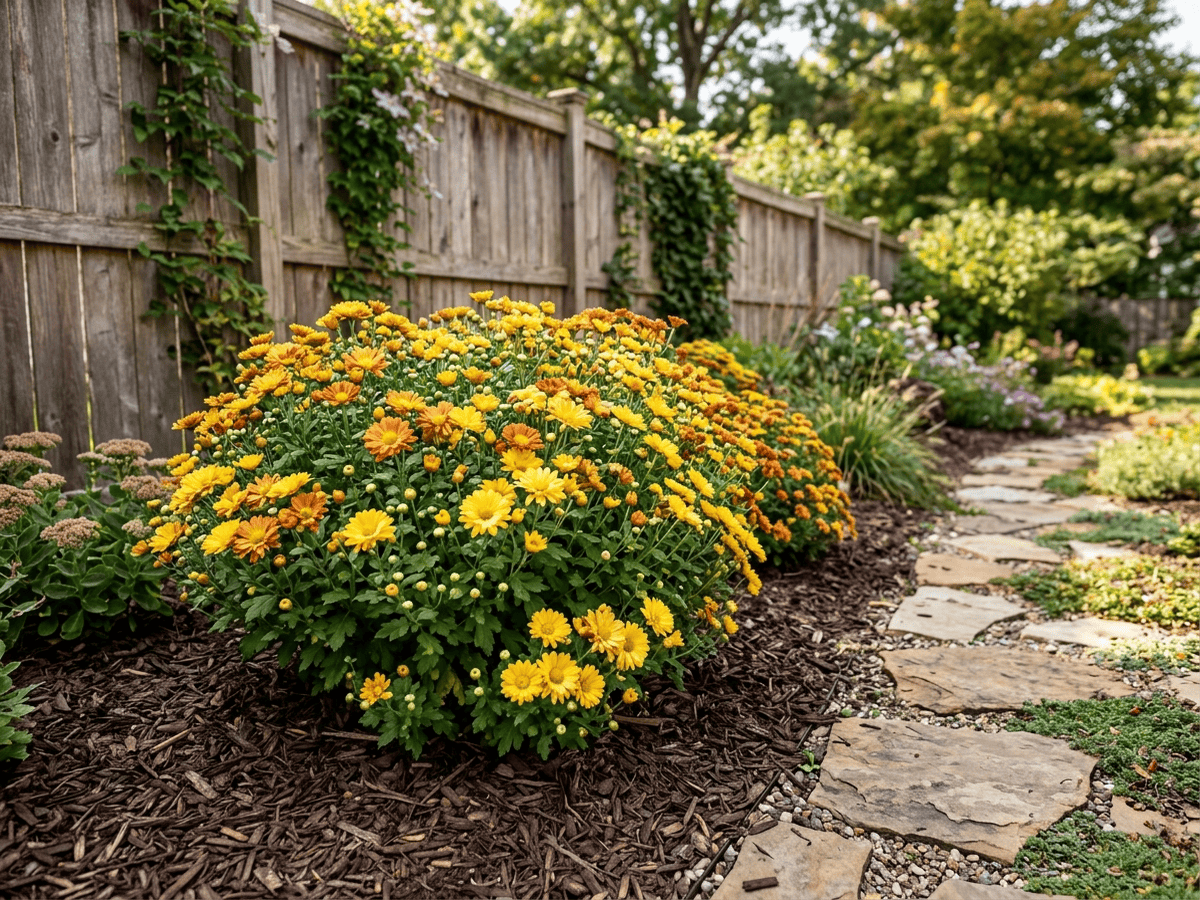
Chrysanthemum indicum, the Indian chrysanthemum, is a wild East Asian species with small golden-yellow daisies that bloom heavily in autumn. Despite the common name, it is not from India; it is one of the ancestral species behind modern garden and florist chrysanthemums. Plants form aromatic, bushy clumps about 30-60 cm tall and tend to be hardier and more disease-resistant than many hybrid mums. The flowers have long been dried for chrysanthemum tea in Chinese and Korean traditions, where the drink is associated with cooling, autumn, and clarity. In the garden, the species offers a simpler, wilder face of the chrysanthemum before centuries of exhibition breeding.
- Edible
- Medicinal
- Cold-hardy
How to care for Indian Chrysanthemum
Watering
- Springevery 5 days
- Summerevery 3 days
- Fallevery 7 days
- Winterevery 14 days
Soil · Rich & well-draining
- Top dressingCompost10%
- Main mixPotting soil + compost 3:180%
- DrainageGravel10%
Top up the compost layer each season.
FERTILIZER
Balanced Feed 14-14-14
An even feed covers all three needs at once, keeping leaves, roots and blooms moving together with nothing pushed out of balance.
- Nitrogen · Leaves
- Phosphorus · Roots + Blooms
- Potassium · Strength
- Springevery 21 days
- Summerevery 21 days
At a Glance
- NativeEast Asia
- Height2–3 ft (0.6–0.9 m)
- Spread2–3 ft (0.6–0.9 m)
- Flower colorYellow, White
- Foliage colorGreen
- SoilLoamy, Well-drained
- LocationsYard
Bloom time
BLOOM CYCLE
Peak bloom
Sep–Nov
Small golden-yellow daisies in profusion; autumn bloomer
Fragrance
MODERATE FRAGRANCE
Sharp herbal chrysanthemum scent; dried flowers retain fragrance for years.
Toxicity
Pets Moderate
pyrethrins and sesquiterpene lactones
Not reported
EXPOSURE No exposure route is reported.
EFFECT Dried flowers are made into traditional Chinese tea and no significant toxicity at normal culinary doses.
NOTE No toxicity is reported for humans in this catalog; this is not evidence that the plant is edible or harmless.
Moderate
- Flower
- Leaf
- Stem
- Ingestion
EXPOSURE Eating flowers, leaves, and stems.
EFFECT Vomiting, diarrhea, hypersalivation, dermatitis and per ASPCA Chrysanthemum listing.
NOTE Low pyrethrin concentration in medicinal cultivars; still pet-toxic.
Moderate
- Flower
- Leaf
- Stem
- Ingestion
EXPOSURE Eating flowers, leaves, and stems.
EFFECT Vomiting, diarrhea, hypersalivation, incoordination, dermatitis and per ASPCA Chrysanthemum listing.
NOTE Low pyrethrin concentration in medicinal cultivars; still pet-toxic.
Educational information, not medical or veterinary advice. If exposure is suspected, contact a doctor or veterinarian.
DISTRIBUTION


- Native
- Introduced
- East Asia
History
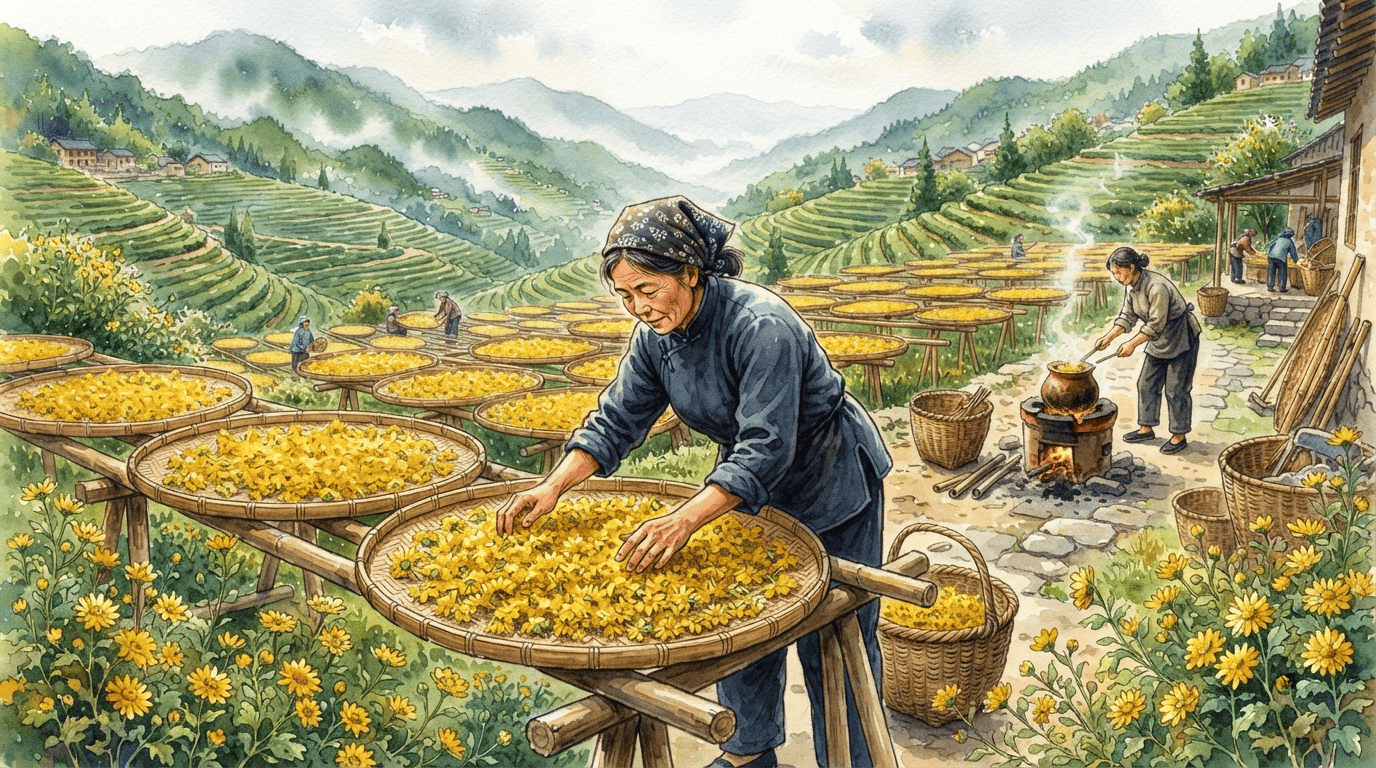
Chrysanthemum indicum is native to a broad range across China, Korea, Japan, and parts of Southeast Asia, where it grows as a perennial wildflower on hillsides and roadsides. Despite the species name ('Indian'), it is not primarily Indian in origin — Linnaeus applied the name based on a misunderstanding of trade routes. It is the main wild species from which C. morifolium was originally developed and still contributes genetically to modern cultivar breeding.
Its dried flower heads are the primary source of juhua cha (chrysanthemum tea), a traditional Chinese cooling beverage used for fevers, eye strain, and headaches, with documented medical use in the Shennong Bencao Jing (c. 200 CE). Cultivation around Hangzhou and Tongxiang in Zhejiang produces premium-grade tea chrysanthemums today.
In Korea, chrysanthemum wine ('gukhwaju') is a traditional Chongyang Festival drink. Research has identified antioxidant and anti-inflammatory compounds in the flowers, supporting traditional uses. Moderately toxic to pets.
Symbolism & meaning
What It Symbolizes
Indian Chrysanthemum is wisdom before spectacle. Its small golden flowers connect the wild chrysanthemum to centuries of East Asian poetry, tea, and autumn contemplation. Long before florist mums became exhibition objects, this species offered a simpler lesson: clarity, restraint, and the dignity of blooming late in the year.
- Wisdom — Its ancient medicinal use and scholarly associations represent accumulated knowledge
Where the Name Comes From
Chrysanthemum from Greek 'chrysos' (gold) and 'anthemon' (flower). Indicum means 'of India' — a geographic error; it is native to East Asia.
Uses & Fun Facts
- Yellow flowers brewed into traditional Chinese chrysanthemum tea
- Traditional Chinese remedy for fever, headache, and eye strain
- Wild parent of garden mums with bright yellow autumn flowers
- Symbol of autumn and longevity in Chinese tradition
Related plants
More Chrysanthemum plants

Plants with similar care
 Chinese AbeliaAbelia chinensis
 Fragrant AbeliaAbelia mosanensis
 Large-Flowered AbeliaAbelia uniflora
 Glossy AbeliaAbelia x grandiflora
Frequently asked questions
How often should I water Indian Chrysanthemum?
In summer, water about every 3 days; in winter, about every 14 days. Adjust for heat, pot size and drainage.
How much light does Indian Chrysanthemum need?
Full sun: 6+ hrs direct. Watch the leaves — scorching or stretching means the light needs adjusting.
Is Indian Chrysanthemum toxic to cats or dogs?
Pets Moderate (Dogs Moderate · Cats Moderate) Educational information, not medical or veterinary advice. If exposure is suspected, contact a doctor or veterinarian.
Is Indian Chrysanthemum easy to grow?
Yes — it is considered an easy, beginner-friendly plant.
When does Indian Chrysanthemum bloom?
It typically blooms Sep–Nov in the Northern Hemisphere.
YardMate
Identify any plant in seconds
Snap a photo — YardMate names the plant, diagnoses problems, and reminds you when to water.
Download on the App Store