 YardMate

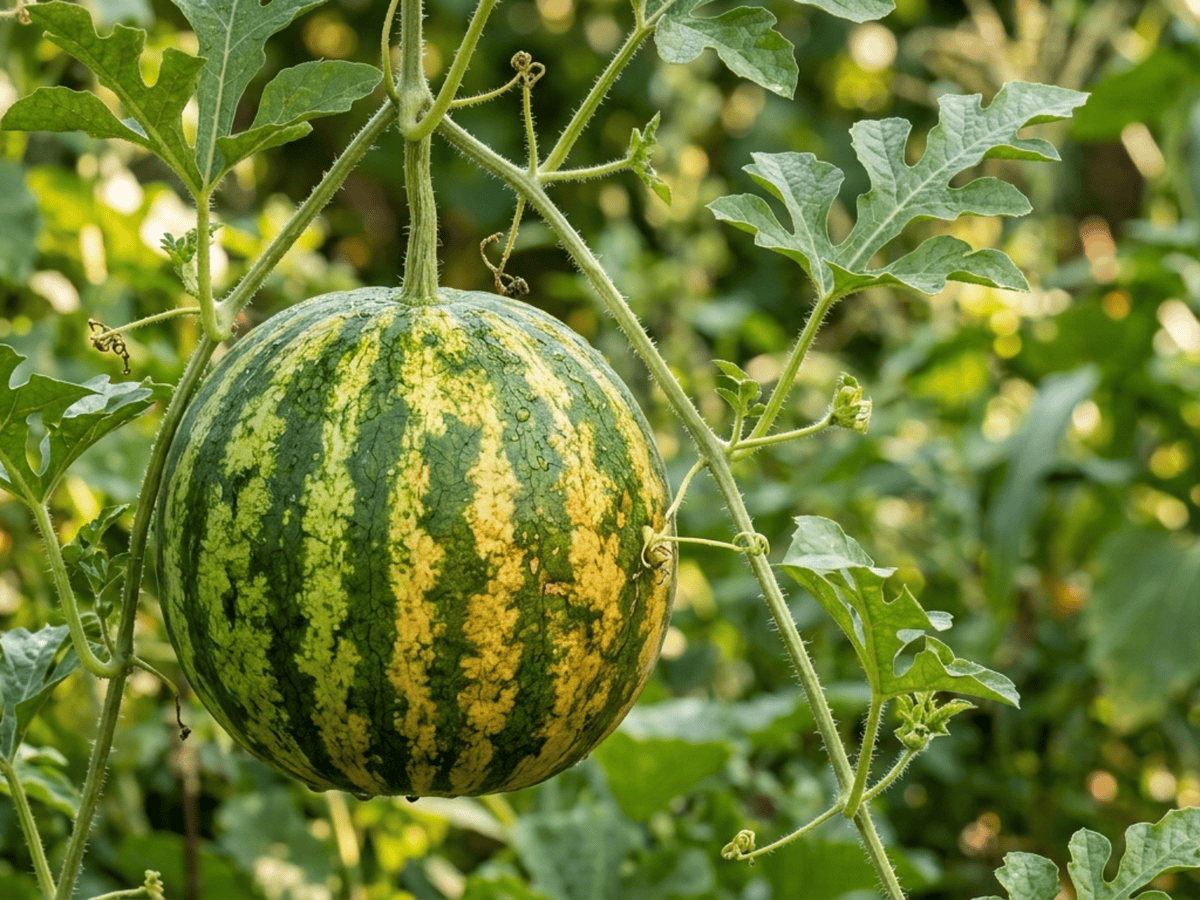


Watermelon
Citrullus lanatus
Medium · Some experienceAbout Watermelon
Citrullus lanatus, watermelon, is a sprawling annual vine from Africa, where wild relatives still survive in dry regions. Modern cultivars produce the familiar heavy fruits with crisp, water-rich flesh in red, pink, orange, yellow, or white. Vines need real summer: full sun, warm soil, steady moisture while fruits swell, and enough room to run 3-5 meters. Archaeological evidence places watermelon in the Nile Valley more than 4,000 years ago, first valued as a portable source of water before sweetness became the main prize. Seedless types are triploid hybrids and still need a seeded pollinator nearby. From chilled slices to pickled rind and roasted seeds, the plant is both dessert and survival crop.
- Edible
- Fast-growing
How to care for Watermelon
Watering
- Springevery 3 days
- Summerevery 2 days
- Fallevery 4 days
- Winterevery 7 days
Soil · Rich & well-draining
- Top dressingCompost10%
- Main mixPotting soil + compost 3:180%
- DrainageGravel10%
Top up the compost layer each season.
FERTILIZER
Balanced Feed 14-14-14
An even feed covers all three needs at once, keeping leaves, roots and blooms moving together with nothing pushed out of balance.
- Nitrogen · Leaves
- Phosphorus · Roots + Blooms
- Potassium · Strength
- Springevery 14 days
- Summerevery 14 days
- Fallevery 21 days
At a Glance
- NativeAfrica
- Height1–2 ft (0.3–0.6 m)
- Spread6–12 ft (1.8–3.7 m)
- Flower colorYellow
- Foliage colorGreen
- Fruit colorRed
- SoilLoamy, Well-drained, Rich
- LocationsYard
Bloom time
BLOOM CYCLE
Peak bloom
Jun–Aug
Small yellow flowers need bee pollination; plant near pollinator-friendly flowers for best fruit set.
Fragrance
NO FRAGRANCE
No notable fragrance.
Toxicity
Humans Safe · Pets Safe
lycopene and citrulline
Safe
EXPOSURE No exposure route is reported.
EFFECT Widely consumed and no significant toxicity.
NOTE Listed as non-toxic for humans; avoid eating ornamental plants unless confirmed edible.
Safe
EXPOSURE No exposure route is reported.
EFFECT Flesh safe and rind and seeds can cause GI upset in quantity.
NOTE Listed as non-toxic for dogs; avoid eating ornamental plants unless confirmed edible.
Safe
EXPOSURE No exposure route is reported.
EFFECT Flesh generally safe in small amounts.
NOTE Listed as non-toxic for cats; avoid eating ornamental plants unless confirmed edible.
Educational information, not medical or veterinary advice. If exposure is suspected, contact a doctor or veterinarian.
DISTRIBUTION


- Native
- Introduced
- Africa
History
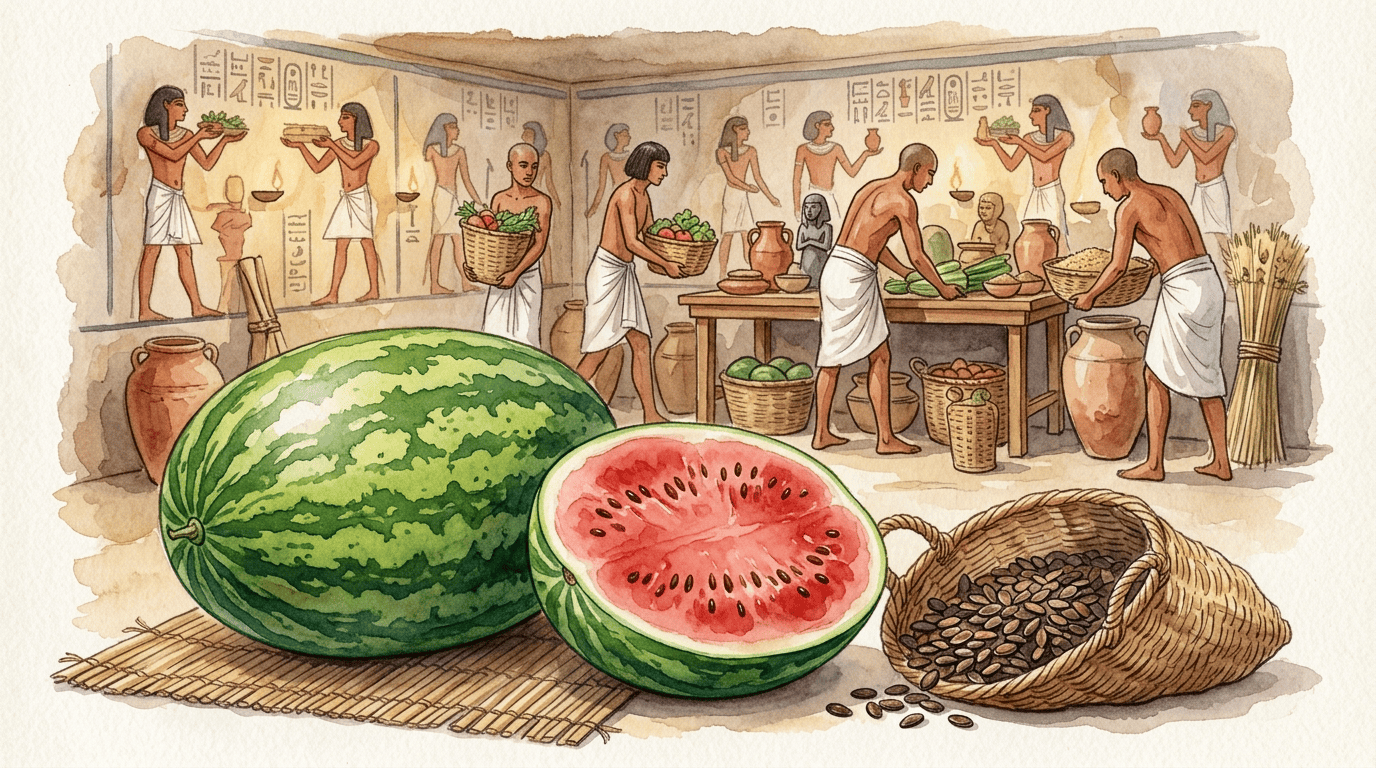
Citrullus lanatus has a long-debated origin. A 2021 genetic study identified the Kordofan melon of Sudan, a sweet-fleshed wild relative, as one of the closest known relatives of modern cultivated watermelon, refining older theories that placed domestication elsewhere in Africa.
Ancient Egyptians cultivated watermelon at least 4,000 years ago; seeds and images have been found in tomb contexts, including material associated with Tutankhamun's burial. The fruit later moved through Mediterranean and Islamic trade networks, reaching Iberia with Moorish agriculture and the Americas after European contact.
In North America, watermelon became part of African and African-American food history, a legacy later distorted by racist imagery and stereotype. Modern seedless watermelons, developed through triploid breeding in the twentieth century, now dominate many markets, while Mark Twain's praise of watermelon as one of the world's great luxuries still captures the fruit's summertime hold on the imagination.
Symbolism & meaning
What It Symbolizes
Watermelon embodies refreshment, the very fruit of relief on a sweltering afternoon. From Egyptian tomb paintings to Southern porch summers, it has long stood for renewal and the simple joy of a hot season made bearable. Its great size, meant to be split and shared among many, gives it a deeper meaning of generosity — a single fruit that gathers a community around its pink, dripping slices.
- Refreshment — As the ultimate thirst-quencher, watermelon symbolizes relief, summer joy, and renewal
- Generosity — A single large fruit shared among many represents communal giving and togetherness
Where the Name Comes From
Citrullus is a diminutive of 'citrus' in Latin, referencing the fruit's round shape; 'lanatus' means woolly, describing the fine hairs on young stems and leaves.
Uses & Fun Facts
- Juicy flesh eaten fresh; rind pickled or candied in some traditions
- Striped fruits and broad leaves add bold character to sunny vegetable beds
Related plants
Plants with similar care
 Mexican AbeliaAbelia floribunda
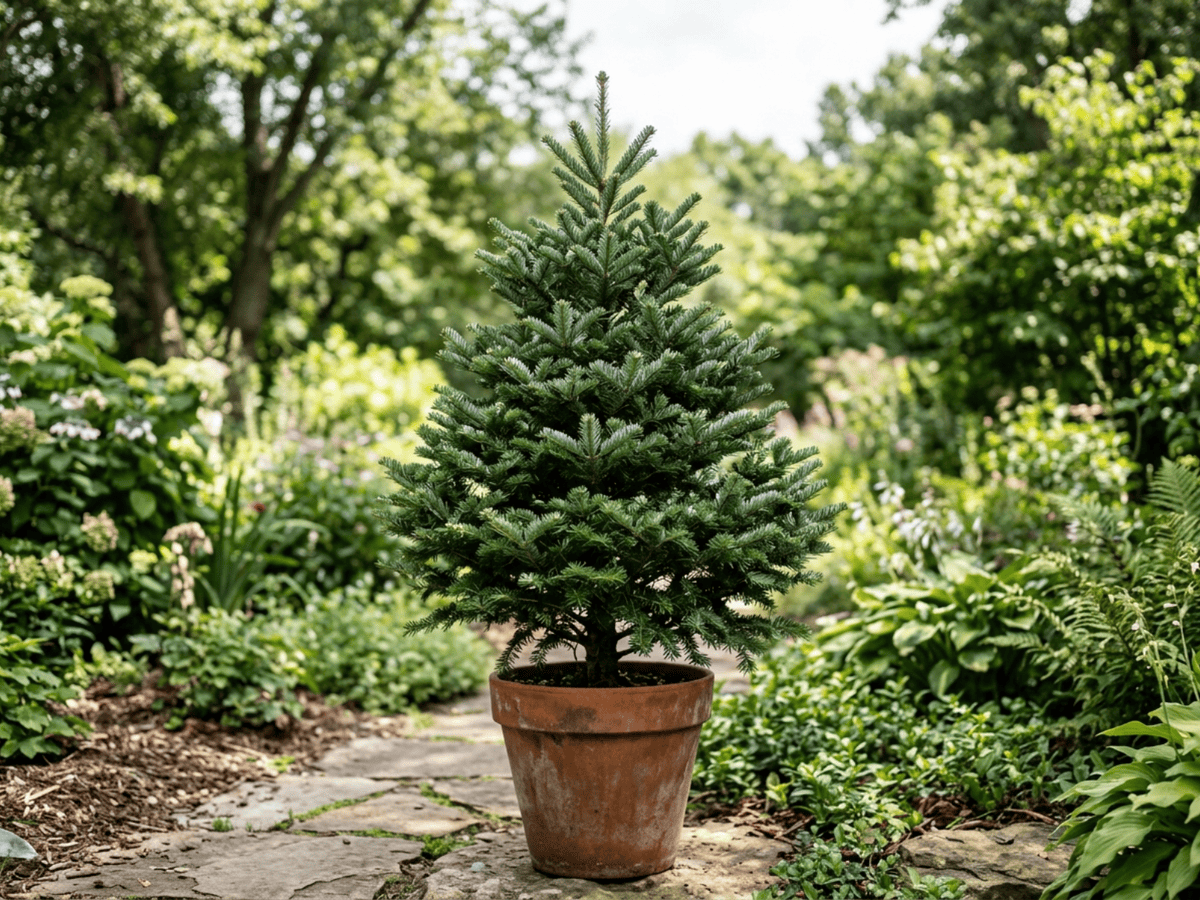 Fraser FirAbies fraseri
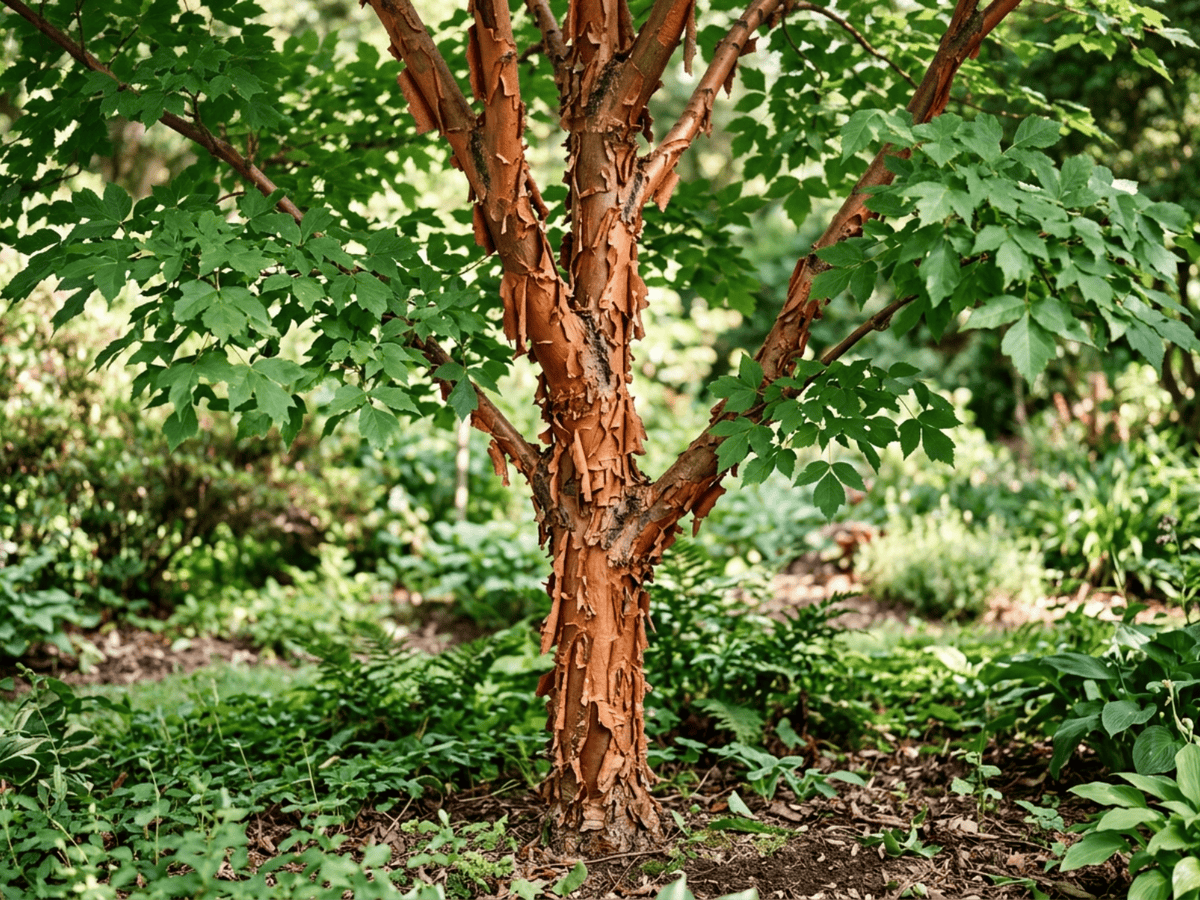 Paperbark MapleAcer griseum
 Sugar MapleAcer saccharum
Frequently asked questions
How often should I water Watermelon?
In summer, water about every 2 days; in winter, about every 7 days. Adjust for heat, pot size and drainage.
How much light does Watermelon need?
Full sun: 6+ hrs direct. Watch the leaves — scorching or stretching means the light needs adjusting.
Is Watermelon toxic to cats or dogs?
Pets Safe (Dogs Safe · Cats Safe) Educational information, not medical or veterinary advice. If exposure is suspected, contact a doctor or veterinarian.
Is Watermelon easy to grow?
It is moderately demanding: a good choice once you have a little experience.
When does Watermelon bloom?
It typically blooms Jun–Aug in the Northern Hemisphere.
YardMate
Identify any plant in seconds
Snap a photo — YardMate names the plant, diagnoses problems, and reminds you when to water.
Download on the App Store