 YardMate

Spider Flower
Cleome hassleriana
Easy · Beginner friendlyAbout Spider Flower
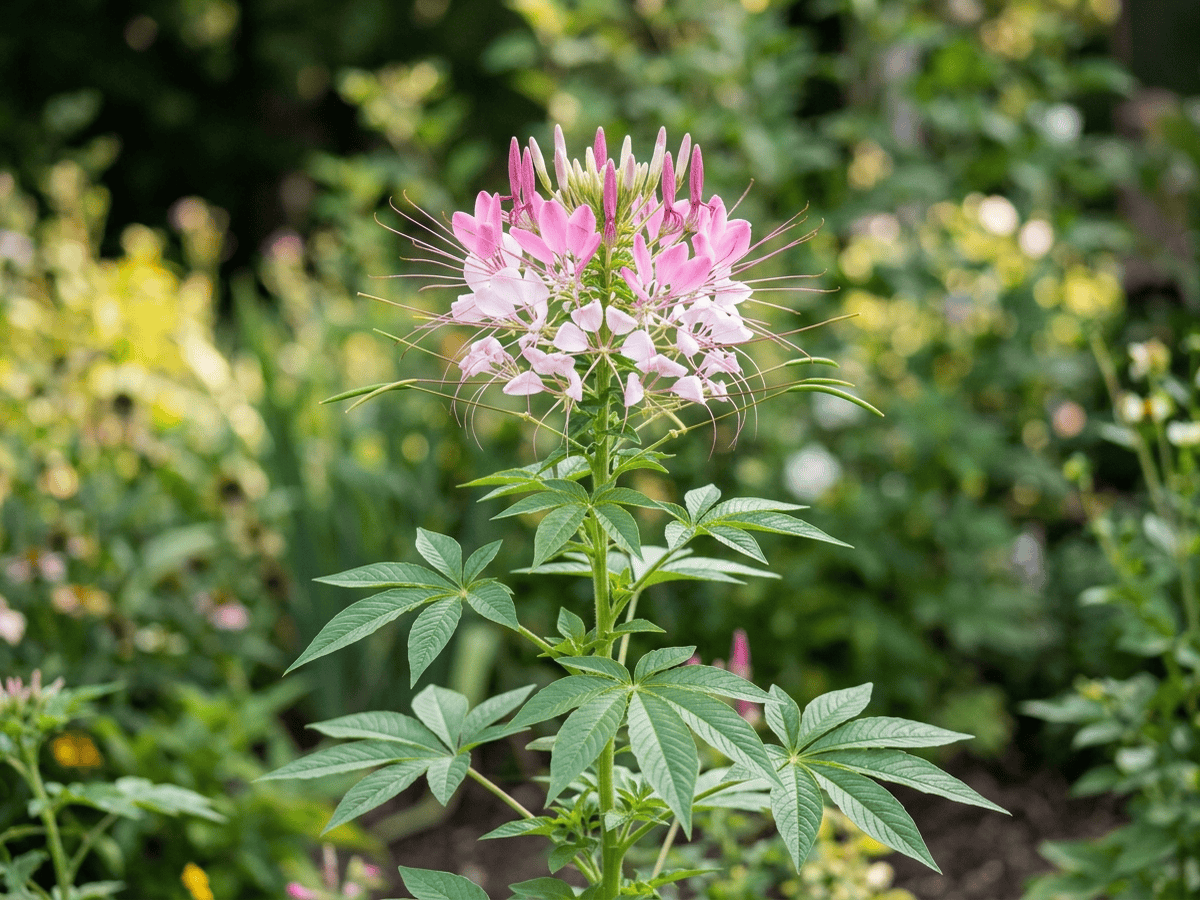
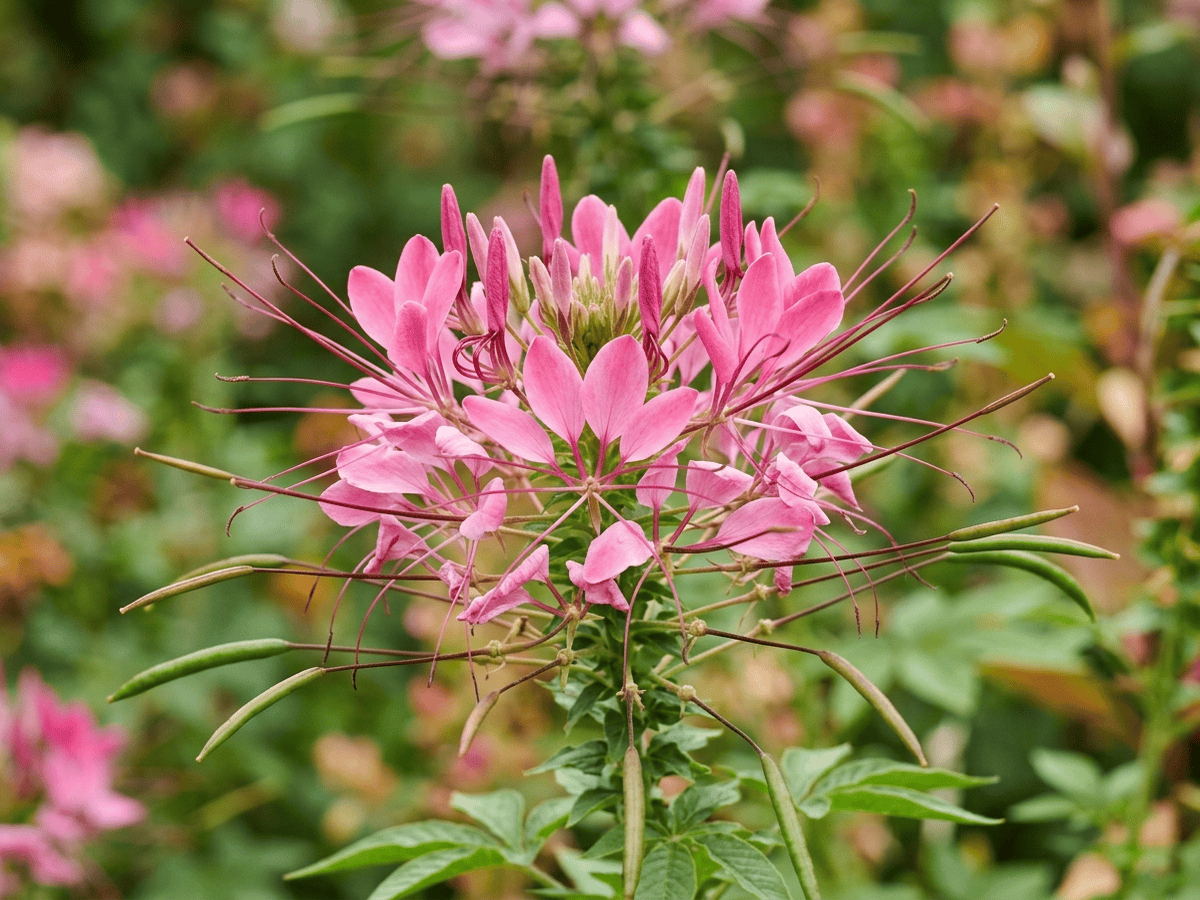
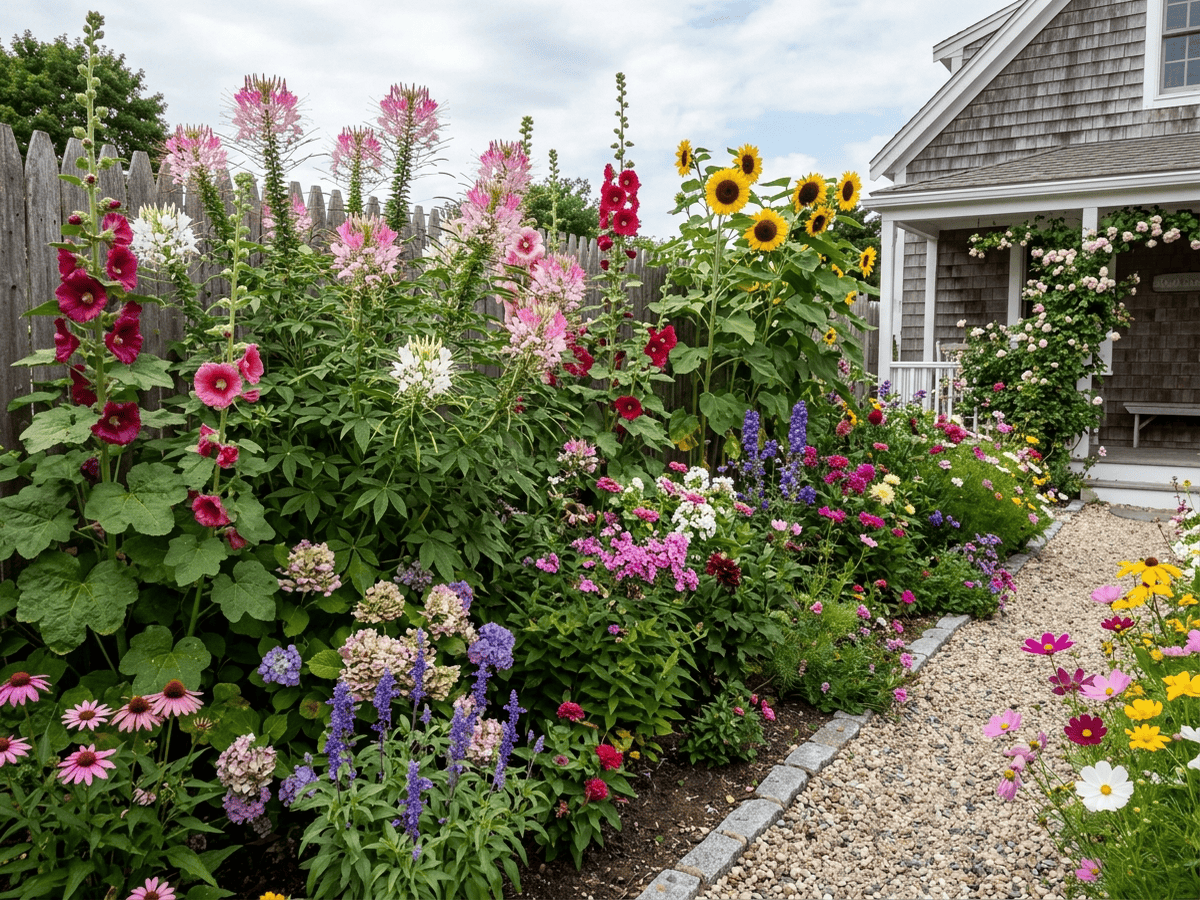
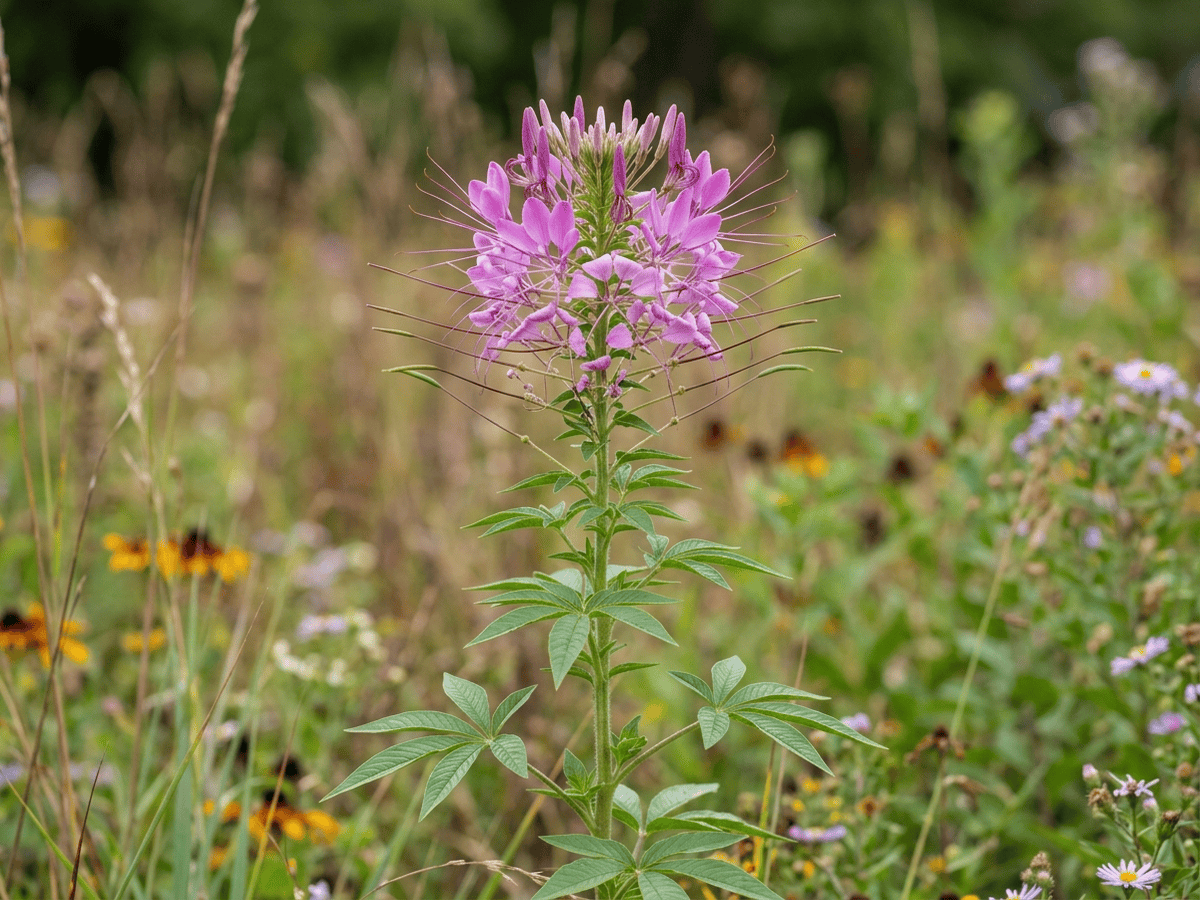
Spider Flower is a tall South American annual famous for its unique spidery flowers with extremely long stamens and seedpods radiating outward on airy stems. Growing 3 to 5 feet tall with palmately-compound leaves and a distinctive strong skunk-like scent, it produces large rounded clusters of pink, white, rose, or purple flowers from summer through frost. A back-of-border classic in American cottage and formal gardens.
- Heat-tolerant
- Drought-tolerant
- Deer-resistant
- Pollinator-friendly
How to care for Spider Flower
Watering
- Springevery 5 days
- Summerevery 4 days
- Fallevery 7 days
- Winterpause watering
Soil · Well-draining
- Top dressingPine bark mulch10%
- Main mixPotting soil + perlite 2:170%
- DrainageLECA / gravel20%
Never skip the drainage layer — standing water is the top cause of root rot.
FERTILIZER
Balanced Feed 14-14-14
An even feed covers all three needs at once, keeping leaves, roots and blooms moving together with nothing pushed out of balance.
- Nitrogen · Leaves
- Phosphorus · Roots + Blooms
- Potassium · Strength
- Springevery 30 days
- Summerevery 30 days
At a Glance
- NativeSouth America
- Height3–5 ft (0.9–1.5 m)
- Spread1–2 ft (0.3–0.6 m)
- Flower colorPink, Purple, White
- Foliage colorGreen
- SoilWell-drained, Loamy, Rich
- LocationsYard
Bloom time
BLOOM CYCLE
Peak bloom
Jun–Nov
Spider-like flowers with long stamens June to frost
Fragrance
MODERATE FRAGRANCE
Foliage has a pungent skunky or musky scent when brushed.
Toxicity
Toxicity unknown
None reported
Unknown
EXPOSURE Unspecified plant material.
EFFECT Toxic effects are not specified.
NOTE Toxicity for humans is not well documented; use caution until verified.
Unknown
EXPOSURE Unspecified plant material.
EFFECT Toxic effects are not specified.
NOTE Toxicity for dogs is not well documented; use caution until verified.
Unknown
EXPOSURE Unspecified plant material.
EFFECT Toxic effects are not specified.
NOTE Toxicity for cats is not well documented; use caution until verified.
Educational information, not medical or veterinary advice. If exposure is suspected, contact a doctor or veterinarian.
DISTRIBUTION

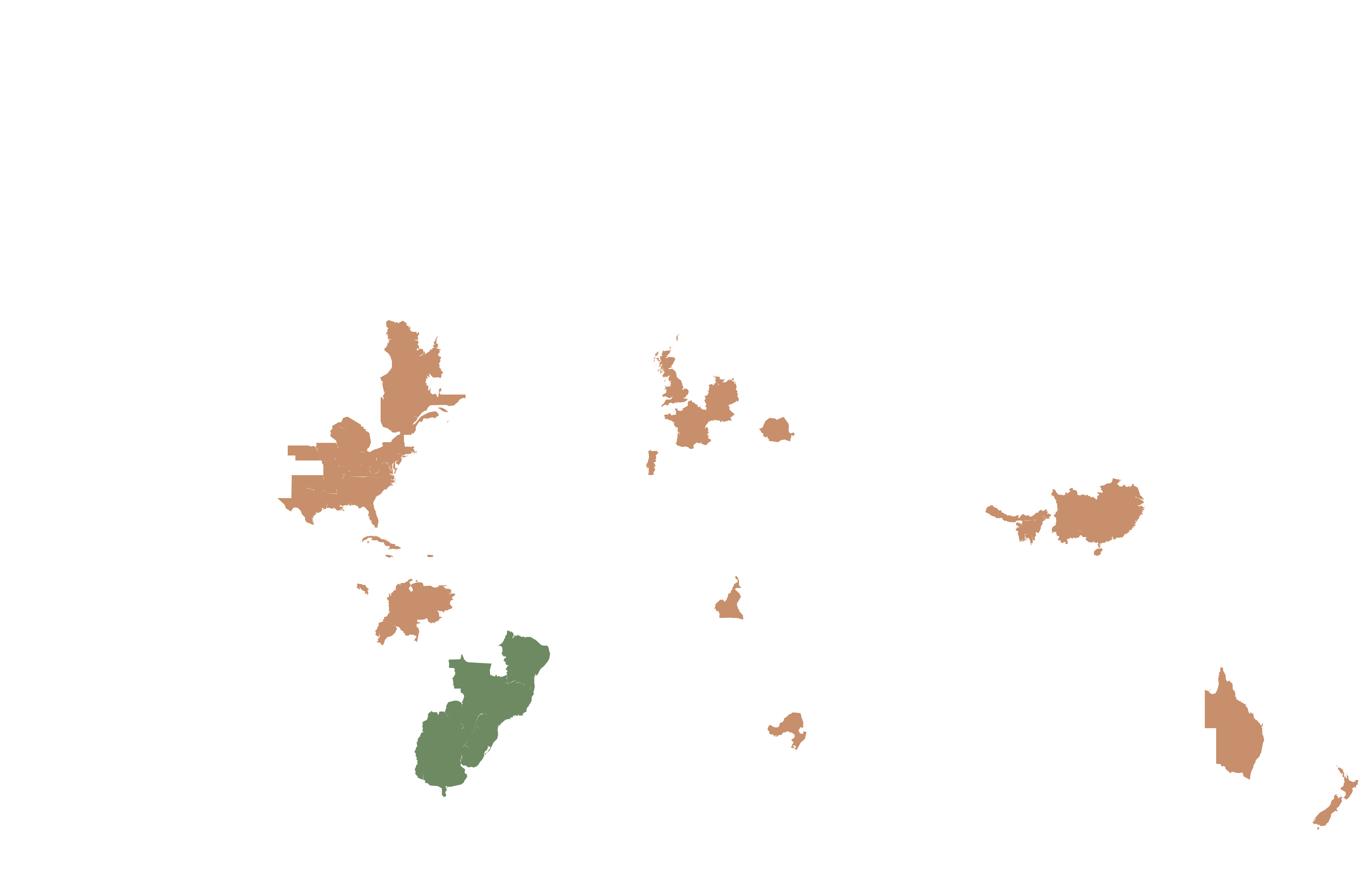
- Native
- Introduced
- South America
History
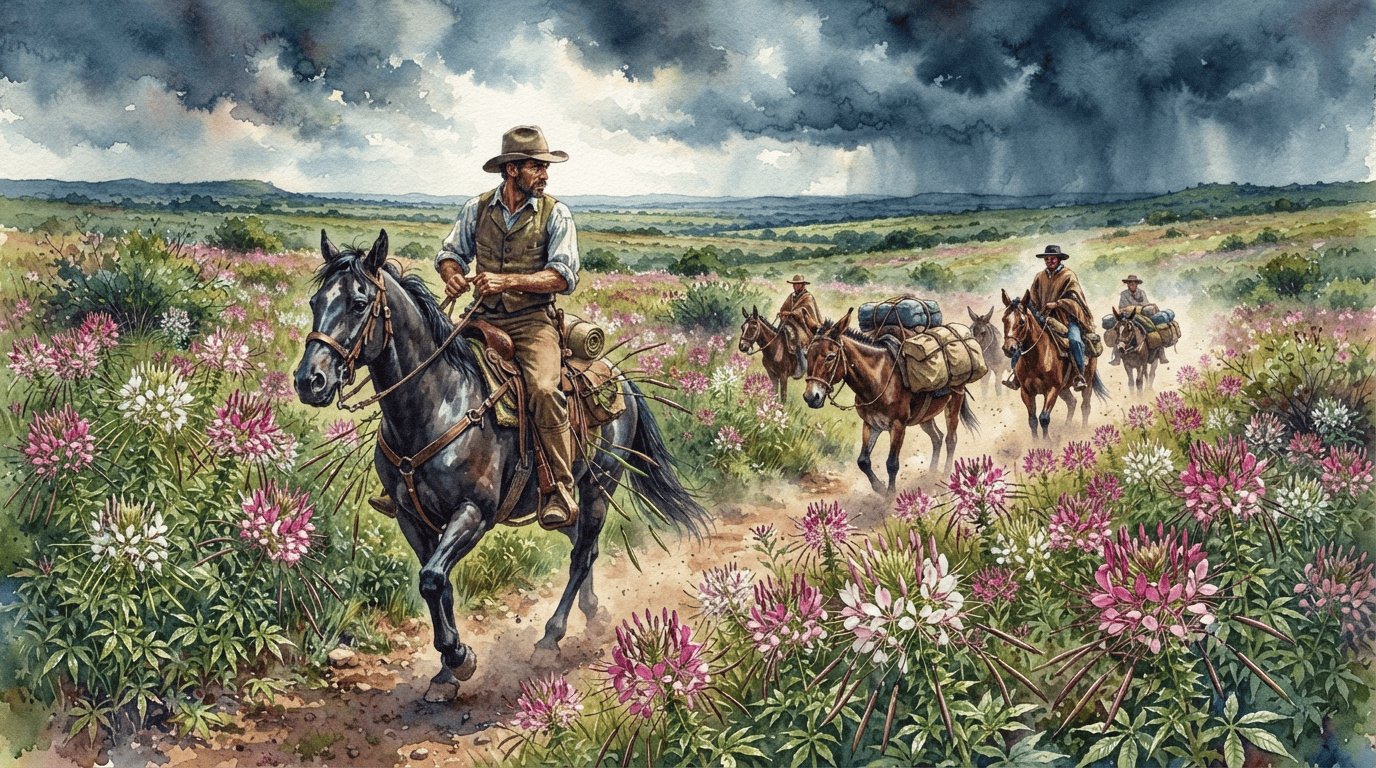
Cleome hassleriana, the spider flower, is a tall herbaceous annual native to southeastern Brazil, Paraguay, Uruguay, and northern Argentina. Swiss botanist Robert Chodat described it in 1898 and named it for his countryman Emile Hassler, who collected the type specimen during his extensive Paraguayan explorations. The plant produces tall one-meter stems topped by airy racemes of four-petaled pink, white, or purple flowers with protruding spidery stamens, while needle-thin seedpods elongate below the still-blooming inflorescence.
Victorian gardeners popularized it for the back of borders, and the Queen series developed in the mid-20th century standardized cultivars. More recently Proven Winners released the thornless sterile Senorita Rosalita, eliminating prickles and self-seeding, making spider flower easier to integrate into modern landscapes.
Introduced to American Victorian gardens in the 1830s from Paraguay and southern Brazil, spider flower became a staple of cottage and estate gardens. Self-sows freely enough to become a beloved perennial volunteer.
Symbolism & meaning
What It Symbolizes
Spider Flower is Unique elegance made airborne — long-stamened blooms held in airy spheres, unlike any other annual in the bed. By night it shifts roles, its pale petals catching moonlight and feeding hawkmoths and even bats during Night forage. Few flowers manage such grace by day and such usefulness by dark.
- Airy elegance — light spidery form unlike any other flower
- Night forage — attracts nocturnal hawkmoths and bats
Where the Name Comes From
'Cleome' possibly Greek origin, uncertain; 'hassleriana' honors Swiss botanist Emile Hassler (1861-1937) who collected in Paraguay.
Uses & Fun Facts
- Spidery pink and white flower heads tower in summer borders
- Long stamens attract hummingbirds and night-flying moths
- Tall airy stems anchor cottage-style arrangements
Related plants
More Cleome plants
Plants with similar care
 Chinese AbeliaAbelia chinensis
 Fragrant AbeliaAbelia mosanensis
 Large-Flowered AbeliaAbelia uniflora
 Glossy AbeliaAbelia x grandiflora
Frequently asked questions
How often should I water Spider Flower?
Water about every 5 days during the growing season, and always let excess water drain away.
How much light does Spider Flower need?
Full sun: 6+ hrs direct. Watch the leaves — scorching or stretching means the light needs adjusting.
Is Spider Flower toxic to cats or dogs?
Pets Unknown (Dogs Unknown · Cats Unknown) Educational information, not medical or veterinary advice. If exposure is suspected, contact a doctor or veterinarian.
Is Spider Flower easy to grow?
Yes — it is considered an easy, beginner-friendly plant.
When does Spider Flower bloom?
It typically blooms Jun–Nov in the Northern Hemisphere.
YardMate
Identify any plant in seconds
Snap a photo — YardMate names the plant, diagnoses problems, and reminds you when to water.
Download on the App Store