 YardMate

Mountain Sweet Pepperbush
Clethra acuminata
Easy · Beginner friendlyAbout Mountain Sweet Pepperbush
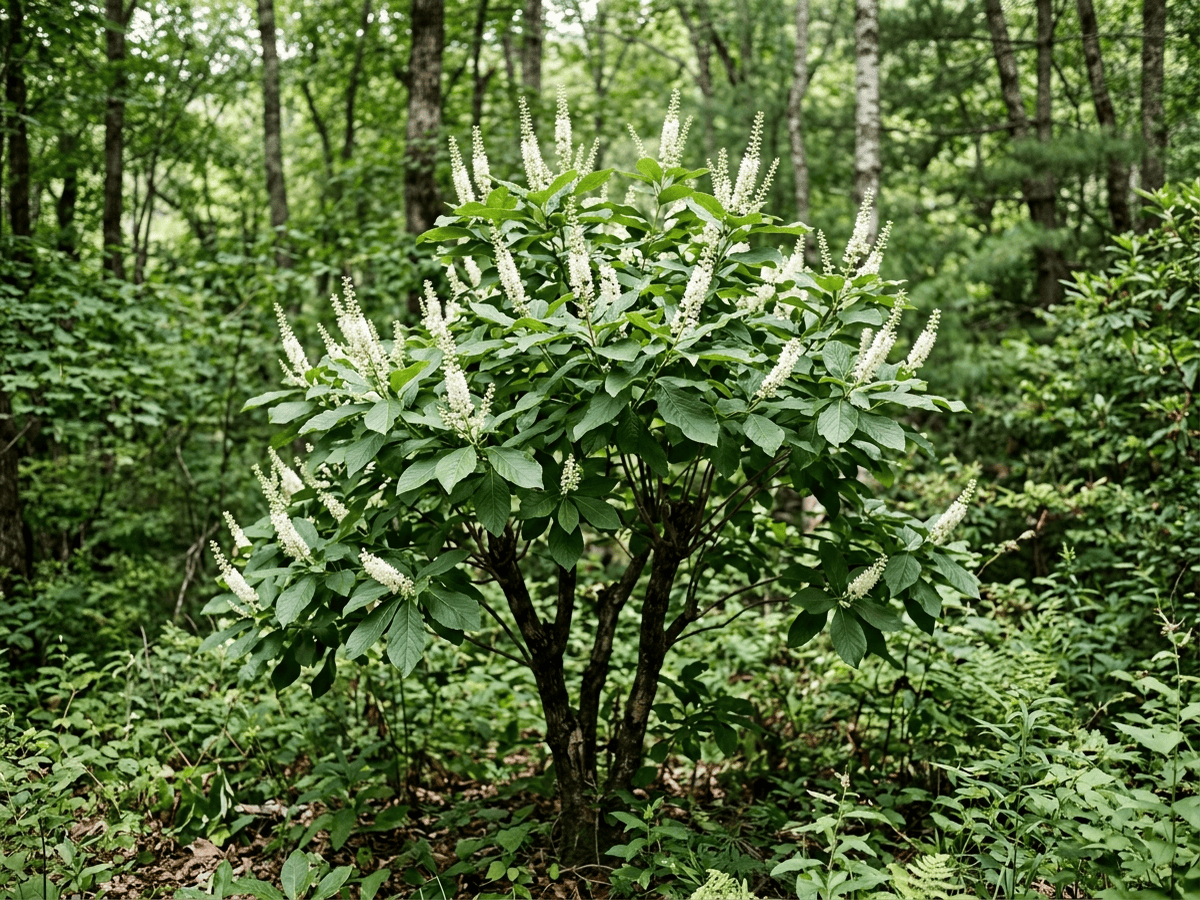
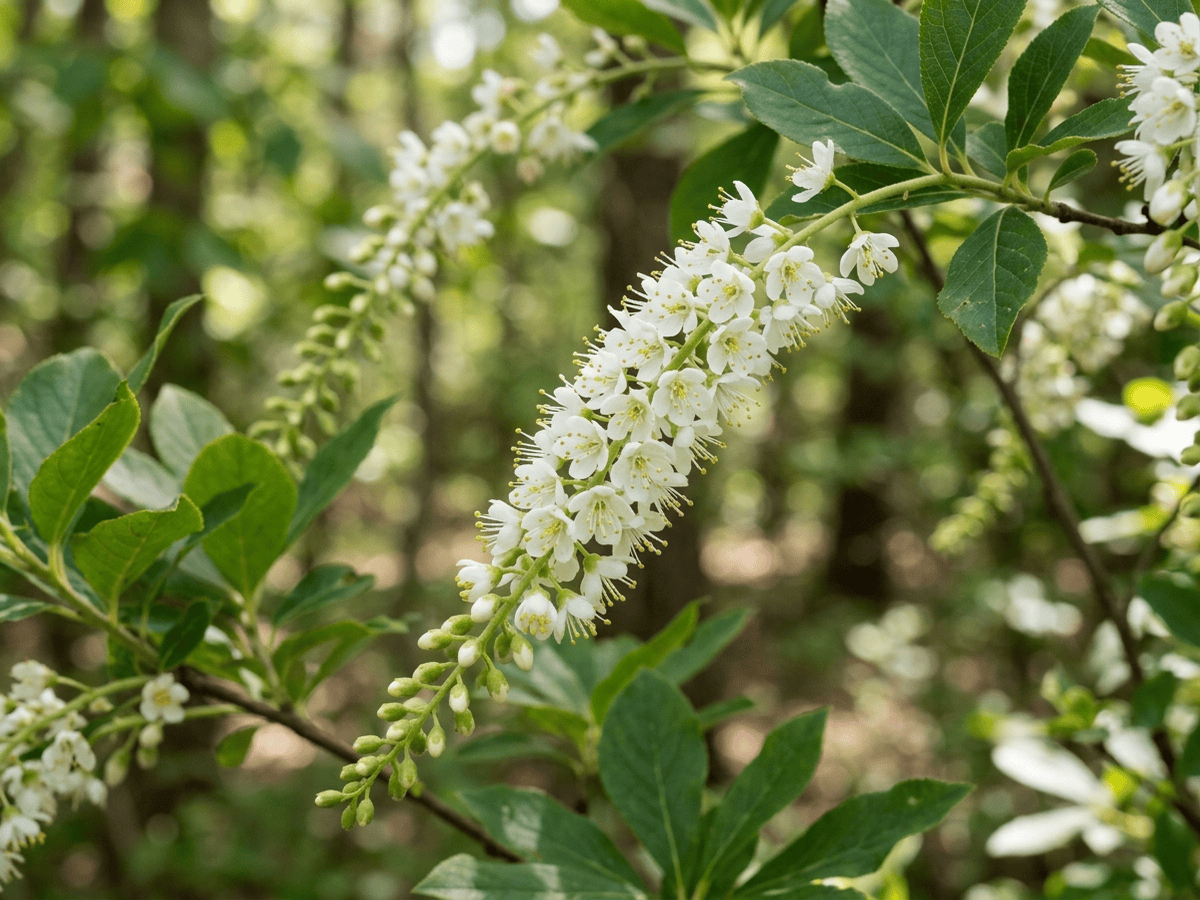
Mountain Sweet Pepperbush or Cinnamonbark Clethra is a southern Appalachian native deciduous shrub growing 8 to 15 feet tall, taller than common summersweet, with fragrant white bottlebrush flowers in midsummer and striking exfoliating cinnamon-brown bark. Prized by collectors for its unique multi-season interest with attractive bark and later flowering in American mountain-style native gardens.
- Fragrant
- Native
- Pollinator-friendly
How to care for Mountain Sweet Pepperbush
Watering
- Springevery 3 days
- Summerevery 2 days
- Fallevery 5 days
- Winterevery 10 days
Soil · Acidic · pH 4.5–6
- Top dressingPine needle mulch10%
- Main mixAcid-lover mix + peat 3:175%
- DrainageGravel15%
Never add lime or wood ash — it cancels out the acidity.
FERTILIZER
Balanced Feed 14-14-14
An even feed covers all three needs at once, keeping leaves, roots and blooms moving together with nothing pushed out of balance.
- Nitrogen · Leaves
- Phosphorus · Roots + Blooms
- Potassium · Strength
- Springevery 45 days
- Summerevery 60 days
At a Glance
- NativeNorth America
- Height8–15 ft (2.4–4.6 m)
- Spread6–12 ft (1.8–3.7 m)
- Flower colorWhite
- Foliage colorGreen, Yellow
- SoilLoamy, Moisture-retentive, Acidic
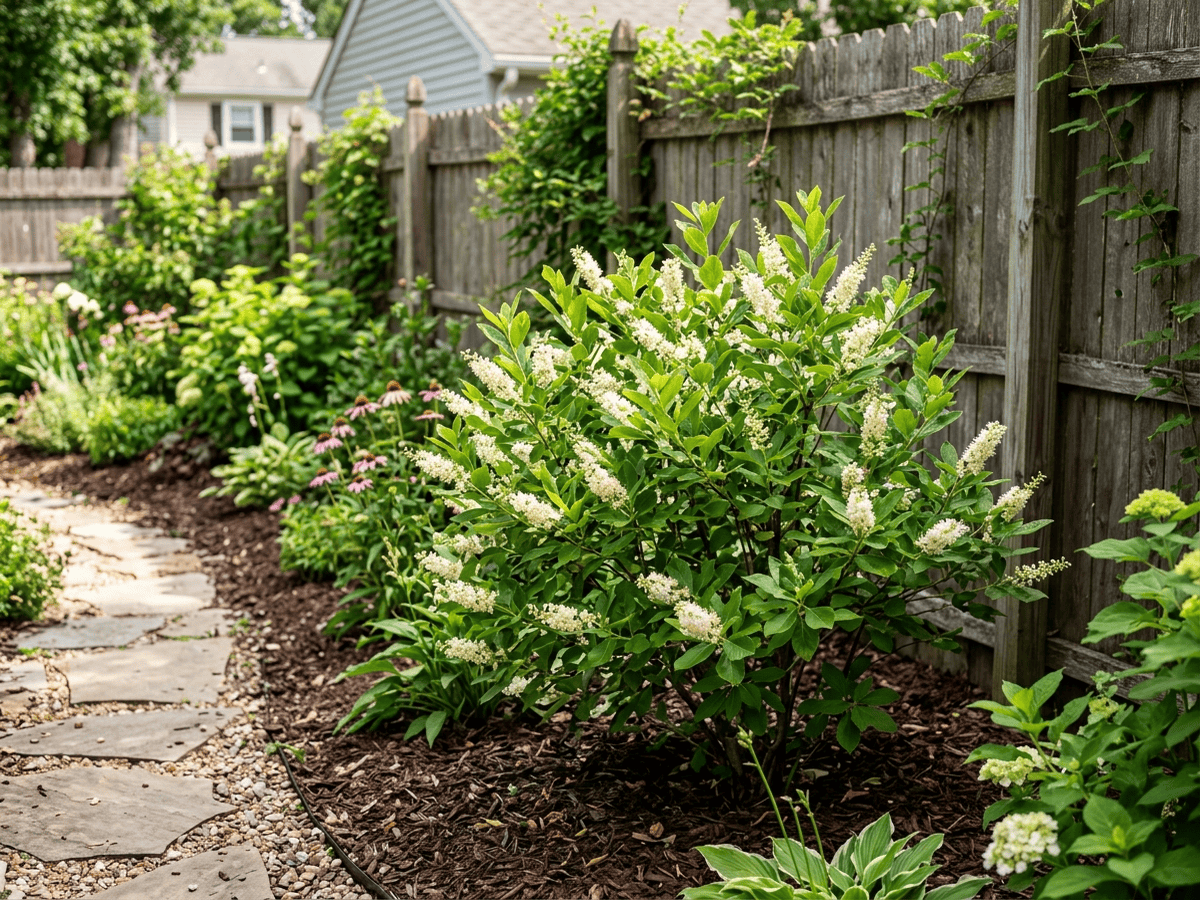
- LocationsYard
Bloom time
BLOOM CYCLE
Peak bloom
Jul–Aug
Fragrant white bottlebrush flowers in midsummer
Fragrance
STRONG FRAGRANCE
Flowers sweetly fragrant with a spicy overtone.
Toxicity
No toxicity has been reported for this plant. Still, it is wise to keep pets from chewing on any houseplant.
Educational information, not medical or veterinary advice. If exposure is suspected, contact a doctor or veterinarian.
DISTRIBUTION


- Native
- North America
History

Clethra acuminata grows in cool mountain coves and rocky stream banks of the southern Appalachians, from West Virginia to northern Georgia. The French botanist André Michaux described it in his Flora Boreali-Americana (1803) from specimens collected during his 1787-1796 North American expeditions, including visits to the Carolina and Tennessee mountains. Unlike its shrubby lowland cousin C. alnifolia, it reaches small-tree size (3 to 6 m) with striking exfoliating cinnamon-brown bark reminiscent of Stewartia or Heptacodium.
Its fragrant white flower spikes appear in mid to late summer. It entered British gardens in 1806 via William Curtis but never achieved the horticultural popularity of C. alnifolia. Modern specimen use at the US National Arboretum and Hillier Gardens has renewed interest in it for connoisseur woodland plantings. Native to the Appalachian Mountains from Virginia to Georgia in moist cove forests.
Symbolism & meaning
What It Symbolizes
Mountain Sweet Pepperbush perfumes Appalachian summer forests with the meaning of mountain fragrance, a scent that hangs over creek hollows on warm July evenings. In winter, attention shifts to its distinctive cinnamon bark, peeling in pale brown sheets along the trunk and giving the shrub a second season of beauty. To plant Clethra acuminata in the garden is to import a small piece of the southern mountains, both the summer scent and the cold-weather glow of bark.
- Mountain fragrance — scent of Appalachian summer forests
- Cinnamon bark — distinctive peeling cinnamon-brown bark
Where the Name Comes From
The name Mountain Sweet Pepperbush describes its sweet scent or flavor. 'acuminata' from Latin means pointed or tapered, for the leaf tips.
Uses & Fun Facts
- Summersweet flower spikes carry honey-spice perfume
- Late-summer racemes draw bees and butterflies
- Cinnamon peeling bark adds winter interest
Related plants
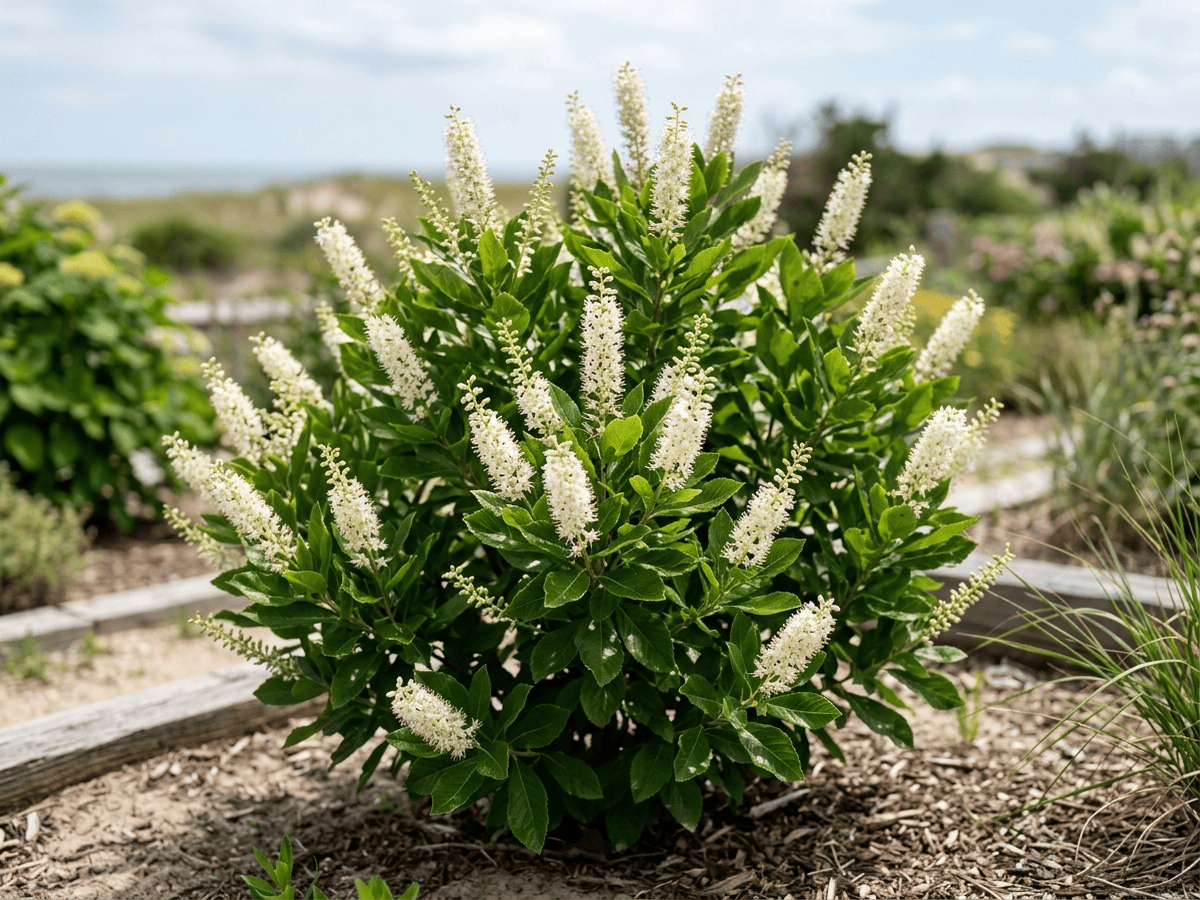
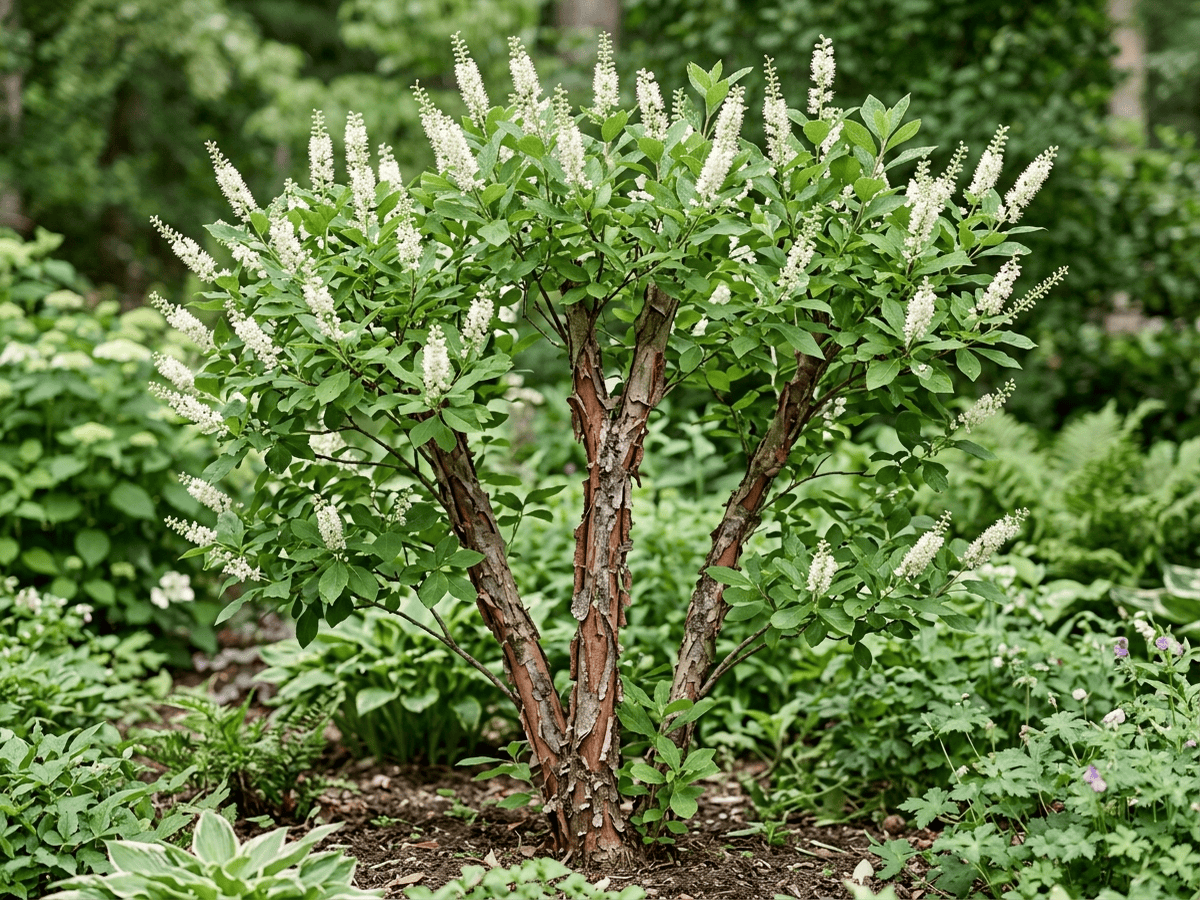
More Clethra plants
Plants with similar care
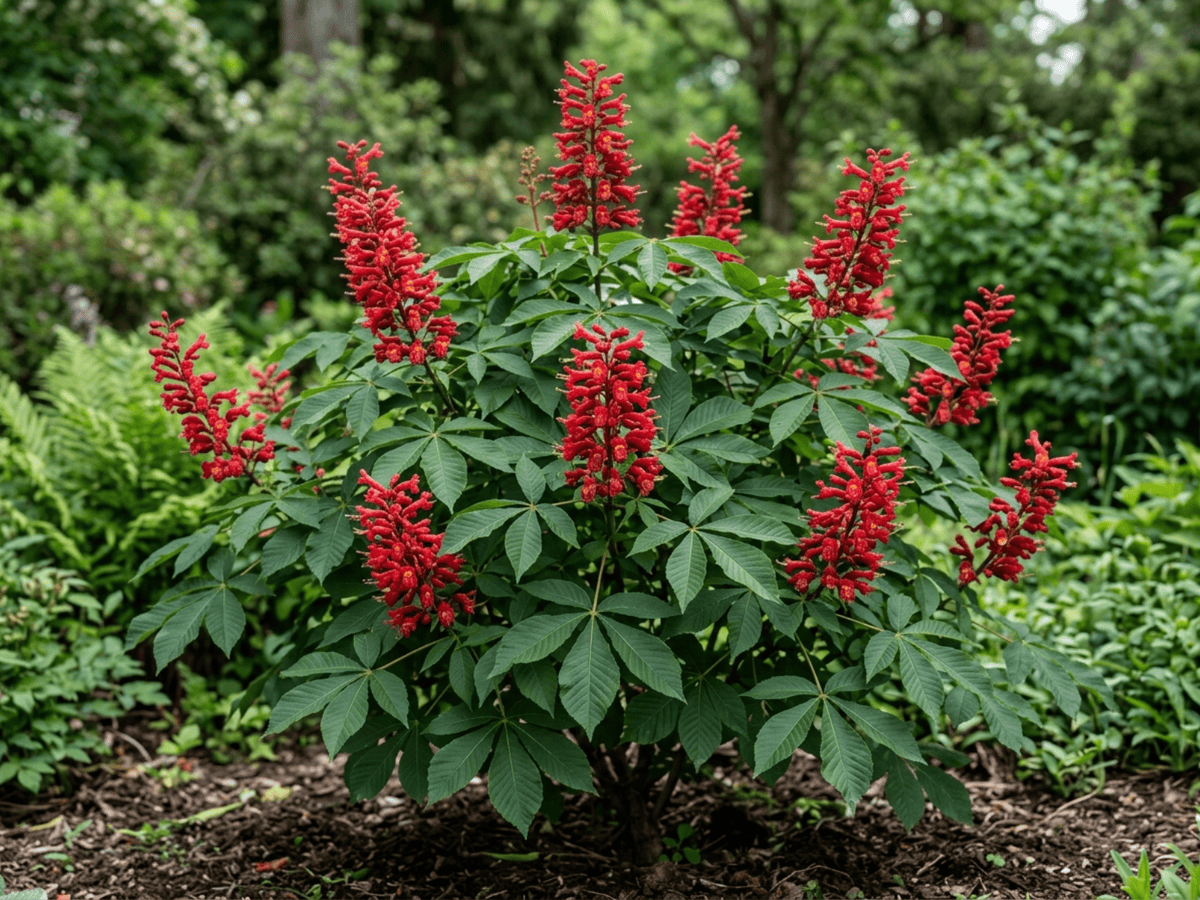 Red BuckeyeAesculus pavia
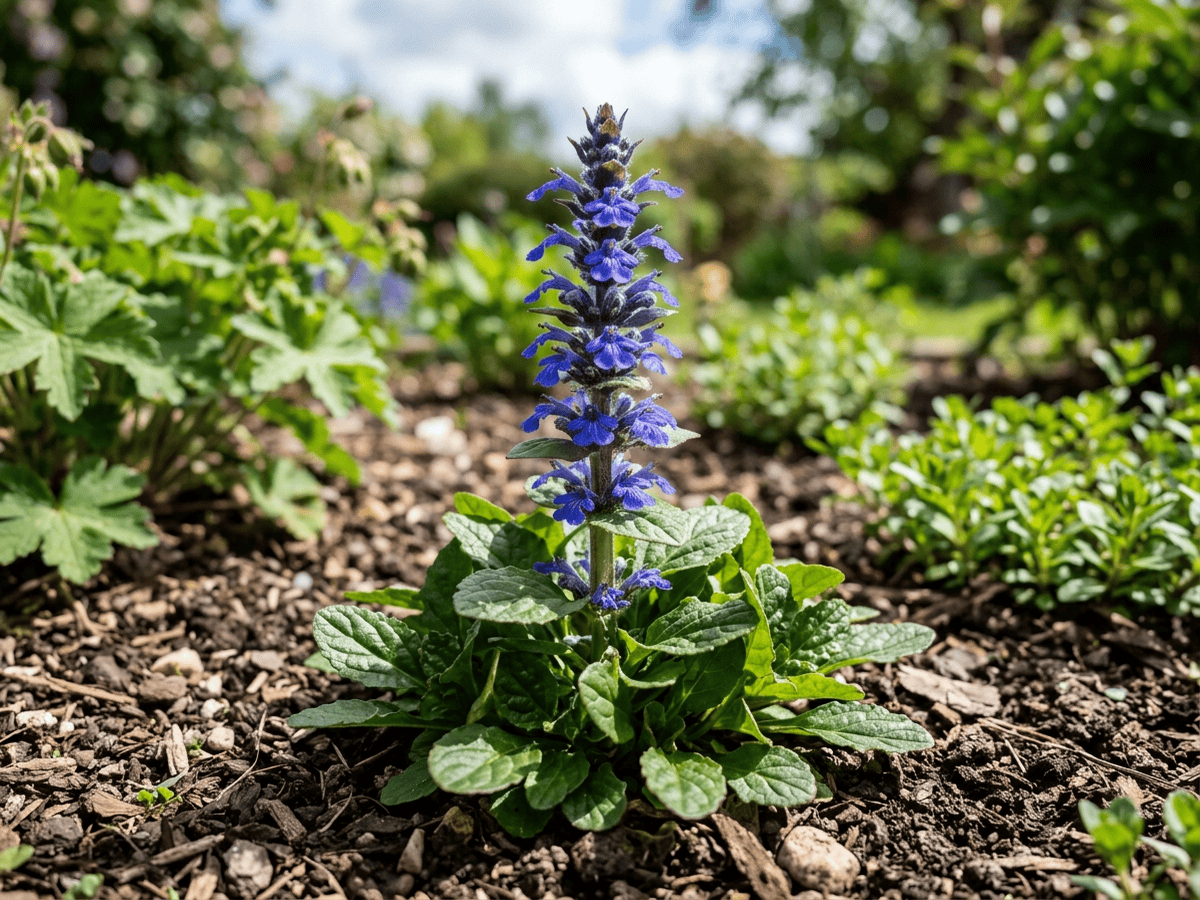 Blue BugleAjuga genevensis
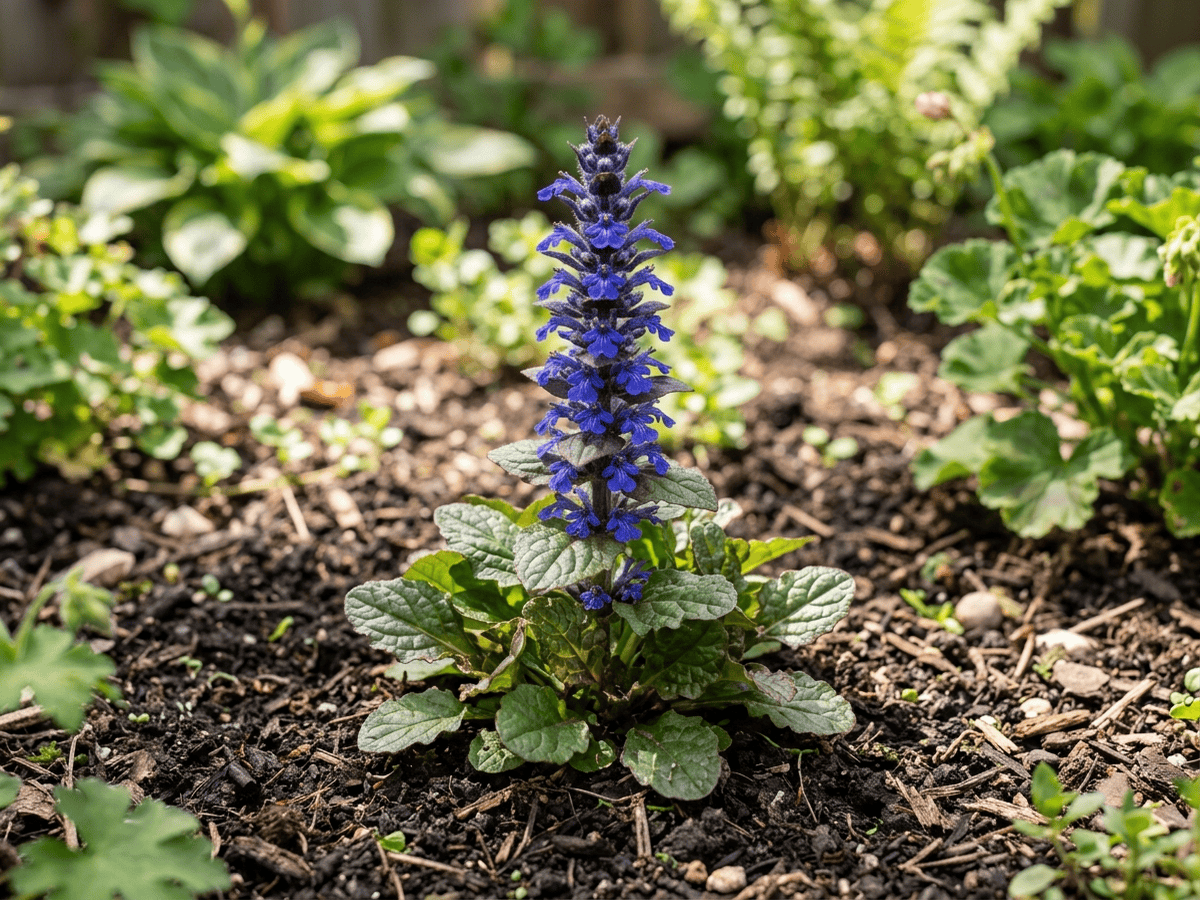 Pyramidal BugleAjuga pyramidalis
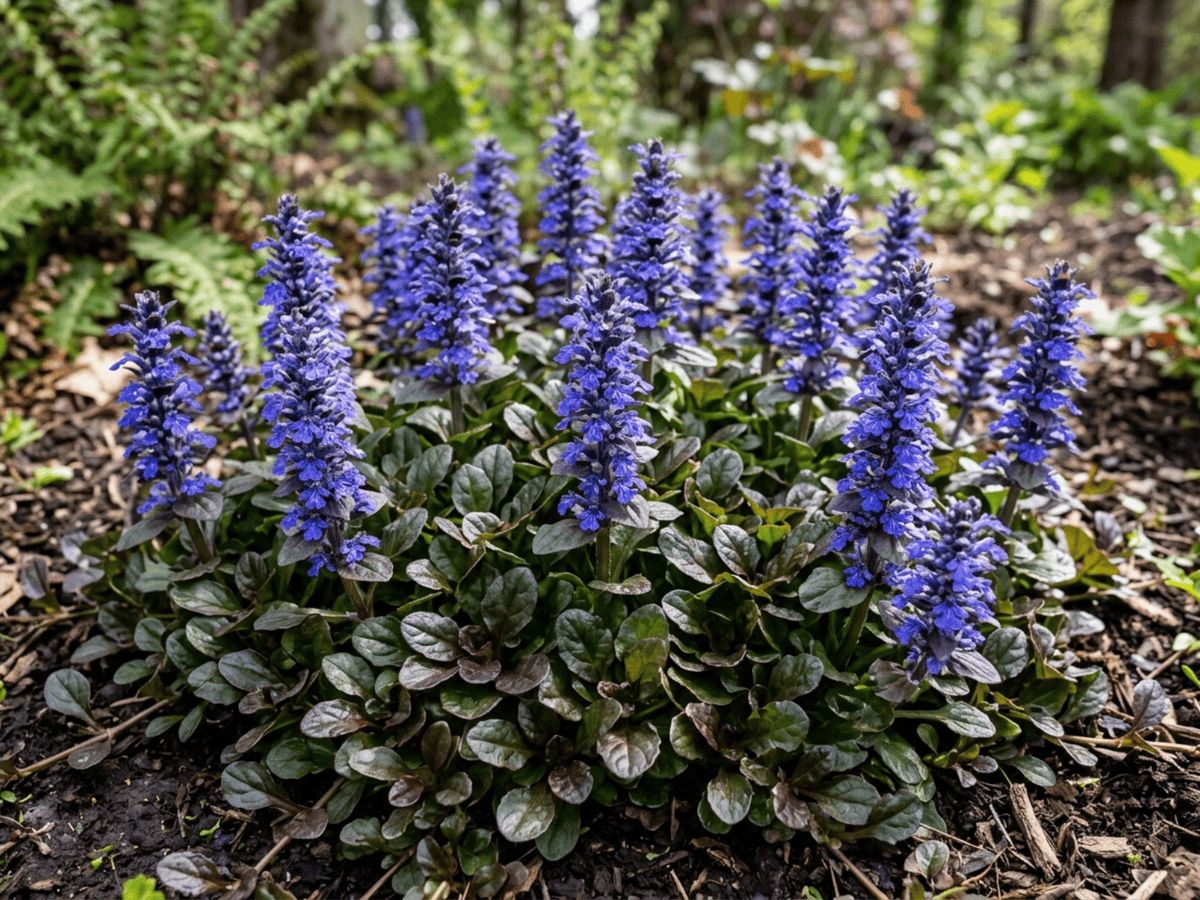 Carpet BugleAjuga reptans
Frequently asked questions
How often should I water Mountain Sweet Pepperbush?
In summer, water about every 2 days; in winter, about every 10 days. Adjust for heat, pot size and drainage.
How much light does Mountain Sweet Pepperbush need?
Part shade: 2–4 hrs direct. Watch the leaves — scorching or stretching means the light needs adjusting.
Is Mountain Sweet Pepperbush toxic to cats or dogs?
No toxicity has been reported for this plant. Still, it is wise to keep pets from chewing on any houseplant. Educational information, not medical or veterinary advice. If exposure is suspected, contact a doctor or veterinarian.
Is Mountain Sweet Pepperbush easy to grow?
Yes — it is considered an easy, beginner-friendly plant.
When does Mountain Sweet Pepperbush bloom?
It typically blooms Jul–Aug in the Northern Hemisphere.
YardMate
Identify any plant in seconds
Snap a photo — YardMate names the plant, diagnoses problems, and reminds you when to water.
Download on the App Store