 YardMate
Japanese Clethra
Clethra barbinervis
Medium · Some experienceAbout Japanese Clethra
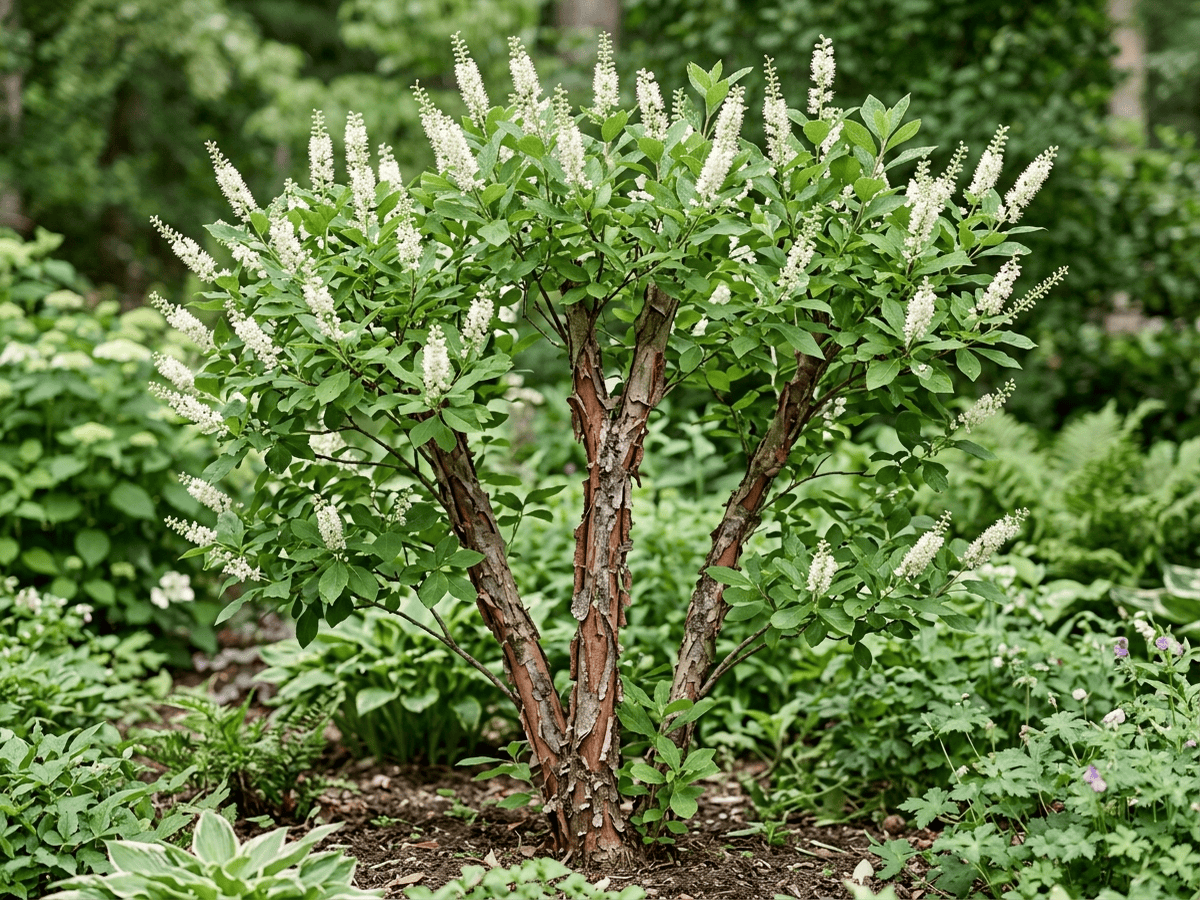
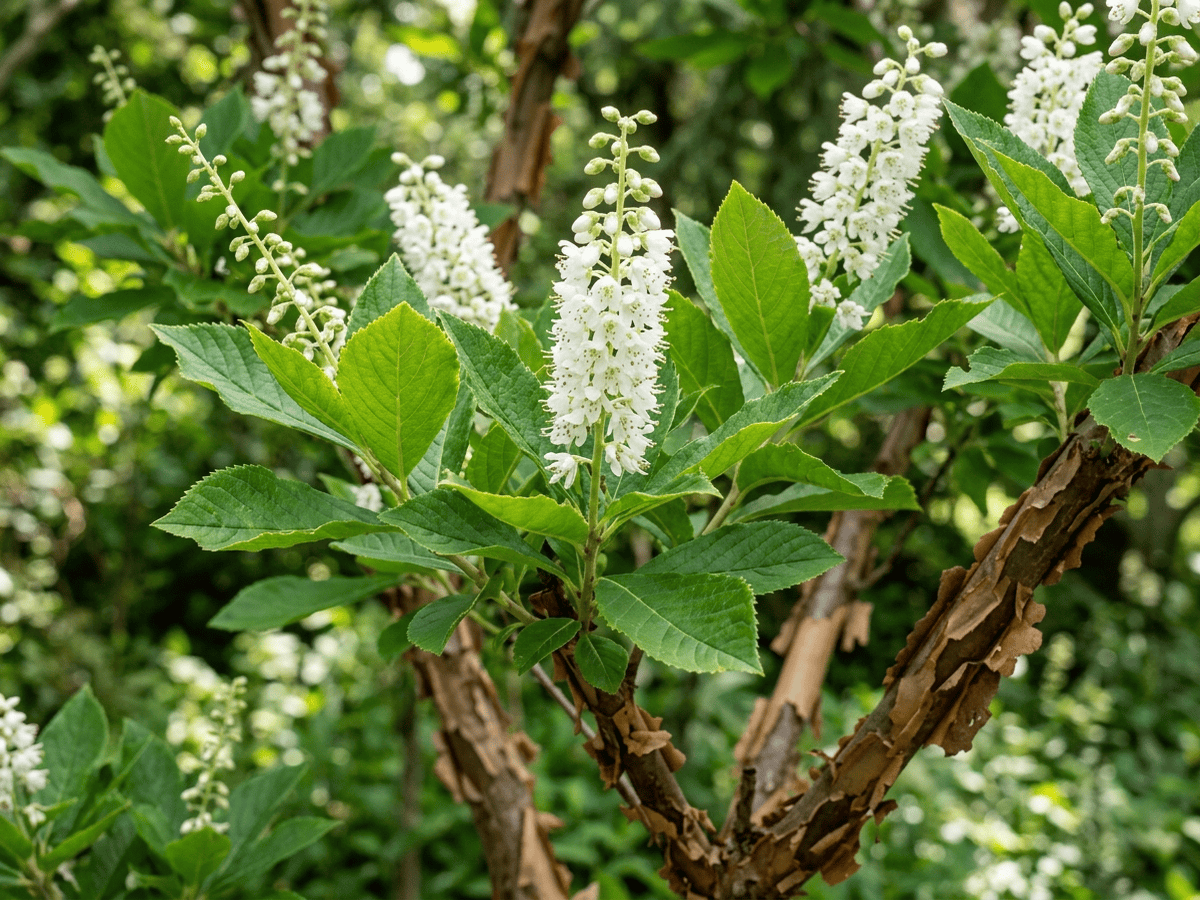
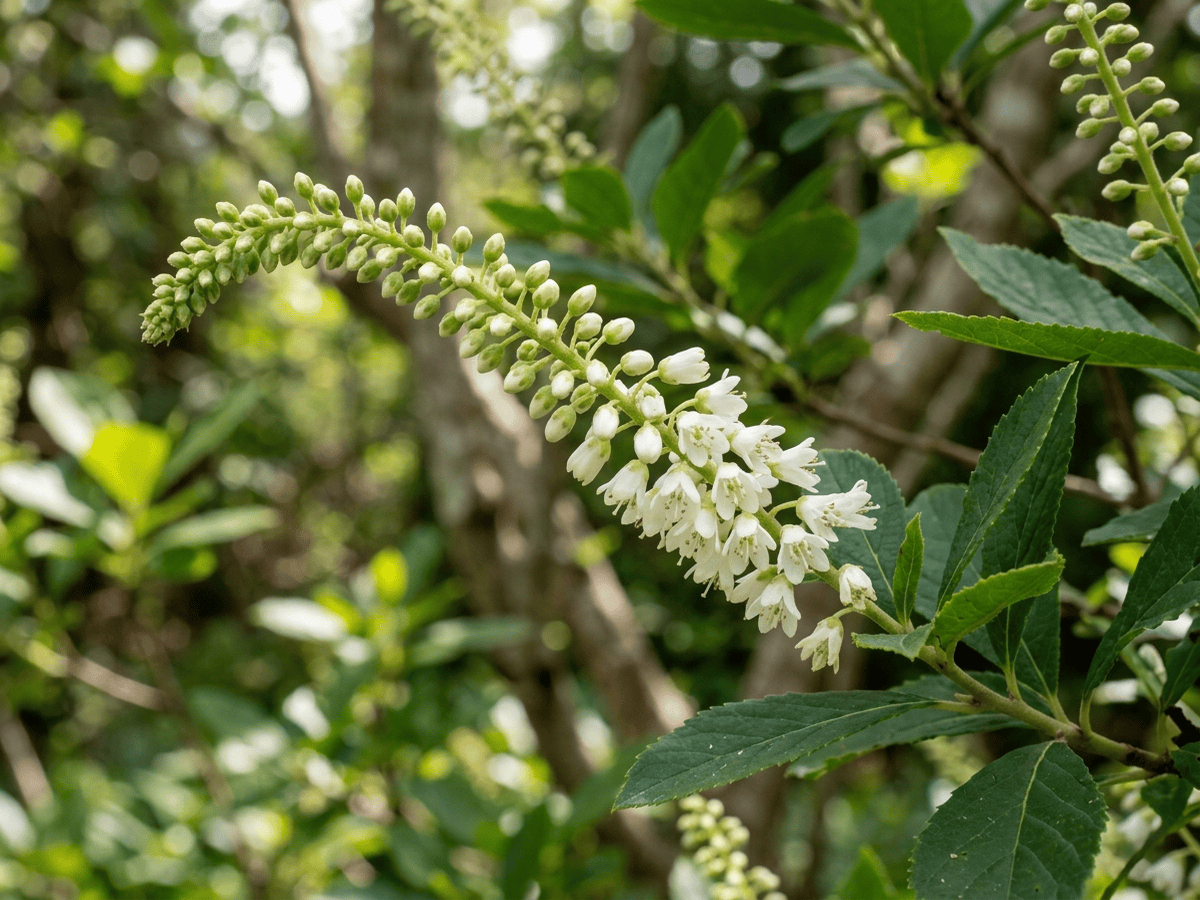
Japanese Clethra is an elegant deciduous shrub or small tree reaching 10-20 feet, distinguished by beautifully mottled exfoliating bark in shades of gray, cinnamon, and cream. Fragrant white flowers appear in drooping panicles from late summer into fall, attracting late-season pollinators. Autumn foliage turns brilliant yellow to orange-red. A superb four-season shrub for woodland gardens, it thrives in acidic soils with ample moisture.
- Fragrant
- Pollinator-friendly
How to care for Japanese Clethra
Watering
- Springevery 5 days
- Summerevery 3 days
- Fallevery 7 days
- Winterevery 14 days
Soil · Acidic · pH 4.5–6
- Top dressingPine needle mulch10%
- Main mixAcid-lover mix + peat 3:175%
- DrainageGravel15%
Never add lime or wood ash — it cancels out the acidity.
FERTILIZER
Acid-Loving Feed 4-3-4
One bag does both jobs. An acid feed carries the usual nitrogen, phosphorus and potassium, plus the sulfur and iron that keep the soil sour enough for the roots to take them up at all.
- Nitrogen · Leaves
- Phosphorus · Roots + Blooms
- Potassium · Strength
- Springevery 30 days
At a Glance
- NativeEast Asia
- Height10–20 ft (3–6.1 m)
- Spread8–15 ft (2.4–4.6 m)
- Flower colorWhite
- Foliage colorGreen, Yellow, Bronze, Red
- Fruit colorBrown
- SoilLoamy, Moisture-retentive, Acidic
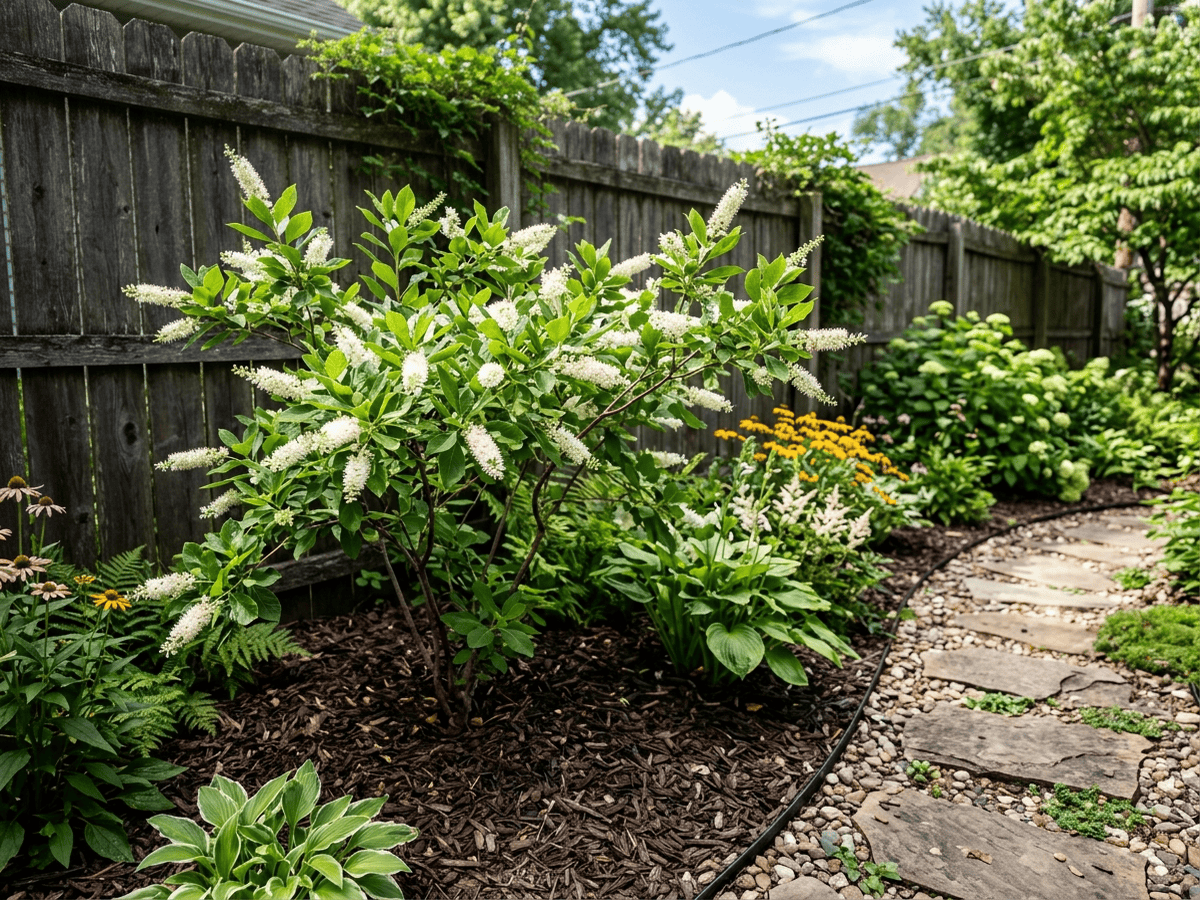
- LocationsYard
Bloom time
BLOOM CYCLE
Peak bloom
Jul–Aug
White fragrant panicles July to August
Fragrance
STRONG FRAGRANCE
Sweet spicy fragrance, somewhat resembling a mix of rose and vanilla.
Toxicity
No toxicity has been reported for this plant. Still, it is wise to keep pets from chewing on any houseplant.
Educational information, not medical or veterinary advice. If exposure is suspected, contact a doctor or veterinarian.
DISTRIBUTION


- Native
- East Asia
History
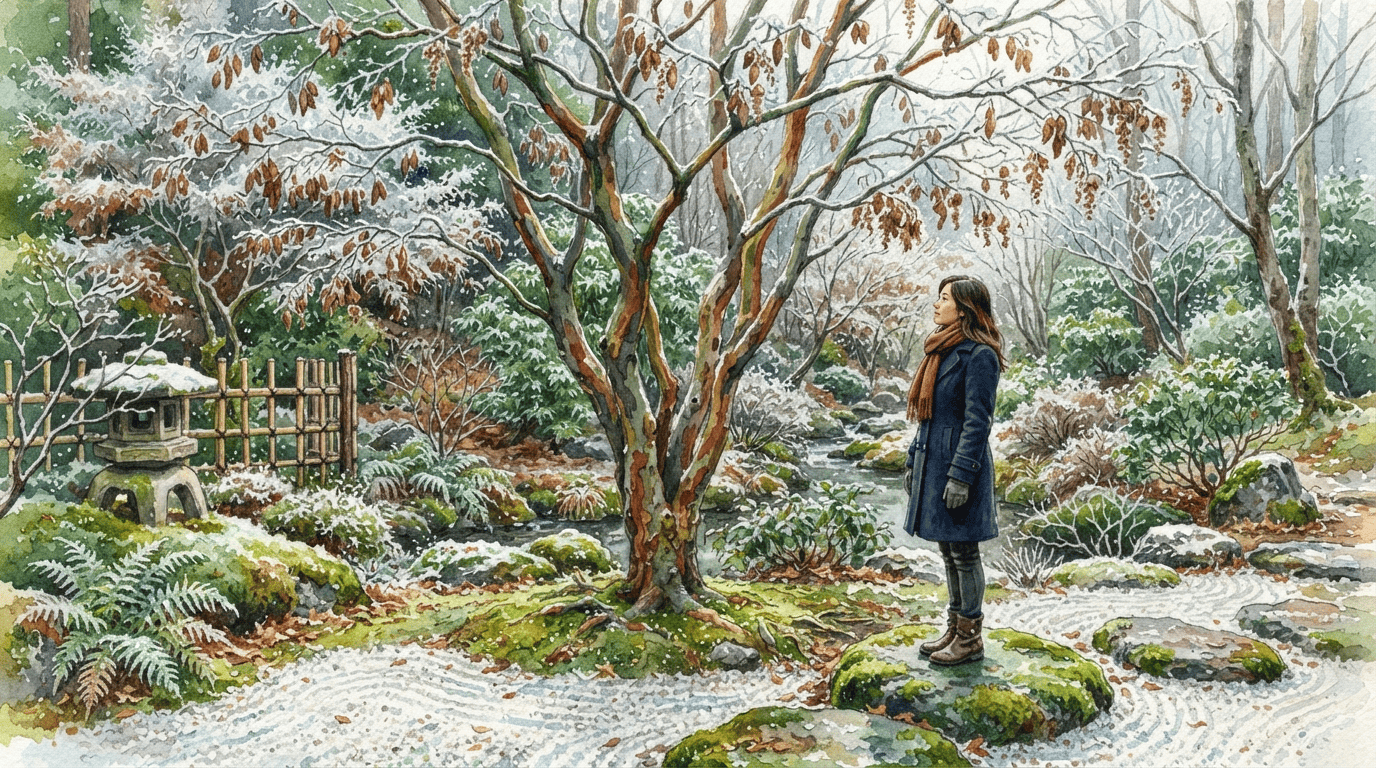
Clethra barbinervis is native to Japan, Korea, and eastern China. Siebold and Zuccarini described it in 1839, and the epithet barbinervis means bearded-veined, referring to hairs along the leaf veins. Unlike the shrubby North American summersweet, Japanese clethra becomes a small, open tree with graceful midsummer racemes of fragrant white bell flowers.
Its second act is the bark: mature trunks exfoliate into smooth patches of gray-green, cinnamon, and ochre, giving winter gardens the polished beauty usually associated with stewartias. Introduced to Europe in the late 19th century, it has remained more a collector's tree than a mass-market shrub, but mature specimens are often the quiet masterpieces of woodland gardens. It offers fragrance, fall color, and bark in one plant, which is rare enough to make plant lovers remember it.
Symbolism & meaning
What It Symbolizes
Japanese Clethra is a study in lingering sweetness and subtle beauty across all four seasons. Its fragrant summer racemes give way to autumn color, then to a winter trunk whose mottled bark rewards anyone who steps close. This is a plant for the patient observer — a small tree of enduring loveliness that proves the deepest pleasures often live in the details rather than the dramatic gesture.
- Endurance — beautiful in every season
- Subtle beauty — bark rewards close observation
Where the Name Comes From
The name Japanese Clethra points to Japan. From Greek 'klethra' (alder, referring to similar leaves); 'barbinervis' means bearded veins.
Uses & Fun Facts
- Sweetly fragrant white flowers perfume shaded entries and late-summer borders
- Fragrant late-summer bloom extends interest in moist woodland borders
- Japanese Clethra flowers nourish foraging bees and pollinators
- Late white racemes brighten woodland edges after spring shrubs finish
Related plants
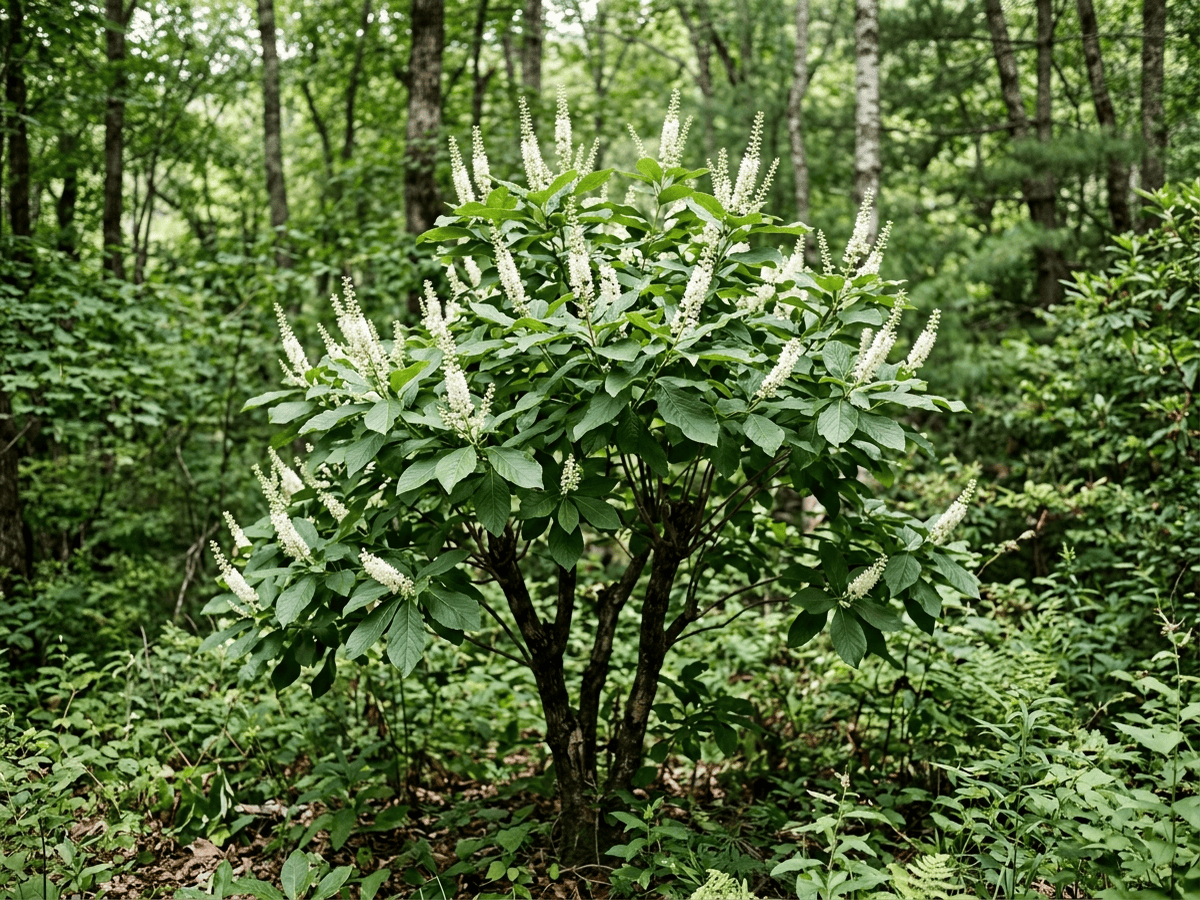
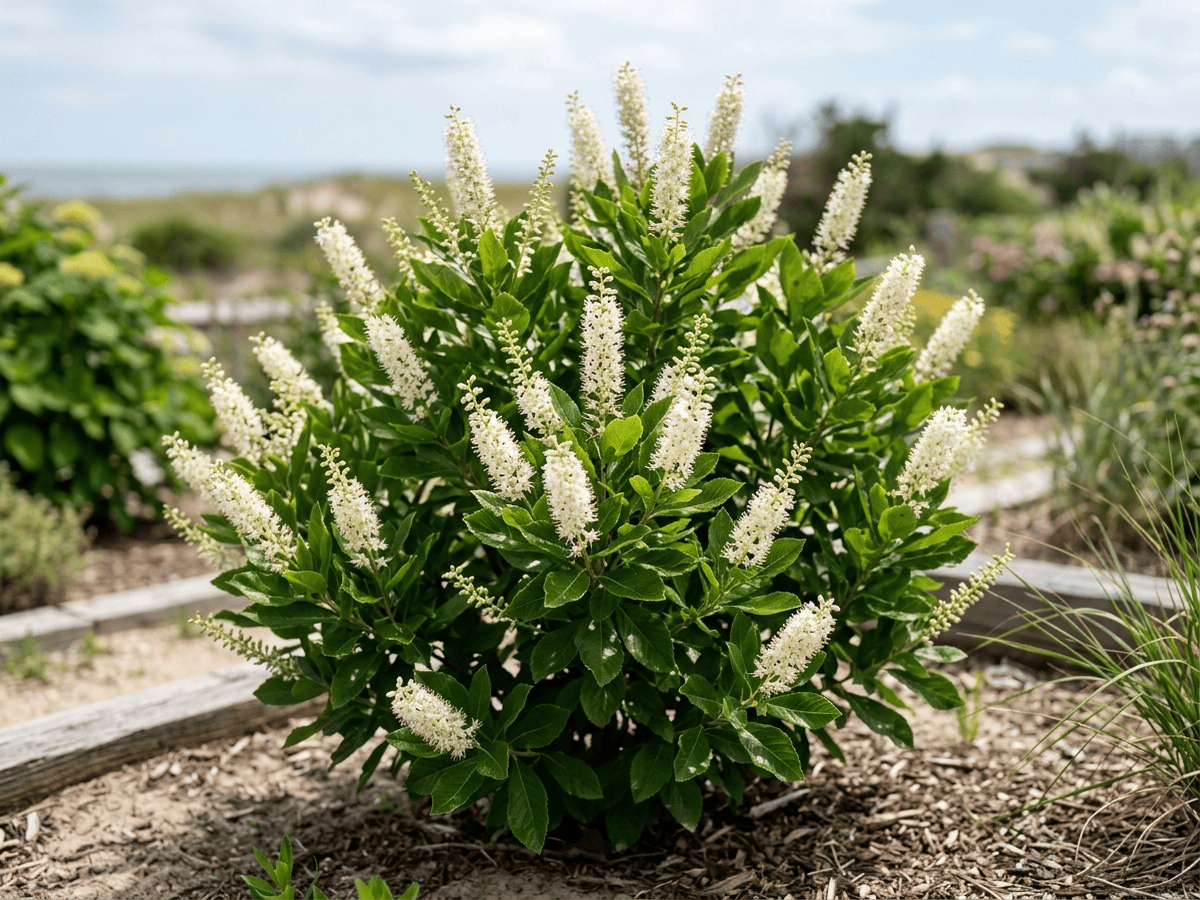
More Clethra plants
Plants with similar care
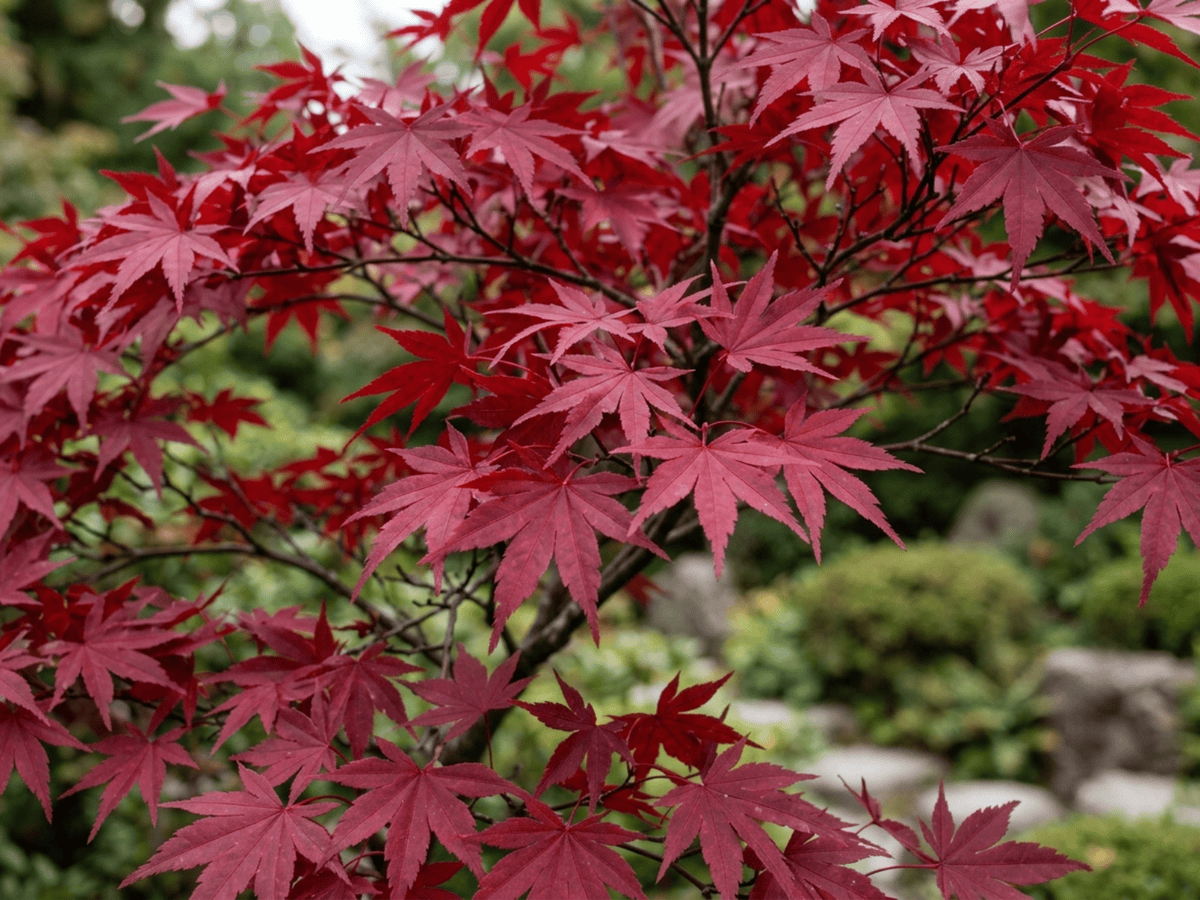 Japanese MapleAcer palmatum
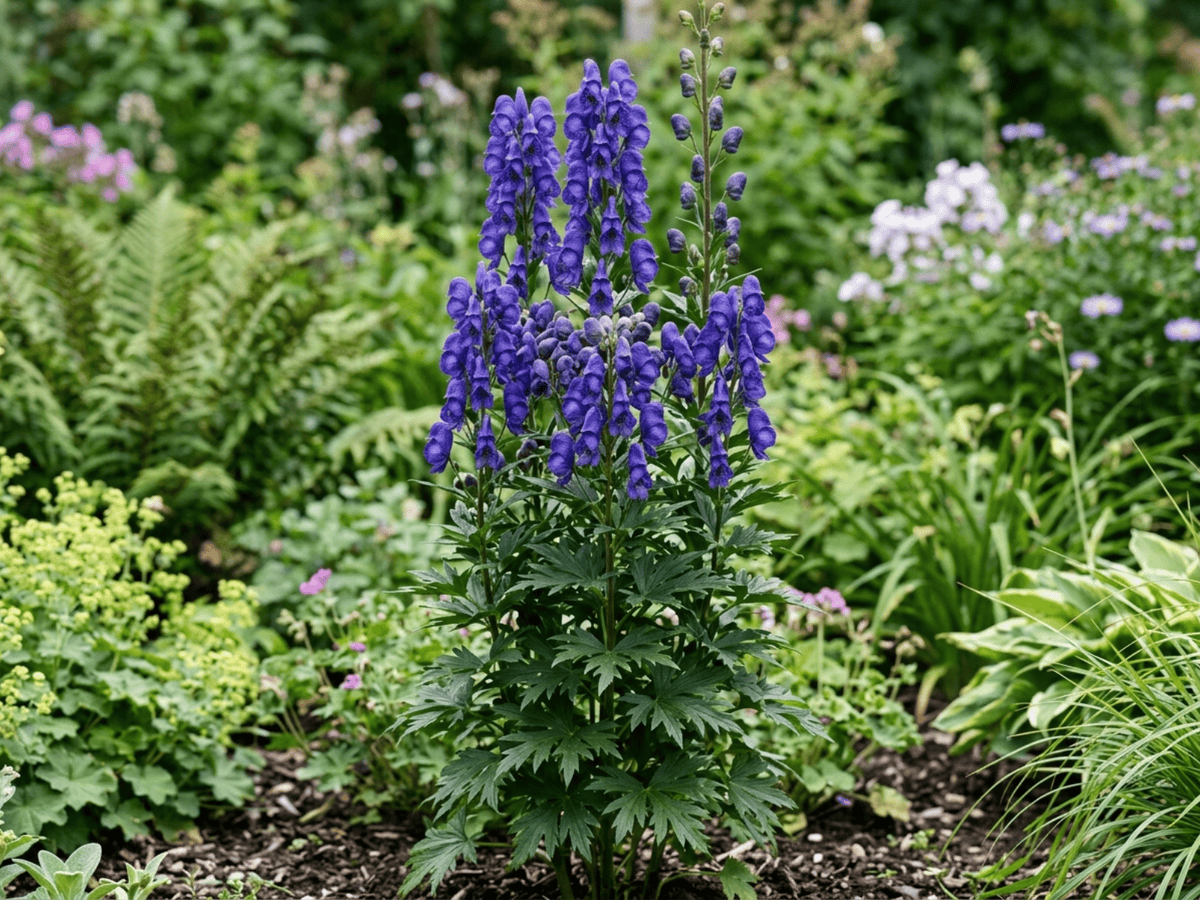 Azure MonkshoodAconitum carmichaelii
 Florida HobblebushAgarista populifolia
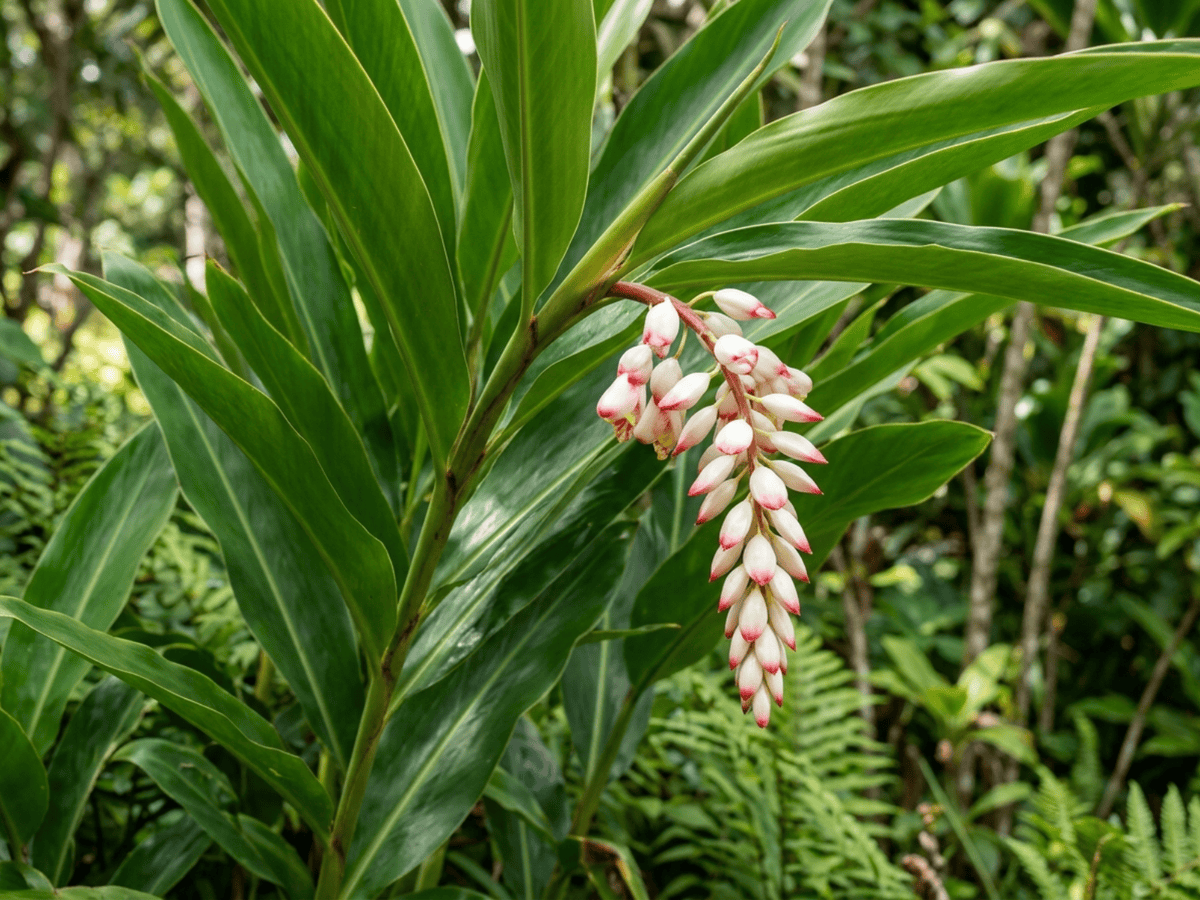 Shell GingerAlpinia zerumbet
Frequently asked questions
How often should I water Japanese Clethra?
In summer, water about every 3 days; in winter, about every 14 days. Adjust for heat, pot size and drainage.
How much light does Japanese Clethra need?
Part shade: 2–4 hrs direct. Watch the leaves — scorching or stretching means the light needs adjusting.
Is Japanese Clethra toxic to cats or dogs?
No toxicity has been reported for this plant. Still, it is wise to keep pets from chewing on any houseplant. Educational information, not medical or veterinary advice. If exposure is suspected, contact a doctor or veterinarian.
Is Japanese Clethra easy to grow?
It is moderately demanding: a good choice once you have a little experience.
When does Japanese Clethra bloom?
It typically blooms Jul–Aug in the Northern Hemisphere.
YardMate
Identify any plant in seconds
Snap a photo — YardMate names the plant, diagnoses problems, and reminds you when to water.
Download on the App Store