 YardMate

Sweet Pepperbush
Clethra alnifolia
Easy · Beginner friendlyAbout Sweet Pepperbush
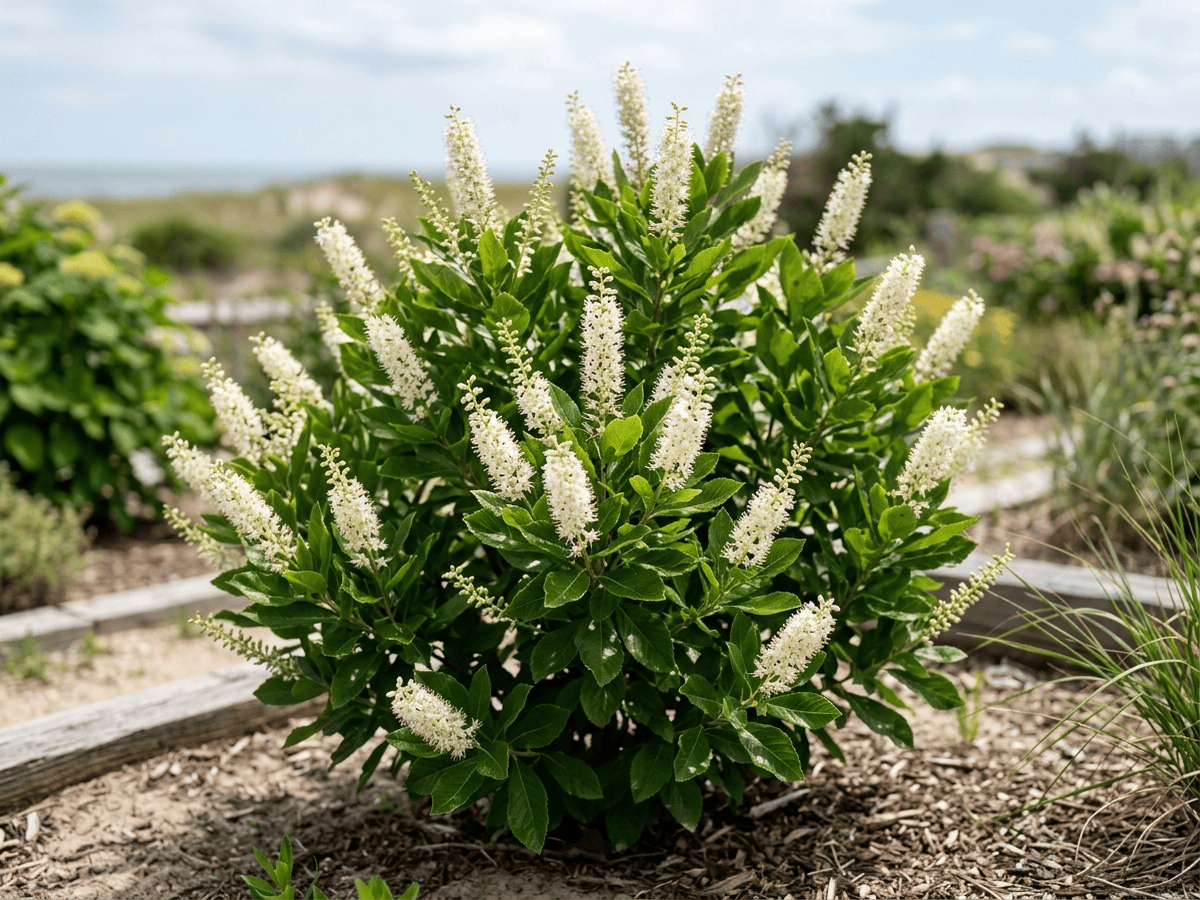
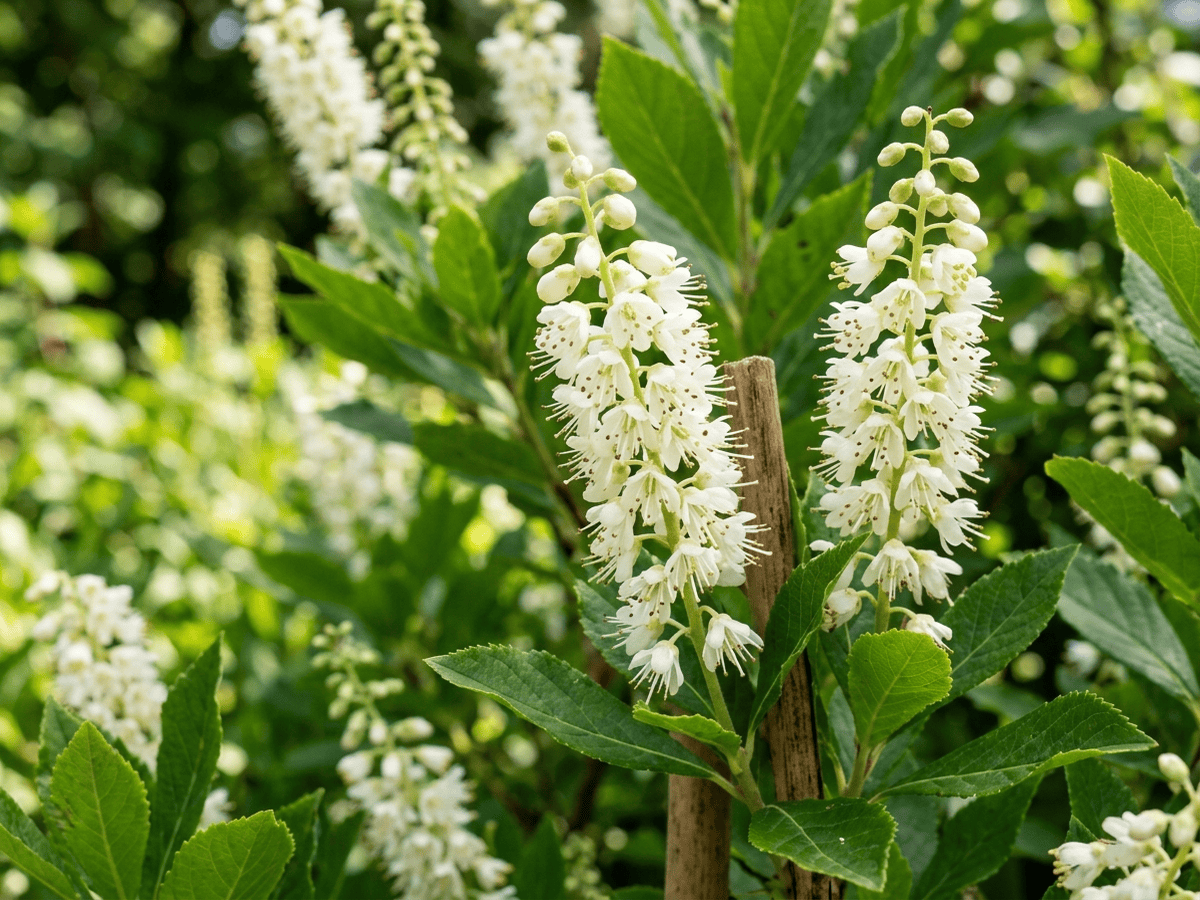
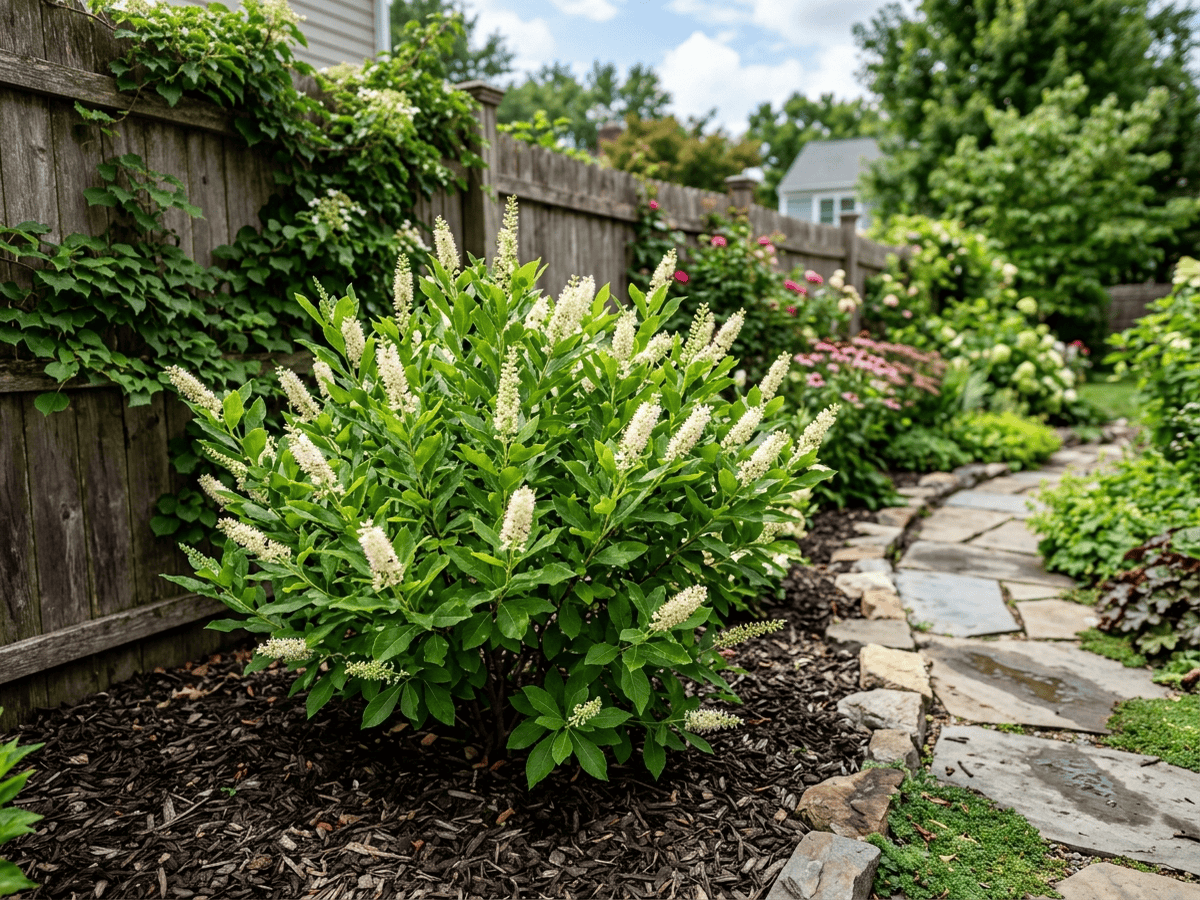
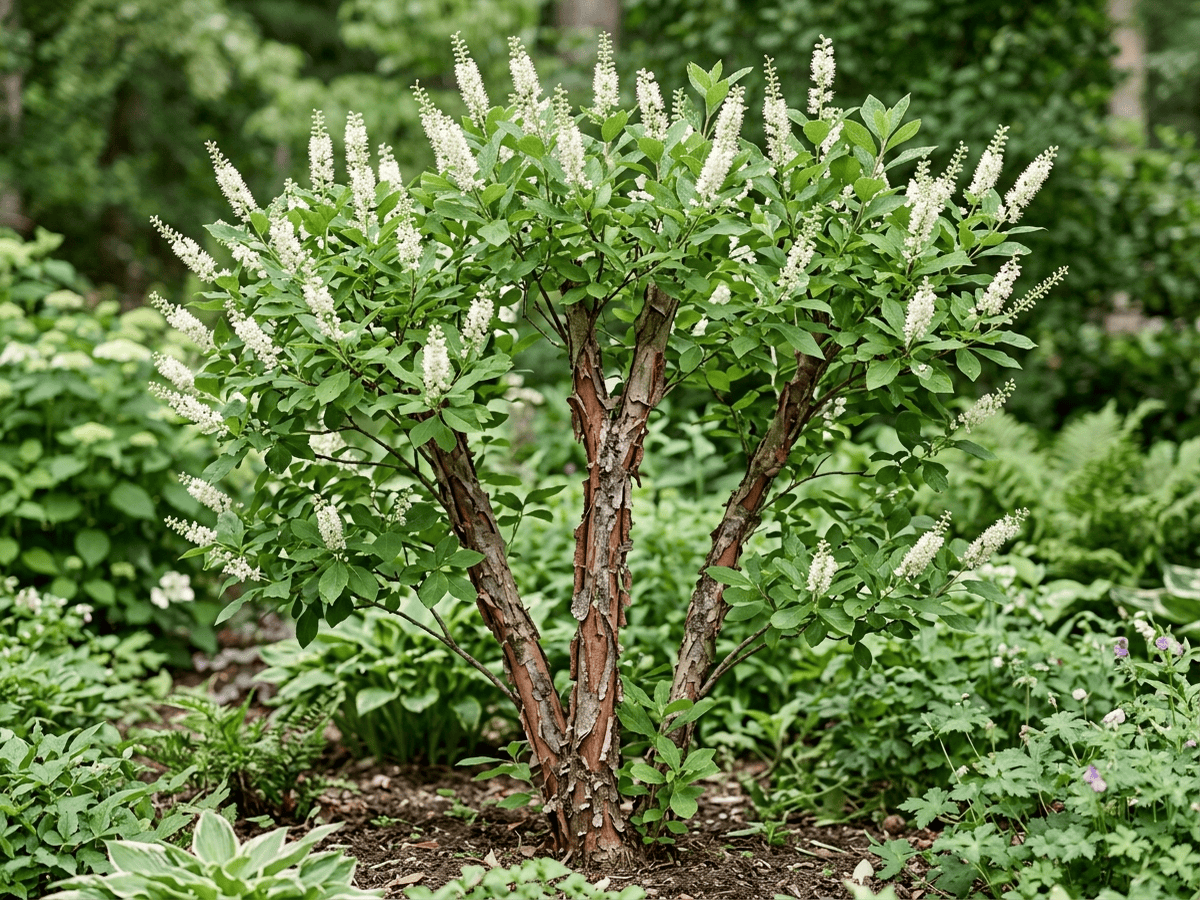
Summersweet or Sweet Pepperbush is an eastern North American native deciduous shrub growing 4 to 8 feet tall, producing intensely fragrant white or pink bottlebrush flower spikes in mid to late summer when few other shrubs bloom. The richly-scented flowers draw bees, butterflies, and hummingbirds, and the leaves turn clear yellow in fall. A signature shrub of American coastal and rain gardens.
- Fragrant
- Native
- Pollinator-friendly
How to care for Sweet Pepperbush
Watering
- Springevery 3 days
- Summerevery 2 days
- Fallevery 5 days
- Winterevery 10 days
Soil · Acidic · pH 4.5–6
- Top dressingPine needle mulch10%
- Main mixAcid-lover mix + peat 3:175%
- DrainageGravel15%
Never add lime or wood ash — it cancels out the acidity.
FERTILIZER
Balanced Feed 14-14-14
An even feed covers all three needs at once, keeping leaves, roots and blooms moving together with nothing pushed out of balance.
- Nitrogen · Leaves
- Phosphorus · Roots + Blooms
- Potassium · Strength
- Springevery 45 days
- Summerevery 60 days
At a Glance
- NativeNorth America
- Height4–8 ft (1.2–2.4 m)
- Spread4–6 ft (1.2–1.8 m)
- Flower colorWhite, Pink
- Foliage colorGreen, Yellow
- SoilAcidic, Moisture-retentive
- LocationsYard
Bloom time
BLOOM CYCLE
Peak bloom
Jul–Aug
Fragrant white or pink bottlebrush spikes July to August
Fragrance
STRONG FRAGRANCE
Flowers intensely sweet and spicy, a signature late-summer garden scent.
Toxicity
No toxicity has been reported for this plant. Still, it is wise to keep pets from chewing on any houseplant.
Educational information, not medical or veterinary advice. If exposure is suspected, contact a doctor or veterinarian.
DISTRIBUTION


- Native
- Introduced
- North America
History

Clethra alnifolia inhabits swamps, wet woods, and coastal pine barrens from Maine to Florida and west to east Texas. Linnaeus described it in Species Plantarum (1753); the epithet alnifolia refers to alder-like leaves. Colonial herbalists used bark decoctions for sores and skin complaints.
John Bartram sent specimens to England in the 1740s, and the species was cultivated in British gardens from the 1750s, valued for filling a gap in the late-summer garden with heavy, sweetly fragrant white flower spikes. Its popularity surged again in the late 20th century with the introductions of the pink 'Ruby Spice' (1992), compact 'Hummingbird' (1990), and 'Sixteen Candles' (2006) by nurseries like Sunny Border and Proven Winners.
It is a major nectar source for bees and butterflies. Native to the eastern United States from Maine to Florida and west to Texas, found in wet coastal areas and stream sides. A 1770s garden import from American colonies to English gardens, now a staple of American native landscape design.
Symbolism & meaning
What It Symbolizes
Sweet pepperbush is the signature scent of sweet summer along the eastern American coast — heavy, honeyed, drifting from boggy woodland edges in mid-July when butterflies and bees converge on its white spires. As a piece of coastal heritage it has lined Atlantic wetlands from Maine to Florida for millennia. To inhale it is to know exactly where, and when, you are.
- Sweet summer — signature fragrance of American July
- Coastal heritage — native along Atlantic coastal wetlands
Where the Name Comes From
The name Sweet Pepperbush describes its sweet scent or flavor. 'Clethra' from Greek 'klethra' meaning alder, for similar leaves; 'alnifolia' from Latin means alder-leaved.
Uses & Fun Facts
- Spicy-sweet white bottlebrush spikes scent late-summer gardens
- Nectar-rich flowers swarm with bees, wasps, and butterflies
- Native shrub providing seed and cover for songbirds
Related plants
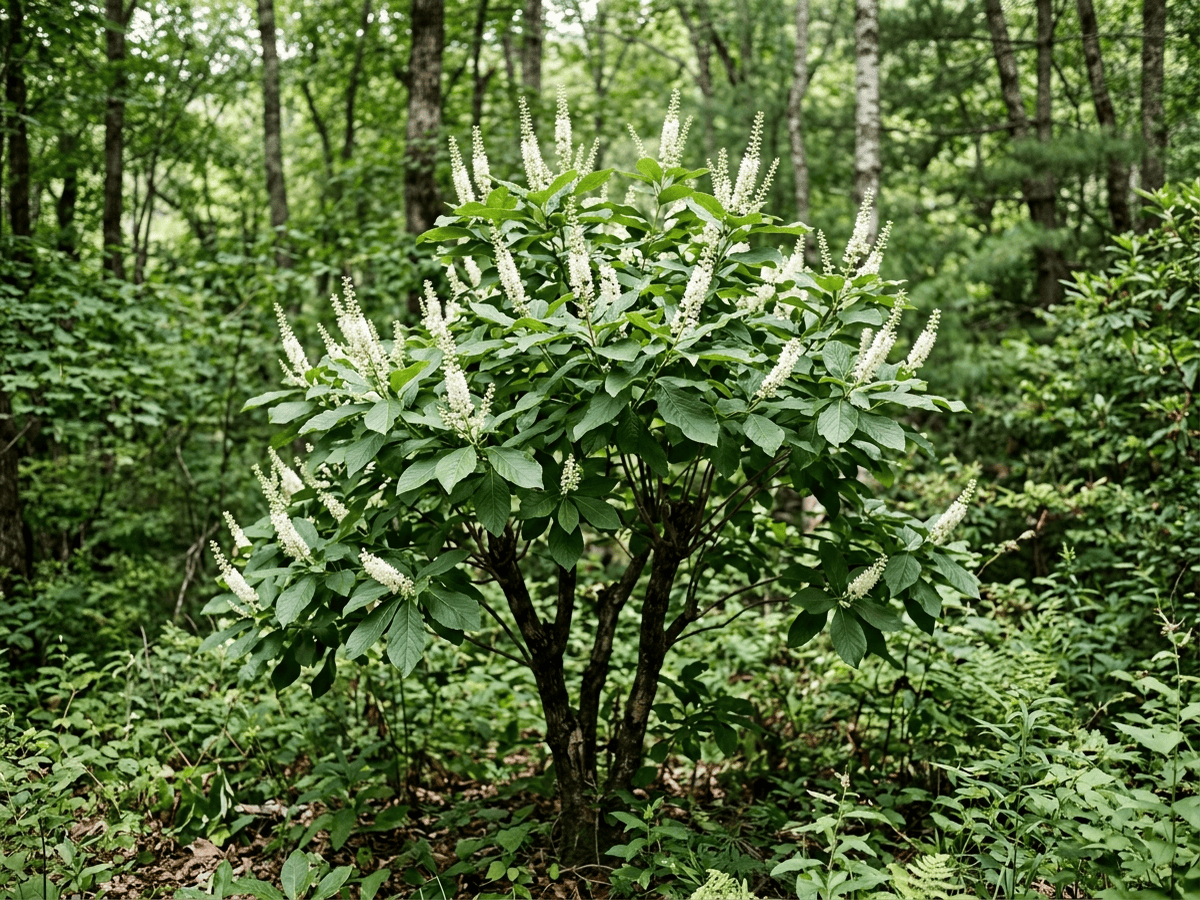
More Clethra plants
Plants with similar care
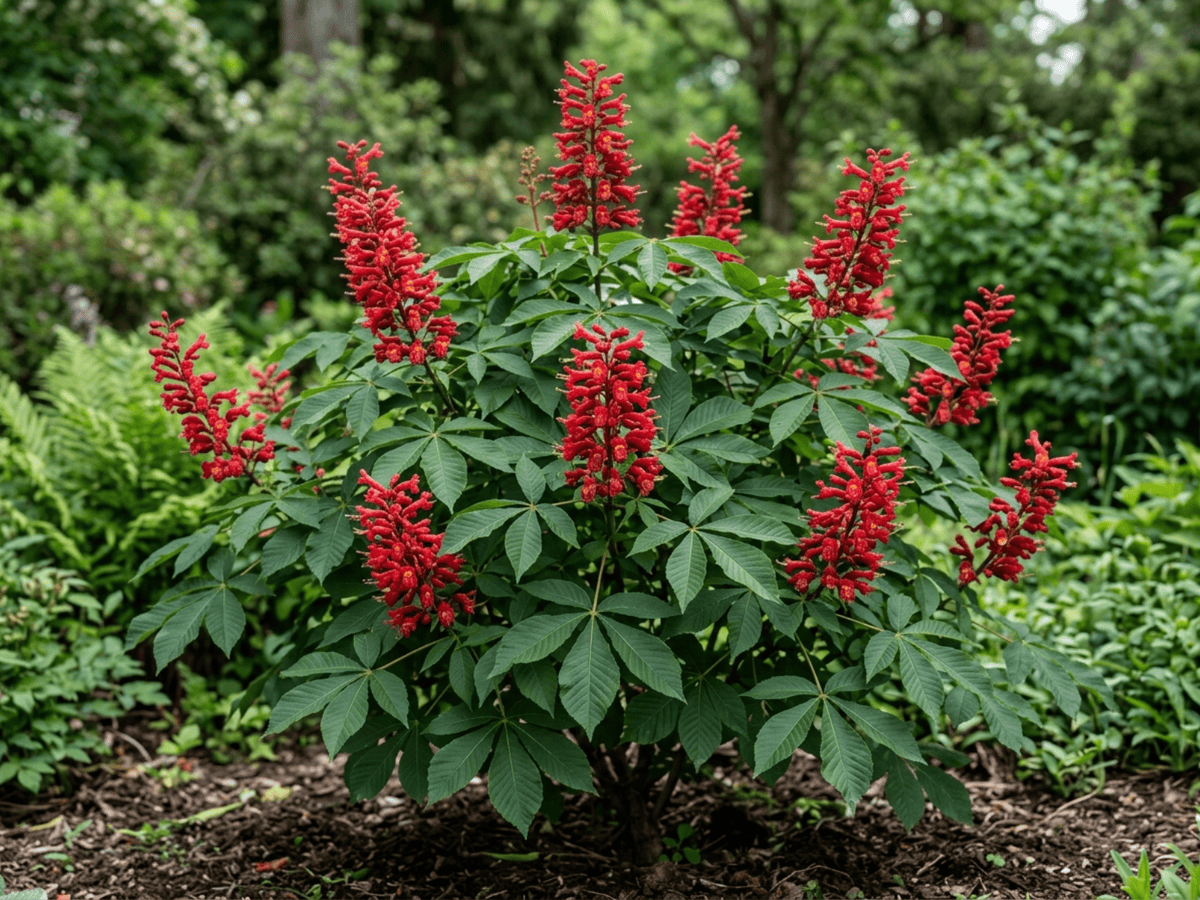 Red BuckeyeAesculus pavia
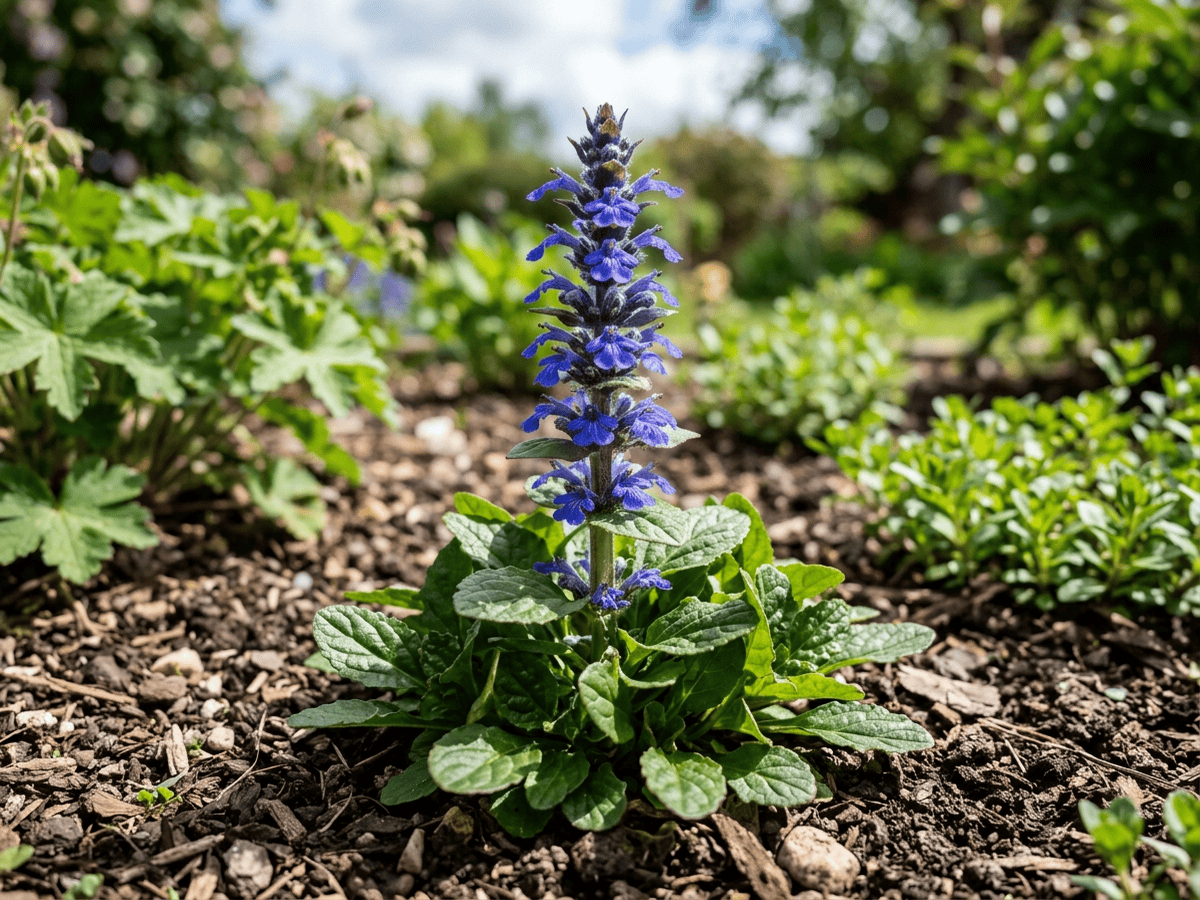 Blue BugleAjuga genevensis
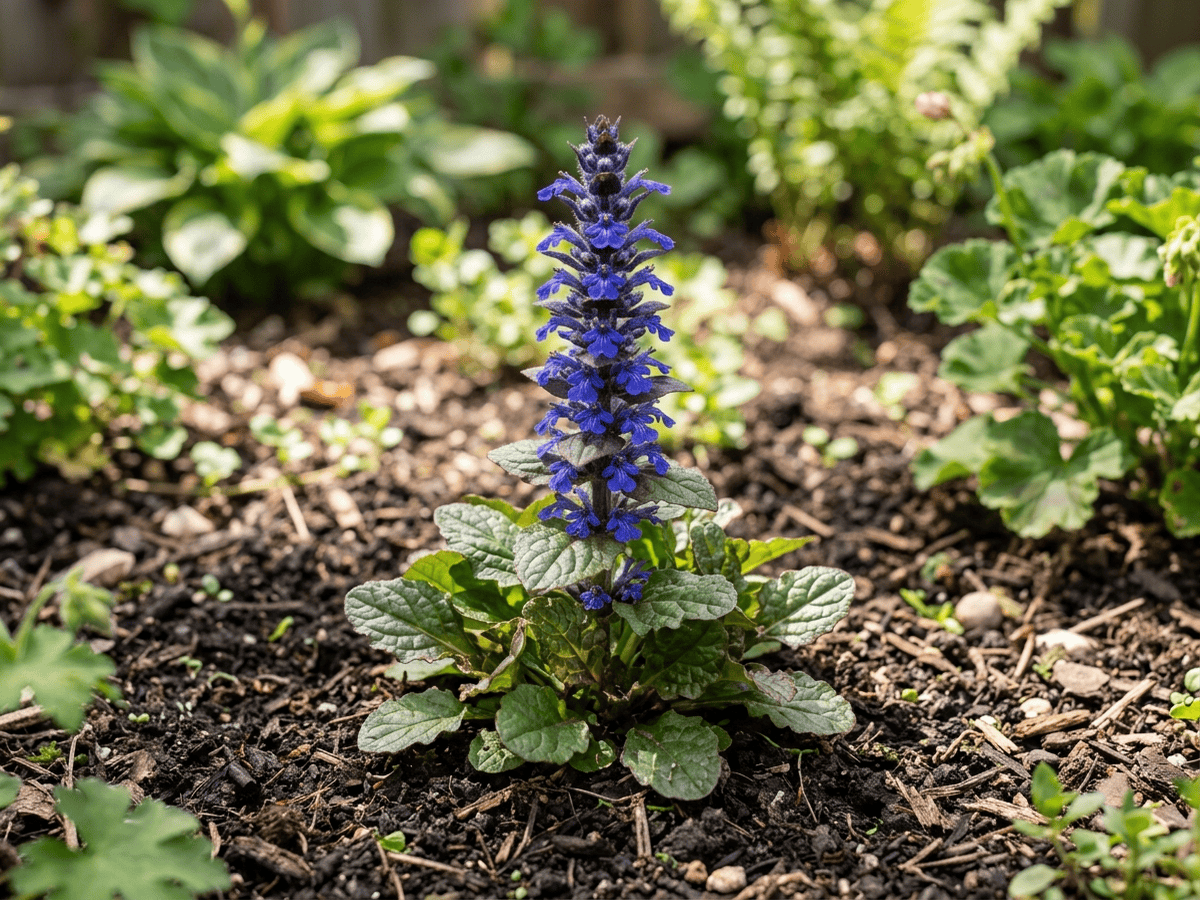 Pyramidal BugleAjuga pyramidalis
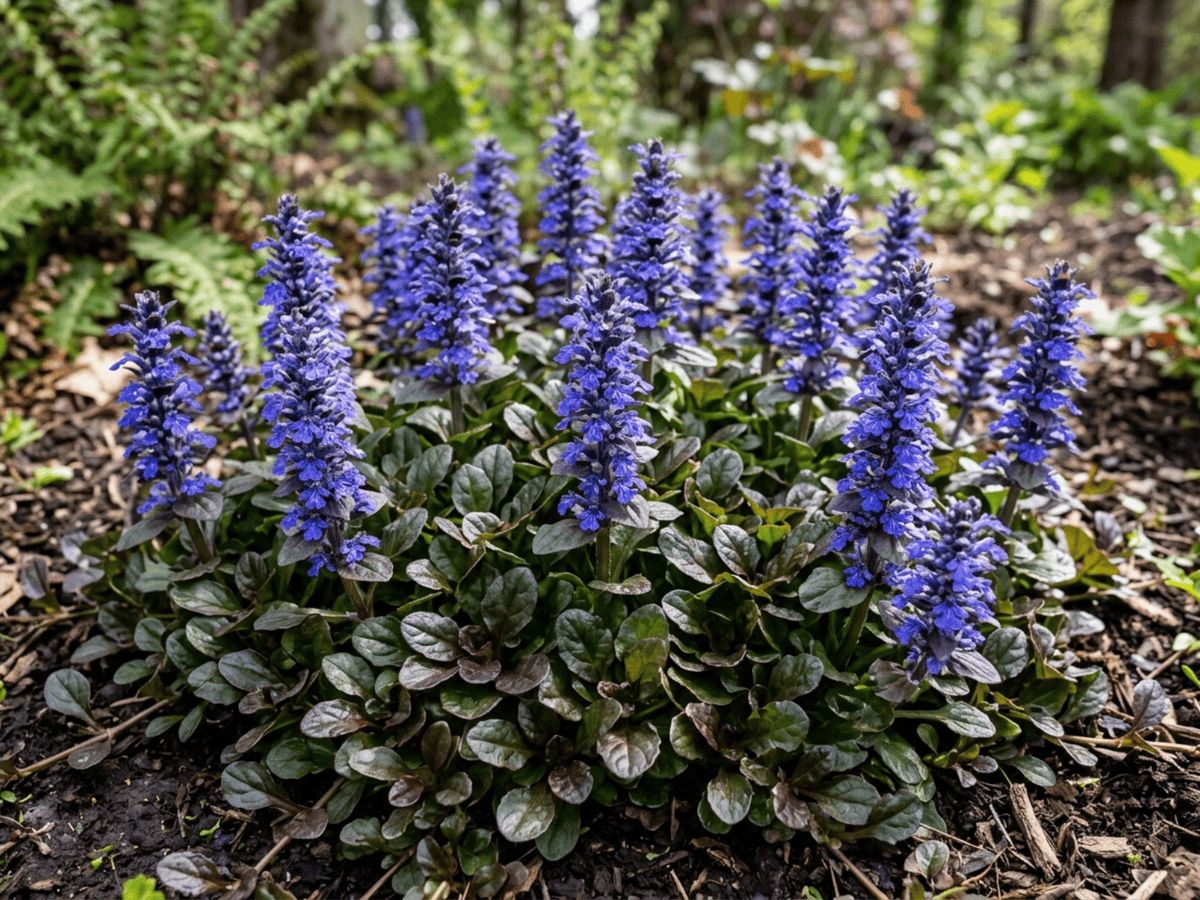 Carpet BugleAjuga reptans
Frequently asked questions
How often should I water Sweet Pepperbush?
In summer, water about every 2 days; in winter, about every 10 days. Adjust for heat, pot size and drainage.
How much light does Sweet Pepperbush need?
Part shade: 2–4 hrs direct. Watch the leaves — scorching or stretching means the light needs adjusting.
Is Sweet Pepperbush toxic to cats or dogs?
No toxicity has been reported for this plant. Still, it is wise to keep pets from chewing on any houseplant. Educational information, not medical or veterinary advice. If exposure is suspected, contact a doctor or veterinarian.
Is Sweet Pepperbush easy to grow?
Yes — it is considered an easy, beginner-friendly plant.
When does Sweet Pepperbush bloom?
It typically blooms Jul–Aug in the Northern Hemisphere.
YardMate
Identify any plant in seconds
Snap a photo — YardMate names the plant, diagnoses problems, and reminds you when to water.
Download on the App Store