 YardMate


Bird Claw Cleyera, Japanese Cleyera
Cleyera japonica
Medium · Some experienceAbout Bird Claw Cleyera, Japanese Cleyera
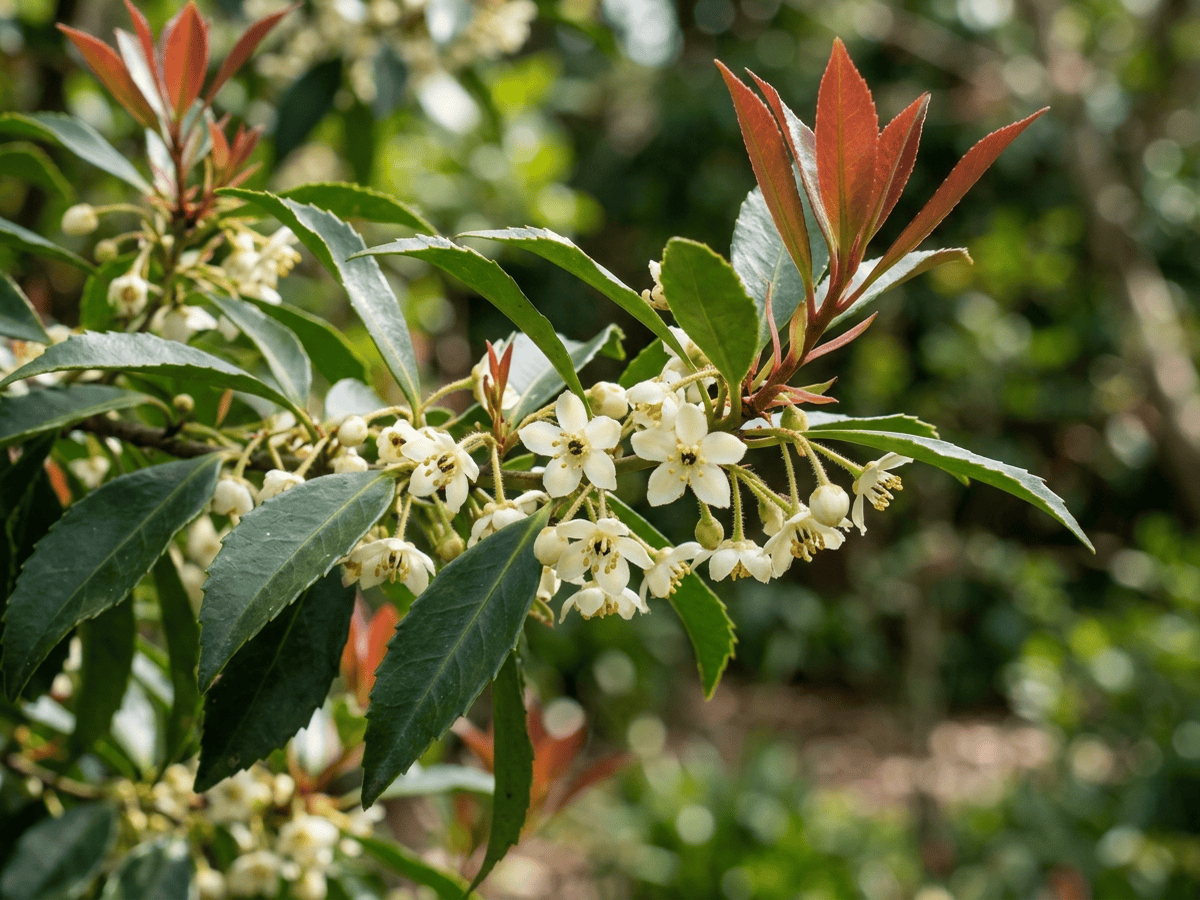
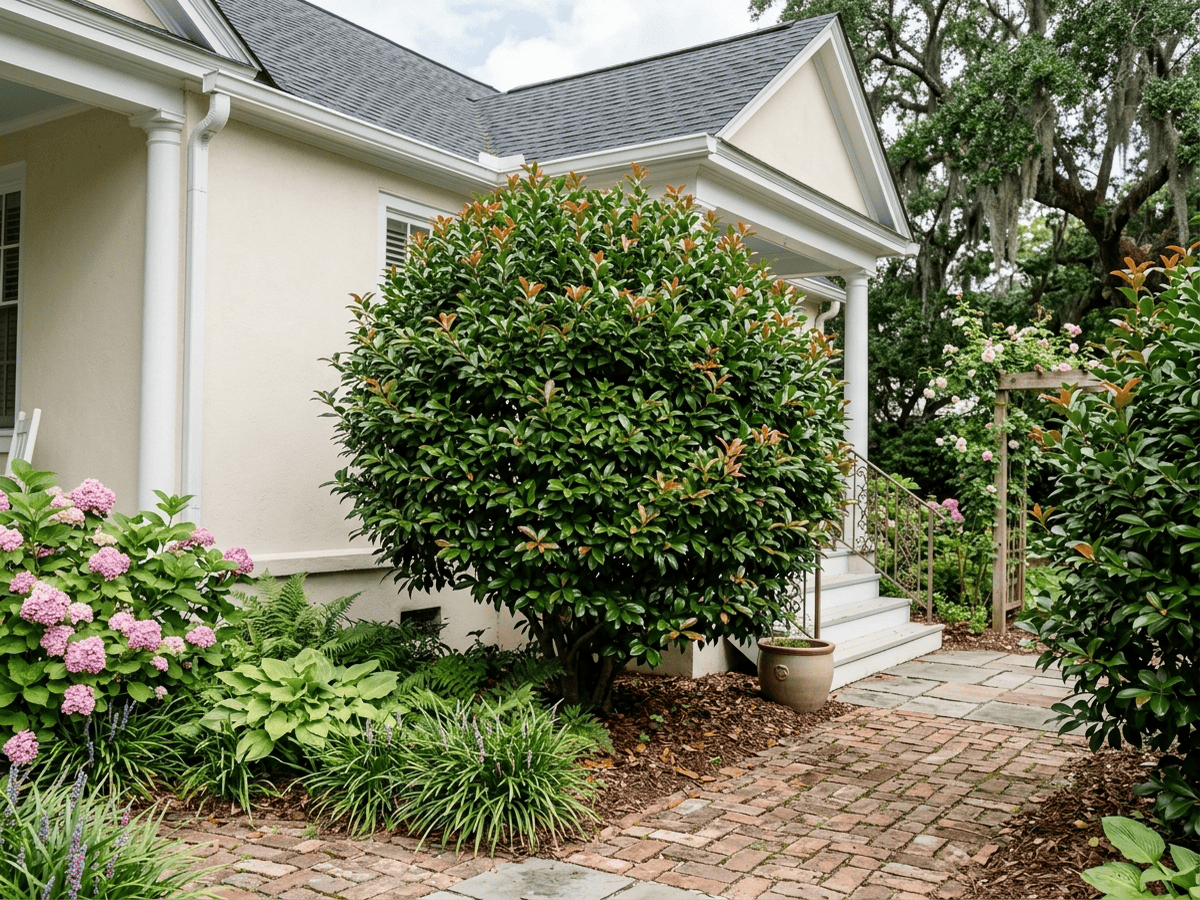
Japanese Cleyera, or Sakaki, is a refined evergreen shrub or small tree to 10-15 feet with glossy leathery dark green leaves that emerge coppery-red. Small fragrant creamy-white flowers in early summer are followed by dark red berries ripening black. Sacred in Shinto tradition and widely used in temple plantings, it is prized in Southern US gardens as a durable evergreen for shade or sun with a graceful upright habit.
- Fragrant
- Shade-tolerant
- Evergreen
How to care for Bird Claw Cleyera, Japanese Cleyera
Watering
- Springevery 7 days
- Summerevery 5 days
- Fallevery 10 days
- Winterevery 21 days
Soil · Acidic · pH 4.5–6
- Top dressingPine needle mulch10%
- Main mixAcid-lover mix + peat 3:175%
- DrainageGravel15%
Never add lime or wood ash — it cancels out the acidity.
FERTILIZER
Balanced Feed 14-14-14
An even feed covers all three needs at once, keeping leaves, roots and blooms moving together with nothing pushed out of balance.
- Nitrogen · Leaves
- Phosphorus · Roots + Blooms
- Potassium · Strength
- Springevery 30 days
At a Glance
- NativeEast Asia
- Height8–12 ft (2.4–3.7 m)
- Spread5–8 ft (1.5–2.4 m)
- Flower colorCream, White, Yellow
- Foliage colorDark-green, Green
- Fruit colorBlack, Red
- SoilAcidic, Loamy, Well-drained
- LocationsYard
Bloom time
BLOOM CYCLE
Peak bloom
Jun–Jul
Small cream flowers June to July
Fragrance
MODERATE FRAGRANCE
The flowers have a sweet honey scent.
Toxicity
No toxicity has been reported for this plant. Still, it is wise to keep pets from chewing on any houseplant.
Educational information, not medical or veterinary advice. If exposure is suspected, contact a doctor or veterinarian.
DISTRIBUTION


- Native
- East Asia
History

Cleyera japonica grows in Japan, Taiwan, southern Korea, and southern China. Thunberg described it in 1783 from material gathered during his Japanese residency. In Japan the tree is called sakaki, a name bound to Shinto ritual for more than a thousand years.
Evergreen branches are offered as tamagushi at shrines and funerals, placed on household altar shelves, and renewed regularly as a living connection between the domestic and the sacred. The tree itself is planted around shrine precincts and boundaries, where its glossy leaves and modest cream flowers matter less as ornament than as presence. It was introduced to Western cultivation in the 19th century but remains uncommon outside mild coastal gardens and specialist collections. Variegated selections such as 'Fortunei' and 'Tricolor' bring its sacred evergreen form into ornamental use.
Symbolism & meaning
What It Symbolizes
Sakaki, the Japanese Cleyera, is sacred to Shinto tradition, its branches carried at shrines as instruments of sanctity. Paired with purity, its glossy leaves are used to cleanse and bless ritual spaces, an emblem of the holy and the unseen. To plant it is to keep a quietly reverent presence in the garden — a tree that has, for centuries, held space for prayer.
- Sanctity — sacred to Shinto tradition
- Purity — branches used to cleanse and bless
Where the Name Comes From
The name Bird Claw Cleyera, Japanese Cleyera points to Japan. Genus honors Andreas Cleyer, 17th-century Dutch physician in Japan; 'japonica' means of Japan.
Uses & Fun Facts
- Glossy evergreen foliage forms refined privacy screens
- Sacred sakaki branches used in Shinto shrine offerings in Japan
- Bronze new growth and small fragrant flowers for shaded screens
Related plants
Plants with similar care
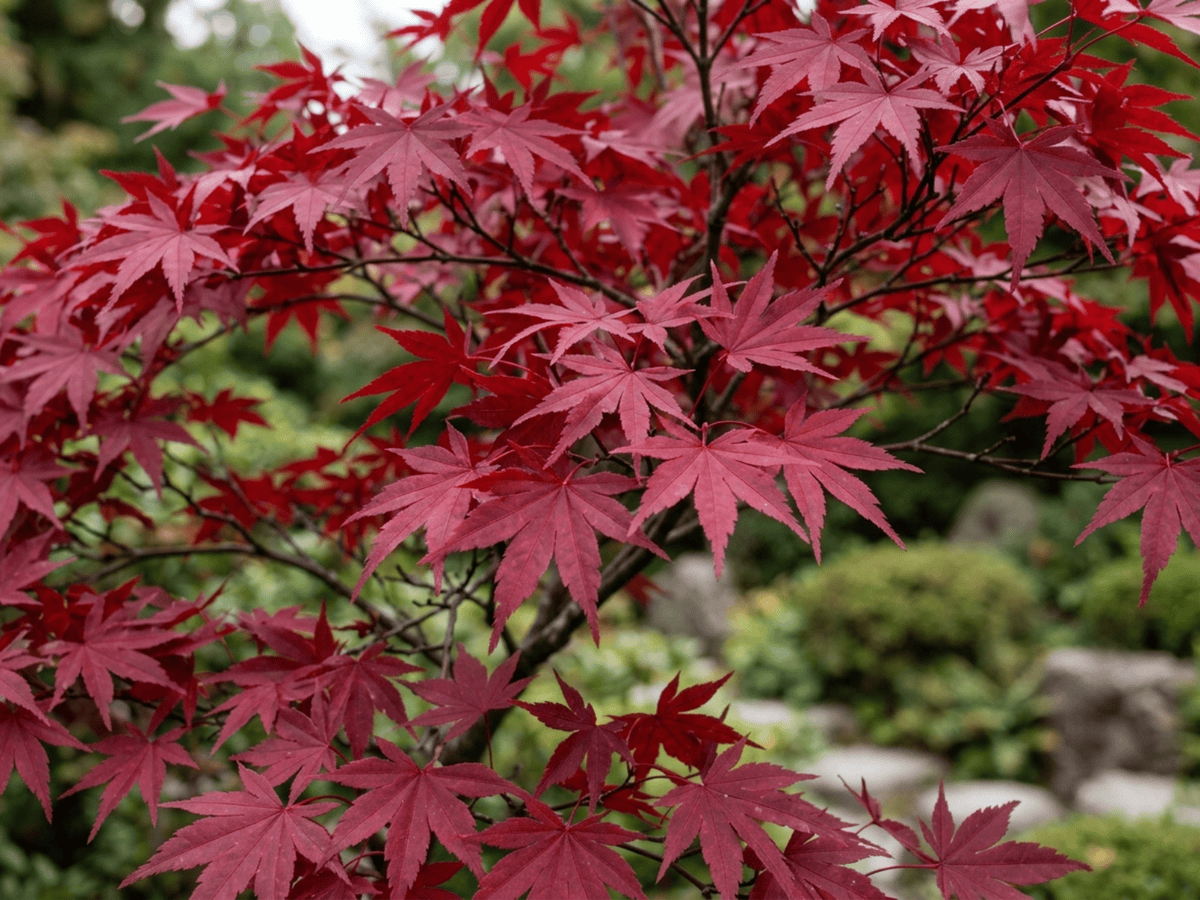 Japanese MapleAcer palmatum
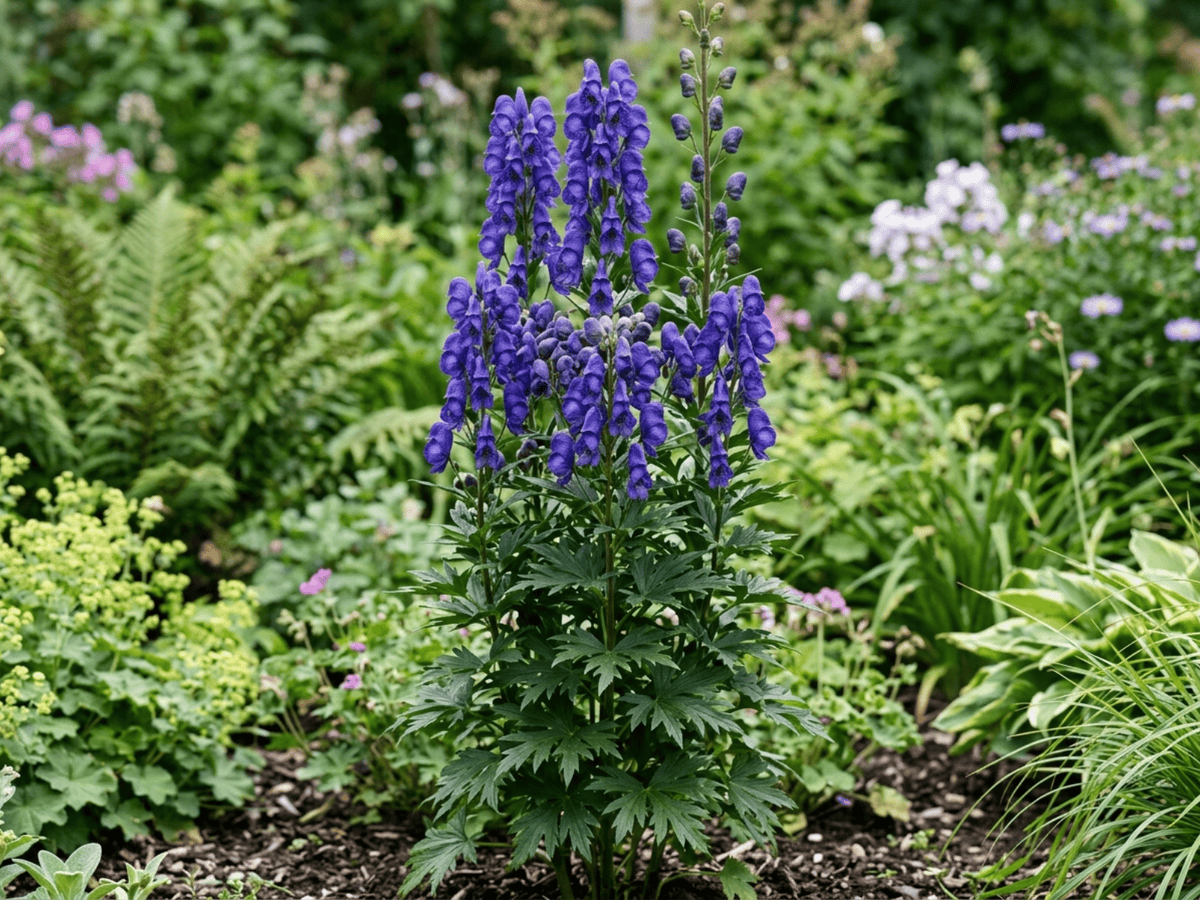 Azure MonkshoodAconitum carmichaelii
 Florida HobblebushAgarista populifolia
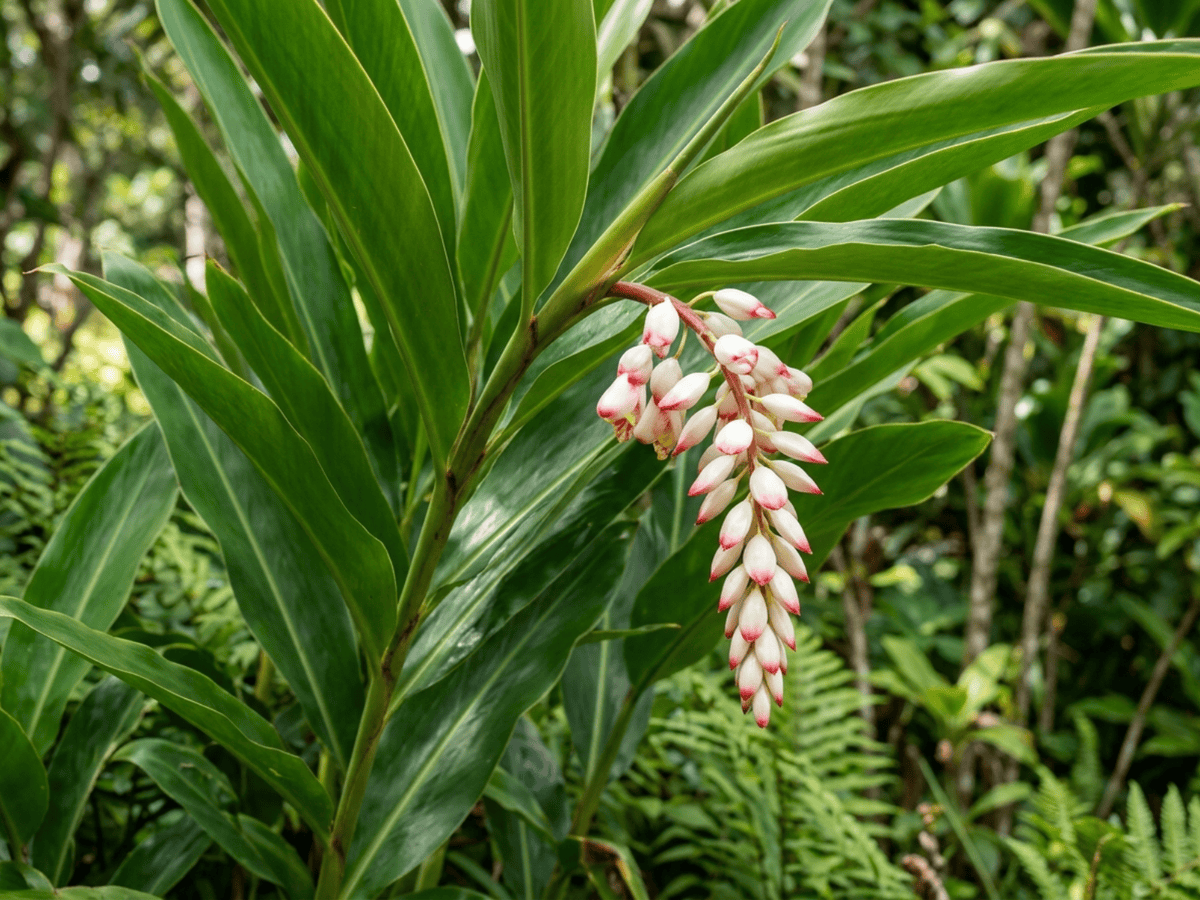 Shell GingerAlpinia zerumbet
Frequently asked questions
How often should I water Bird Claw Cleyera, Japanese Cleyera?
In summer, water about every 5 days; in winter, about every 21 days. Adjust for heat, pot size and drainage.
How much light does Bird Claw Cleyera, Japanese Cleyera need?
Part shade: 2–4 hrs direct. Watch the leaves — scorching or stretching means the light needs adjusting.
Is Bird Claw Cleyera, Japanese Cleyera toxic to cats or dogs?
No toxicity has been reported for this plant. Still, it is wise to keep pets from chewing on any houseplant. Educational information, not medical or veterinary advice. If exposure is suspected, contact a doctor or veterinarian.
Is Bird Claw Cleyera, Japanese Cleyera easy to grow?
It is moderately demanding: a good choice once you have a little experience.
When does Bird Claw Cleyera, Japanese Cleyera bloom?
It typically blooms Jun–Jul in the Northern Hemisphere.
YardMate
Identify any plant in seconds
Snap a photo — YardMate names the plant, diagnoses problems, and reminds you when to water.
Download on the App Store