 YardMate

Pig's Ear
Cotyledon orbiculata
Easy · Beginner friendlyAbout Pig's Ear
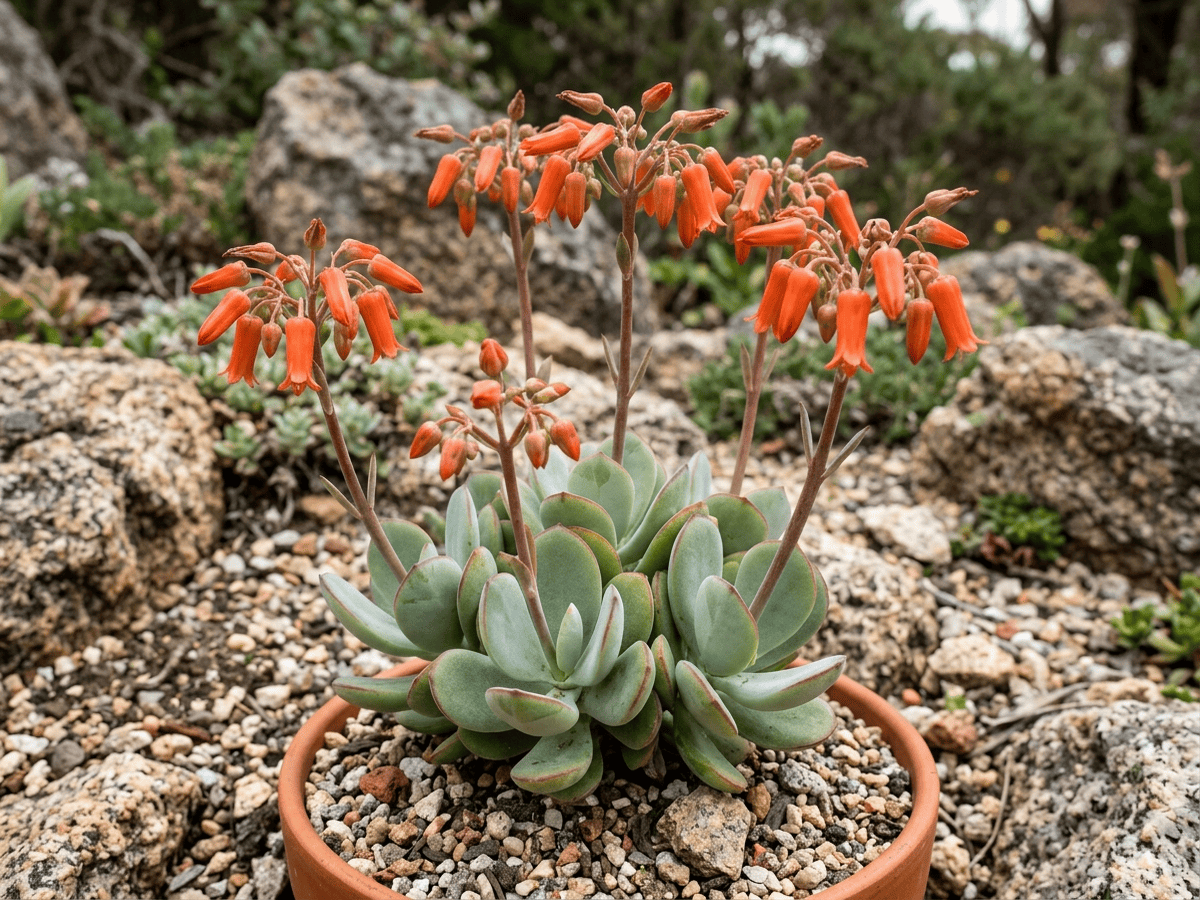
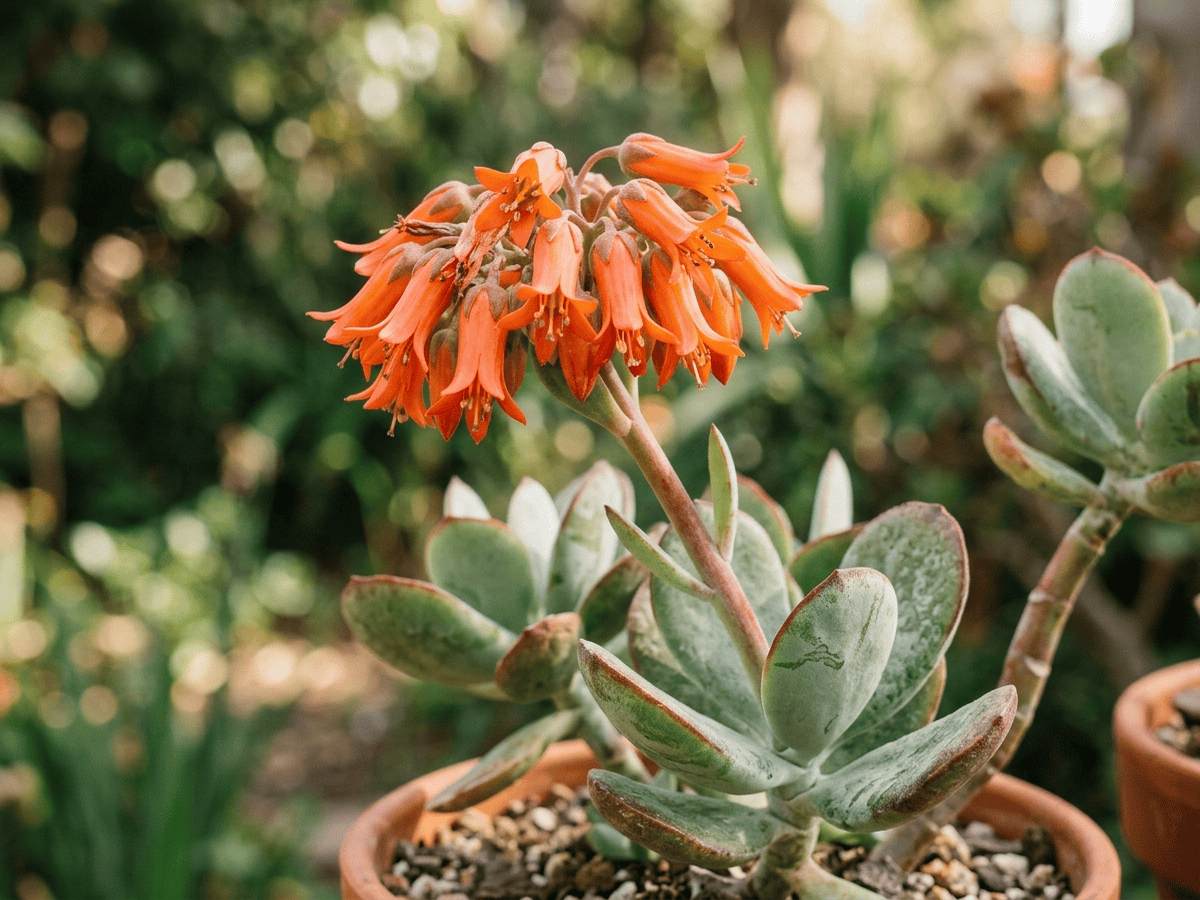
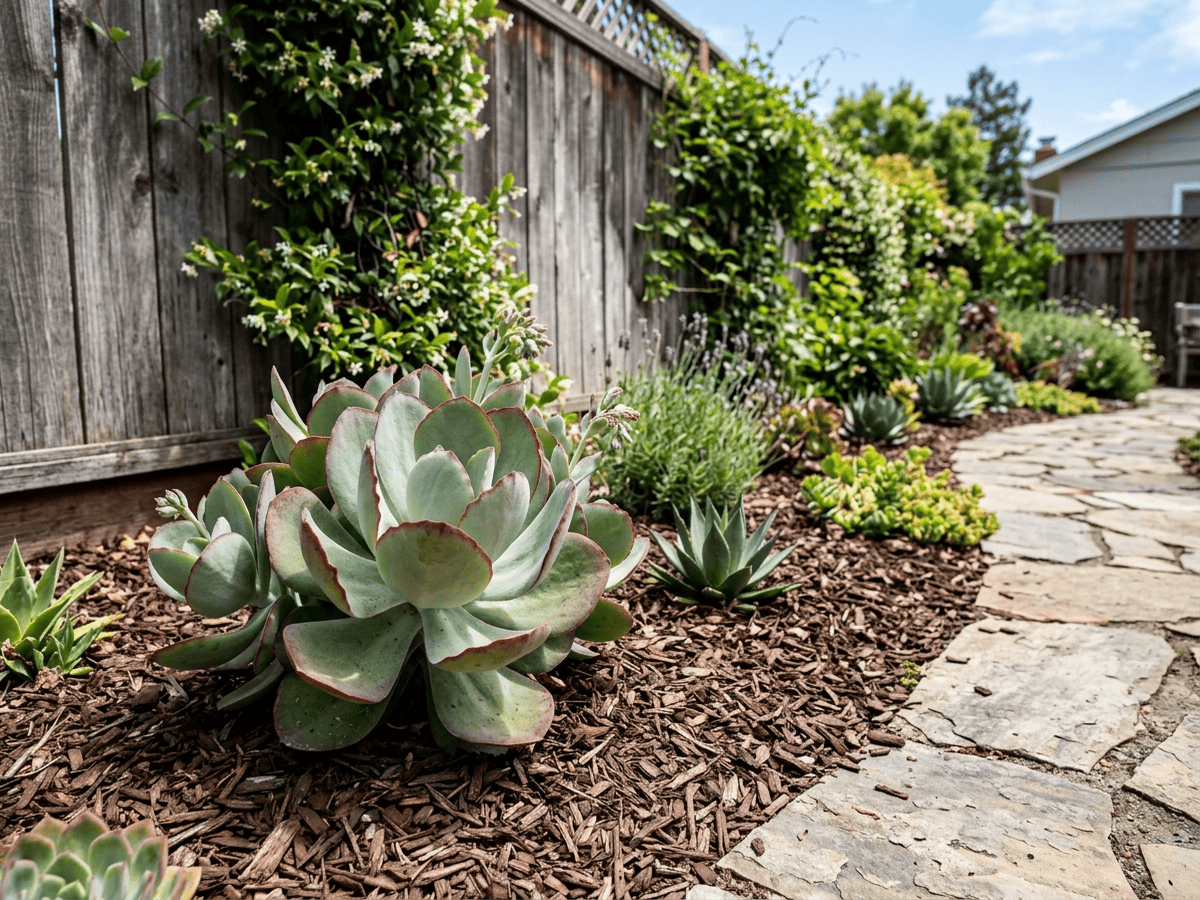
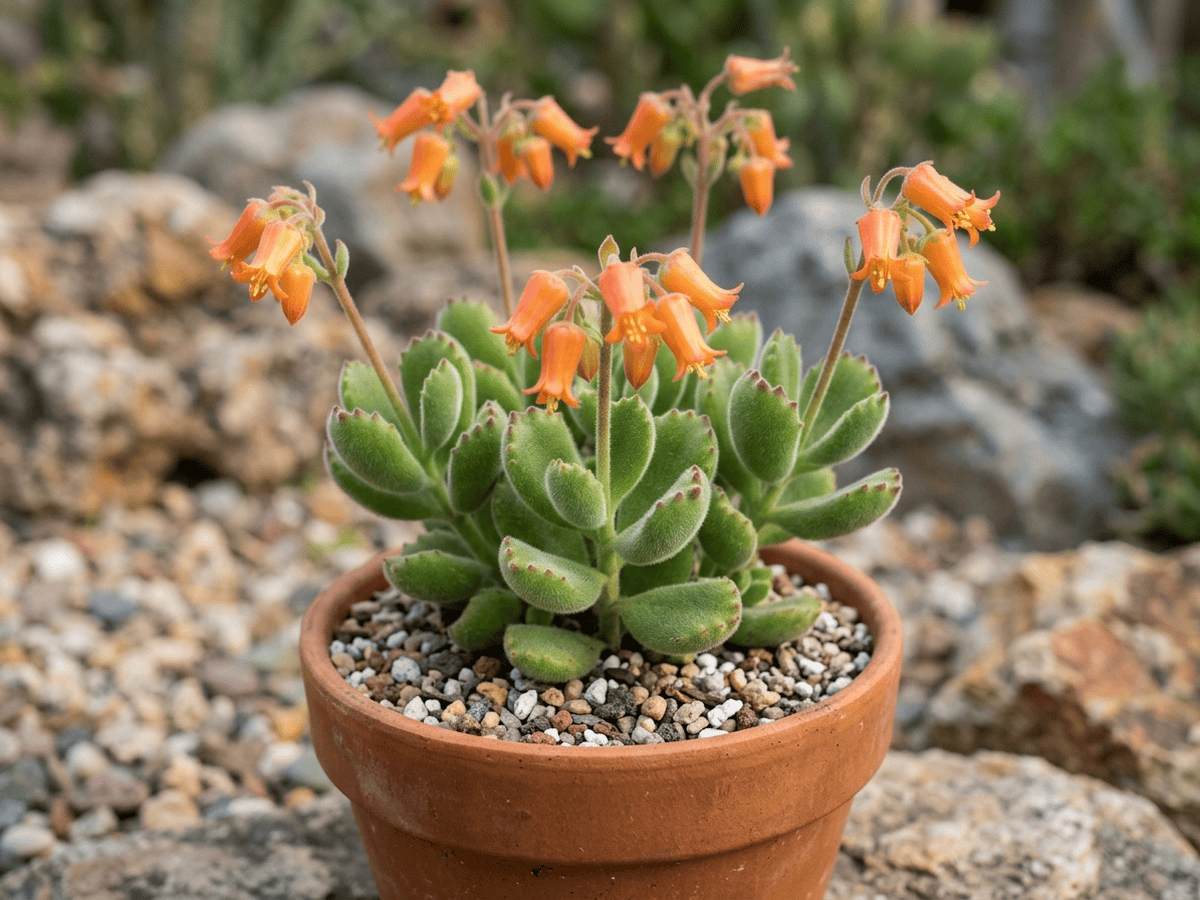
Cotyledon orbiculata, commonly known as pig's ear or round-leafed navel-wort, is a versatile succulent shrub native to southern Africa. It features thick, rounded to oval leaves coated in a chalky white or gray farina, often edged in red — the leaf shape and texture genuinely resemble a pig's ear. The plant grows as a compact shrub up to one meter tall, branching freely and developing a woody base with age. In summer, it sends up tall stalks bearing clusters of tubular, pendulous orange to red flowers that are beloved by sunbirds and hummingbirds. Cotyledon orbiculata is extremely variable across its range, with numerous regional forms differing in leaf shape, size, and color. It thrives in full sun with minimal water and tolerates both coastal conditions and light frost. In South African traditional medicine, the warmed leaves have been used for centuries as a poultice for warts, corns, and earaches. The plant is an excellent choice for Mediterranean-style gardens, rock gardens, and large containers.
- Medicinal
- Drought-tolerant
- Architectural
- Wildlife-friendly
How to care for Pig's Ear
Watering
- Springevery 14 days
- Summerevery 10 days
- Fallevery 21 days
- Winterevery 30 days
Soil · Fast-draining
- Main mixSand + pumice + soil 1:1:150%
- DrainagePumice / gravel50%
Keep grit at half the mix or more — this soil is meant to dry out fast.
FERTILIZER
Cactus & Succulent Feed 2-7-7
Hold the nitrogen back and growth stays compact instead of soft and stretched. Phosphorus and potassium carry the roots and the flowering.
- Nitrogen · Leaves
- Phosphorus · Roots + Blooms
- Potassium · Strength
- Springevery 45 days
- Summerevery 45 days
- Fallevery 60 days
At a Glance
- NativeAfrica
- Height2–4 ft (0.6–1.2 m)
- Spread2–3 ft (0.6–0.9 m)
- Flower colorOrange, Red, Yellow
- Foliage colorGreen, Silver, Variegated
- SoilSandy, Well-drained
- LocationsYard · Balcony · Indoor
Bloom time
BLOOM CYCLE
Peak bloom
Jun–Aug
Tubular orange-red flowers on tall stalks in summer attract hummingbirds and sunbirds
Fragrance
NO FRAGRANCE
No notable fragrance.
Toxicity
Humans Moderate · Pets Toxic
bufadienolide cardiac glycosides (cotyledoside)
Moderate
- All
- Ingestion
EXPOSURE Eating any part of the plant.
EFFECT Nausea, vomiting, cardiac effects from bufadienolides.
NOTE Major cause of "krimpsiekte" livestock poisoning in South Africa; hazardous to curious pets.
Toxic
- All
- Ingestion
EXPOSURE Eating any part of the plant.
EFFECT Vomiting, cardiac arrhythmia, weakness, seizures.
NOTE Major cause of "krimpsiekte" livestock poisoning in South Africa; hazardous to curious pets.
Toxic
- All
- Ingestion
EXPOSURE Eating any part of the plant.
EFFECT Vomiting, cardiac arrhythmia, weakness, seizures.
NOTE Major cause of "krimpsiekte" livestock poisoning in South Africa; hazardous to curious pets.
Educational information, not medical or veterinary advice. If exposure is suspected, contact a doctor or veterinarian.
DISTRIBUTION


- Native
- Introduced
- Africa
History
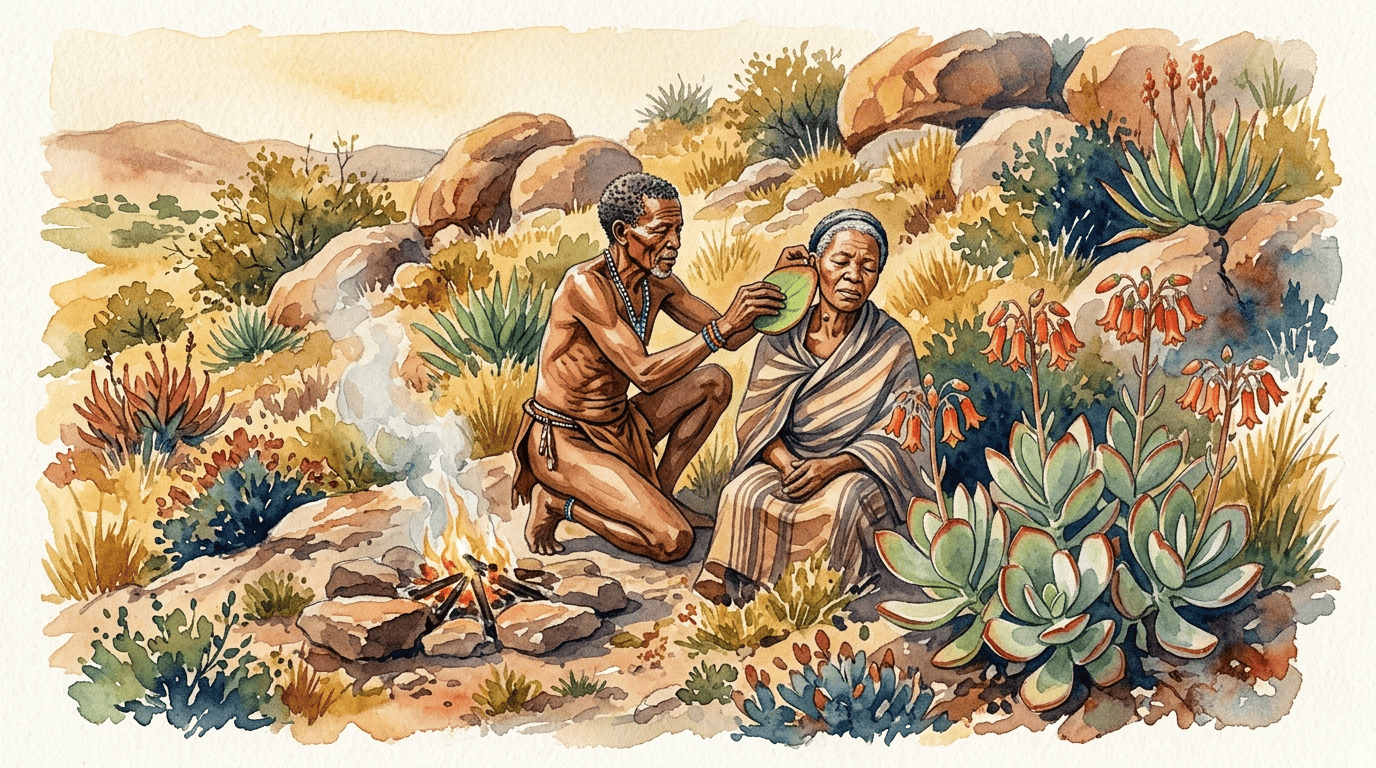
Cotyledon orbiculata is native to the arid regions of South Africa and Namibia, where it has an extensive record of traditional use in Khoi, San, and subsequent Cape Colored folk medicine — heated leaves applied to warts, boils, corns, and inflamed ears, and leaf juice used for epilepsy. It was introduced to European cultivation by the early 17th century through the Dutch East India Company's Cape Colony and appeared in the major European botanical collections of the period. Unlike most common horticultural succulents, Cotyledon contains bufadienolide cardiac glycosides ("krimpsiekte") that are a major cause of livestock poisoning in South Africa.
The plant's thick powder-coated gray-green leaves, often edged in red, and orange-red bell flowers made it a staple of 20th-century Mediterranean and Californian succulent gardens. Cotyledon orbiculata has deep roots in South African traditional medicine, where the Khoisan and Zulu peoples used warmed leaf juice to treat warts, corns, and toothache for centuries.
European botanists first described it in the 18th century, and it became a popular conservatory plant in Victorian England. In South African ranching, it is known as a dangerous stock plant — the cardiac glycoside cotyledontoxin can cause a fatal neurological condition called 'krimpsiekte' (shrinking disease) in sheep and goats.
Symbolism & meaning
What It Symbolizes
Pig's Ear is a quiet keeper of protection. Its thick paddle leaves store water, its powdery surface softens harsh light, and its orange bells appear from a plant built for stony sun. The symbolism is guarded generosity: a succulent that survives by holding back, then blooms with unexpected warmth.
- Protection — Traditional use as a healing poultice represents safeguarding and care
- Strength — Its tough, resilient nature in harsh African landscapes symbolizes inner fortitude
Where the Name Comes From
Cotyledon from Greek 'kotyledon' (cup-shaped hollow), referring to the cupped leaf shape. 'Orbiculata' means circular or round, describing the rounded leaves.
Uses & Fun Facts
- Leaf juice traditionally applied to corns, warts, and inflammations
- Chalky red-edged leaves resemble pig ears in xeric beds
- Tubular orange flowers attract sunbirds and southern hummingbirds
- Compact South African succulent thrives in rock-garden pots
Related plants
More Cotyledon plants
Plants with similar care
 Chinese AbeliaAbelia chinensis
 Fragrant AbeliaAbelia mosanensis
 Large-Flowered AbeliaAbelia uniflora
 Glossy AbeliaAbelia x grandiflora
Frequently asked questions
How often should I water Pig's Ear?
In summer, water about every 10 days; in winter, about every 30 days. Adjust for heat, pot size and drainage.
How much light does Pig's Ear need?
Full sun: 6+ hrs direct. Watch the leaves — scorching or stretching means the light needs adjusting.
Is Pig's Ear toxic to cats or dogs?
Pets Toxic (Dogs Toxic · Cats Toxic) Educational information, not medical or veterinary advice. If exposure is suspected, contact a doctor or veterinarian.
Is Pig's Ear easy to grow?
Yes — it is considered an easy, beginner-friendly plant.
Can Pig's Ear be grown indoors?
Yes, it adapts well to indoor growing given the right light.
When does Pig's Ear bloom?
It typically blooms Jun–Aug in the Northern Hemisphere.
YardMate
Identify any plant in seconds
Snap a photo — YardMate names the plant, diagnoses problems, and reminds you when to water.
Download on the App Store