 YardMate

Spring Crocus
Crocus vernus
Easy · Beginner friendlyAbout Spring Crocus
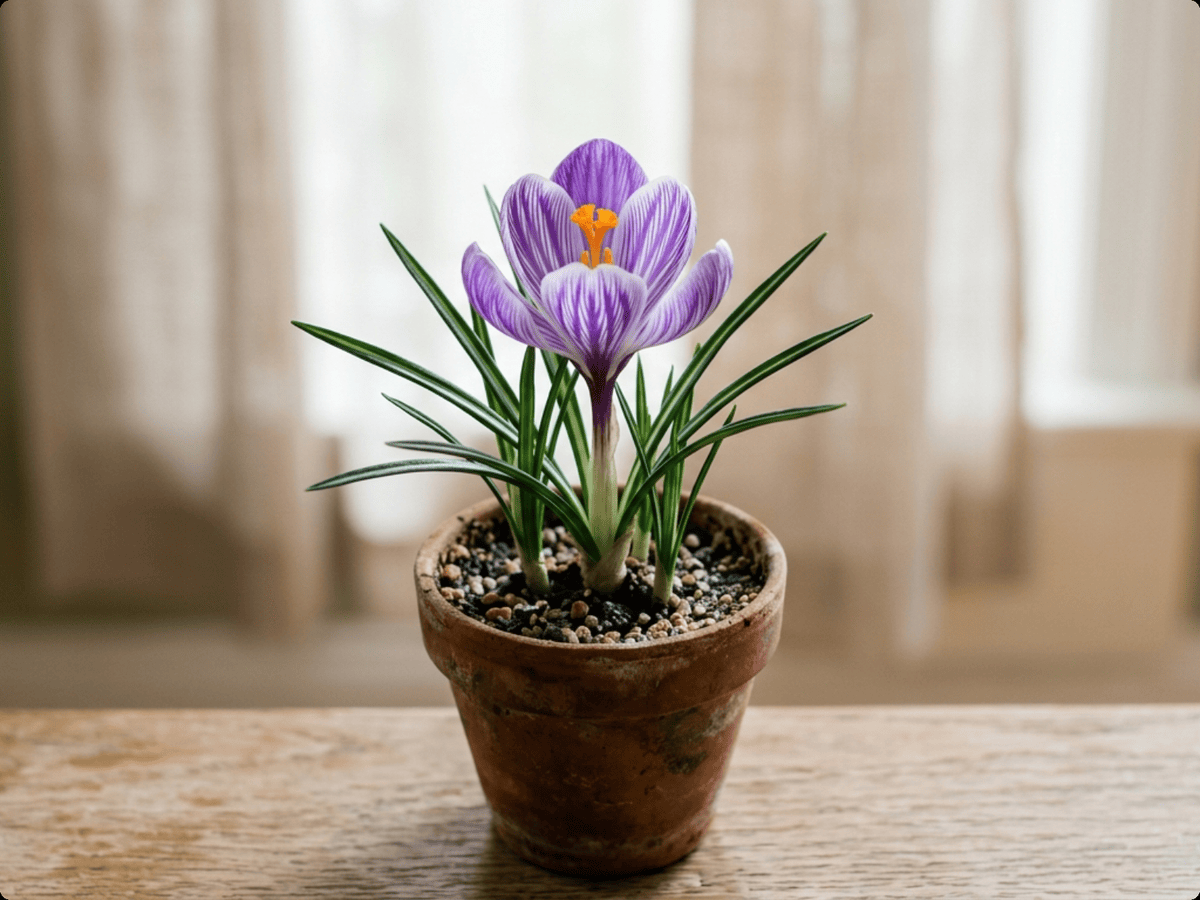
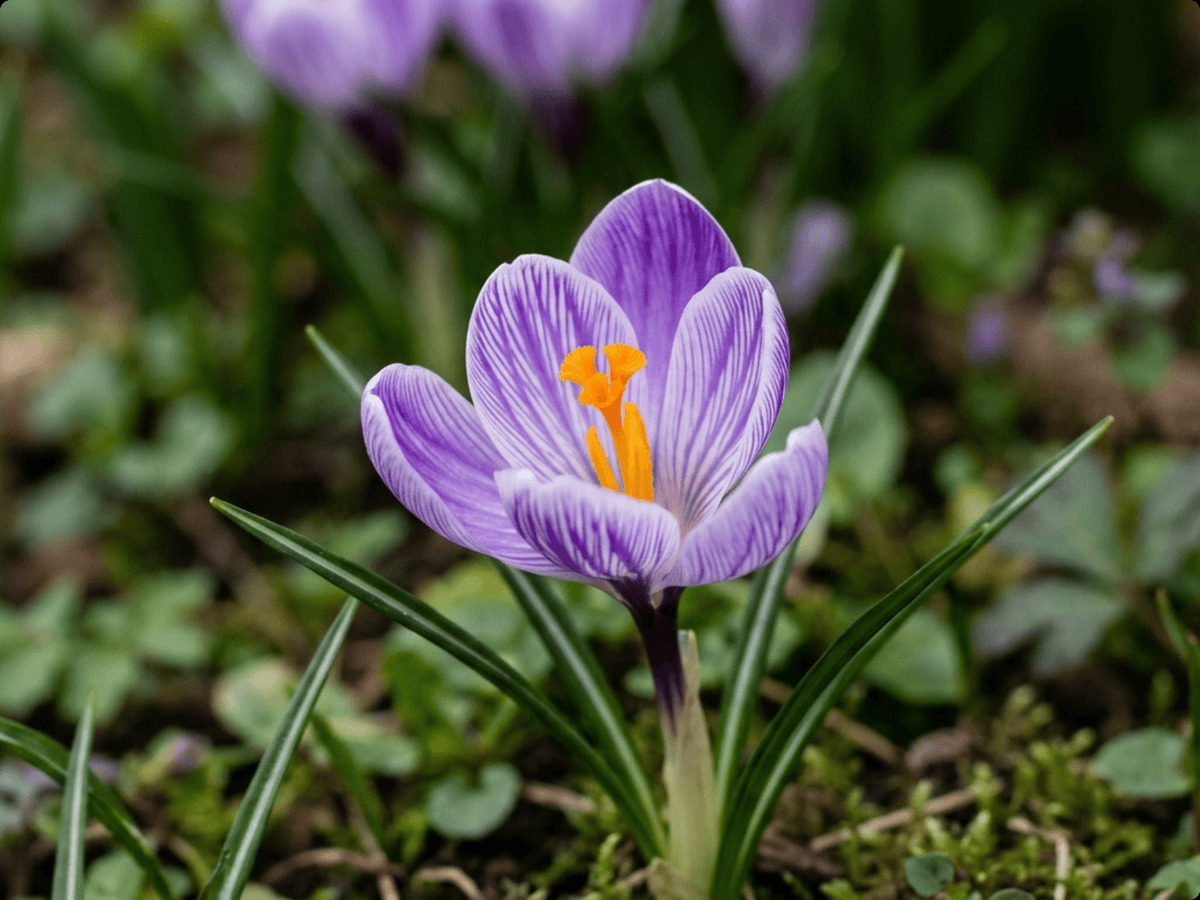
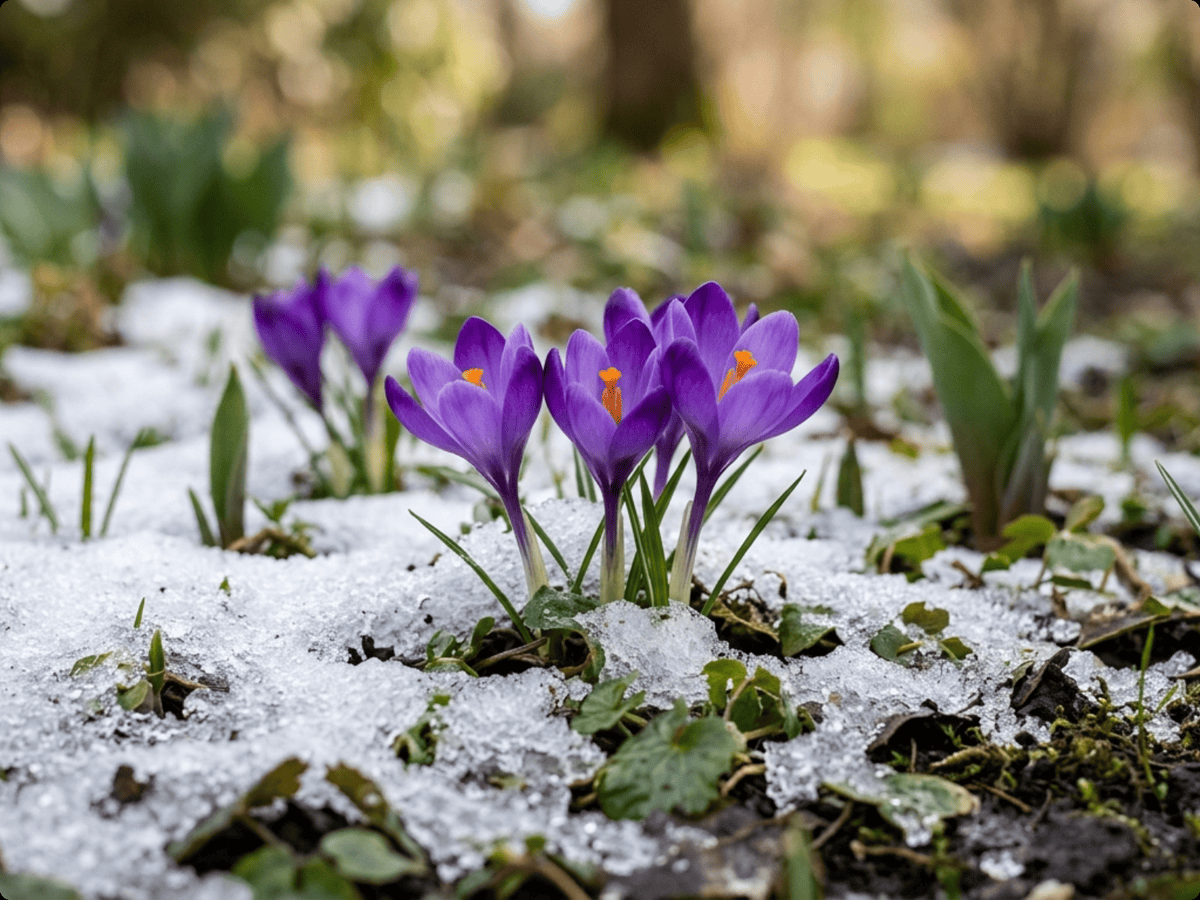
Crocus vernus, the spring crocus, is one of the first flowers to bloom after winter, pushing through snow with goblet-shaped flowers in purple, white, yellow, and striped forms. Native to the Alps and Pyrenees, it carpets alpine meadows just as snow melts. Each small corm produces 1–3 flowers and grass-like leaves. It naturalizes beautifully in lawns and under deciduous trees, multiplying over the years into drifts of color. Planted in autumn, it is one of the easiest and most rewarding spring bulbs, providing critical early nectar for emerging bees.
- Pollinator-friendly
How to care for Spring Crocus
Watering
- Springevery 7 days
- Summerevery 30 days
- Fallevery 14 days
- Winterevery 30 days
Soil · Well-draining
- Main mixLoam + coarse sand 3:175%
- DrainageGravel25%
Sharp drainage matters most — bulbs rot in wet soil while dormant.
FERTILIZER
- Springevery 30 days
- Fallevery 60 days
At a Glance
- NativeMediterranean
- Height0.3–0.5 ft (0.1–0.2 m)
- Spread0.2–0.3 ft (0.1–0.1 m)
- Flower colorPurple, White, Yellow
- Foliage colorGreen
- SoilWell-drained, Sandy, Loamy
- LocationsYard
Bloom time
BLOOM CYCLE
Peak bloom
Mar–Apr
One of the earliest spring flowers; plant corms 8cm deep in autumn
Fragrance
LIGHT FRAGRANCE
The flowers have a light honey scent.
Toxicity
Humans Slight · Pets Moderate
picrocrocin-type glycosides
Slight
- Root
- Ingestion
EXPOSURE Eating roots.
EFFECT GI upset and far less toxic than the similar-looking Colchicum.
NOTE Not to be confused with Colchicum autumnale ('Autumn Crocus'), which is extremely toxic.
Moderate
- Root
- Leaf
- Flower
- Ingestion
EXPOSURE Eating roots, leaves, and flowers.
EFFECT Vomiting, diarrhea, drooling, bulb most dangerous, and per ASPCA.
NOTE Not to be confused with Colchicum autumnale ('Autumn Crocus'), which is extremely toxic.
Moderate
- Root
- Leaf
- Flower
- Ingestion
EXPOSURE Eating roots, leaves, and flowers.
EFFECT Vomiting, diarrhea, drooling, bulb most dangerous, and per ASPCA.
NOTE Not to be confused with Colchicum autumnale ('Autumn Crocus'), which is extremely toxic.
Educational information, not medical or veterinary advice. If exposure is suspected, contact a doctor or veterinarian.
DISTRIBUTION


- Native
- Introduced
- Mediterranean
History

Crocus vernus is native to the alpine meadows of central and southern Europe — the Alps, Pyrenees, Balkans, and Carpathians — where it blooms as snow recedes in spring. Dutch breeders have intensively cultivated it since the 1620s, producing the large-flowered cultivars known as 'Dutch Crocus' that dominate modern garden and forcing-bulb commerce. Key modern cultivars ('Pickwick', 'Jeanne d'Arc', 'Remembrance', 'Flower Record') date to 1920s Dutch and 1960s improvements.
It is often confused with the unrelated and far more toxic autumn-flowering Colchicum autumnale ('Autumn Crocus'), which contains lethal colchicine; true Crocus species are only moderately toxic to pets. Used historically as a modest yellow dye from the carotenoids in its stigmas. Spring crocuses signal the end of winter across Europe and have been planted in gardens since at least the 16th century.
In alpine meadows, they create breathtaking displays as snow recedes, often blooming within centimeters of remaining snow. The Dutch cultivar 'Remembrance' — deep purple — is the world's most widely planted crocus, sold by the millions for autumn planting. Crocuses are critical for early-emerging bumblebee queens who need nectar immediately after hibernation. The mass planting of purple crocuses has also become a global symbol for the Rotary campaign to end polio.
Symbolism & meaning
What It Symbolizes
The Spring Crocus is a small, defiant act of Cheerfulness — pushing through the last crust of snow to open purple, white, and gold cups before any bee has stirred. In the language of flowers it suggests optimism and the return of joy, the year's first promise that warmth is on its way. A flower built for hope.
- Cheerfulness — Breaking through snow to bloom, it represents optimism and the return of joy
Where the Name Comes From
Crocus from Greek 'krokos.' Vernus means 'of spring,' distinguishing it from autumn-blooming species.
Uses & Fun Facts
- Goblet-shaped purple and white blooms herald spring
- Naturalizes into colorful drifts across lawns
- Earliest nectar source for honeybees on warm days
Related plants
More Crocus plants
Plants with similar care
 Chinese AbeliaAbelia chinensis
 Fragrant AbeliaAbelia mosanensis
 Large-Flowered AbeliaAbelia uniflora
 Glossy AbeliaAbelia x grandiflora
Frequently asked questions
How often should I water Spring Crocus?
In summer, water about every 30 days; in winter, about every 30 days. Adjust for heat, pot size and drainage.
How much light does Spring Crocus need?
Full sun: 6+ hrs direct. Watch the leaves — scorching or stretching means the light needs adjusting.
Is Spring Crocus toxic to cats or dogs?
Pets Moderate (Dogs Moderate · Cats Moderate) Educational information, not medical or veterinary advice. If exposure is suspected, contact a doctor or veterinarian.
Is Spring Crocus easy to grow?
Yes — it is considered an easy, beginner-friendly plant.
When does Spring Crocus bloom?
It typically blooms Mar–Apr in the Northern Hemisphere.
YardMate
Identify any plant in seconds
Snap a photo — YardMate names the plant, diagnoses problems, and reminds you when to water.
Download on the App Store