 YardMate

Mediterranean Cypress
Cupressus sempervirens
Easy · Beginner friendlyAbout Mediterranean Cypress
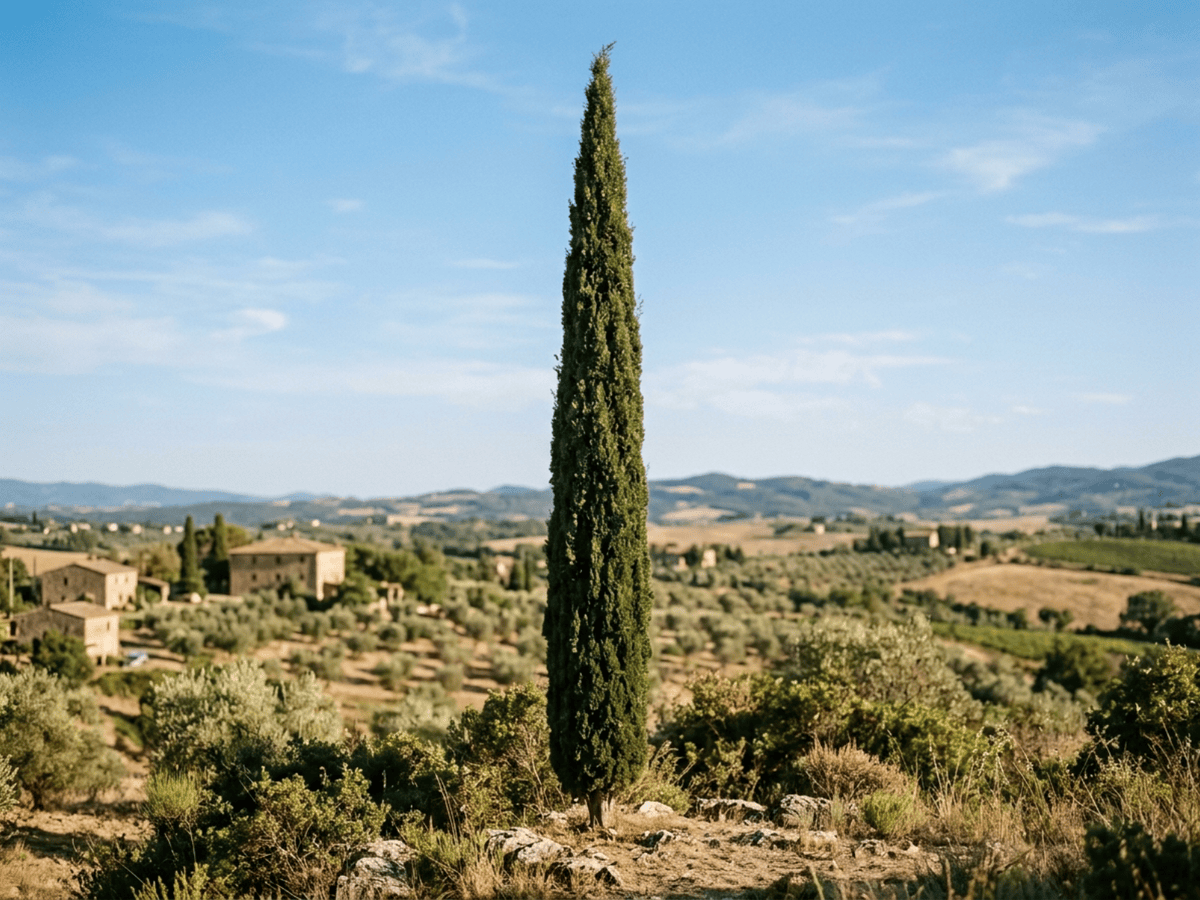
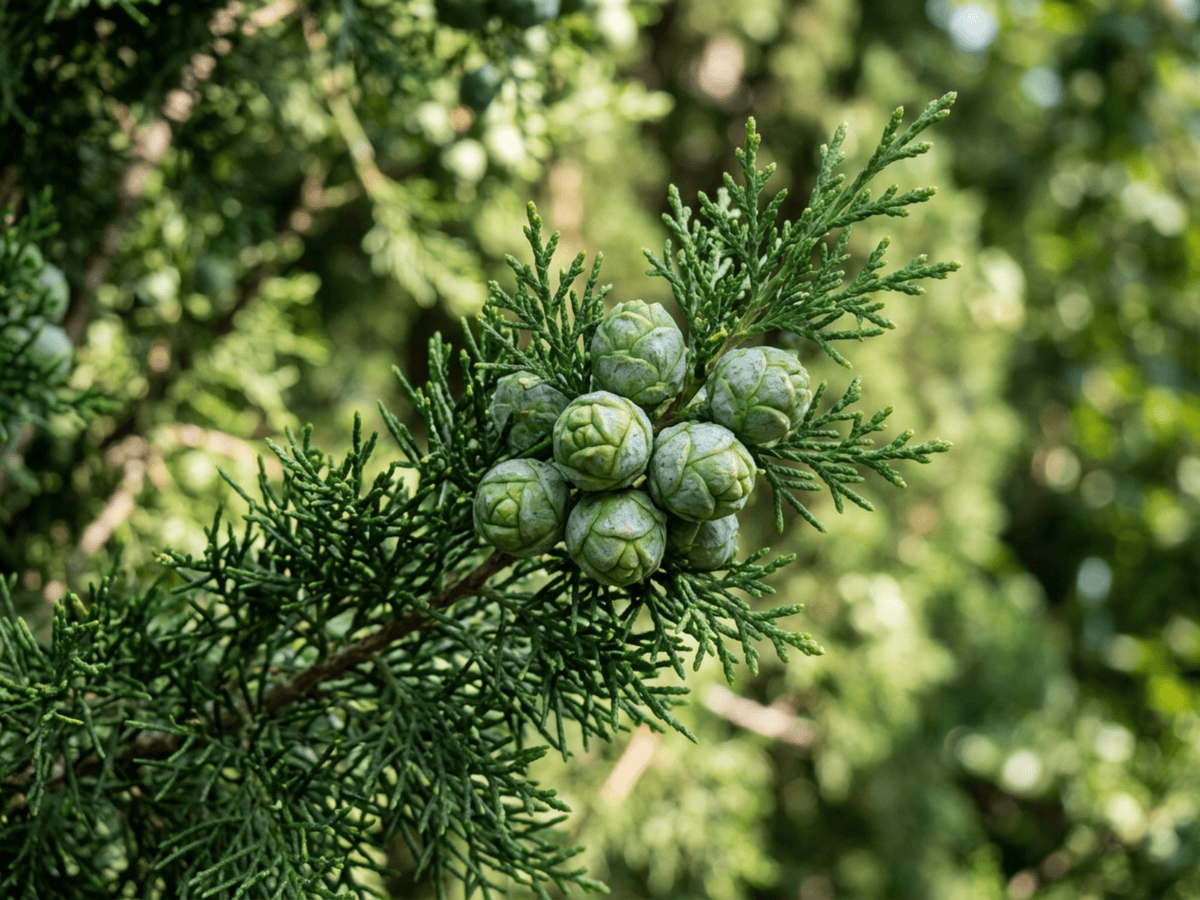
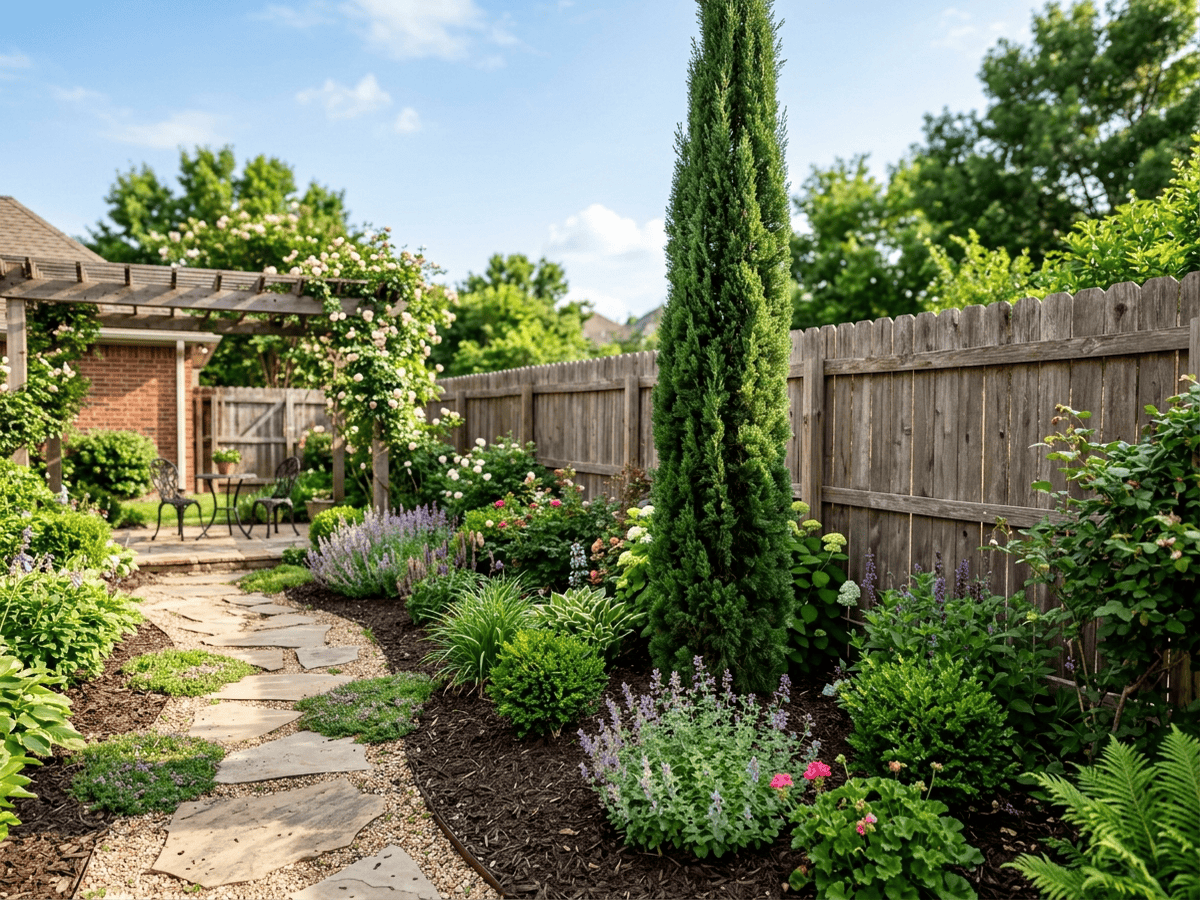
Cupressus sempervirens, the Italian or Mediterranean cypress, is one of the most recognizable trees in the world, its slender dark columnar silhouette defining the landscapes of Tuscany, Provence, and the eastern Mediterranean. Growing 20 to 35 meters tall but only 3 to 5 meters wide, it creates dramatic vertical accents unmatched by any other tree. Native to the eastern Mediterranean and western Asia, it has been cultivated for at least 4,000 years. The aromatic, rot-resistant wood was used to build the original doors of St. Peter's Basilica in Rome, and the ancient Egyptians used it for sarcophagi. Italian cypress thrives in hot, dry climates with well-drained soil and full sun, tolerating poor rocky ground and extended drought once established. It is remarkably wind-resistant despite its narrow profile. The tree has deep associations with mourning and eternal life — cypress-lined avenues lead to cemeteries throughout the Mediterranean. In modern landscapes, it serves as a stately accent, windbreak, and property line marker.
- Fragrant
- Drought-tolerant
- Evergreen
How to care for Mediterranean Cypress
Watering
- Springevery 7 days
- Summerevery 5 days
- Fallevery 14 days
- Winterevery 30 days
Soil · Well-draining
- Top dressingPine bark mulch10%
- Main mixPotting soil + perlite 2:170%
- DrainageLECA / gravel20%
Never skip the drainage layer — standing water is the top cause of root rot.
FERTILIZER
- Springevery 60 days
At a Glance
- NativeMediterranean, Western Asia
- Height40–70 ft (12.2–21.3 m)
- Spread3–10 ft (0.9–3 m)
- Flower colorYellow
- Foliage colorGreen, Blue-green
- SoilLoamy, Well-drained
- LocationsYard
Bloom time
BLOOM CYCLE
Peak bloom
Jun–Aug
Wind-pollinated cones; grown entirely for its dramatic columnar form, not flowers
Fragrance
MODERATE FRAGRANCE
Warm resinous cedar-like scent from foliage and cut wood.
Toxicity
No toxicity has been reported for this plant. Still, it is wise to keep pets from chewing on any houseplant.
Educational information, not medical or veterinary advice. If exposure is suspected, contact a doctor or veterinarian.
DISTRIBUTION


- Native
- Introduced
- Mediterranean
- Western Asia
History
Cupressus sempervirens is native to the eastern Mediterranean — from Greece and Crete east through Turkey, Syria, Lebanon, Israel, Iran, and the Caucasus — where it has been cultivated for more than 4,000 years and is documented in Biblical texts, Homer, and ancient Persian and Egyptian records. The species epithet "sempervirens" means "ever-living," and its slow growth, longevity (individual specimens of 1,000+ years are documented), and dense dark evergreen foliage made it the sacred funerary and memorial tree of classical Mediterranean civilizations. Greek mythology associates it with Hades and Artemis; Roman tradition planted cypresses at tombs and crematoria.
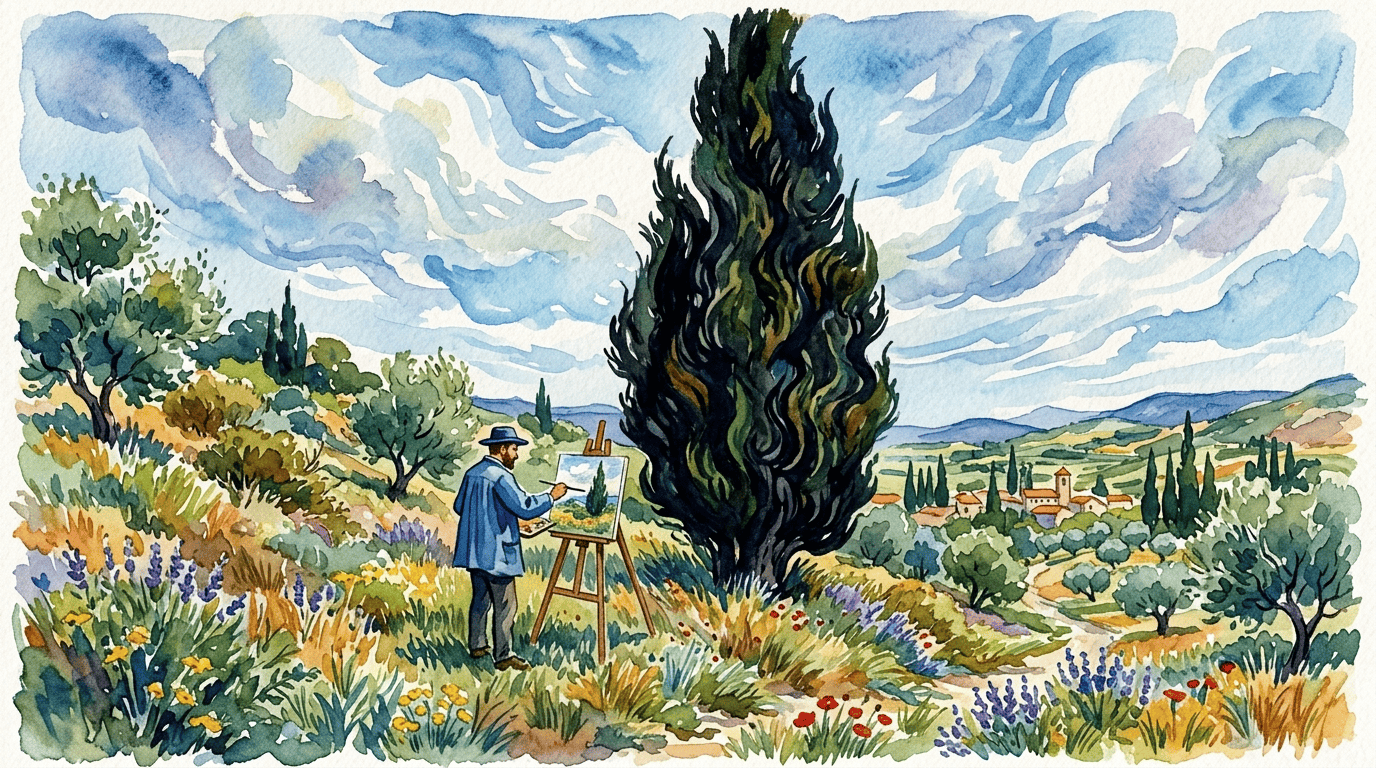
The narrow columnar form (var. "Stricta" / "Sempervirens") characteristic of Tuscan cemeteries, cypress alleys, and Persian gardens (the chahar bagh quadripartite garden usually includes cypresses) is the dominant cultivated form. Vincent van Gogh's 1889-1890 paintings from Arles and Saint-Rémy — including "The Starry Night" and "Wheat Field with Cypresses" — made the Italian cypress a central image of Western art, after van Gogh wrote, "the cypresses are always occupying my thoughts."
The aromatic, rot-resistant heartwood was used for Egyptian sarcophagi and Greek sculpture. The ancient Greeks associated cypress with Hades and the underworld, planting it beside graves — a tradition that persists throughout the Mediterranean today. Alexander the Great's fleet reportedly included ships built of cypress wood.
Symbolism & meaning
What It Symbolizes
The Mediterranean cypress is the dark sentinel of mourning, its slender black-green spires rising from cemeteries from Italy to Greece for more than two thousand years. Yet that same evergreen, which has watched civilizations rise and fall without losing a needle, also stands for eternal life — the soul that outlasts the marker beneath it. In its silhouette, grief and continuity stand at the same address.
- Mourning — Cypress-lined cemeteries across the Mediterranean link the tree to death and remembrance
- Eternal life — Its evergreen nature and extreme longevity represent immortality and the enduring soul
Where the Name Comes From
Cupressus is the Latin form of Greek 'kyparissos,' possibly from the myth of Cyparissus, a youth transformed into a cypress tree by Apollo as an act of grief. Sempervirens means 'always green.'
Uses & Fun Facts
- Tall narrow columnar evergreen used for Mediterranean privacy screens
- Iconic pencil-thin form anchors Italian and Provençal gardens
- Aromatic durable wood used historically for ship-building and temple doors
- Long associated with mourning and cemeteries across the Mediterranean
Related plants
More Cupressus plants

Plants with similar care
 Chinese AbeliaAbelia chinensis
 Fragrant AbeliaAbelia mosanensis
 Large-Flowered AbeliaAbelia uniflora
 Glossy AbeliaAbelia x grandiflora
Frequently asked questions
How often should I water Mediterranean Cypress?
In summer, water about every 5 days; in winter, about every 30 days. Adjust for heat, pot size and drainage.
How much light does Mediterranean Cypress need?
Full sun: 6+ hrs direct. Watch the leaves — scorching or stretching means the light needs adjusting.
Is Mediterranean Cypress toxic to cats or dogs?
No toxicity has been reported for this plant. Still, it is wise to keep pets from chewing on any houseplant. Educational information, not medical or veterinary advice. If exposure is suspected, contact a doctor or veterinarian.
Is Mediterranean Cypress easy to grow?
Yes — it is considered an easy, beginner-friendly plant.
When does Mediterranean Cypress bloom?
It typically blooms Jun–Aug in the Northern Hemisphere.
YardMate
Identify any plant in seconds
Snap a photo — YardMate names the plant, diagnoses problems, and reminds you when to water.
Download on the App Store