 YardMate



Arizona Cypress
Cupressus arizonica
Easy · Beginner friendlyAbout Arizona Cypress
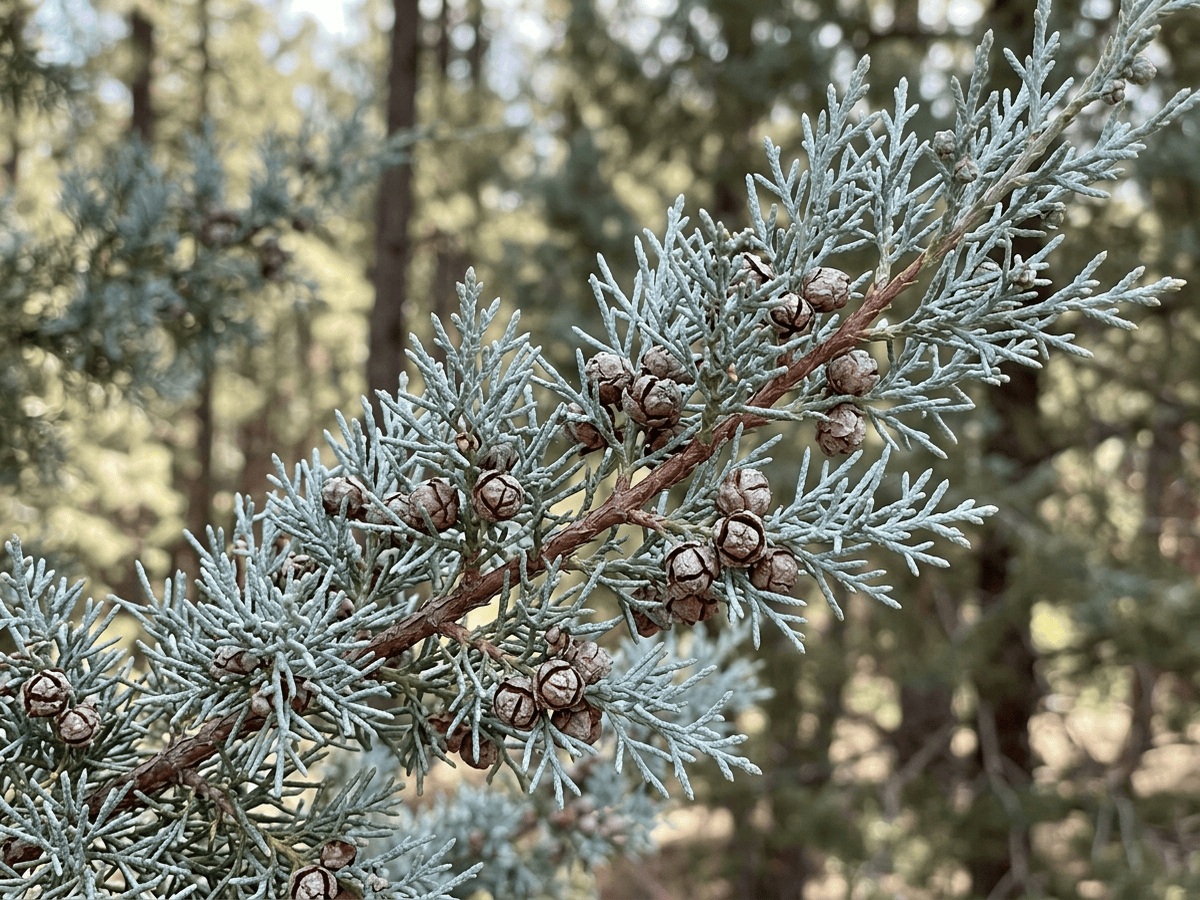
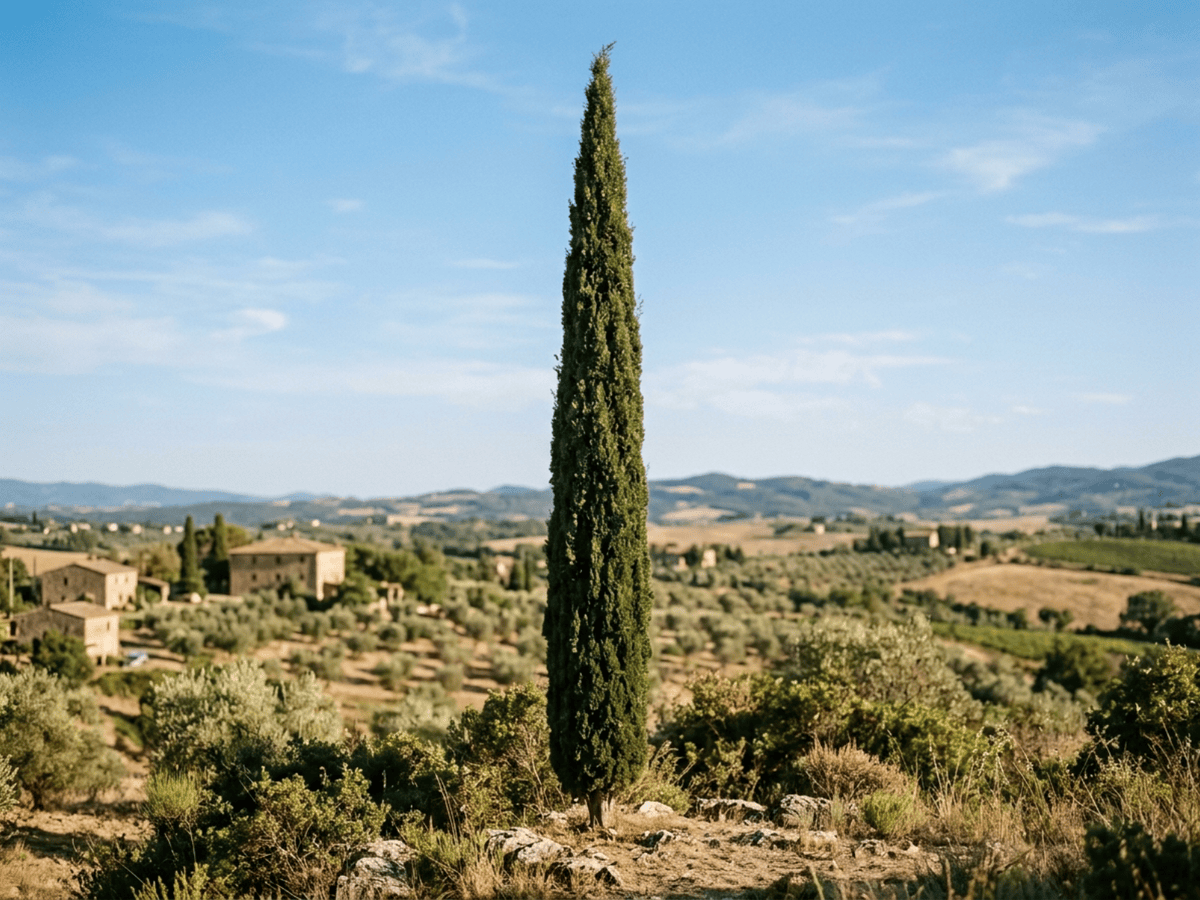
Arizona Cypress is a drought-tolerant conifer native to the American Southwest and northern Mexico, reaching 30-50 feet, with dense pyramidal form and scale-like foliage ranging from gray-green to silvery-blue depending on variety. Distinctive shaggy reddish-brown peeling bark develops on older trunks. Extremely heat and drought tolerant, it is one of the most widely planted evergreen screens and specimens across the Southwest and hot southern US.
- Drought-tolerant
- Heat-tolerant
- Evergreen
- Native
How to care for Arizona Cypress
Watering
- Springevery 14 days
- Summerevery 10 days
- Fallevery 21 days
- Winterevery 30 days
Soil · Well-draining
- Top dressingPine bark mulch10%
- Main mixPotting soil + perlite 2:170%
- DrainageLECA / gravel20%
Never skip the drainage layer — standing water is the top cause of root rot.
FERTILIZER
- Springevery 60 days
At a Glance
- NativeNorth America
- Height30–50 ft (9.1–15.2 m)
- Spread15–25 ft (4.6–7.6 m)
- Flower colorYellow
- Foliage colorBlue-green, Silver, Green
- Fruit colorBrown
- SoilSandy, Well-drained
- LocationsYard
Bloom time
BLOOM CYCLE
Small yellow male cones in winter
Fragrance
MODERATE FRAGRANCE
The foliage has a pungent resinous cypress scent.
Toxicity
No toxicity has been reported for this plant. Still, it is wise to keep pets from chewing on any houseplant.
Educational information, not medical or veterinary advice. If exposure is suspected, contact a doctor or veterinarian.
DISTRIBUTION


- Native
- Introduced
- North America
History
Cupressus arizonica occurs naturally in scattered mountain canyons of Arizona, New Mexico, Texas, and northern Mexico, typically between 900 and 2400 meters elevation. American botanist Edward Lee Greene described the species in 1882 from Arizona material. Several geographic varieties are recognized including var. glabra (Smooth cypress), var. arizonica (rough-barked), and var. stephensonii (Cuyamaca cypress) of southern California, which is critically endangered with only a few hundred mature individuals.
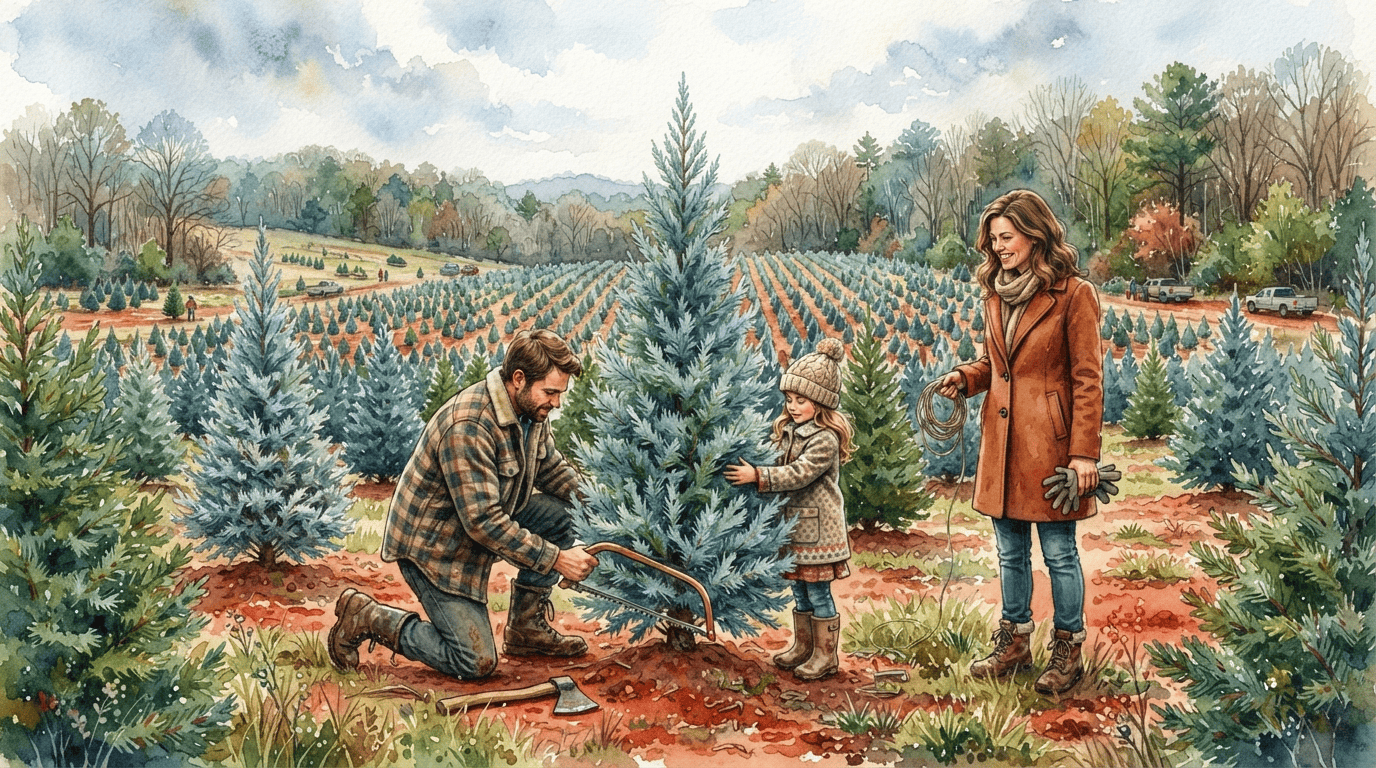
The species is extraordinarily heat- and drought-tolerant, surviving on limited rainfall where most conifers fail, making it increasingly valuable in Mediterranean and Middle Eastern afforestation. It has been planted widely in the Mediterranean Basin, Israel, and South America both as a windbreak and as a cut Christmas tree (particularly in the southern United States where Fraser fir cannot be grown).
Blue-foliaged selections including 'Blue Ice', 'Blue Pyramid', and 'Carolina Sapphire' are widely cultivated for their silver-blue color and conical form. Native populations persist in isolated mountain ranges of Arizona, New Mexico, Texas, and Mexico—some stands of remarkable size in the Chiricahua Mountains.
Symbolism & meaning
What It Symbolizes
Arizona Cypress can symbolize desert endurance, a silvery blue-green conifer that thrives in the heat of the American Southwest where most evergreens would burn away. Another layer is shelter, for it is the chosen tree of windbreaks and screens in arid country, holding its ground against dust and sun. In the language of dryland gardens, this cypress is the sober protector, less ornament than ally, asked to soften a hard climate for the plants and people behind it.
- Desert endurance — thrives in Southwest heat
- Shelter — screens and windbreaks in hot regions
Where the Name Comes From
'Arizonica' refers to Arizona where the species was first described.
Uses & Fun Facts
- Dense blue-gray foliage forms tall windbreak screens
- Pyramidal silver-blue cypress for arid landscapes
- Powdery blue evergreen stands out in dry gardens
- Dense canopy shelters nesting songbirds and quail
Related plants
More Cupressus plants
Plants with similar care
 Chinese AbeliaAbelia chinensis
 Fragrant AbeliaAbelia mosanensis
 Large-Flowered AbeliaAbelia uniflora
 Glossy AbeliaAbelia x grandiflora
Frequently asked questions
How often should I water Arizona Cypress?
In summer, water about every 10 days; in winter, about every 30 days. Adjust for heat, pot size and drainage.
How much light does Arizona Cypress need?
Full sun: 6+ hrs direct. Watch the leaves — scorching or stretching means the light needs adjusting.
Is Arizona Cypress toxic to cats or dogs?
No toxicity has been reported for this plant. Still, it is wise to keep pets from chewing on any houseplant. Educational information, not medical or veterinary advice. If exposure is suspected, contact a doctor or veterinarian.
Is Arizona Cypress easy to grow?
Yes — it is considered an easy, beginner-friendly plant.
YardMate
Identify any plant in seconds
Snap a photo — YardMate names the plant, diagnoses problems, and reminds you when to water.
Download on the App Store