 YardMate


Turmeric
Curcuma longa
Medium · Some experienceAbout Turmeric
Curcuma longa, turmeric, is a tropical rhizomatous plant producing the vivid golden-yellow spice that colors and flavors curries worldwide. Growing 60–90 cm tall with large, banana-like leaves, the magic is underground — the rhizomes contain curcumin, one of the most researched natural compounds in medicine. Native to Southeast Asia, turmeric requires warmth, humidity, and rich, moist soil. Fresh turmeric rhizomes have a peppery, earthy flavor more complex than dried powder. India produces 80% of the world's turmeric and consumes 90% of its own production.
- Edible
- Medicinal
- Tropical
How to care for Turmeric
Watering
- Springevery 4 days
- Summerevery 3 days
- Fallevery 5 days
- Winterevery 14 days
Soil · Rich & well-draining
- Top dressingCompost10%
- Main mixPotting soil + compost 3:180%
- DrainageGravel10%
Top up the compost layer each season.
FERTILIZER
Bloom Booster 10-52-10
A phosphorus-forward feed fuels abundant blooms, with just enough nitrogen and potassium to keep foliage and roots steady.
- Nitrogen · Leaves
- Phosphorus · Roots + Blooms
- Potassium · Strength
- Springevery 21 days
- Summerevery 21 days
- Fallevery 45 days
At a Glance
- NativeSouth Asia
- Height2–4 ft (0.6–1.2 m)
- Spread1–2 ft (0.3–0.6 m)
- Foliage colorGreen
- Fruit colorOrange
- SoilLoamy, Moisture-retentive, Rich
- LocationsIndoor · Balcony
Fragrance
MODERATE FRAGRANCE
Earthy musky-ginger aroma from rhizomes.
Toxicity
Humans Safe · Pets Safe
curcumin and demethoxycurcumin
Safe
EXPOSURE No exposure route is reported.
EFFECT Widely consumed spice, rare contact dermatitis, and some supplement products raise bleeding risk on anticoagulants.
NOTE Listed as non-toxic for humans; avoid eating ornamental plants unless confirmed edible.
Safe
EXPOSURE No exposure route is reported.
EFFECT Not listed as toxic and often included in pet diets.
NOTE Listed as non-toxic for dogs; avoid eating ornamental plants unless confirmed edible.
Safe
EXPOSURE No exposure route is reported.
EFFECT Not listed as toxic.
NOTE Listed as non-toxic for cats; avoid eating ornamental plants unless confirmed edible.
Educational information, not medical or veterinary advice. If exposure is suspected, contact a doctor or veterinarian.
DISTRIBUTION


- Native
- Introduced
- South Asia
History

Curcuma longa is native to South Asia and has been cultivated in India for more than 4,000 years. Sanskrit texts refer to it as haridra, "golden," and turmeric paste remains important in Hindu ritual, including wedding haldi ceremonies, tilak marks, Lakshmi worship, and the coloring of ritual cloth.
In the kitchen, turmeric supplies the golden color of many South and Southeast Asian dishes and became a defining ingredient of British colonial curry powder. It also colors American prepared mustard and has long served as a textile dye, especially where true saffron was too costly.
Its yellow pigment, curcumin, has been widely studied for anti-inflammatory and antioxidant activity, though clinical results are complicated by poor bioavailability and should not be overstated. India remains the world's dominant producer, with regions such as Erode in Tamil Nadu closely associated with the crop.
Symbolism & meaning
What It Symbolizes
Turmeric makes visible auspicious gold. Its rhizome colors wedding rituals, temple offerings, cloth, food, and festival skin with the same warm yellow, making prosperity feel tangible. In the garden it is tropical abundance below ground, a hidden sun stored in a knuckle of spice.
- Prosperity — Golden color and Hindu wedding importance represent abundance, purity, and auspicious beginnings
Where the Name Comes From
Curcuma from Arabic 'kurkum' (saffron), as turmeric was used as a saffron substitute. Longa means 'long,' for the elongated rhizome.
Uses & Fun Facts
- Golden rhizomes season curries, teas, pickles, and rice dishes
- Broad tropical leaves and cone-like flowers bring lush summer texture
- Rhizomes dye cloth, paper, and food a vivid golden yellow
Related plants
Plants with similar care
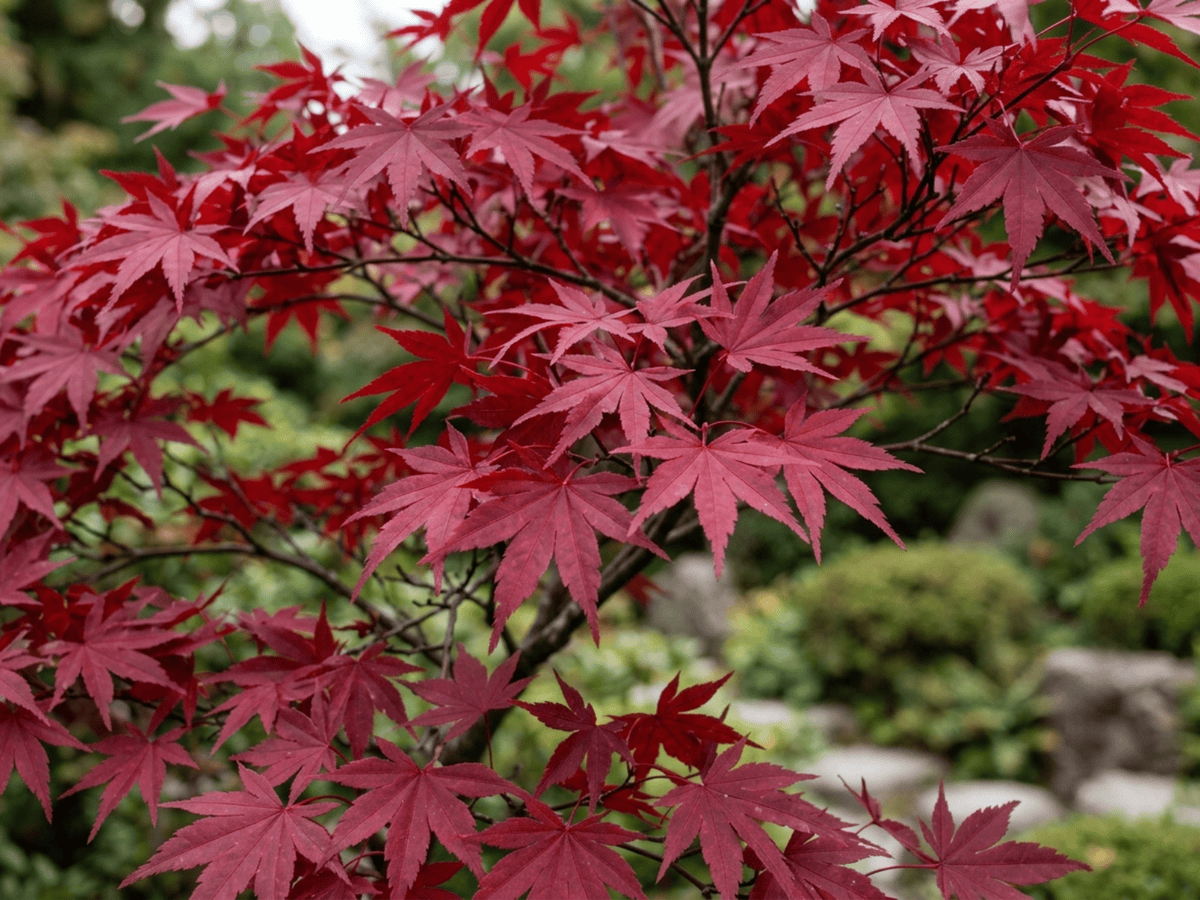 Japanese MapleAcer palmatum
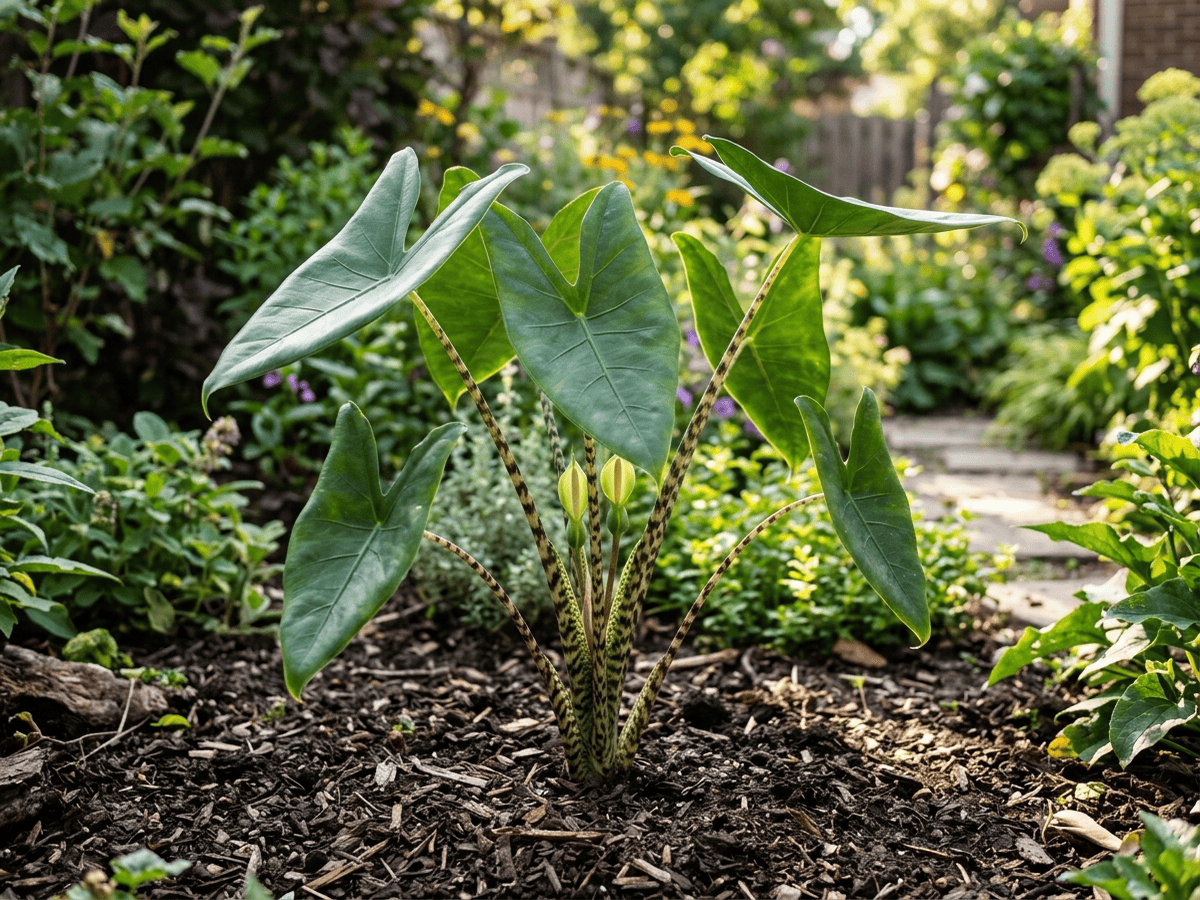 Alocasia zebrinaAlocasia zebrina
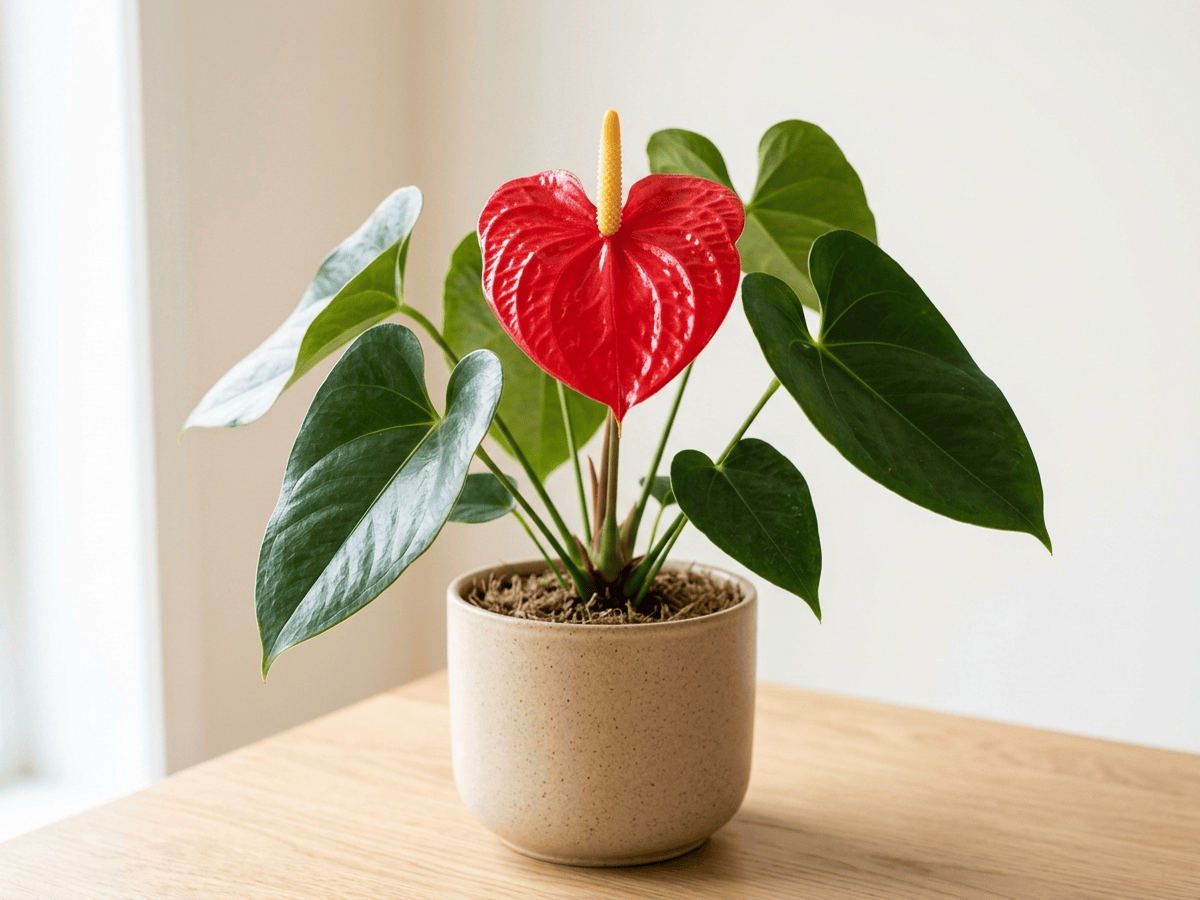 Painter's-PaletteAnthurium andraeanum
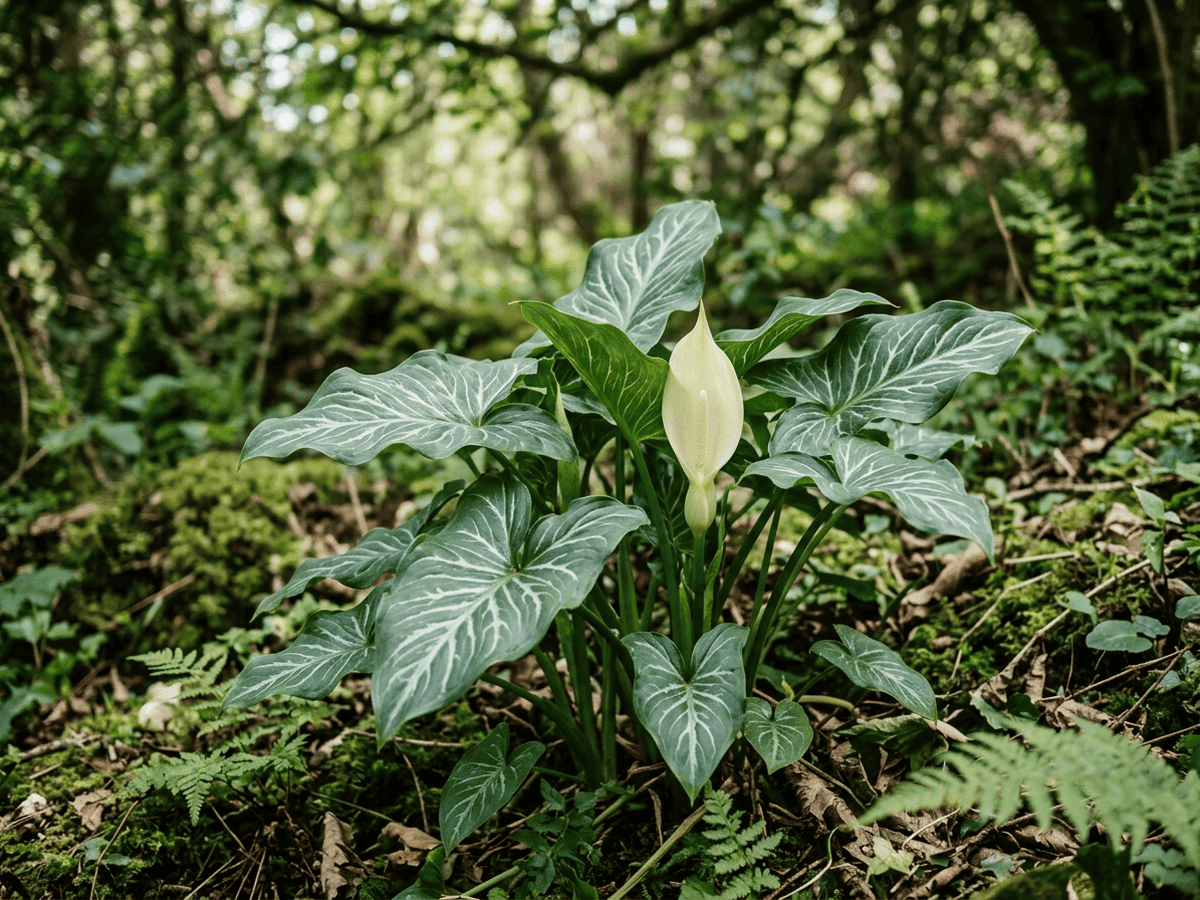 Italian ArumArum italicum
Frequently asked questions
How often should I water Turmeric?
In summer, water about every 3 days; in winter, about every 14 days. Adjust for heat, pot size and drainage.
How much light does Turmeric need?
Part shade: 2–4 hrs direct. Watch the leaves — scorching or stretching means the light needs adjusting.
Is Turmeric toxic to cats or dogs?
Pets Safe (Dogs Safe · Cats Safe) Educational information, not medical or veterinary advice. If exposure is suspected, contact a doctor or veterinarian.
Is Turmeric easy to grow?
It is moderately demanding: a good choice once you have a little experience.
Can Turmeric be grown indoors?
Yes, it adapts well to indoor growing given the right light.
YardMate
Identify any plant in seconds
Snap a photo — YardMate names the plant, diagnoses problems, and reminds you when to water.
Download on the App Store