 YardMate


Alpine Larkspur
Delphinium elatum
Hard · Experienced growersAbout Alpine Larkspur
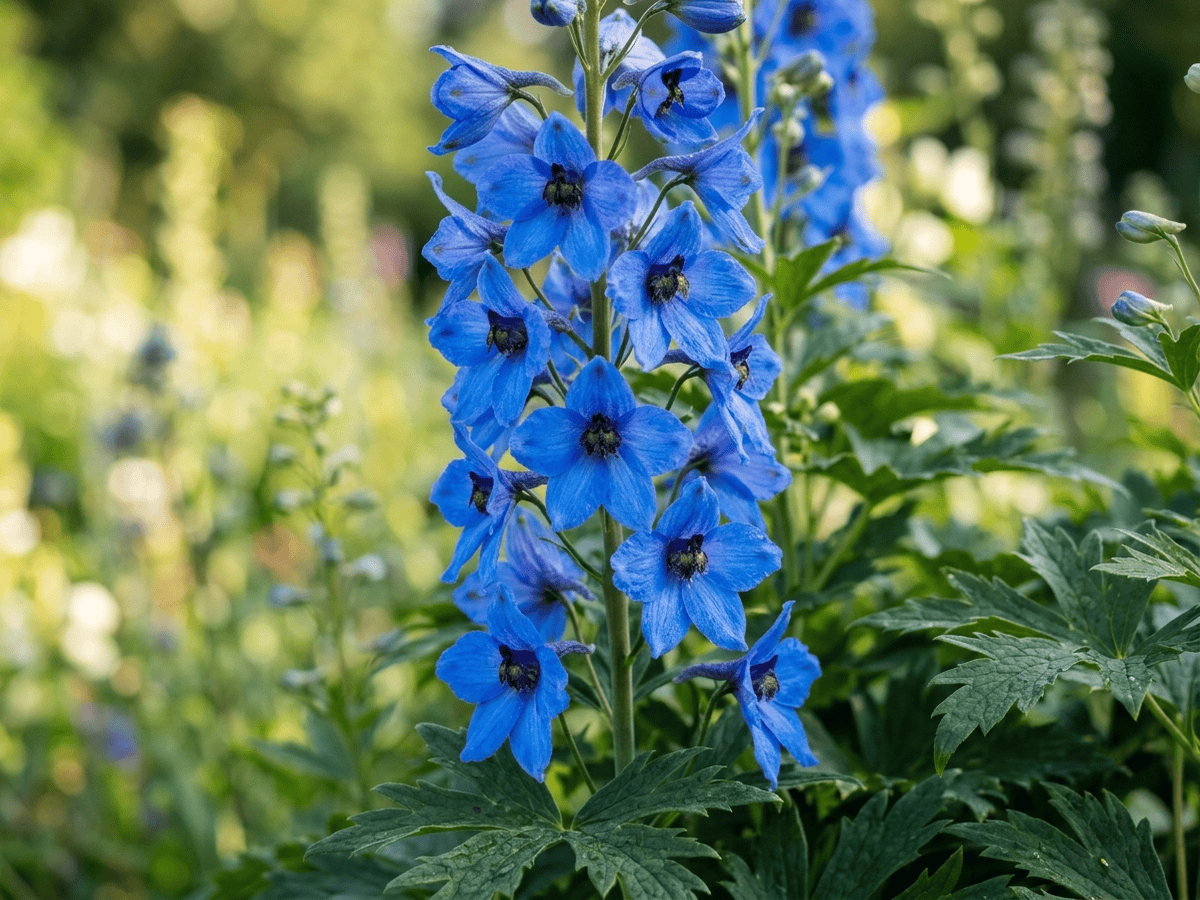
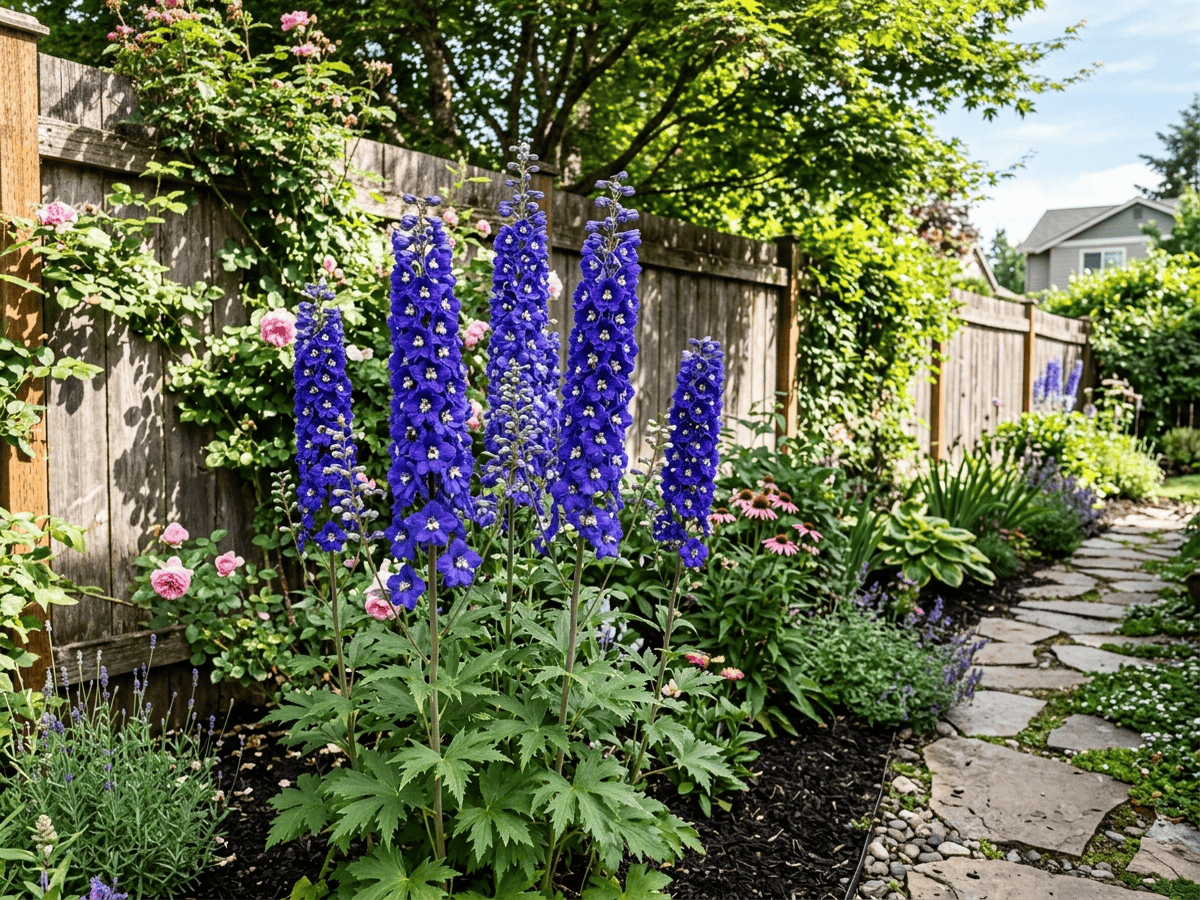
Delphinium elatum, the tall delphinium, produces spectacular spires of blue, purple, pink, or white flowers towering 1.5–2 meters tall — among the tallest and most dramatic perennial flowers. Native to European mountains, the true blue color is unmatched in the garden world. Each floret has a distinctive backward-pointing spur. Pacific Giant and New Millennium hybrids offer the largest flowers. Delphiniums demand cool, moist summers and struggle in hot climates. They require staking and rich soil with excellent drainage. Despite being high-maintenance, their impact is unrivaled.
- Cut-flower
How to care for Alpine Larkspur
Watering
- Springevery 5 days
- Summerevery 3 days
- Fallevery 7 days
- Winterevery 21 days
Soil · Well-draining
- Top dressingPine bark mulch10%
- Main mixPotting soil + perlite 2:170%
- DrainageLECA / gravel20%
Never skip the drainage layer — standing water is the top cause of root rot.
FERTILIZER
Balanced Feed 14-14-14
An even feed covers all three needs at once, keeping leaves, roots and blooms moving together with nothing pushed out of balance.
- Nitrogen · Leaves
- Phosphorus · Roots + Blooms
- Potassium · Strength
- Springevery 21 days
- Summerevery 21 days
At a Glance
- NativeEurope, Mediterranean, Western Asia
- Height4–7 ft (1.2–2.1 m)
- Spread1–3 ft (0.3–0.9 m)
- Flower colorBlue, Purple, White, Pink
- Foliage colorGreen
- SoilLoamy, Moisture-retentive, Rich
- LocationsYard
Bloom time
BLOOM CYCLE
Peak bloom
Jun–Aug
Stake tall spikes; cut back after first bloom for a second flush; needs cool summers
Fragrance
NO FRAGRANCE
No notable fragrance.
Toxicity
Humans Toxic · Pets Toxic
diterpenoid alkaloids (delphinine, methyllycaconitine) and anthranoyllycoctonine-type alkaloids
Toxic
- All
- Ingestion
EXPOSURE Eating any part of the plant.
EFFECT Burning mouth, vomiting, weakness, paralysis, respiratory failure and historically fatal to livestock and children.
NOTE Major livestock poisoning hazard on western US rangelands; young plants and seeds most toxic.
Toxic
- All
- Ingestion
EXPOSURE Eating any part of the plant.
EFFECT Muscle weakness, salivation, seizures, cardiac arrhythmia, death possible.
NOTE Major livestock poisoning hazard on western US rangelands; young plants and seeds most toxic.
Toxic
- All
- Ingestion
EXPOSURE Eating any part of the plant.
EFFECT Muscle weakness, salivation, seizures, cardiac arrhythmia.
NOTE Major livestock poisoning hazard on western US rangelands; young plants and seeds most toxic.
Educational information, not medical or veterinary advice. If exposure is suspected, contact a doctor or veterinarian.
DISTRIBUTION

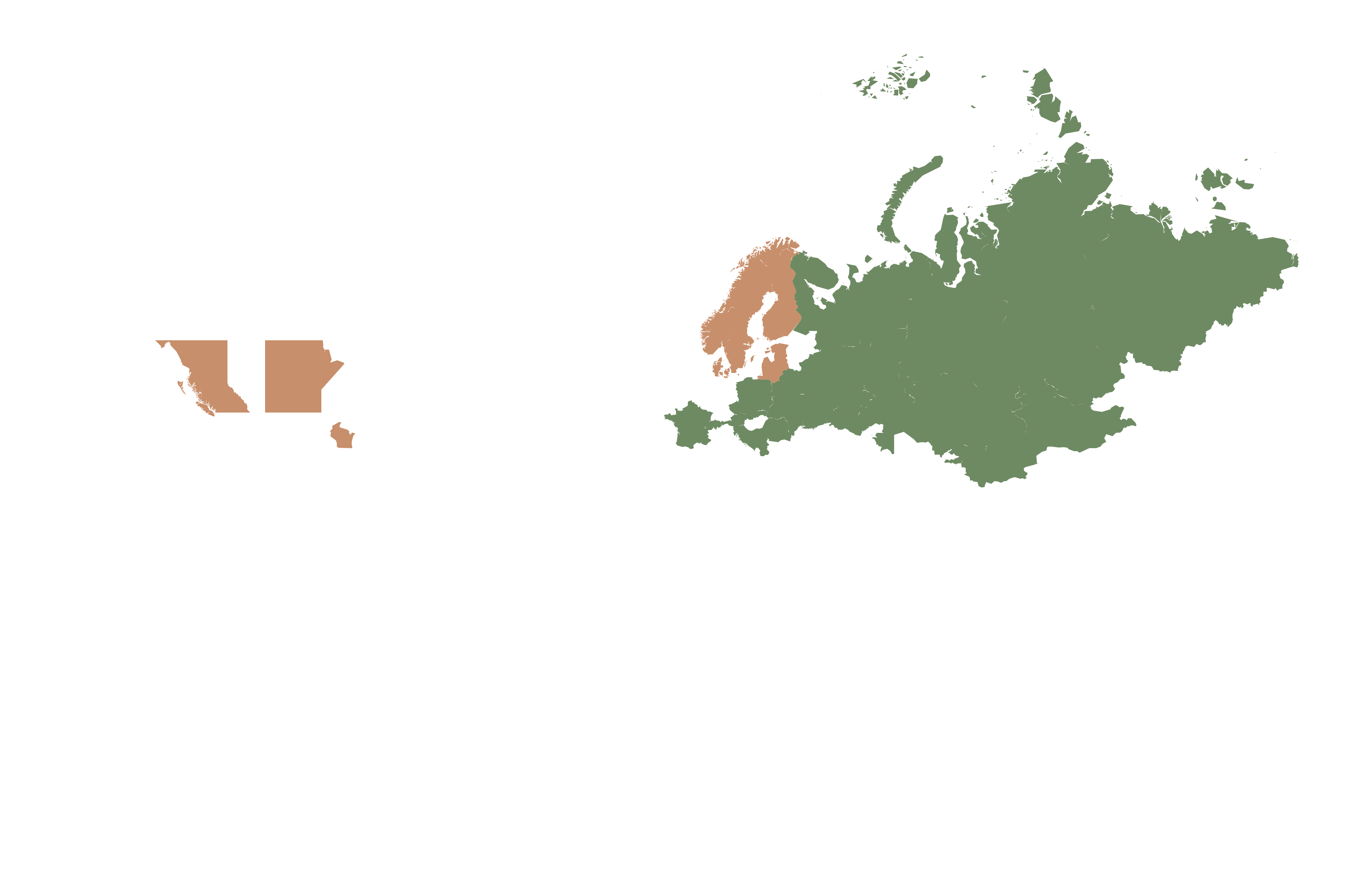
- Native
- Introduced
- Europe
- Mediterranean
- Western Asia
History
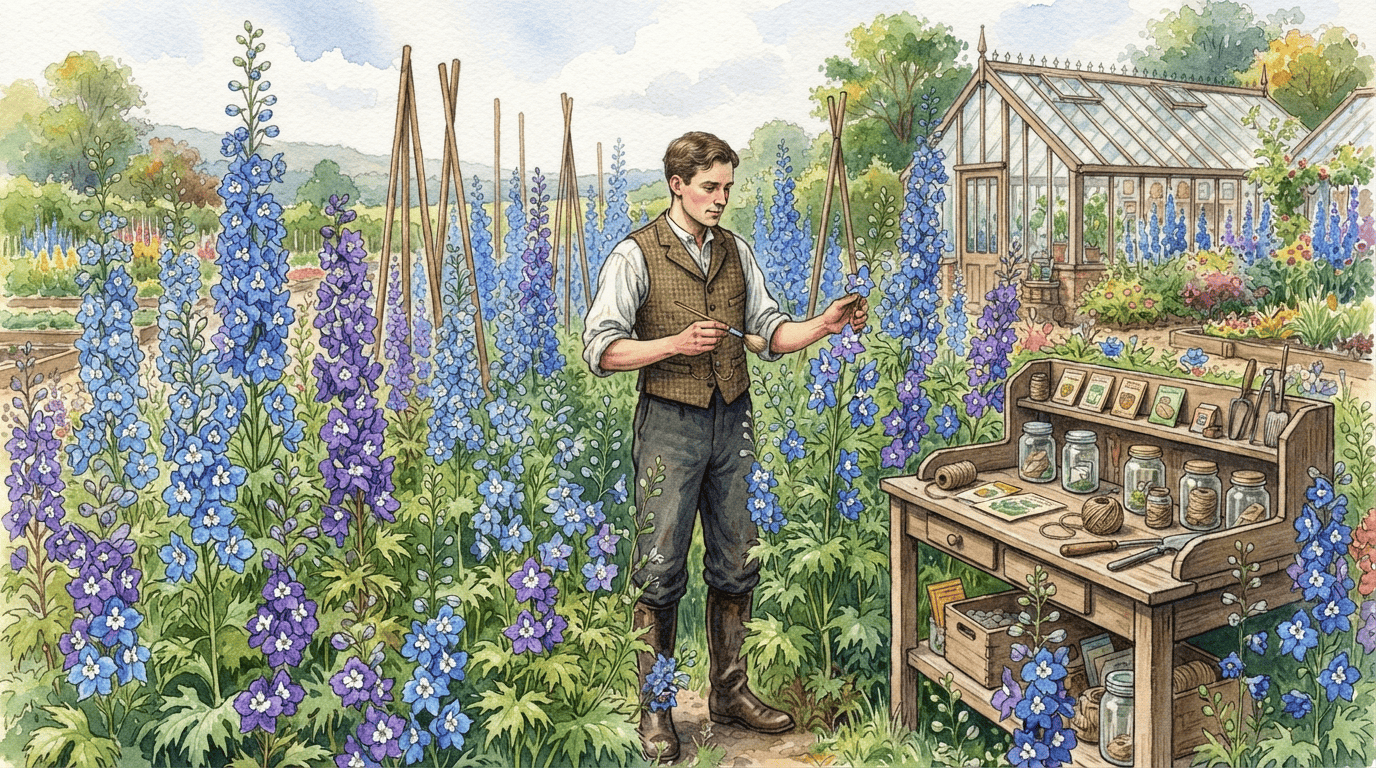
Delphinium elatum is native to the subalpine meadows of Eurasia, from the Pyrenees through the Alps to Siberia. It entered European gardens by the late 16th century but was transformed in the 19th by British breeders — most famously Kelway's of Langport (Somerset) and Blackmore & Langdon of Bath, founded in 1901. These firms produced the "Elatum Group" hybrids, developing the now-iconic six-foot sky-blue and violet spires with contrasting white or black "bees" (central eyes).
The cottage border at Gertrude Jekyll's Munstead Wood relied on them for height and structure. American breeder Frank Reinelt developed the "Pacific Giants" strain in California in the 1930s, adapting the genetics to warmer climates. All parts are highly toxic due to diterpenoid alkaloids.
Delphiniums take their name from the Greek 'delphis' (dolphin), as the flower bud was thought to resemble a dolphin. The genus has a dark side — Delphinium species are the leading cause of livestock poisoning on Western US rangelands, killing thousands of cattle annually through the neurotoxic alkaloid delphinine. The more recent New Millennium series from New Zealand's Dowdeswell's Delphiniums offer improved heat tolerance and sturdier stems.
Symbolism & meaning
What It Symbolizes
Alpine Larkspur lifts its blue spires high above the summer border, and so its meaning is heavenly, an aspiration toward the divine written in flower form. The deep, sky-reaching blue is rare among garden flowers, lending the plant a quality closer to stained glass than to ordinary bloom. In the cottage tradition, delphinium is the cathedral plant of the perennial bed, drawing the eye upward and lending even a modest garden a sense of vertical, almost sacred ambition.
- Heavenly — Its sky-reaching blue spires represent aspiration toward the divine
Where the Name Comes From
The name Alpine Larkspur points to mountain habitats. Delphinium from Greek 'delphis' (dolphin), as the bud shape resembles a leaping dolphin. Elatum means 'tall.'
Uses & Fun Facts
- Towering blue spires anchor formal cottage bouquets
- Statuesque flower columns dominate summer borders
Related plants
Plants with similar care
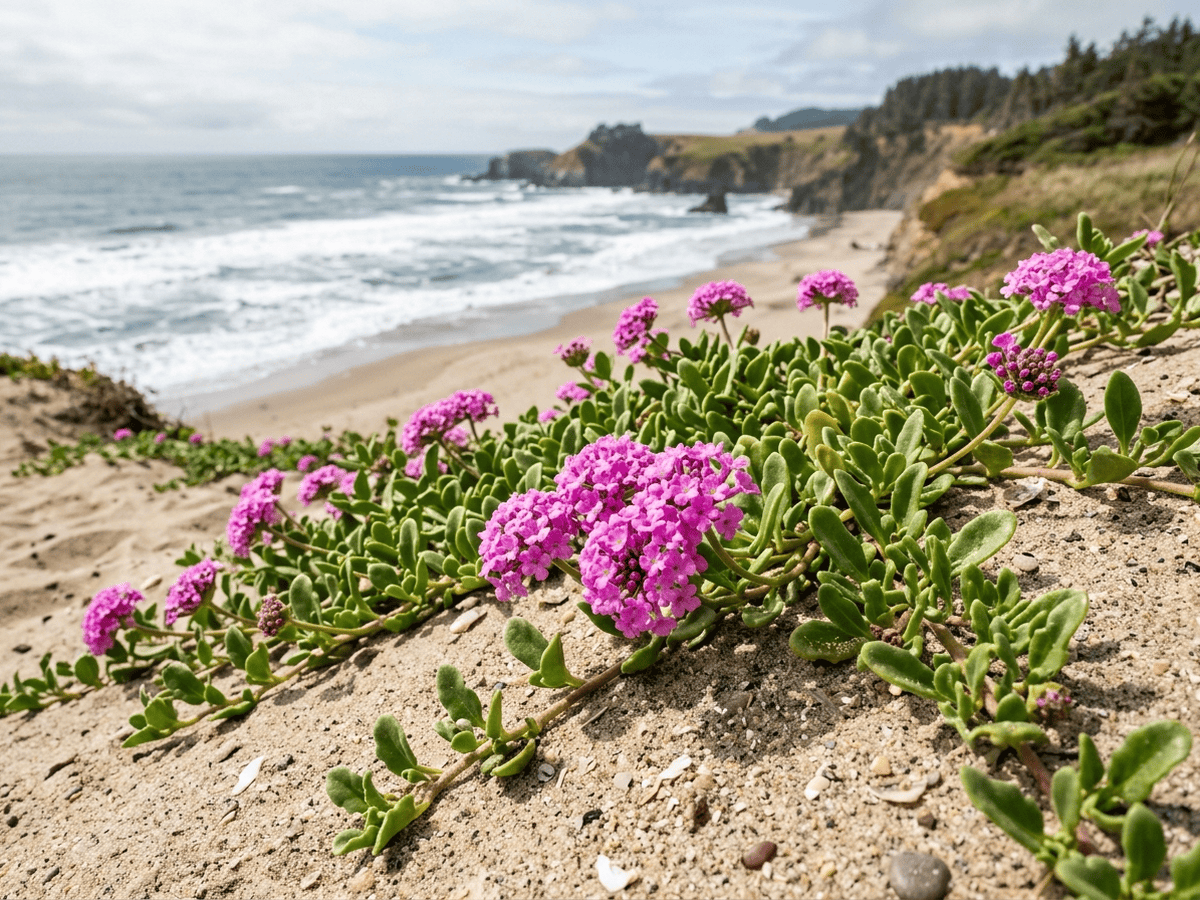 Pink Sand VerbenaAbronia umbellata
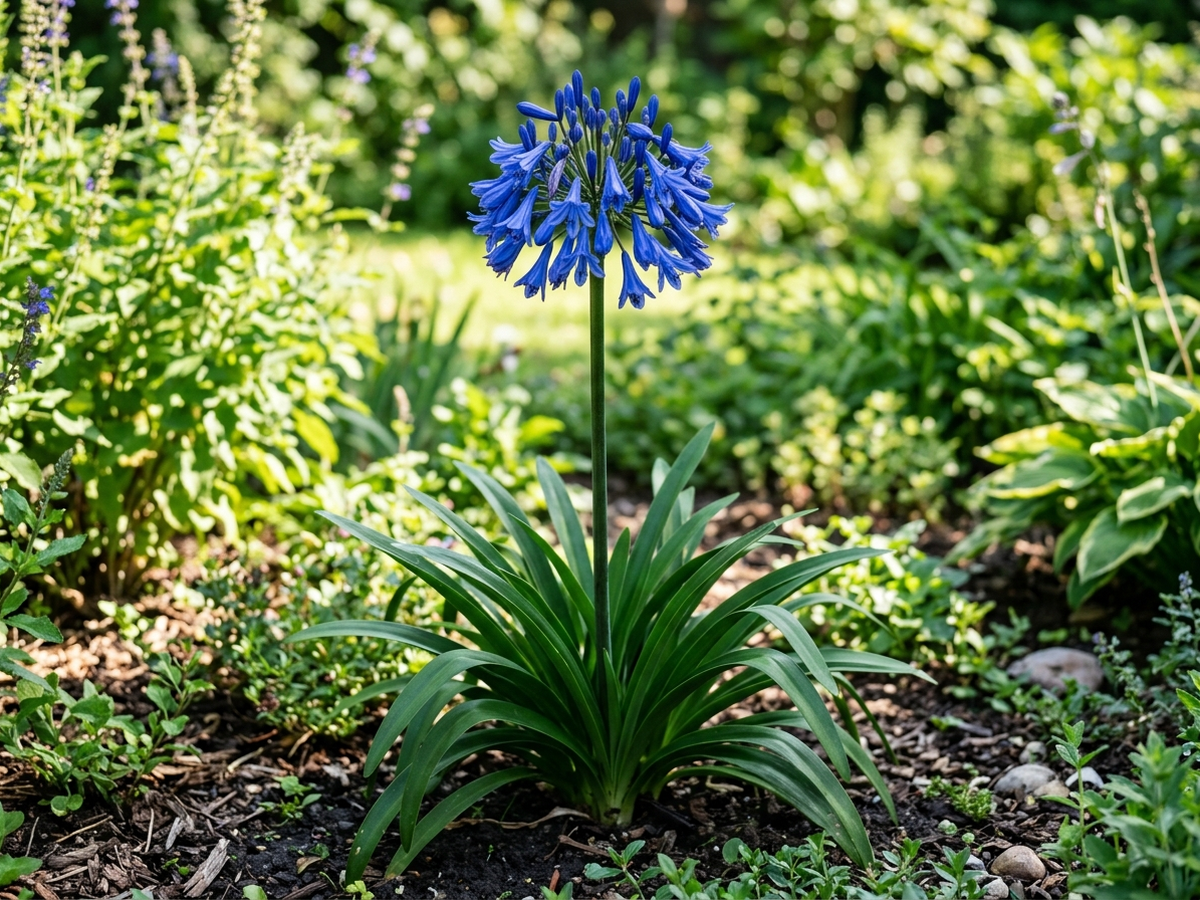 Drooping AgapanthusAgapanthus inapertus
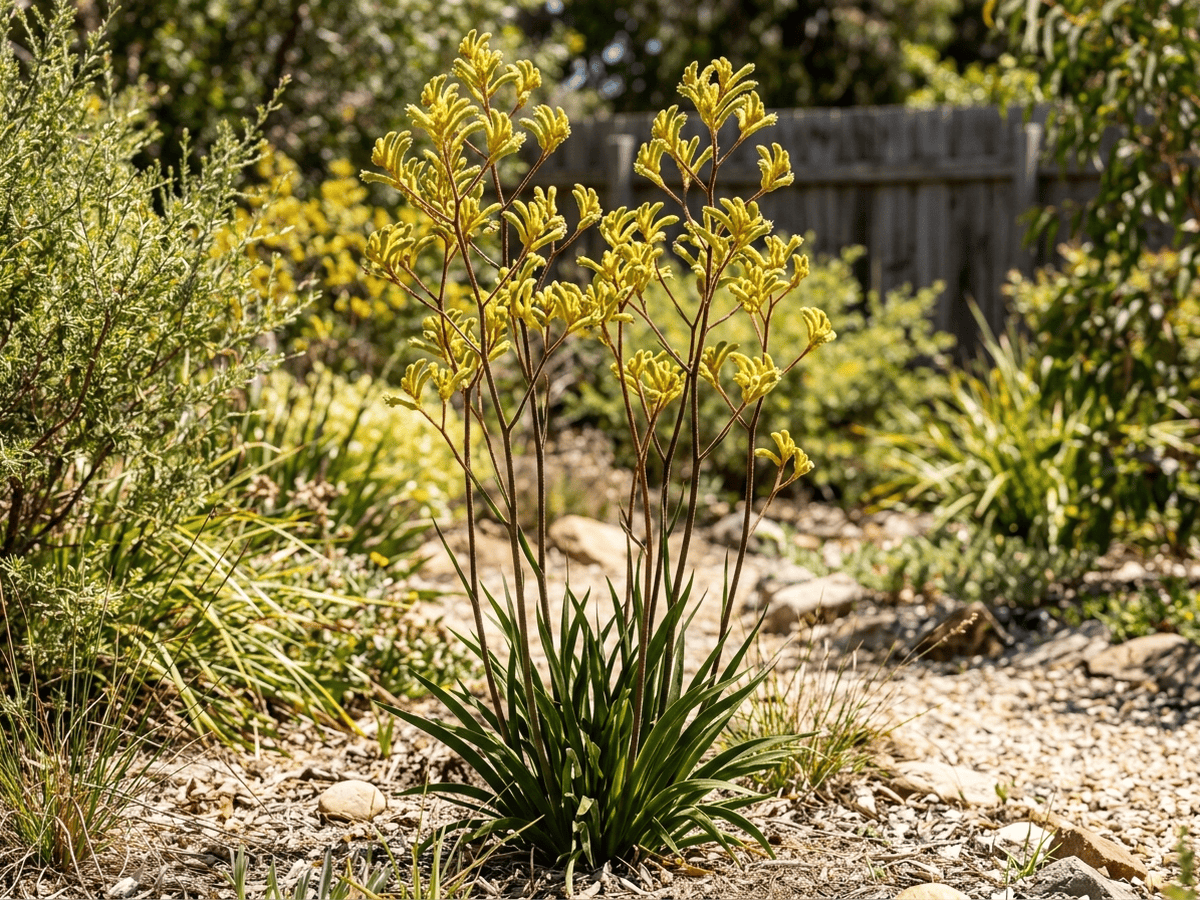 Tall Kangaroo PawAnigozanthos flavidus
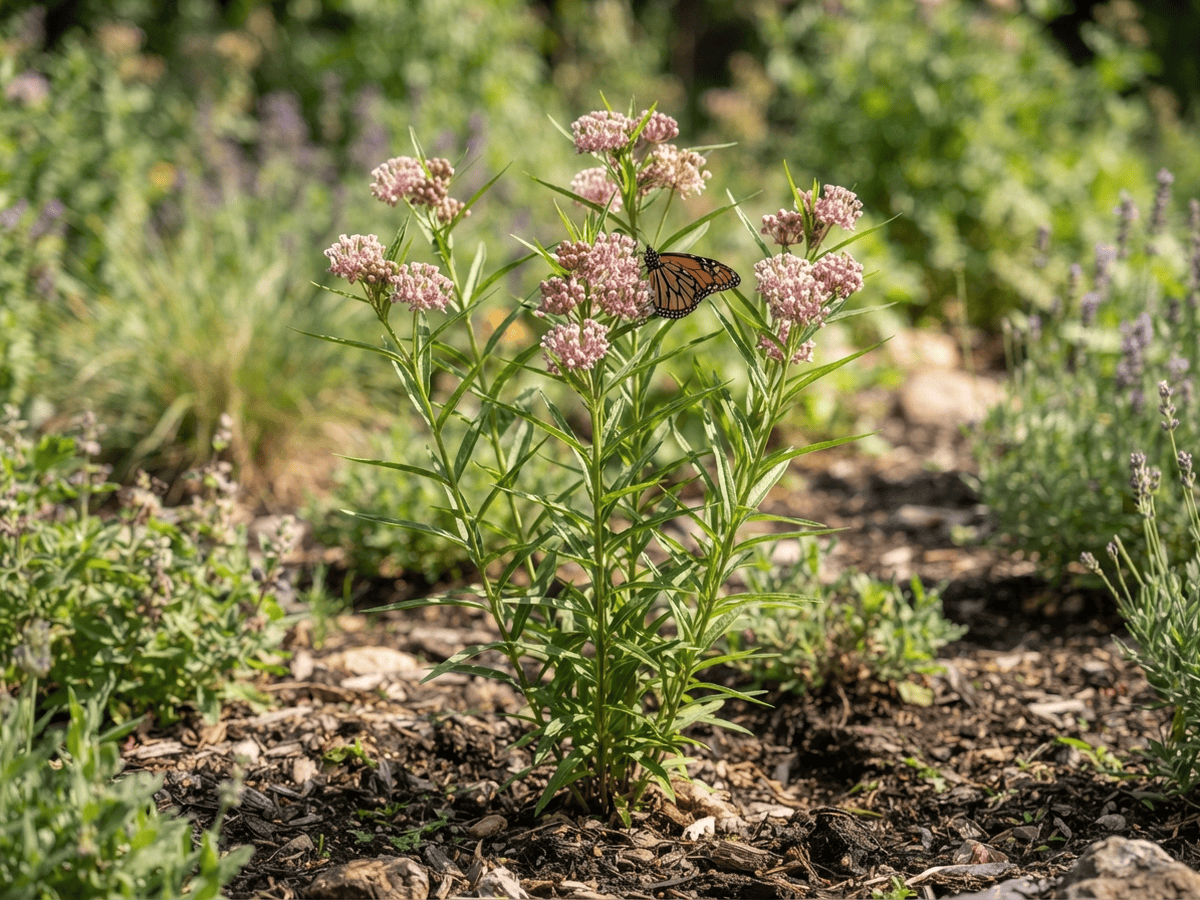 Narrowleaf MilkweedAsclepias fascicularis
Frequently asked questions
How often should I water Alpine Larkspur?
In summer, water about every 3 days; in winter, about every 21 days. Adjust for heat, pot size and drainage.
How much light does Alpine Larkspur need?
Full sun: 6+ hrs direct. Watch the leaves — scorching or stretching means the light needs adjusting.
Is Alpine Larkspur toxic to cats or dogs?
Pets Toxic (Dogs Toxic · Cats Toxic) Educational information, not medical or veterinary advice. If exposure is suspected, contact a doctor or veterinarian.
Is Alpine Larkspur easy to grow?
It is considered challenging and rewards experienced growers.
When does Alpine Larkspur bloom?
It typically blooms Jun–Aug in the Northern Hemisphere.
YardMate
Identify any plant in seconds
Snap a photo — YardMate names the plant, diagnoses problems, and reminds you when to water.
Download on the App Store