 YardMate
Carolina Ponysfoot
Dichondra carolinensis
Hard · Experienced growersAbout Carolina Ponysfoot
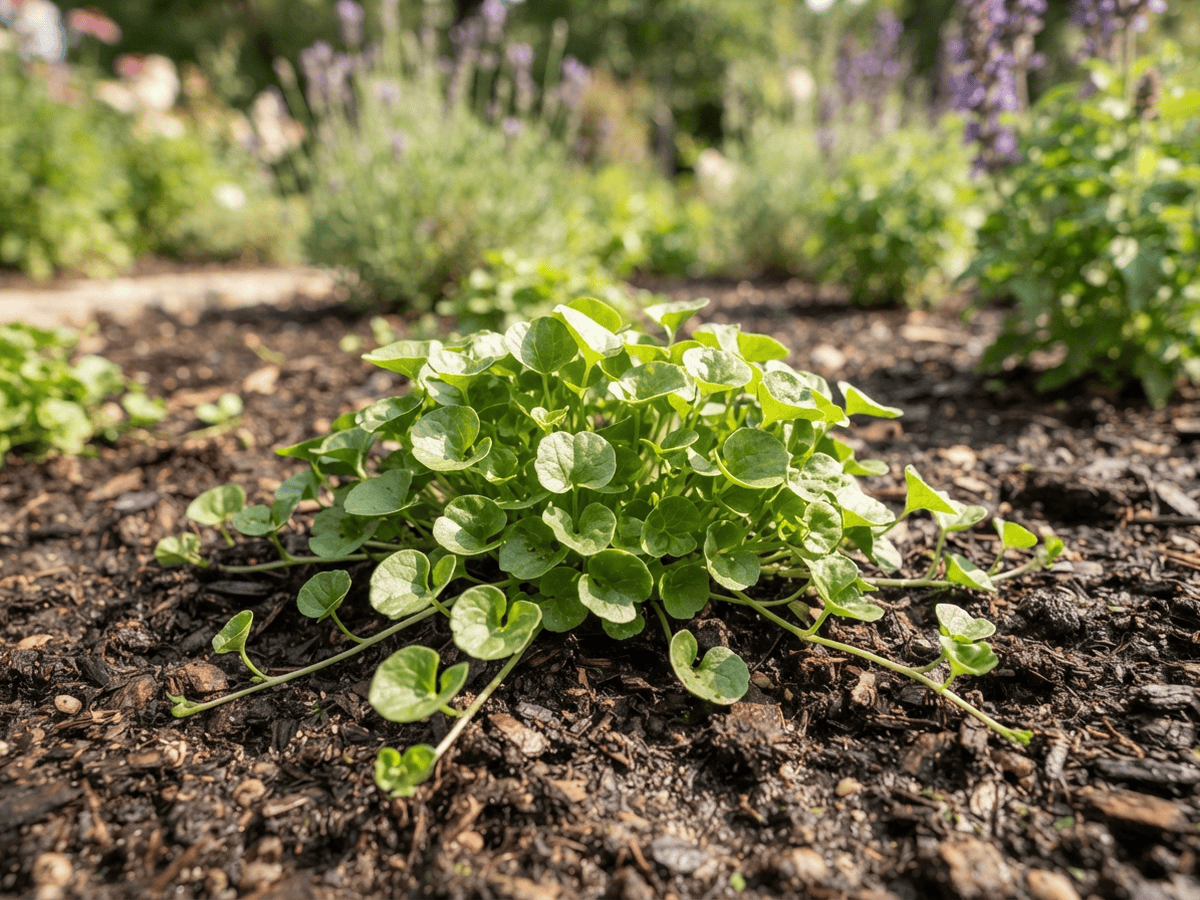
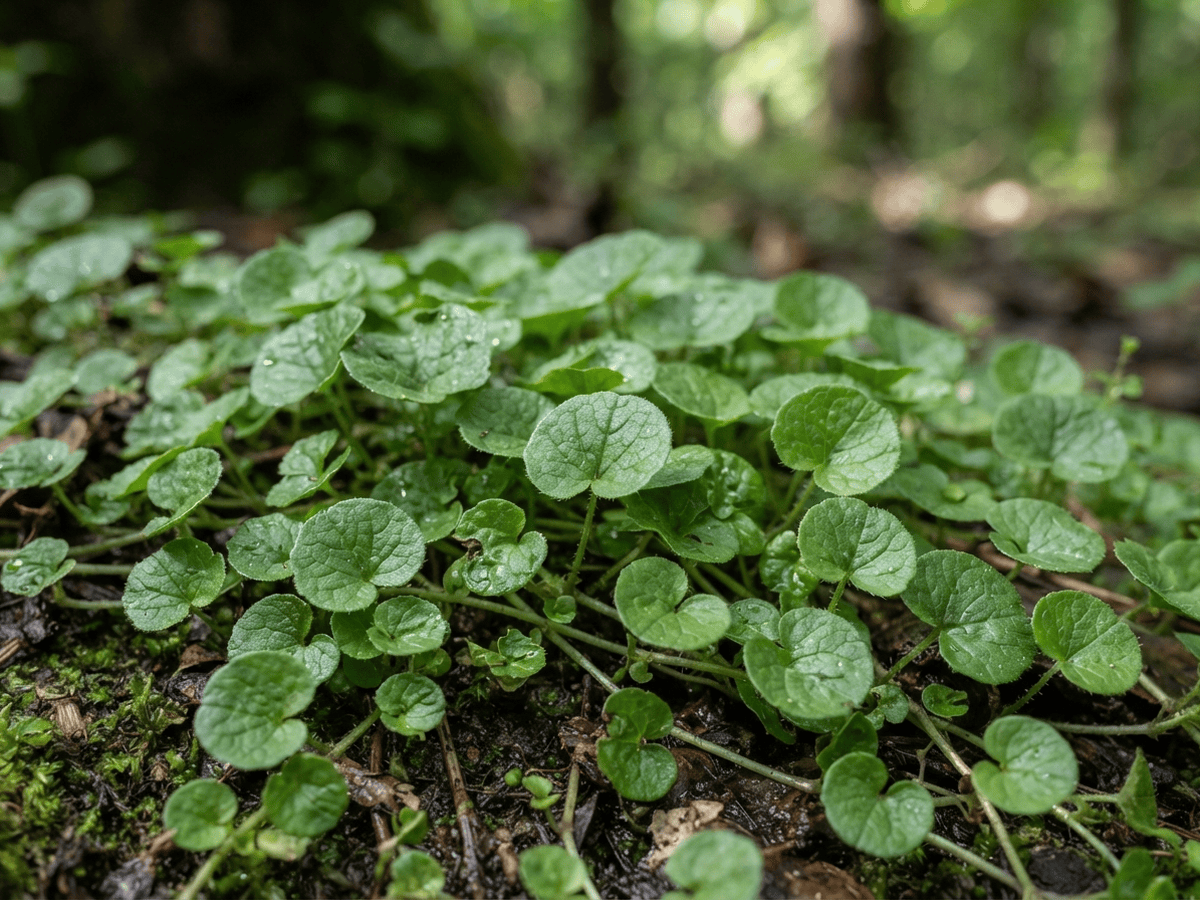
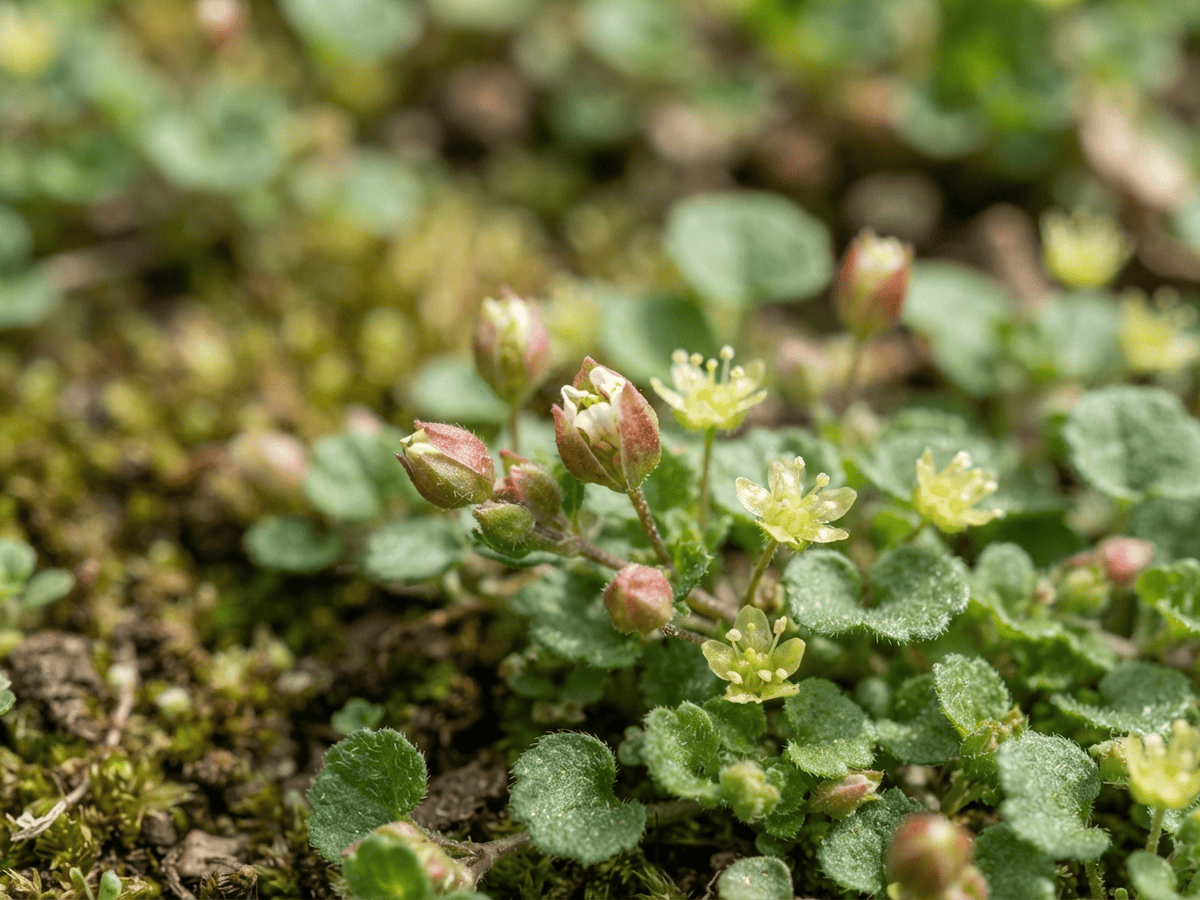
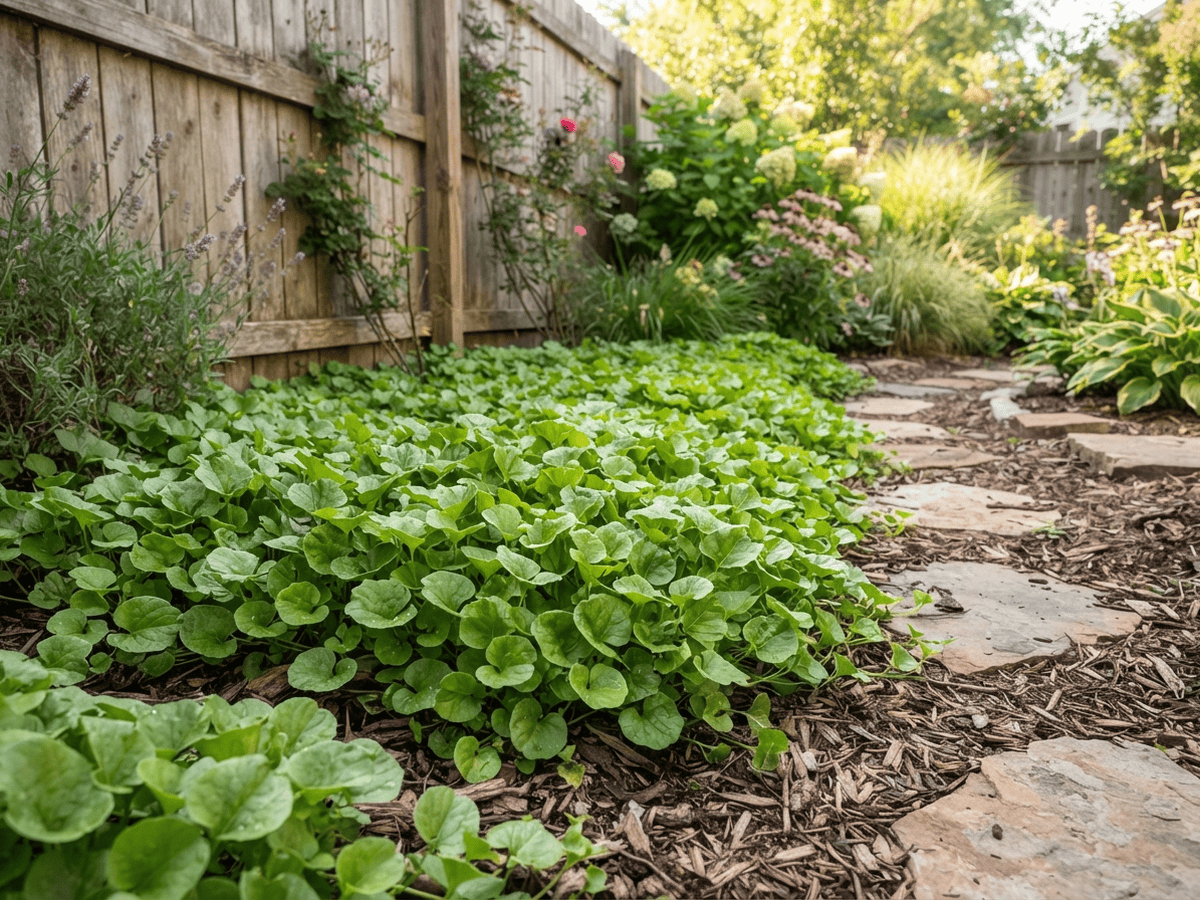
Carolina Ponysfoot forms a dense, low mat of tiny round to kidney-shaped leaves carried on thread-fine, trailing stems that root wherever they touch moist soil, quickly knitting together into a smooth green carpet only inches tall. Native to the southeastern United States and warm regions of the Americas, it spreads readily in the damp, partly shaded conditions where traditional turfgrass often struggles, tolerating occasional foot traffic and light mowing. Its flowers are tiny, pale, and easy to miss, tucked low among the foliage. Grown as a lawn substitute, living mulch, or filler between stepping stones, it needs little more than regular moisture to spread into a soft, weed-suppressing groundcover.
- Spreading
- Fast-growing
- Shade-tolerant
- Evergreen
How to care for Carolina Ponysfoot
Watering
- Springevery 7 days
- Summerevery 5 days
- Fallevery 14 days
- Winterpause watering
Soil · Well-draining
- Top dressingPine bark mulch10%
- Main mixPotting soil + perlite 2:170%
- DrainageLECA / gravel20%
Never skip the drainage layer — standing water is the top cause of root rot.
FERTILIZER
Foliage Feed 24-8-16
Nitrogen leads so the plant spends its energy on dense green growth. Phosphorus and potassium follow just far enough to keep roots and stems up to speed.
- Nitrogen · Leaves
- Phosphorus · Roots + Blooms
- Potassium · Strength
- Springevery 30 days
- Summerevery 30 days
- Fallevery 30 days
At a Glance
- NativeNorth America
- Height0.1–0.5 ft (0–0.2 m)
- Spread1–3 ft (0.3–0.9 m)
- Foliage colorGreen
- SoilWell-drained, Moist
- LocationsYard · Patio
Toxicity
No toxicity has been reported for this plant. Still, it is wise to keep pets from chewing on any houseplant.
Educational information, not medical or veterinary advice. If exposure is suspected, contact a doctor or veterinarian.
DISTRIBUTION


- Native
- Introduced
- North America
History
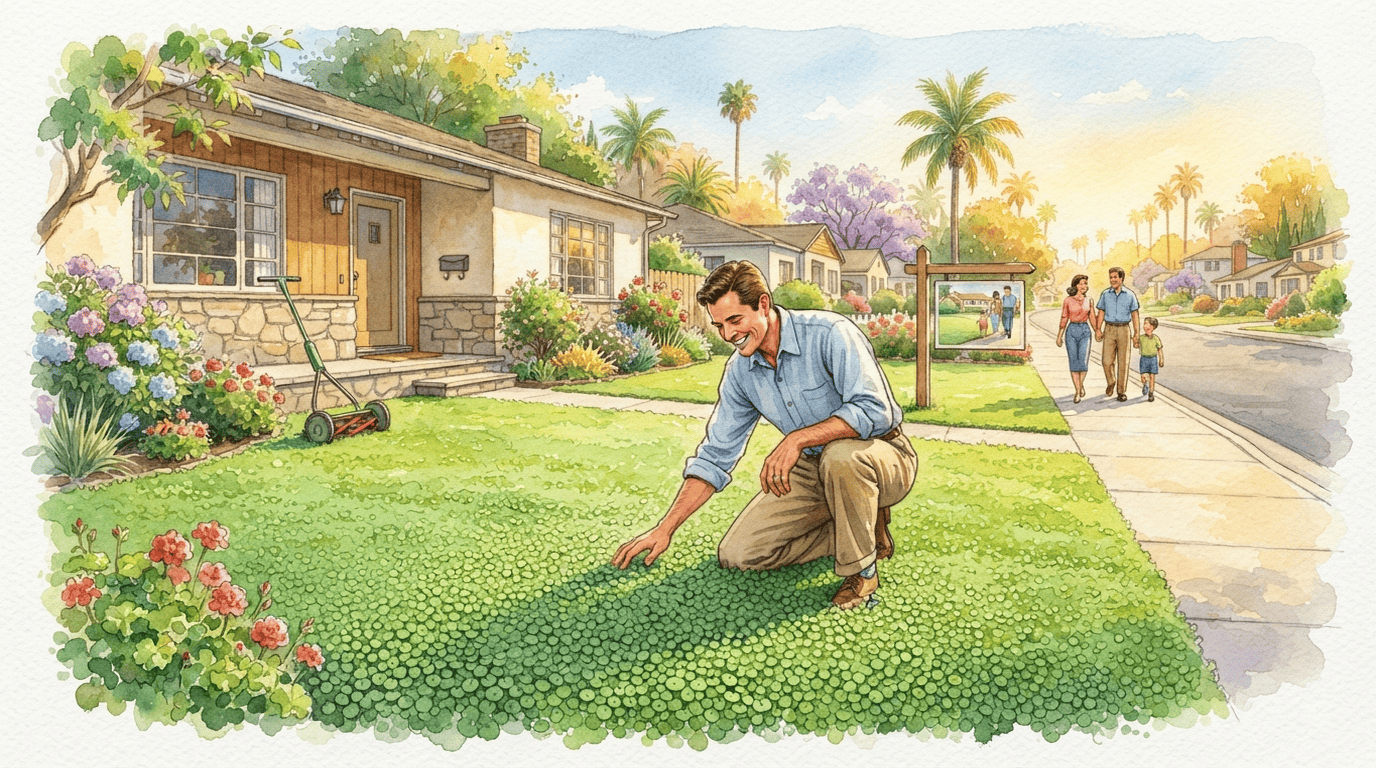
In the middle decades of the twentieth century, ground covers in this genus became an unlikely suburban fashion. As postwar homebuilding spread across California and the warmer parts of the United States, homeowners looking for an alternative to conventional turfgrass discovered that a dichondra lawn, soft, dense, and a rich uniform green, could be mowed far less often than grass and still look immaculate. Nurseries marketed dichondra seed and sod as the modern, low-maintenance lawn of the future, and it became a common sight in front yards across warmer American suburbs through the 1950s and 1960s. The fashion did not last. Dichondra lawns proved thirstier than expected and highly vulnerable to flea beetles and cutworms, pests capable of shredding a lawn within days, and as water restrictions tightened during recurring droughts, the maintenance-free reputation gave way to a reputation for trouble. Many homeowners returned to conventional turfgrass or turned to drought-tolerant landscaping instead, and dichondra lawns gradually faded from suburban fashion in the decades that followed. This particular species, native to the warm, humid Southeast rather than the drier West Coast, has fared better in its home range, still valued today in shaded, damp corners of the yard where turfgrass thins out, doing quietly what it always did before anyone tried to turn it into a lawn.
Symbolism & meaning
What It Symbolizes
Carolina Ponysfoot never asks to be noticed. Its flowers are tiny and easy to miss, and its greatest moment of fame, as the trendy dichondra lawn of mid-century suburbs, came and went while the plant itself simply kept doing what it always had: knitting a quiet green mat close to the ground. That understated persistence, unbothered by whether anyone is watching, has made it a fitting emblem of humility.
- Humility — Once marketed as the height of suburban lawn fashion and then quietly abandoned, this groundcover has come to represent modesty and quiet persistence, thriving out of the spotlight long after the trend around it passed.
Where the Name Comes From
The genus name Dichondra comes from the Greek di, meaning two, and chondros, meaning grain, describing the plant's small fruit, which splits into two distinct rounded lobes like a pair of tiny seeds. The species name carolinensis marks the Carolinas, part of the plant's native range in the southeastern United States.
Uses & Fun Facts
- Grown as a lawn substitute and living mulch that forms a dense, low green mat.
Related plants
More Dichondra plants

Plants with similar care
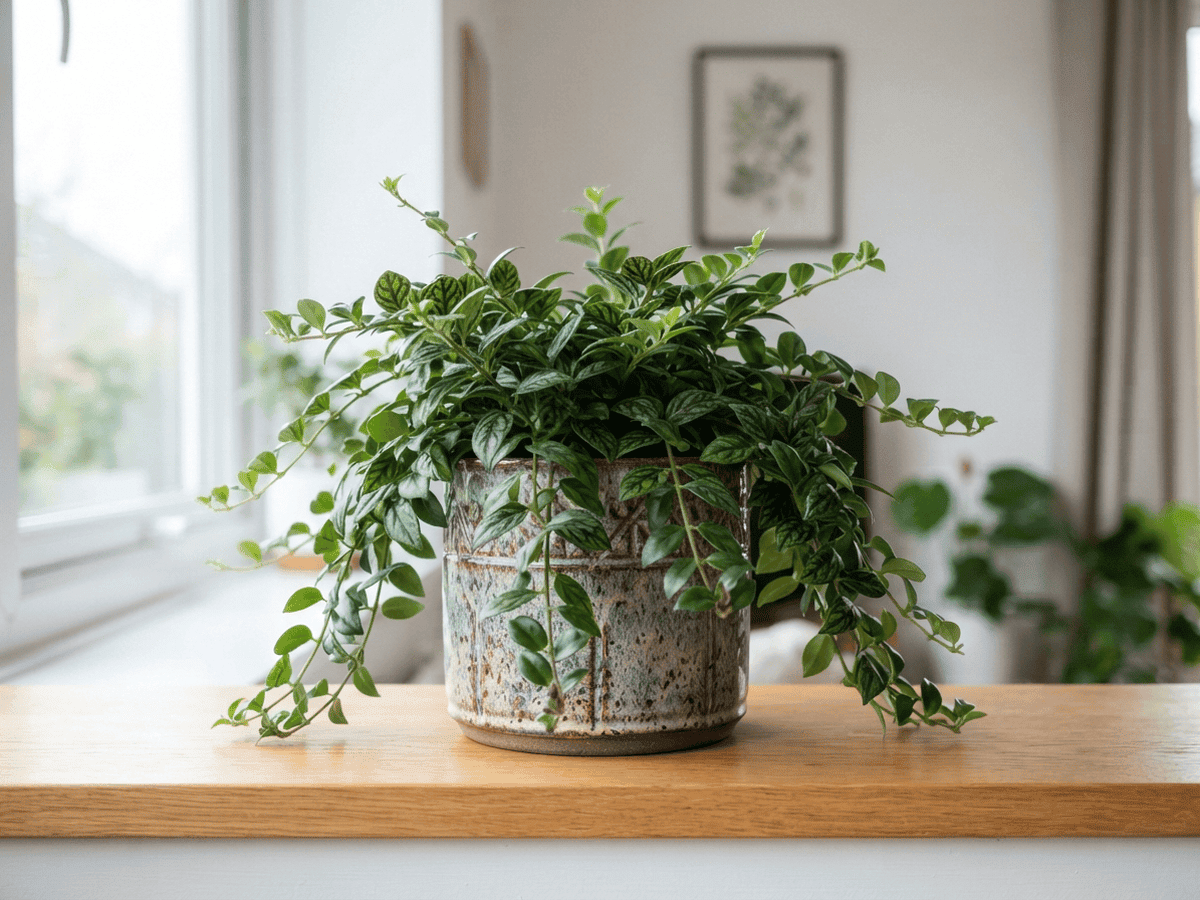 Lipstick PlantAeschynanthus longicaulis
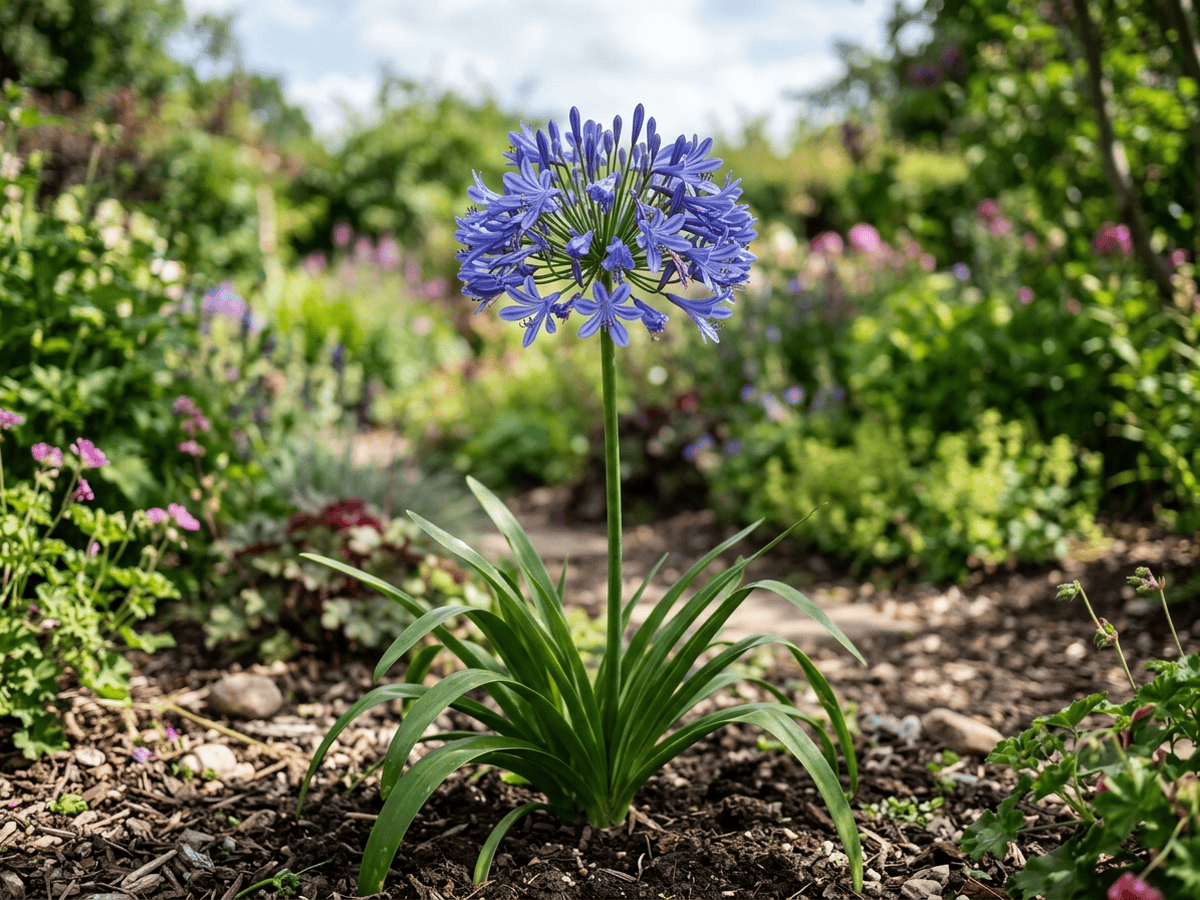 African LilyAgapanthus africanus
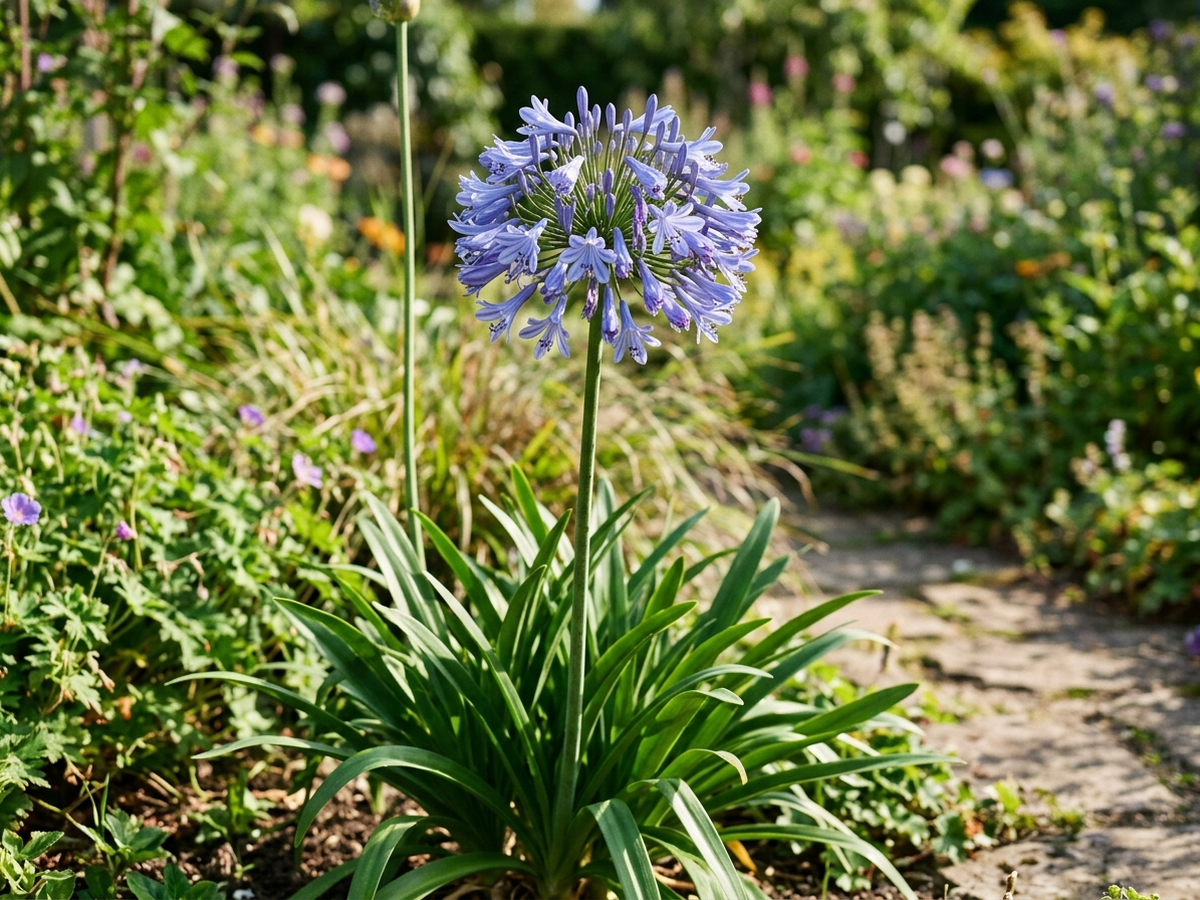 Bell AgapanthusAgapanthus campanulatus
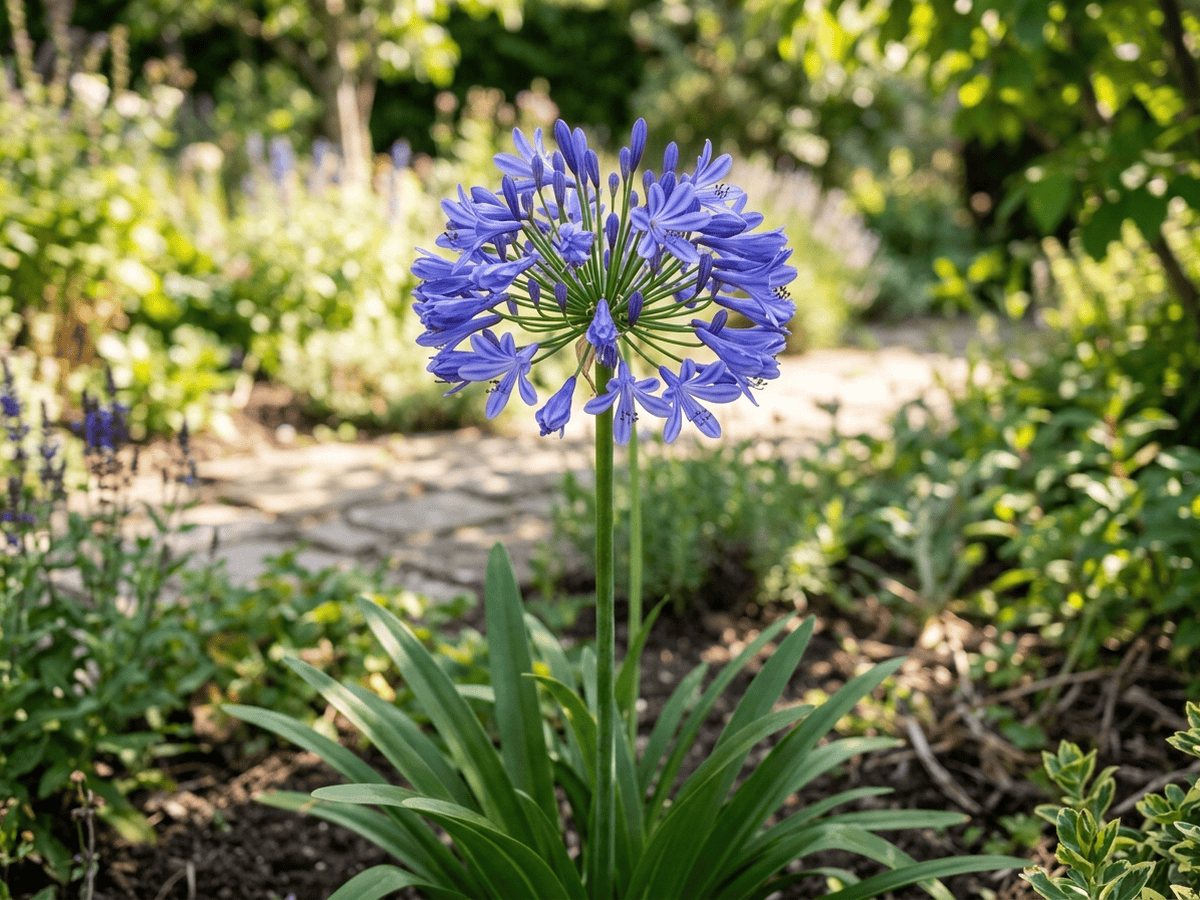 Common AgapanthusAgapanthus praecox
Frequently asked questions
How often should I water Carolina Ponysfoot?
Water about every 7 days during the growing season, and always let excess water drain away.
How much light does Carolina Ponysfoot need?
Part sun: 4–6 hrs direct. Watch the leaves — scorching or stretching means the light needs adjusting.
Is Carolina Ponysfoot toxic to cats or dogs?
No toxicity has been reported for this plant. Still, it is wise to keep pets from chewing on any houseplant. Educational information, not medical or veterinary advice. If exposure is suspected, contact a doctor or veterinarian.
Is Carolina Ponysfoot easy to grow?
It is considered challenging and rewards experienced growers.
YardMate
Identify any plant in seconds
Snap a photo — YardMate names the plant, diagnoses problems, and reminds you when to water.
Download on the App Store