 YardMate


Kidney Weed
Dichondra repens
Easy · Beginner friendlyAbout Kidney Weed
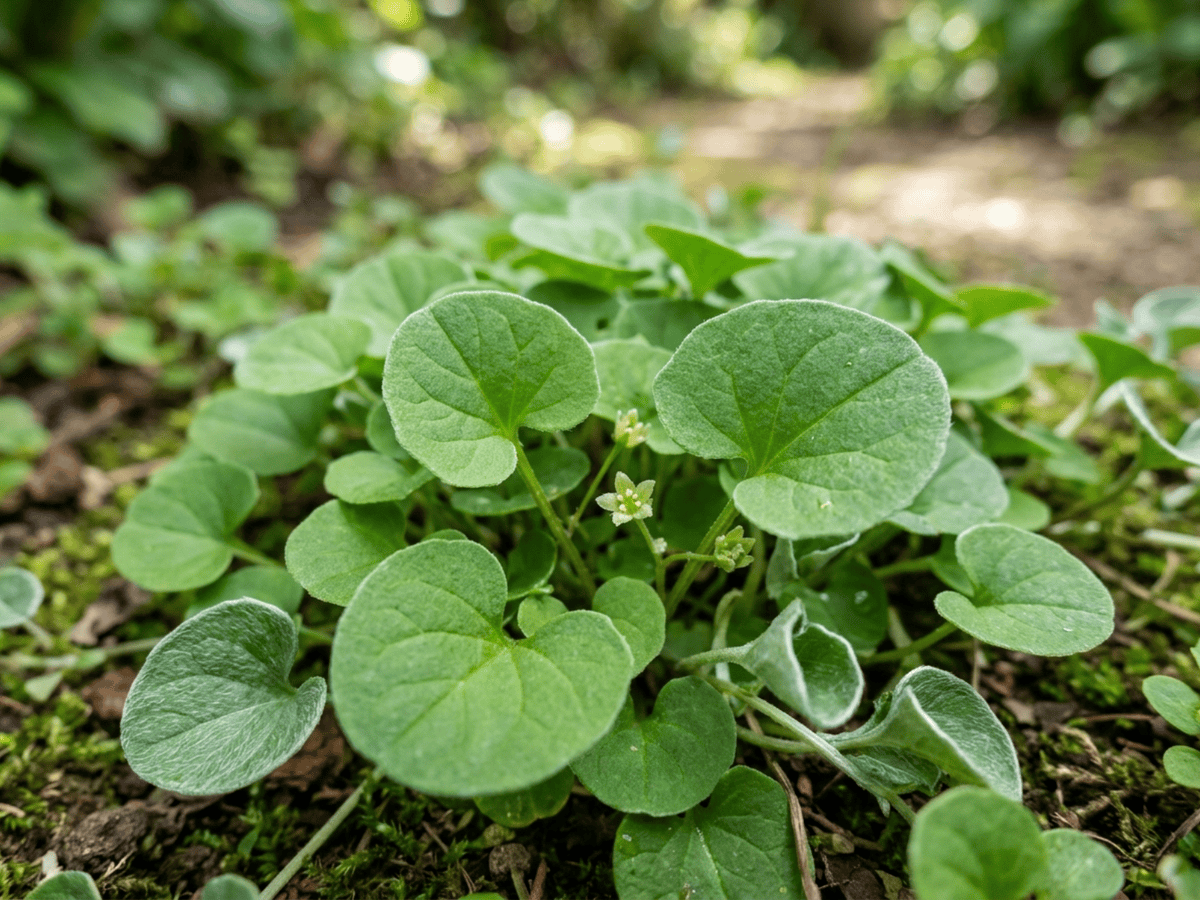
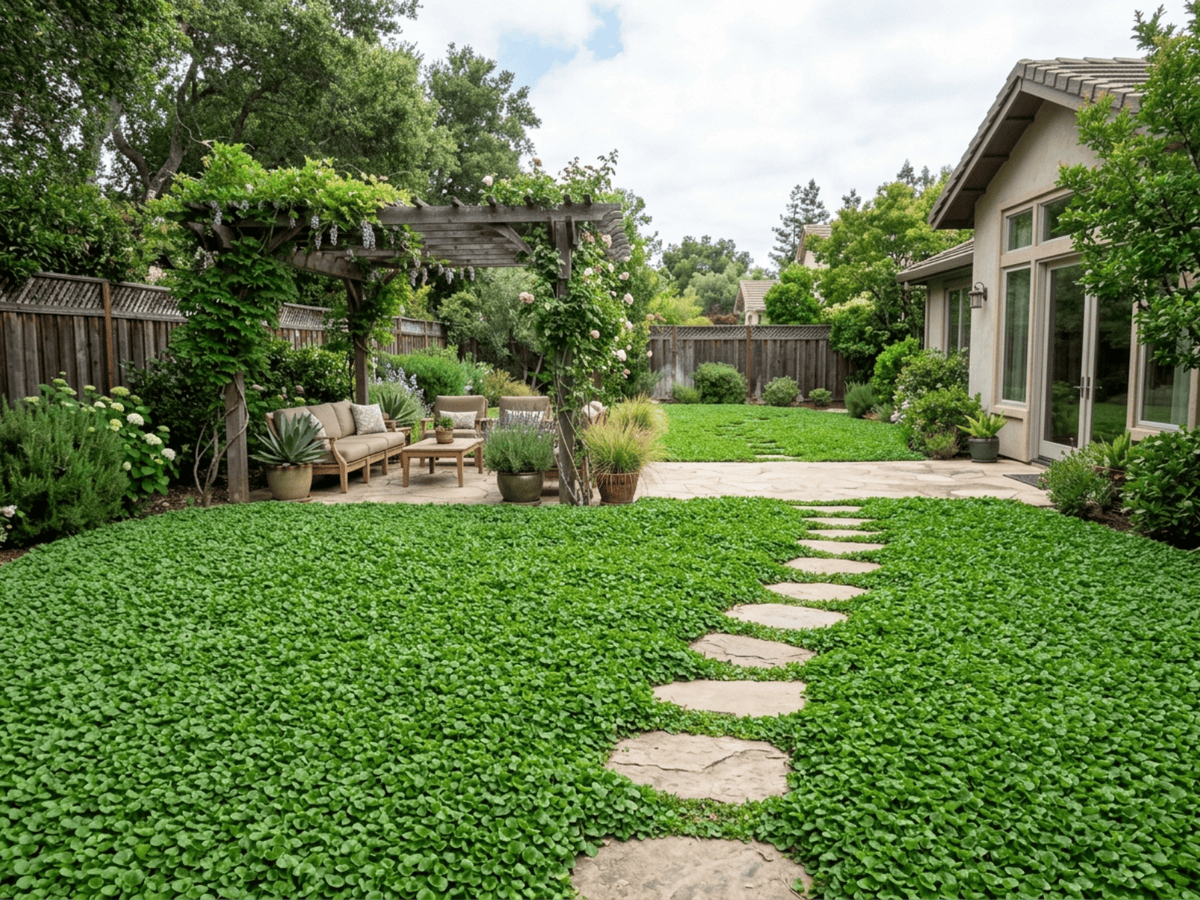
Dichondra repens, kidney weed or silver ponysfoot, is a low-growing creeping perennial native to many warm temperate and tropical regions worldwide. It forms a dense mat of small rounded kidney-shaped leaves just 3–5 centimeters tall, creating a soft emerald carpet that serves as an excellent lawn alternative in warm climates. It spreads by runners and roots at the nodes, filling in to form a smooth uniform surface that requires no mowing. Tiny inconspicuous greenish flowers appear in spring and summer but are hidden beneath the foliage. Dichondra thrives in partial shade to full sun and tolerates moderate foot traffic. It was enormously popular as a lawn substitute in southern California during the 1950s–70s and has recently seen a resurgence with the sustainable gardening movement. It does not tolerate cold winters or heavy frost. The cultivar 'Silver Falls' with silver-grey trailing foliage is a separate species (D. argentea) popular in containers.
- Groundcover
- Native
How to care for Kidney Weed
Watering
- Springevery 3 days
- Summerevery 2 days
- Fallevery 7 days
- Winterevery 21 days
Soil · Well-draining
- Top dressingPine bark mulch10%
- Main mixPotting soil + perlite 2:170%
- DrainageLECA / gravel20%
Never skip the drainage layer — standing water is the top cause of root rot.
FERTILIZER
Balanced Feed 14-14-14
An even feed covers all three needs at once, keeping leaves, roots and blooms moving together with nothing pushed out of balance.
- Nitrogen · Leaves
- Phosphorus · Roots + Blooms
- Potassium · Strength
- Springevery 45 days
- Summerevery 45 days
At a Glance
- NativeAustralasia
- Height0.1–0.3 ft (0–0.1 m)
- Spread1–3 ft (0.3–0.9 m)
- Flower colorWhite, Green
- Foliage colorGreen, Silver
- SoilWell-drained, Loamy, Sandy
- LocationsYard
Bloom time
BLOOM CYCLE
Peak bloom
Jun–Aug
Tiny inconspicuous flowers; grown entirely for its kidney-shaped foliage carpet
Fragrance
NO FRAGRANCE
No notable fragrance.
Toxicity
No toxicity has been reported for this plant. Still, it is wise to keep pets from chewing on any houseplant.
Educational information, not medical or veterinary advice. If exposure is suspected, contact a doctor or veterinarian.
DISTRIBUTION


- Native
- Australasia
History

Dichondra repens is native to Australia and New Zealand, growing as a low creeping prostrate perennial in moist open grassland and disturbed soil. Its kidney-shaped bright green leaves form a dense carpet 1-5 cm tall that tolerates light foot traffic. From the 1950s through the 1970s, California and US Southwest nurseries marketed dichondra as a premium "no-mow lawn" — planted by seed or plugs it produced a uniform bright-green carpet that required no mowing, creating a distinctive suburban Californian landscape aesthetic of the mid-20th century. However, dichondra lawns require substantial and regular irrigation and are vulnerable to weeds (without competition from close-growing turfgrass), flea-beetle damage, and heat stress.
From the 1980s onward their popularity declined sharply in favor of water-wise landscaping, and by the 2010s they were largely a historical curiosity. In modern horticulture, the closely related species D. argentea "Silver Falls" and D. micrantha are much more common — used as silvery trailing plants in hanging baskets, container plantings, and as accent groundcovers. Dichondra lawns became a hallmark of mid-century modern California living in the 1950s and 60s, featured in countless home magazines and real estate advertisements.
The promise of a mow-free lawn attracted suburban homeowners, and at its peak dichondra seed outsold grass seed in southern California. Flea beetle infestations and the rise of synthetic lawns reduced its popularity in the 1980s, but the sustainable gardening movement has brought it back. In New Zealand and Australia, where it is native, it often grows wild in lawns and is sometimes considered a weed.
Symbolism & meaning
What It Symbolizes
Kidney Weed is a flower of Simplicity — a soft uniform carpet of small kidney-shaped leaves, asking only to be walked on gently. It also carries a quiet Freedom: a no-mow lawn alternative that releases a household from the long ritual of weekend mowing. Less labor, more living green underfoot.
- Simplicity — its uniform soft carpet embodies understated natural beauty
- Freedom — a no-mow lawn representing liberation from endless yard maintenance
Where the Name Comes From
Dichondra from Greek 'dis' (two) and 'chondros' (grain), referring to the twin-lobed fruit capsules. Repens means 'creeping'.
Uses & Fun Facts
- Dense kidney-leaf mat used as walkable lawn alternative
- Bright green carpet softens paths and rock gardens
Related plants
More Dichondra plants
Plants with similar care
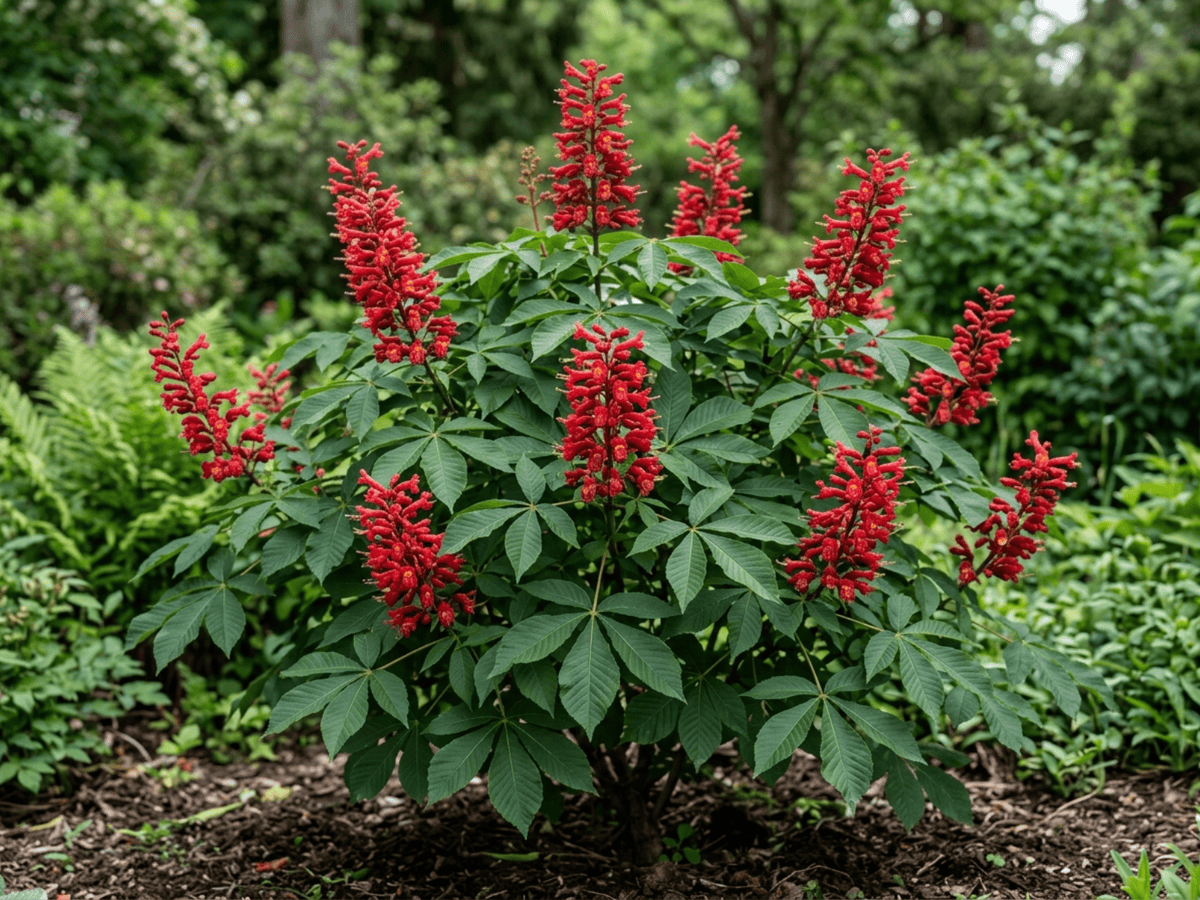 Red BuckeyeAesculus pavia
 Blue BugleAjuga genevensis
 Pyramidal BugleAjuga pyramidalis
 Carpet BugleAjuga reptans
Frequently asked questions
How often should I water Kidney Weed?
In summer, water about every 2 days; in winter, about every 21 days. Adjust for heat, pot size and drainage.
How much light does Kidney Weed need?
Part shade: 2–4 hrs direct. Watch the leaves — scorching or stretching means the light needs adjusting.
Is Kidney Weed toxic to cats or dogs?
No toxicity has been reported for this plant. Still, it is wise to keep pets from chewing on any houseplant. Educational information, not medical or veterinary advice. If exposure is suspected, contact a doctor or veterinarian.
Is Kidney Weed easy to grow?
Yes — it is considered an easy, beginner-friendly plant.
When does Kidney Weed bloom?
It typically blooms Jun–Aug in the Northern Hemisphere.
YardMate
Identify any plant in seconds
Snap a photo — YardMate names the plant, diagnoses problems, and reminds you when to water.
Download on the App Store