 YardMate


Smooth Crabgrass
Digitaria ischaemum
Easy · Beginner friendlyAbout Smooth Crabgrass
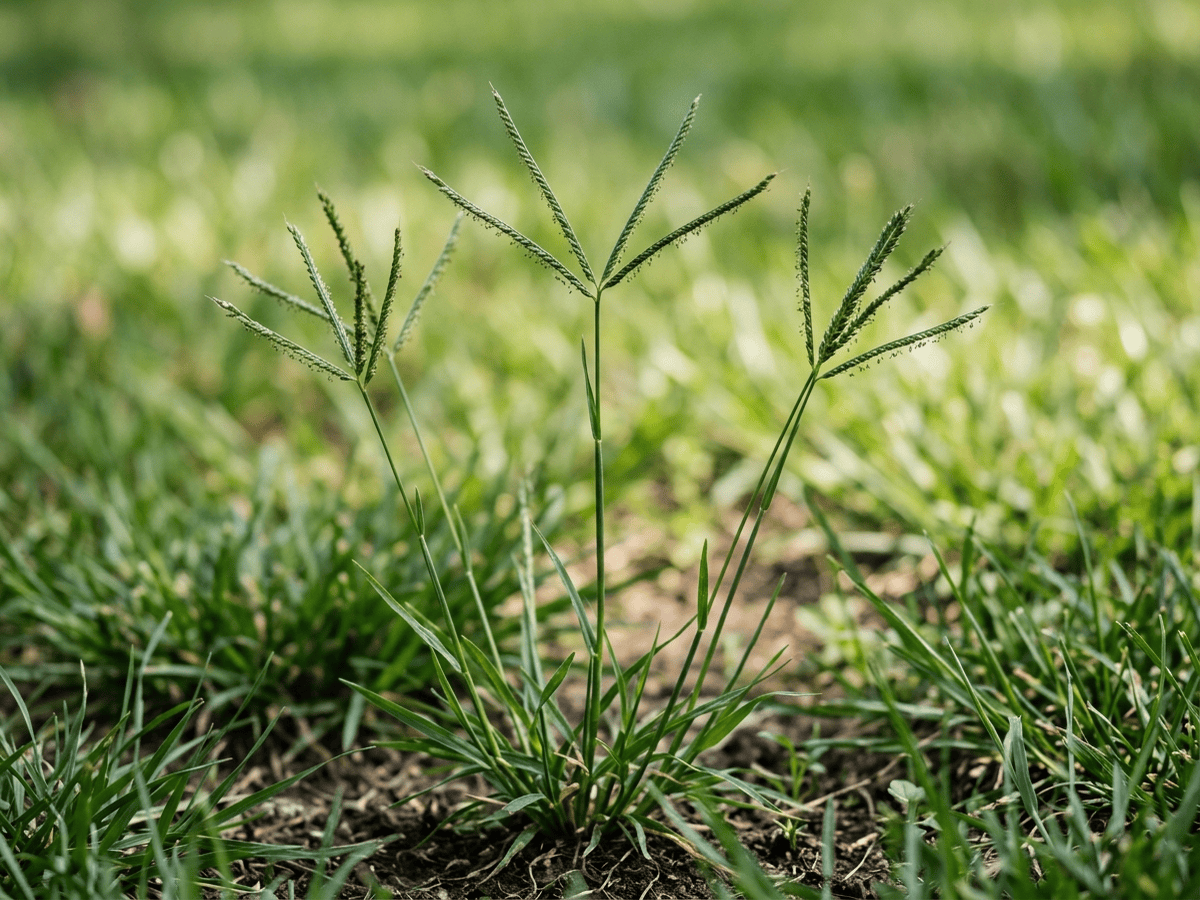
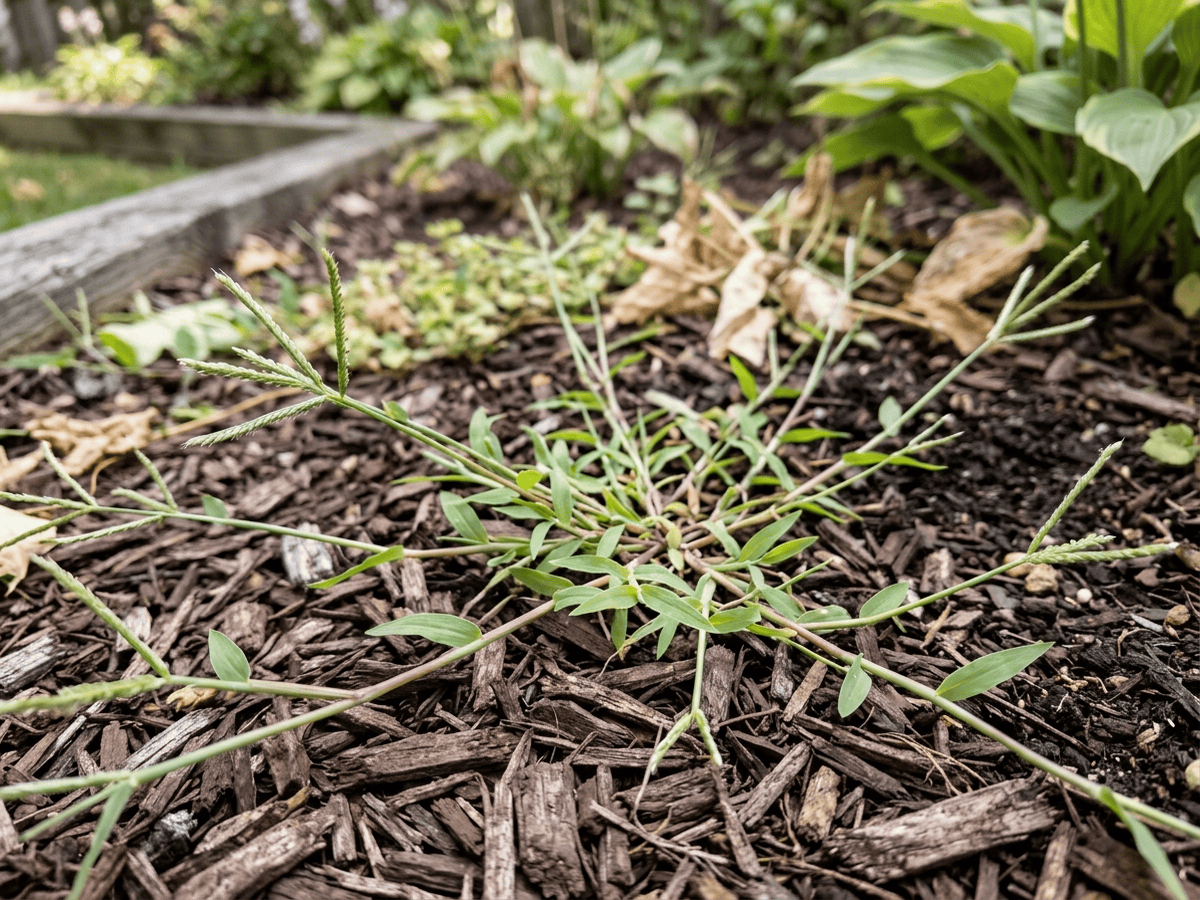
Smooth Crabgrass is the sister species to large crabgrass, a smaller warm-season annual grass naturalized across the US from its native Eurasia. Lacks the hairs of its cousin, forming lower flatter mats 4 to 10 inches tall with similar finger-like seed heads. Equally problematic in American lawns, especially in cool-season turfgrass in the northern states, and equally targeted by pre-emergent herbicides.
- Heat-tolerant
How to care for Smooth Crabgrass
Watering
- Springevery 14 days
- Summerevery 7 days
- Fallevery 14 days
- Winterpause watering
Soil · Well-draining
- Top dressingPine bark mulch10%
- Main mixPotting soil + perlite 2:170%
- DrainageLECA / gravel20%
Never skip the drainage layer — standing water is the top cause of root rot.
FERTILIZER
This plant needs little to no feeding.
At a Glance
- NativeEast Asia
- Height0.5–1.5 ft (0.2–0.5 m)
- Spread0.5–1 ft (0.2–0.3 m)
- Flower colorGreen, Purple
- Foliage colorGreen
- Fruit colorBrown
- SoilSandy, Well-drained
- LocationsYard
Bloom time
BLOOM CYCLE
Peak bloom
Jun–Sep
Finger-like seed heads late summer
Toxicity
No toxicity has been reported for this plant. Still, it is wise to keep pets from chewing on any houseplant.
Educational information, not medical or veterinary advice. If exposure is suspected, contact a doctor or veterinarian.
DISTRIBUTION

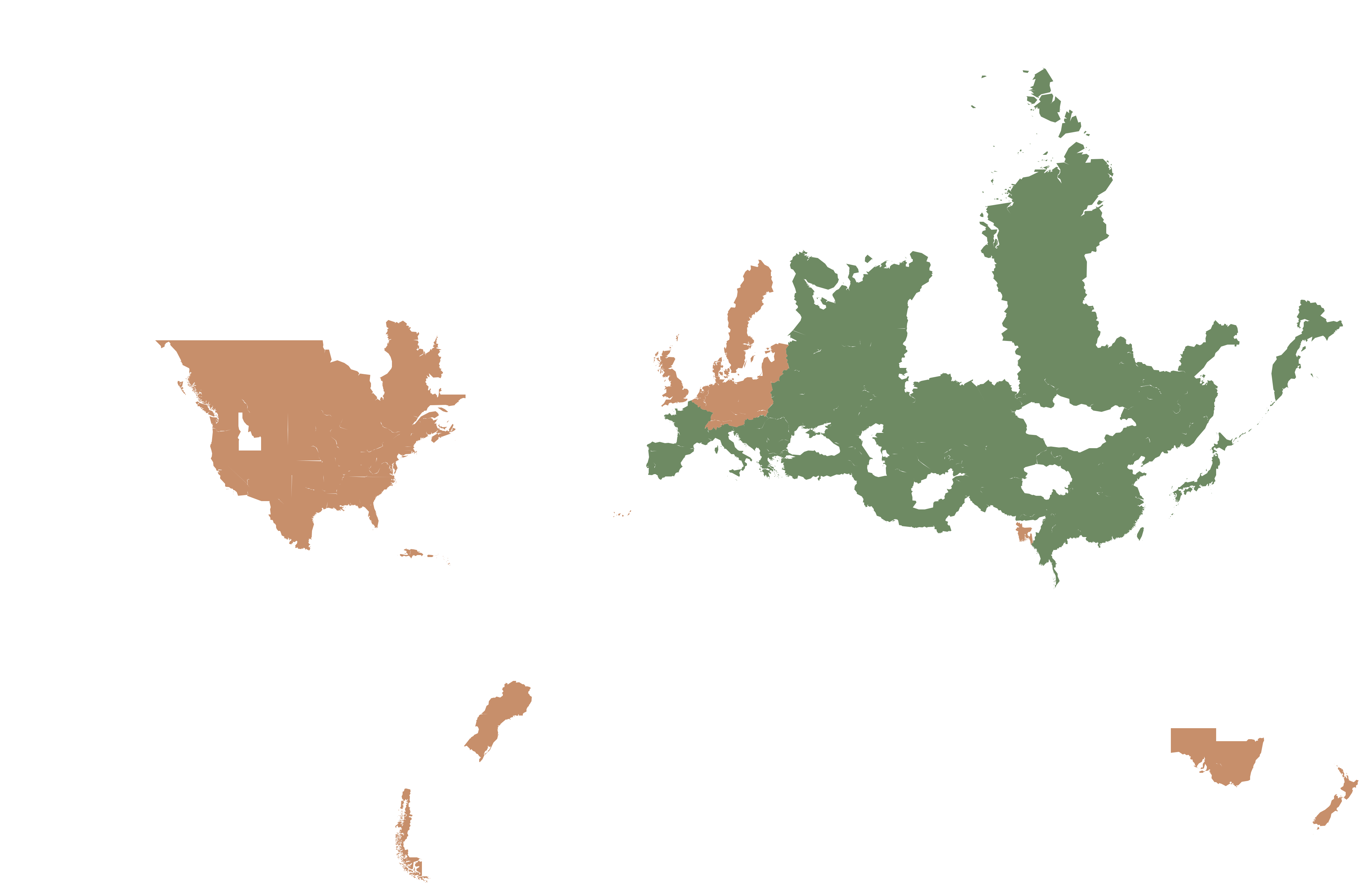
- Native
- Introduced
- East Asia
History

Digitaria ischaemum grows natively across Eurasia and has spread worldwide as a warm-season annual grass weed. Johann Christian Daniel von Schreber described it in 1771. Distinguished from the larger D. sanguinalis by smooth, nearly hairless blades and shorter, more prostrate habit, it is the more common lawn crabgrass in the northern US while D. sanguinalis dominates in the South.
Like its cousin, it has C4 photosynthesis that gives it a decisive advantage over cool-season turf grasses once soil temperatures exceed 60 °F, allowing rapid takeover of weakened lawns in summer. Traditional Chinese medicine (shu da ma) used the whole plant as a minor diuretic.
Modern management focuses on pre-emergent herbicide timing based on soil-temperature thresholds and cultural practices like higher mowing to shade the soil. Native to Europe and Asia, introduced to North America in the 1800s and spread as widely as its larger cousin. Considered slightly less aggressive than large crabgrass but equally common in American lawns and equally resistant to casual control measures.
Symbolism & meaning
What It Symbolizes
Smooth Crabgrass is the patron of persistent invasion, returning each year alongside its larger cousin to colonize lawns and disturbed soil. Lower and flatter in profile than large crabgrass, it specializes in keeping a low presence while still spreading widely. For homeowners who tend turf, this annual is a yearly reminder that some plants succeed precisely by going unnoticed until it is too late to stop them.
- Persistent invasion — annual lawn reinvader alongside its larger cousin
- Low profile — flatter smaller form than large crabgrass
Where the Name Comes From
The name Smooth Crabgrass describes its smoother texture. 'Ischaemum' comes from Greek elements meaning blood-staunching, an old wound-lore reference.
Uses & Fun Facts
- Smooth Crabgrass berries and cover sustain songbirds through autumn
Related plants
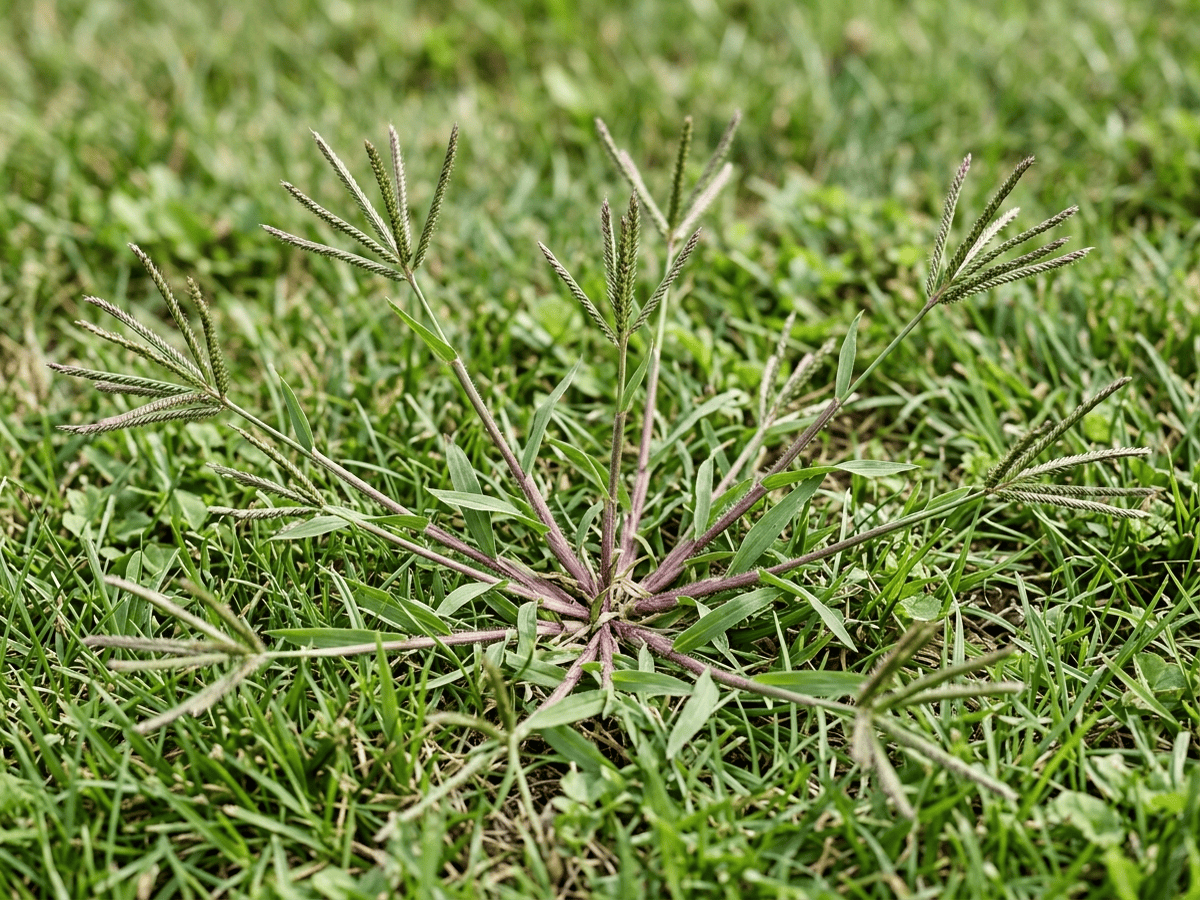
More Digitaria plants
Plants with similar care
 Chinese AbeliaAbelia chinensis
 Fragrant AbeliaAbelia mosanensis
 Large-Flowered AbeliaAbelia uniflora
 Glossy AbeliaAbelia x grandiflora
Frequently asked questions
How often should I water Smooth Crabgrass?
Water about every 14 days during the growing season, and always let excess water drain away.
How much light does Smooth Crabgrass need?
Full sun: 6+ hrs direct. Watch the leaves — scorching or stretching means the light needs adjusting.
Is Smooth Crabgrass toxic to cats or dogs?
No toxicity has been reported for this plant. Still, it is wise to keep pets from chewing on any houseplant. Educational information, not medical or veterinary advice. If exposure is suspected, contact a doctor or veterinarian.
Is Smooth Crabgrass easy to grow?
Yes — it is considered an easy, beginner-friendly plant.
When does Smooth Crabgrass bloom?
It typically blooms Jun–Sep in the Northern Hemisphere.
YardMate
Identify any plant in seconds
Snap a photo — YardMate names the plant, diagnoses problems, and reminds you when to water.
Download on the App Store