 YardMate
Hairy Crabgrass
Digitaria sanguinalis
Easy · Beginner friendlyAbout Hairy Crabgrass
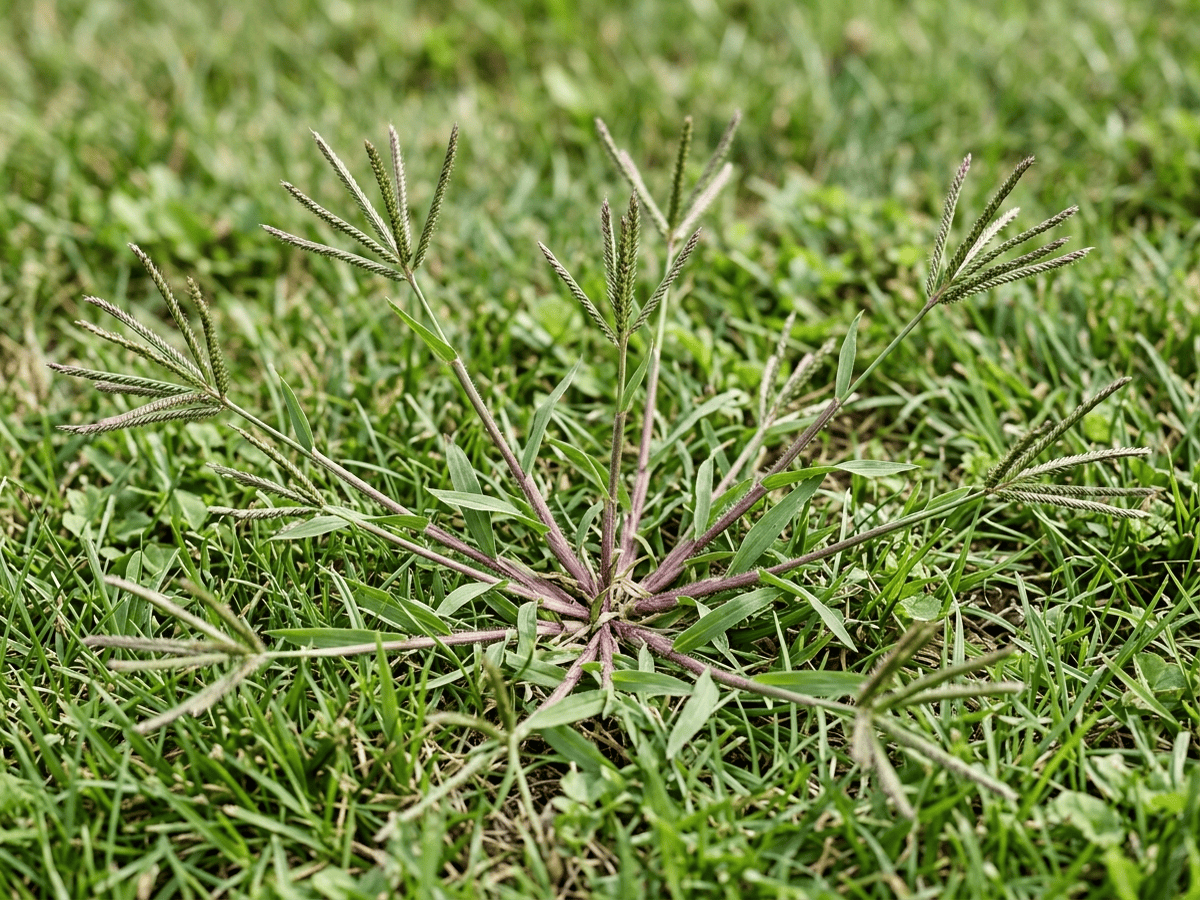
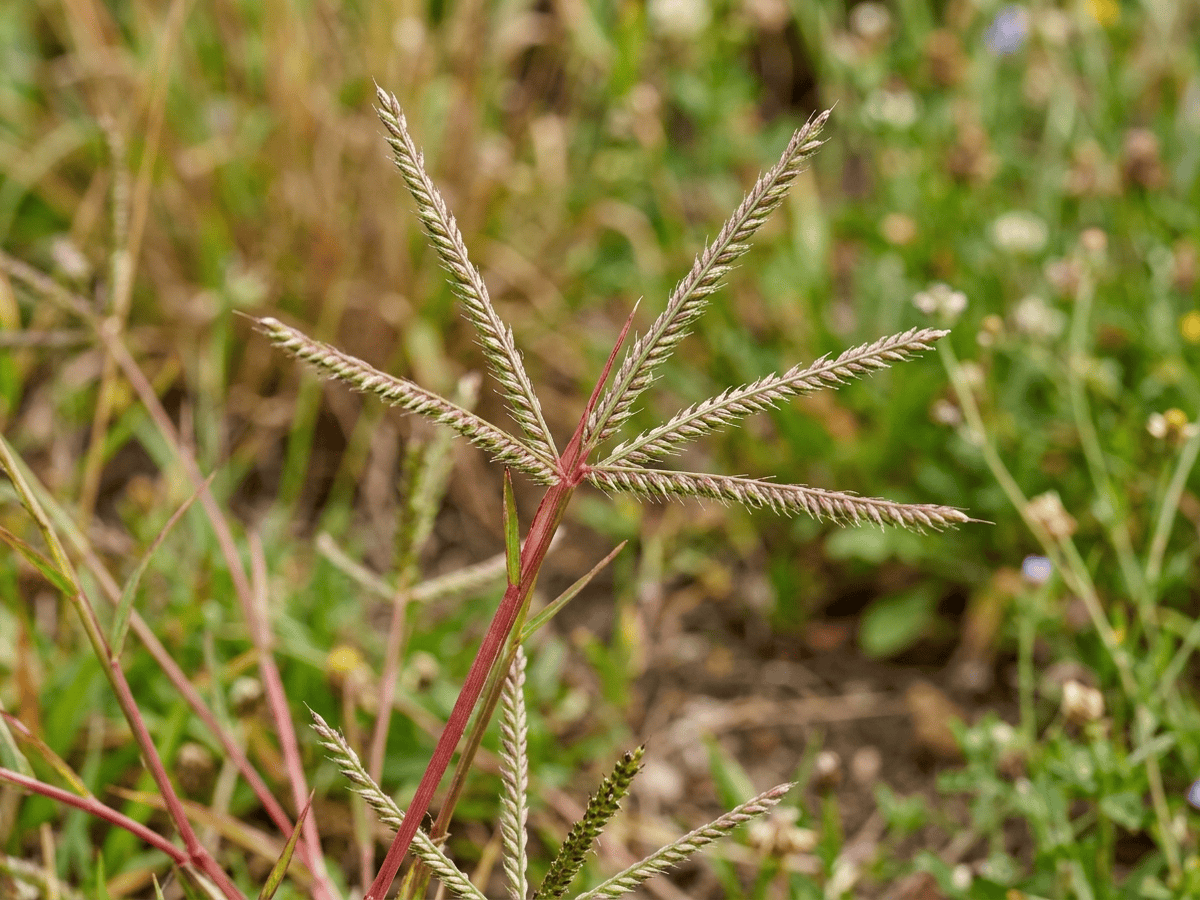
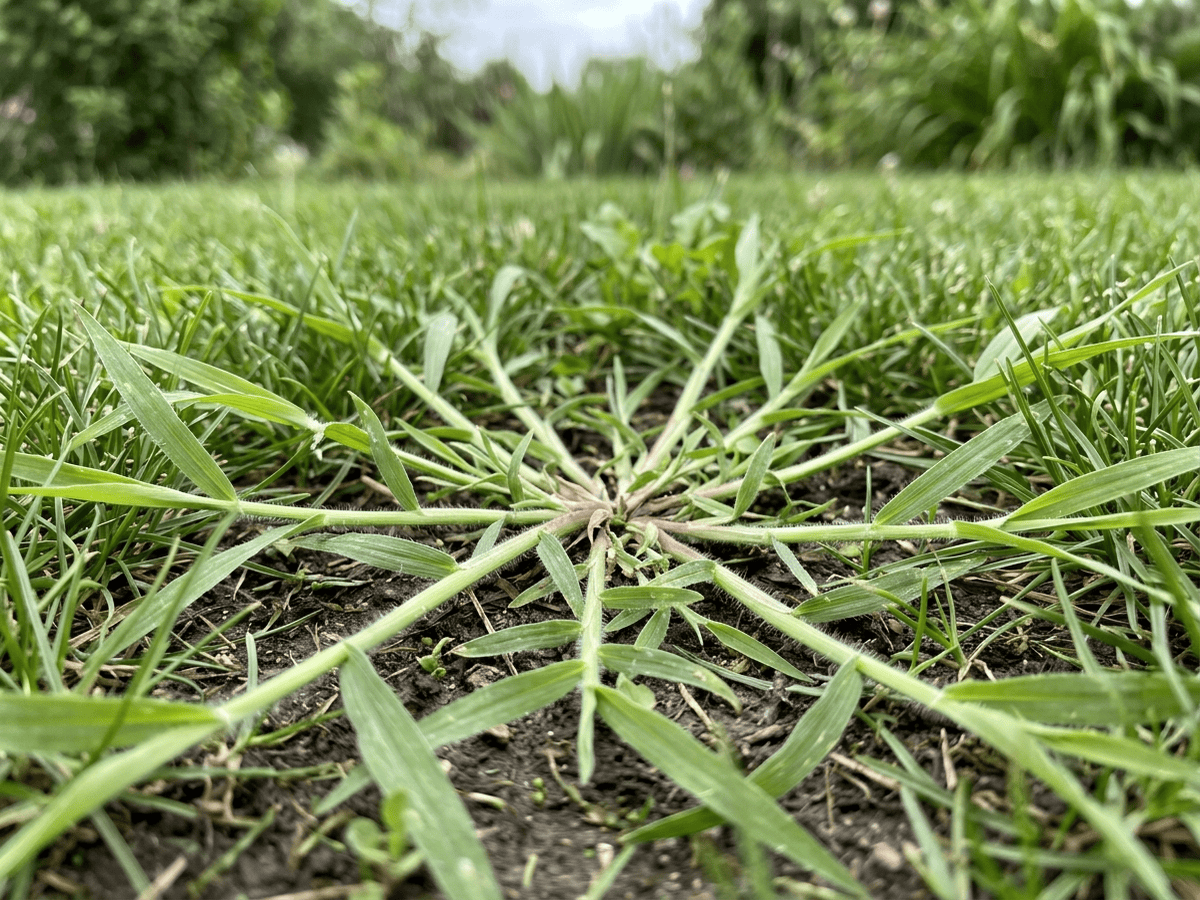
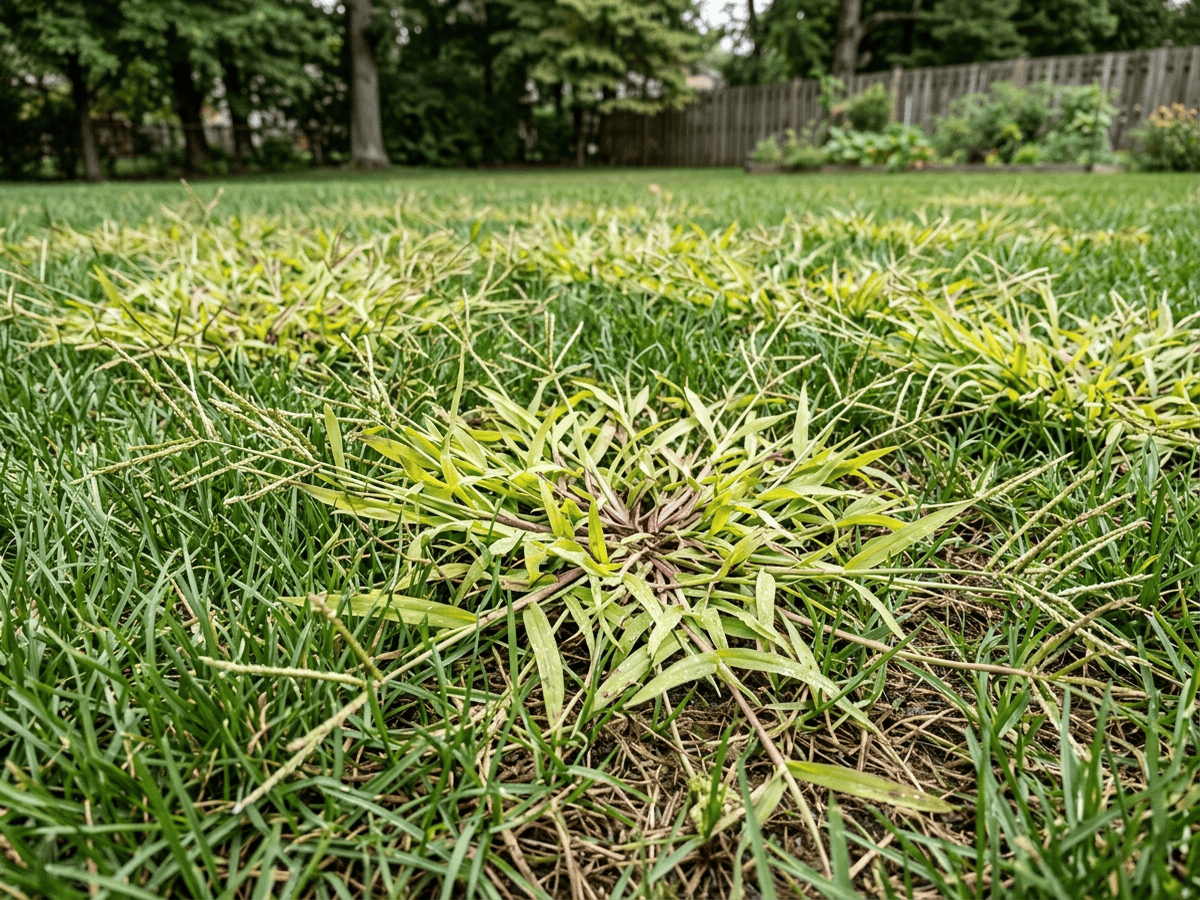
Large Crabgrass or Hairy Crabgrass is a warm-season annual grass native to Europe and now the most notorious lawn weed across the US, germinating in late spring and forming sprawling mats of branching stems rooting at nodes. Produces distinctive finger-like seed heads in late summer and releases thousands of seeds before dying at first frost. The single most targeted American lawn weed, responsible for a multi-billion dollar pre-emergent herbicide industry.
- Heat-tolerant
How to care for Hairy Crabgrass
Watering
- Springevery 14 days
- Summerevery 7 days
- Fallevery 14 days
- Winterpause watering
Soil · Well-draining
- Top dressingPine bark mulch10%
- Main mixPotting soil + perlite 2:170%
- DrainageLECA / gravel20%
Never skip the drainage layer — standing water is the top cause of root rot.
FERTILIZER
This plant needs little to no feeding.
At a Glance
- NativeEurope, Western Asia
- Height1–2 ft (0.3–0.6 m)
- Spread1–2 ft (0.3–0.6 m)
- Flower colorPurple, Green
- Foliage colorGreen
- Fruit colorBrown
- SoilSandy, Well-drained
- LocationsYard
Bloom time
BLOOM CYCLE
Peak bloom
Jun–Sep
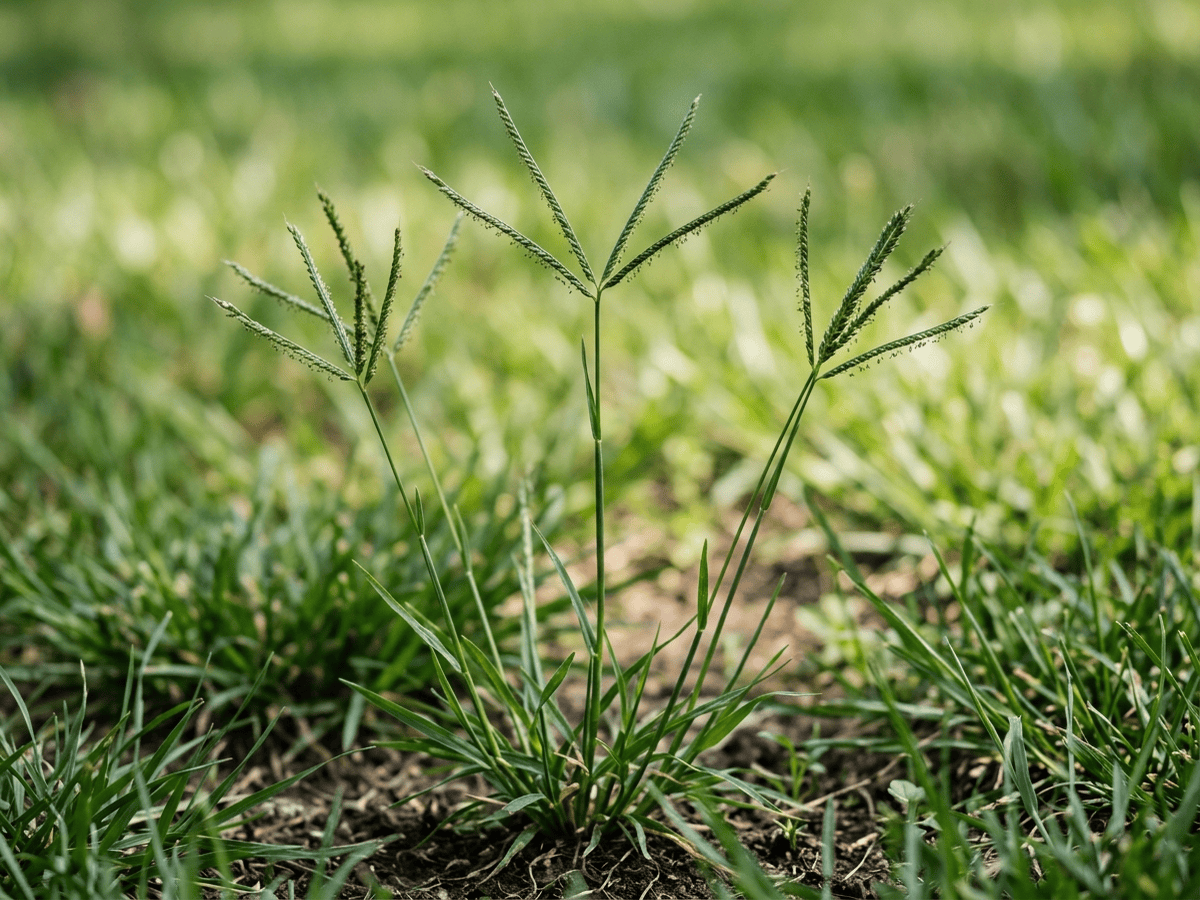
Finger-like seed heads radiating from central point late summer
Toxicity
No toxicity has been reported for this plant. Still, it is wise to keep pets from chewing on any houseplant.
Educational information, not medical or veterinary advice. If exposure is suspected, contact a doctor or veterinarian.
DISTRIBUTION

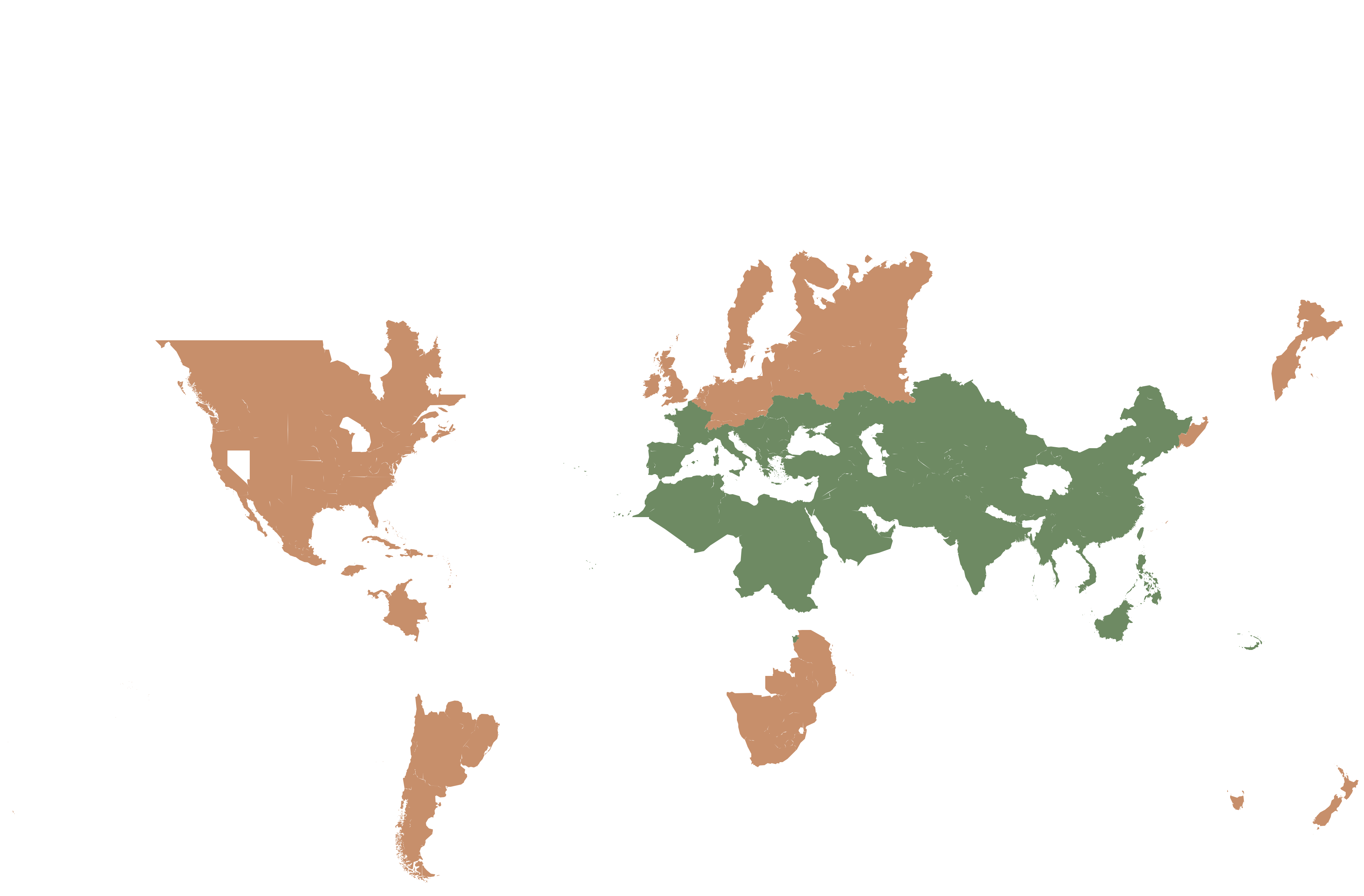
- Native
- Introduced
- Europe
- Western Asia
History

Digitaria sanguinalis grows natively across Europe and western Asia and has spread worldwide as a summer-annual weed of lawns, crops, and disturbed ground. Linnaeus described it as Panicum sanguinale in 1753, and Scopoli transferred it to Digitaria in 1771. Despite its modern reputation as a premier lawn pest, it was historically cultivated as a minor cereal: in Slovakia, Poland, Germany, and parts of Russia its small seed was harvested as 'Manna grass' or 'Blut-Hirse' until about 1900, used in porridge and bread, especially in times of grain failure.
The name sanguinalis ('bloody') refers to the pink-purple inflorescence. Now the number-one targeted lawn weed in the American turf industry, driving annual sales of pre-emergent crabgrass preventers across every US garden center.
Its C4 photosynthesis gives it a crushing advantage over cool-season lawn grasses in hot weather, driving the modern US lawn-care industry's annual obsession with pre-emergent crabgrass herbicides.
Symbolism & meaning
What It Symbolizes
Hairy Crabgrass is the very emblem of invasion in the American lawn — its annual reinvasion defining an entire cultural cycle of pre-emergents and weekend battles. Its distinctive finger-like seed heads, the 'fingered weed' of older books, give it both its name and its persistence. Ecologically, it is simply doing what disturbed soil invites: a green reminder that lawns are a contested landscape.
- Invasion — annual reinvasion defines US lawn care cycle
- Fingered weed — distinctive finger-like seed heads
Where the Name Comes From
The name Hairy Crabgrass describes its hairy stems or leaves. 'Digitaria' from Latin 'digitus' meaning finger, for the finger-like seed heads; 'sanguinalis' from Latin means bloody, for reddish stem coloring.
Related plants
More Digitaria plants
Plants with similar care
 Chinese AbeliaAbelia chinensis
 Fragrant AbeliaAbelia mosanensis
 Large-Flowered AbeliaAbelia uniflora
 Glossy AbeliaAbelia x grandiflora
Frequently asked questions
How often should I water Hairy Crabgrass?
Water about every 14 days during the growing season, and always let excess water drain away.
How much light does Hairy Crabgrass need?
Full sun: 6+ hrs direct. Watch the leaves — scorching or stretching means the light needs adjusting.
Is Hairy Crabgrass toxic to cats or dogs?
No toxicity has been reported for this plant. Still, it is wise to keep pets from chewing on any houseplant. Educational information, not medical or veterinary advice. If exposure is suspected, contact a doctor or veterinarian.
Is Hairy Crabgrass easy to grow?
Yes — it is considered an easy, beginner-friendly plant.
When does Hairy Crabgrass bloom?
It typically blooms Jun–Sep in the Northern Hemisphere.
YardMate
Identify any plant in seconds
Snap a photo — YardMate names the plant, diagnoses problems, and reminds you when to water.
Download on the App Store