 YardMate


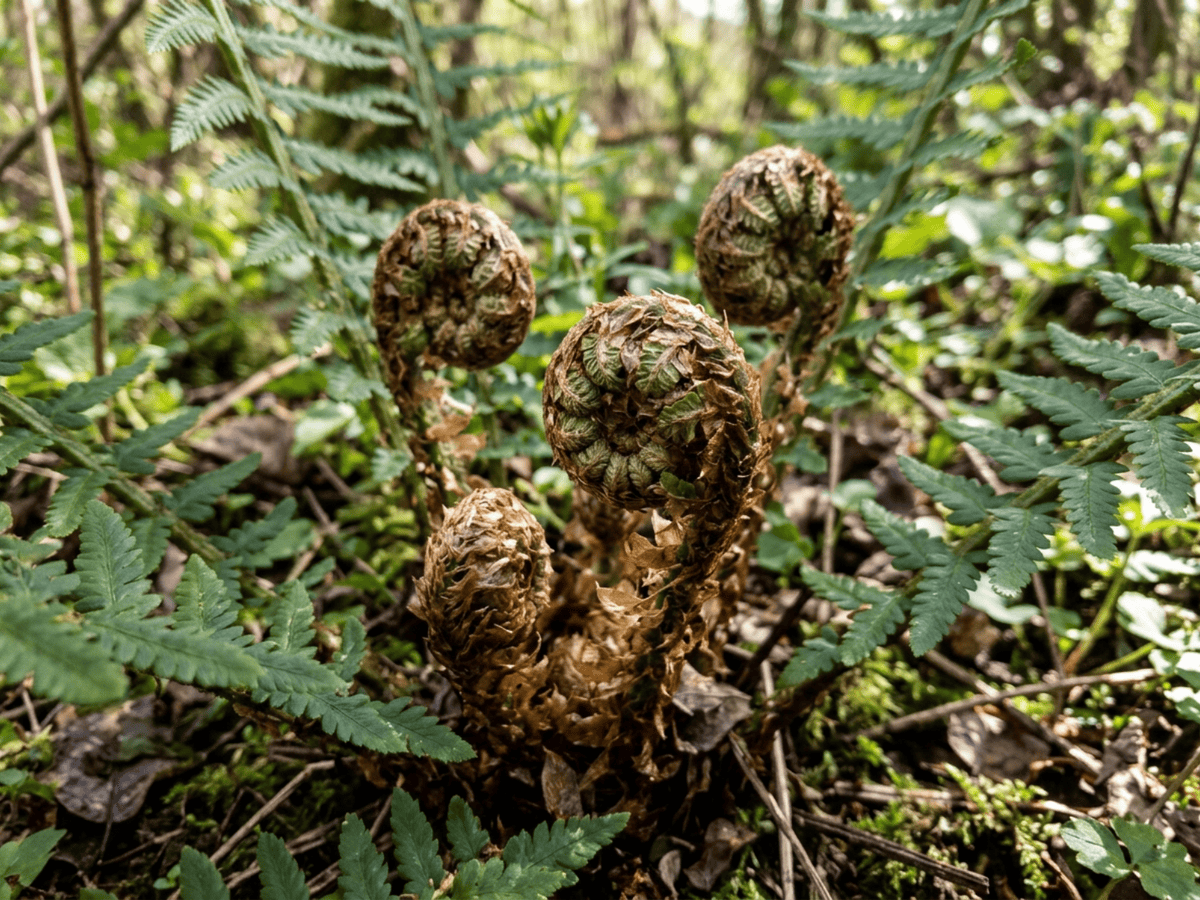

Male Fern
Dryopteris filix-mas
Easy · Beginner friendlyAbout Male Fern
Dryopteris filix-mas, the male fern, is one of the most robust and stately ferns in the Northern Hemisphere, native to Europe, Asia, and North America. It forms large, shuttlecock-shaped crowns of leathery, dark green fronds that can reach 90 to 120 centimeters tall. The fronds are once-pinnate with deeply lobed pinnae, giving them a bold, architectural texture quite different from the lacy lady fern. Semi-evergreen in mild climates, the previous year's fronds persist through winter before being replaced by fresh fiddleheads in spring. It is one of the toughest and most adaptable ferns, tolerating dry shade, exposed positions, and even light frost better than most woodland ferns. The male fern is a cornerstone plant in shade gardens, providing reliable structure and year-round interest. It was one of the most medically important ferns in history, with its rhizome extract used as a tapeworm treatment for over two thousand years.
- Shade-tolerant
- Architectural
- Evergreen
- Native
How to care for Male Fern
Watering
- Springevery 3 days
- Summerevery 2 days
- Fallevery 7 days
- Winterevery 30 days
Soil · Moisture-retentive
- Top dressingSphagnum moss10%
- Main mixPeat + coco coir 1:180%
- DrainagePerlite / gravel10%
Keep it evenly moist — but the drainage layer still matters.
FERTILIZER
Balanced Feed 14-14-14
An even feed covers all three needs at once, keeping leaves, roots and blooms moving together with nothing pushed out of balance.
- Nitrogen · Leaves
- Phosphorus · Roots + Blooms
- Potassium · Strength
- Springevery 60 days
At a Glance
- NativeEurope, Africa, East Asia
- Height2–4 ft (0.6–1.2 m)
- Spread2–3 ft (0.6–0.9 m)
- Foliage colorGreen
- SoilLoamy, Moisture-retentive, Acidic
- LocationsYard
Bloom time
BLOOM CYCLE
Fern — does not flower. Round sori covered by kidney-shaped indusia on frond undersides.
Fragrance
NO FRAGRANCE
No notable fragrance.
Toxicity
Humans Moderate · Pets Moderate
filicic acid, filmarone, and aspidinol
Moderate
- Root
- Frond
- Ingestion
EXPOSURE Eating roots and frond.
EFFECT Filicic acid compounds: GI upset, vision disturbances, potentially cardiac depression and permanent optic nerve damage in overdose.
NOTE Documented concern for humans: Filicic acid compounds: GI upset, vision disturbances, potentially cardiac depression and permanent optic nerve damage in overdose.
Moderate
- Root
- Frond
- Ingestion
EXPOSURE Eating roots and frond.
EFFECT GI upset, potential neurotoxicity.
NOTE Not in modern ASPCA toxic plant list prominently, but rhizome is historically known-toxic; ornamental plants are low-risk unless root is consumed.
Moderate
- Root
- Frond
- Ingestion
EXPOSURE Eating roots and frond.
EFFECT Same as dogs.
NOTE Not in modern ASPCA toxic plant list prominently, but rhizome is historically known-toxic; ornamental plants are low-risk unless root is consumed.
Educational information, not medical or veterinary advice. If exposure is suspected, contact a doctor or veterinarian.
DISTRIBUTION


- Native
- Introduced
- Europe
- Africa
- East Asia
History

Dryopteris filix-mas is a robust deciduous fern native across Europe, North Africa, and temperate Asia, growing 60-120 cm tall from a stout rhizome. From classical Greek medicine through at least the mid-20th century, the dried rhizome ("filicis rhizoma" or "aspidium") was one of the most important anthelmintic drugs in European and Western pharmacy, used specifically to expel tapeworms (cestodes). Dioscorides described it in the 1st century CE; medieval and early modern European physicians continued to prescribe it; and it was listed in the US Pharmacopoeia from 1820 until 1965. The active compounds are a complex of filicic acid derivatives (filmarone, filicin) that paralyze tapeworm musculature, allowing them to be expelled by a saline laxative.
The drug has significant toxic side effects (GI upset, vision changes, in overdose blindness and cardiac depression) and was entirely displaced in the 1960s-70s by safer synthetic benzimidazoles (mebendazole, albendazole) and niclosamide. As an ornamental, male fern is one of the most valuable large shade ferns of European and North American shade gardens — tough, long-lived, architectural, and deer-resistant. The "male" / "female" contrast with Athyrium filix-femina reflects medieval morphological rather than sexual distinctions.
The male fern has one of the longest medicinal histories of any plant. Ancient Greek physician Theophrastus described its use against tapeworms around 300 BC, and it remained the standard vermifuge treatment in European medicine through the early 20th century. The rhizome extract (Extractum Filicis Maris) was listed in pharmacopoeias until synthetic drugs replaced it. In European folklore, fern 'seeds' (actually spores) gathered on Midsummer's Eve were believed to confer invisibility and reveal hidden treasure. Shakespeare referenced this belief in Henry IV. The male fern was named to contrast with the more delicate 'female' lady fern, following ancient botanical tradition.
Symbolism & meaning
What It Symbolizes
Male Fern carries protection deep in European folklore — ancient belief held that its mythical 'seed' could render the bearer invisible and safe from harm on midsummer's eve. It is also tied to secret knowledge, associated with hidden treasure and hidden magic in old country tales. A shade-loving fern that, in legend, knew far more than it was saying.
- Protection — Ancient folklore held that fern seeds could render the bearer invisible and safe from harm
- Secret Knowledge — Associated with hidden treasure and magical properties in European mythology
Where the Name Comes From
'Dryopteris' from Greek 'drys' (oak) and 'pteris' (fern) — 'oak fern,' as it commonly grows in oak woodlands. 'Filix-mas' means 'male fern' in Latin, contrasting with the lady fern.
Uses & Fun Facts
- Tall vase-shaped fronds naturalize in shaded woodland gardens
- Historic vermifuge once used to expel intestinal tapeworms
Related plants
Plants with similar care
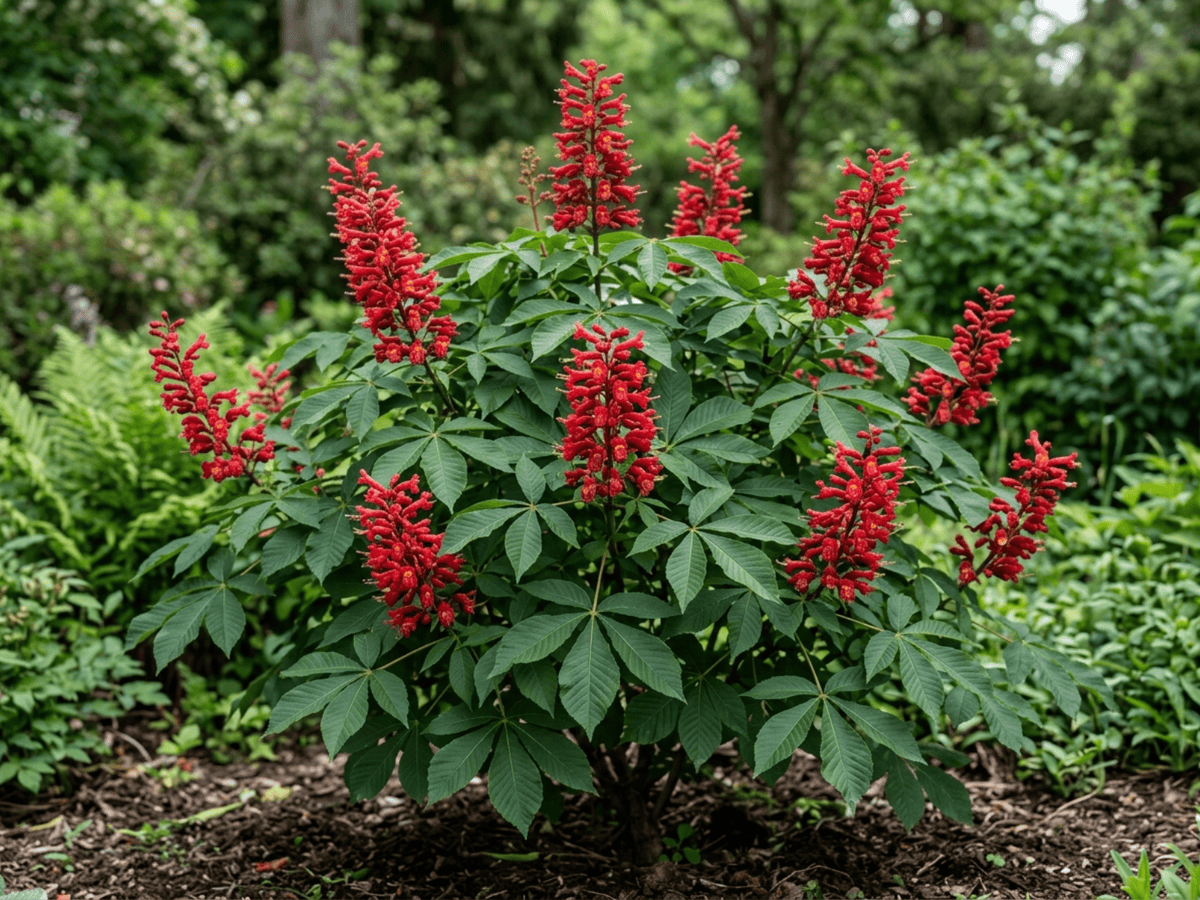 Red BuckeyeAesculus pavia
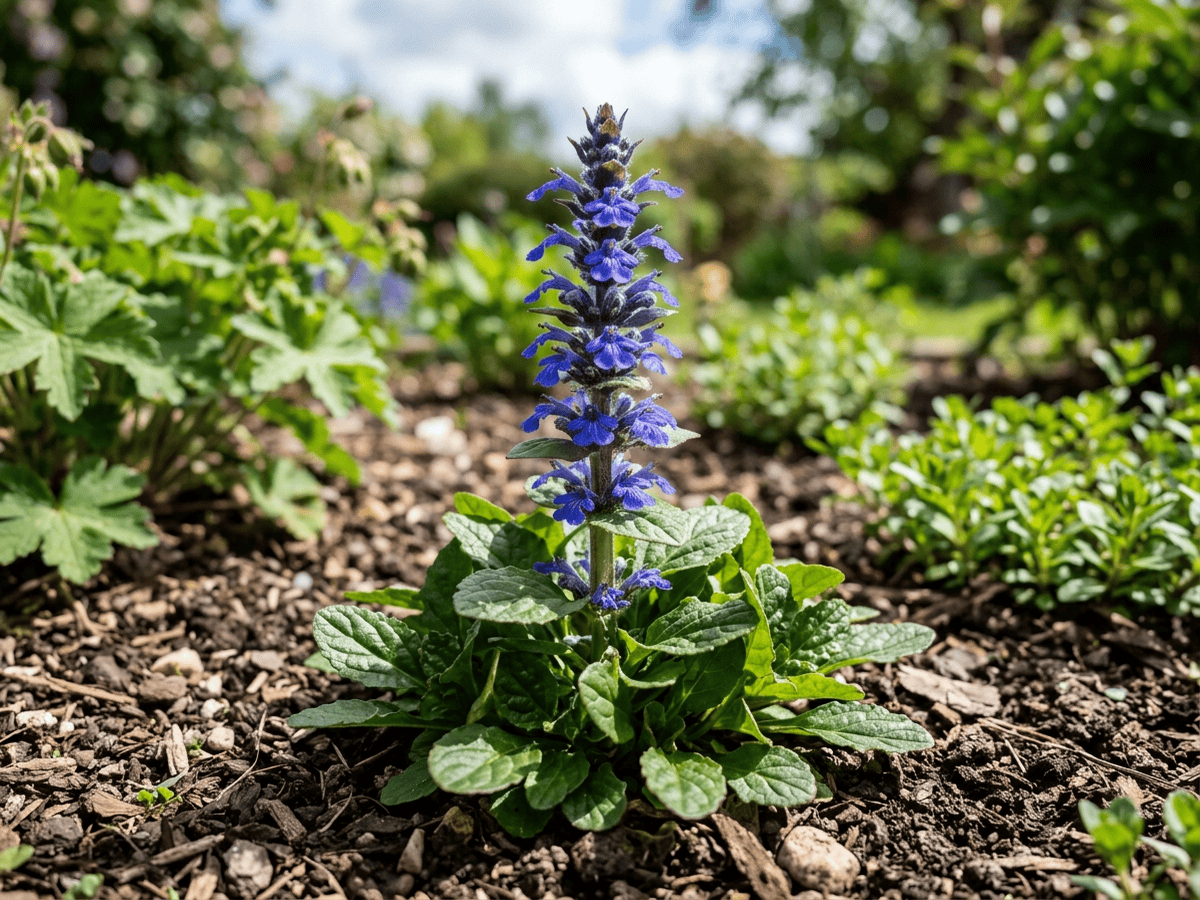 Blue BugleAjuga genevensis
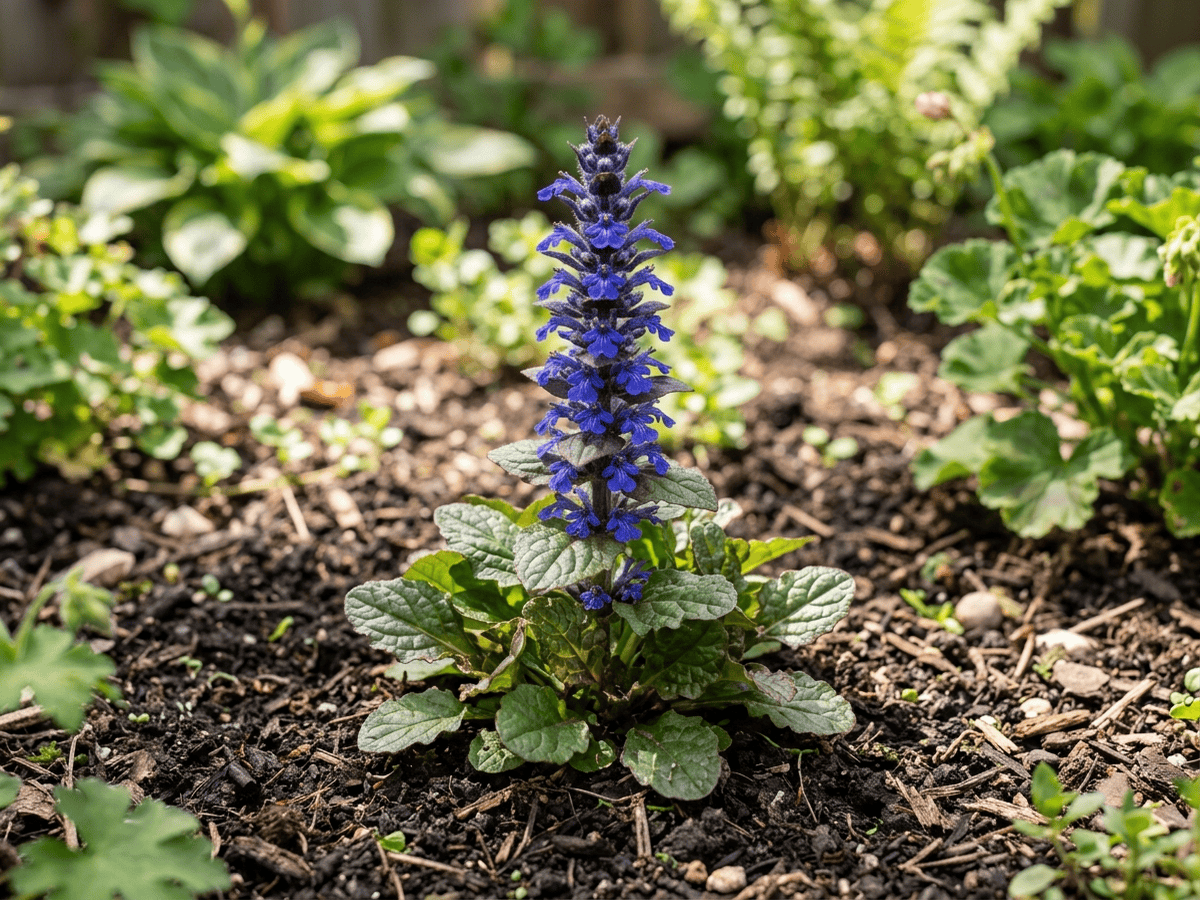 Pyramidal BugleAjuga pyramidalis
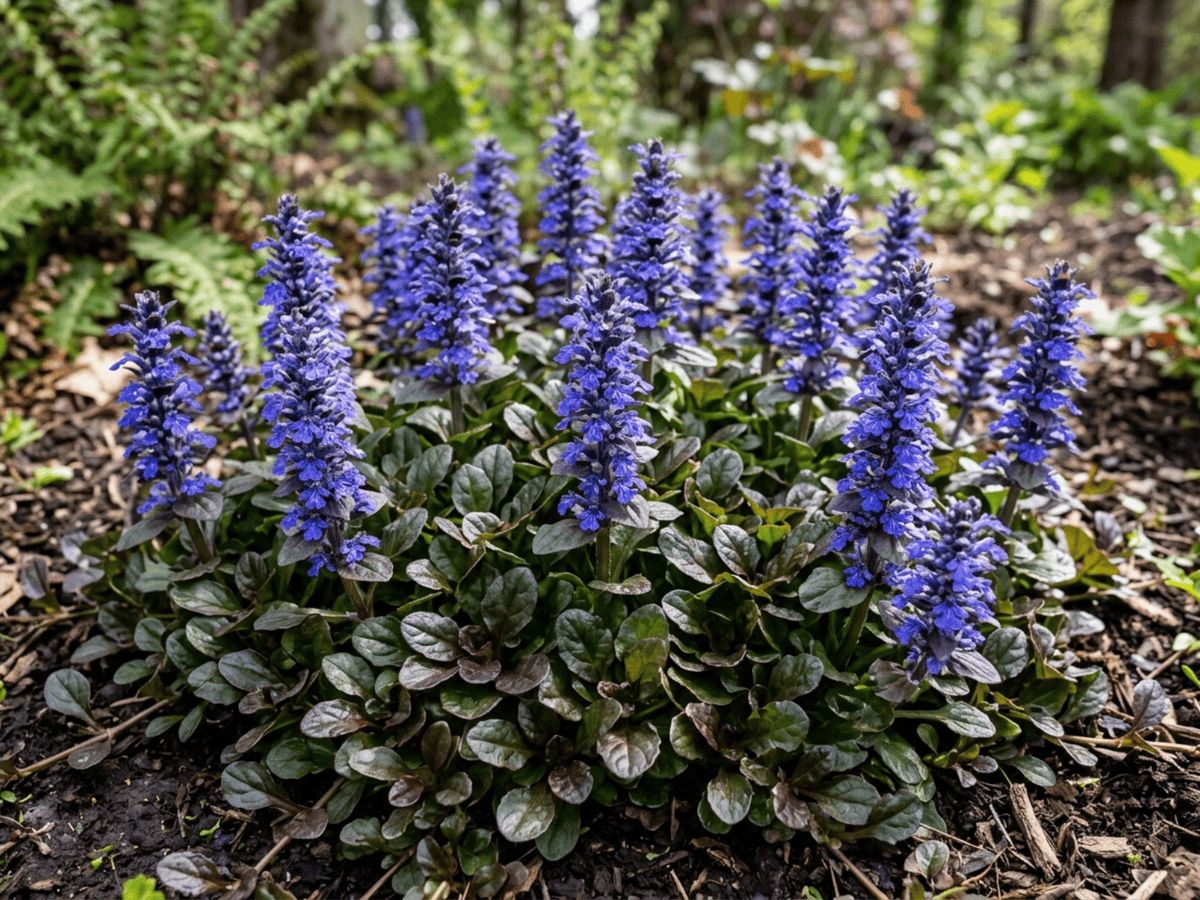 Carpet BugleAjuga reptans
Frequently asked questions
How often should I water Male Fern?
In summer, water about every 2 days; in winter, about every 30 days. Adjust for heat, pot size and drainage.
How much light does Male Fern need?
Part shade: 2–4 hrs direct. Watch the leaves — scorching or stretching means the light needs adjusting.
Is Male Fern toxic to cats or dogs?
Pets Moderate (Dogs Moderate · Cats Moderate) Educational information, not medical or veterinary advice. If exposure is suspected, contact a doctor or veterinarian.
Is Male Fern easy to grow?
Yes — it is considered an easy, beginner-friendly plant.
YardMate
Identify any plant in seconds
Snap a photo — YardMate names the plant, diagnoses problems, and reminds you when to water.
Download on the App Store