 YardMate

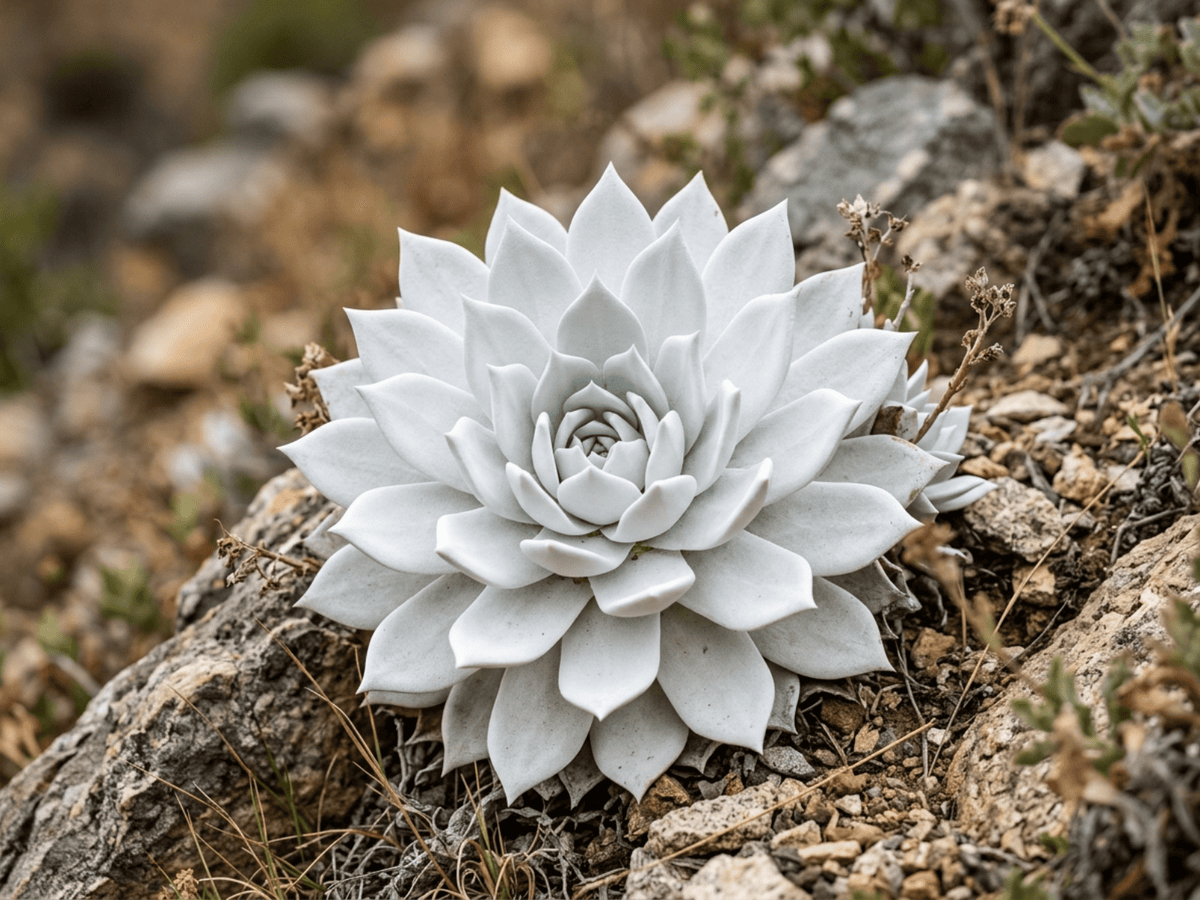


Chalk Dudleya
Dudleya pulverulenta
Medium · Some experienceAbout Chalk Dudleya
Chalk Dudleya is one of the most striking California native succulents, forming enormous rosettes up to 2 feet across covered in brilliant white chalky powder. Native to rocky canyon walls and sea cliffs in Southern California and Baja, it sends up tall arching stalks of red to pink tubular flowers in late spring. The powdery coating (farina) reflects intense sunlight and reduces water loss. Summer dormant in its native habitat, it requires excellent drainage and is often grown in vertical rock-face plantings.
- Drought-tolerant
- Deer-resistant
- Native
How to care for Chalk Dudleya
Watering
- Springevery 14 days
- Summerevery 21 days
- Fallevery 21 days
- Winterpause watering
Soil · Fast-draining
- Main mixSand + pumice + soil 1:1:150%
- DrainagePumice / gravel50%
Keep grit at half the mix or more — this soil is meant to dry out fast.
FERTILIZER
This plant needs little to no feeding.
At a Glance
- NativeNorth America
- Height1–2 ft (0.3–0.6 m)
- Spread1–2 ft (0.3–0.6 m)
- Flower colorRed, Pink
- Foliage colorVariegated, Silver, Green
- SoilSandy, Well-drained
- LocationsYard · Balcony
Bloom time
BLOOM CYCLE
Peak bloom
May–Jul
Red to pink flowers on arching stalks May to July
Fragrance
NO FRAGRANCE
No notable fragrance.
Toxicity
No toxicity has been reported for this plant. Still, it is wise to keep pets from chewing on any houseplant.
Educational information, not medical or veterinary advice. If exposure is suspected, contact a doctor or veterinarian.
DISTRIBUTION


- Native
- North America
History
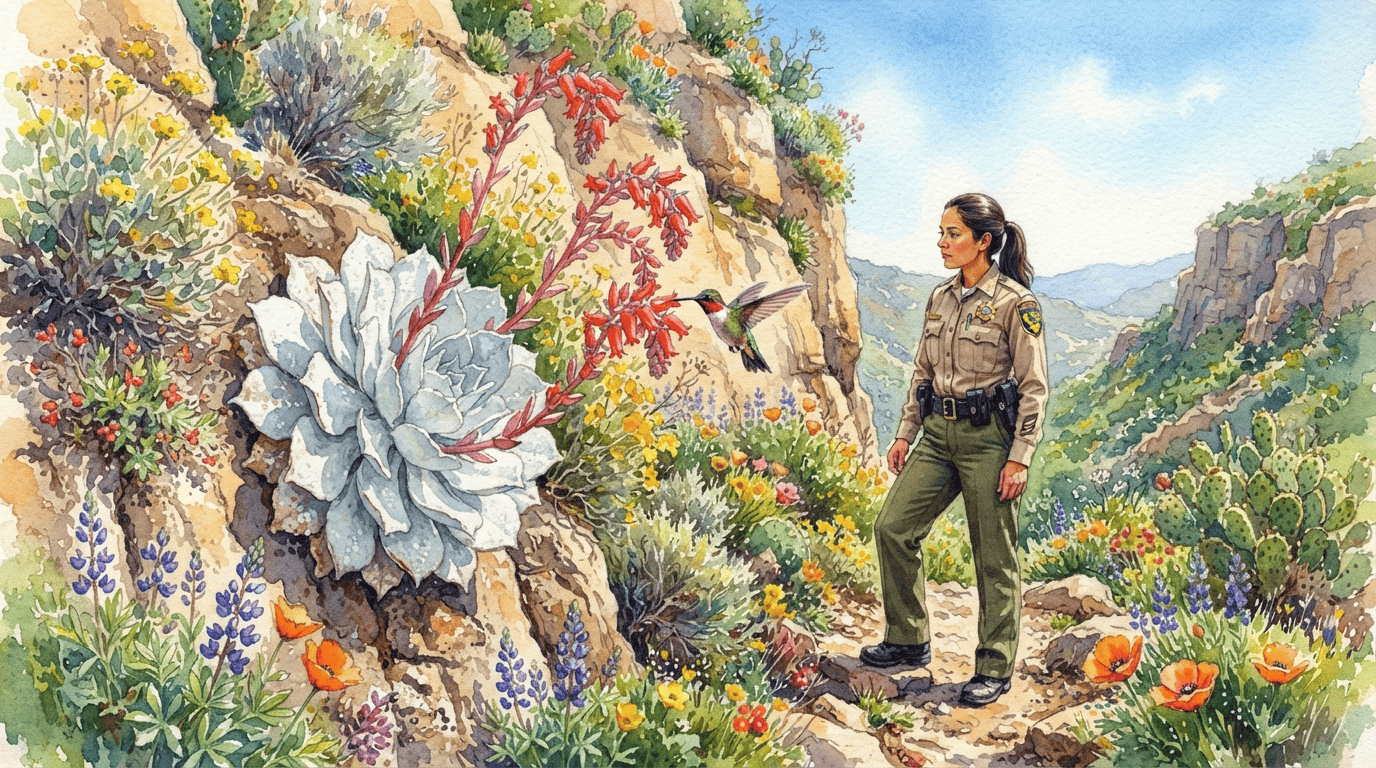
Dudleya pulverulenta is native to rocky cliffs, steep road-cuts, and canyon walls of Southern California — from Santa Barbara County south through Ventura, Los Angeles, Orange, Riverside, and San Diego Counties — and into northern Baja California, Mexico. It forms dramatic large rosettes 30-50 cm across of broad flat-tipped succulent leaves coated with a thick layer of pure-white waxy epicuticular bloom ("pulverulenta" means "dusted with powder") — the chalky coating easily smudges on contact with a finger, making it obvious why the plant is called "chalk dudleya." From the rosette center, dramatic 60-100 cm arching inflorescence stalks arise in spring bearing clusters of tubular red flowers pollinated by hummingbirds. The species is one of about 45 species of Dudleya in California, Baja California, and adjacent Mexico — a largely California-endemic genus of great horticultural and conservation interest.
Since approximately 2016-2018, multiple California Dudleya species (including D. pulverulenta and particularly the coastal D. farinosa) have been victims of significant organized poaching for the Asian ornamental plant market — individual poaching incidents involving tens of thousands of plants have been documented on the Mendocino and Humboldt coasts, with California Department of Fish and Wildlife making multiple arrests and felony prosecutions since 2018. The species is now classified under specific California protection, and possession/sale without documentation is restricted. Propagation from cultivated stock (leaf cuttings, seed) is straightforward and ethical.
The chalky powder coating has been used experimentally by botanists to understand desert plant adaptations. A significant smuggling problem affects wild populations—plants are illegally removed from cliffs, and California passed specific laws to protect native Dudleya from poaching. Populations in Baja California were targeted by large-scale South Korean poachers in 2018, leading to major arrests.
Symbolism & meaning
What It Symbolizes
Chalk Dudleya is resilience clinging to sheer coastal cliffs of Baja and Southern California, its rosettes thriving on almost no soil and only the moisture of marine fog. The luminous white farina coating its leaves evokes purity — clean mountain light made tangible — and protects its from the same desert sun that defines its home. It is fragility and toughness, perfectly indistinguishable.
- Resilience — thrives on sheer cliffs with minimal soil
- Purity — pristine white coating evokes clean mountain air
Where the Name Comes From
Genus honors William Russell Dudley (1849–1911), first professor of botany at Stanford University; 'pulverulenta' means 'powdery' in Latin.
Uses & Fun Facts
- Chalk-white rosette as living sculpture in California rock gardens
- Drought-tolerant native succulent for vertical wall plantings
Related plants
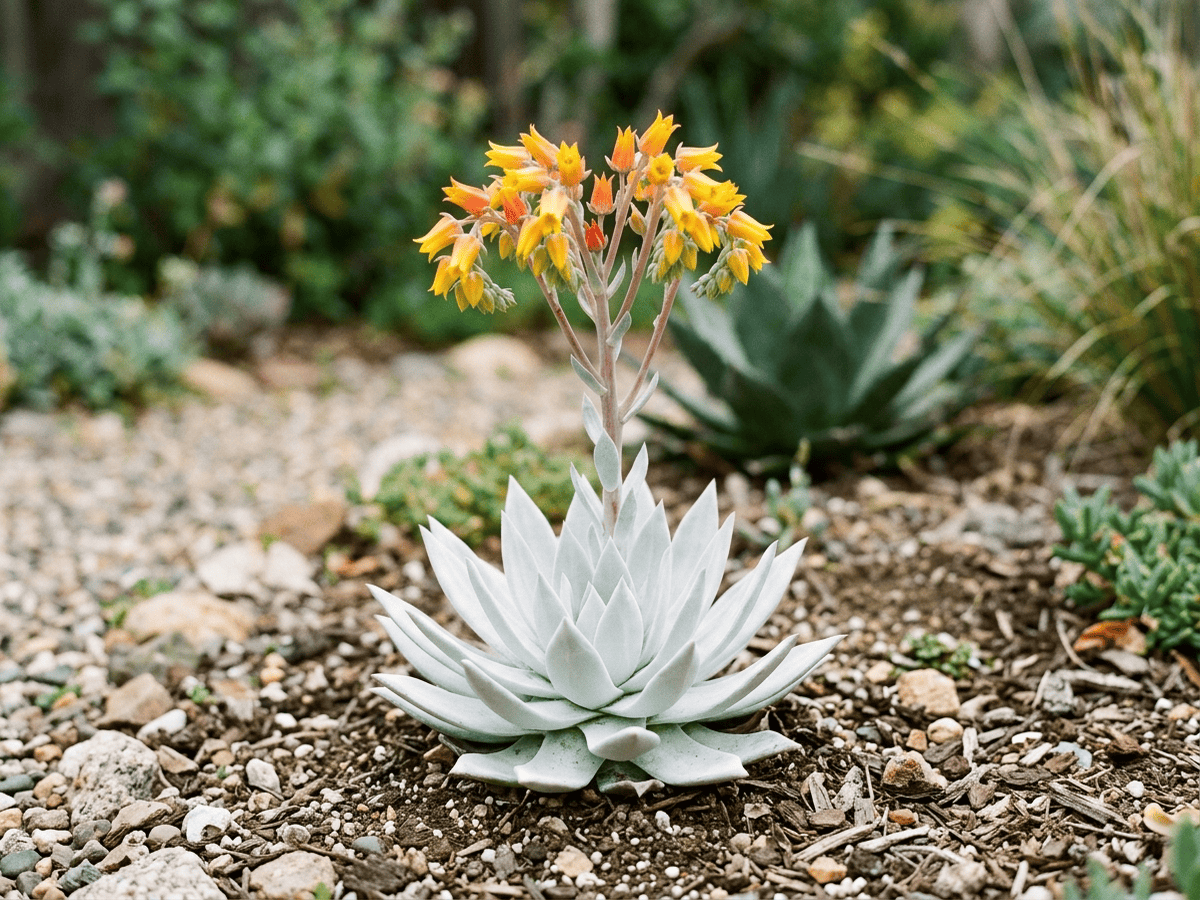
More Dudleya plants
Plants with similar care
 Mexican AbeliaAbelia floribunda
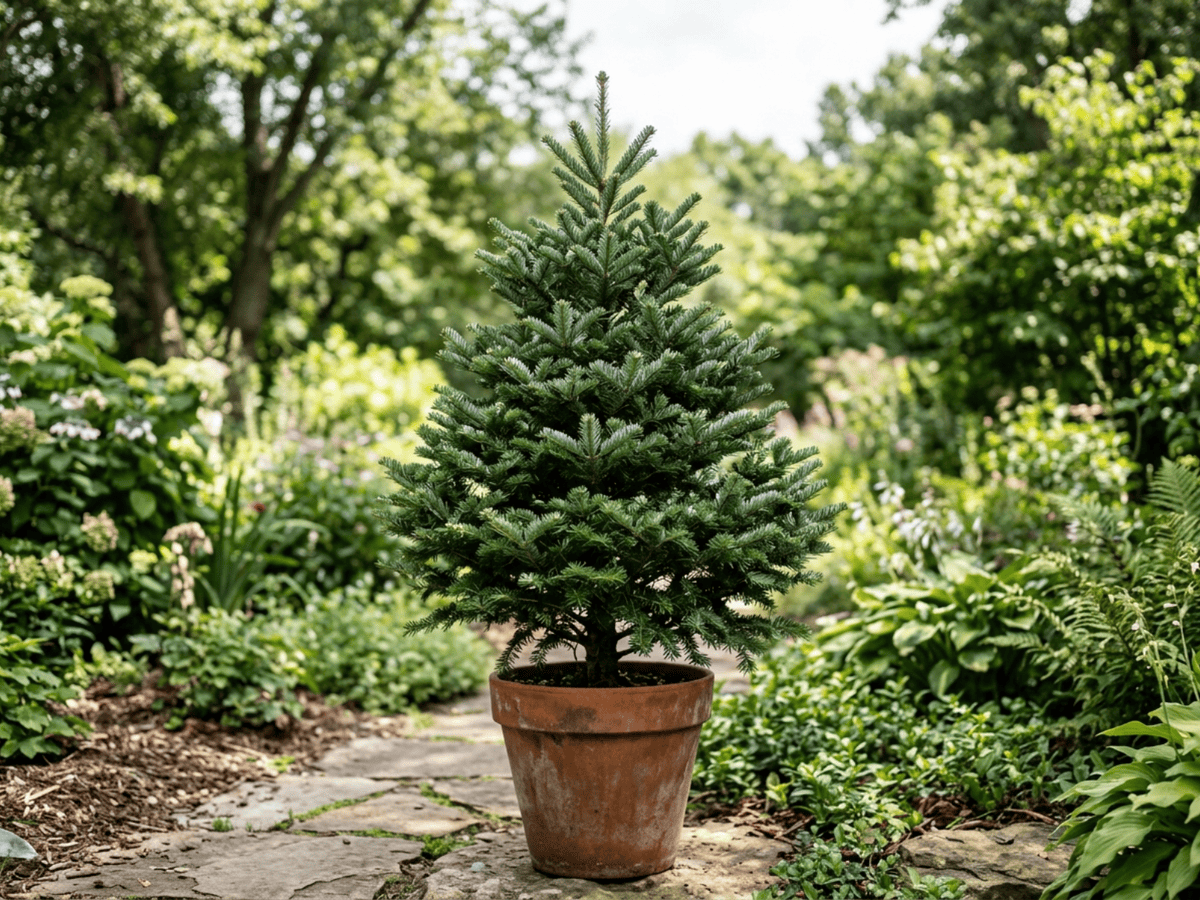 Fraser FirAbies fraseri
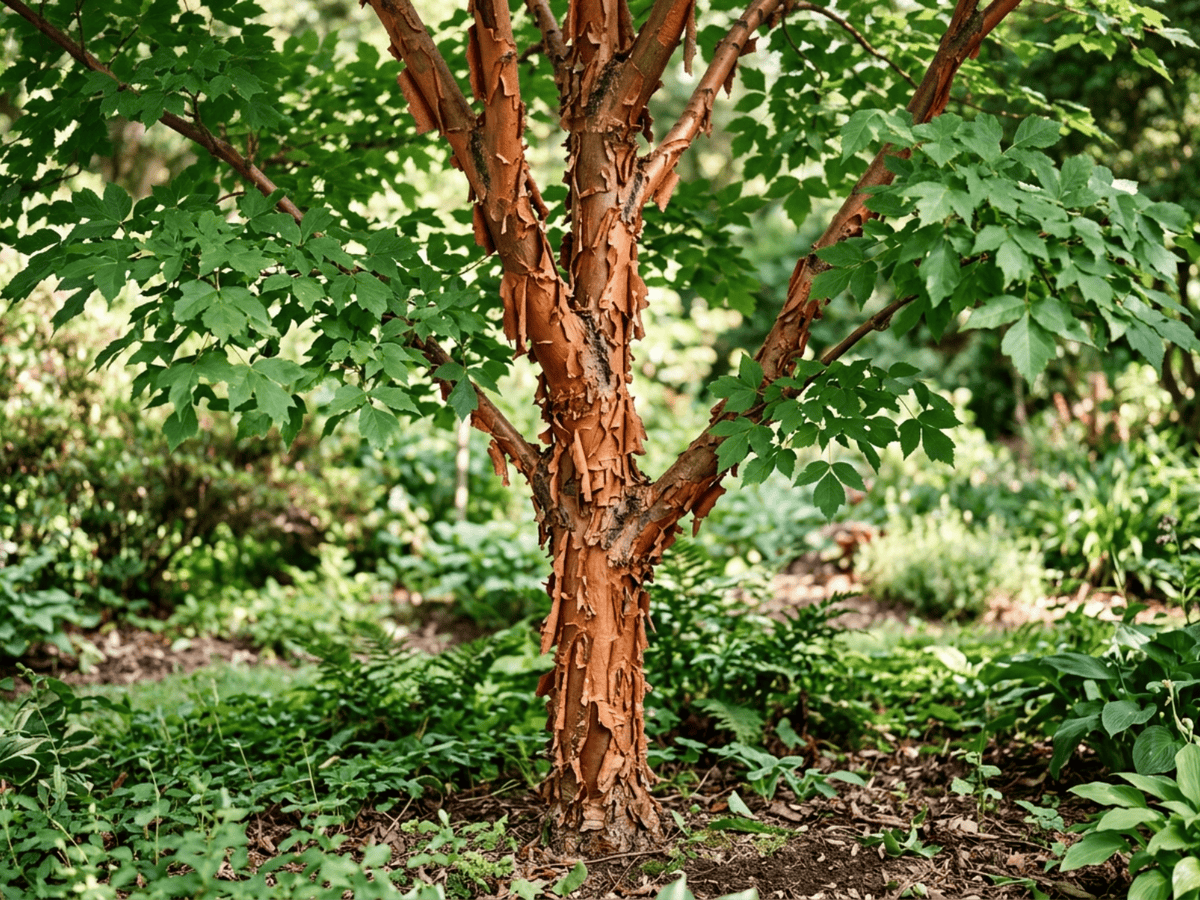 Paperbark MapleAcer griseum
 Sugar MapleAcer saccharum
Frequently asked questions
How often should I water Chalk Dudleya?
Water about every 14 days during the growing season, and always let excess water drain away.
How much light does Chalk Dudleya need?
Full sun: 6+ hrs direct. Watch the leaves — scorching or stretching means the light needs adjusting.
Is Chalk Dudleya toxic to cats or dogs?
No toxicity has been reported for this plant. Still, it is wise to keep pets from chewing on any houseplant. Educational information, not medical or veterinary advice. If exposure is suspected, contact a doctor or veterinarian.
Is Chalk Dudleya easy to grow?
It is moderately demanding: a good choice once you have a little experience.
When does Chalk Dudleya bloom?
It typically blooms May–Jul in the Northern Hemisphere.
YardMate
Identify any plant in seconds
Snap a photo — YardMate names the plant, diagnoses problems, and reminds you when to water.
Download on the App Store