 YardMate
Southern Globe Thistle
Echinops ritro
Hard · Experienced growersAbout Southern Globe Thistle
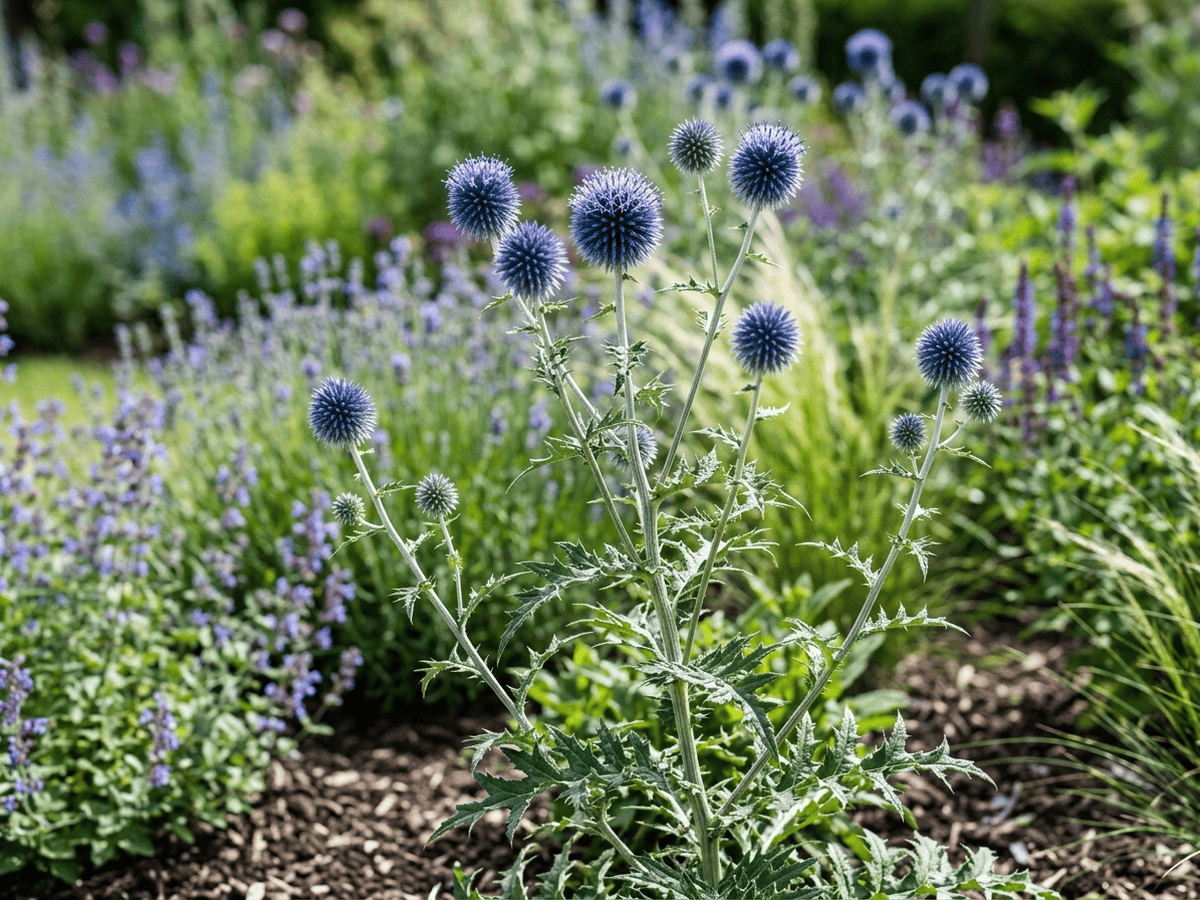
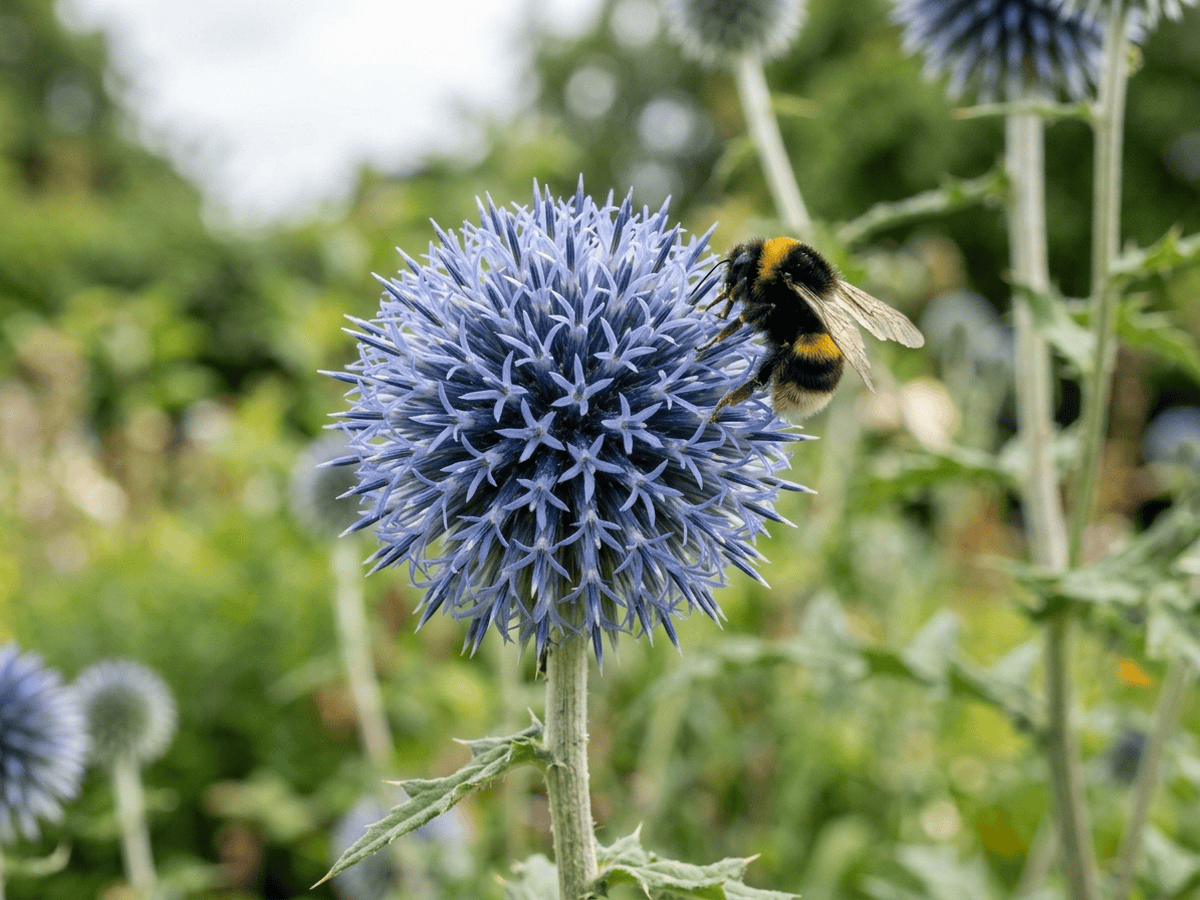
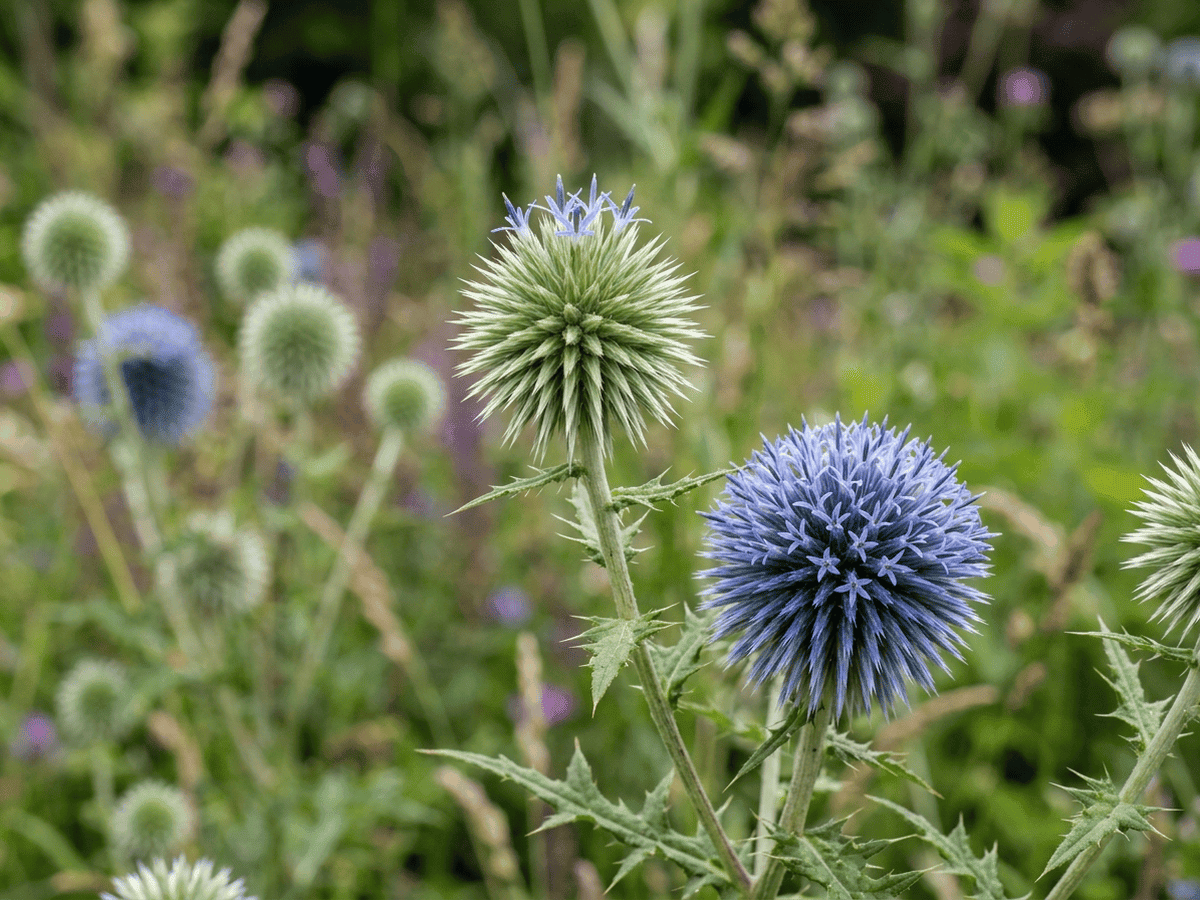
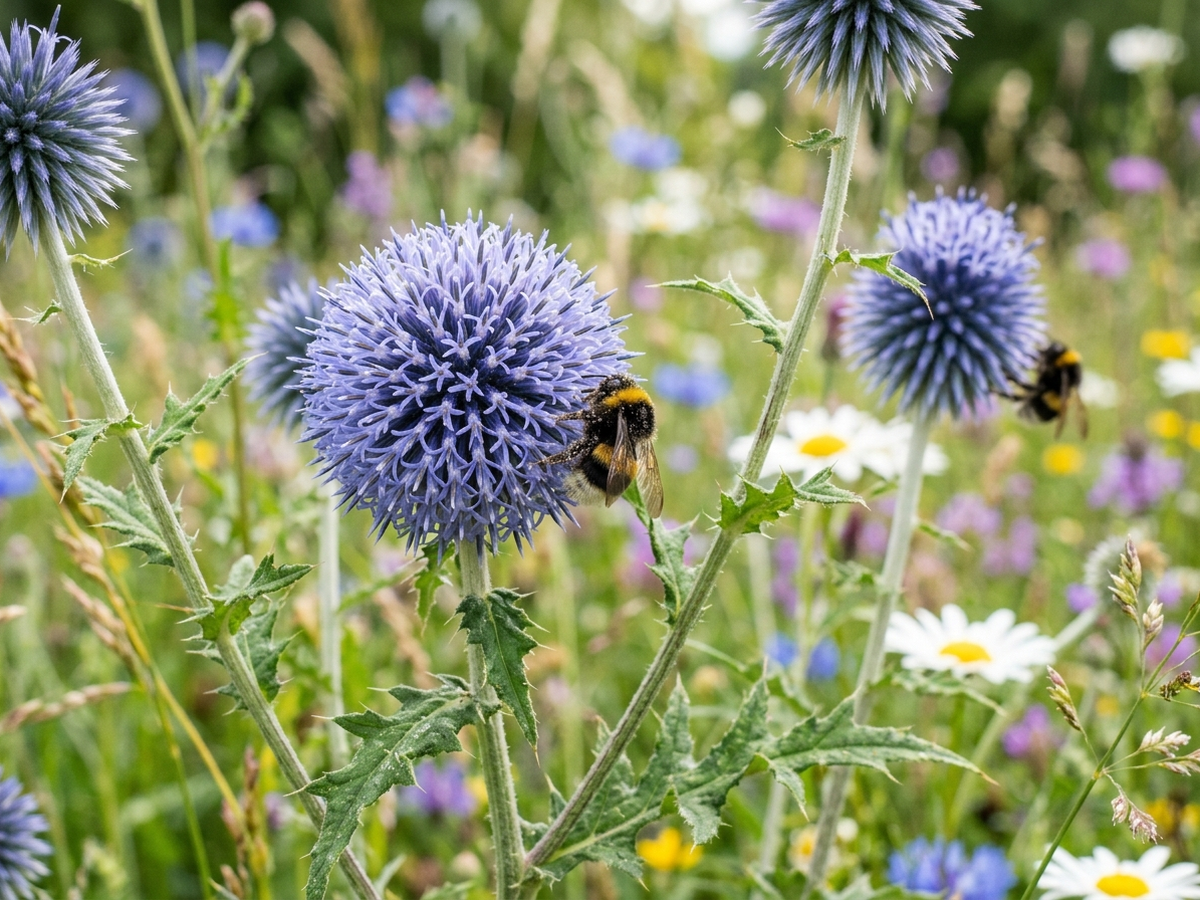
Echinops ritro is a striking perennial native to southern Europe and western Asia, producing perfectly spherical, steel-blue flower heads on branching silvery-gray stems. The spiky, thistle-like foliage is deeply lobed, green above and white-woolly beneath. Blooming July through September, the electric-blue globes are irresistible to bees and butterflies. Exceptionally cold-hardy and drought-tolerant, it thrives in poor, well-drained soils with minimal care. The round heads also dry beautifully, making it a prized cut and dried flower in floral arrangements.
- Drought-tolerant
- Cold-hardy
- Pollinator-friendly
- Long-blooming
How to care for Southern Globe Thistle
Watering
- Springevery 14 days
- Summerevery 7 days
- Fallpause watering
- Winterpause watering
Soil · Well-draining
- Top dressingPine bark mulch10%
- Main mixPotting soil + perlite 2:170%
- DrainageLECA / gravel20%
Never skip the drainage layer — standing water is the top cause of root rot.
FERTILIZER
- Springevery 30 days
- Summerevery 30 days
At a Glance
- NativeEurope
- Height2–4 ft (0.6–1.2 m)
- Spread2–3 ft (0.6–0.9 m)
- Flower colorBlue, Purple
- Foliage colorGreen
- SoilWell-drained, Loamy
- LocationsYard · Balcony
Bloom time
BLOOM CYCLE
Peak bloom
Jul–Sep
This plant blooms globular blue-violet flowers in summer.
Toxicity
Pets Safe
None reported
Not reported
EXPOSURE No exposure route is reported.
EFFECT No toxic effect is reported.
NOTE No toxicity is reported for humans in this catalog; this is not evidence that the plant is edible or harmless.
Safe
EXPOSURE No exposure route is reported.
EFFECT No toxic effect is reported.
NOTE Authoritative sources report this plant as non-toxic to dogs; this is not evidence that the plant is edible.
Safe
EXPOSURE No exposure route is reported.
EFFECT No toxic effect is reported.
NOTE Authoritative sources report this plant as non-toxic to cats; this is not evidence that the plant is edible.
Educational information, not medical or veterinary advice. If exposure is suspected, contact a doctor or veterinarian.
DISTRIBUTION

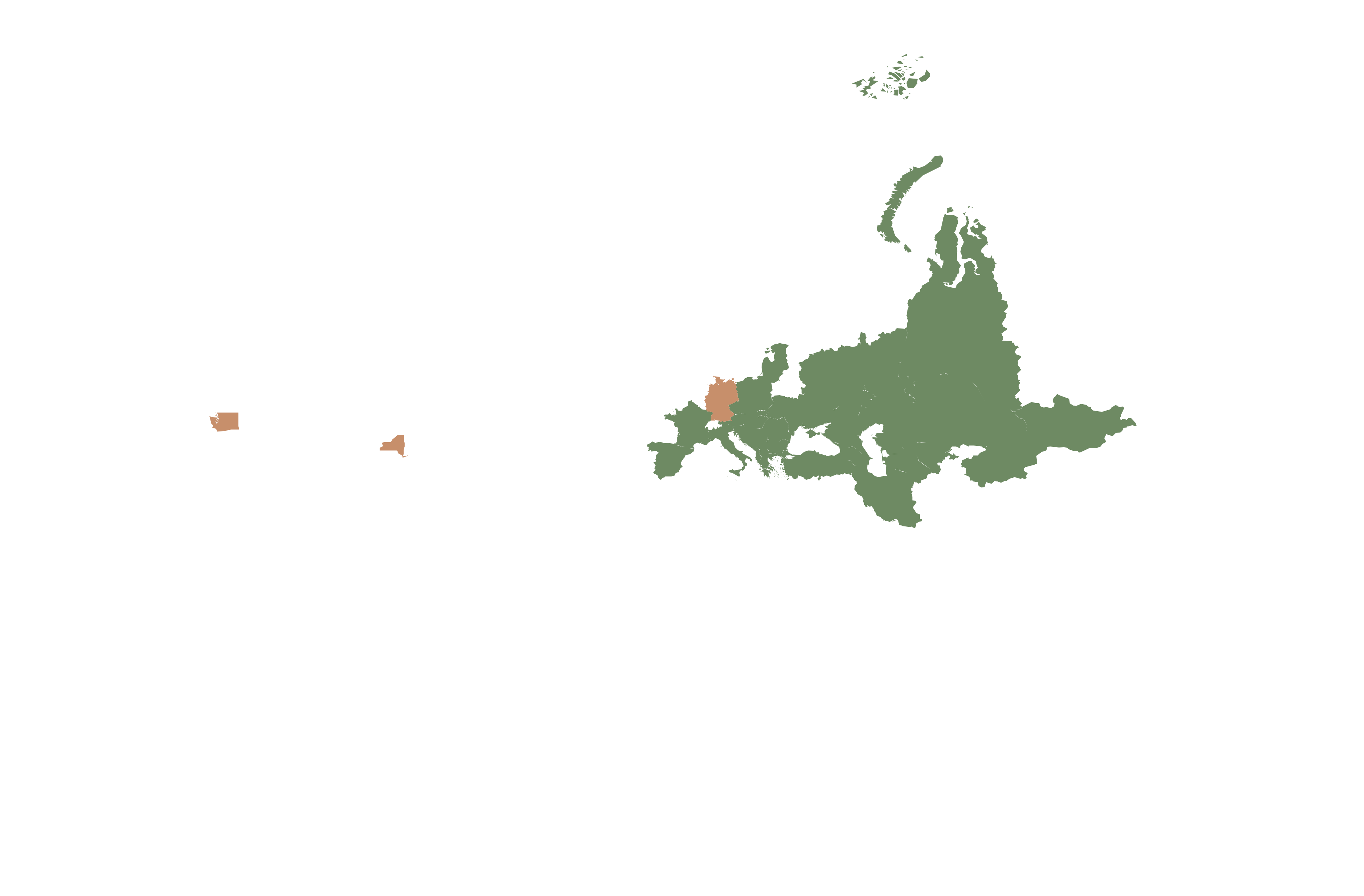
- Native
- Introduced
- Europe
History
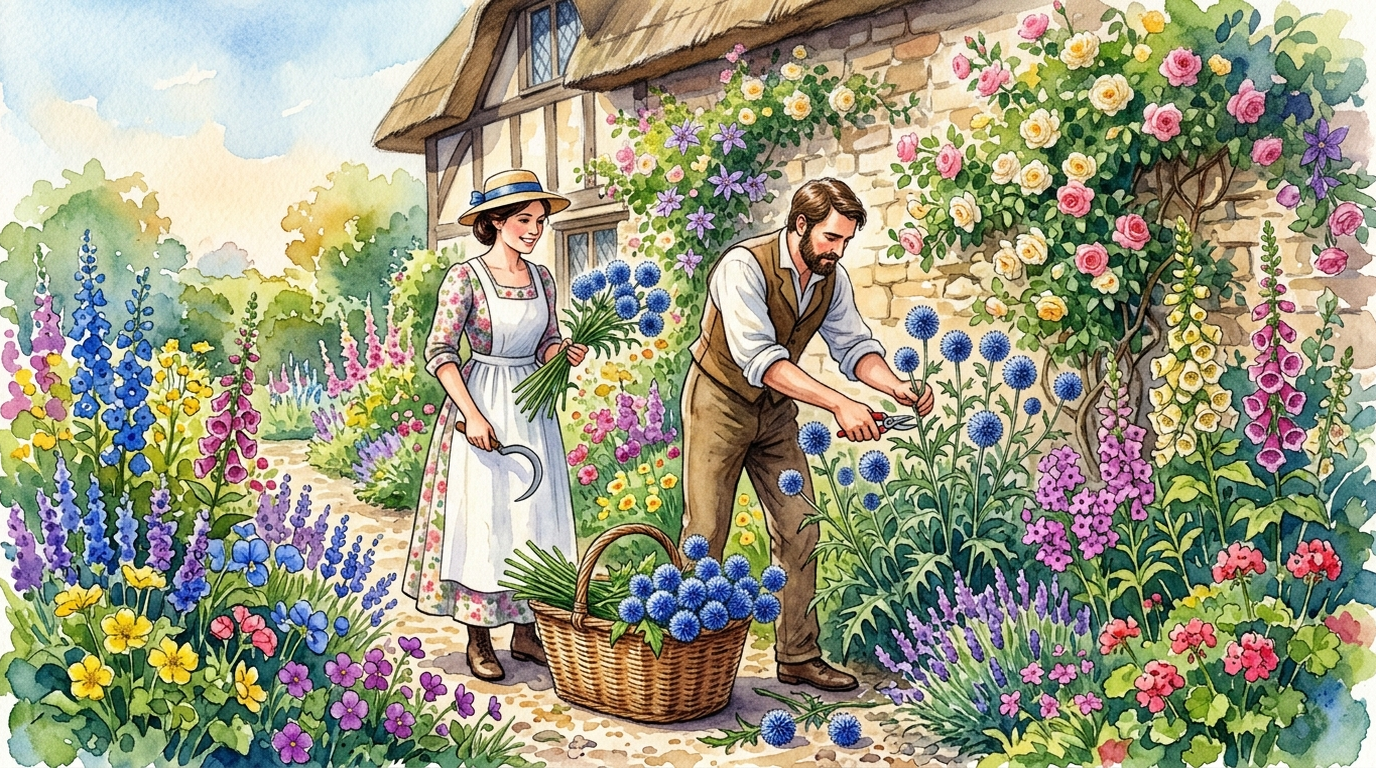
Echinops ritro has a long history of cultivation across Europe, where its spherical steel-blue flower heads have made it a garden favorite since at least the 16th century. The genus name comes from the Greek word echinos, meaning 'hedgehog,' an apt descriptor for the tightly packed, bristly globes that give the plant its dramatic character.
In European folk medicine, various Echinops species were used for their seeds, which contain echinopsine, an alkaloid with mild stimulant properties. Traditional healers in Central Asia and the Mediterranean employed the roots and seeds in preparations for nervous conditions and muscle weakness, though modern medicine has not validated these uses.
The plant entered formal garden cultivation during the Baroque and English Landscape garden periods, valued for its bold, architectural form that contrasted beautifully with softer perennials. By the Victorian era it was a cottage garden staple across Britain and northern Europe, celebrated for thriving in the lean, chalky soils and cold winters that defeated more delicate plants.
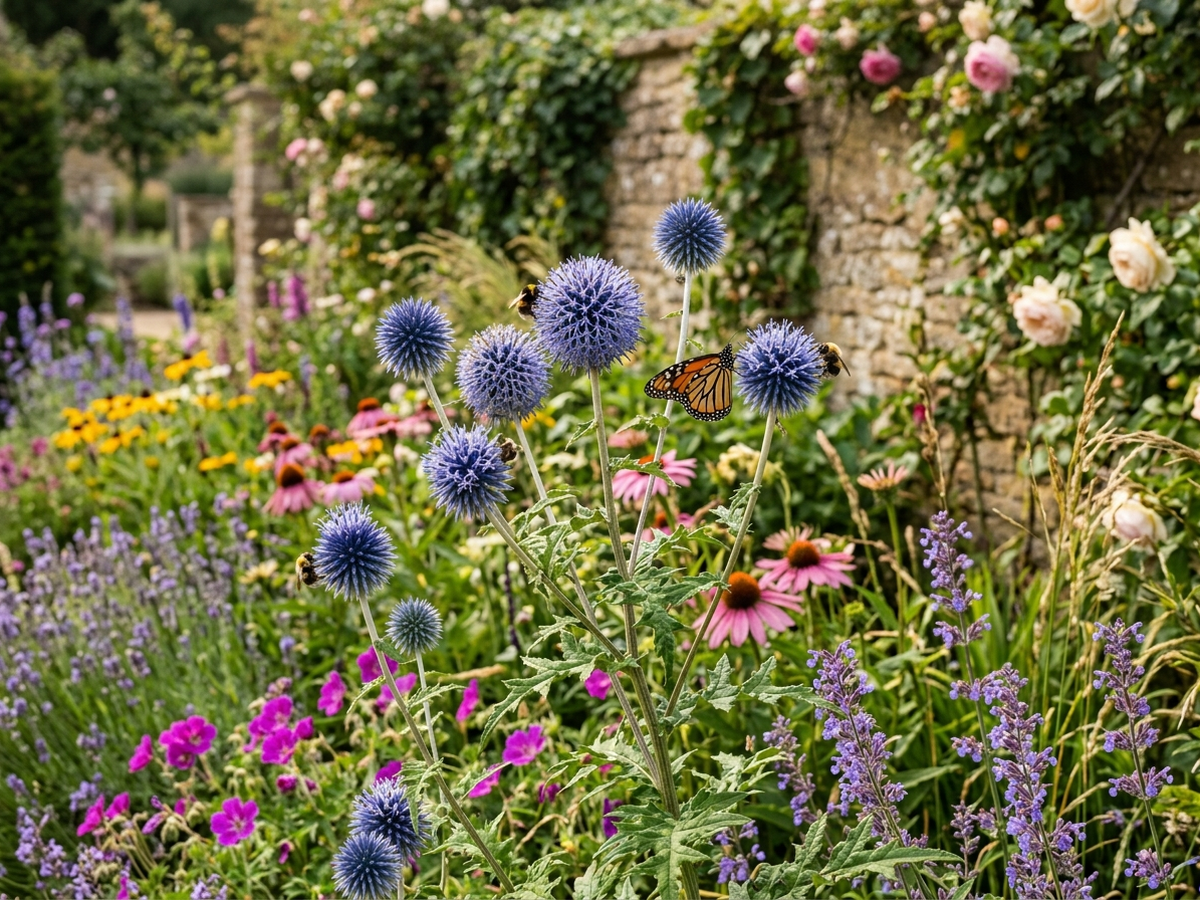
In the 20th century, garden designers including Gertrude Jekyll and later Beth Chatto championed the Southern Globe Thistle for its drought tolerance and structural elegance. Today it is a cornerstone of naturalistic, wildlife-friendly garden design, its July-to-September bloom filling a valuable gap in the summer border while feeding bumblebees and providing architectural contrast to softer-leaved perennials.
Symbolism & meaning
What It Symbolizes
The Echinops globe is nature's proof that perfection can emerge from austerity. Each metallic sphere is built from hundreds of tiny florets arranged in flawless geometry, yet the whole plant asks for almost nothing—poor soil, little water, cold winters. For Gertrude Jekyll, it exemplified the principle that a garden's most valuable plants are often its most self-sufficient ones.
- independence — Its spiny armor and ability to thrive in harsh, poor soils symbolize self-reliance and resilience.
- precision — The geometrically perfect sphere—each floret placed with mathematical exactness—represents order within nature's apparent chaos.
Where the Name Comes From
The genus name Echinops derives from the Greek echinos (hedgehog) and ops (appearance), describing the spiny, spherical flower heads. The species epithet ritro is an old Latinized name used by early European botanists, possibly derived from a regional vernacular name for the plant.
Uses & Fun Facts
- Architectural steel-blue globe heads add dramatic structure to garden borders
- Intensely attractive to bumblebees and butterflies throughout summer
- Round heads dry beautifully, prized in dried floral arrangements
- Seeds attract goldfinches and other small birds in late summer
- Seeds contain echinopsine, used in traditional Central Asian herbal medicine
Related plants
More Echinops plants
Plants with similar care
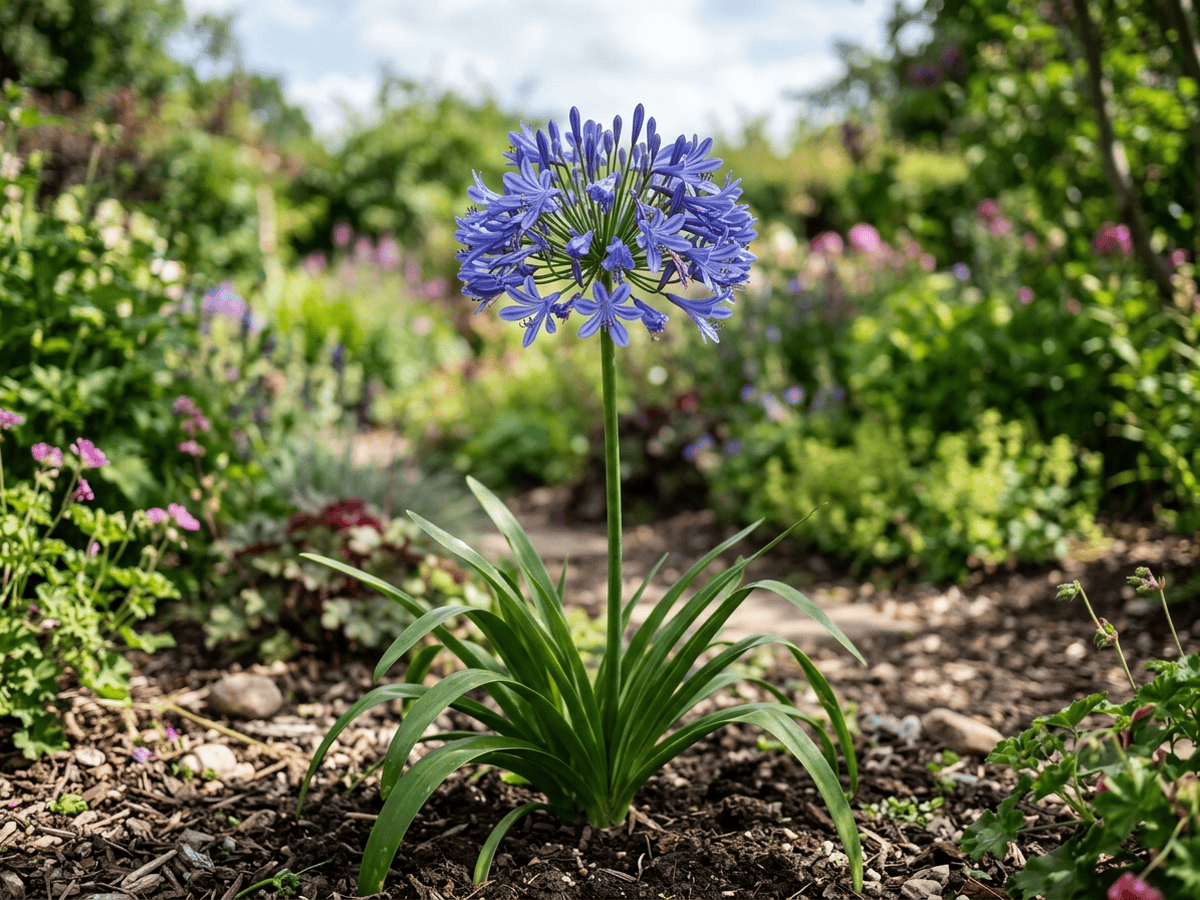 African LilyAgapanthus africanus
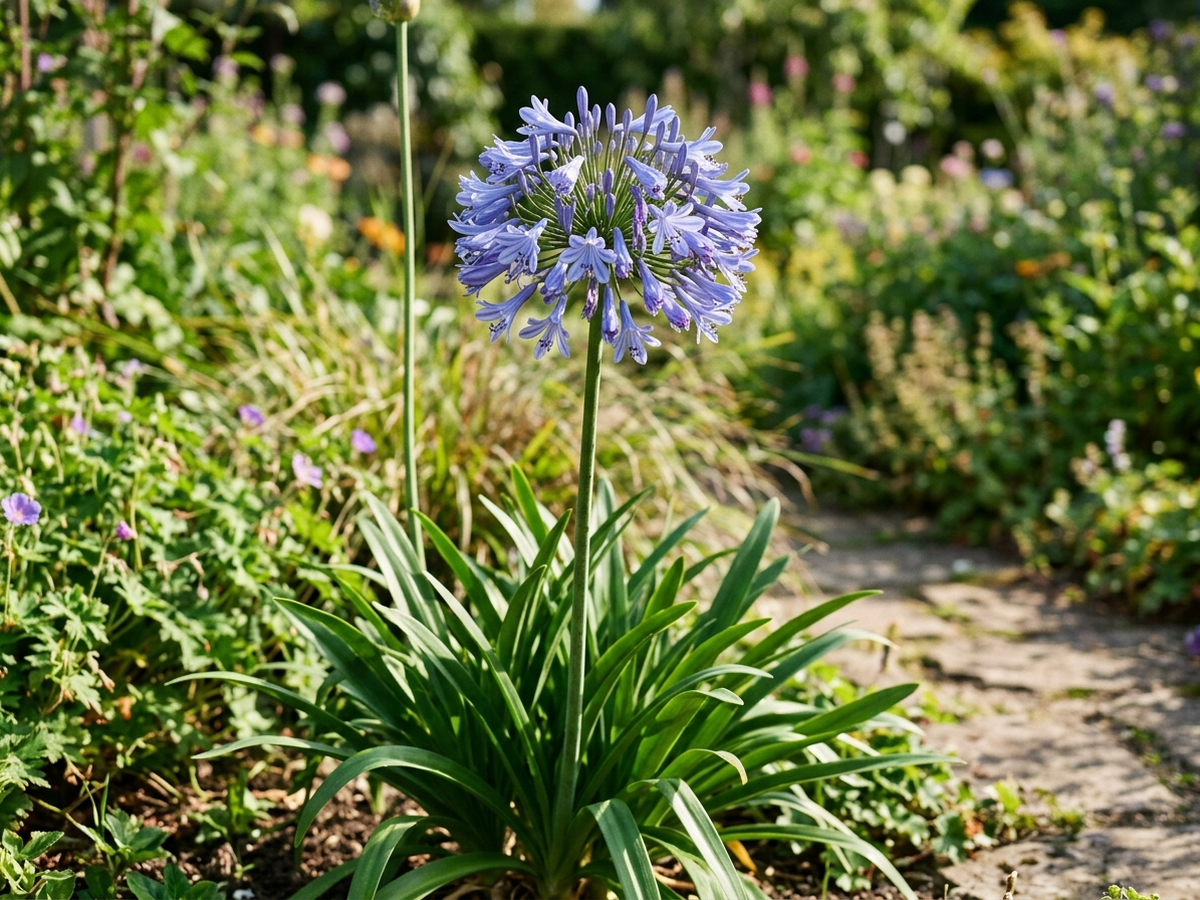 Bell AgapanthusAgapanthus campanulatus
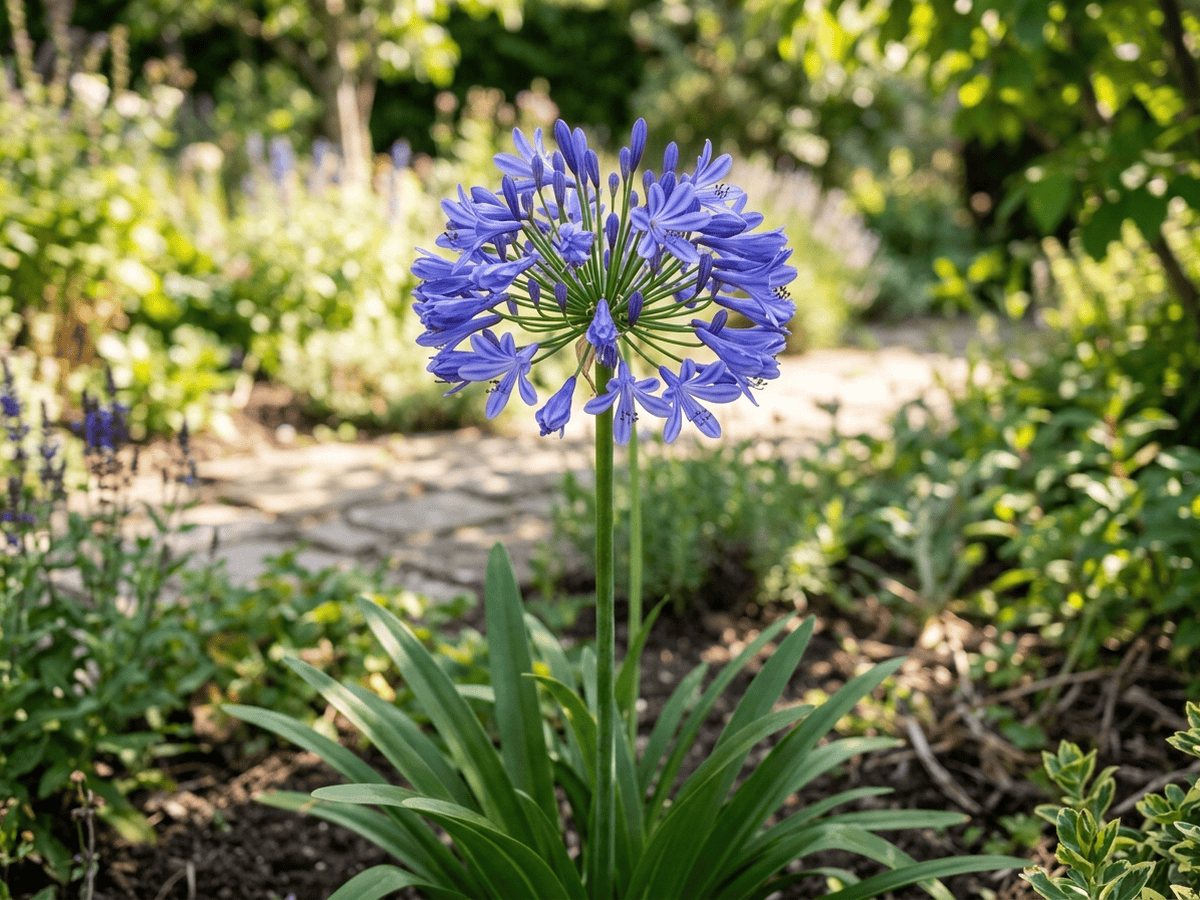 Common AgapanthusAgapanthus praecox
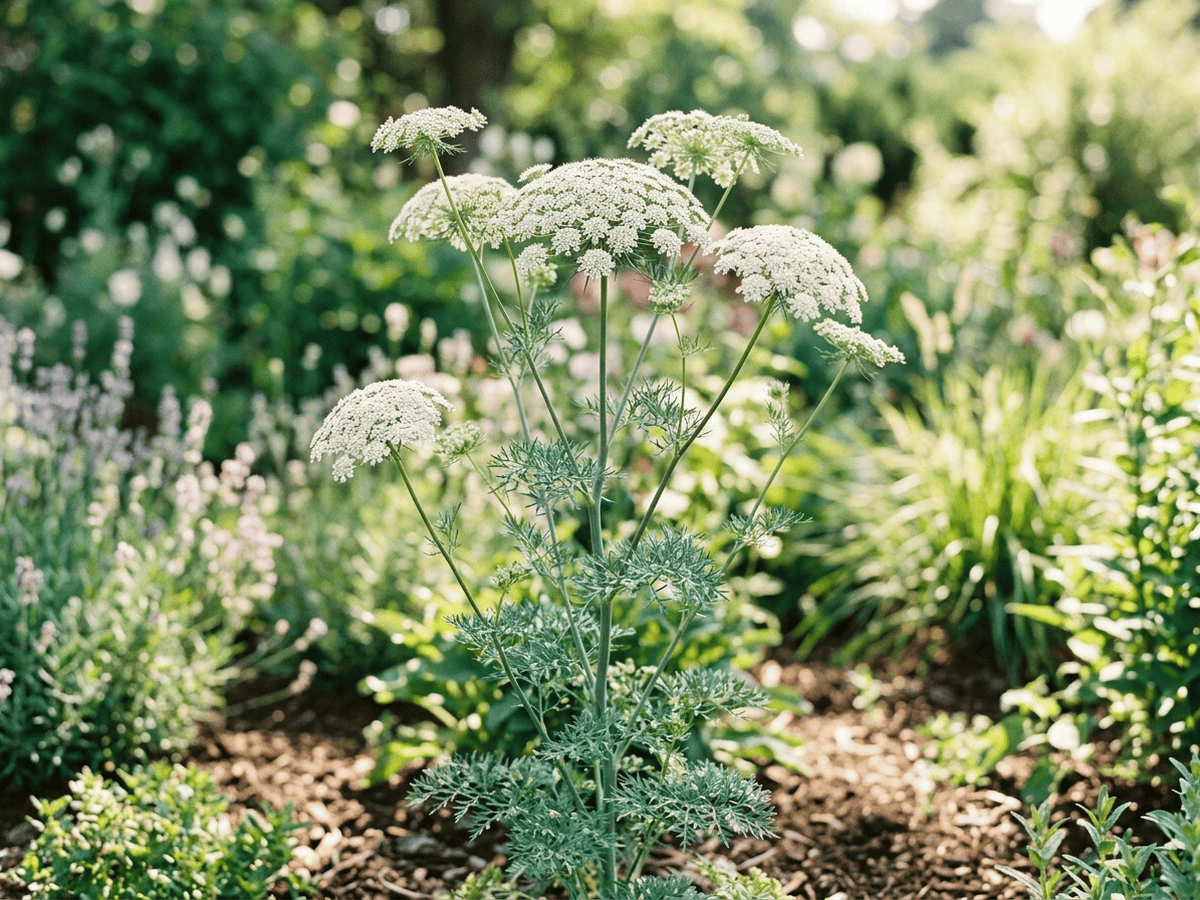 False Queen Anne's LaceAmmi majus glaucifolium
Frequently asked questions
How often should I water Southern Globe Thistle?
Water about every 14 days during the growing season, and always let excess water drain away.
How much light does Southern Globe Thistle need?
Part sun: 4–6 hrs direct. Watch the leaves — scorching or stretching means the light needs adjusting.
Is Southern Globe Thistle toxic to cats or dogs?
Pets Safe (Dogs Safe · Cats Safe) Educational information, not medical or veterinary advice. If exposure is suspected, contact a doctor or veterinarian.
Is Southern Globe Thistle easy to grow?
It is considered challenging and rewards experienced growers.
When does Southern Globe Thistle bloom?
It typically blooms Jul–Sep in the Northern Hemisphere.
YardMate
Identify any plant in seconds
Snap a photo — YardMate names the plant, diagnoses problems, and reminds you when to water.
Download on the App Store