 YardMate

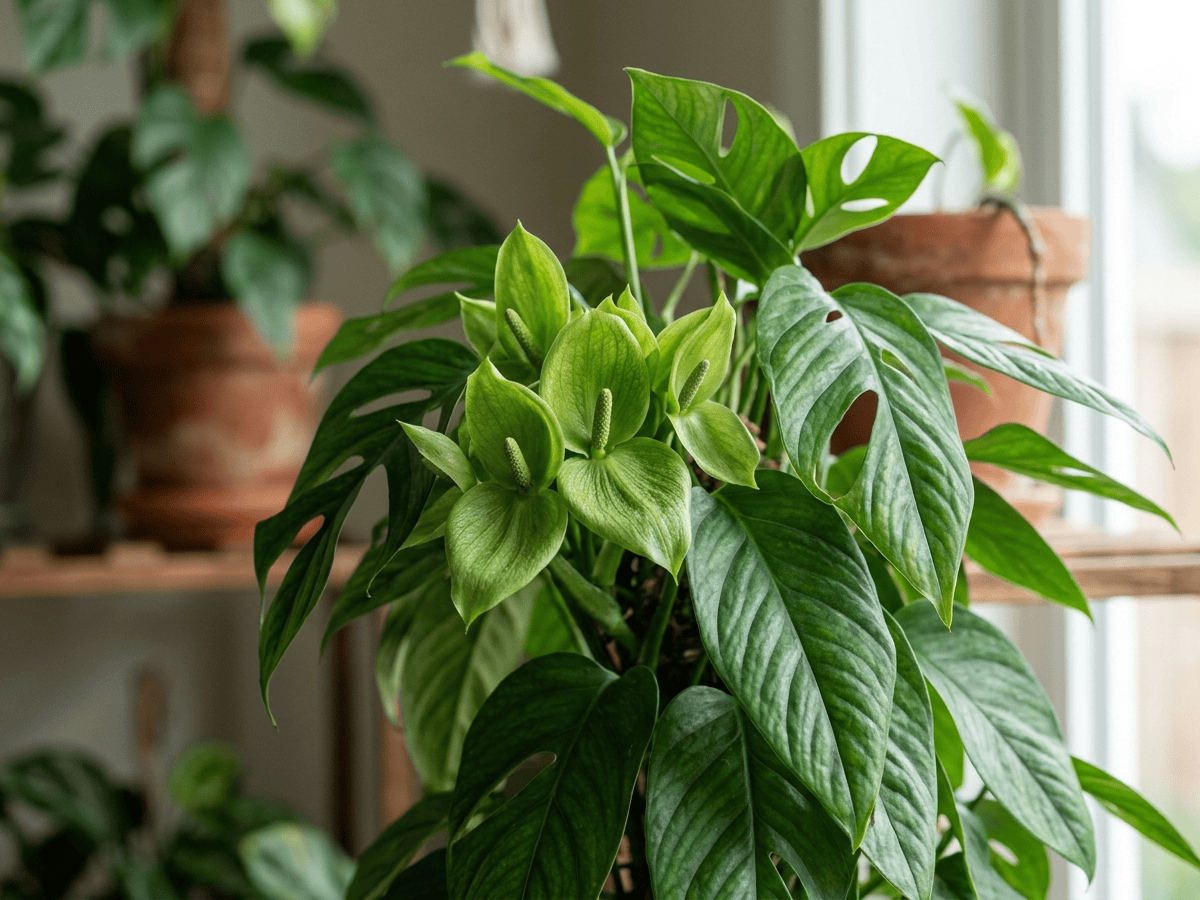


Dragon-Tail
Epipremnum pinnatum
Easy · Beginner friendlyAbout Dragon-Tail
Dragon Tail Plant is a tropical Asian climbing aroid producing thick climbing vines with juvenile heart-shaped leaves that mature into deeply lobed pinnate leaves resembling Monstera. Often sold as the variegated form 'Cebu Blue' (with bluish iridescence) or 'Albo Variegata', it is closely related to the common pothos. Climbing 6-15 feet on a moss pole, it has become one of the most collected aroids in the modern American houseplant scene.
- Climbing
- Container-friendly
- Evergreen
How to care for Dragon-Tail
Watering
- Springevery 7 days
- Summerevery 7 days
- Fallevery 10 days
- Winterevery 14 days
Soil · Chunky & airy
- Top dressingBark chips10%
- Main mixBark + potting soil + perlite 1:1:170%
- DrainageLECA20%
Chunky pieces hold air pockets open so thick roots don't suffocate.
FERTILIZER
Balanced Feed 14-14-14
An even feed covers all three needs at once, keeping leaves, roots and blooms moving together with nothing pushed out of balance.
- Nitrogen · Leaves
- Phosphorus · Roots + Blooms
- Potassium · Strength
- Springevery 30 days
- Summerevery 30 days
- Fallevery 60 days
At a Glance
- NativeSoutheast Asia
- Height4–8 ft (1.2–2.4 m)
- Spread2–3 ft (0.6–0.9 m)
- Flower colorCream, Green
- Foliage colorGreen, Blue-green, Variegated
- SoilLoamy, Well-drained
- LocationsIndoor
Bloom time
BLOOM CYCLE
Peak bloom
Jun–Aug
Aroid flowers (very rare indoors)
Toxicity
Humans Moderate · Pets Moderate
calcium oxalate raphides
Moderate
- Leaf
- Stem
- Ingestion
EXPOSURE Eating leaves and stems.
EFFECT Oral irritation and drooling.
NOTE Documented concern for humans: Oral irritation and drooling.
Moderate
- Leaf
- Stem
- Ingestion
EXPOSURE Eating leaves and stems.
EFFECT Oral irritation and vomiting.
NOTE ASPCA lists Epipremnum (pothos) as toxic.
Moderate
- Leaf
- Stem
- Ingestion
EXPOSURE Eating leaves and stems.
EFFECT Oral irritation and vomiting.
NOTE ASPCA lists Epipremnum (pothos) as toxic.
Educational information, not medical or veterinary advice. If exposure is suspected, contact a doctor or veterinarian.
DISTRIBUTION


- Native
- Introduced
- Southeast Asia
History

Epipremnum pinnatum, commonly called dragon tail plant or centipede tongavine, is a widespread climbing aroid in the family Araceae native to tropical forests from India and southern China through Southeast Asia, Indonesia, the Philippines, New Guinea, and the western Pacific islands. Carl Linnaeus described it as Pothos pinnatus in 1753 in Species Plantarum; German botanist Adolf Engler transferred it to Epipremnum in 1908. The species is the wild ancestor of the enormously popular houseplant Epipremnum aureum (golden pothos), which was described separately based on variegated Solomon Islands material.
Juvenile plants have small heart-shaped leaves resembling pothos, but as they climb and mature, leaves enlarge dramatically to 50+ cm and develop characteristic deep pinnate splits (the epithet pinnatum refers to this feathered adult leaf form). Popular variegated cultivars include 'Cebu Blue' (silvery blue-green narrow leaves), 'Albo-variegata' (white variegated), and 'Baltic Blue'.
Widely grown as houseplant; invasive escape concern in humid tropics. Toxic due to calcium oxalate.
Symbolism & meaning
What It Symbolizes
Dragon-Tail expresses aspiration, a vigorous climber that reaches steadily upward toward any light it can find. Paired with transformation, its leaves change dramatically with maturity — slim juvenile blades fissuring into the bold, dragon-toothed shapes that give the plant its name. To grow it is to watch ambition and metamorphosis written together in foliage.
- Aspiration — vigorous climber reaching ever upward
- Transformation — leaves mature dramatically with age
Where the Name Comes From
'Epipremnum' from Greek 'epi' (upon) and 'premnon' (trunk), for its climbing habit; 'pinnatum' refers to mature pinnate leaves.
Uses & Fun Facts
- Trailing or climbing pothos relative for hanging baskets
- Aerial roots cling to moss poles for vertical interior accents
- Mature fenestrated leaves resemble miniature monstera foliage
Related plants
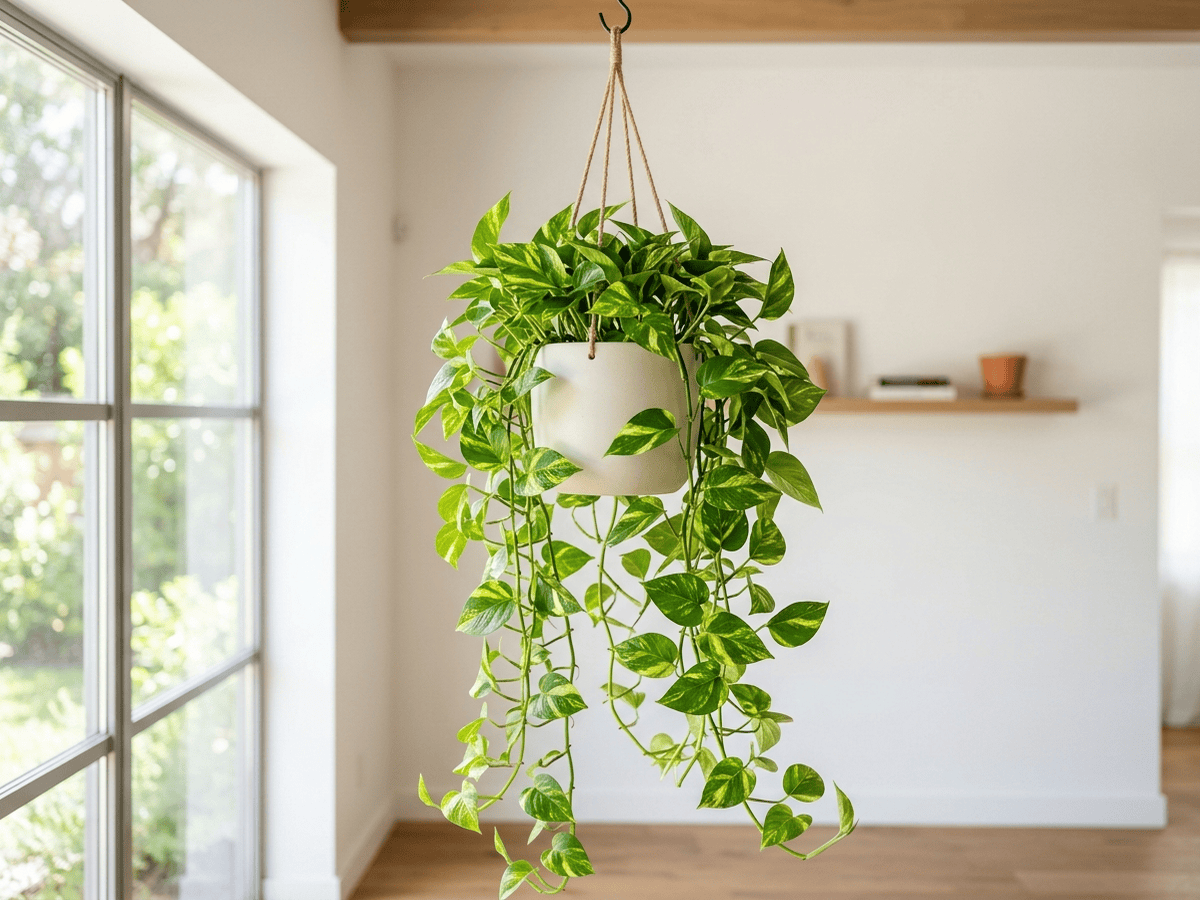
More Epipremnum plants
Plants with similar care
 Giant TaroAlocasia macrorrhizos
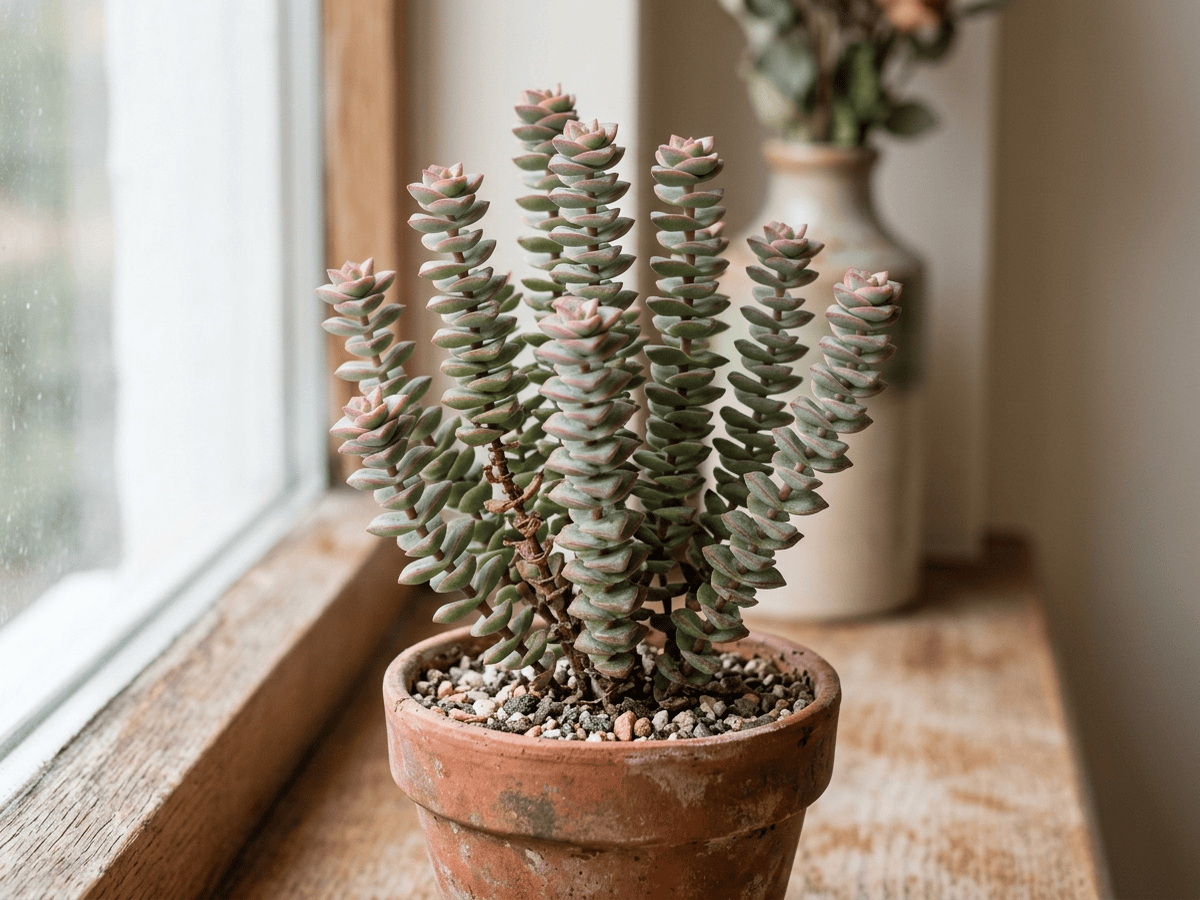 Concertina PlantCrassula perforata
 Song Of IndiaDracaena reflexa
 Snake PlantDracaena trifasciata
Frequently asked questions
How often should I water Dragon-Tail?
In summer, water about every 7 days; in winter, about every 14 days. Adjust for heat, pot size and drainage.
How much light does Dragon-Tail need?
Indirect: Filtered light. Watch the leaves — scorching or stretching means the light needs adjusting.
Is Dragon-Tail toxic to cats or dogs?
Pets Moderate (Dogs Moderate · Cats Moderate) Educational information, not medical or veterinary advice. If exposure is suspected, contact a doctor or veterinarian.
Is Dragon-Tail easy to grow?
Yes — it is considered an easy, beginner-friendly plant.
Can Dragon-Tail be grown indoors?
Yes, it adapts well to indoor growing given the right light.
When does Dragon-Tail bloom?
It typically blooms Jun–Aug in the Northern Hemisphere.
YardMate
Identify any plant in seconds
Snap a photo — YardMate names the plant, diagnoses problems, and reminds you when to water.
Download on the App Store